
New 2027 International Rollback Trucks For Sale in Florida
Shop new 2027 International rollback trucks in Florida. Compare MV and CV carriers, deck sizes, GVWR, wheel-lift capacity, and towing specs.
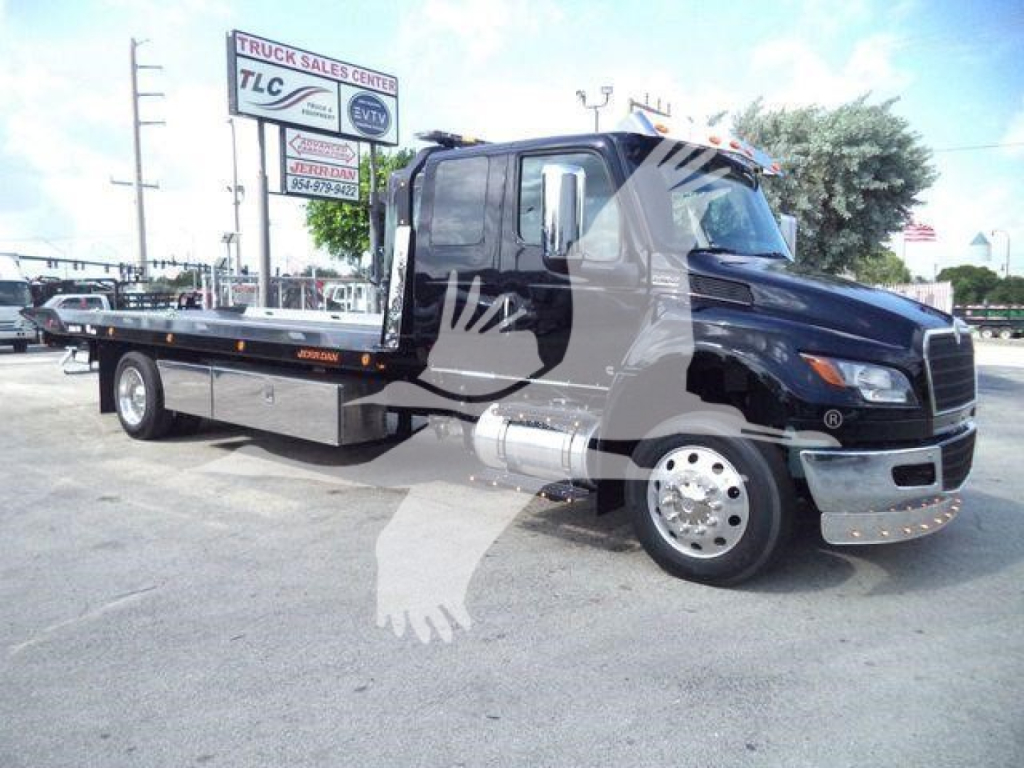
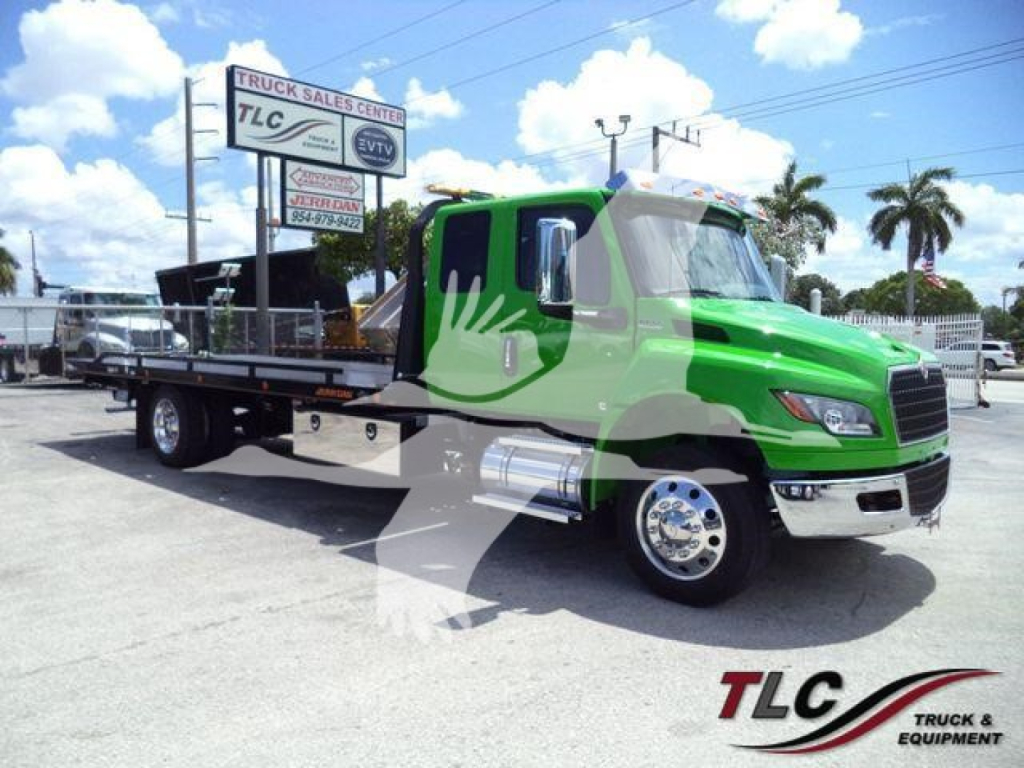
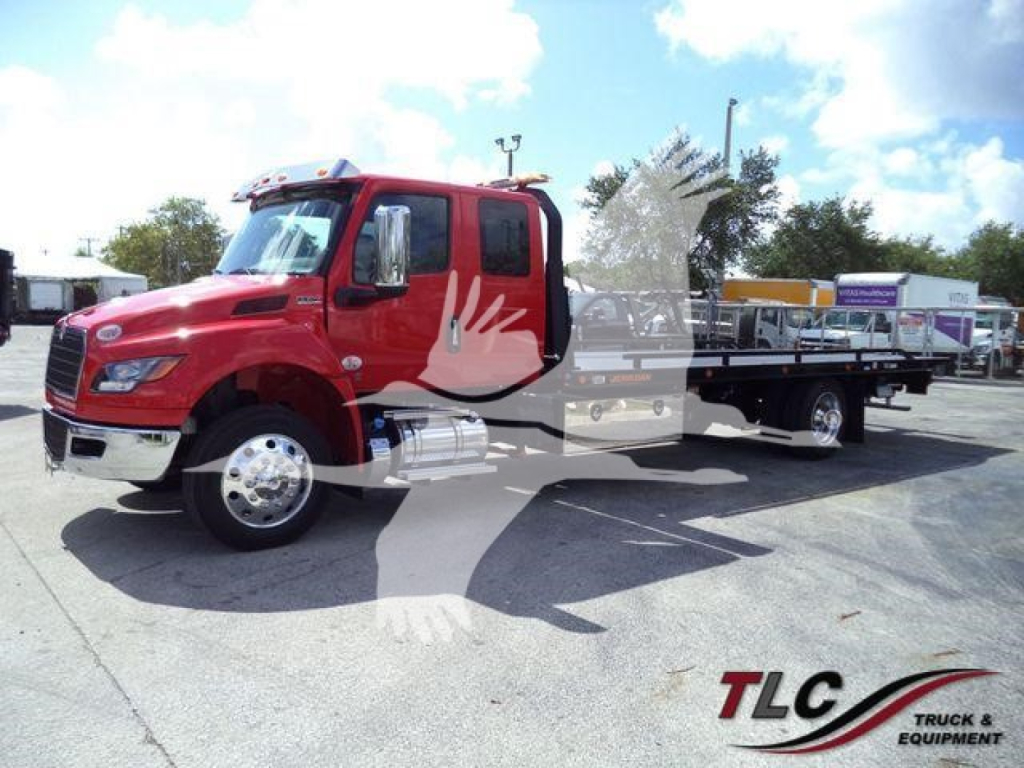
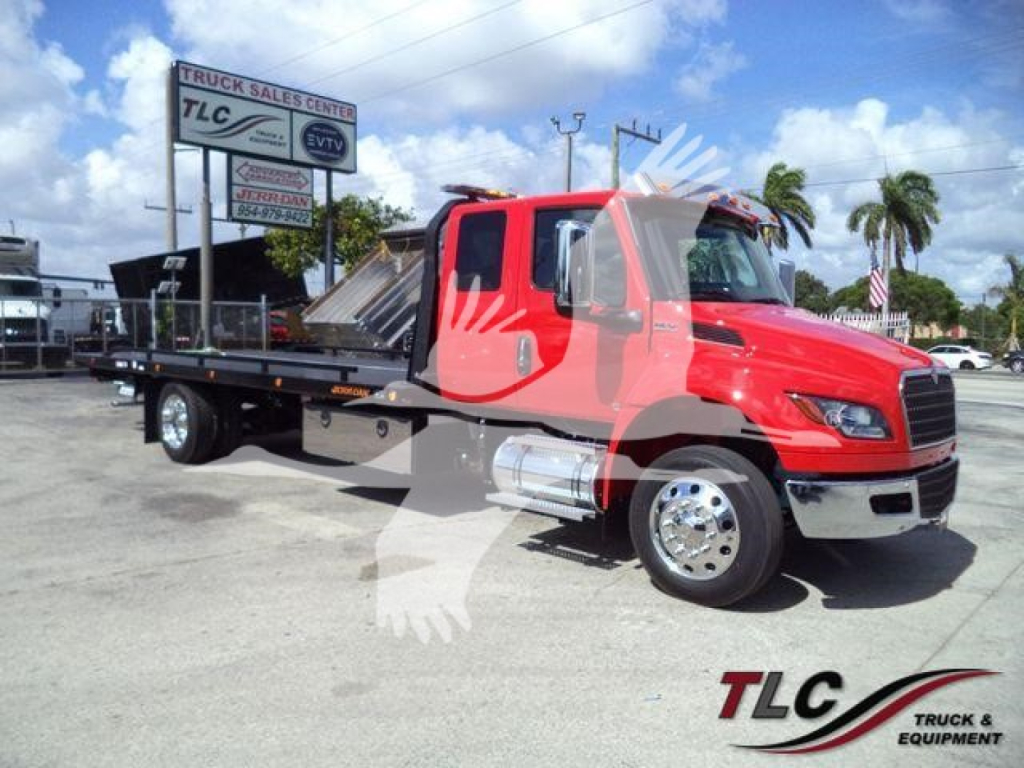
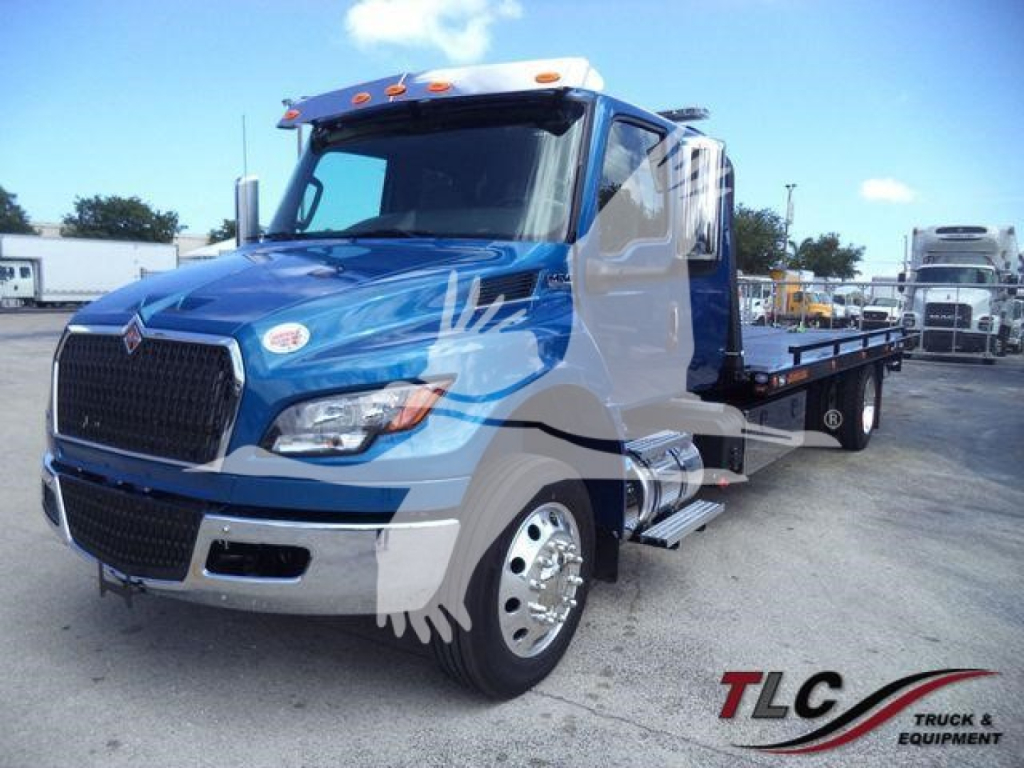
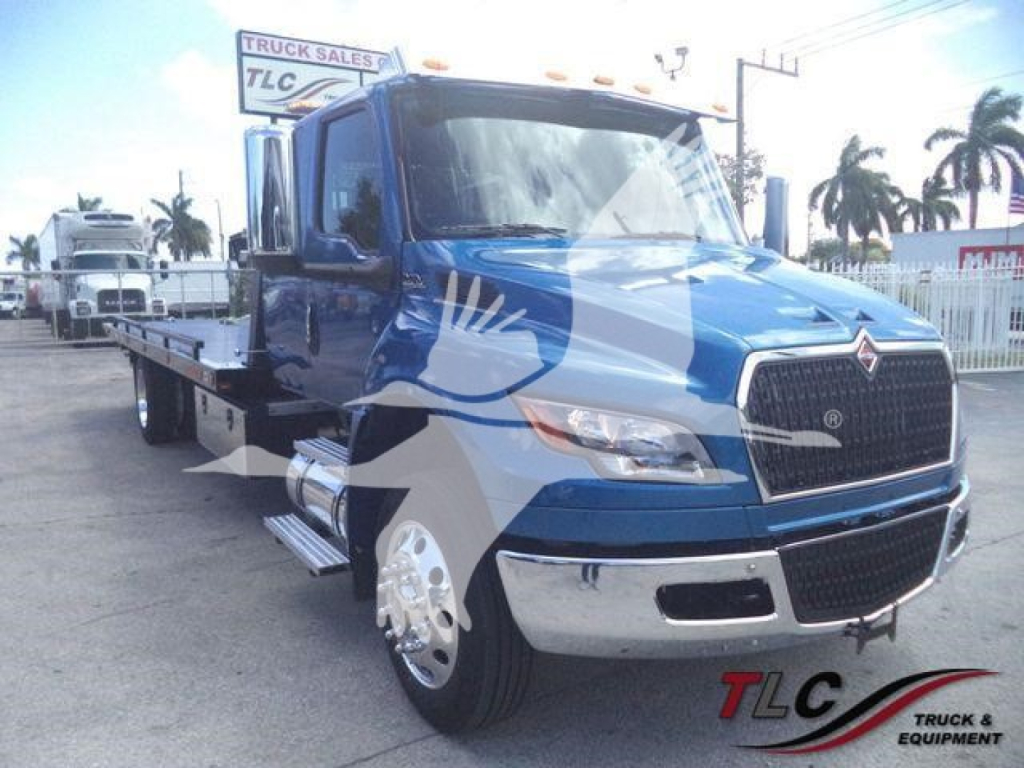
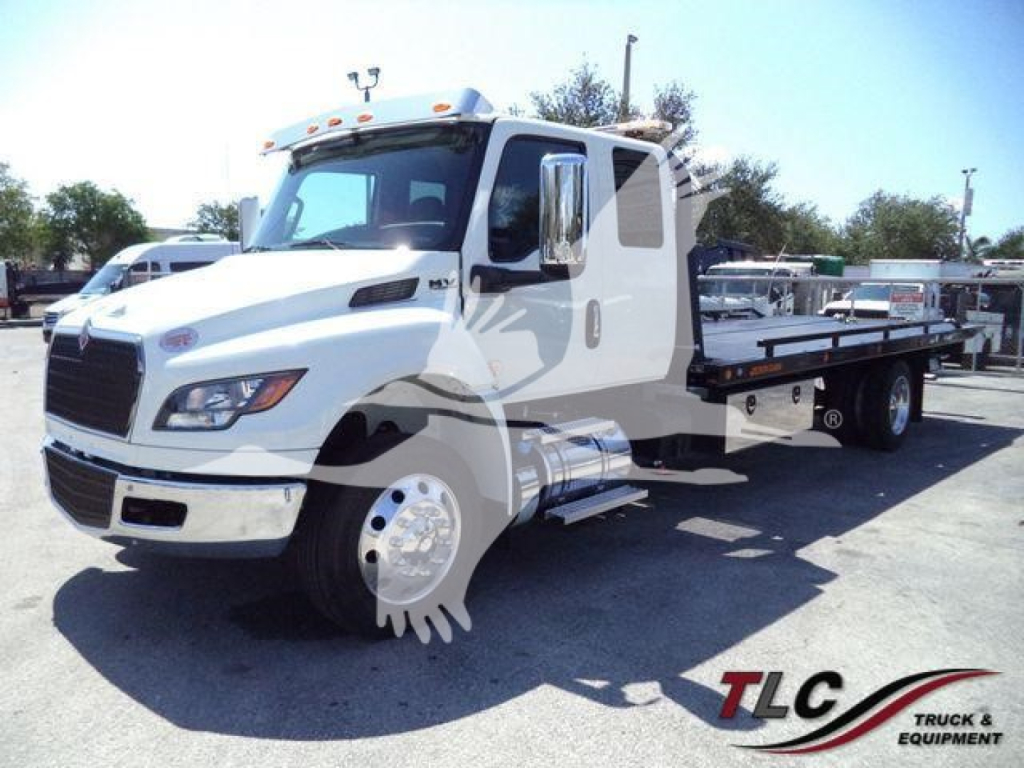
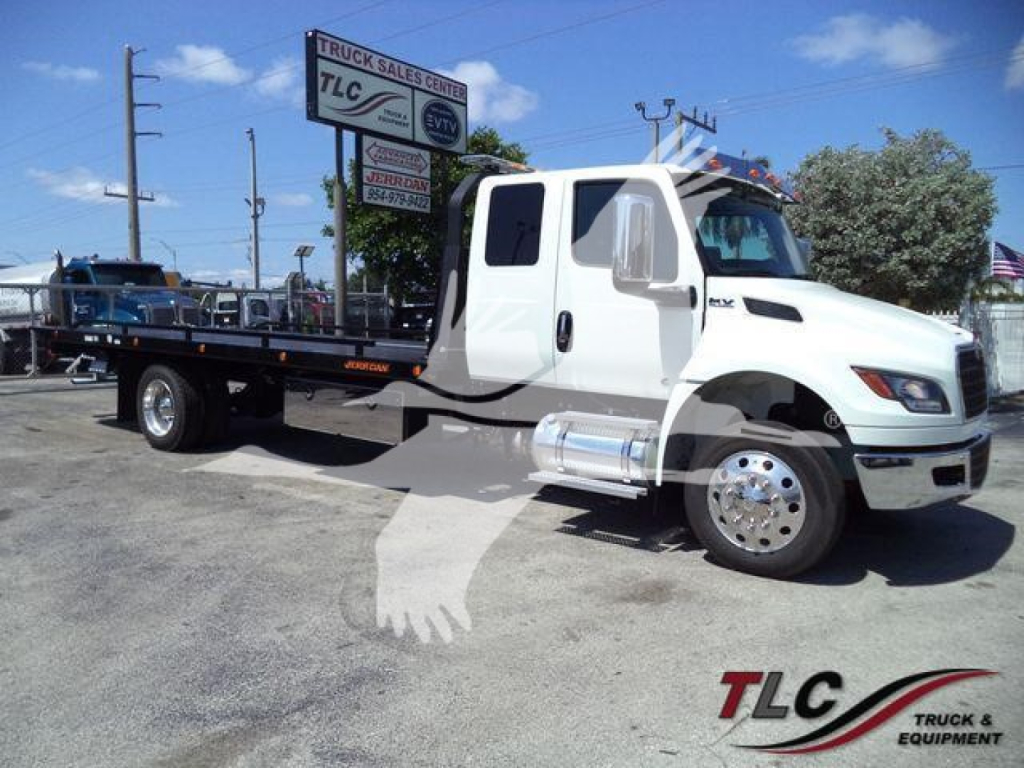
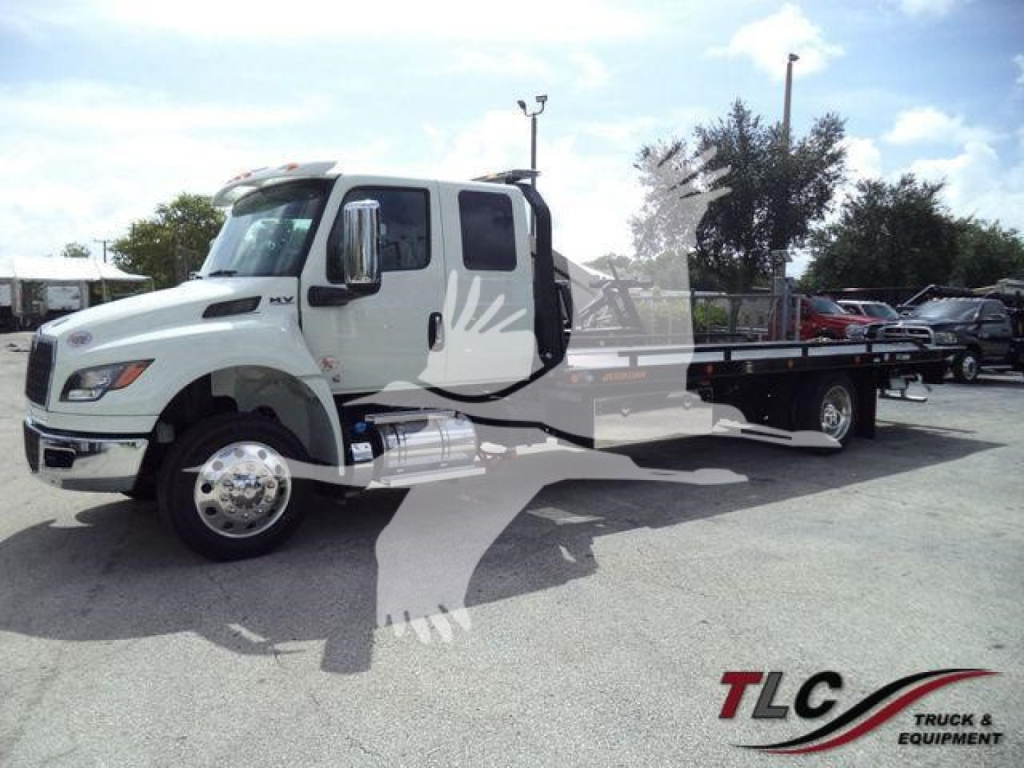
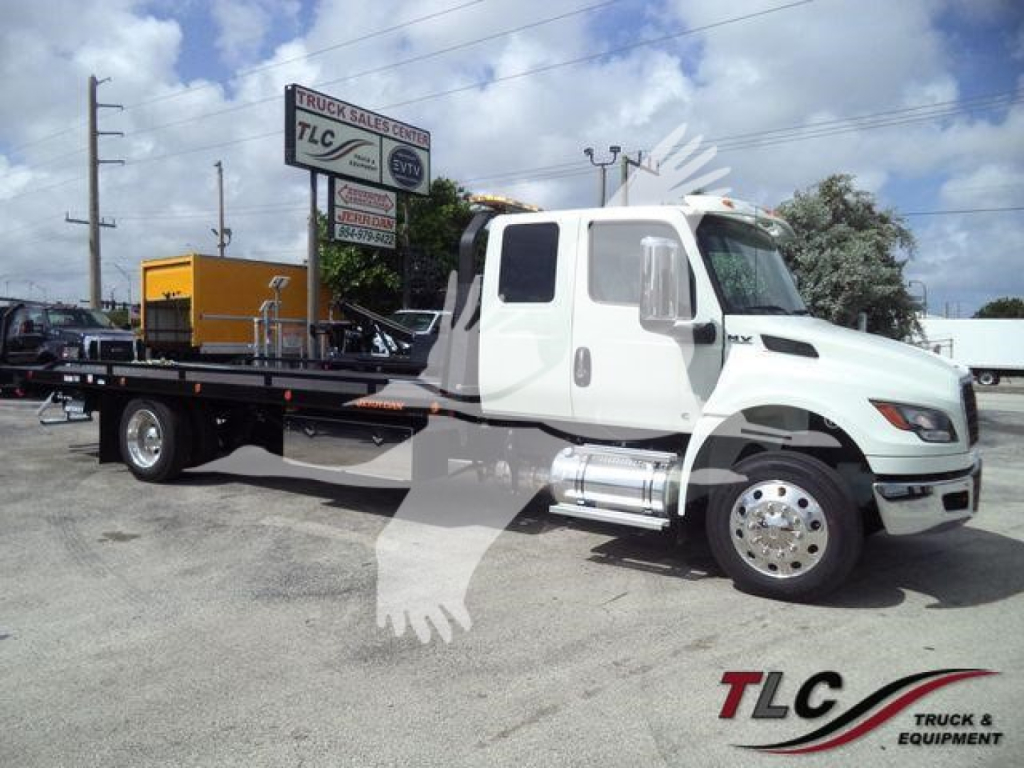
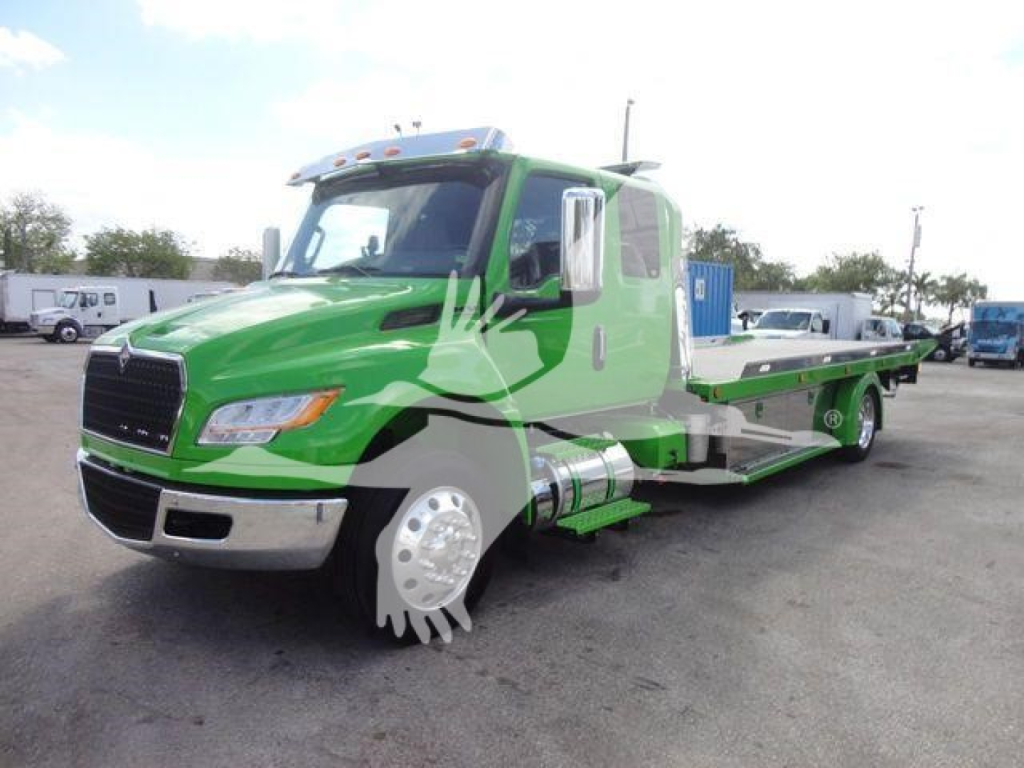
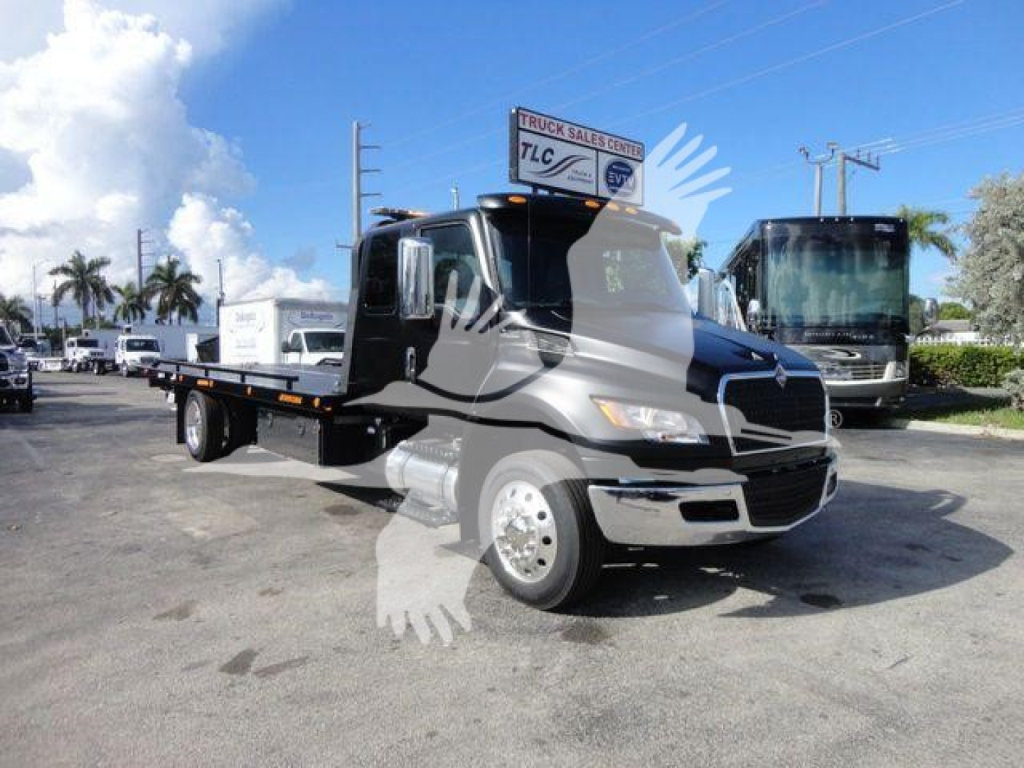
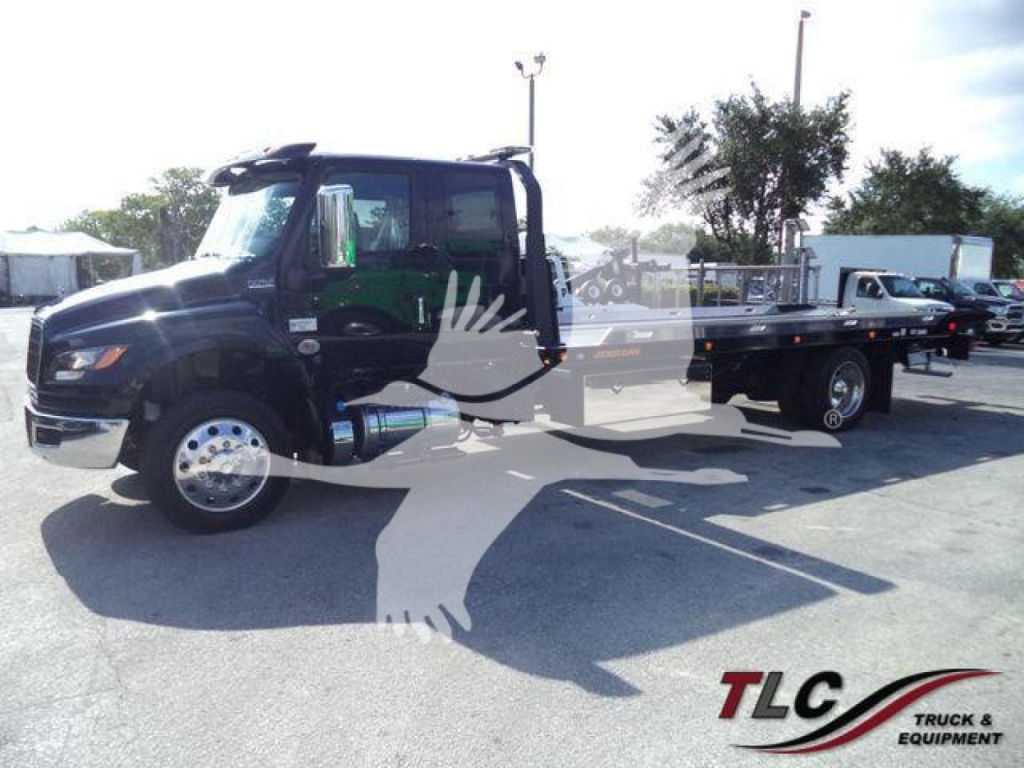
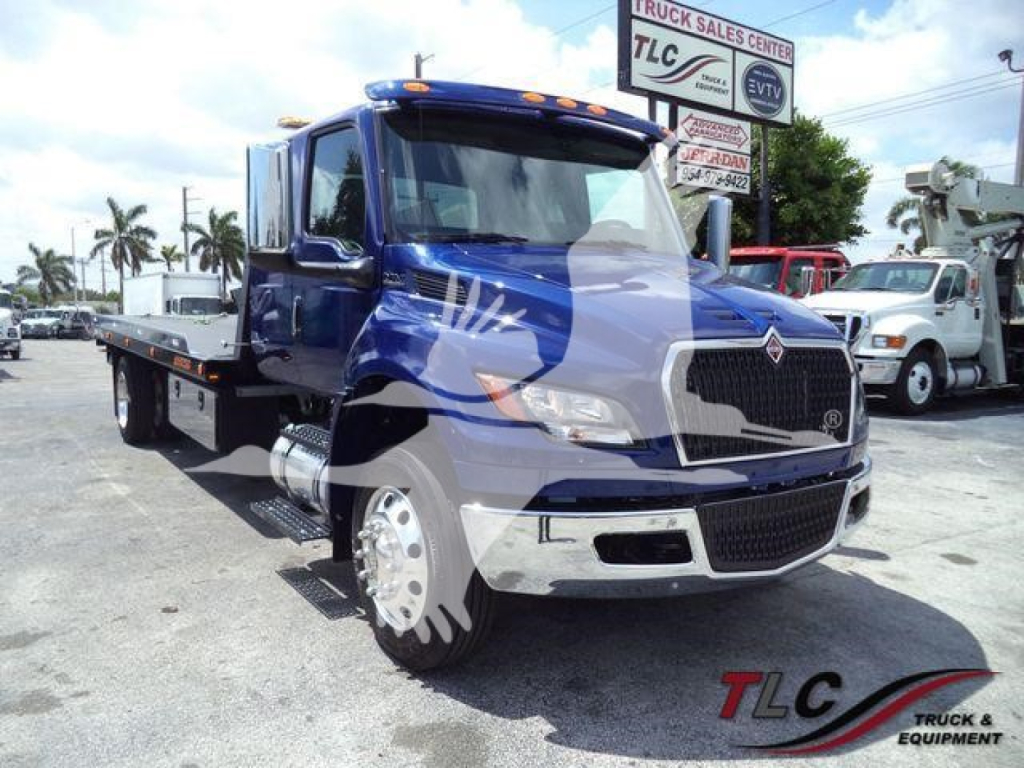
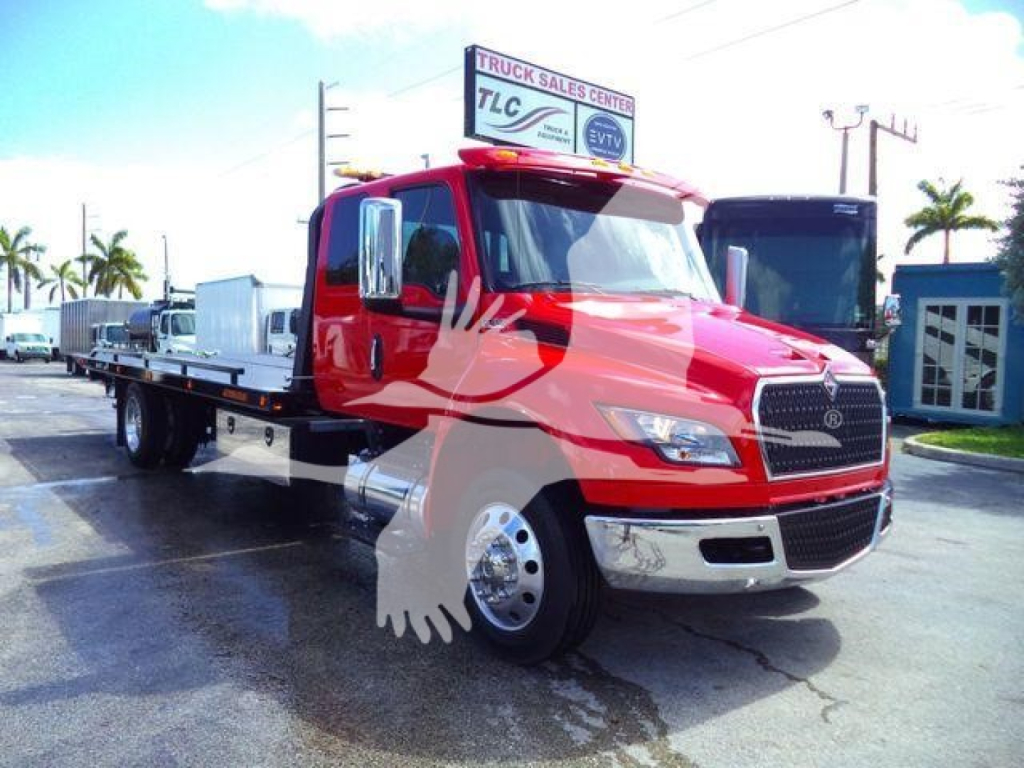
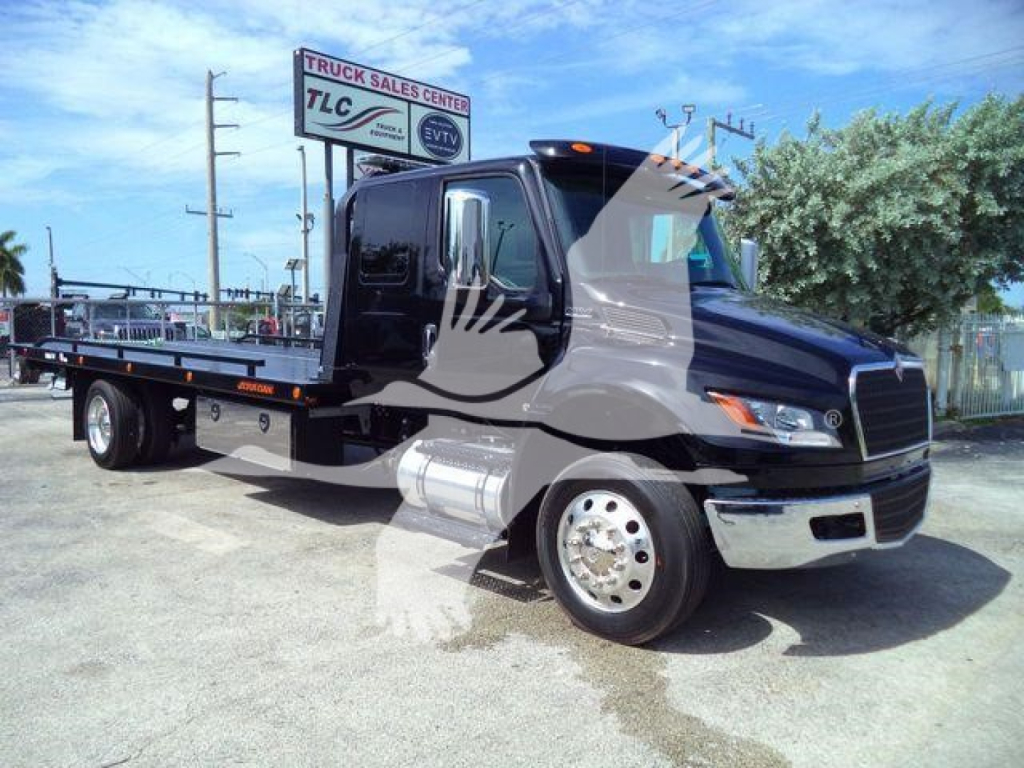
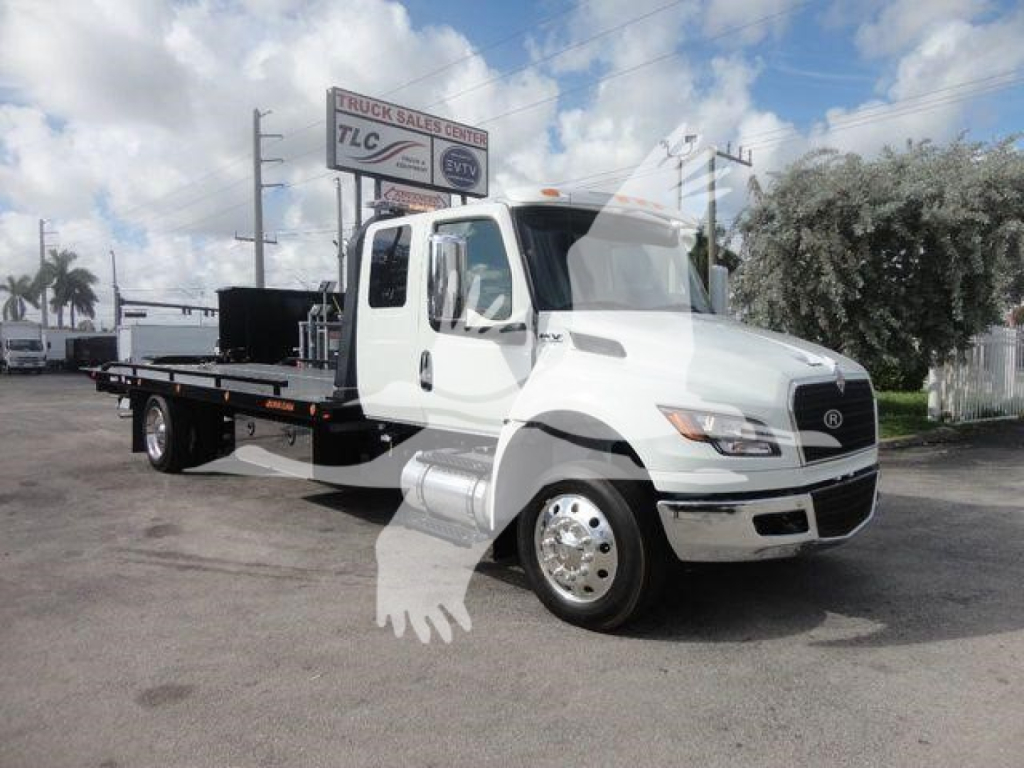
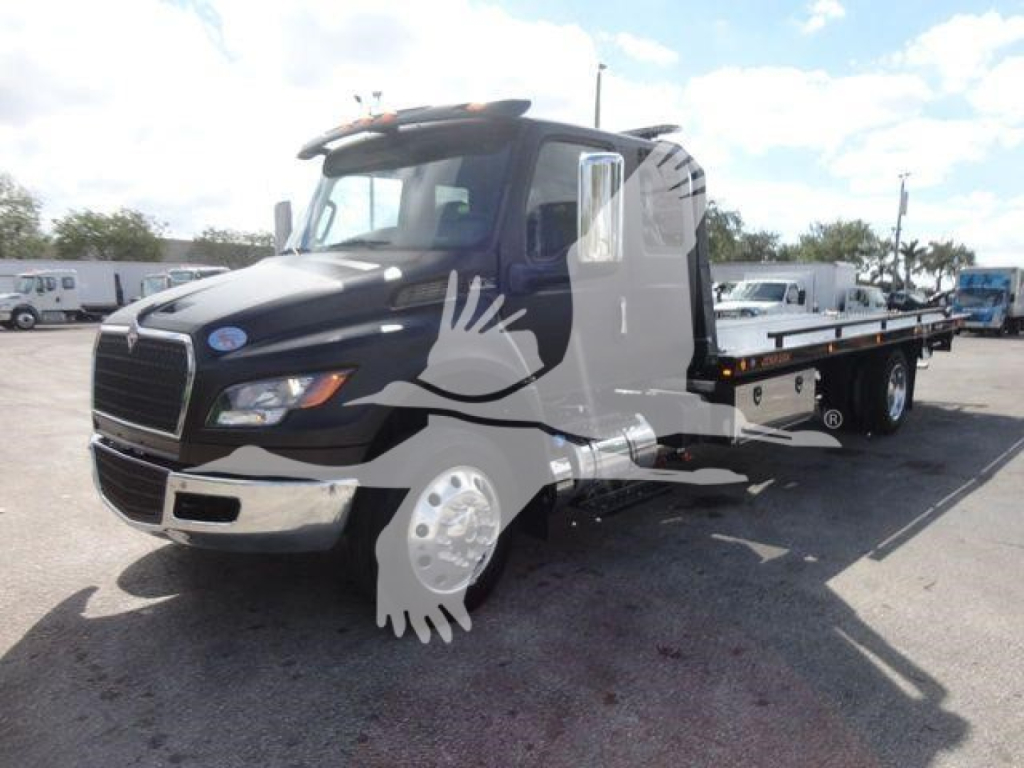
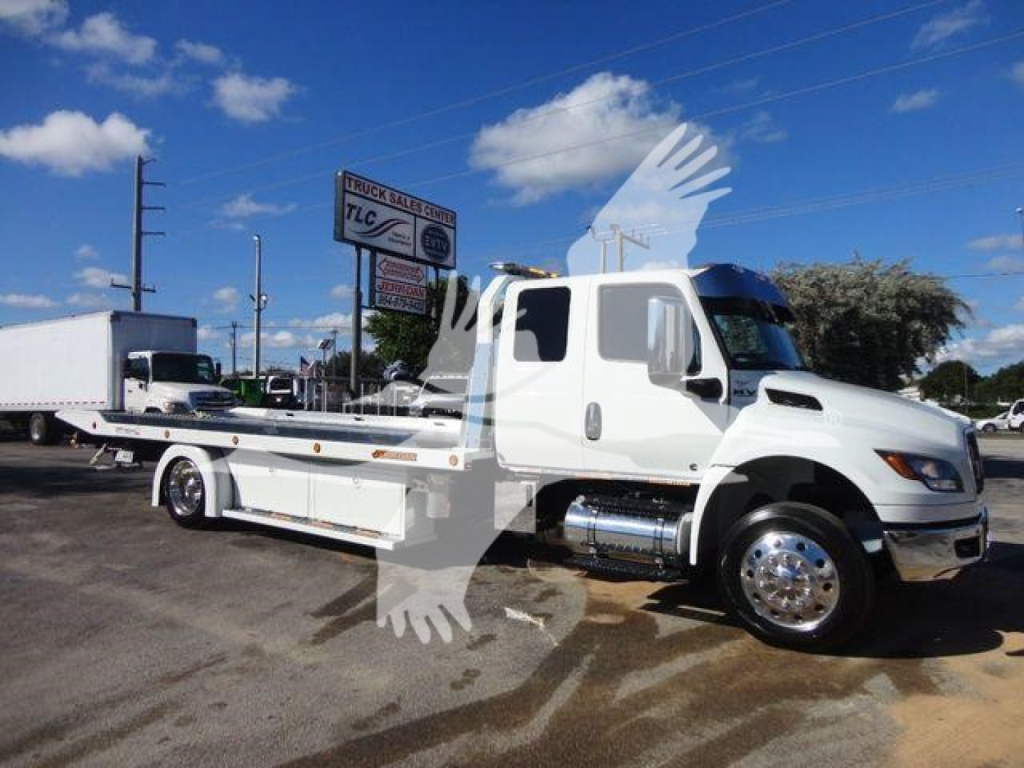
Selling a new 2027 international rollback truck? List your new 2027 international rollback truck for sale and reach thousands of commercial buyers.
New 2027 International Rollback Trucks in Florida
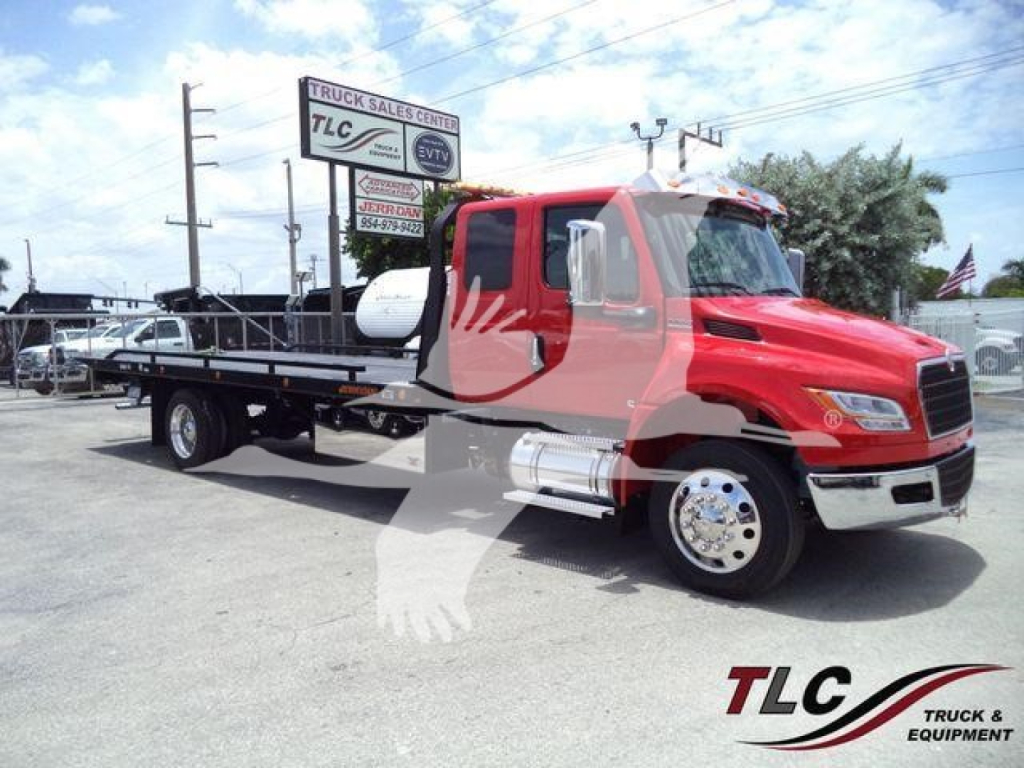
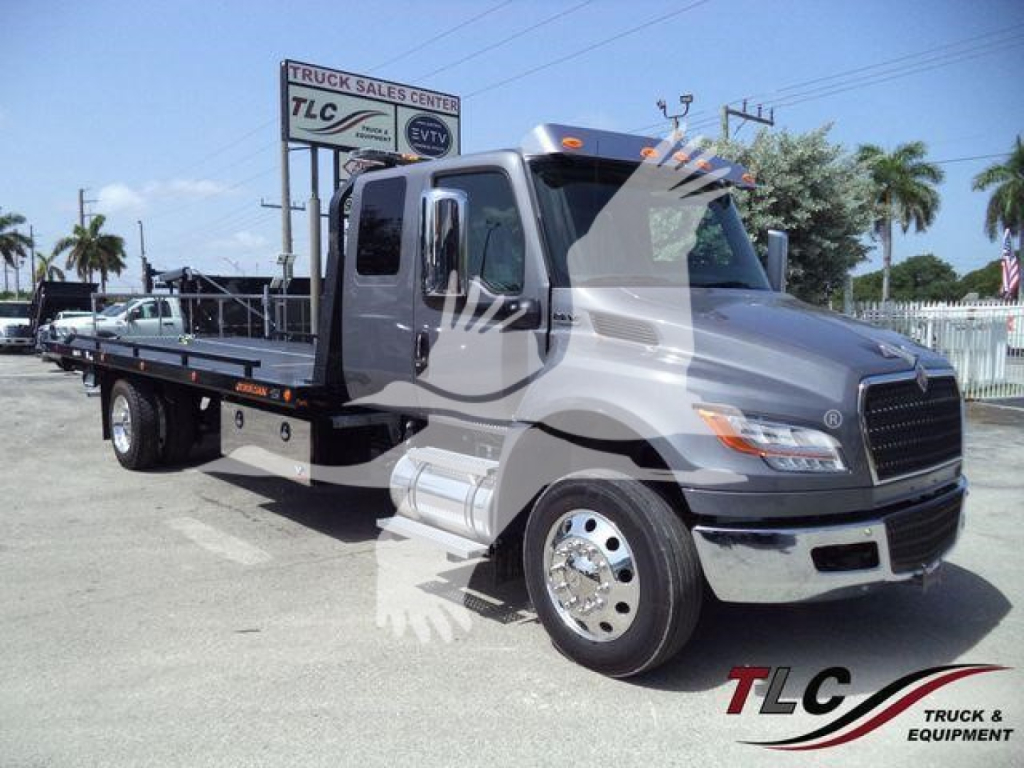
The first spec decision is usually chassis class and GVWR. Many International rollback trucks in this range are built around Class 6 or Class 7 platforms, often with a 26,000 GVWR rating on MV chassis or lighter ratings on CV-based trucks. That directly affects payload, licensing considerations, body selection, and how comfortably the truck handles a loaded deck plus wheel-lift work. A longer cab-to-axle and wheelbase can improve weight distribution on a 22 foot carrier, especially when hauling heavier cars, half-ton pickups, or small vans. Buyers should also compare engine and driveline choices closely. A 300 hp Cummins paired with an Allison automatic is a common and proven combination for this class, offering straightforward serviceability, solid throttle response under load, and the low-effort operation most towing fleets prefer.
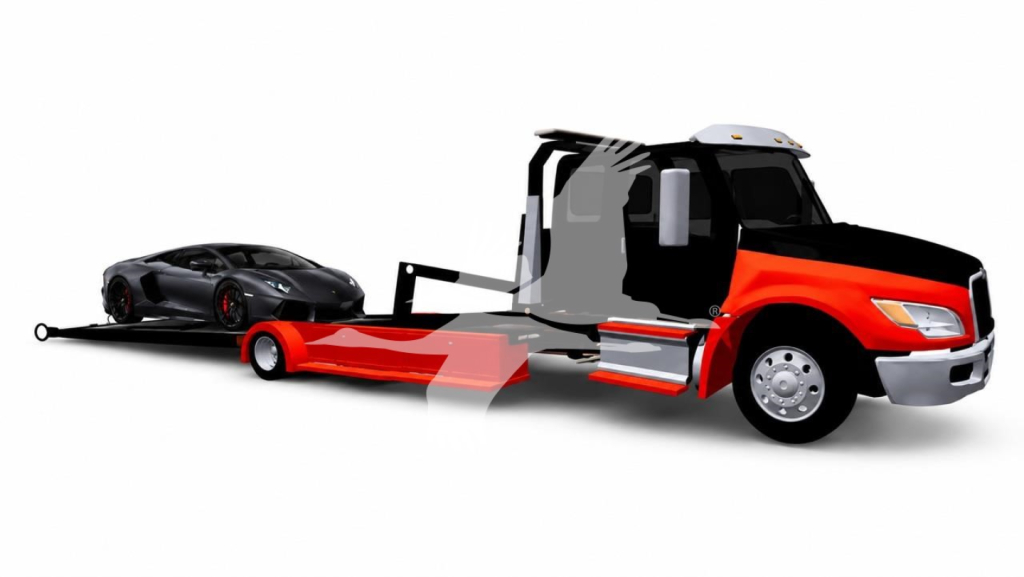
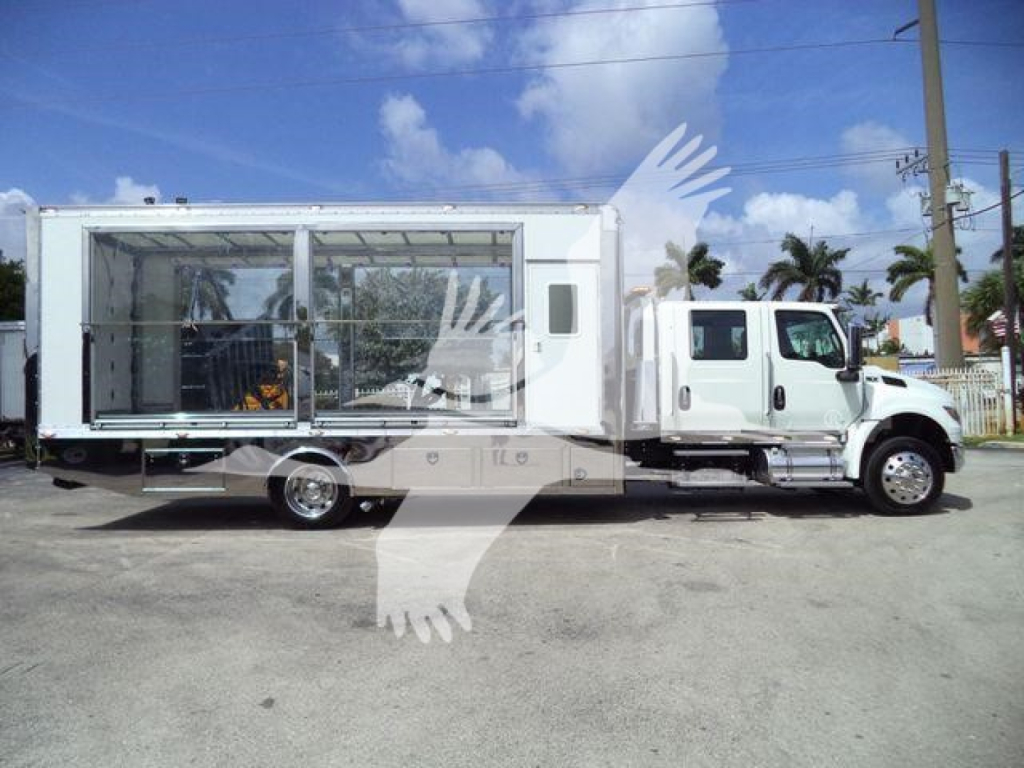
Body configuration is where one rollback can separate itself from another. A low center of gravity deck, often called an LCG or XLP carrier, helps reduce loading angle and makes a real difference with lowered vehicles, specialty cars, and damaged units that do not winch easily onto a standard deck. Typical equipment includes a 6-ton steel bed, an 8,000 lb winch, a 3,500 lb hydraulic wheel-lift with L-arms, removable side rails, work lights, and integrated toolbox storage. Some Florida buyers will also prioritize corrosion-conscious details such as aluminum wheels, polished fuel tanks, stainless trim, and LED lighting, especially in coastal markets. If the truck will be used for high-end transport, deck design matters even more. Ground-level or ultra-low-angle rollback designs can be a better fit for exotic and low-clearance vehicles where splitter contact, breakover angle, and tie-down access are constant concerns.
Cab and operating equipment should not be treated as secondary on a rollback that will run every day. Air brakes, air ride suspension, heated power mirrors, air ride seating, power windows and locks, and a practical lighting package all add up to less driver fatigue and faster roadside work. Buyers should also look at toolbox length, chain and strap storage, control placement, pylon design, fender storage, and whether the body plumbing is hard-piped or hose-routed for long-term durability. On a new International rollback truck, the right specification is usually the one that matches the actual mix of calls: dealer transport, private impounds, municipal towing, light recovery, or specialty vehicle hauling. The best trucks in this category are not just rated correctly on paper. They are balanced correctly, load easily, and keep operators productive without fighting the body every shift.
Frequently Asked Questions about New 2027 International Rollback Trucks in Florida
What deck size is most common on a new International rollback truck?
In this category, 20 foot to 22 foot decks are the most common, usually at 102 inches wide. A 20 foot carrier can work well for general passenger vehicle towing in tighter areas, while a 22 foot deck gives more flexibility for longer vehicles, better load positioning, and improved balance on certain chassis. Buyers should match deck length to the types of vehicles they move most often and confirm that wheelbase and cab-to-axle dimensions support that body properly.
What is the advantage of an LCG, XLP, or low-profile rollback bed?
An LCG or extra-low-profile rollback bed reduces the loading angle compared with a standard carrier. That makes it easier to load lowered cars, damaged vehicles, all-wheel-drive vehicles, and specialty units without scraping front valances, rocker panels, or bumpers. It also improves operator efficiency because the truck needs less cribbing, less setup time, and less improvisation on difficult loads. For buyers handling performance cars or repossession work, bed height and approach angle are major spec points, not minor details.
Is the International MV a good chassis for a rollback application?
Yes, the International MV is a strong fit for rollback service when it is spec'd correctly. It is commonly used in Class 6 and Class 7 applications and can support popular 21 foot to 22 foot carrier bodies with air brakes, air ride suspension, and diesel power. Many buyers favor the MV because it offers a commercial-grade platform with good body compatibility, solid cab ergonomics, and driveline options such as the Cummins diesel and Allison automatic that are familiar to fleet maintenance departments.
How important is wheel-lift capacity on a rollback truck?
Wheel-lift capacity matters because many rollback jobs involve short tows, repositioning, or carrying one vehicle while lifting another axle for clearance. A common spec in this category is a 3,500 lb hydraulic wheel-lift with L-arms, which is suitable for many passenger vehicles and light trucks. Buyers should still evaluate real-world use cases carefully, especially if the truck will see heavier SUVs, pickups, or recovery work where rear overhang, front axle loading, and deck payload all interact.
What should Florida buyers pay special attention to on a new rollback truck?
Florida buyers should pay close attention to cooling performance, corrosion resistance, lighting, and loading practicality for dense urban traffic and year-round use. Stainless trim, aluminum components, sealed LED lighting, and durable hydraulic routing can help with longevity in humid and coastal environments. Low-profile decks are also especially useful in markets with luxury cars, dealer transport, and flat urban routes where quick, low-angle loading is an everyday requirement rather than a specialty feature.