
New 2026 International Rollback Trucks For Sale
Shop new 2026 International rollback trucks with carrier beds, wheel lifts, diesel power, and towing-ready specs for recovery and transport work.
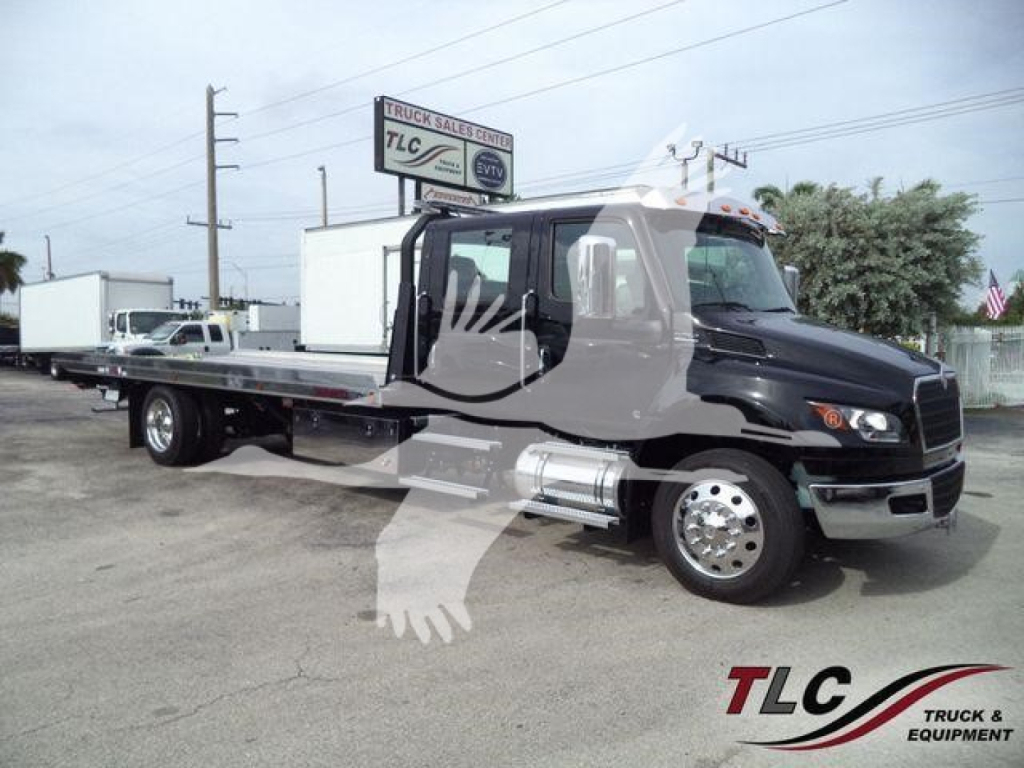
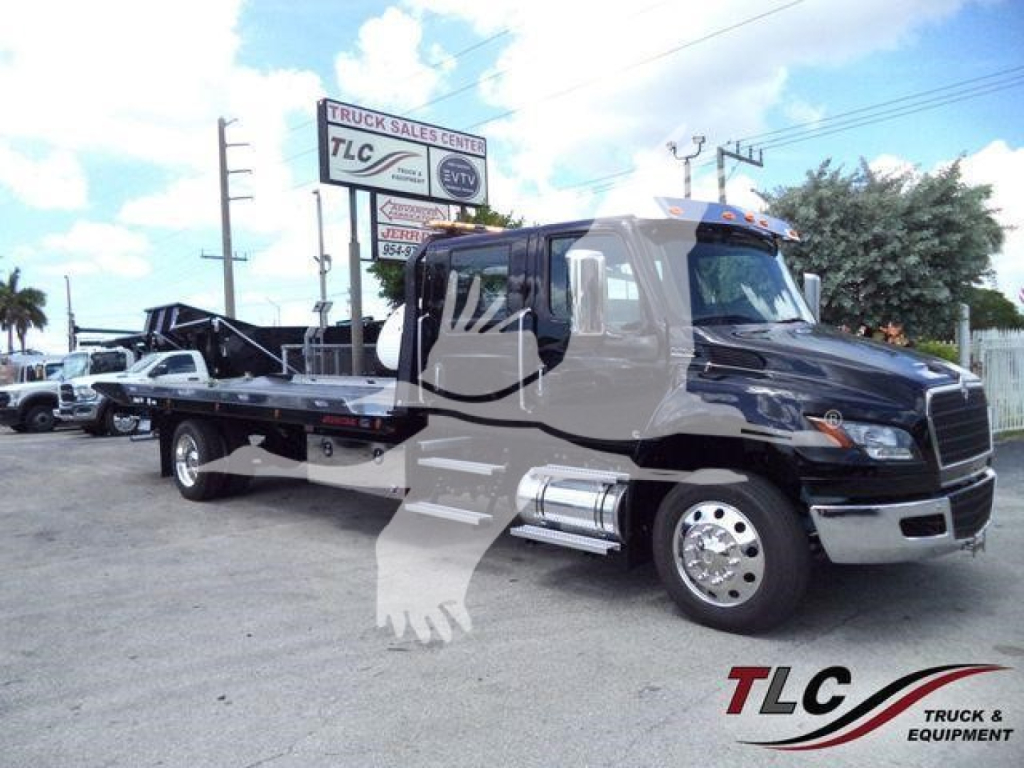
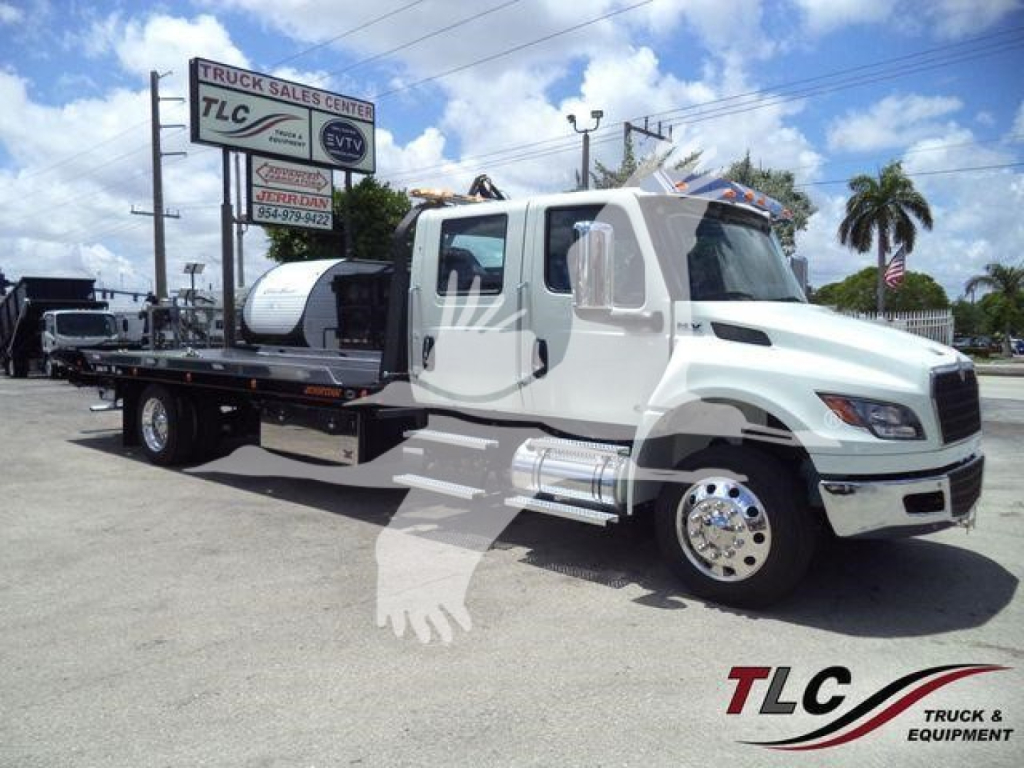
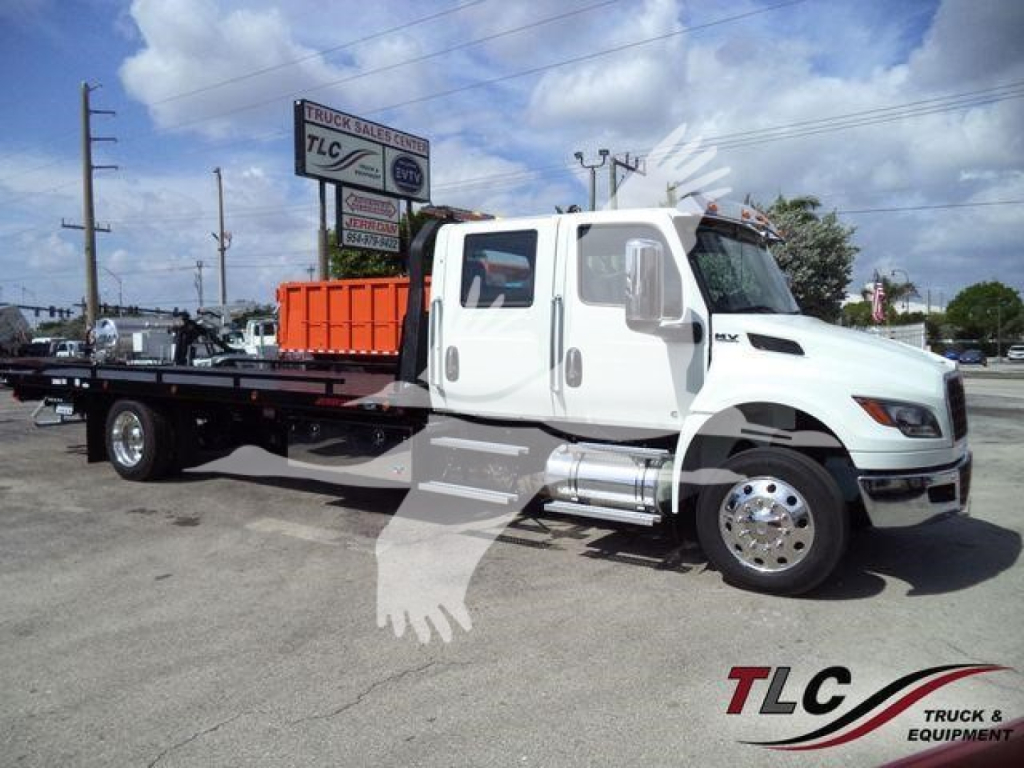
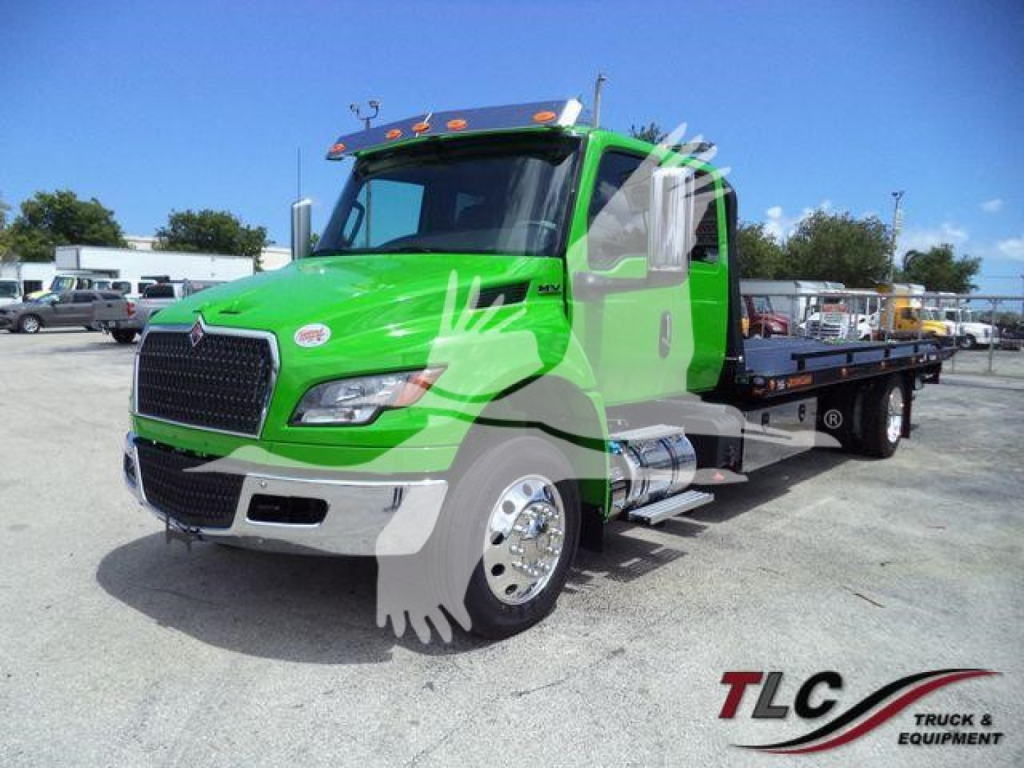
Selling a new 2026 international rollback truck? List your new 2026 international rollback truck for sale and reach thousands of commercial buyers.
New 2026 International Rollback Trucks
The first decision is usually chassis class and deck geometry. International MV rollback trucks often appeal to operators who want a higher GVWR, air brakes, air ride suspension, 22.5-inch rubber, and a more commercial-duty platform for daily towing service. CV-based units can be attractive when a smaller chassis, lower GVWR, or 4x4 capability is important for rural access, snow, gravel lots, or tighter recovery environments. On the body side, low-profile and XLP carrier decks matter because approach angle is critical when loading low-clearance cars, EVs, luxury vehicles, and damaged units. Dual-angle or shark-style decks can further reduce scrape risk. Buyers should also compare steel versus aluminum decks, fixed versus removable rails, and deck length relative to the wheelbase and cab-to-axle measurement for proper weight distribution.
Recovery equipment and working layout deserve close attention because they affect real-world productivity more than appearance. Many rollback trucks in this class are equipped with 8,000-lb to 10,000-lb winches, 3,000-lb to 3,500-lb hydraulic wheel lifts with L-arms, wireless remotes, work lights, toolboxes, and light bars. A longer wheelbase or extended 156-inch cab-to-axle chassis can improve load placement and front axle balance, especially on 22-foot carriers. Storage layout matters too. Operators carrying skates, chains, straps, dollies, go jaks, and fuel cans should pay attention to underbody box size, headboard design, side access, and control placement. If the truck will spend most of its time on municipal towing, police rotation, or highway work, visibility lighting, backup cameras, and durable control systems become especially important.
For many buyers, the best 2026 International rollback truck is the one that matches payload, vehicle mix, and service territory without overbuilding the chassis. A 26,000-GVWR MV can be a strong fit for busy towing fleets that need durability and air-brake spec, while smaller applications may prefer a lighter carrier for car hauling or dealership delivery. Look closely at engine and transmission pairing, suspension type, tire size, wheel-lift capacity, winch operation, and deck profile before comparing cosmetic options. Warranty coverage on the chassis, hydraulics, and carrier structure is also worth reviewing, since downtime on a rollback truck directly affects dispatch capacity and revenue.
Frequently Asked Questions about New 2026 International Rollback Trucks
What size bed is most common on an International rollback truck?
The most common carrier lengths in this category are usually 19 feet, 20 feet, and 22 feet. A 19-foot bed can work well for general passenger vehicle transport on a smaller chassis, while a 22-foot deck is often preferred for broader versatility, better load positioning, and more room for larger SUVs, pickups, and longer-wheelbase vehicles. Width is commonly 96 inches or 102 inches, and low-profile deck designs are popular because they improve loading angles for low-clearance vehicles.
What is the difference between an International MV rollback and an International CV rollback?
An International MV rollback is generally a more commercial medium-duty platform with higher GVWR options, air brake availability, air ride suspension on many specs, and 22.5-inch wheel and tire packages. The International CV is often closer to a Class 4 or 5-style chassis, commonly used when buyers want a more compact carrier, lower operating weight, or available 4x4 capability. The better choice depends on the vehicles being towed, the expected duty cycle, and whether the truck will spend more time in city towing, long-haul transport, or off-pavement access situations.
Why does XLP or low-profile deck design matter on a rollback truck?
XLP, low-profile, and dual-angle carrier decks are designed to reduce the loading angle and help prevent bumper, splitter, or undercarriage contact. This is especially important for sports cars, EVs, lowered vehicles, luxury imports, and collision-damaged units that cannot easily clear a steeper deck. For many operators, deck profile is one of the most important buying factors because it directly affects how many types of vehicles can be loaded safely without extra cribbing or improvised loading methods.
How much wheel-lift and winch capacity is typical on a new rollback truck?
In this class, many rollback trucks are equipped with a hydraulic wheel lift rated around 3,000 to 3,500 pounds and a winch in the 8,000-pound to 10,000-pound range. That setup is common for light-duty towing and vehicle recovery, but exact needs depend on the mix of passenger cars, crossovers, pickups, and disabled vehicles in the fleet. Buyers should confirm not just the published ratings, but also how the body, wheelbase, and chassis axle capacities work together under actual load placement.
What should buyers check besides engine and horsepower on a rollback truck?
Beyond engine output, buyers should evaluate GVWR, wheelbase, cab-to-axle length, brake type, suspension, deck length and width, deck material, wheel-lift rating, winch specification, lighting package, remote controls, and toolbox layout. Weight distribution is a major issue on rollback trucks, so the relationship between chassis dimensions and carrier length matters as much as raw power. The best-spec truck is usually the one that loads cleanly, balances properly on the axles, and supports the tools and recovery equipment needed for the intended route structure.