
New Rollback Trucks For Sale
Shop new rollback trucks with steel or aluminum carriers, winches, wheel lifts, and medium to heavy-duty chassis for towing and transport.
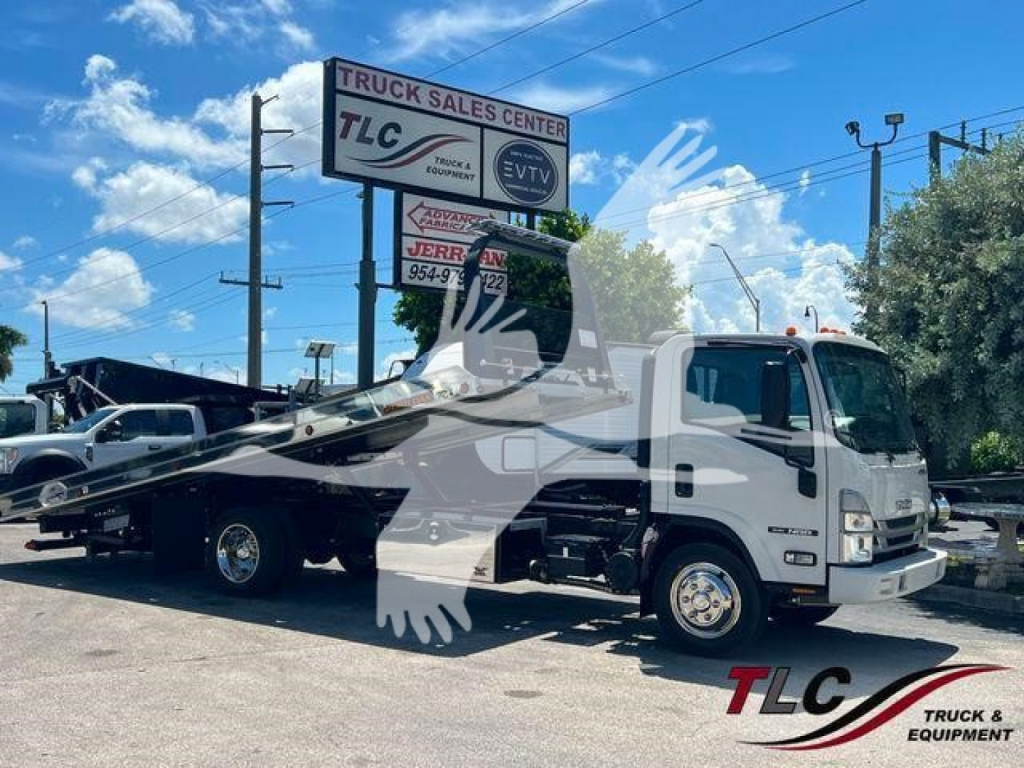
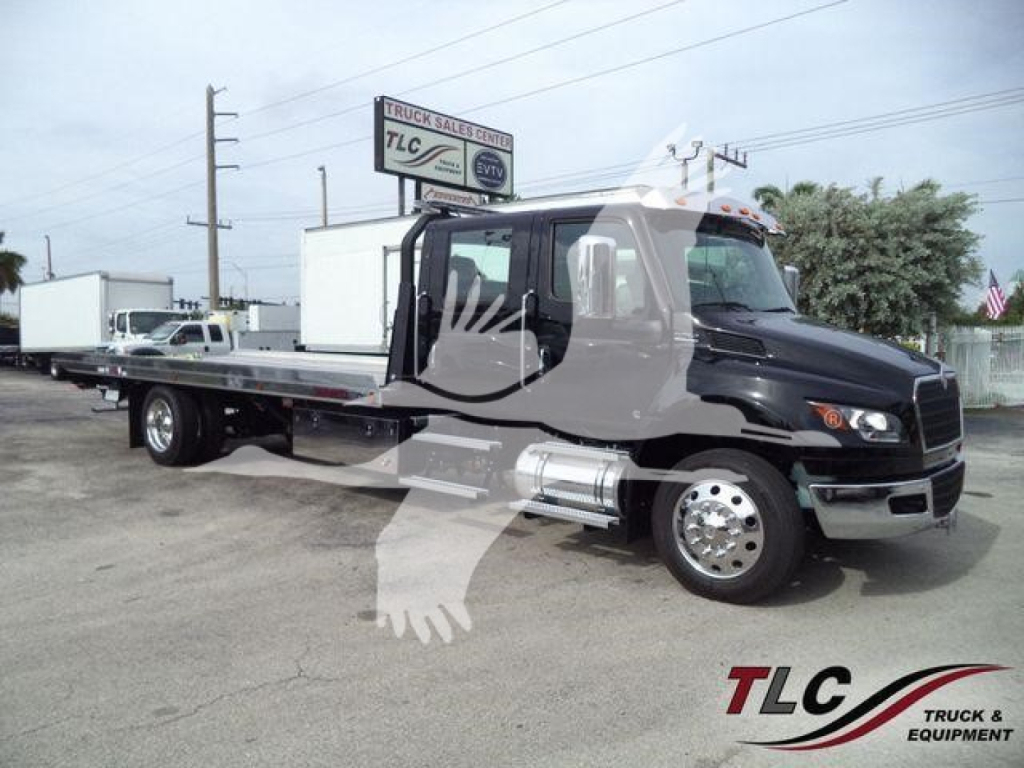
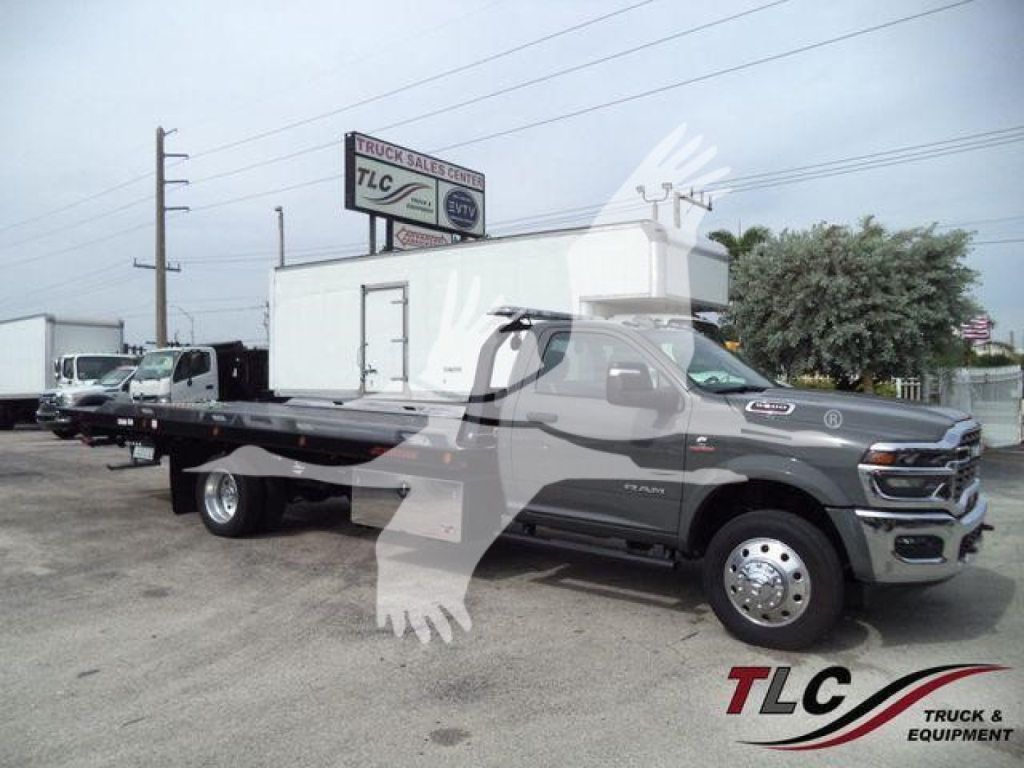
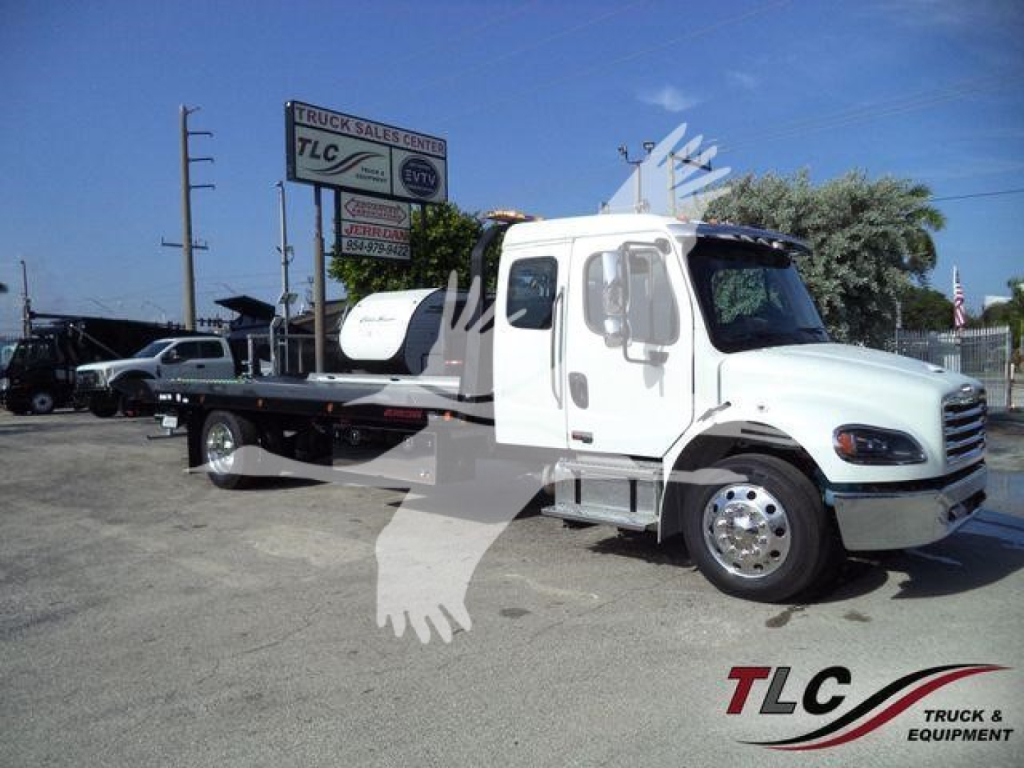
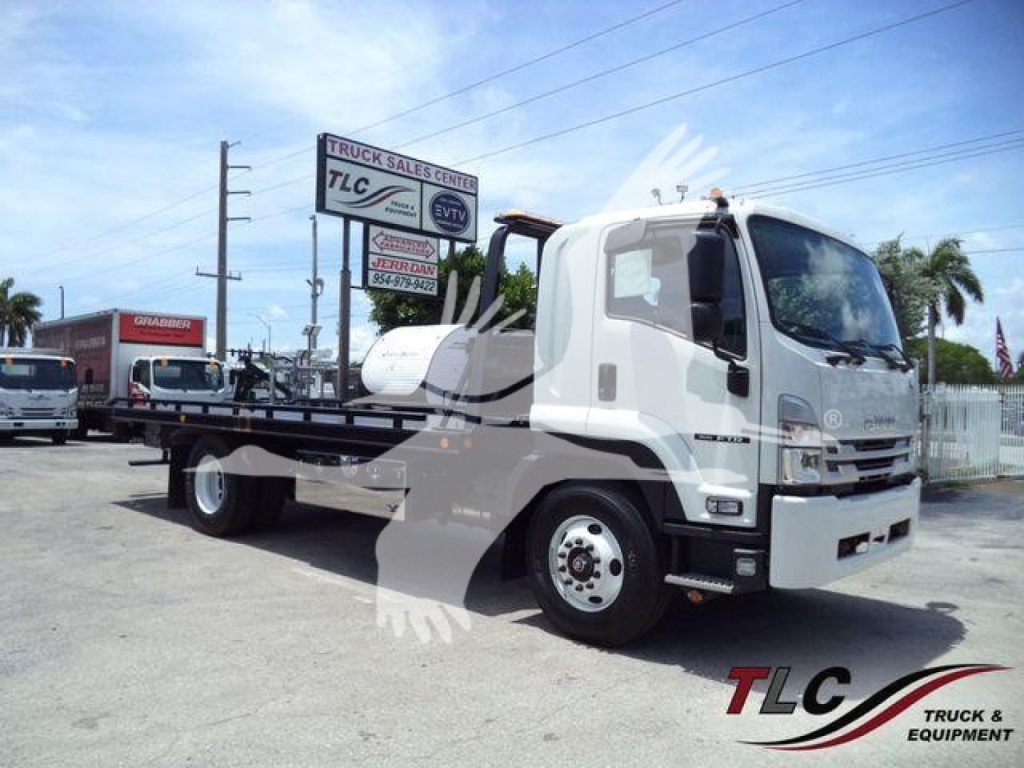
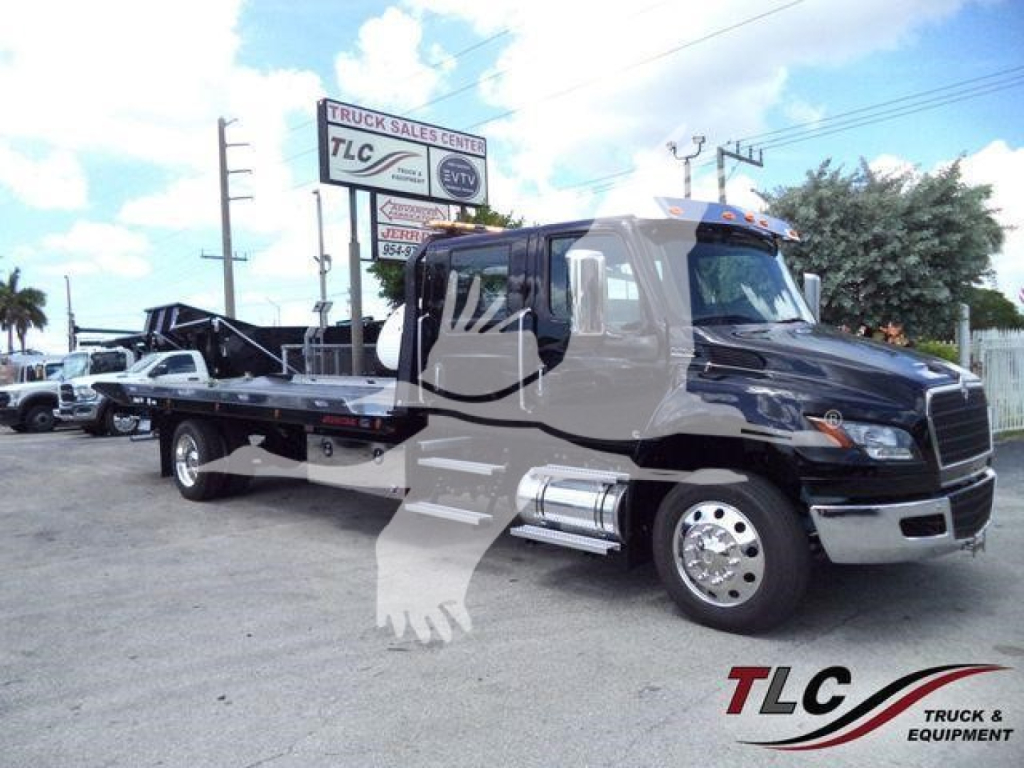
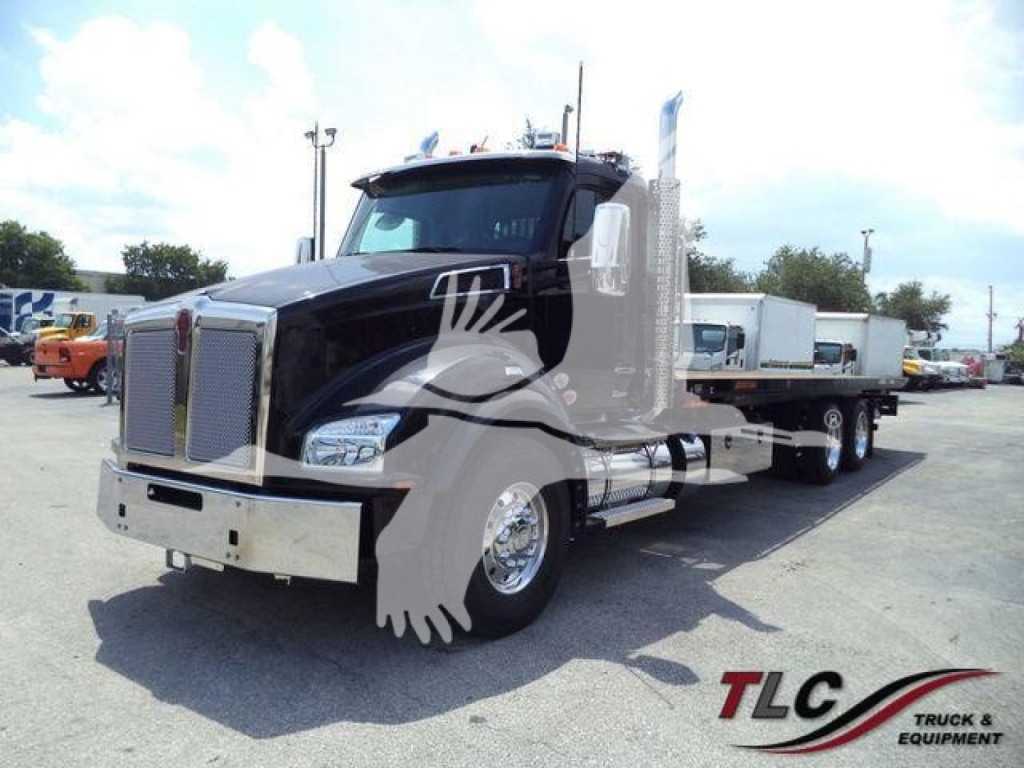
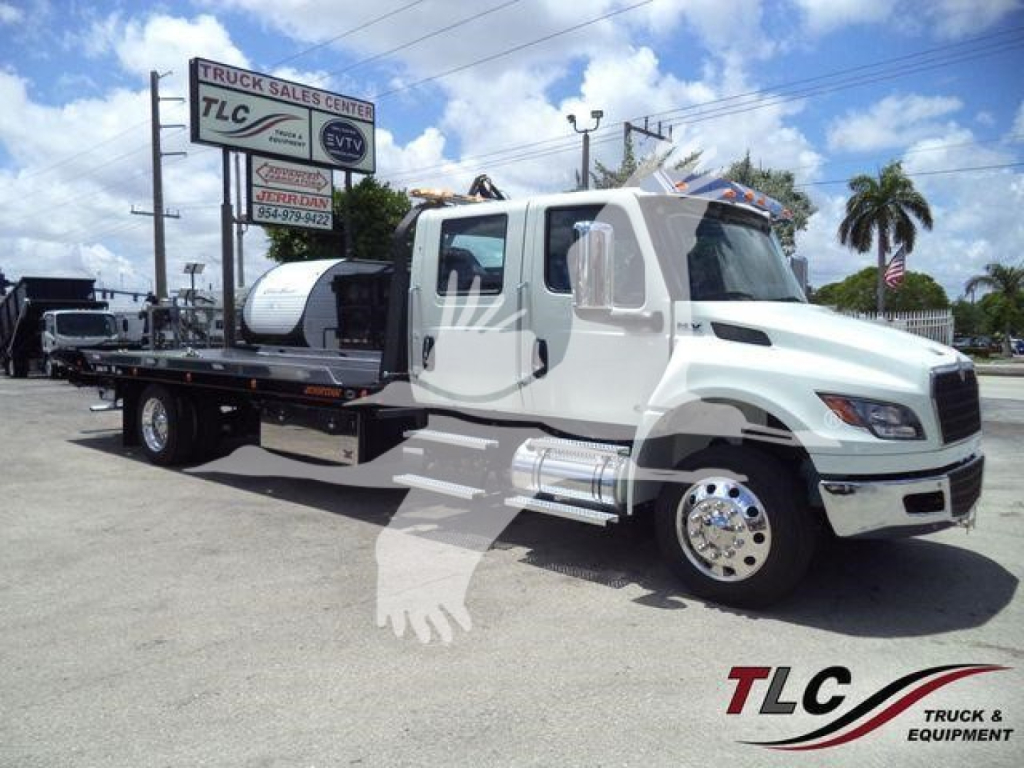
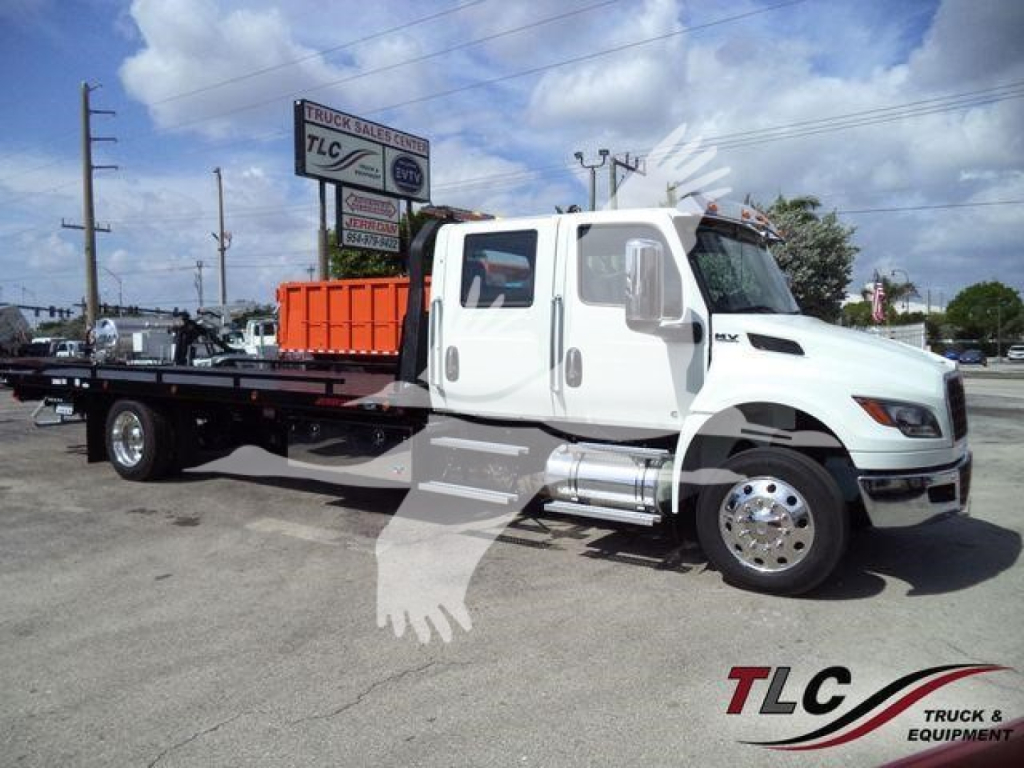
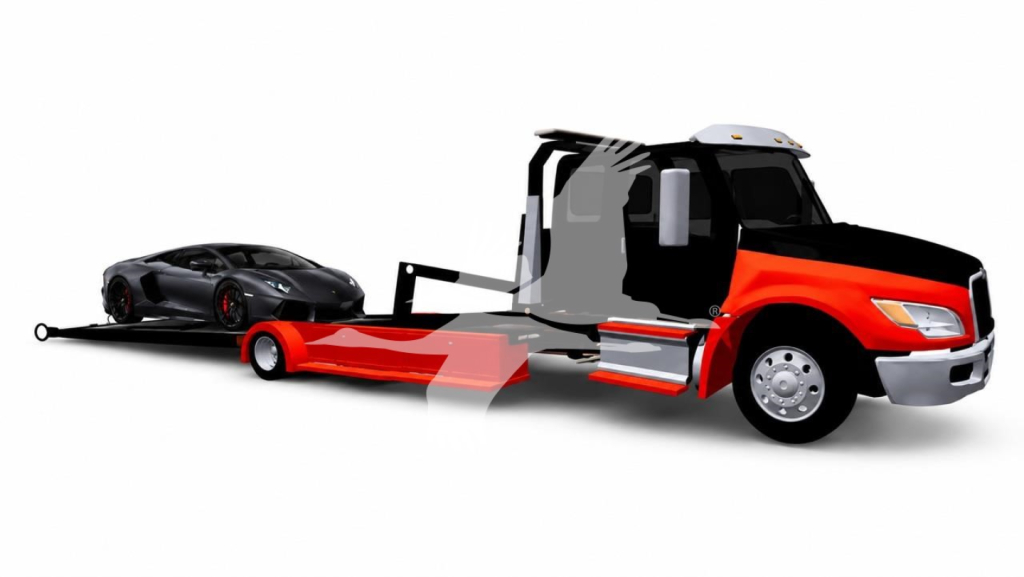
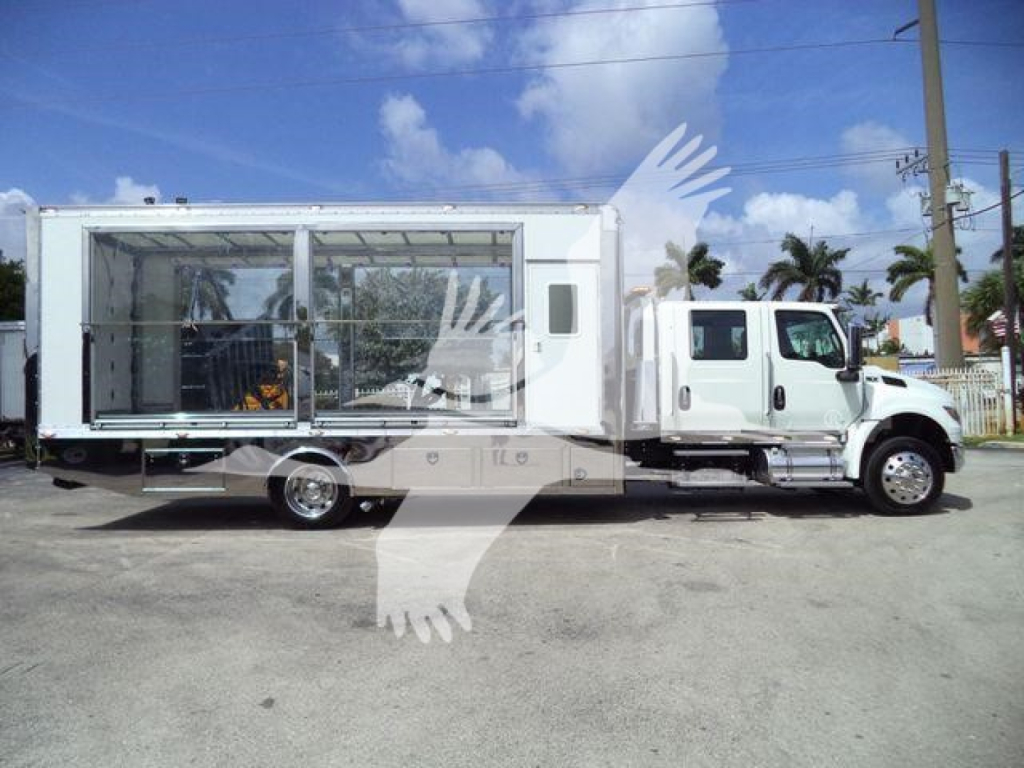
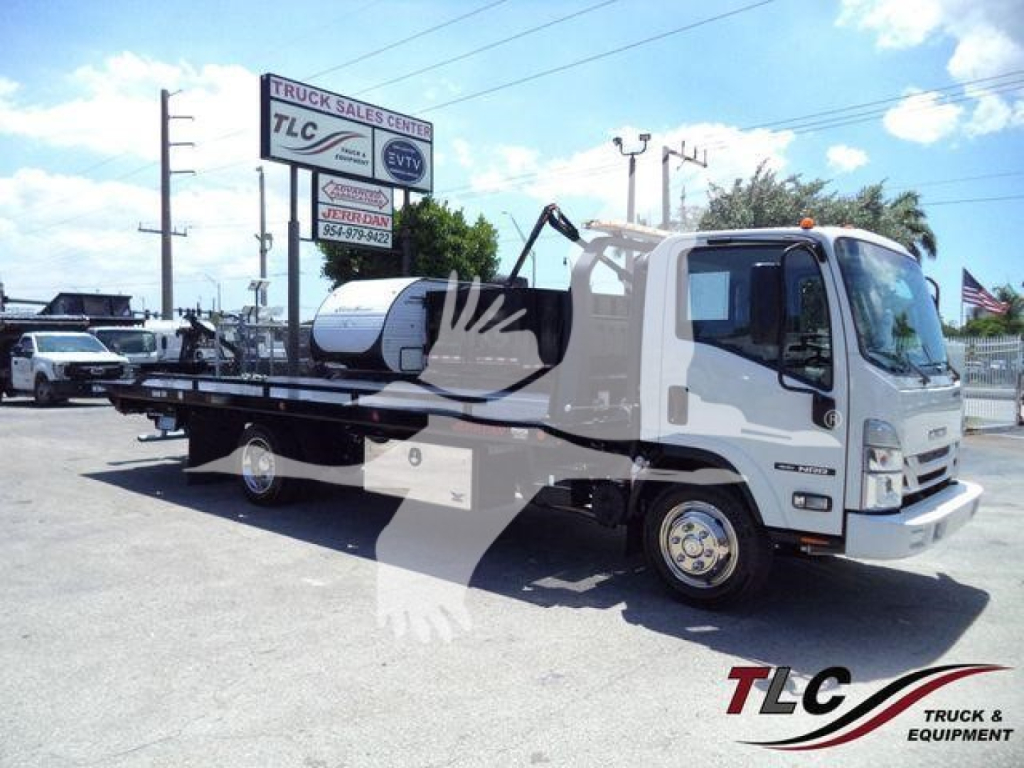
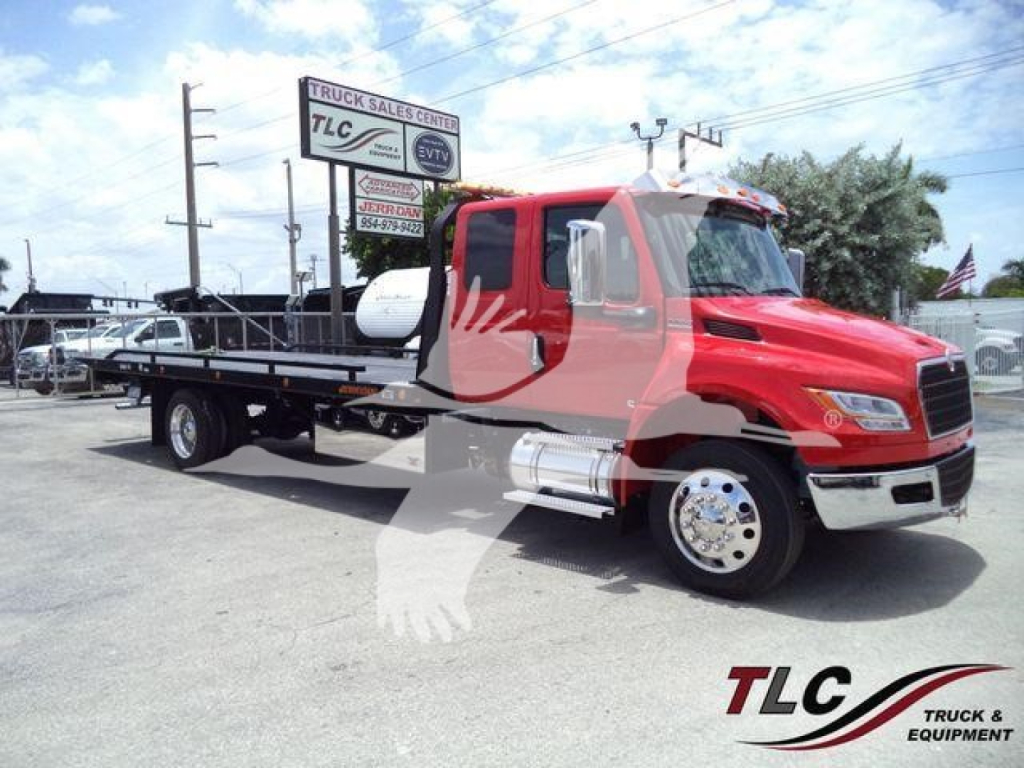
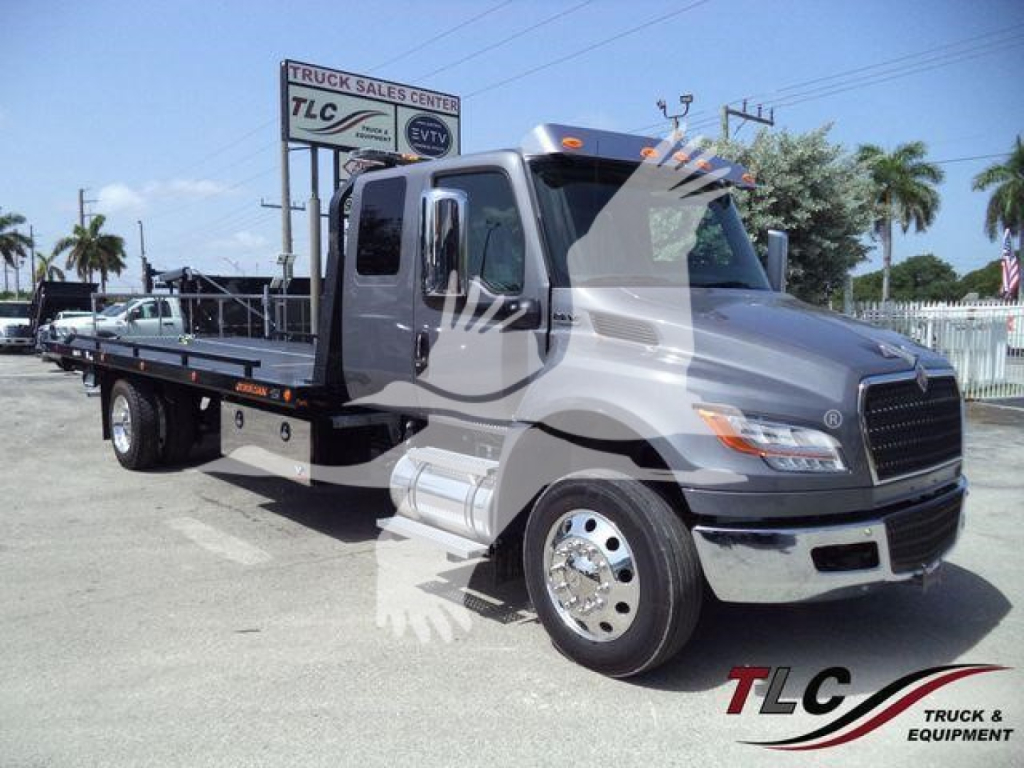
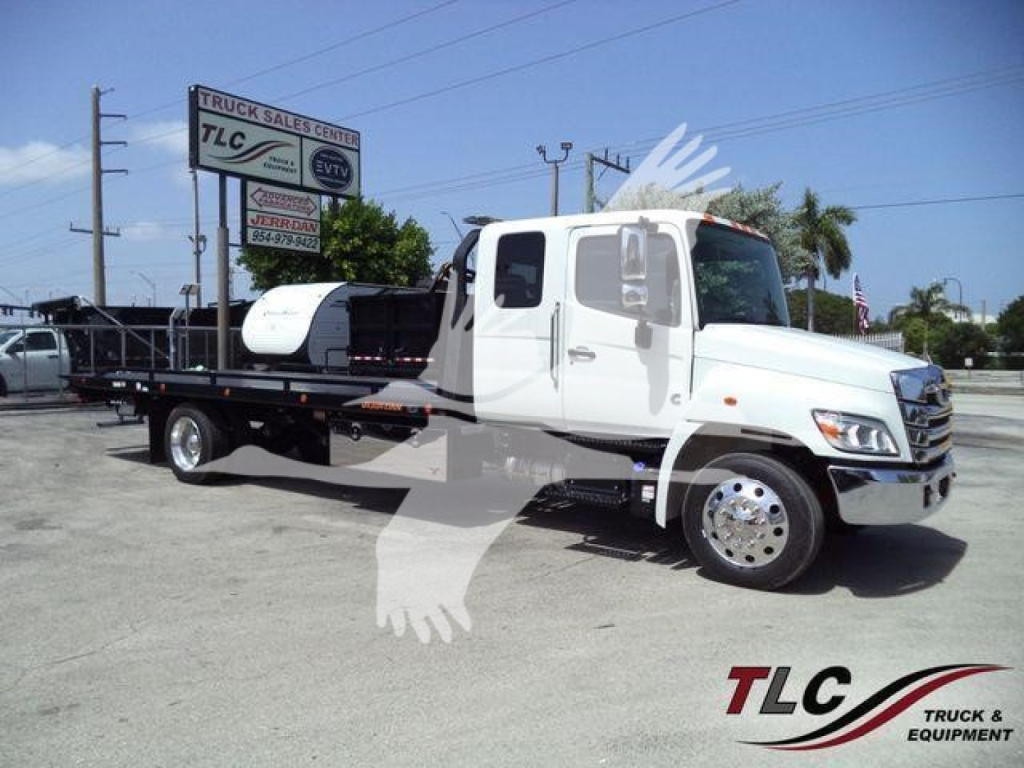
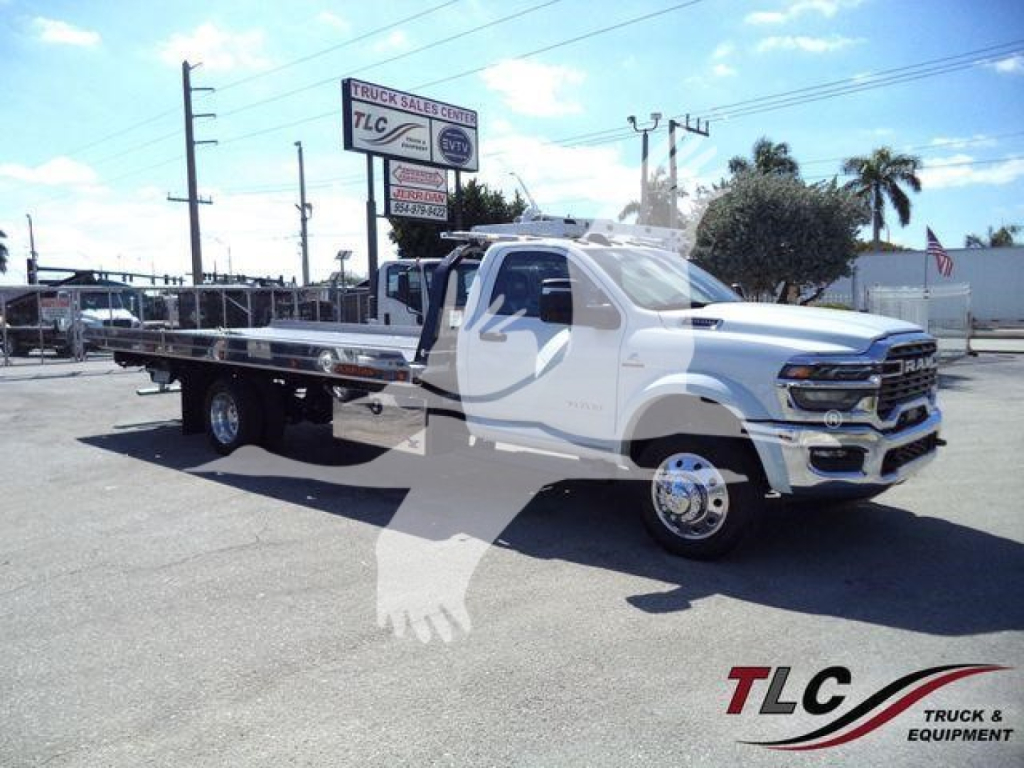
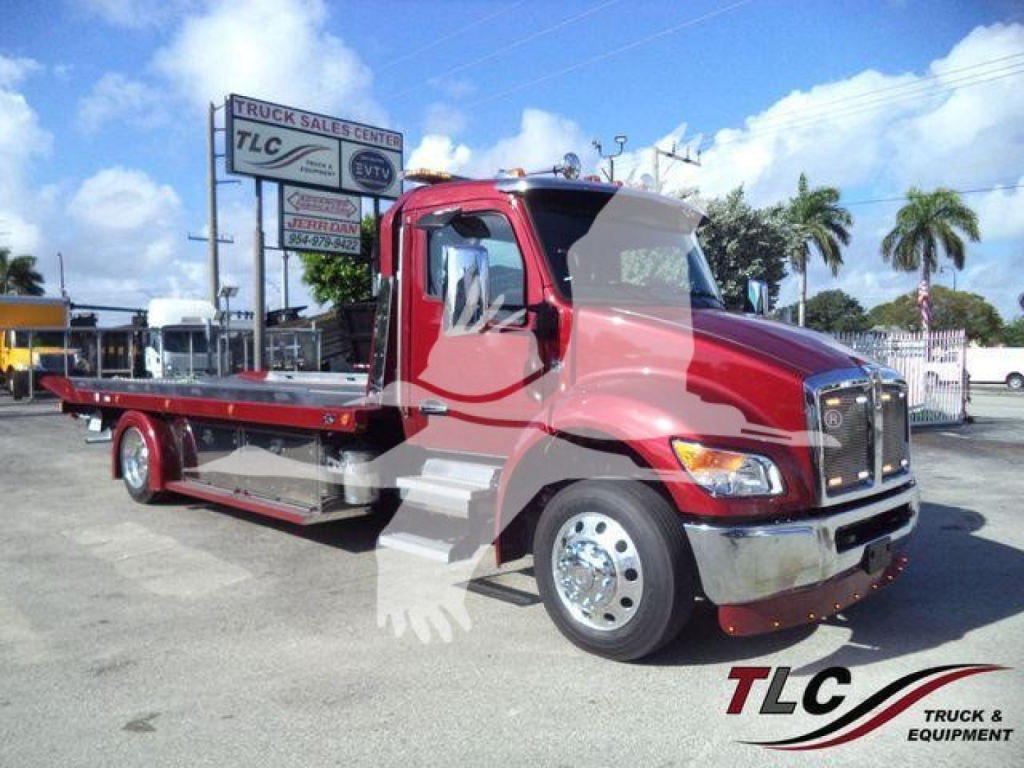
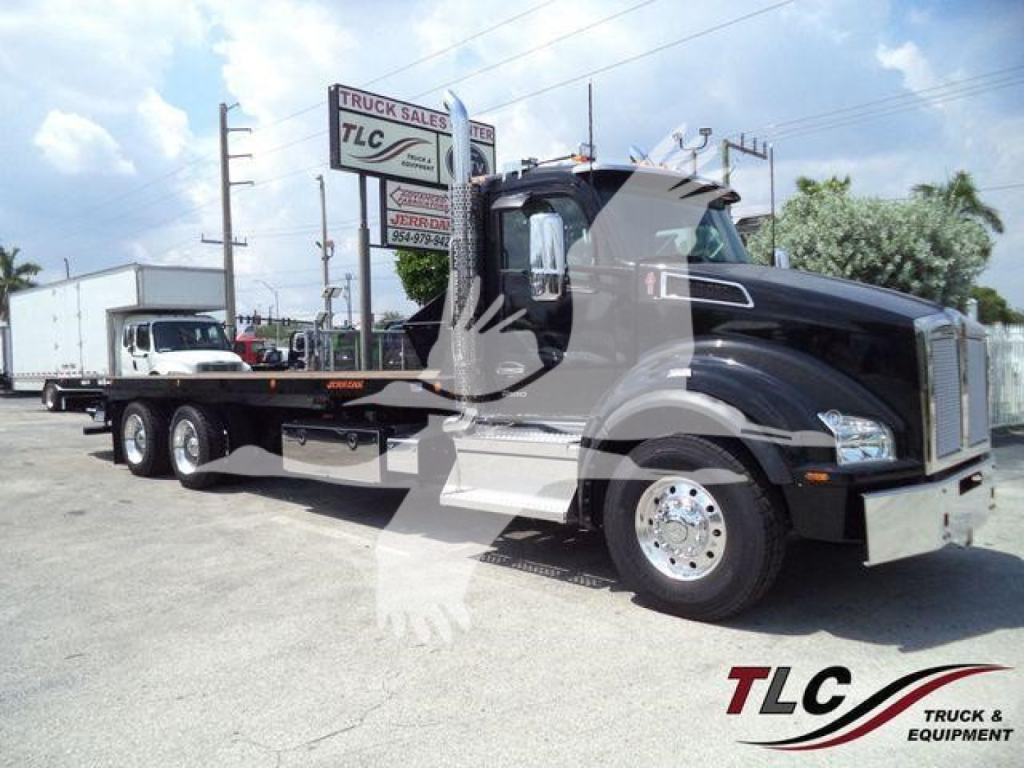
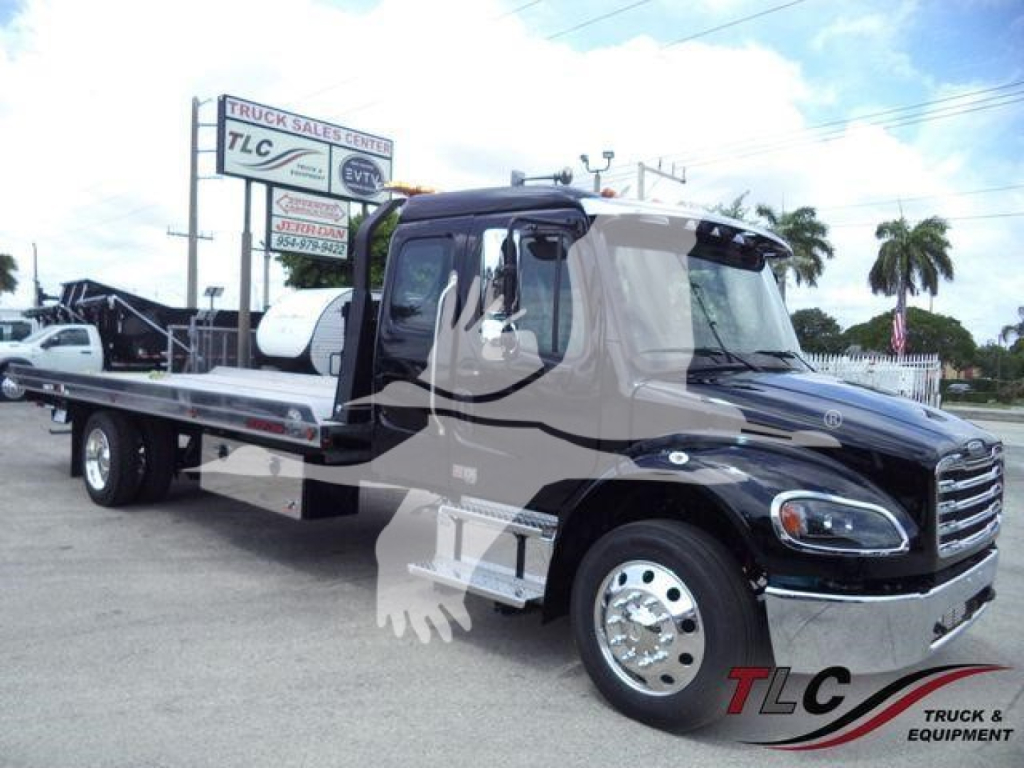
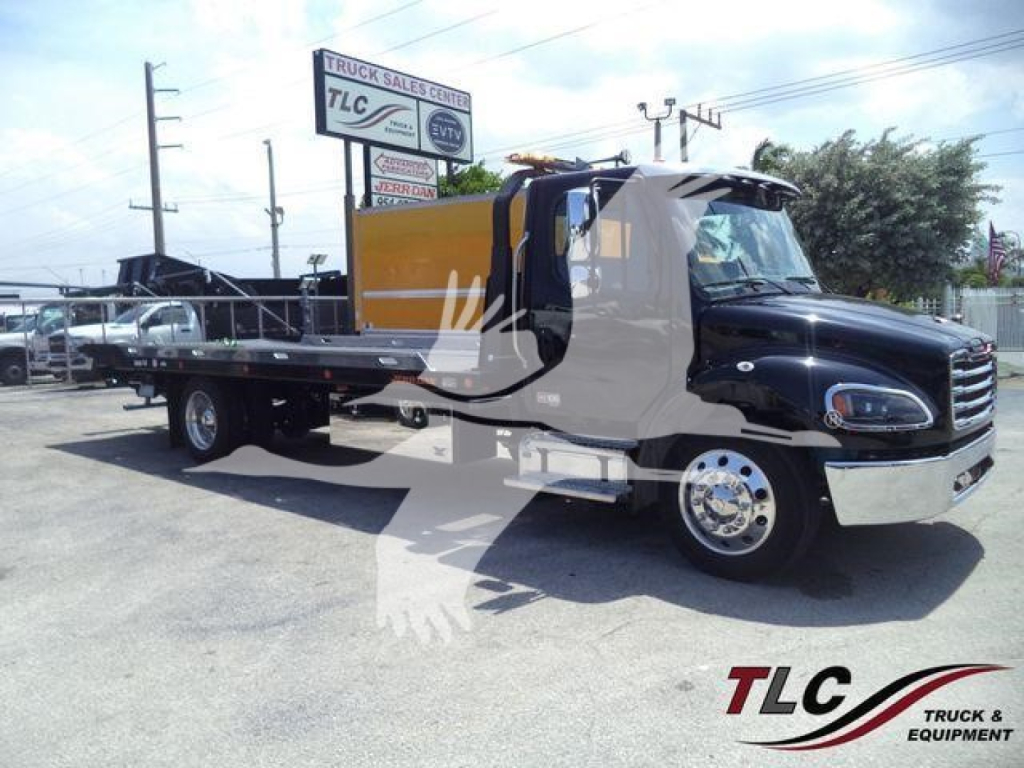
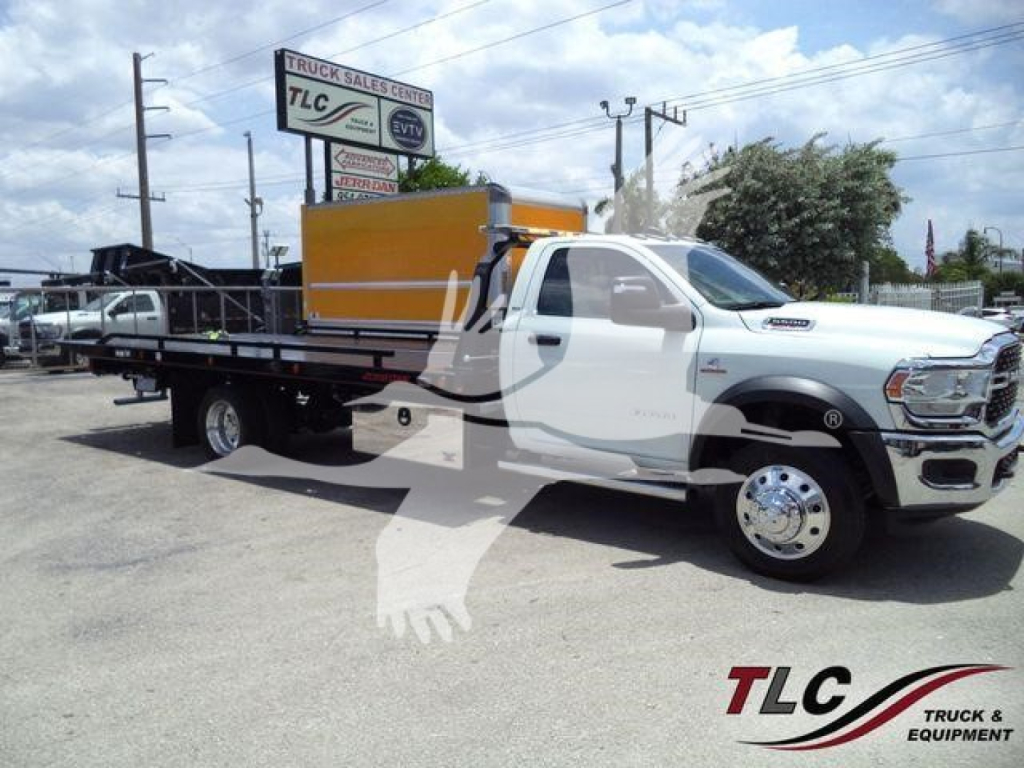
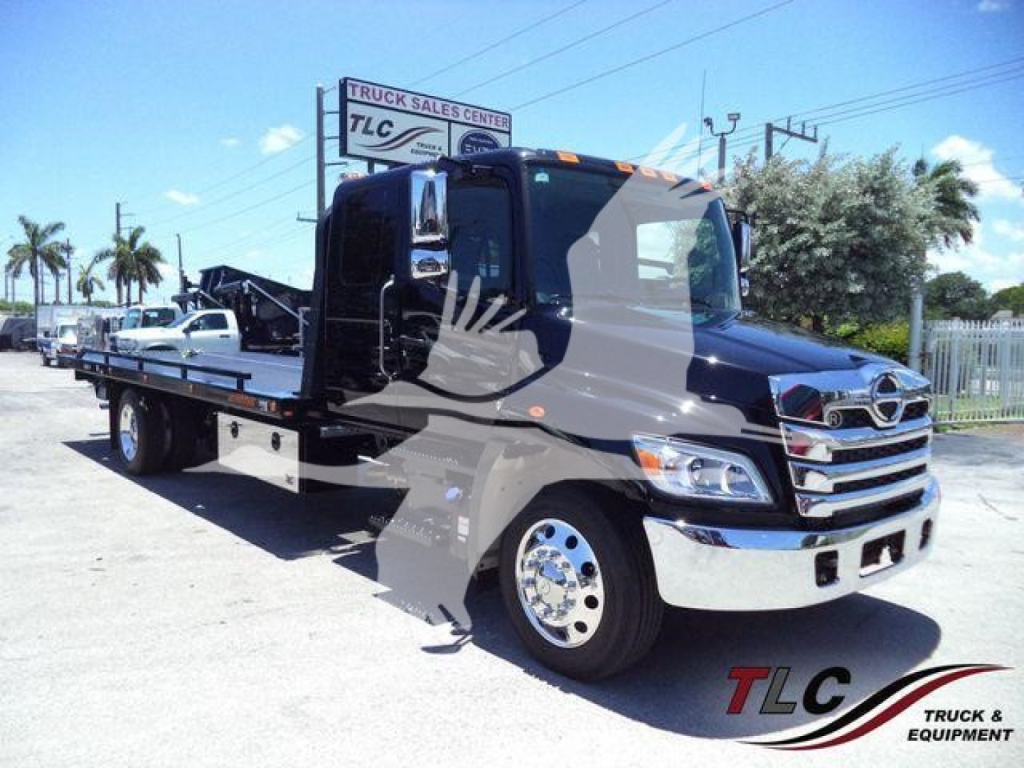
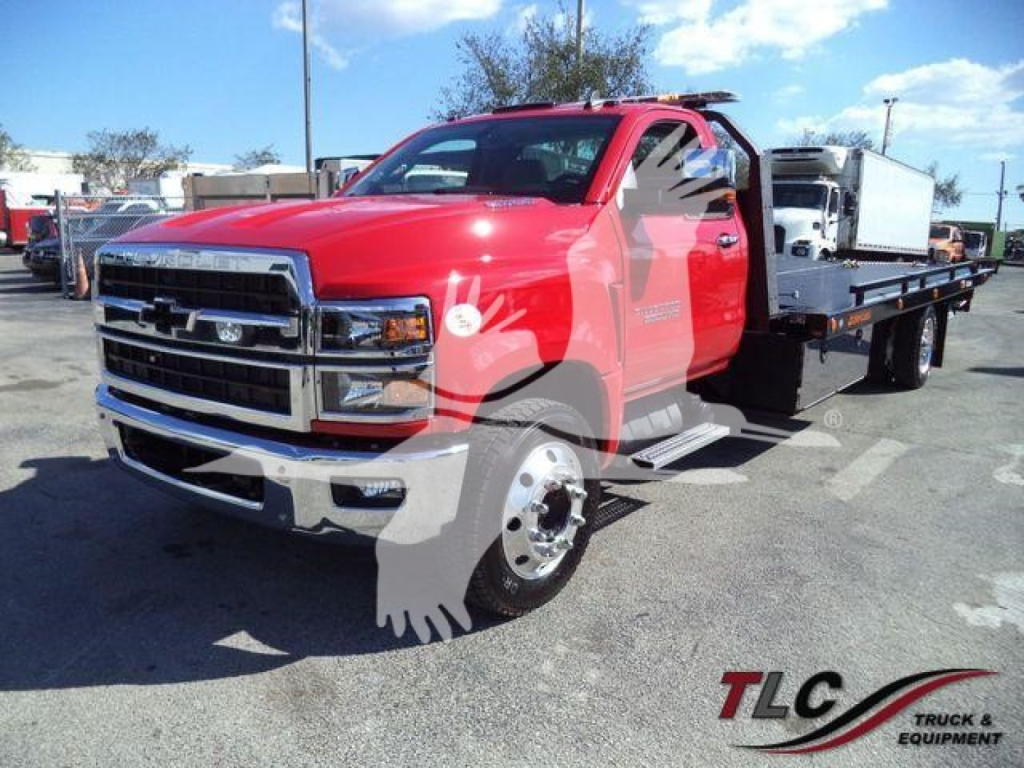
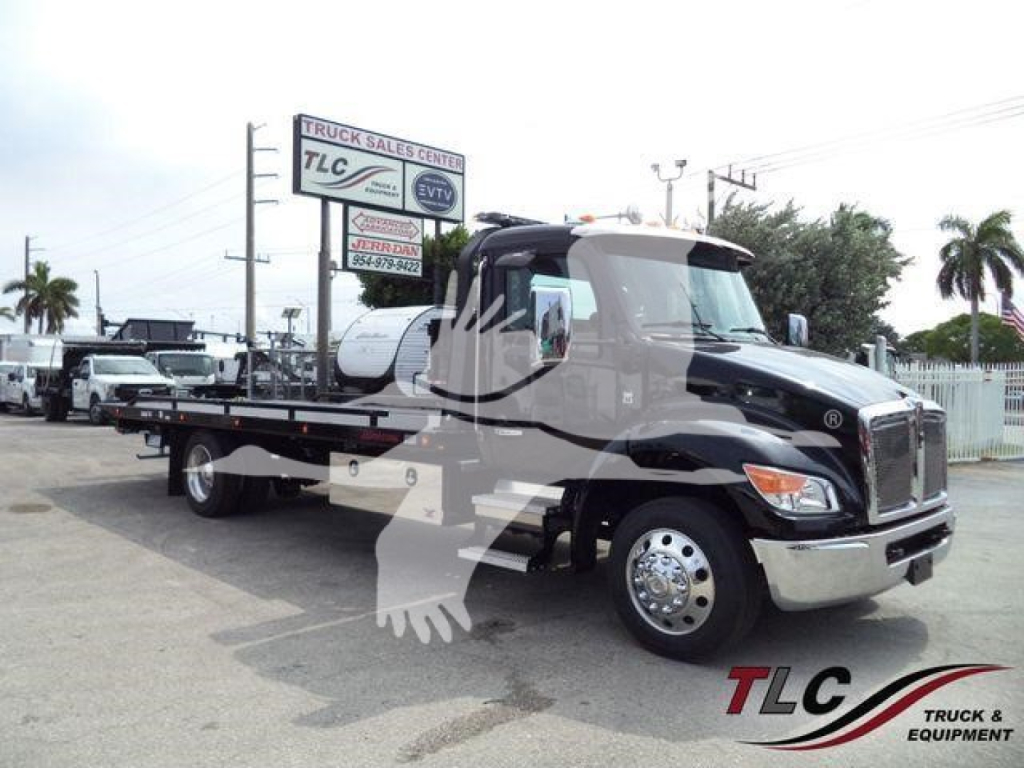
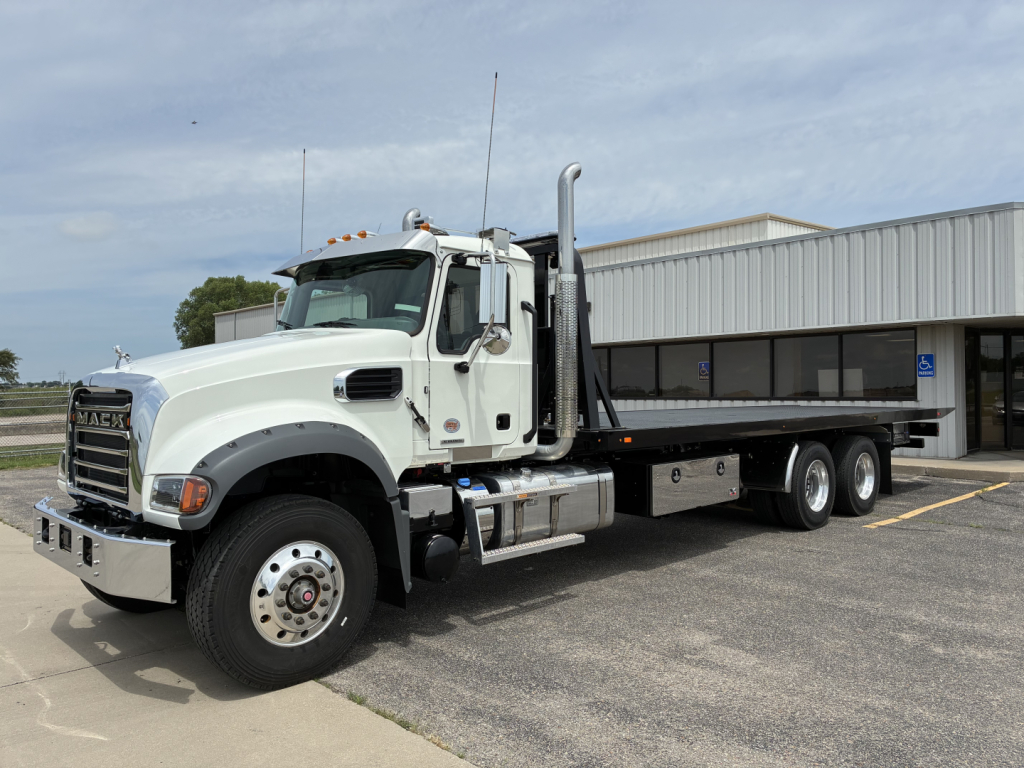
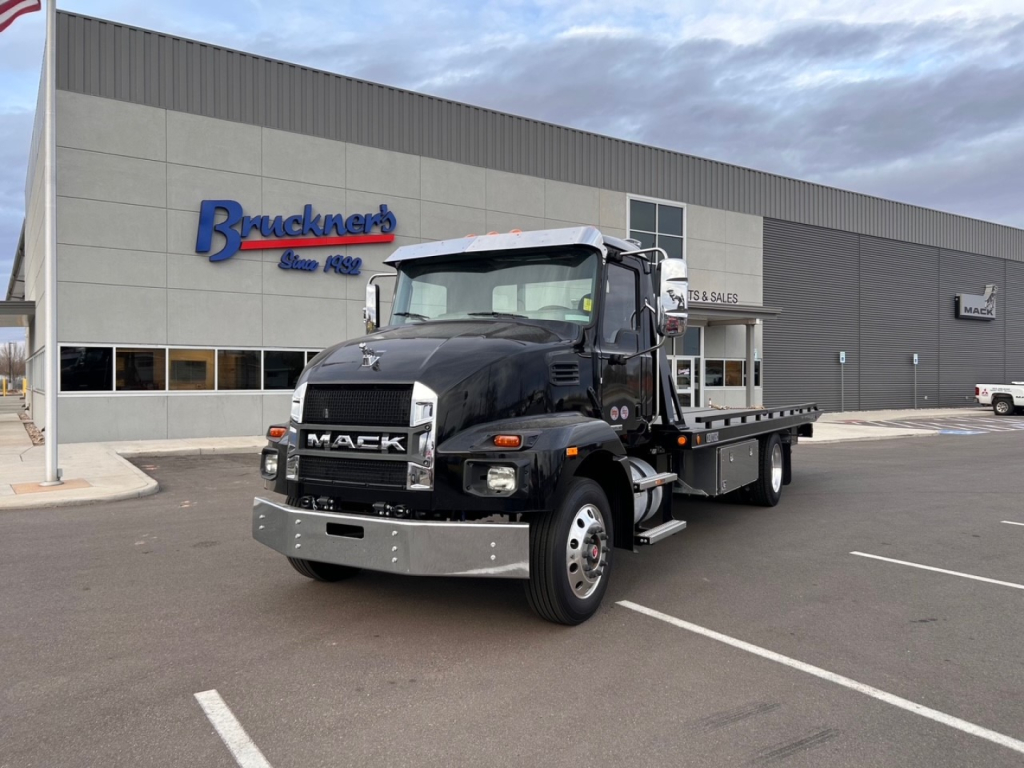
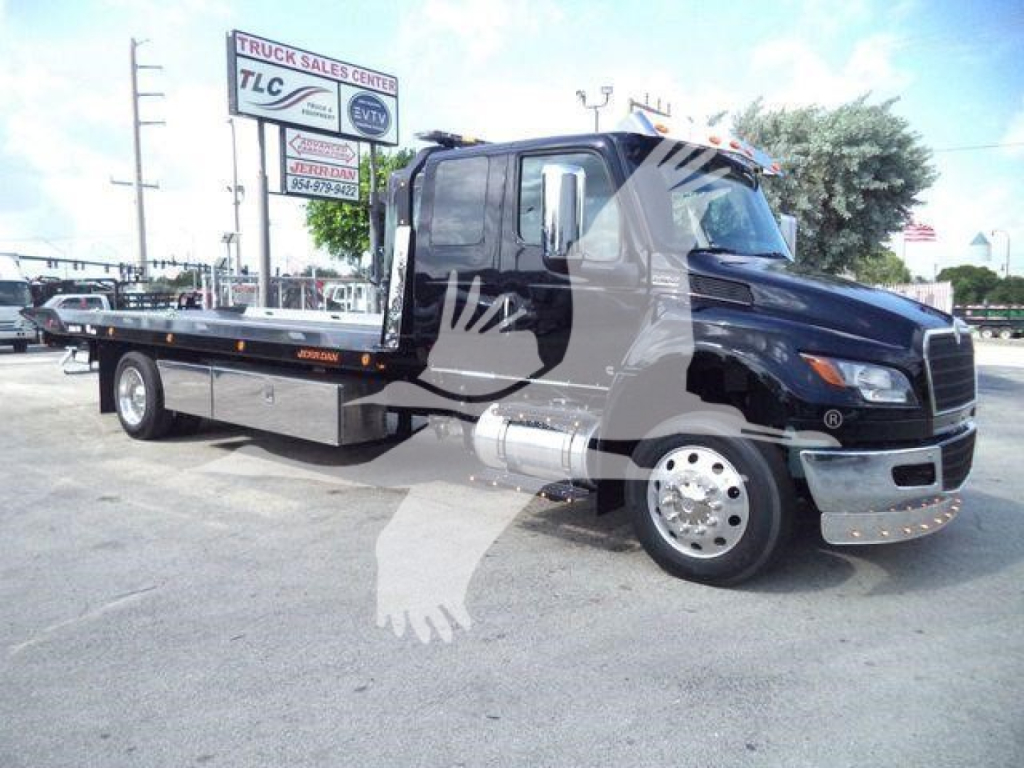
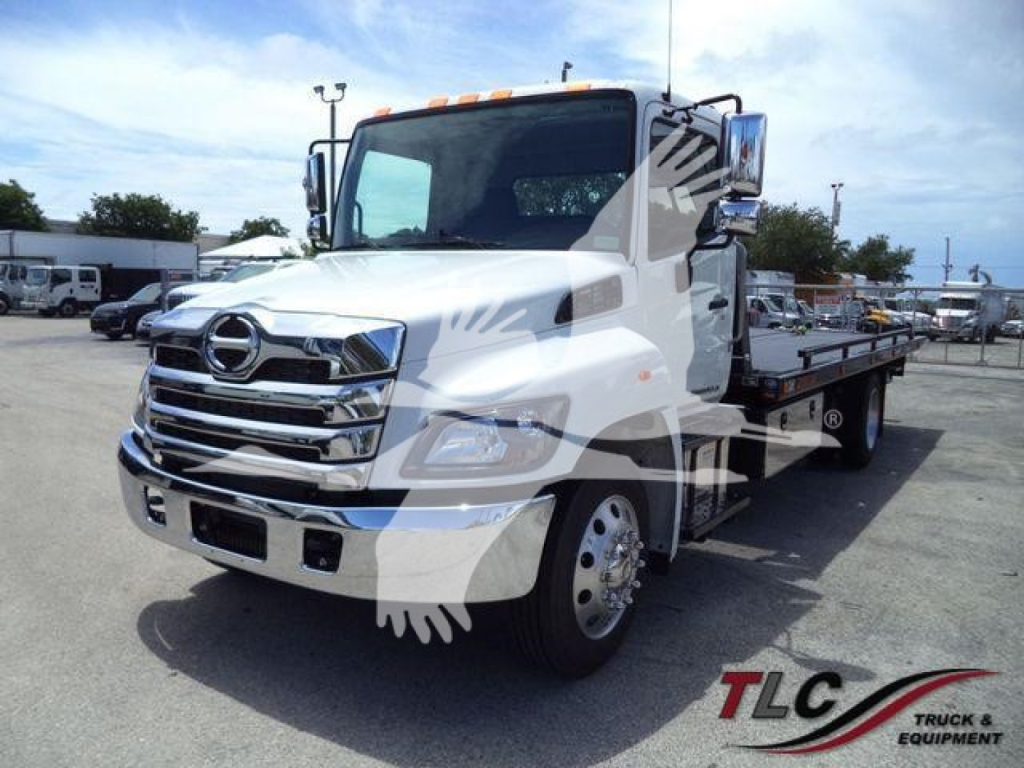
Showing 1 to 28 of 158 results
Selling a new rollback truck? List your new rollback truck for sale and reach thousands of commercial buyers.
New Rollback Trucks
Powertrain choices on new rollback trucks are typically straightforward and proven. Medium-duty models commonly use Cummins 6.7L diesel power paired with Allison automatic transmissions such as the 2500 RDS, 3500 RDS, or 4500 RDS, while heavier tandem units may move into larger-displacement diesel platforms with 400-plus horsepower. Rear axle ratios in the 5.29 to 5.63 range are common on medium-duty carriers where launch and low-speed control matter more than road speed. Air-ride rear suspension can improve ride quality and reduce shock transfer to the load, while spring suspension remains common for simplicity and lower upfit cost. A buyer comparing listings should pay close attention to front axle capacity, rear axle rating, wheelbase, and body rating because a truck with a 12,000-pound platform and a truck with a 20,000-pound deck can look similar in photos but serve very different jobs.
The best rollback truck is defined by the work mix. For dealer transfers, auto auctions, fleet delivery, and general automotive towing, a non-CDL carrier with a 21- to 22-foot low-profile bed and wheel lift can be the most efficient choice. For hauling larger pickups, work trucks, SUVs, and occasional equipment, buyers often step up to 24- to 26-foot beds with higher deck ratings, stronger winches, and more axle. Heavy-duty tandem rollback trucks fit municipal, commercial, and equipment-moving applications where deck strength, stability, and winch capacity matter more than tight-city maneuverability. On any new truck, check the actual body manufacturer, deck construction, wheel-lift rating, tie-down configuration, hydraulic stabilizer options, and PTO setup. Those details determine how well the truck performs once it leaves the lot, not just how it looks on paper.
Frequently Asked Questions about New Rollback Trucks
What is the difference between a rollback truck and a wrecker?
A rollback truck uses a tilting and sliding deck to load the entire vehicle onto the carrier, while a wrecker typically tows a vehicle with a boom or wheel-lift and leaves some wheels on the ground. Rollback trucks are preferred for all-wheel-drive vehicles, damaged vehicles, low-clearance cars, and units that need full transport rather than tow-behind recovery. Many rollback trucks also include a wheel lift, which adds flexibility for moving an extra vehicle or handling repositioning work.
Do I need a CDL to operate a new rollback truck?
That depends on the truck’s GVWR and how it is registered and used. Many single-axle rollback trucks are spec’d at 26,000 to 27,000 GVWR or just above 30,000 GVWR, and that weight rating can change the license requirement. A non-CDL rollback is popular for local towing and transport because it broadens the driver pool, but heavier medium-duty and tandem-axle carriers typically require a CDL. Buyers should verify federal, state, and local rules, especially if the truck will cross state lines or operate under specific towing exemptions.
What bed length is best for a rollback truck?
The right bed length depends on what you plan to haul. A 21- or 22-foot carrier is common for standard passenger vehicles and urban towing because it is easier to maneuver. A 24- to 26-foot bed gives more flexibility for longer pickups, vans, and some equipment, while 28-foot heavy-duty setups are used where deck space and load placement are critical. Bed length also has to match wheelbase, axle placement, and deck rating so the truck can carry the load legally and with proper weight distribution.
What specs matter most when comparing new rollback trucks?
The most important specs are GVWR, axle ratings, deck length, deck capacity, wheel-lift rating, winch capacity, wheelbase, and suspension type. Buyers should also review deck width, low-profile or LCG design, crossmember construction, chain lock placement, PTO and hydraulic configuration, and whether the carrier includes dual controls, toolboxes, and stabilizers. These details affect load angle, payload, durability, driver ease of use, and the kinds of vehicles the truck can handle day after day.
Is a steel or aluminum rollback body better?
Steel rollback bodies are favored for toughness, lower initial cost, and ease of repair in hard-use towing environments. Aluminum or hybrid bodies reduce tare weight, which can improve payload and fuel efficiency, and they can also resist corrosion well in certain climates. The tradeoff is that aluminum-heavy bodies may cost more upfront and can repair differently after damage. For many buyers, the decision comes down to operating environment, target payload, and how long the truck is expected to stay in the fleet.