
New 2023 Rollback Trucks For Sale
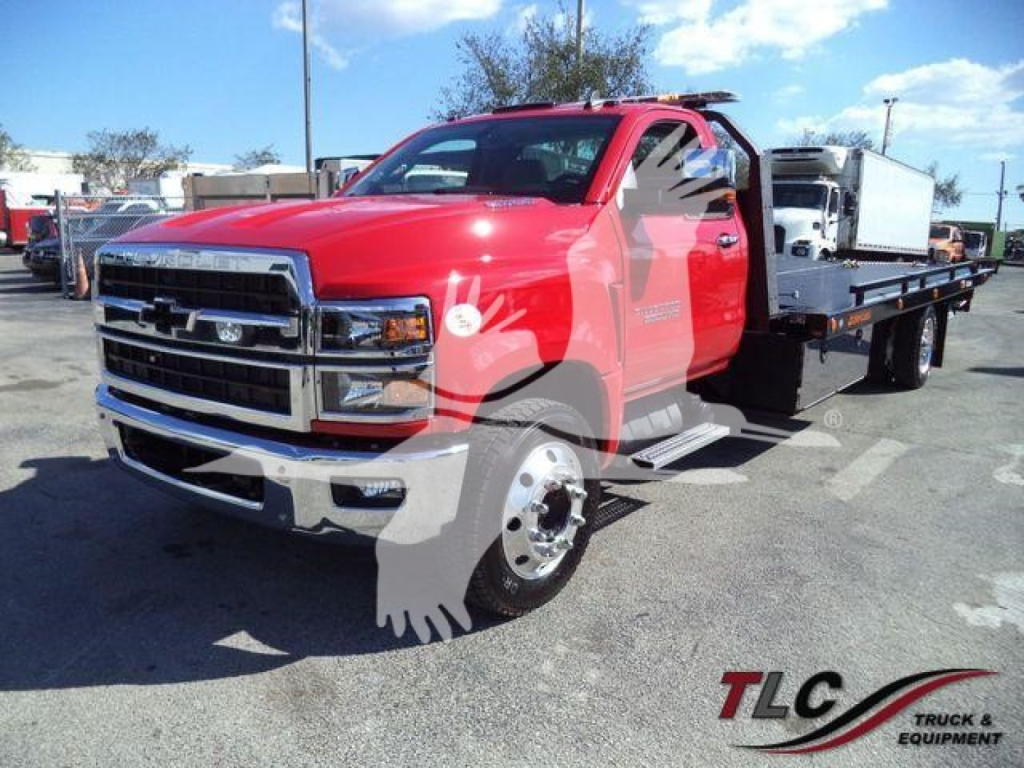
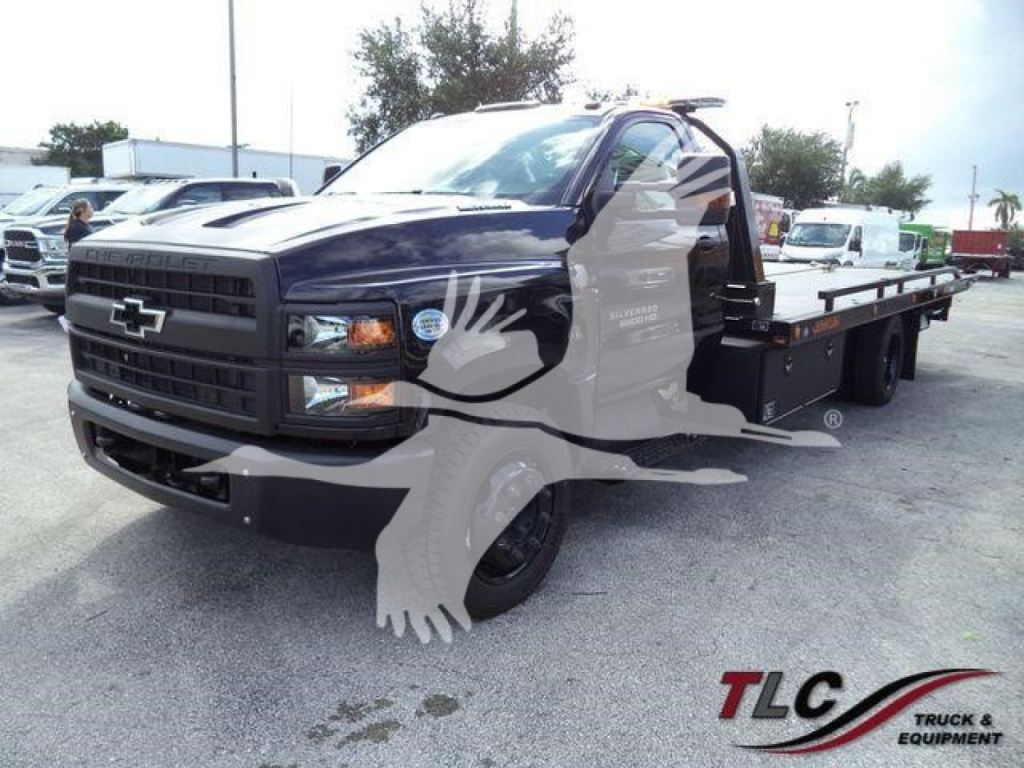
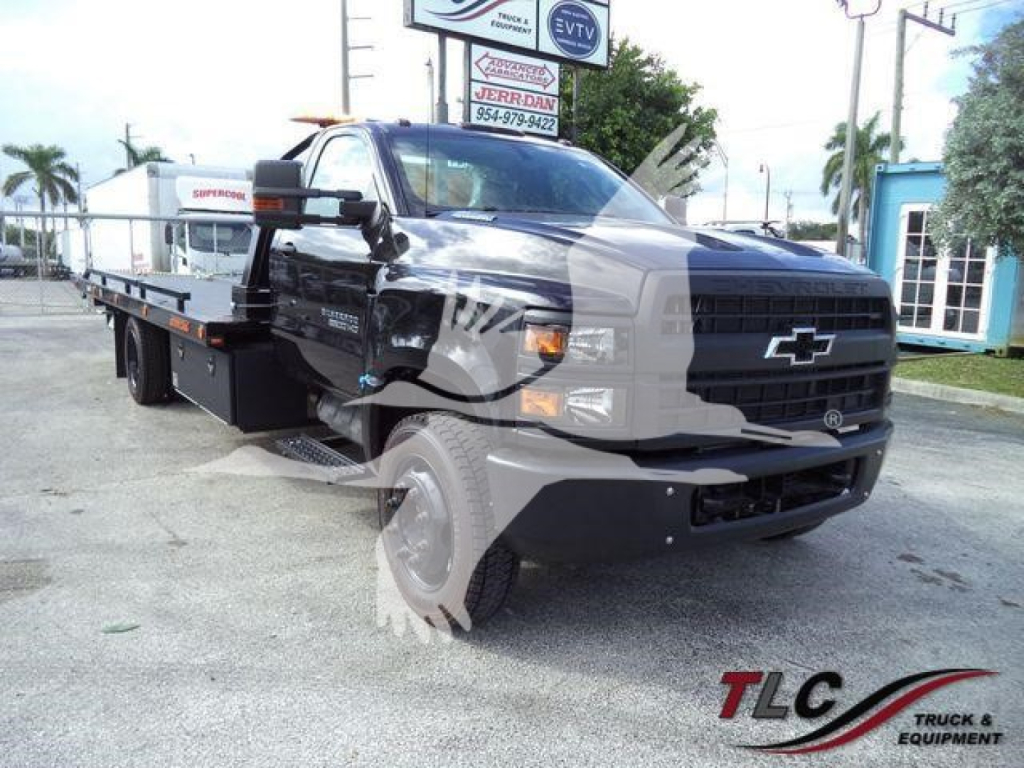
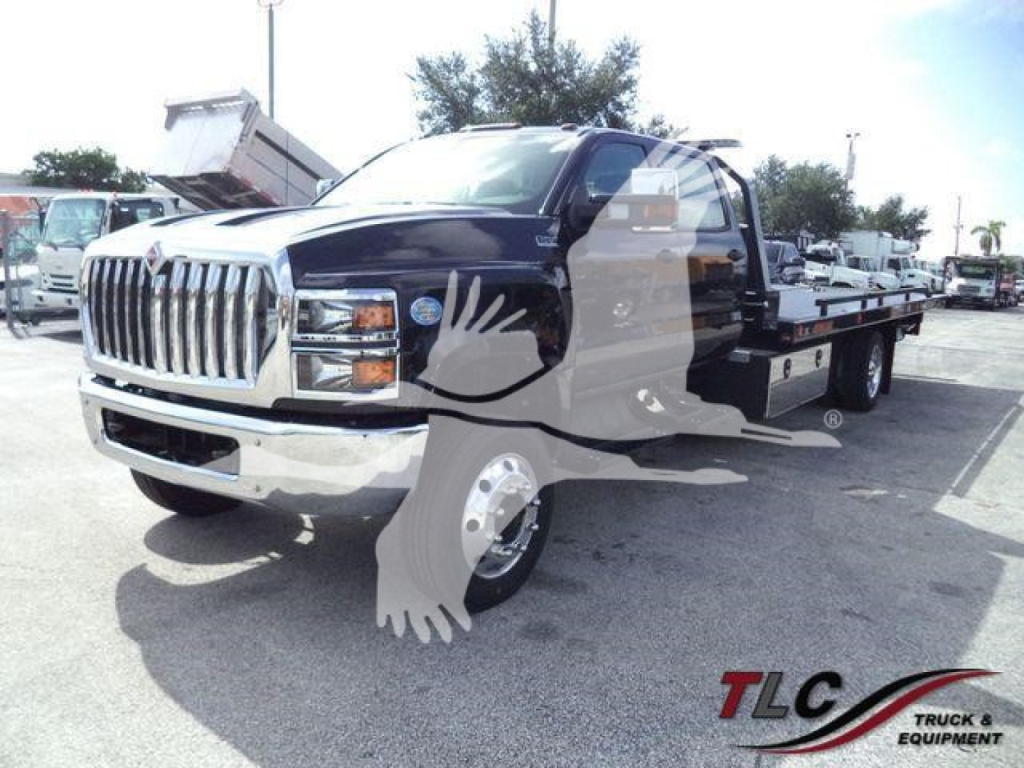
Shop new 2023 rollback trucks with low-profile decks, wheel lifts, and winches for towing, recovery, and vehicle transport work.
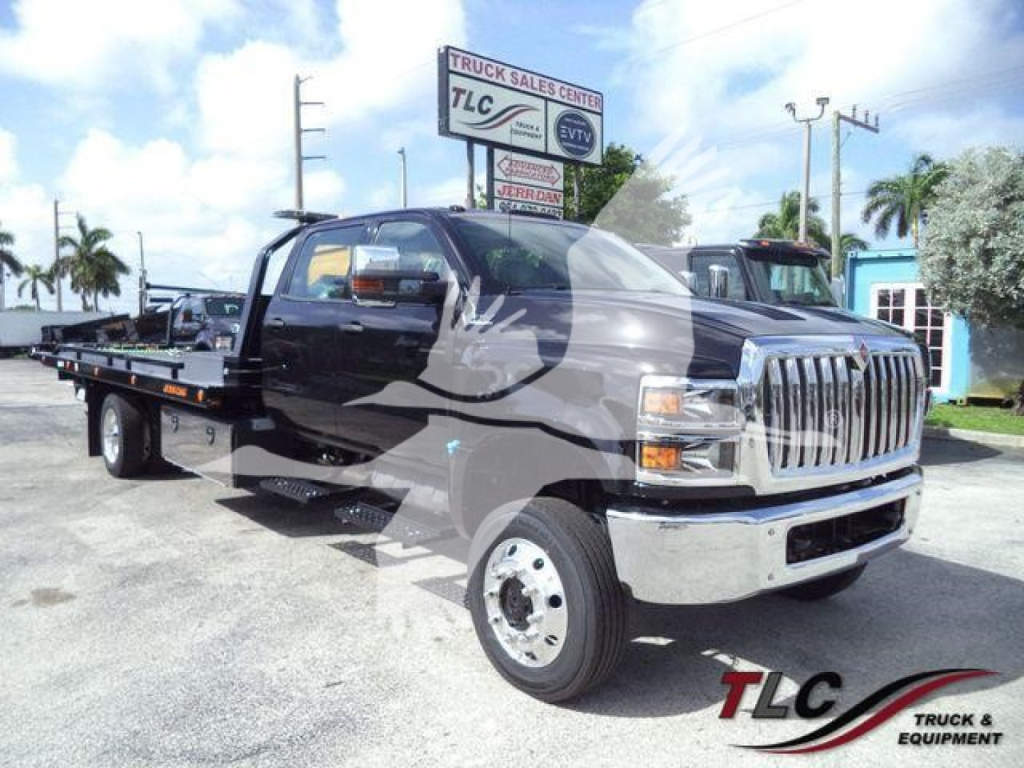
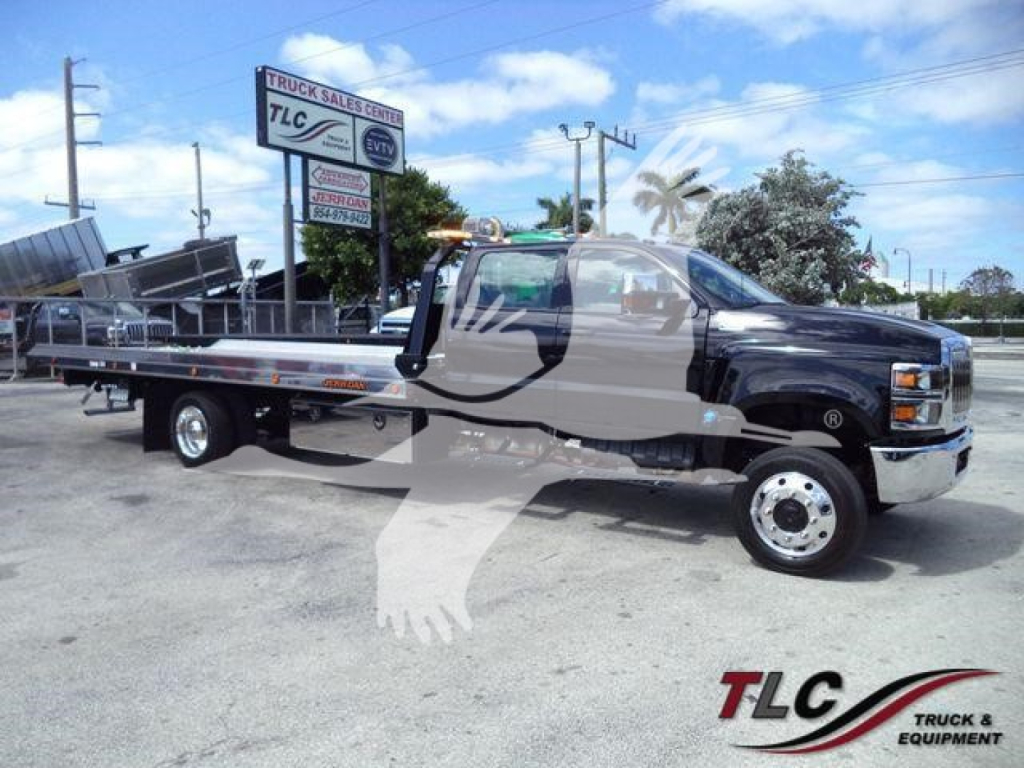
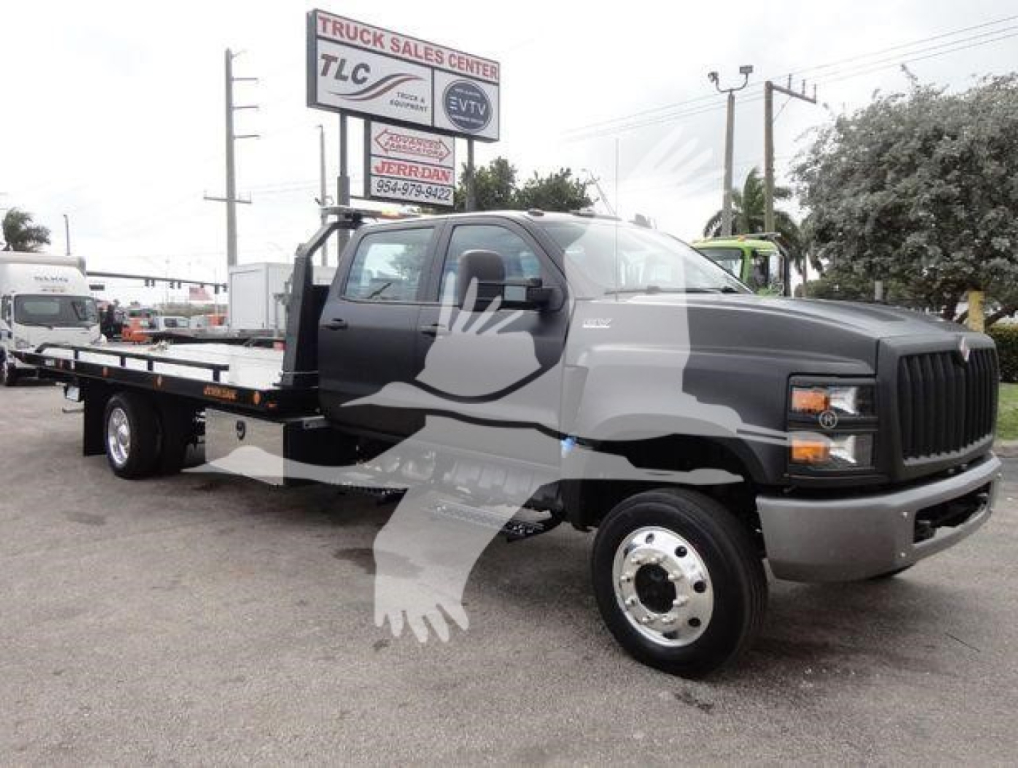
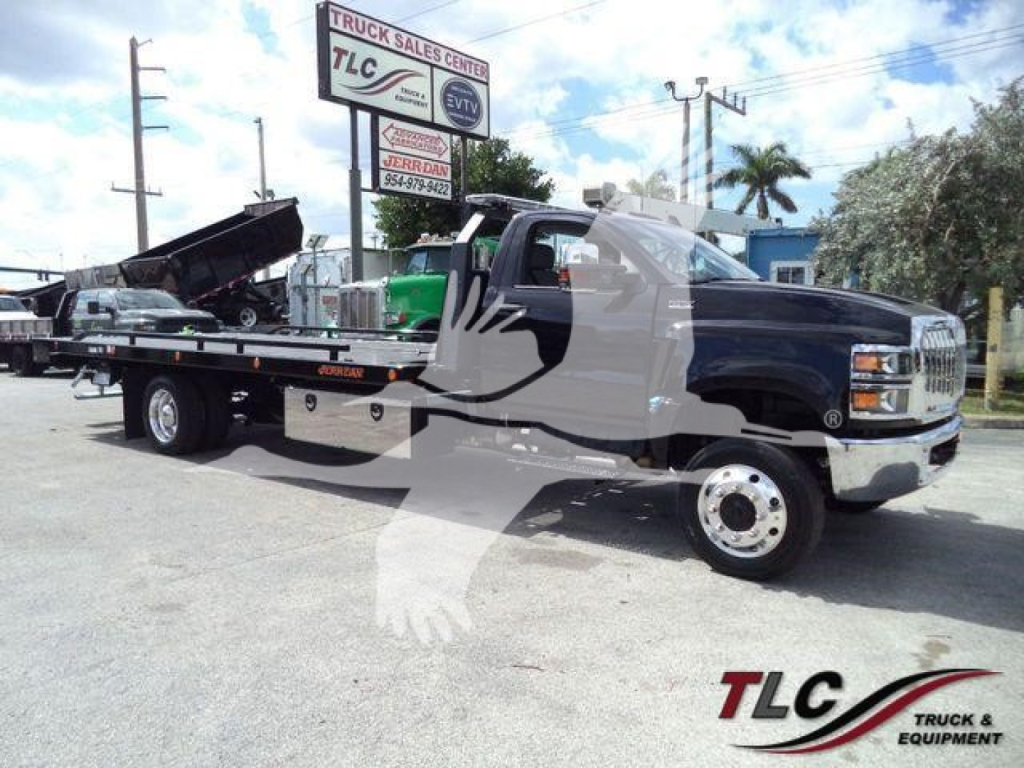
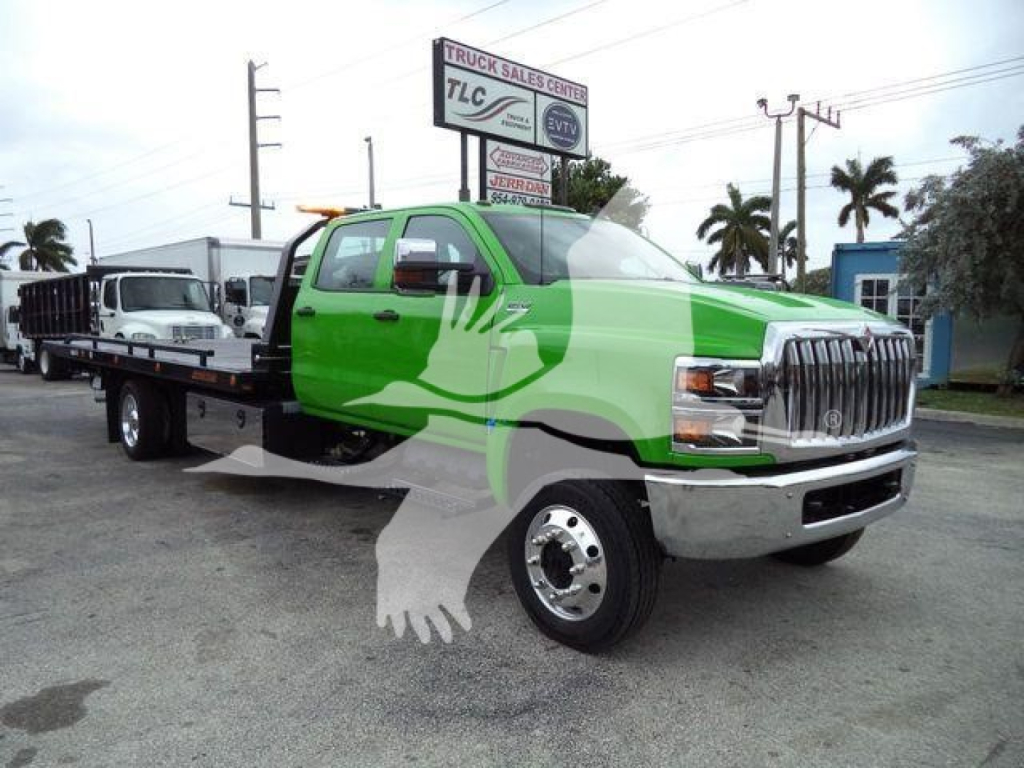
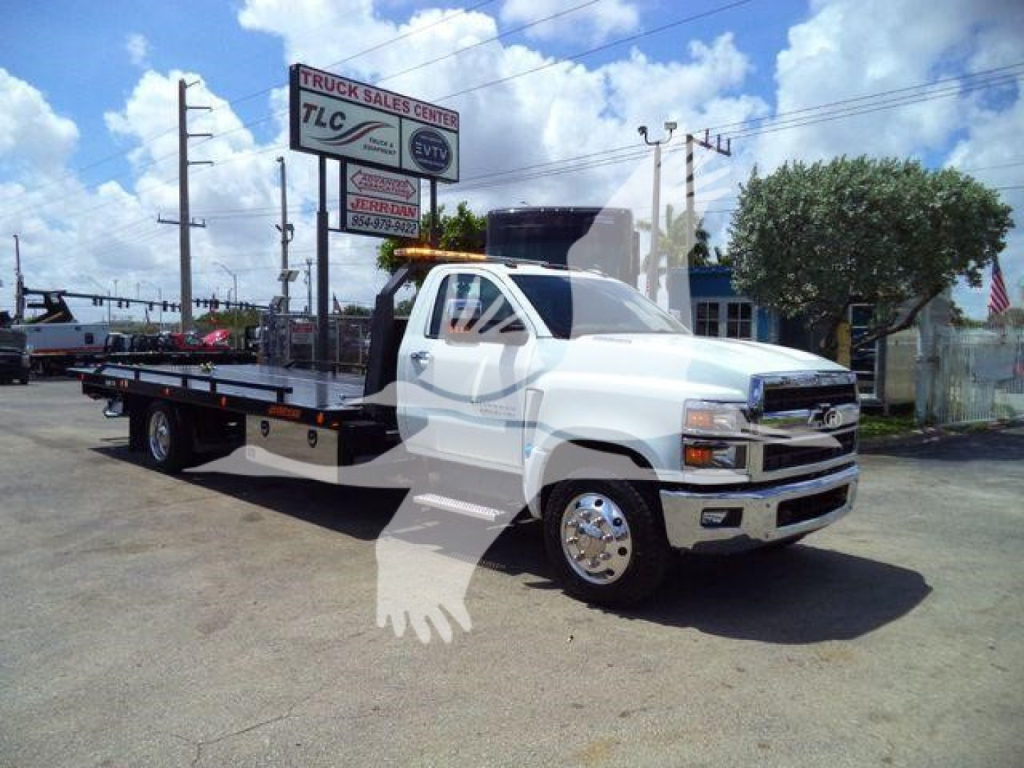
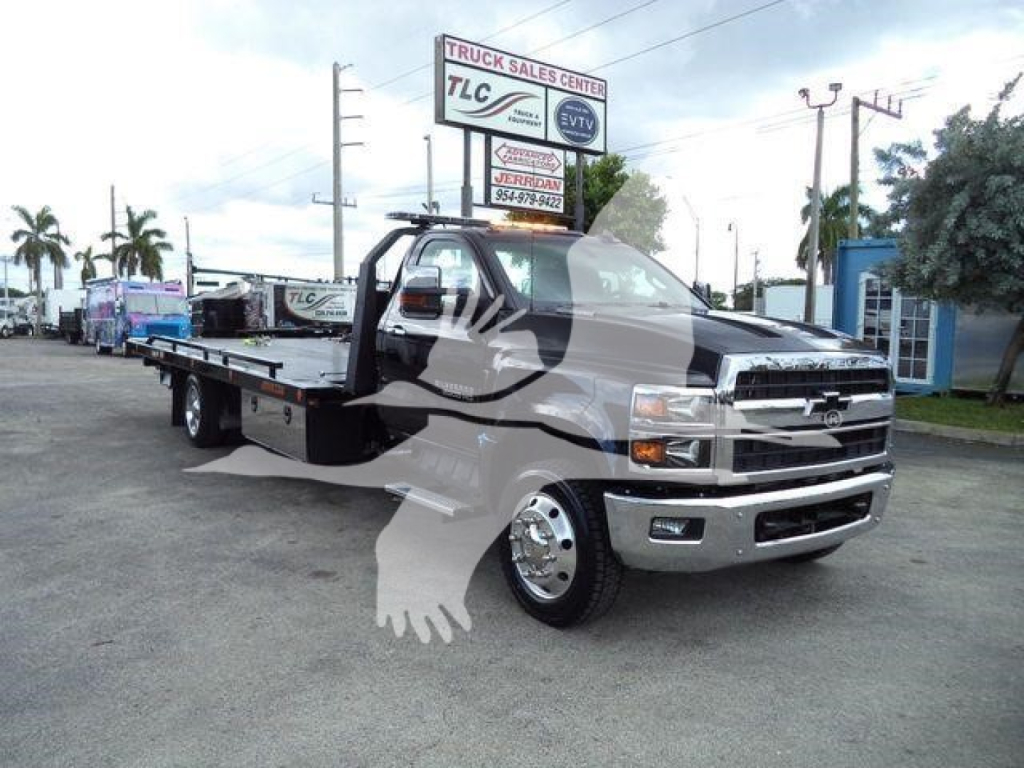
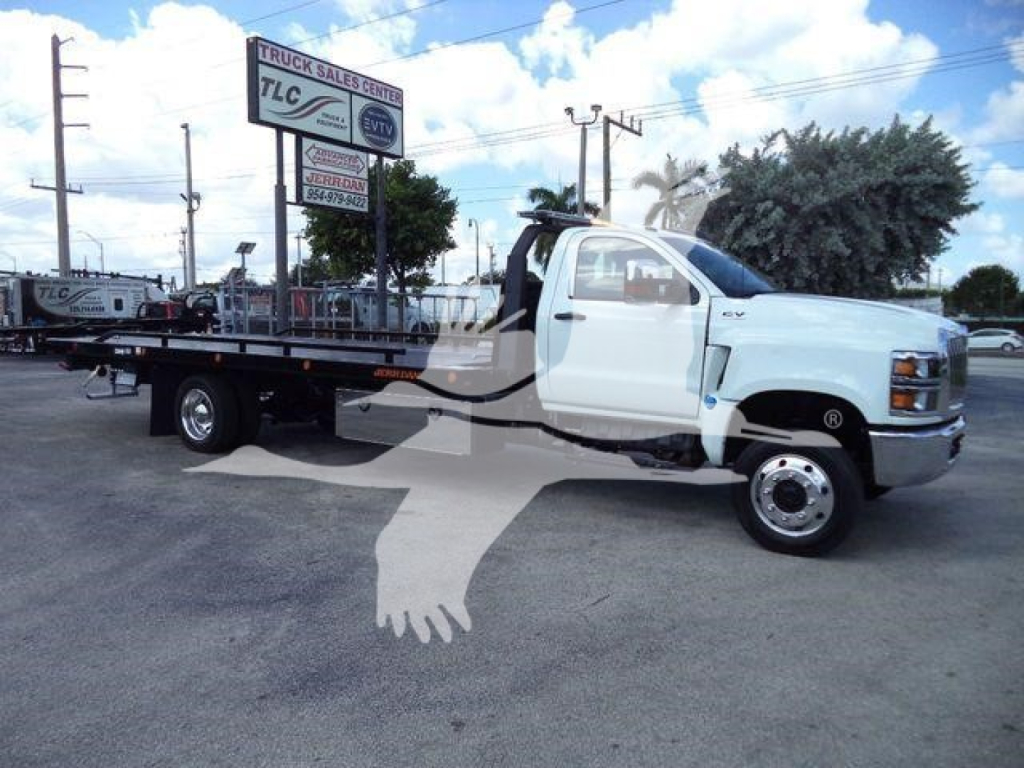
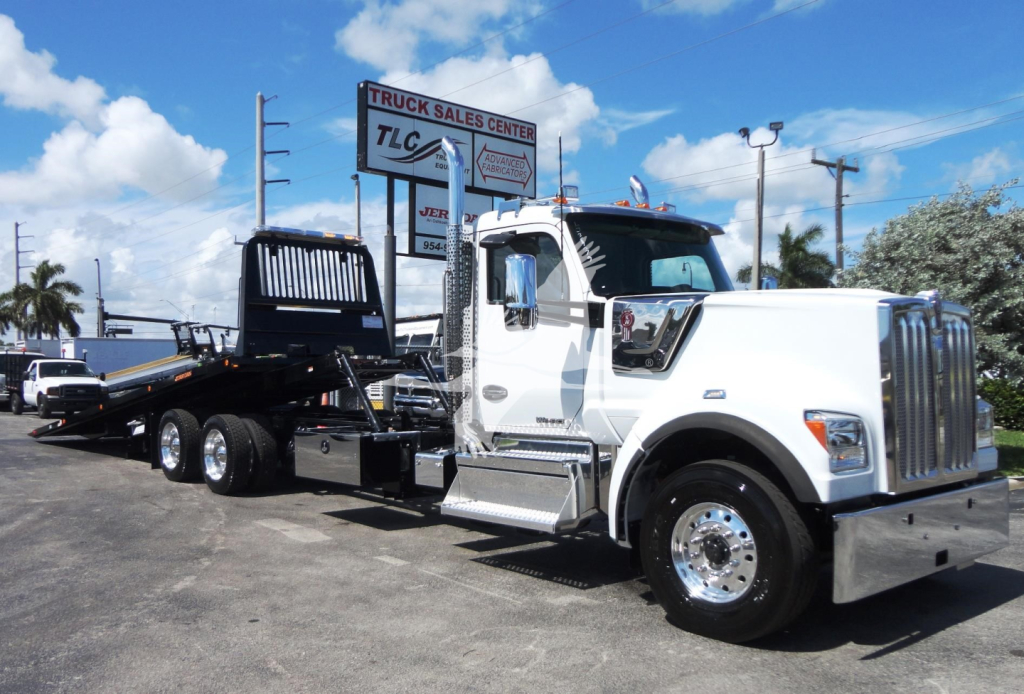
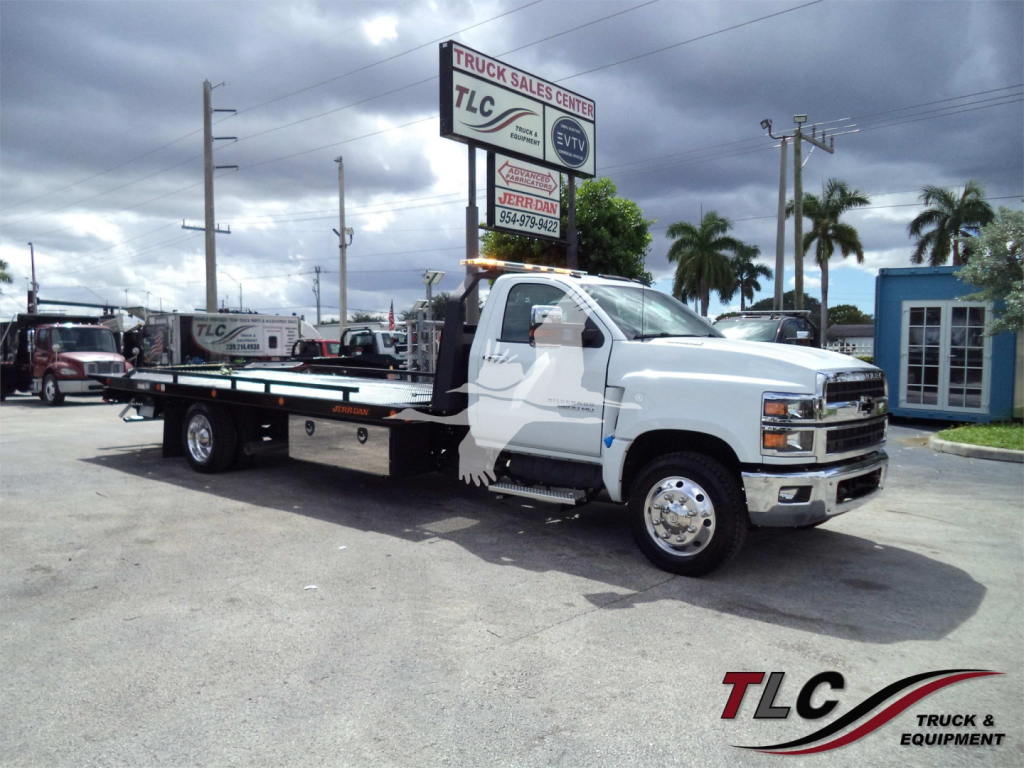
Selling a new 2023 rollback truck? List your new 2023 rollback truck for sale and reach thousands of commercial buyers.
New 2023 Rollback Trucks
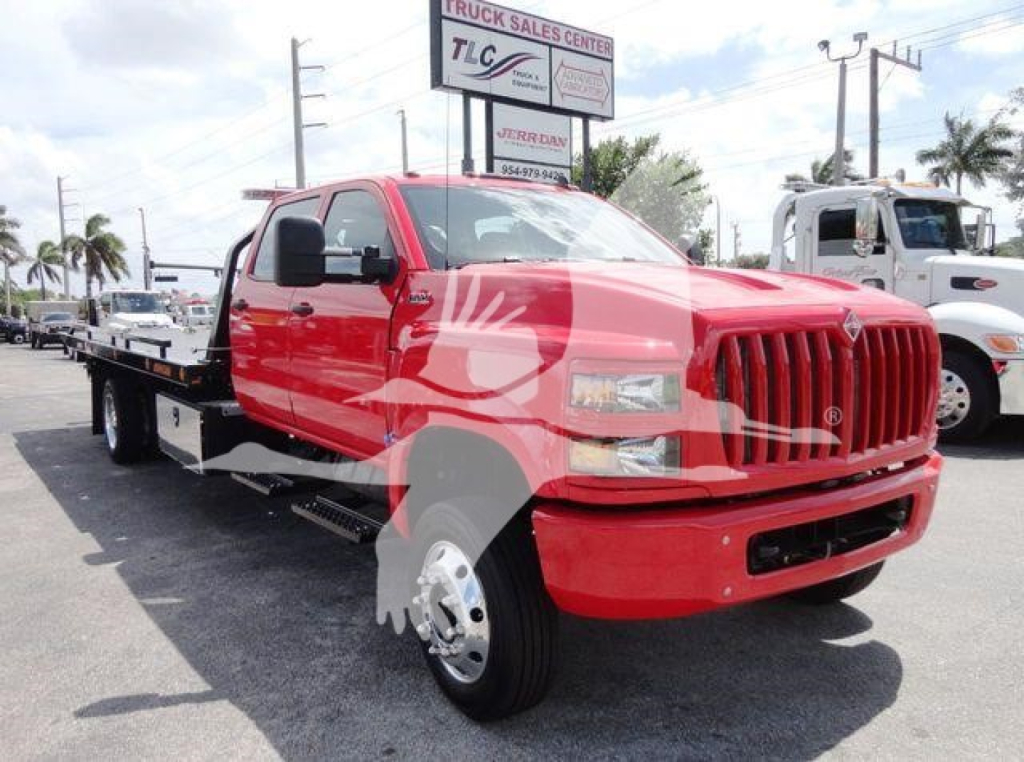
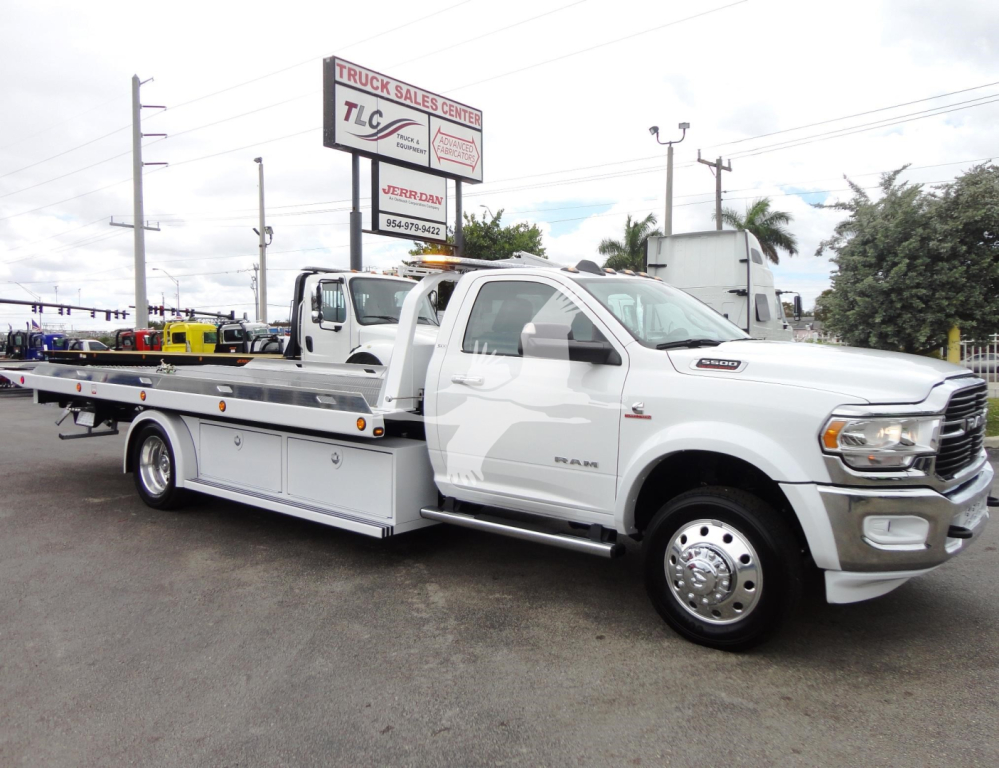
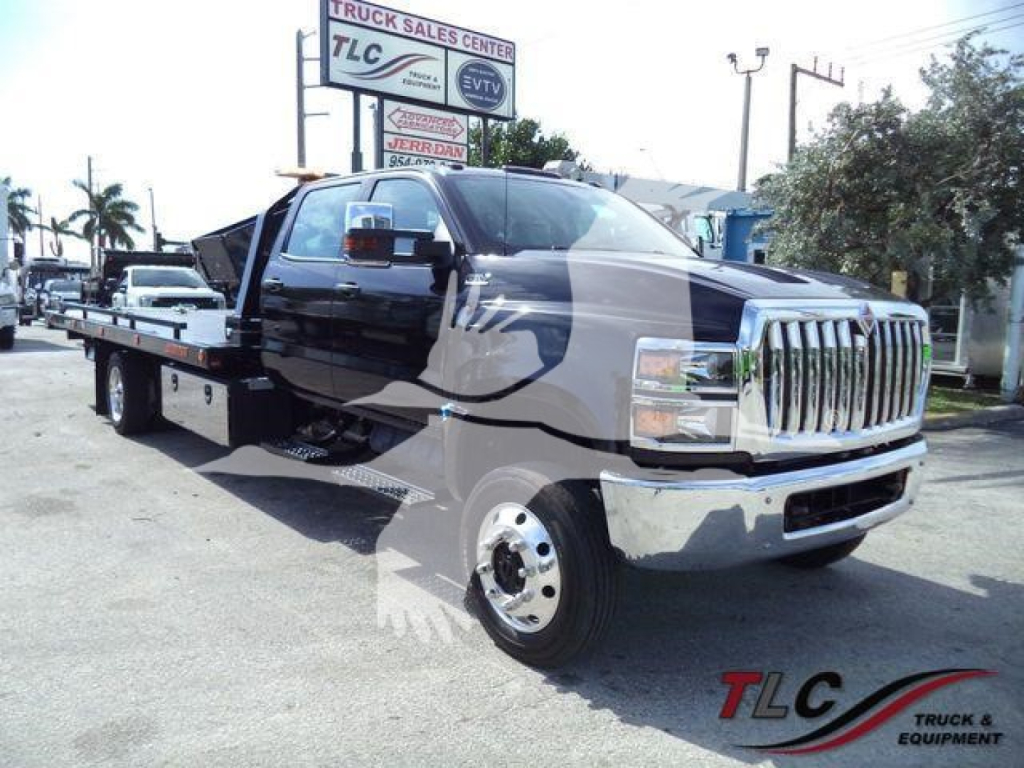
Chassis choice matters as much as body spec. In this category, buyers often compare Class 5 and Class 6 platforms such as the Ram 5500, Ford F-600, and medium-duty conventional chassis like the Kenworth T280 or International MV. A 4x2 rollback is common for urban towing, dealership work, and paved-route transport where payload and turning radius matter. A 4x4 chassis can make sense for rural service, repossession, snow-belt markets, construction access roads, and off-pavement recoveries. GVWR commonly falls in the 19,500 to 26,000 lb range depending on chassis, axle ratings, and body equipment, so payload, registration class, and CDL implications should be reviewed before purchase.
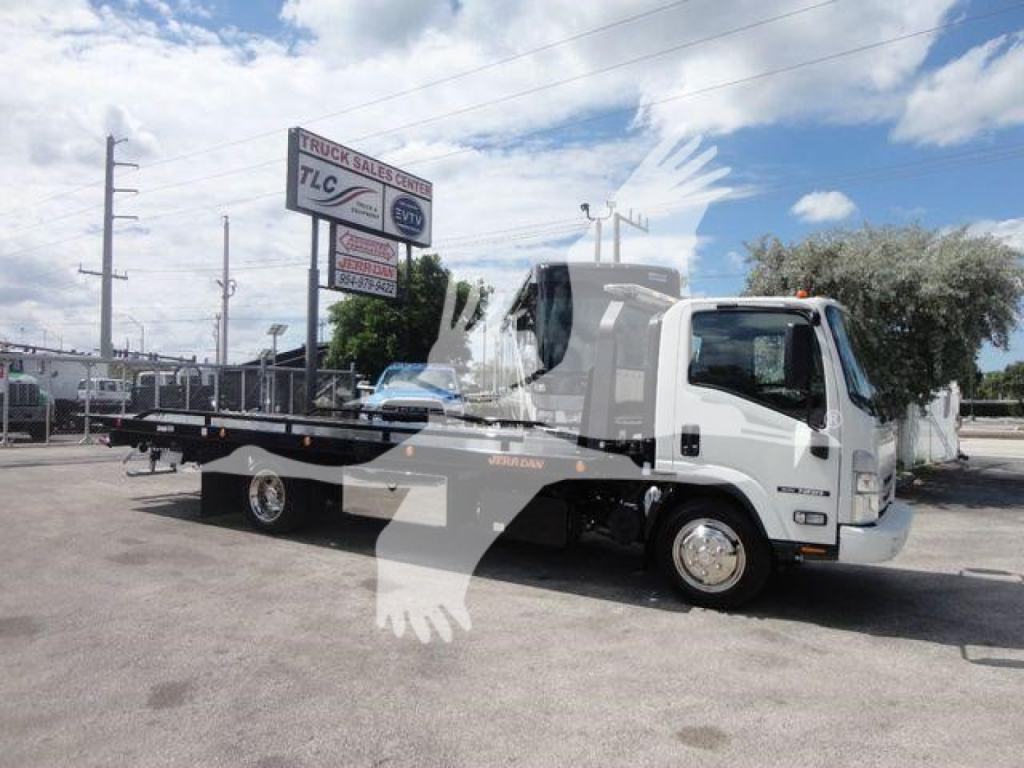
Body equipment is where productivity shows up day to day. Many new rollback trucks in this range are equipped with steel or aluminum removable side rails, dual toolboxes, LED light bars, work lights, chain racks, and Ramsey or similar winches in the 8,000 to 10,000 lb range. Buyers should pay close attention to deck material, subframe construction, wheel-lift geometry, and how low the loaded deck sits at the tail. A true low-center-gravity or extra-low-profile carrier helps with sports cars, EVs, forklifts, and other low-clearance loads. Wireless remote functions, dual free-spool winches, blade rails, shark-style deck profiles, and backup cameras can improve loading speed and reduce driver effort over a long shift.
A good 2023 new rollback truck should be matched to the work mix, not just the badge on the hood. If the truck will spend most of its time hauling passenger vehicles, prioritize deck angle, tie-down access, wheel-lift usability, and storage layout. If it will see daily towing and recovery calls, focus on frame rating, brake type, suspension, PTO and hydraulic performance, and service access to the carrier body. Powertrains in this class often include diesel engines around 300 hp with Allison automatic transmissions, though gas-powered chassis are also seen in lighter applications. Air brakes and air ride suspension are more common on medium-duty rollback trucks, while hydraulic brakes are still found on smaller chassis. The right spec delivers stable loading, legal payload, and faster cycle times across a full day of calls.
Frequently Asked Questions about New 2023 Rollback Trucks
What is the typical capacity of a new 2023 rollback truck?
Most rollback trucks in this segment are built with a 6-ton carrier deck and a 3,500-lb hydraulic wheel lift, but actual usable capacity depends on the chassis GVWR, body weight, winch setup, and the weight distribution of the vehicle being loaded. A buyer should look beyond the advertised deck rating and confirm payload on the completed truck as equipped, especially when toolboxes, wheel-lift hardware, light bars, and other accessories are installed.
What deck length is most common on a rollback tow truck?
A 20-foot or 22-foot deck is the most common configuration for light and medium-duty rollback trucks. A 20-foot deck is popular on smaller chassis for general passenger vehicle towing and urban use, while a 22-foot deck is often chosen on heavier chassis for better loading flexibility, longer wheelbase vehicles, and improved deck placement options when transporting pickups, vans, or small equipment.
Should I choose a 4x2 or 4x4 rollback truck?
A 4x2 rollback truck is usually the better fit for highway use, city towing, dealer transport, and paved-route service because it typically offers lower acquisition cost, less drivetrain complexity, and strong on-road payload efficiency. A 4x4 rollback truck is better suited for mud, snow, steep driveways, rural roads, and jobsite access where traction matters more than operating cost. The right choice depends on where the truck will load and recover vehicles, not just where it will drive between calls.
Why does a low-profile or XLP deck matter on a rollback?
A low-profile or extra-low-profile deck reduces the loading angle and helps prevent bumper, splitter, rocker panel, or battery tray contact on low-clearance vehicles. That matters for sports cars, EVs, lowered pickups, and specialty vehicles that can be difficult to load on a standard-height carrier. It also makes loading smoother and faster, which improves driver efficiency and lowers the risk of damage claims.
What should I inspect first when comparing rollback truck specs?
Start with GVWR, axle ratings, deck length, deck width, and the true payload of the completed truck. Then review the wheel-lift rating, winch capacity, brake type, suspension, tire size, storage layout, and remote-control functions. For towing businesses, body serviceability and parts support are also critical because downtime on a rollback truck directly affects call volume, dispatch flexibility, and daily revenue.