
New 2025 Rollback Trucks For Sale
Shop new 2025 rollback trucks with low-profile carriers, winches, and wheel lifts for towing, recovery, dealer transport, and roadside work.
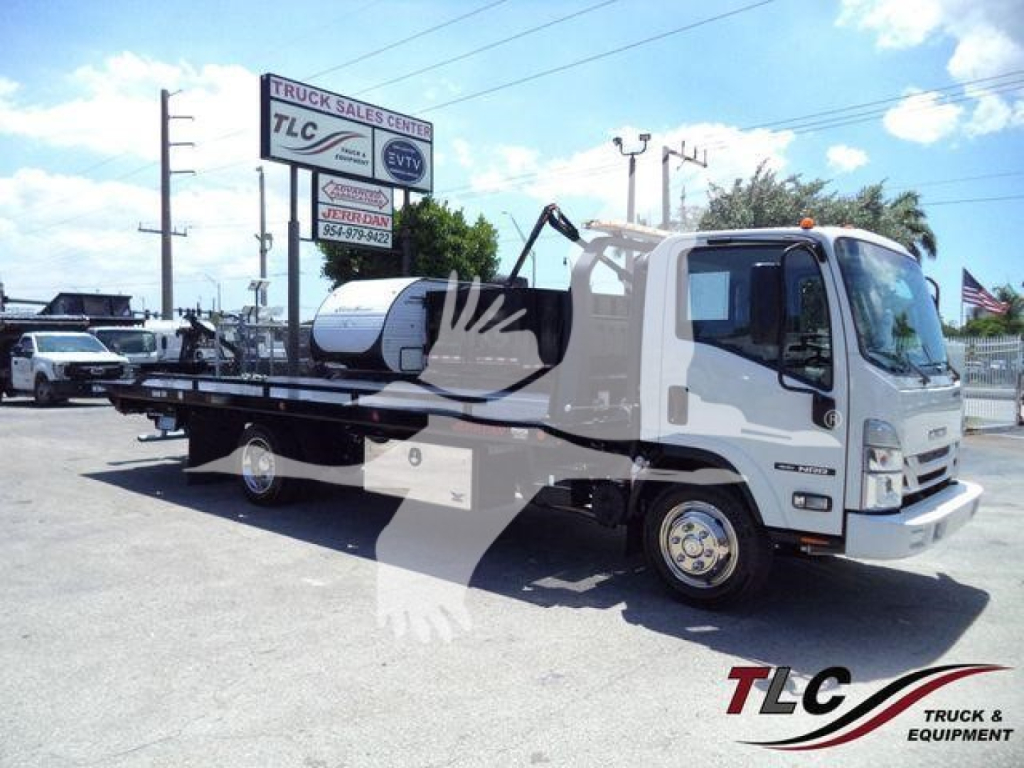
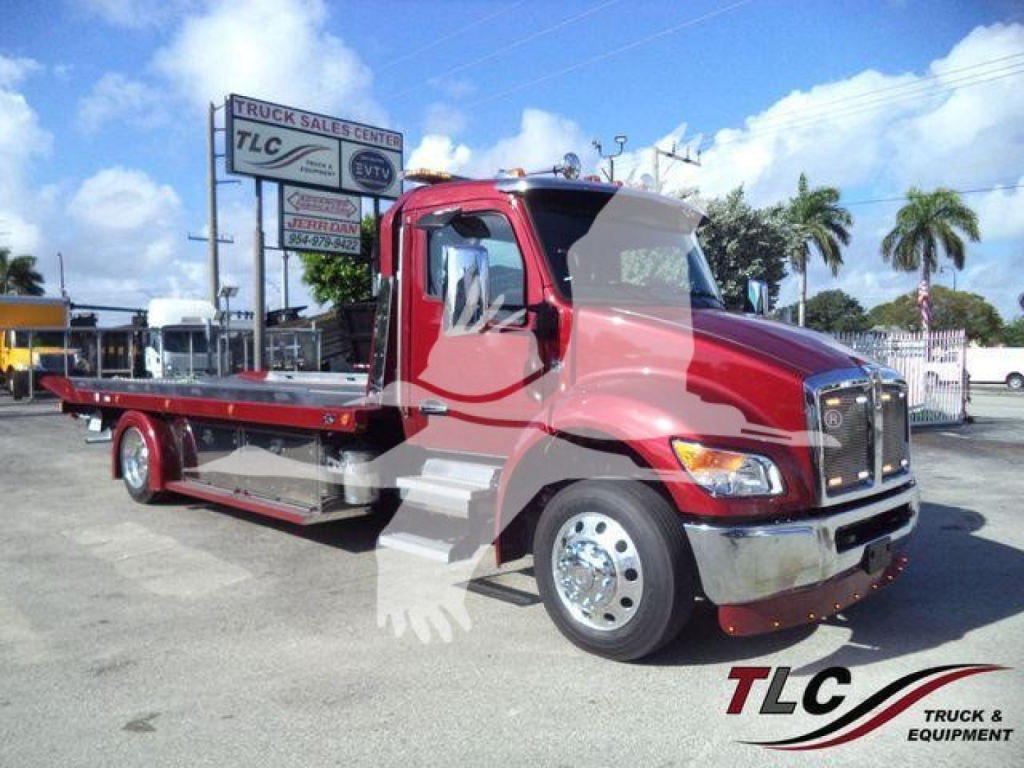
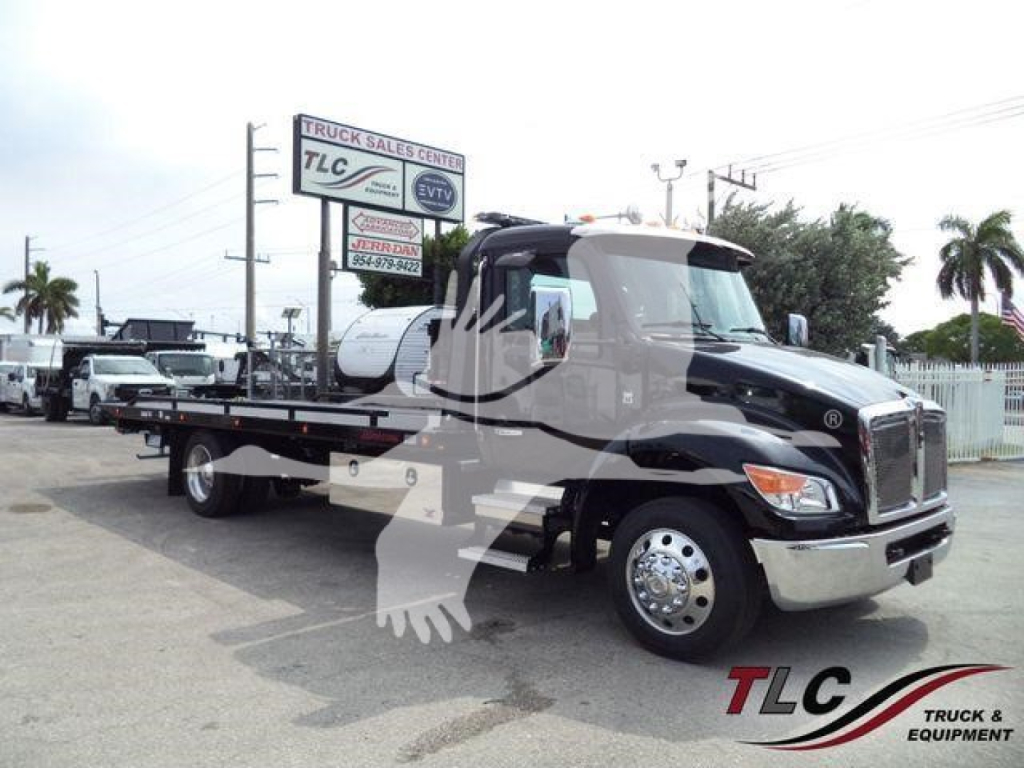
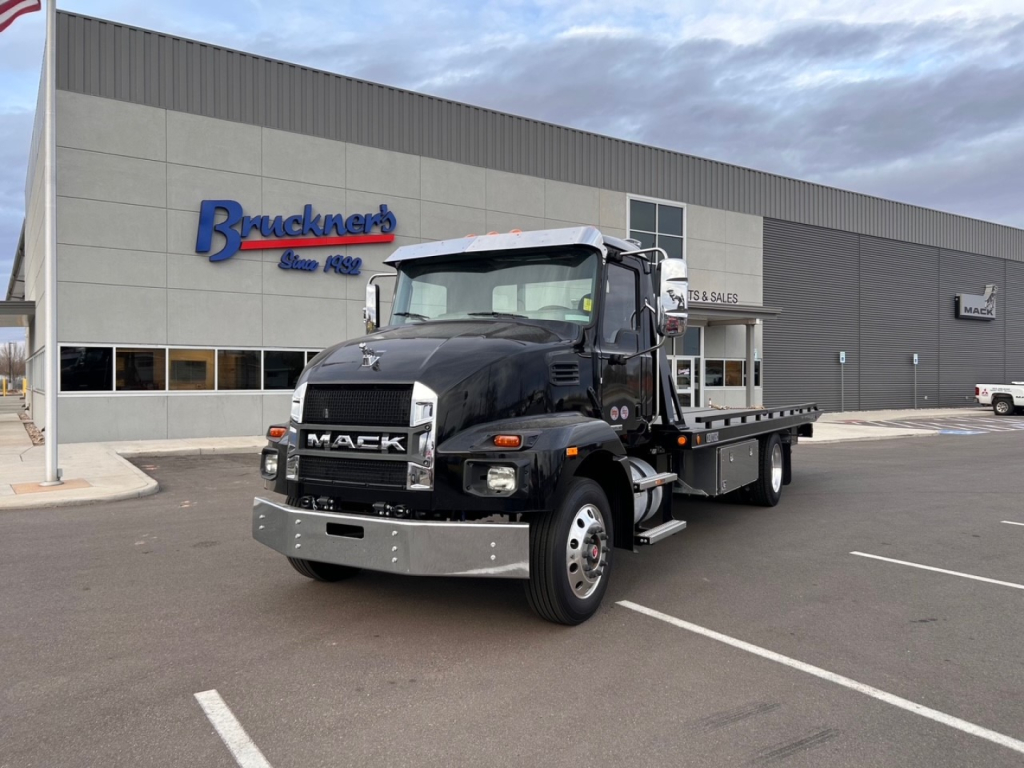
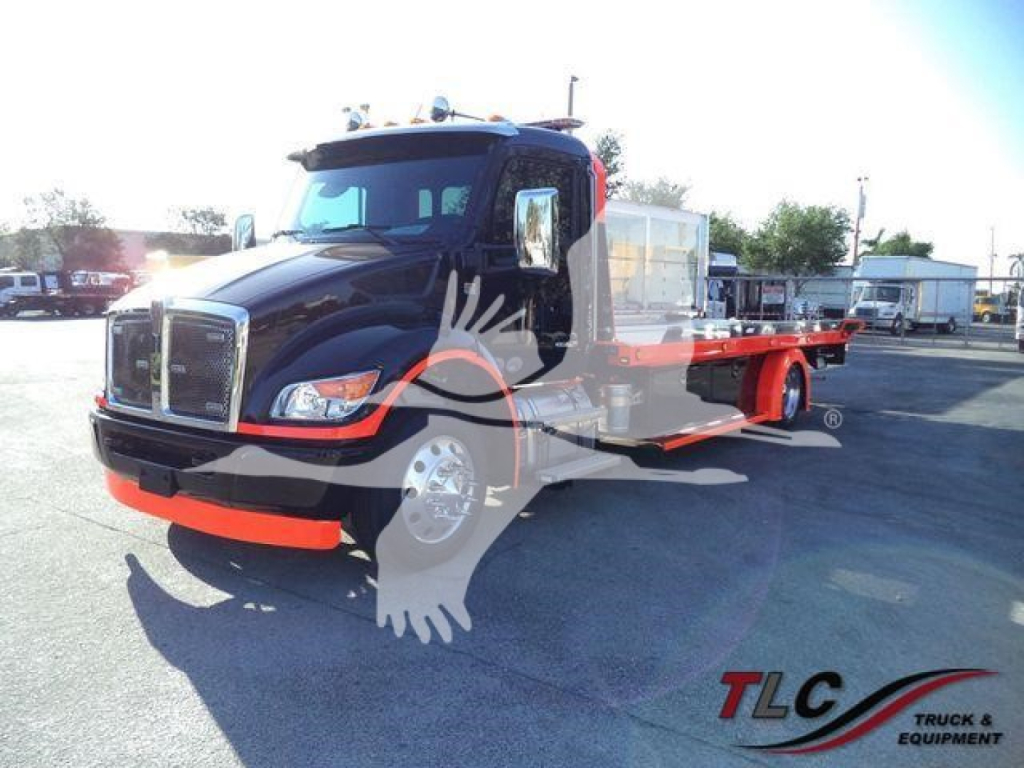
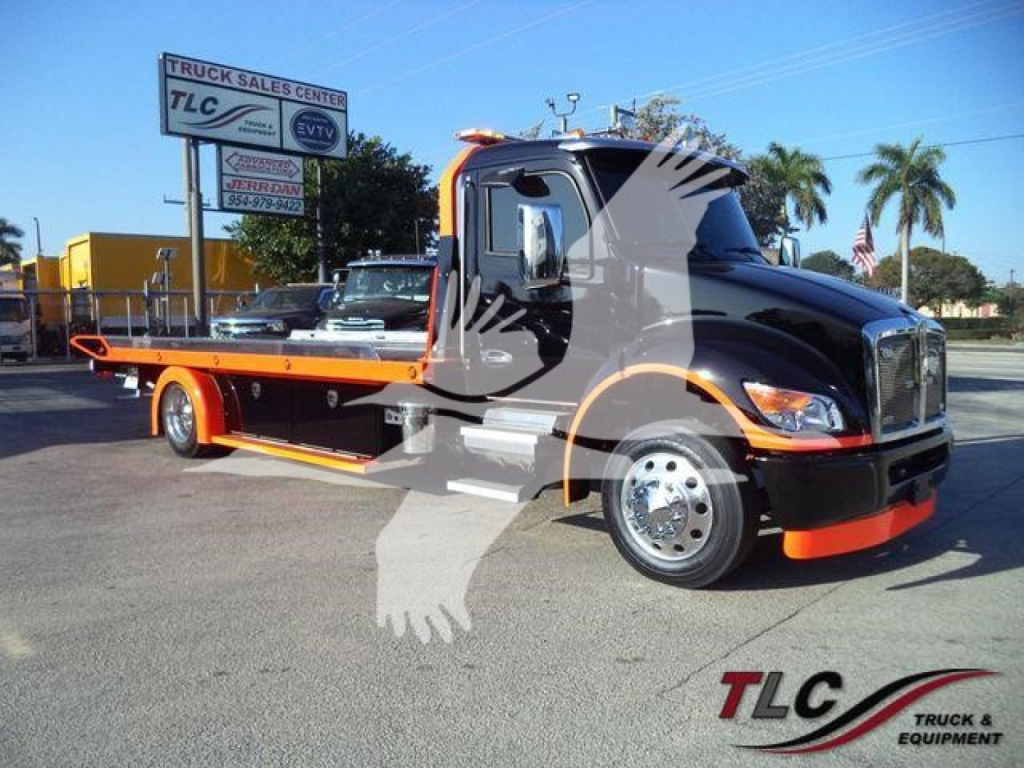
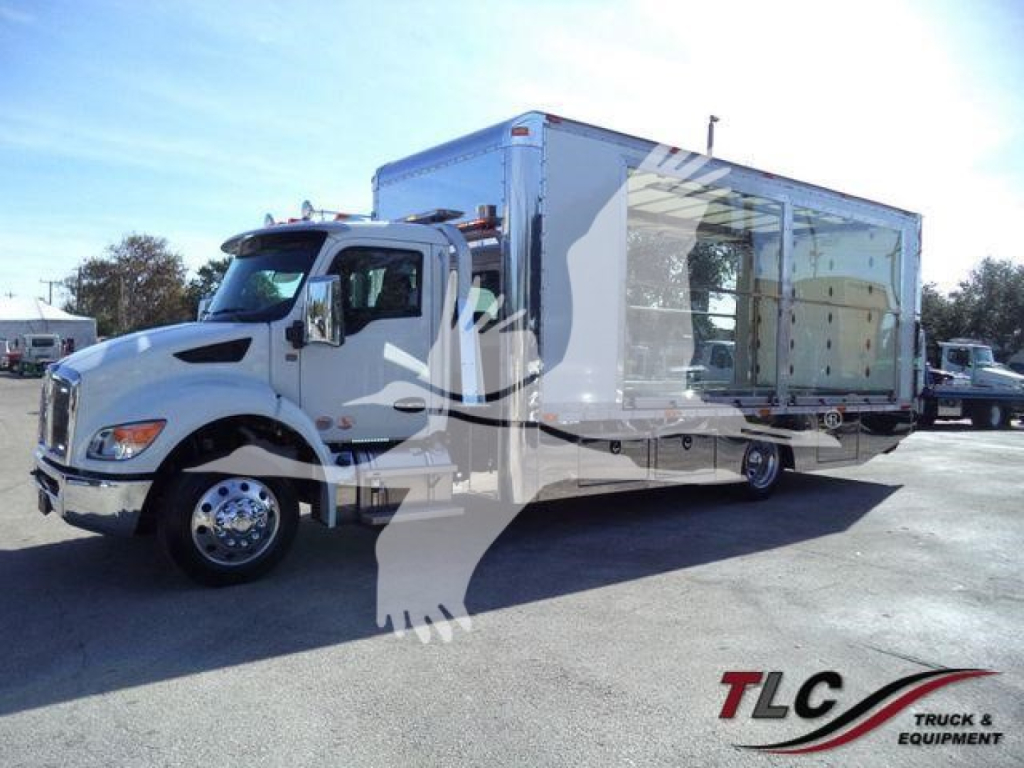
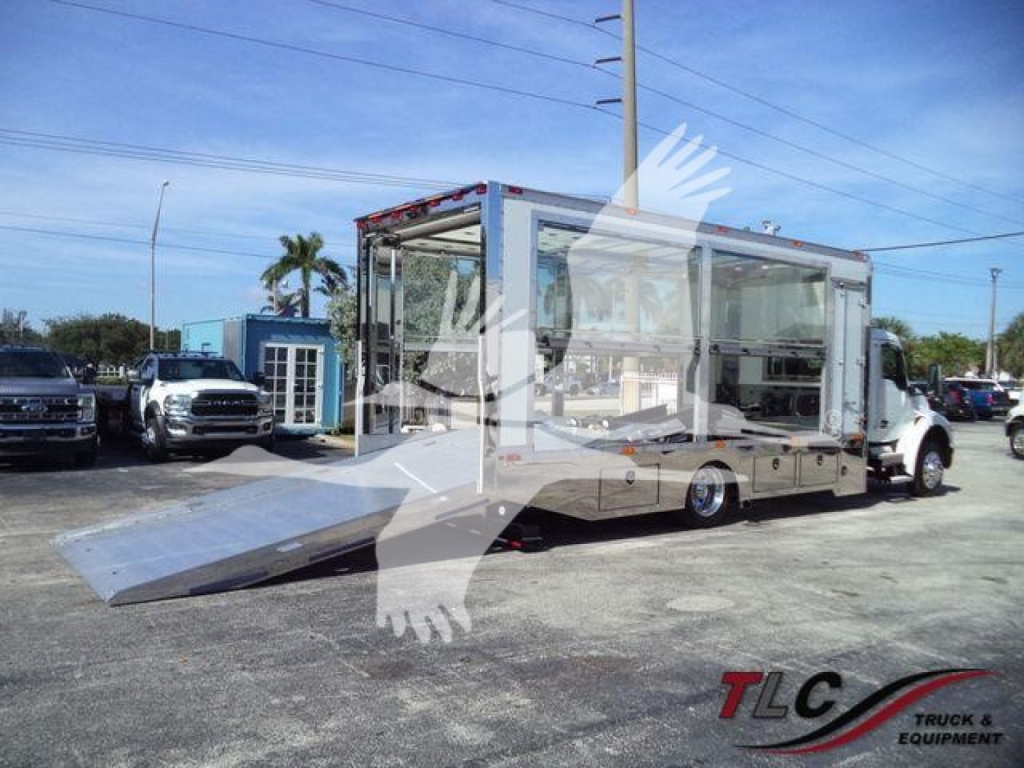
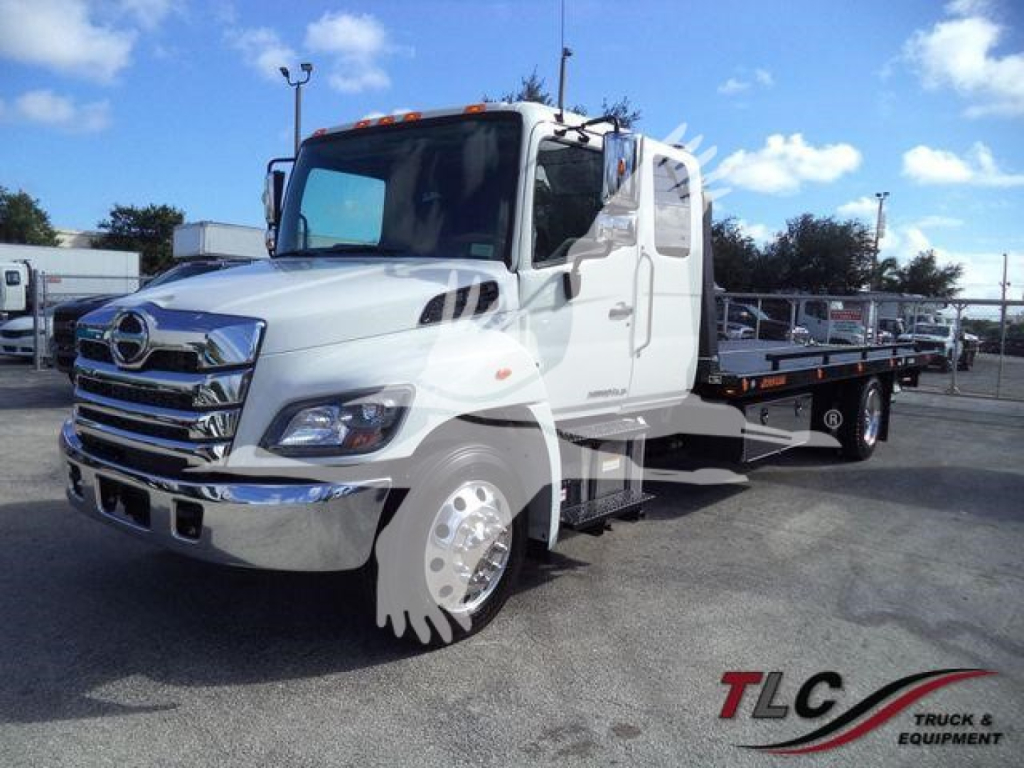
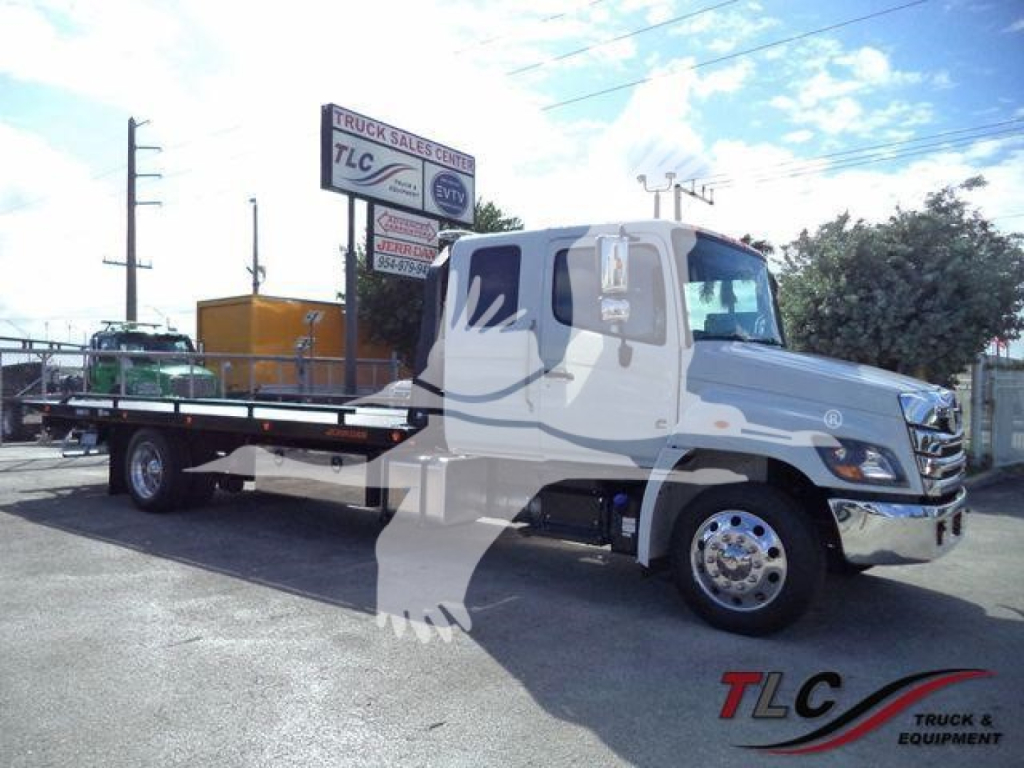
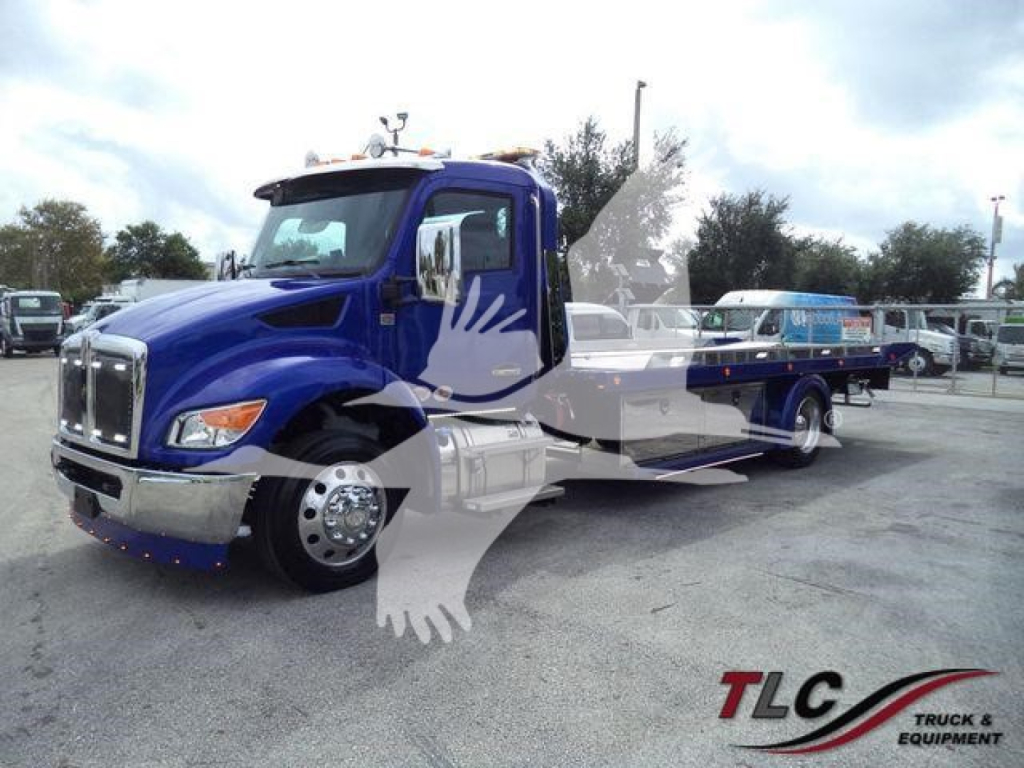
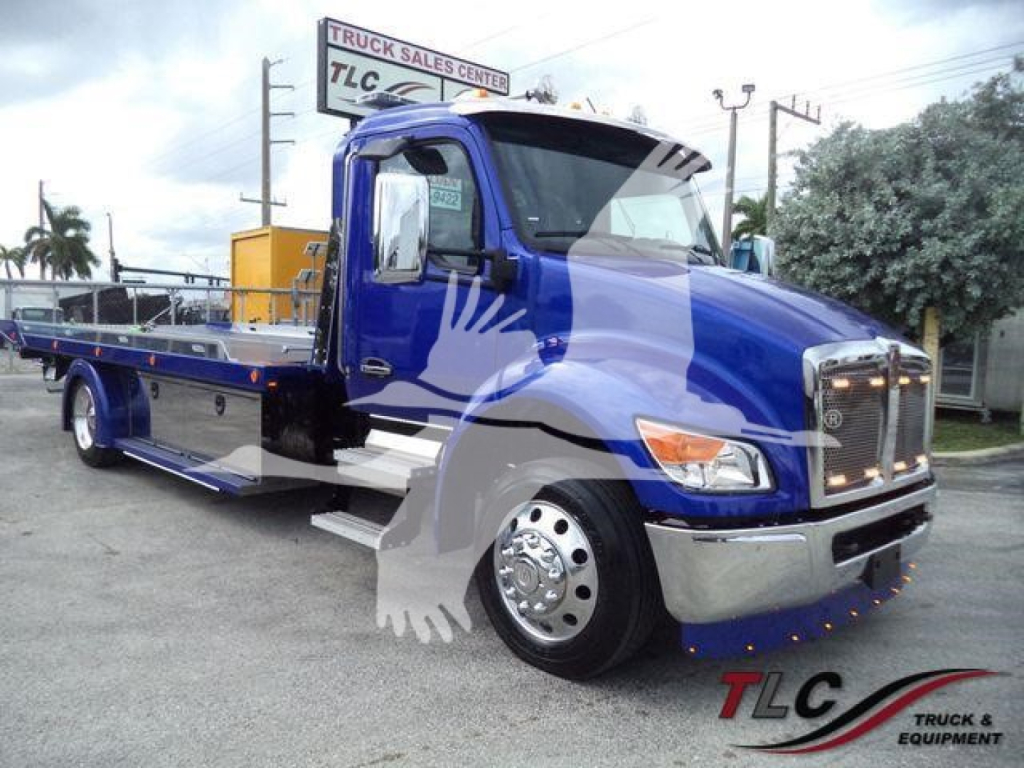
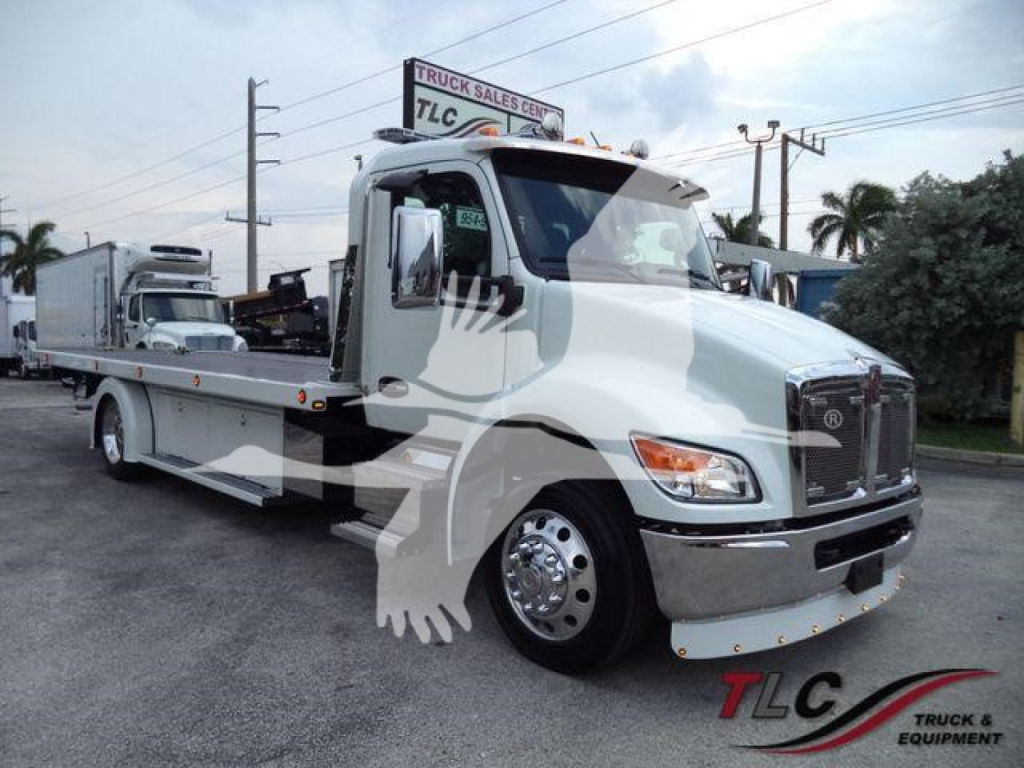
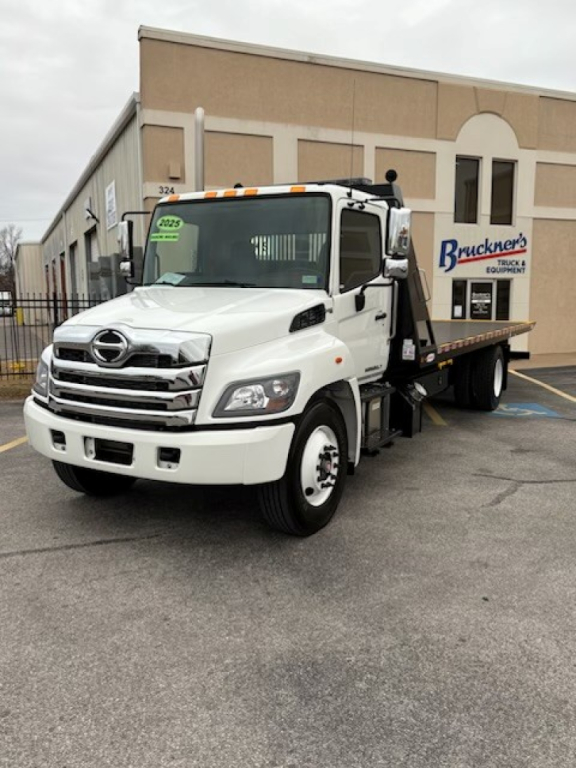
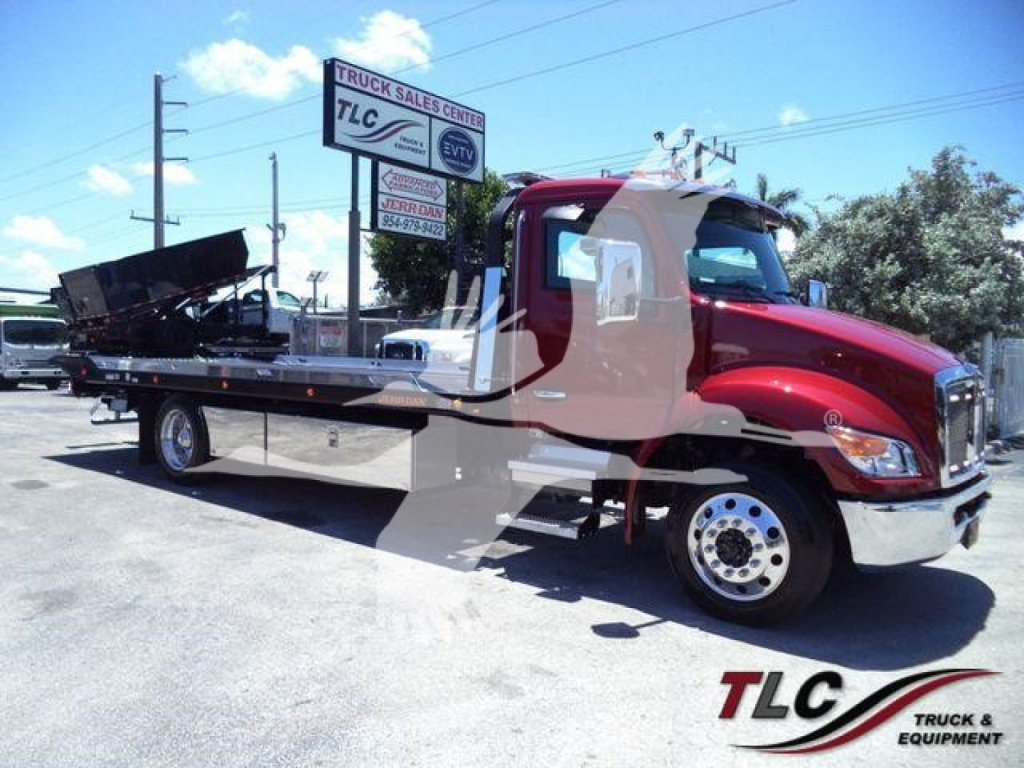
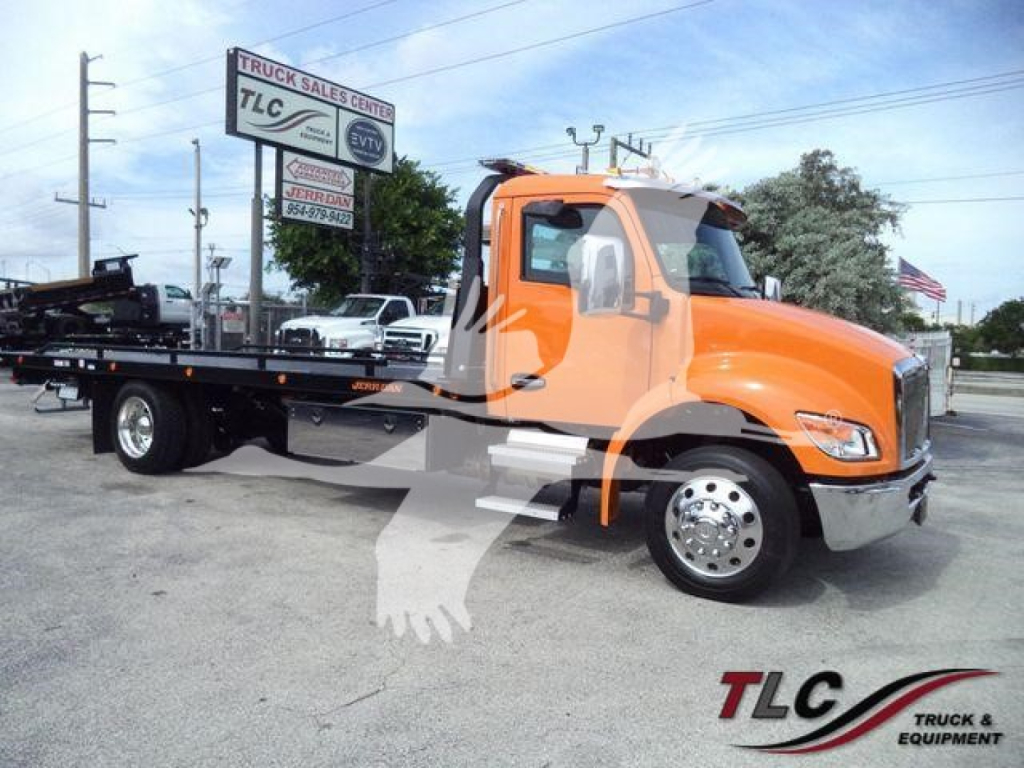
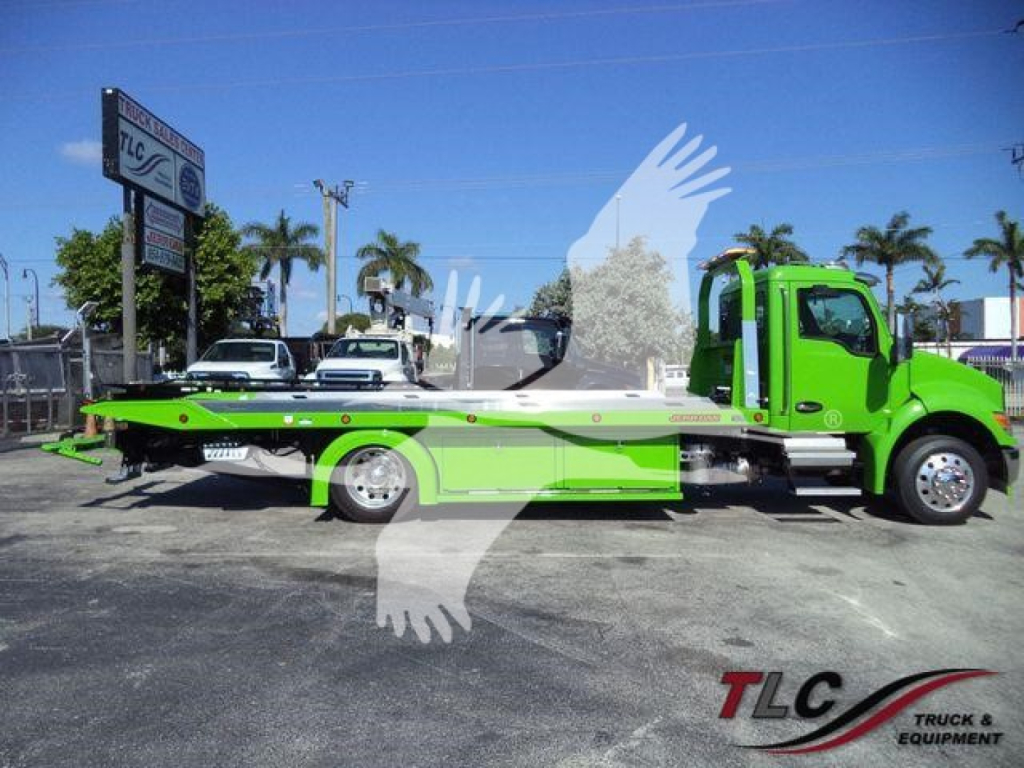
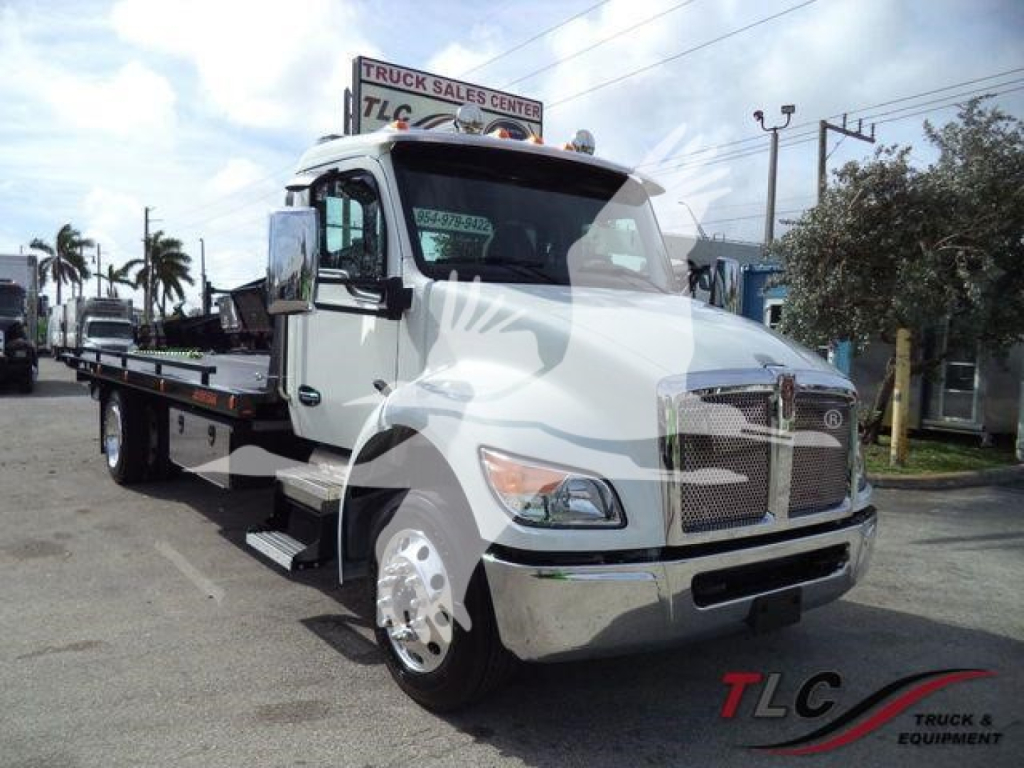
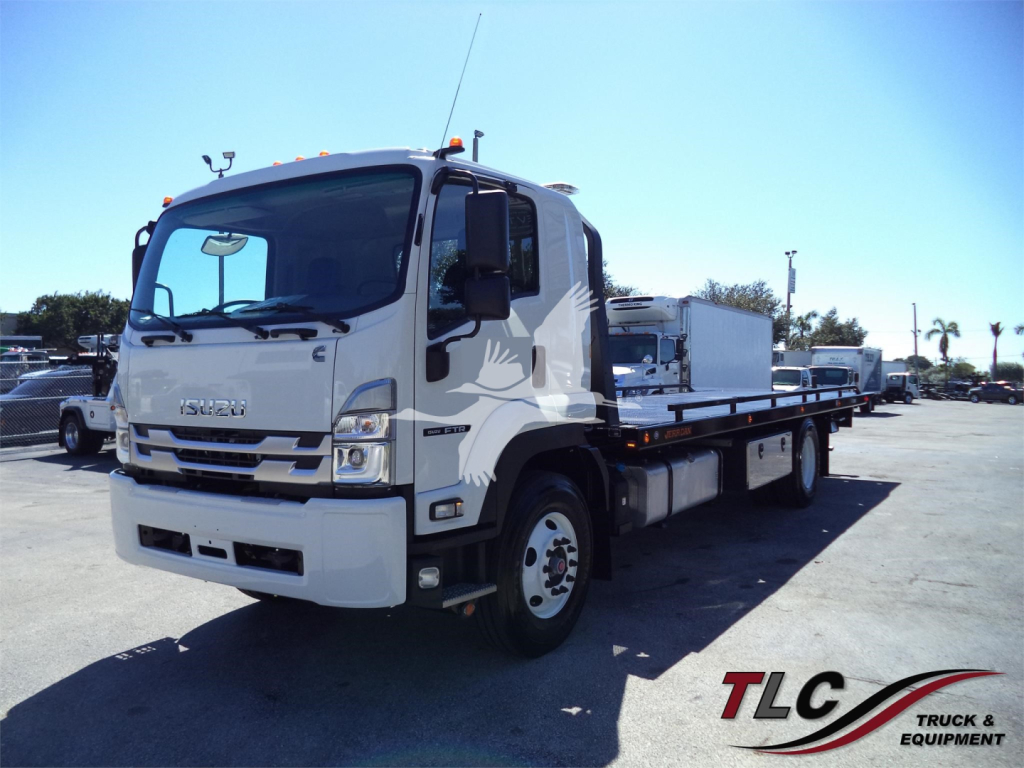
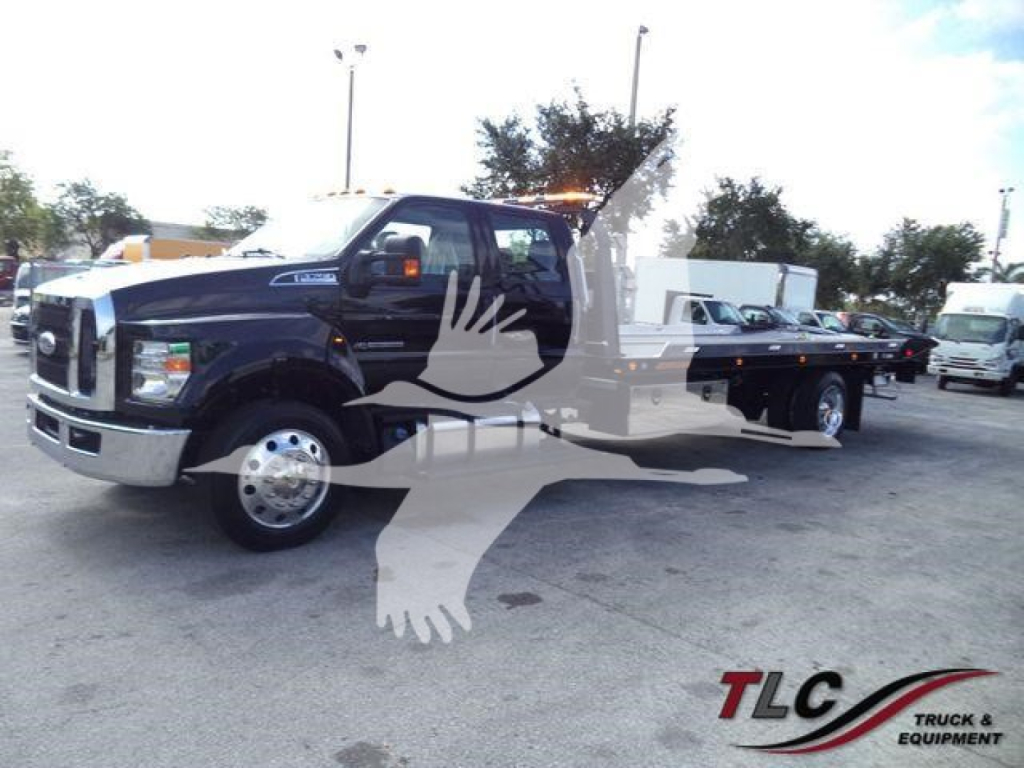
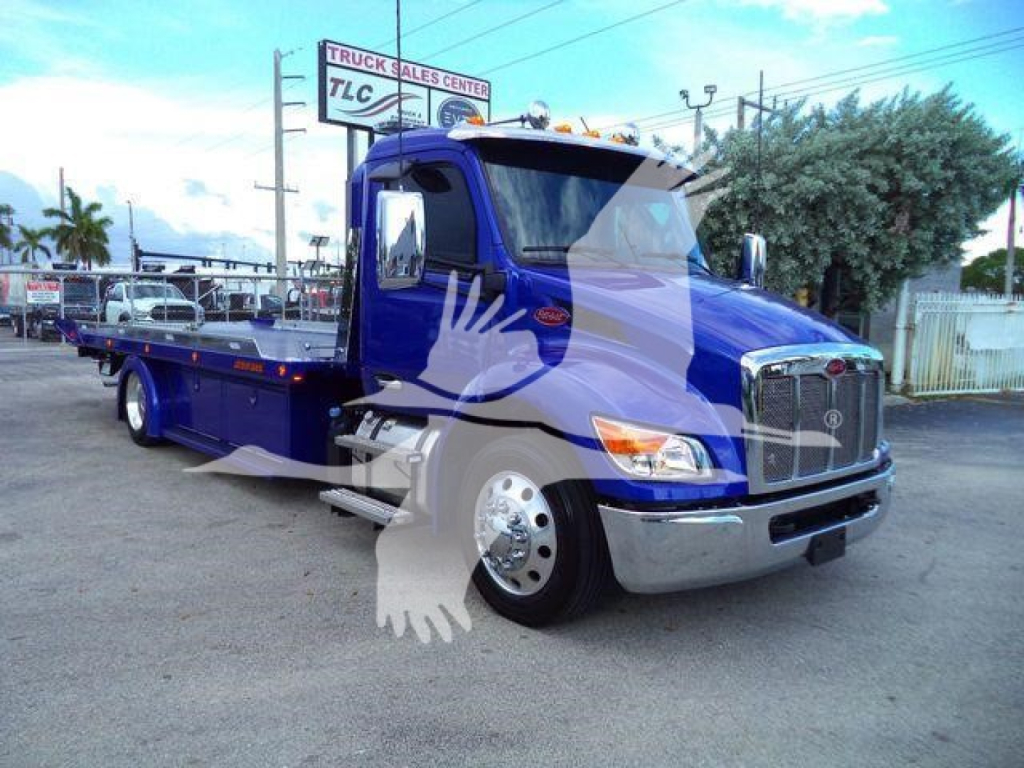
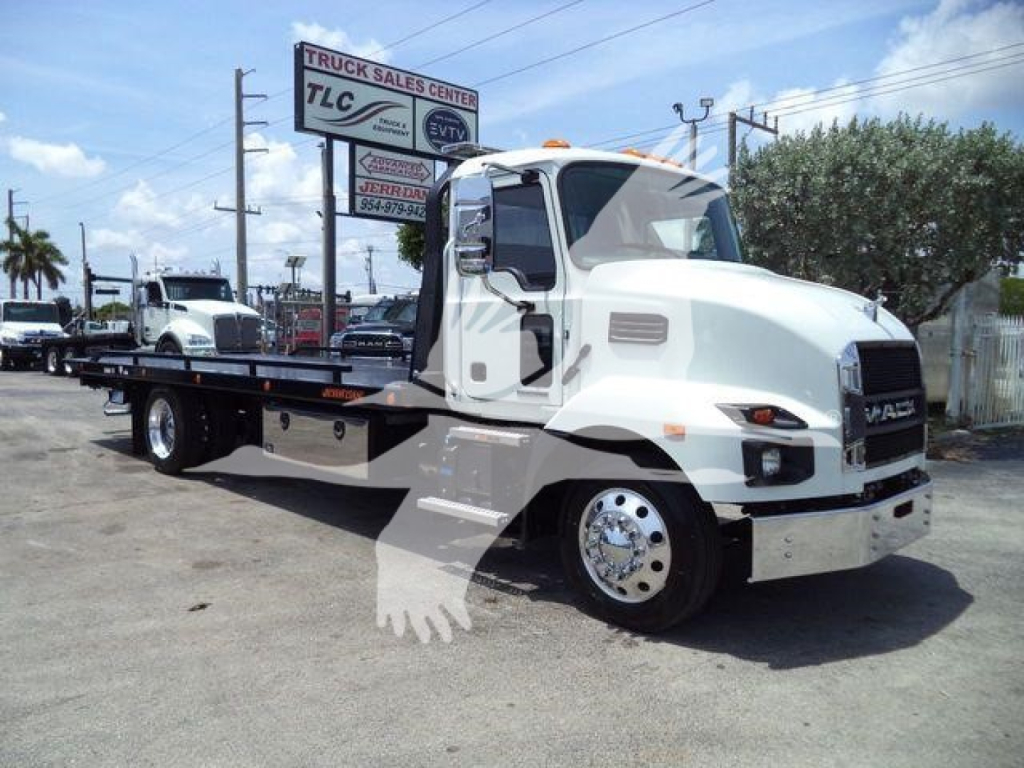
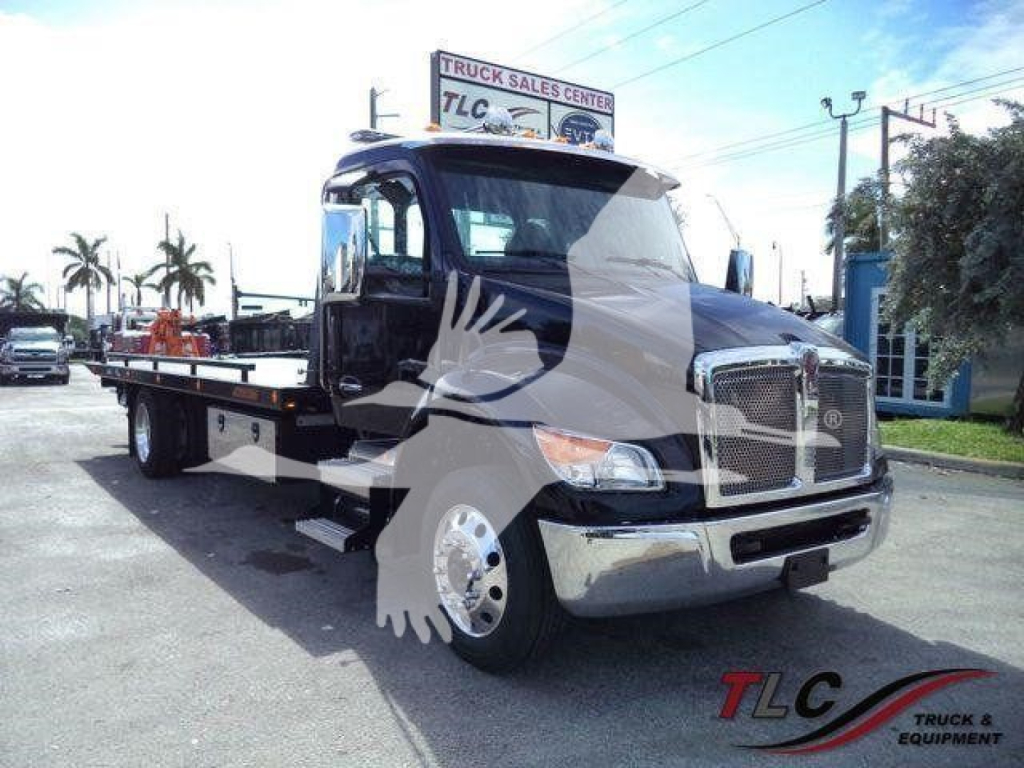
Selling a new 2025 rollback truck? List your new 2025 rollback truck for sale and reach thousands of commercial buyers.
New 2025 Rollback Trucks
The biggest spec decision is matching the chassis to the work mix. Class 5 and 6 rollback trucks, including 19,500 to 26,000 GVWR models, are common for general towing, dealership work, and municipal fleets. Medium-duty chassis from Ford, International, Hino, Peterbilt, Mack, and similar OEMs are often paired with automatic transmissions, diesel engines in the 260 to 330 horsepower range, and either hydraulic or air brake setups depending on GVWR. On the body side, many new rollback trucks use steel decks for durability, though some buyers prioritize aluminum components to control weight and corrosion. Typical body specs include 6-ton carrier capacity, 8,000 to 10,000 lb winches, dual controls or wireless remotes, removable side rails, lower work lights, stake pockets, chain lock systems, and 3,500 lb hydraulic wheel lifts with L-arms for towing a second unit or handling tighter recovery situations.
A buyer comparing new 2025 rollback trucks should pay close attention to deck construction and usable geometry, not just the badge on the hood. Crossmember spacing, deck plate thickness, subframe design, extension cylinder layout, and anti-tilt or positive lock-down systems all affect long-term durability and operator confidence. Low-profile tire packages and air ride rear suspension can improve loading angles and ride quality, while crew cab or extended cab layouts add flexibility for operators carrying extra personnel or gear. Tool box placement, light bar setup, backup cameras, PTO provision, free-spool winch operation, and hydraulic stabilizers can make a noticeable difference in daily productivity. If the truck will see repossession, parking garage work, or high-volume urban towing, overall wheelbase, turning radius, and bed height become just as important as rated capacity.
For many fleets, a new rollback truck is the most versatile tow unit in the yard because it can transport rather than drag the load. That reduces wear on the customer vehicle and expands the range of units the truck can safely move. It is also one of the best choices for handling all-wheel-drive vehicles, damaged vehicles with locked drivetrains, and newer vehicles with low air dams or sensitive underbody packaging. Buyers looking at 2025 models should compare warranty coverage on the chassis, hydraulics, and body structure, and confirm that the carrier spec fits the target use case instead of relying on a generic 6-ton label. The right rollback truck is defined by bed profile, wheel lift capability, winch setup, chassis GVWR, and the practical details that affect loading speed, recovery control, and uptime.
Frequently Asked Questions about New 2025 Rollback Trucks
What is the difference between a rollback truck and a wrecker?
A rollback truck uses a hydraulic tilting and sliding deck to load the entire vehicle onto the bed, while a wrecker typically lifts one end of the vehicle and tows it behind the truck. Rollbacks are usually the better choice for transporting all-wheel-drive vehicles, low-clearance cars, damaged vehicles, and units that should not be pulled with the drive wheels on the ground. Wreckers are often preferred for quicker hook-and-go towing in tighter spaces, but a rollback generally offers more versatility and less risk of vehicle damage during transport.
What deck size is most common on a new rollback truck?
The most common rollback deck sizes in this market are 20-foot and 22-foot bodies, usually 102 inches wide. A 20-foot carrier works well on smaller chassis for urban towing and general car hauling, while a 22-foot body is common on 26,000 GVWR medium-duty chassis because it offers more usable deck space and better flexibility for larger pickups, SUVs, vans, and light equipment. Buyers should also compare deck profile, not just length, because XLP and LCG designs can make a major difference when loading low vehicles.
How much can a typical 2025 rollback truck carry?
Many new medium-duty rollback trucks are equipped with 6-ton carrier bodies, but the practical payload depends on the chassis GVWR, body weight, wheelbase, fuel load, and installed accessories such as tool boxes, wheel lifts, and light packages. A 6-ton body rating does not automatically mean the truck can legally carry 12,000 pounds in every configuration. The correct way to evaluate capacity is to review the actual payload based on the completed truck's weight and axle ratings, then compare that to the types of vehicles or equipment the truck is expected to move.
Why do buyers look for XLP or LCG rollback bodies?
XLP and LCG, often meaning extra low profile and low center of gravity, refer to carrier designs that reduce deck height and loading angle. That matters when transporting sports cars, EVs, luxury vehicles, forklifts, and other units with limited ground clearance. A lower deck can reduce scraping at the front bumper, rocker panels, or battery shielding. It can also improve operator confidence and speed when loading damaged vehicles that do not roll freely. For many towing businesses, low-profile geometry is one of the most valuable features on a rollback truck.
Is a wheel lift important on a rollback truck?
A hydraulic wheel lift adds flexibility and is a common option on new rollback trucks. It can be used to tow an additional vehicle behind the carrier in some applications, reposition vehicles during recovery, or handle situations where a standard bed load is not the only task. Many light and medium-duty rollback trucks use 3,500 lb wheel lifts with L-arms. Buyers should confirm not only the wheel lift rating, but also the receiver setup, hydraulic controls, and how the wheel lift integrates with overall axle loading and legal operating limits.