
New 2025 Rollback Trucks For Sale in Florida
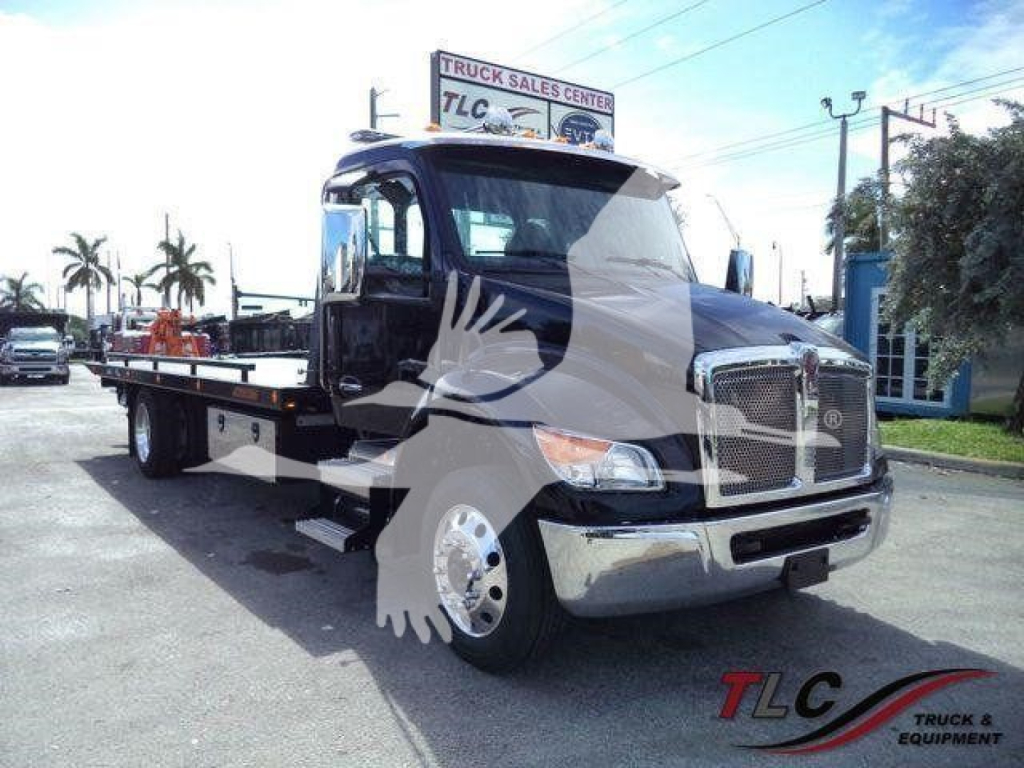
Shop new 2025 rollback trucks in Florida. Compare 4x2 and 4x4 carriers, deck lengths, wheel lifts, winches, and chassis options.
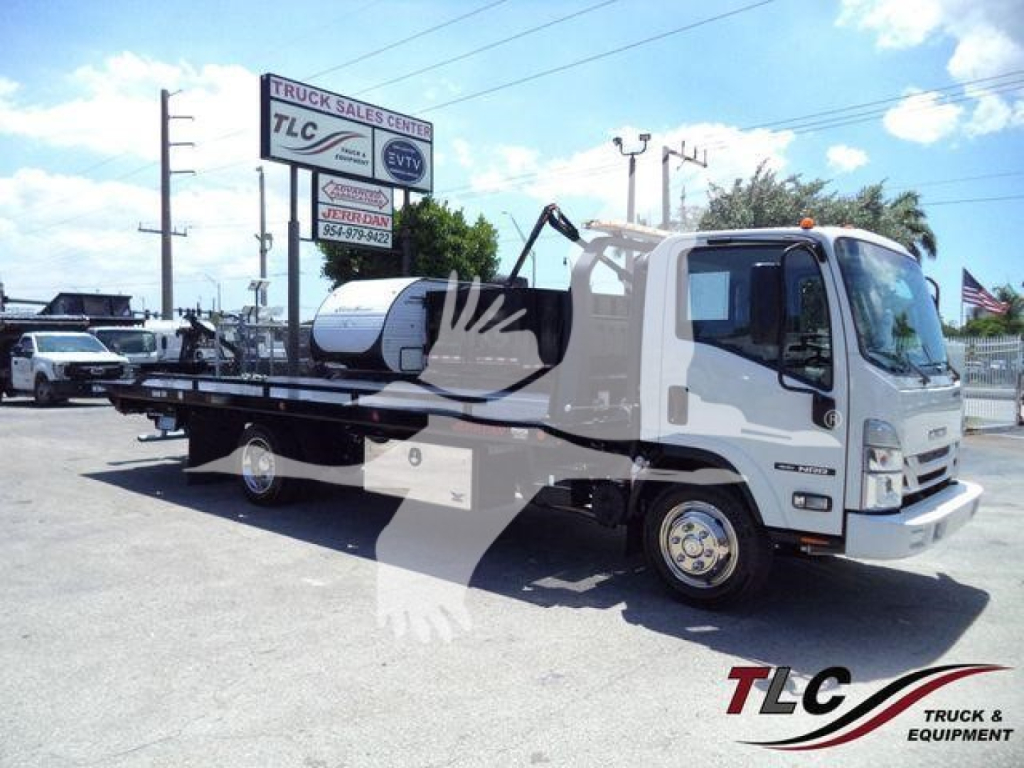
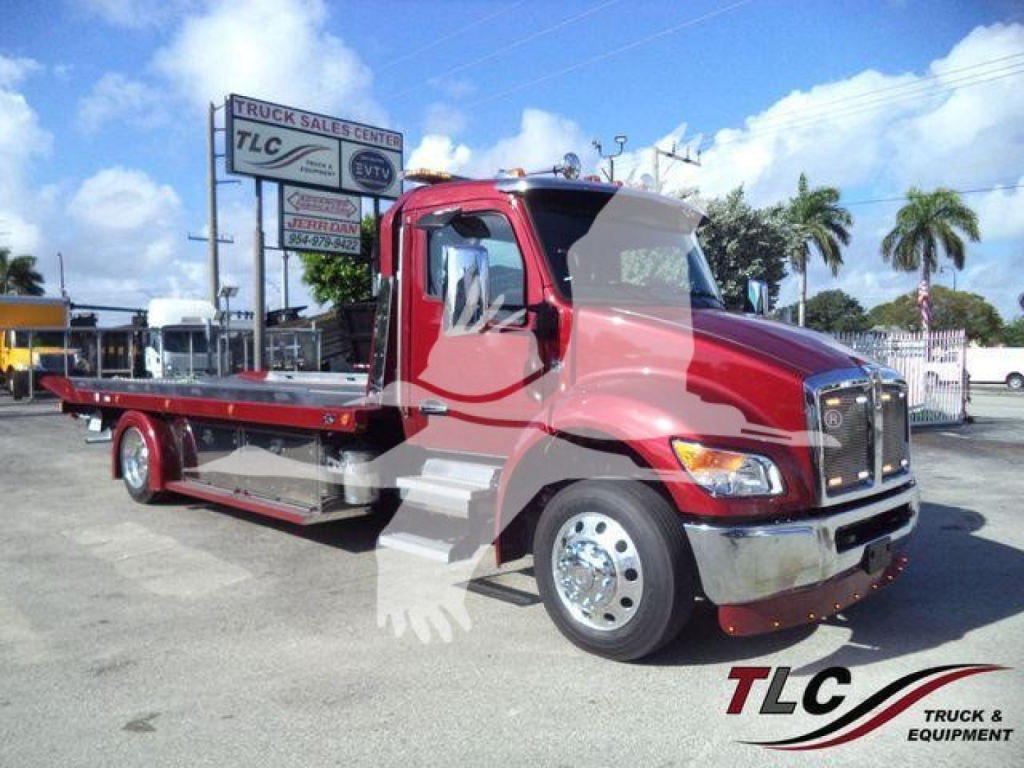
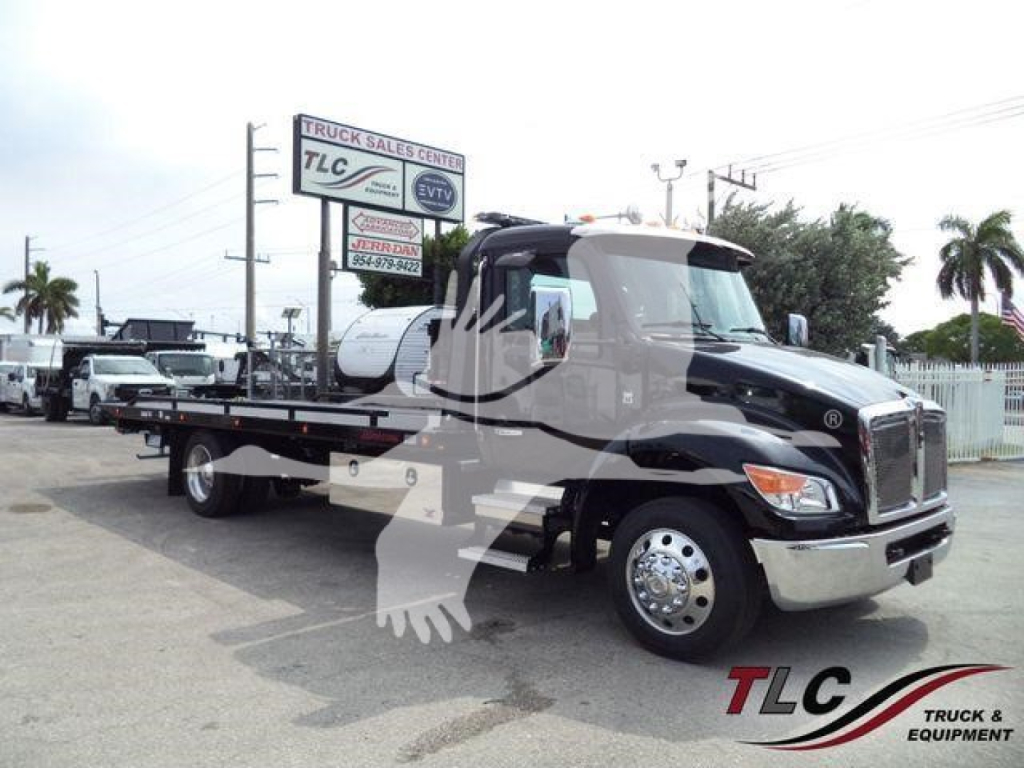
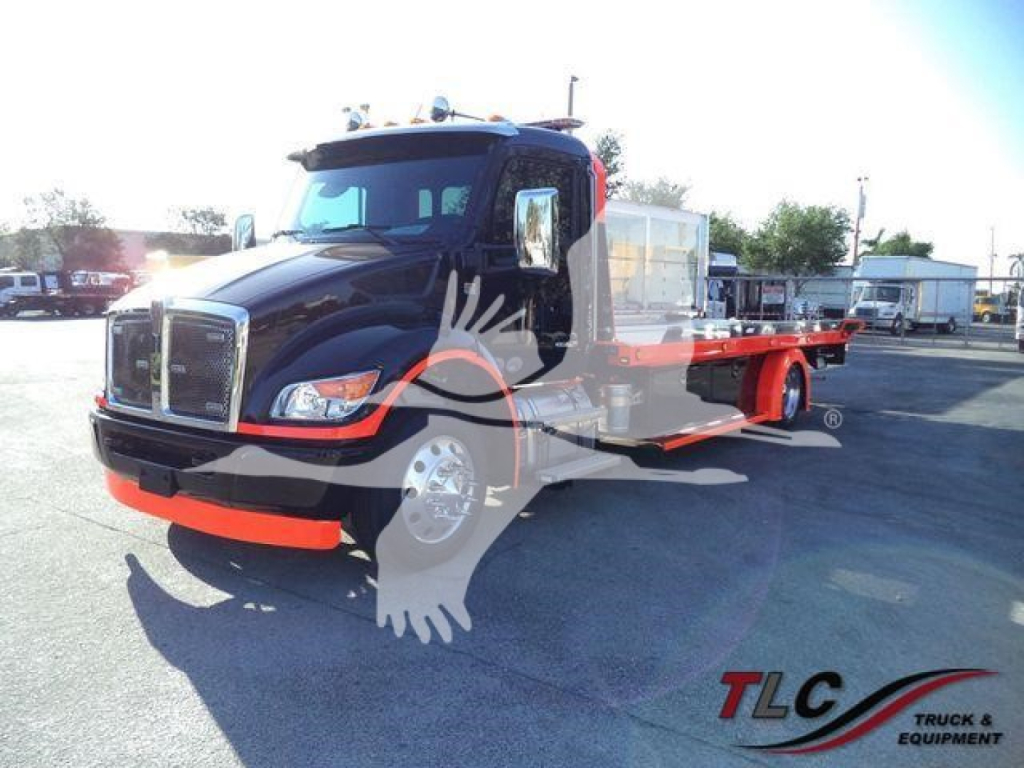
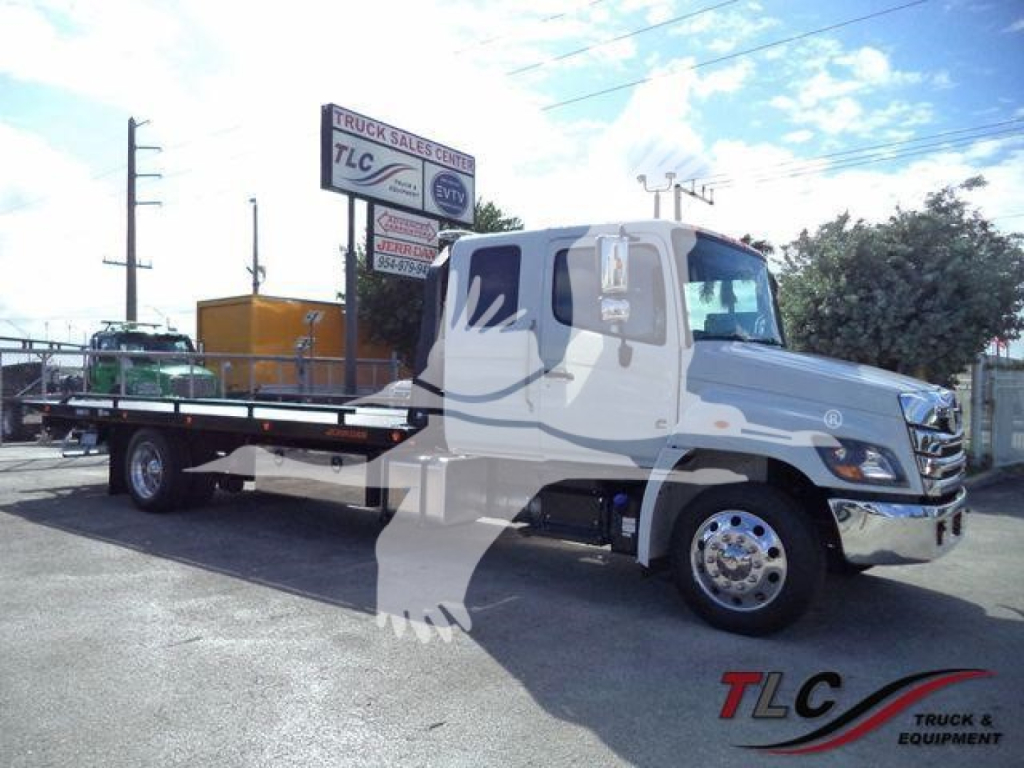
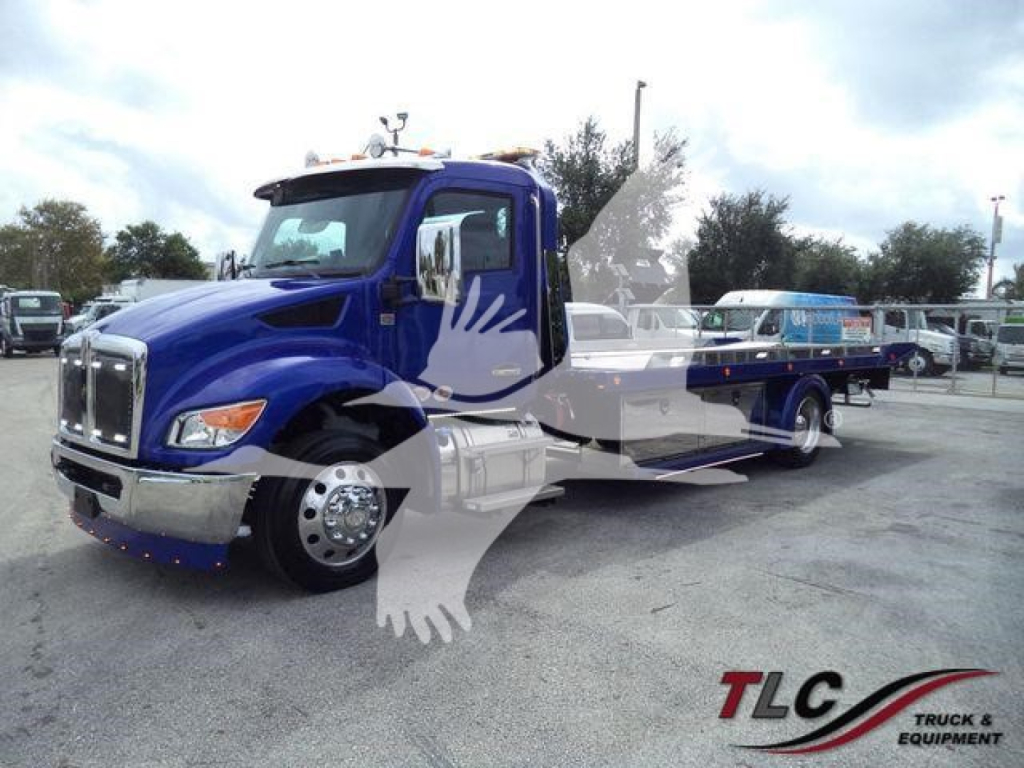
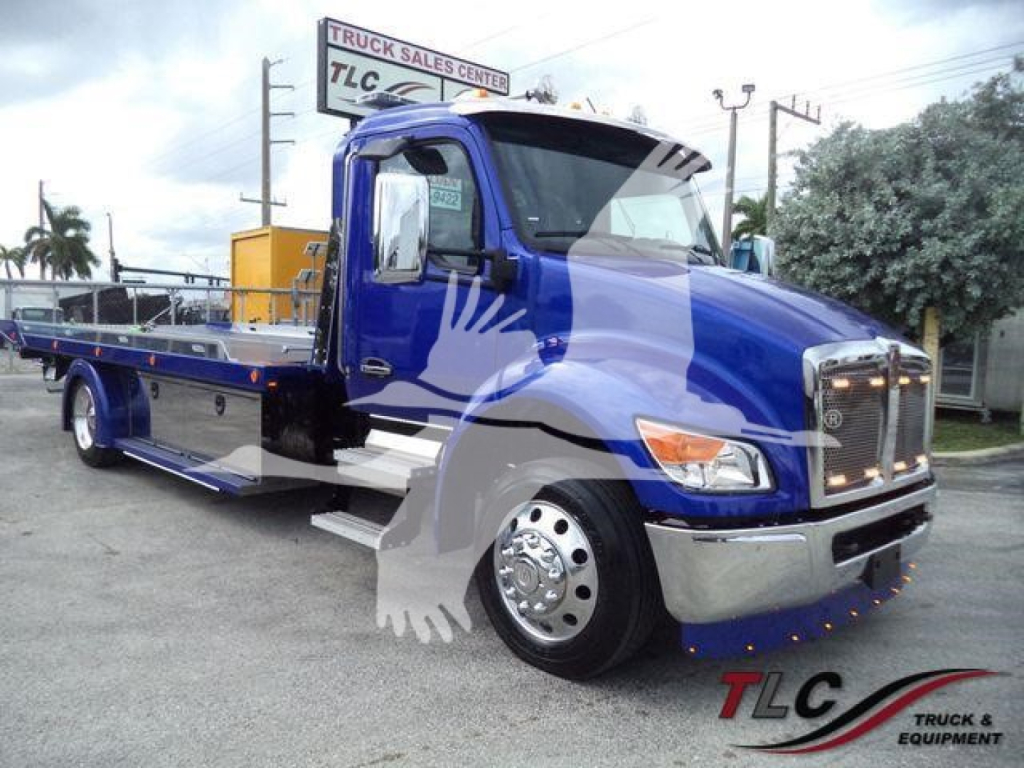
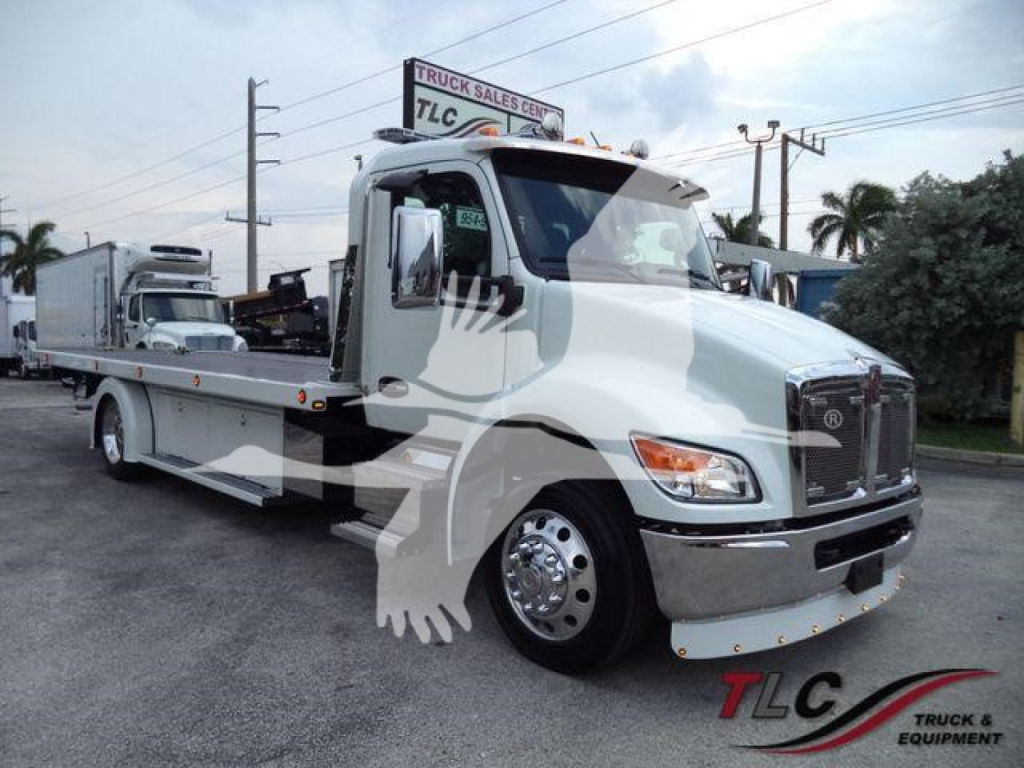
Selling a new 2025 rollback truck? List your new 2025 rollback truck for sale and reach thousands of commercial buyers.
New 2025 Rollback Trucks in Florida
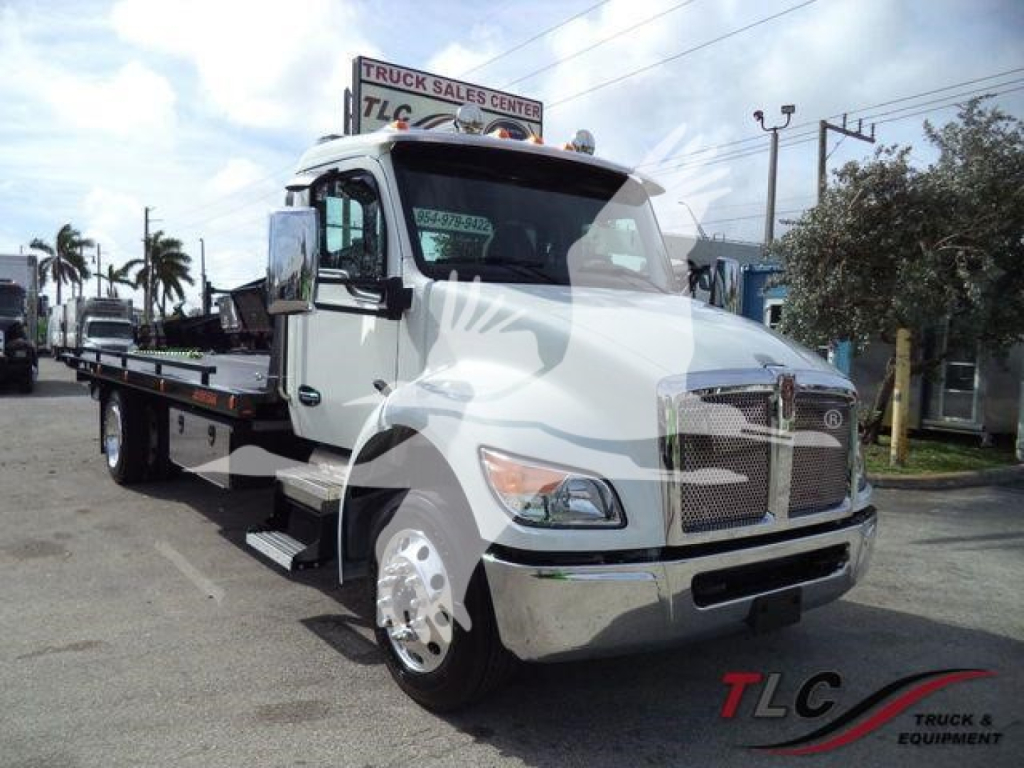
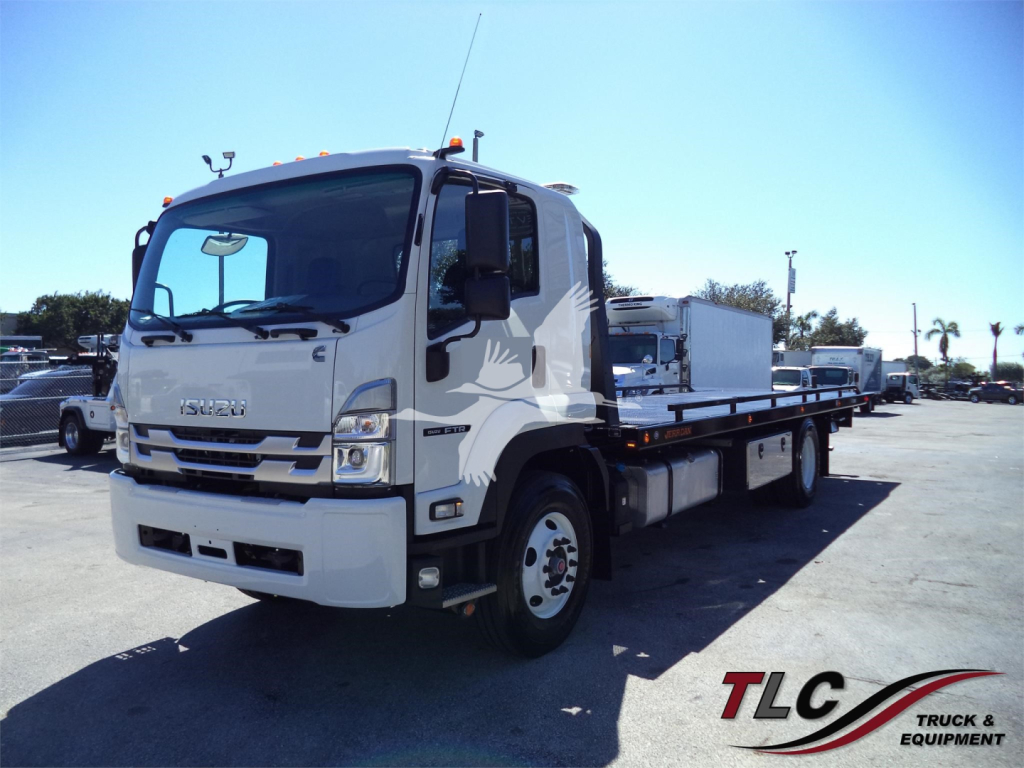
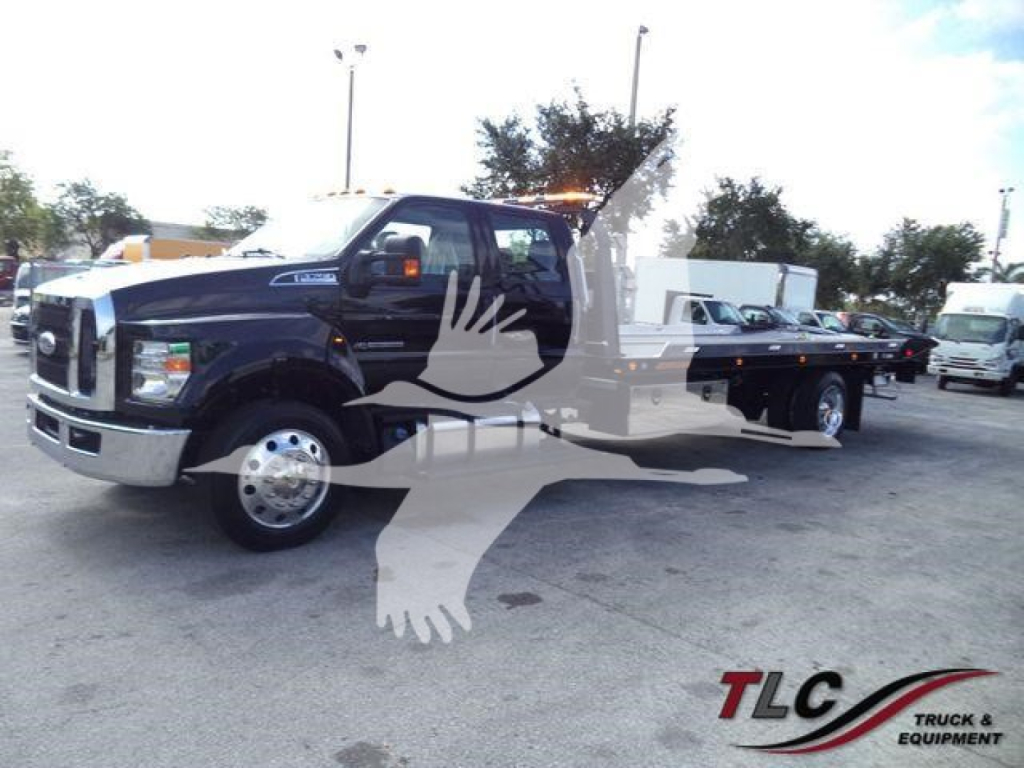
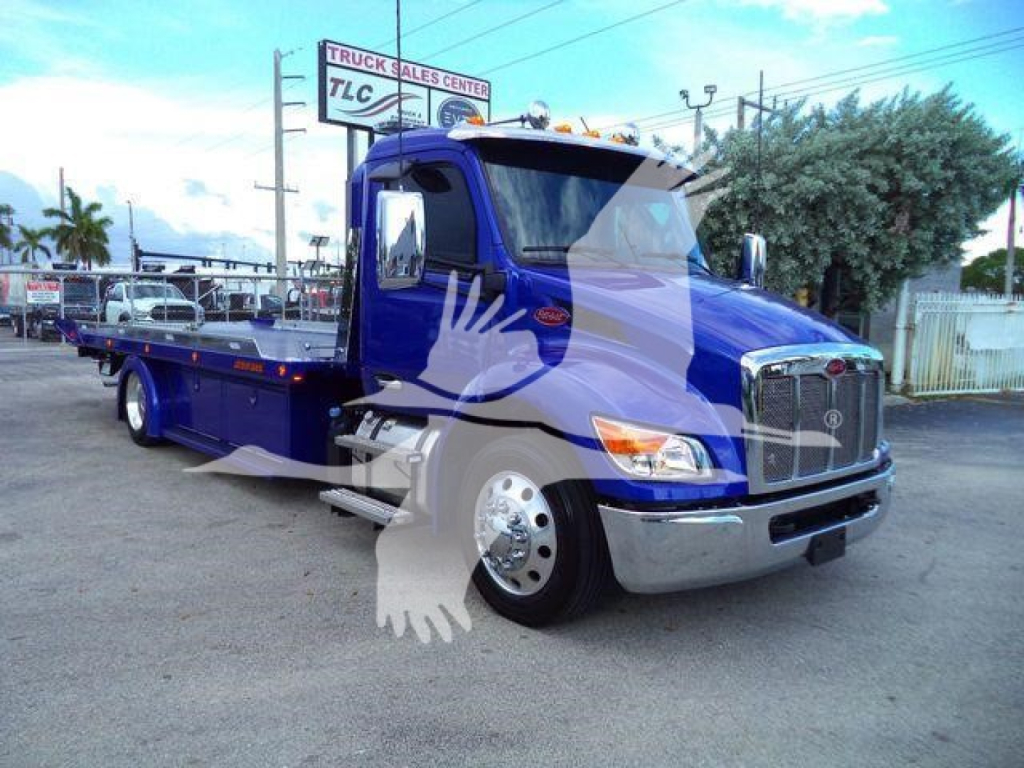
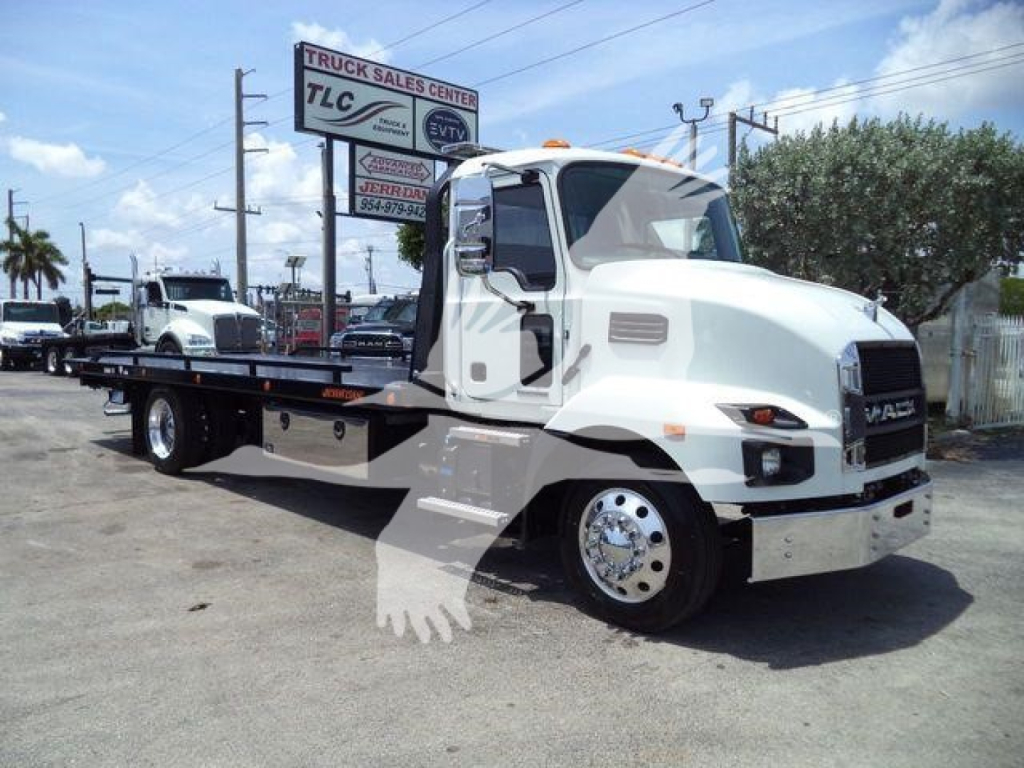
Chassis choice drives how the truck performs in your lane of work. A Class 5 cab chassis such as a Ram 5500 or Ford F-550 keeps overall size down and works well for urban towing, parking garages, tighter neighborhoods, and owner-operator fleets that want 4x4 availability. A medium-duty platform like a Peterbilt 337 or Freightliner M2 106 adds wheelbase flexibility, air brakes, air ride suspension, larger fuel capacity, and a more stable feel with frequent highway use or heavier recovery cycles. Buyers should compare GVWR, front and rear axle ratings, cab style, turning radius, and service access. In Florida, heat, rain, and stop-and-go operation also make cooling performance, corrosion resistance, and cab comfort more important than they look on paper.
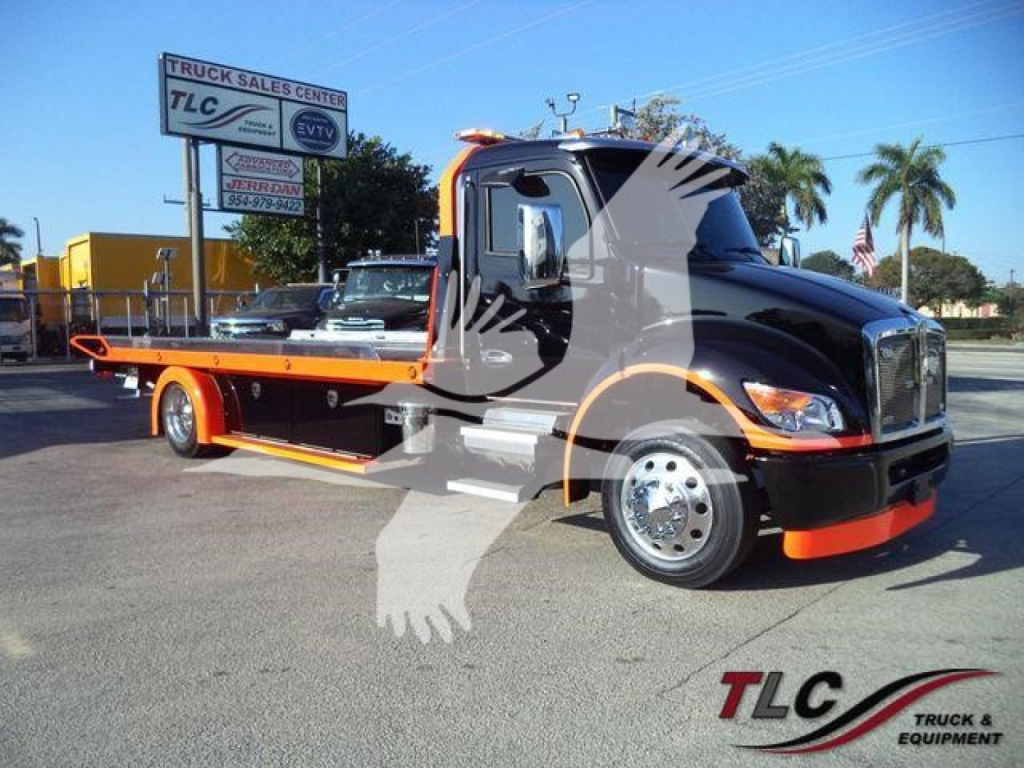
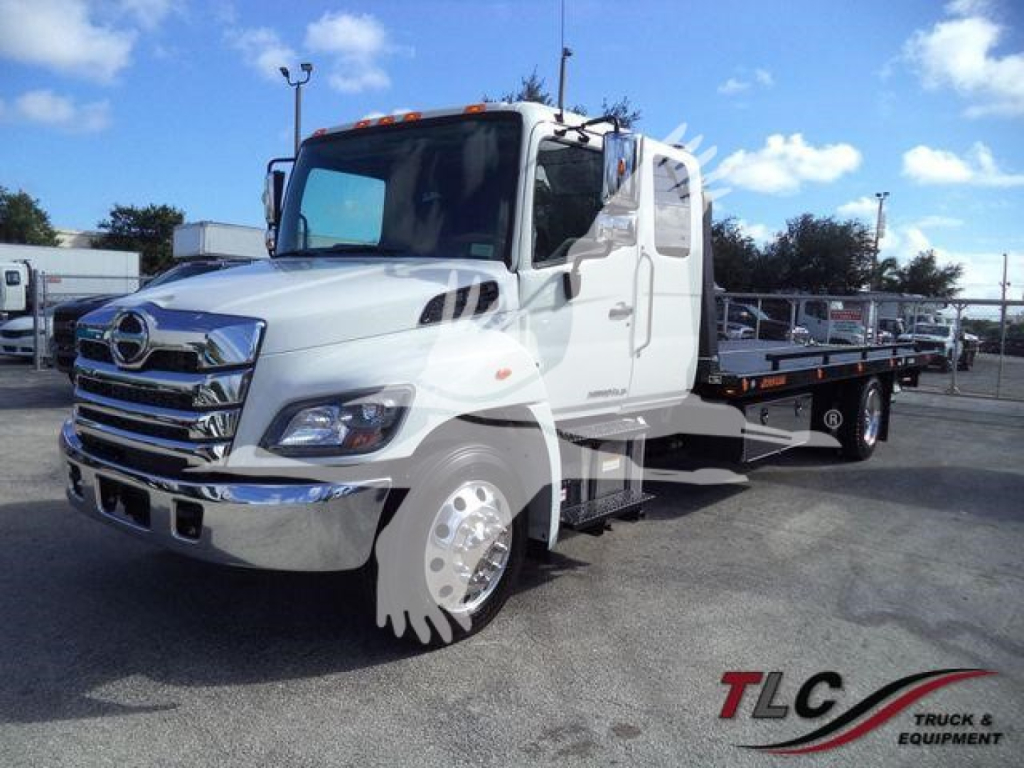
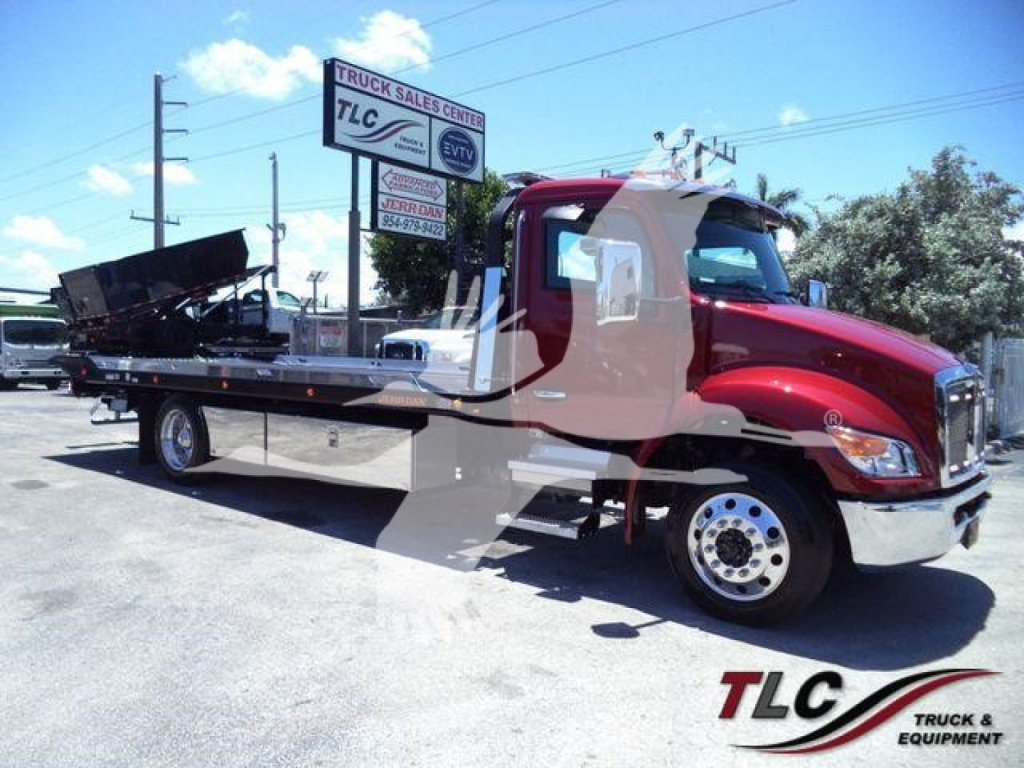
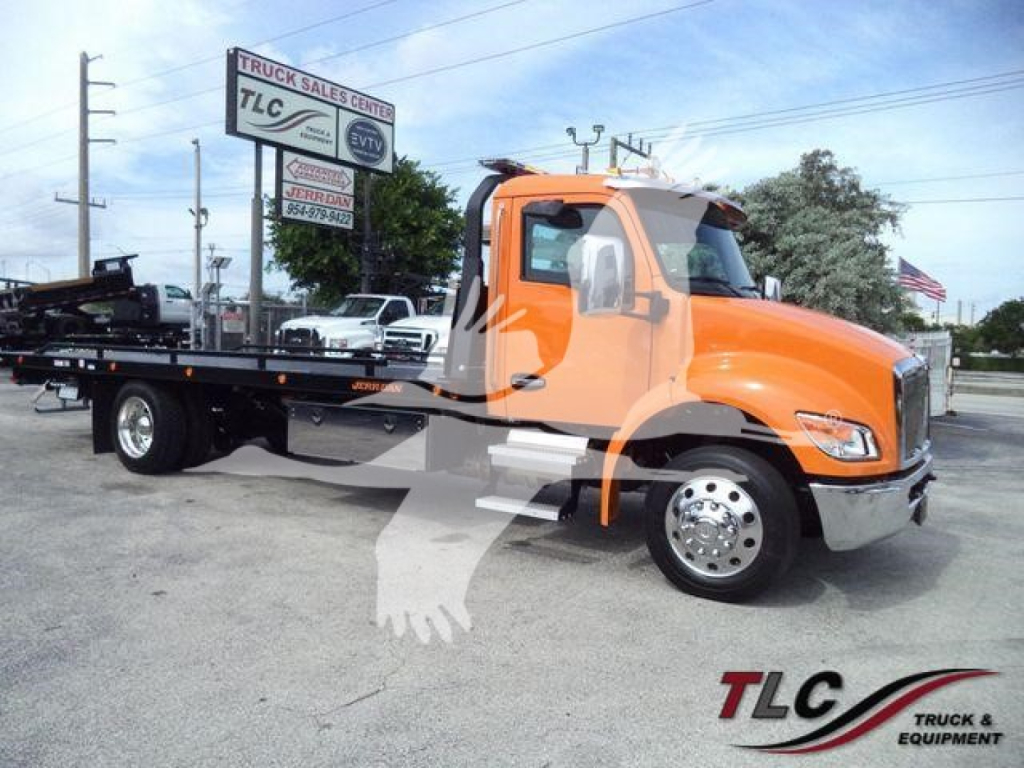
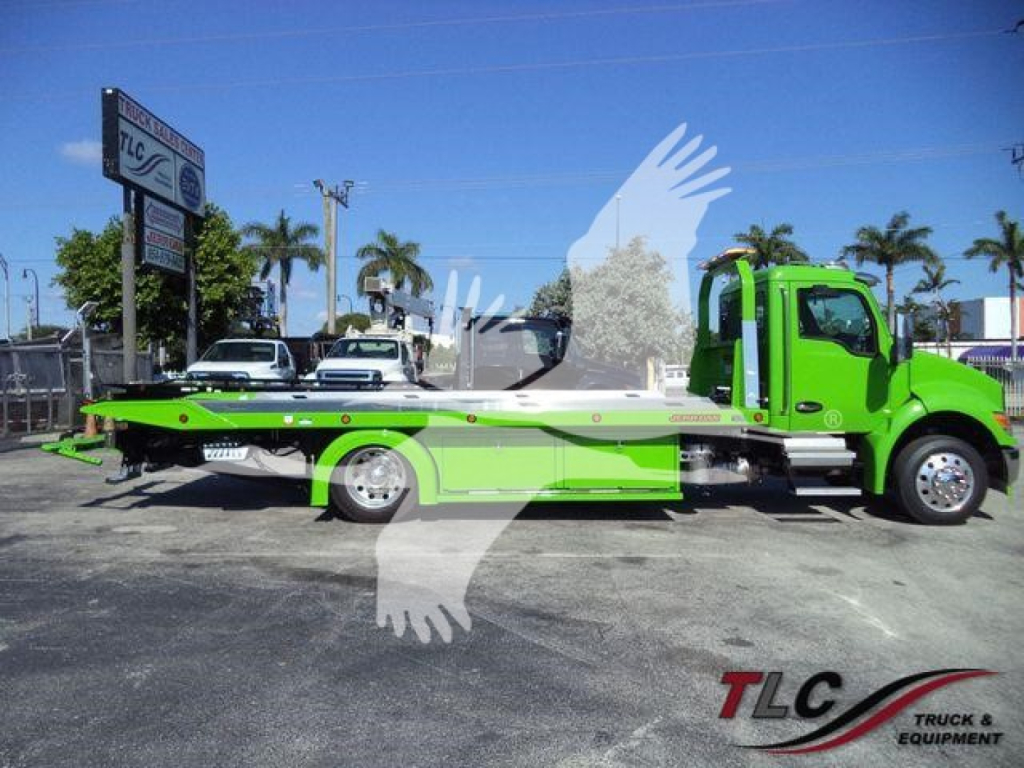
The body spec deserves close attention because two rollback trucks with the same rated capacity can work very differently in the field. Steel decks typically cost less and hold up well in hard daily service, while aluminum decks save weight and can improve payload margin. Fixed blade rails offer simplicity and durability, while removable rails can help with certain loading situations. A typical setup includes an 8,000-lb winch, L-arms, toolbox storage, LED work lighting, and an amber light bar, but the small details matter: side recovery options, wireless remote controls, deck-mounted dollies, hose reels, receiver tubes, backup cameras, and toolbox size all affect daily efficiency. Buyers handling exotics, lowered vehicles, or damaged collision units should pay attention to deck angle, tail design, and wheel-lift geometry, not just headline capacity.
For Florida operations, rust resistance, lighting visibility, and uptime support are practical buying points. Aluminum wheels, stainless toolbox doors, sealed lighting, and quality wiring help a truck age better in coastal humidity and frequent washdowns. New rollback trucks also appeal to fleets that want current emissions systems, factory warranty coverage, and a fresh upfit from established body brands such as Jerr-Dan. The best spec is the one that fits your dispatch mix: 4x4 for off-pavement and storm response, 4x2 for lower running costs, 20-foot decks for maneuverability, and 22-foot carriers for added loading flexibility. A careful buyer compares the full package, including chassis powertrain, bed construction, wheel-lift capacity, brake type, suspension, and storage layout, because those are the features that determine productivity after the sale.
Frequently Asked Questions about New 2025 Rollback Trucks in Florida
What is the typical capacity of a new rollback truck?
Many new rollback trucks in this class use a 6-ton carrier body with a 3,500-lb hydraulic wheel lift. That setup is well suited for passenger cars, light trucks, SUVs, and many commercial vans. Actual usable capacity depends on the chassis GVWR, body weight, wheelbase, axle ratings, deck material, and how the load is positioned on the bed, so buyers should review the complete weight rating rather than relying on the body label alone.
Is a 20-foot or 22-foot rollback deck better?
A 20-foot deck is a common choice for tighter city work because it keeps the truck more compact and easier to maneuver. A 22-foot deck gives more loading flexibility for longer vehicles, crew cab pickups, and units with unusual weight distribution. The right length depends on your dispatch mix, the streets and lots you work in, and how often you need extra bed space for safer positioning.
Should I choose a 4x2 or 4x4 rollback truck in Florida?
A 4x2 rollback usually offers lower acquisition cost, less weight, and simpler maintenance, which makes it attractive for paved-road towing and transport. A 4x4 chassis adds traction for wet grass, sandy shoulders, construction areas, boat ramps, and post-storm recovery work that is common in parts of Florida. Buyers should match drivetrain choice to the actual terrain and call types they handle most often.
What is an XLP or low-profile rollback deck?
XLP generally refers to an extra-low-profile carrier deck designed to reduce the loading angle. That helps when loading low-clearance cars, damaged vehicles, and long-wheelbase units that are more likely to scrape on a standard deck. For towing companies that handle performance cars, auction vehicles, or collision recoveries, low-profile deck geometry can be one of the most important body features on the truck.
What features matter most on a new rollback tow truck besides deck capacity?
Beyond rated capacity, serious buyers usually look at winch size, wheel-lift design, rail style, brake type, suspension, toolbox layout, lighting, remote controls, and chassis serviceability. Air brakes and air ride suspension are common upgrades on medium-duty models, while backup cameras, LED work lights, side recovery systems, and corrosion-resistant components improve daily safety and uptime. The best rollback spec is the one that supports your average job without creating unnecessary weight, complexity, or operating cost.