
New Isuzu Rollback Trucks For Sale
New Isuzu rollback trucks for towing and vehicle transport, with NRR and FTR chassis, carrier beds, wheel lifts, winches, and commercial upfits.
Selling a new isuzu rollback truck? List your new isuzu rollback truck for sale and reach thousands of commercial buyers.
New Isuzu Rollback Trucks
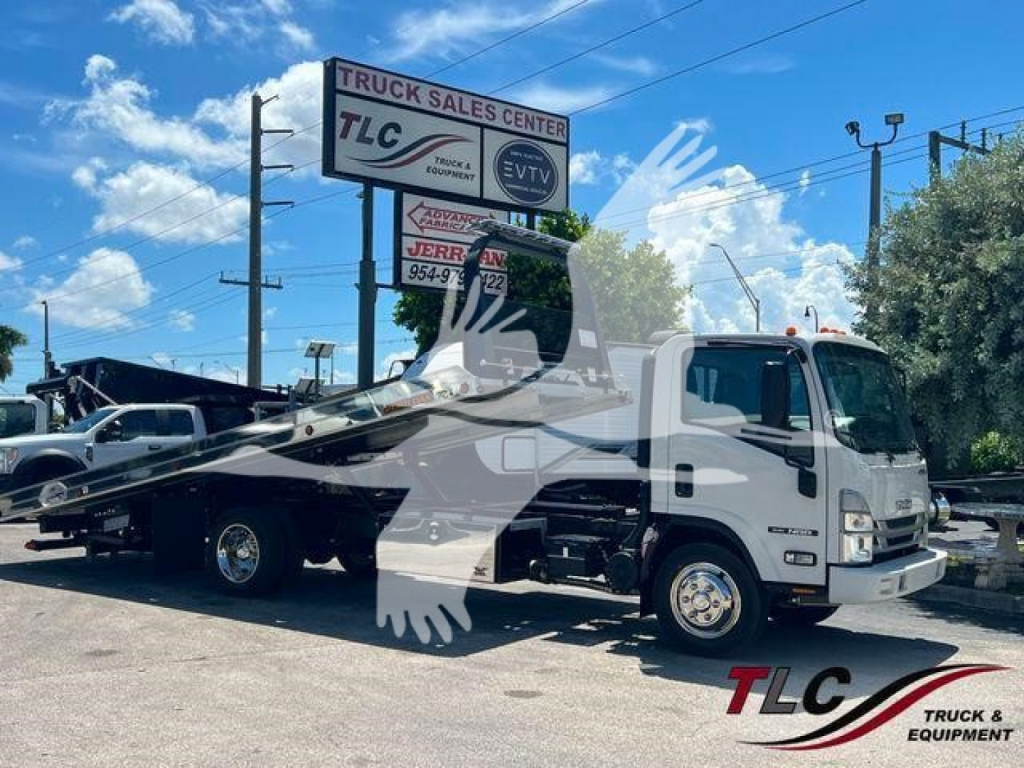
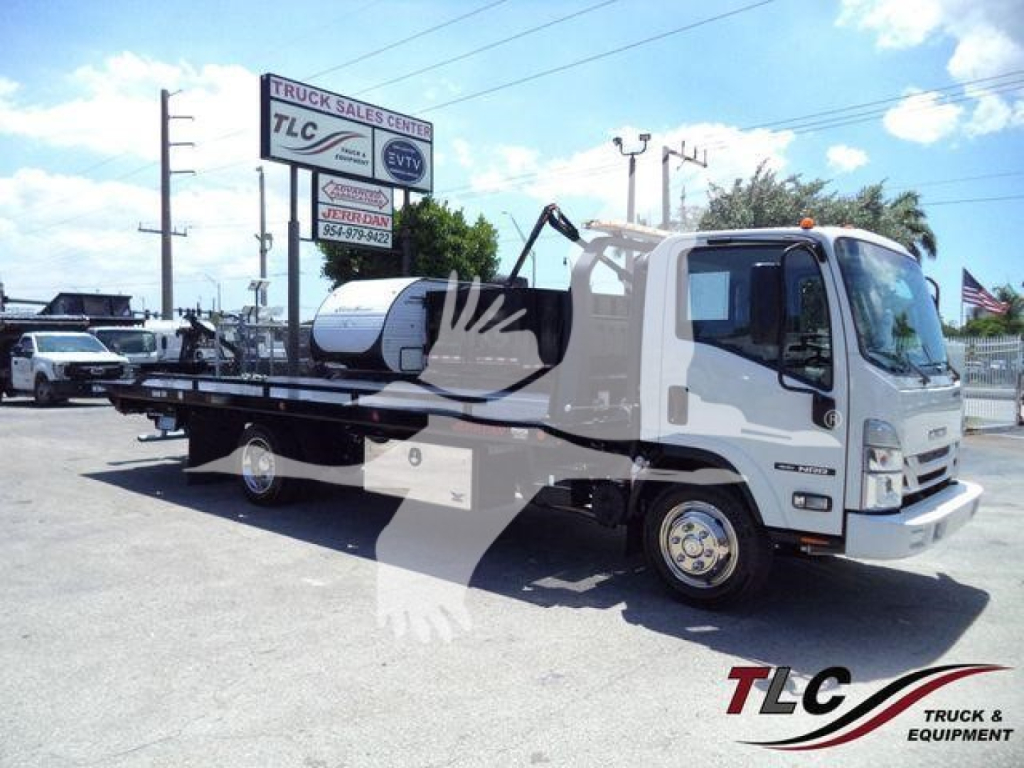
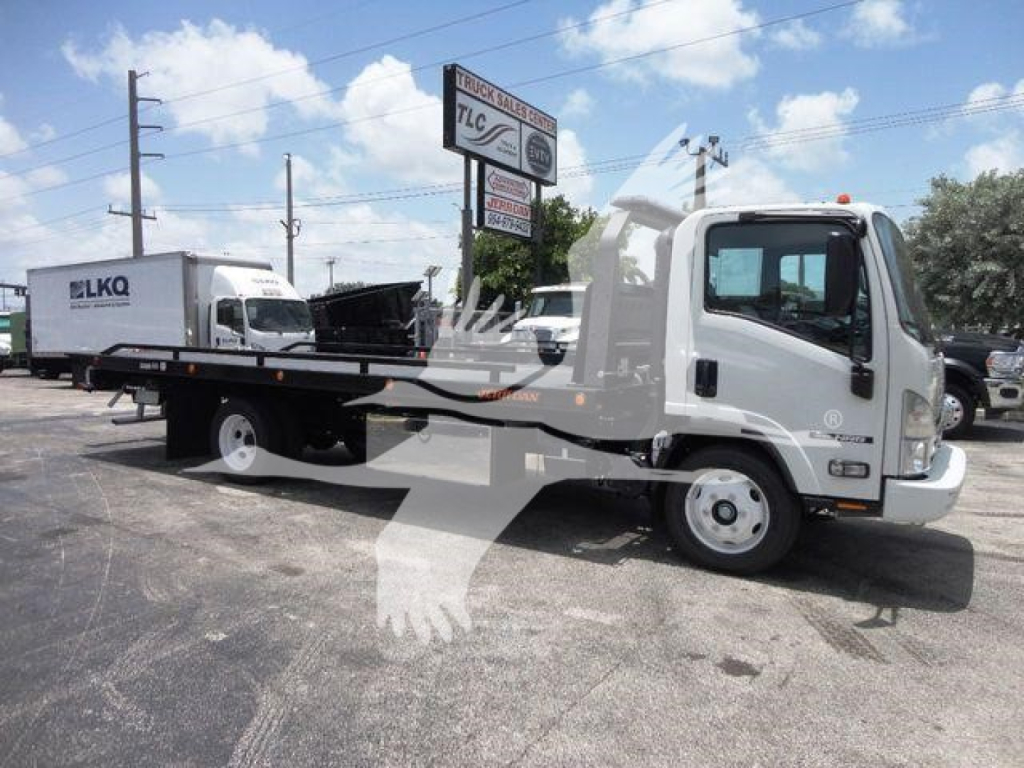
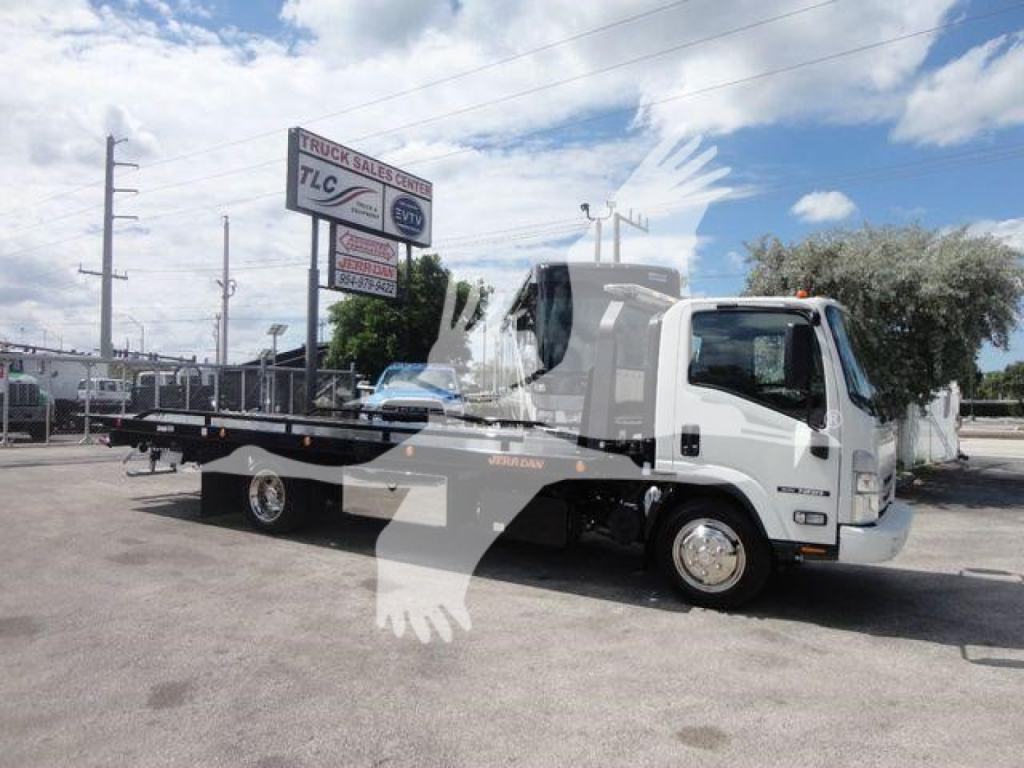
On the lighter end, the Isuzu NRR is a common choice for urban repossession, dealer transfers, auction runs, and general passenger vehicle transport. Typical NRR rollback setups in this class run around a 19,500 lb GVWR with 21 to 22 foot decks, often 96 to 102 inches wide, and carrier ratings around 6 tons. Many are spec'd with a hydraulic wheel lift in the 3,000 to 3,500 lb range, removable rails, and integrated tool storage. Gas and diesel NRR configurations are both seen in the market, usually paired with an automatic transmission. Buyers looking for tighter turning, lower cab height, and easier access in dense city work often start here.
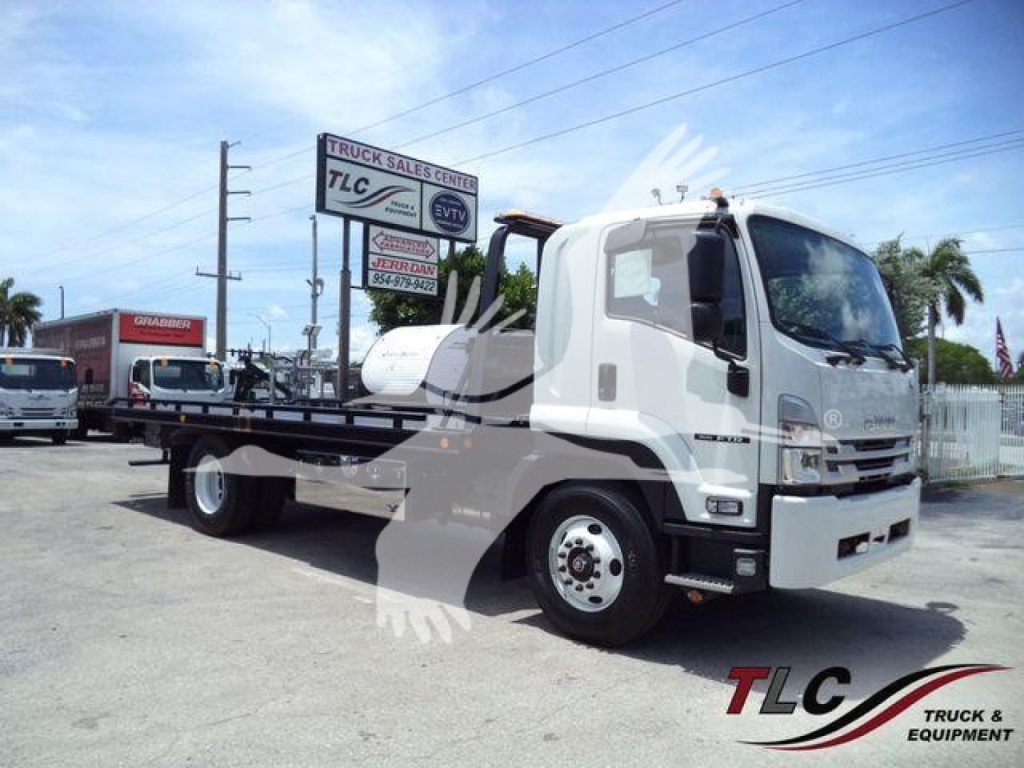
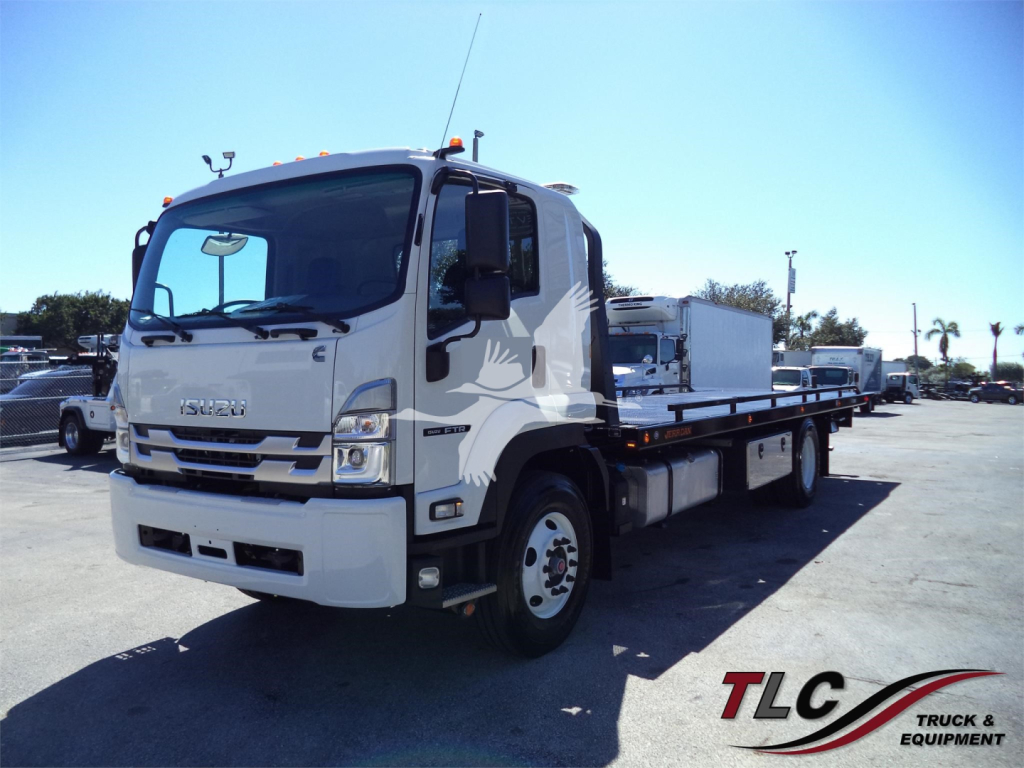
The Isuzu FTR moves the category up in capacity and bed size. These trucks are commonly built at 26,000 lb GVWR and can carry 22 to 28 foot decks, including low-profile or extra-low-profile carrier bodies for easier loading of lower-clearance vehicles. A typical FTR rollback may include a Cummins diesel, Allison automatic, air brakes, 22.5-inch rubber, and an 8,000 to 12,000 lb winch, with wheel-lift ratings stepping up to around 5,000 lb depending on the body package. That makes the FTR a better fit for higher-volume towing fleets, longer wheelbase applications, and operators who regularly move heavier pickups, vans, or commercial units.
When comparing new Isuzu rollback trucks, pay close attention to the full upfit, not just the chassis badge. Bed construction, subframe design, deck angle, wheel-lift geometry, tie-down placement, and toolbox layout affect daily usability as much as engine or GVWR. Low-profile XLP and LCG-style carriers can make a real difference when loading lowered cars, EVs, and damaged vehicles. Also review front and rear axle ratings, brake type, body warranty, winch capacity, lighting package, and any chassis reinforcement built into the carrier installation. A well-matched Isuzu rollback should fit the weight of the vehicles you plan to haul, the street conditions you work in, and the duty cycle your towing business expects every day.
Frequently Asked Questions about New Isuzu Rollback Trucks
What is the difference between an Isuzu NRR rollback and an Isuzu FTR rollback?
The Isuzu NRR is generally used for lighter-duty carrier work and tighter urban routes, with common specs around 19,500 lb GVWR and 21 to 22 foot rollback bodies. The Isuzu FTR is a heavier medium-duty platform, commonly rated at 26,000 lb GVWR, and is often equipped with longer 22 to 28 foot decks, larger winches, and higher wheel-lift capacities. If your work centers on passenger cars, small SUVs, and city access, the NRR is often the more maneuverable option. If you need more bed length, more towing hardware, and more headroom for heavier vehicles, the FTR is usually the better chassis.
What deck size is common on a new Isuzu rollback truck?
Most new Isuzu rollback trucks in this class use steel carrier beds from about 21 to 28 feet long, with widths commonly at 96 or 102 inches. The right deck size depends on the mix of vehicles you transport and how often you need extra load length or a lower loading angle. A 21 to 22 foot bed is common on NRR builds, while 22 to 28 foot bodies are more typical on FTR configurations. Low-profile and extra-low-profile decks are especially useful if you regularly load sports cars, EVs, or damaged vehicles with limited ground clearance.
What should I look for in the wheel lift and winch setup?
The wheel lift and winch package should match the actual recovery and transport work the truck will perform, not just the carrier's advertised deck rating. In this category, wheel lifts often range from roughly 3,000 to 5,000 lb, while winches may range from about 8,000 to 12,000 lb depending on chassis and body. Buyers should verify the wheel-lift design, L-arm compatibility, winch line capacity, dual free-spool or manual free-spool operation, and how the setup affects approach angle and underlift usability. A properly matched towing package improves loading speed, protects vehicles during hookup, and reduces strain on the body over time.
Are gas and diesel Isuzu rollback trucks both available?
Yes. New Isuzu rollback trucks in this segment can be found with either gas or diesel power depending on chassis model and application. Gas engines are often chosen for lighter-duty operation, simpler emissions management, and fleets that want lower upfront cost. Diesel engines are still a common choice for operators expecting higher annual mileage, more frequent heavier loads, or longer route work where torque and durability are priorities. The better choice depends on duty cycle, maintenance strategy, local fuel pricing, and the typical vehicles being hauled.
Why does low-profile or XLP carrier design matter on a rollback?
Low-profile and XLP carrier bodies reduce the loading angle, which is important when transporting low-clearance cars, EVs, specialty vehicles, and units with suspension or collision damage. A lower deck height can also improve loading confidence for operators and reduce the need for extra blocking or improvised angle changes. On a commercial rollback, this is not just a convenience feature. It can directly affect the range of vehicles the truck can safely load and how quickly jobs can be completed. Buyers working with dealerships, auctions, repossession accounts, or performance vehicles usually place a high value on this feature.