
New Isuzu Rollback Trucks For Sale in Florida
Shop new Isuzu rollback trucks in Florida. Compare NRR and FTR carriers with 21-28 ft decks, wheel lifts, winches, and towing-ready upfits.
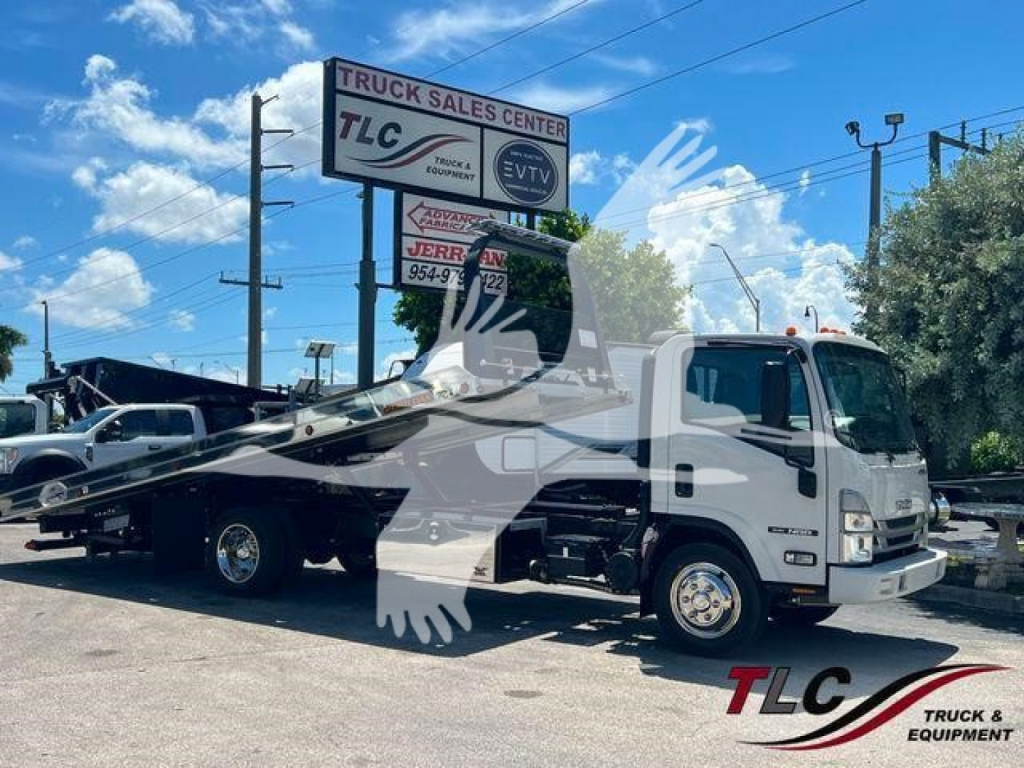
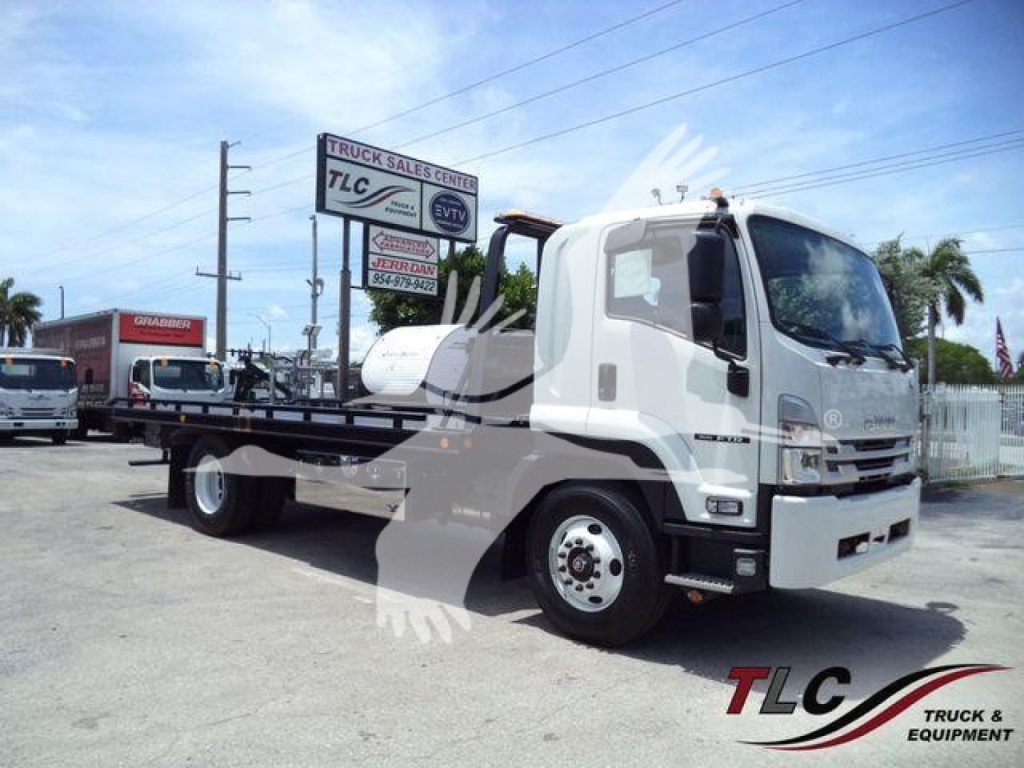
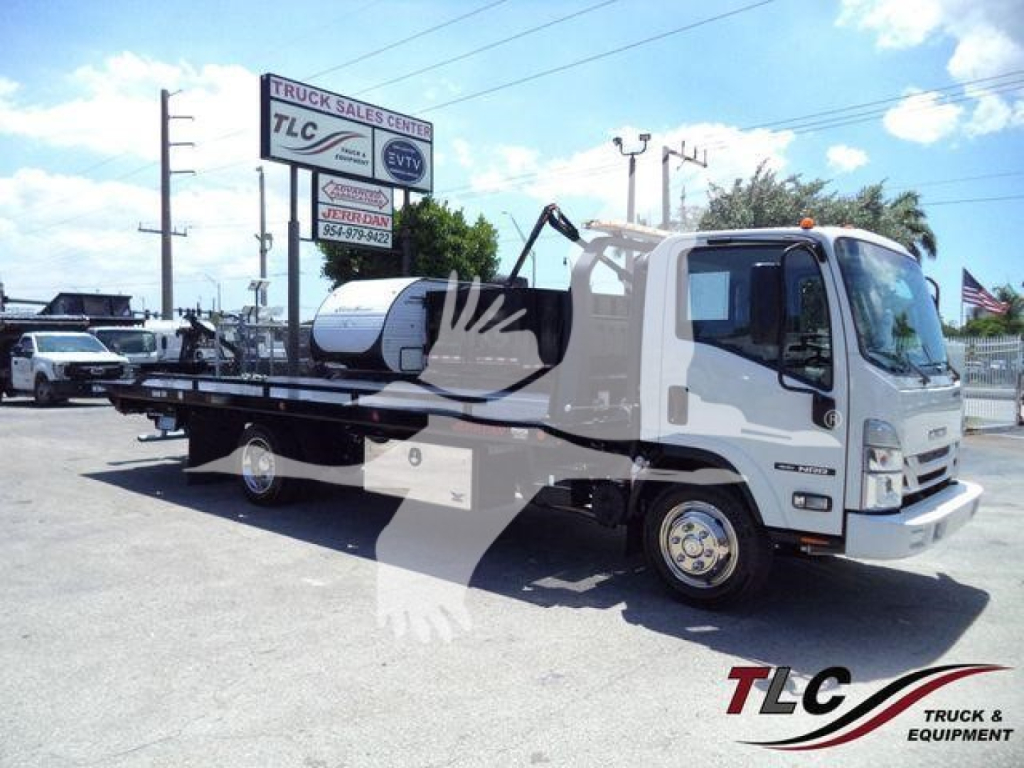
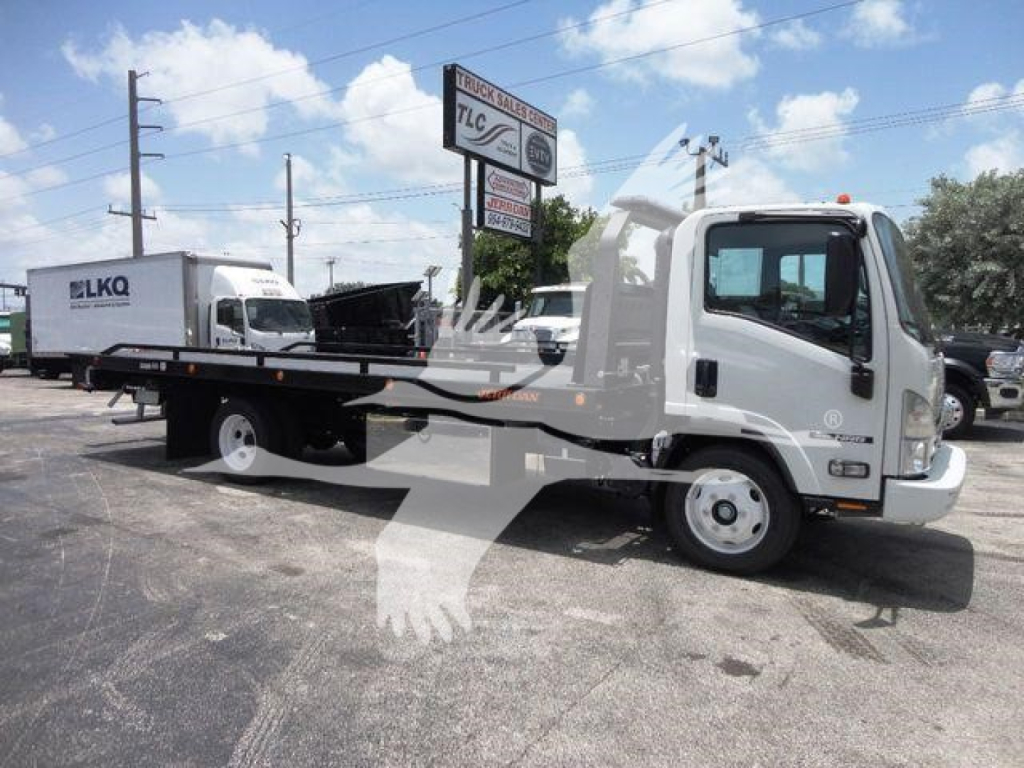
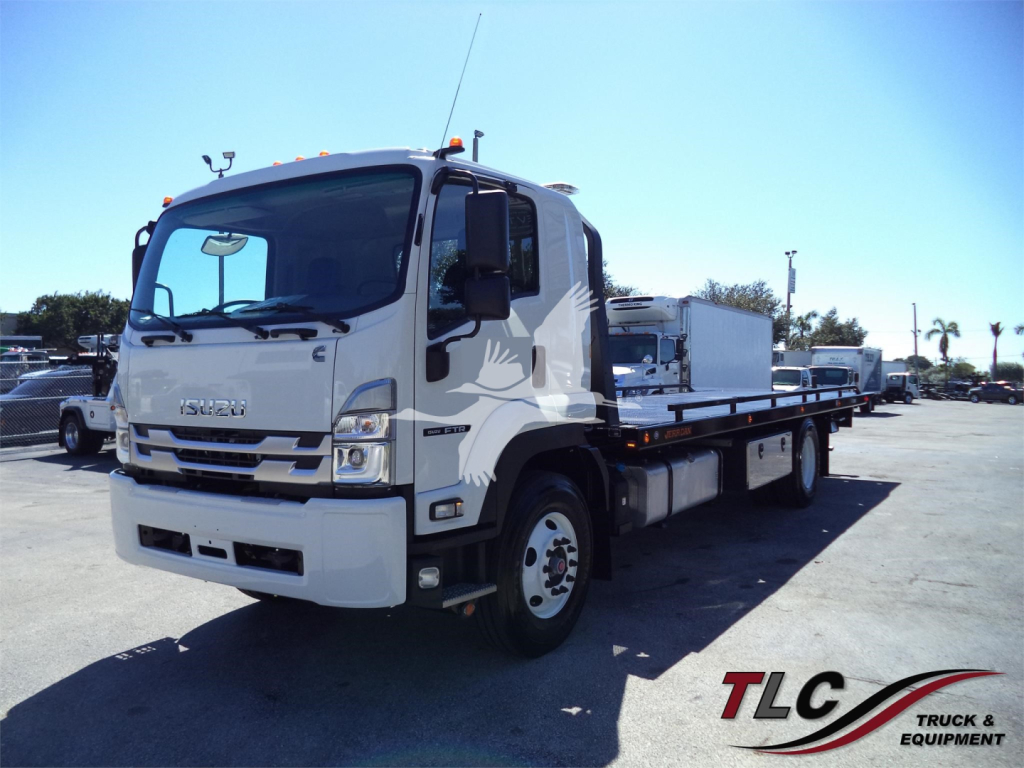
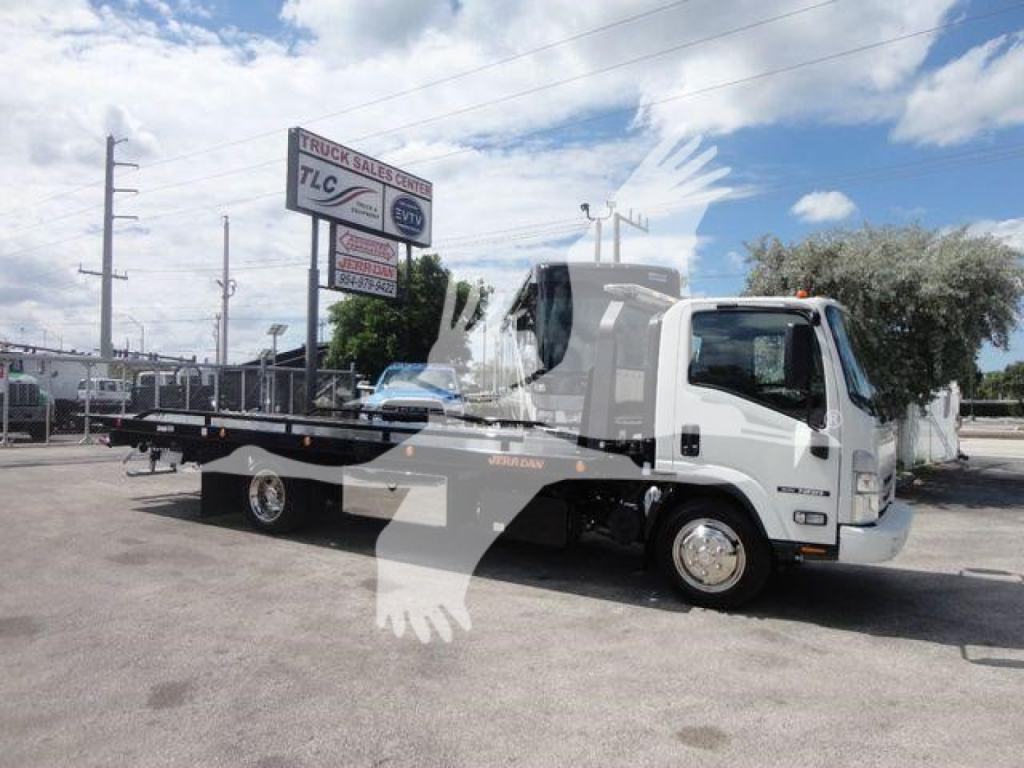
Selling a new isuzu rollback truck? List your new isuzu rollback truck for sale and reach thousands of commercial buyers.
New Isuzu Rollback Trucks in Florida
Two chassis families show up most often in this category: the Isuzu NRR and the Isuzu FTR. The NRR is a common choice for lighter 21 to 22 foot carrier bodies in the 19,500 lb GVWR class, often paired with gas or diesel power and an Allison automatic transmission. The FTR steps up into the 25,950 to 26,000 lb GVWR range and is better suited for longer 22 to 28 foot decks, heavier 5-ton to 8.5-ton carriers, air brakes, and higher-capacity wheel lifts and winches. Buyers comparing NRR versus FTR should focus on loaded deck capacity, wheelbase, axle ratings, brake type, and how much margin remains once the body, toolboxes, wheel lift, and recovery gear are installed.
The upfit matters as much as the chassis. Common bodies in this class include Jerr-Dan and Century steel carriers with deck widths around 96 to 102 inches, low-profile or XLP deck designs, removable rails, hydraulic wheel lifts with L-arms, and winches in the 8,000 to 12,000 lb range. A low-carrier-angle deck is especially important if you expect to load low-clearance cars, EVs, exotics, or damaged vehicles with limited ground clearance. Buyers should also look closely at bed length, wheel-lift rating, toolbox placement, subframe design, lighting, and control layout. Reinforcement at the carrier mounting points can be a meaningful durability factor on cab-forward chassis that see frequent load cycles.
For day-to-day ownership, Isuzu rollback trucks appeal to fleets and independents because they are straightforward to operate, easy to position in traffic, and available with widely recognized drivetrain combinations. The right spec depends on your mix of police towing, commercial account work, private property impounds, auction hauling, or dealership transport. If the truck will spend most of its time moving passenger cars and light SUVs, a 6-ton class NRR carrier may be enough. If you want more deck length, more winch and wheel-lift capability, and better headroom for heavier pickups or work vans, an FTR-based rollback is usually the better platform. Buyers should verify CDL implications, brake requirements, and payload realities against Florida operating needs before choosing a final configuration.
Frequently Asked Questions about New Isuzu Rollback Trucks in Florida
What is the difference between an Isuzu NRR rollback and an Isuzu FTR rollback?
The Isuzu NRR is typically used for lighter-duty rollback applications with GVWR around 19,500 lbs and carrier decks in the 21 to 22 foot range. It is a practical fit for passenger cars, small SUVs, and urban towing work where maneuverability matters most. The Isuzu FTR is a medium-duty step up, usually around 26,000 lbs GVWR, and it supports heavier carrier bodies, longer decks, larger winches, and stronger wheel lifts. If your operation regularly handles pickups, vans, or longer-distance transport with more equipment onboard, the FTR generally offers more capacity margin.
What deck size is common on a new Isuzu rollback truck?
Most Isuzu rollback trucks in this category use decks from 21 to 28 feet long and 96 to 102 inches wide. A 21 or 22 foot deck is common on an NRR chassis for light-duty towing and car hauling. An FTR chassis can support 22 foot carriers as well, but it is also a common platform for 28 foot low-profile carriers where extra deck length and higher body capacity are needed. The right deck size depends on vehicle mix, turning environment, and how often you load longer wheelbase trucks or multiple equipment types.
Why does a low-profile or XLP carrier bed matter on a rollback?
A low-profile or XLP bed reduces the loading angle, which makes it easier to load low-clearance vehicles without scraping bumpers, splitters, or rocker panels. That is important for sports cars, EVs, luxury sedans, and damaged vehicles with compromised suspension. A lower deck angle can also speed up routine loading and reduce the need for extra boards or loading aids. For operators serving dealerships, auctions, roadside clubs, and impound accounts, this feature can have a direct effect on loading efficiency and damage prevention.
What wheel-lift and winch capacities are common on Isuzu rollback tow trucks?
Many Isuzu rollback builds in this class use hydraulic wheel lifts rated around 3,000 to 5,000 lbs and winches in the 8,000 to 12,000 lb range. Those numbers are common on light- and medium-duty carrier bodies from manufacturers such as Jerr-Dan and Century. Buyers should not rely on component ratings alone, because real-world capability depends on the complete chassis-body combination, weight distribution, and deck design. The useful question is how the full truck is rated to perform with your typical towed vehicles and equipment onboard.
Are new Isuzu rollback trucks a good choice for Florida towing operations?
They are often a very good fit because the cab-forward layout helps in dense traffic, tight storage lots, and commercial properties where space is limited. Florida operators also tend to value quick ingress and egress, visibility around the nose, and a chassis that can work well in stop-and-go conditions. The best configuration depends on whether the truck is assigned to local recovery, dealer transport, impounds, or mixed-service towing. In most cases, choosing between an NRR and an FTR comes down to the weight and size of the vehicles you move every day, not just the occasional heavy job.