
New Peterbilt Rollback Trucks For Sale
Shop new Peterbilt rollback trucks built for towing and vehicle transport, with low-profile carriers, wheel lifts, winches, and medium-duty specs.
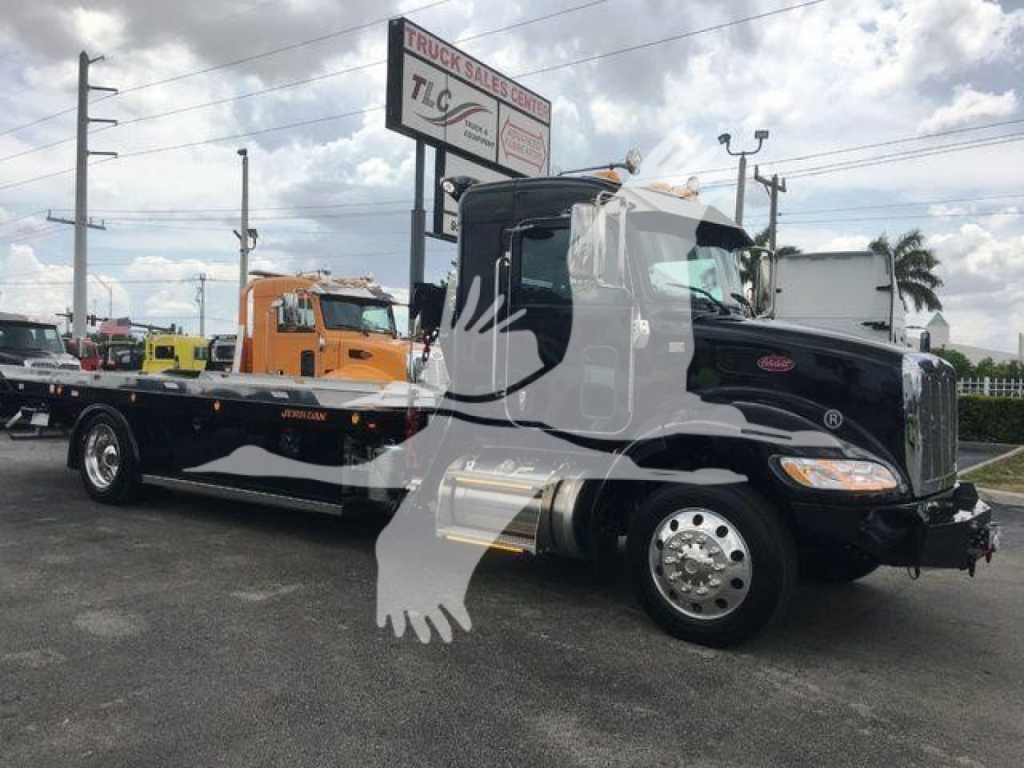
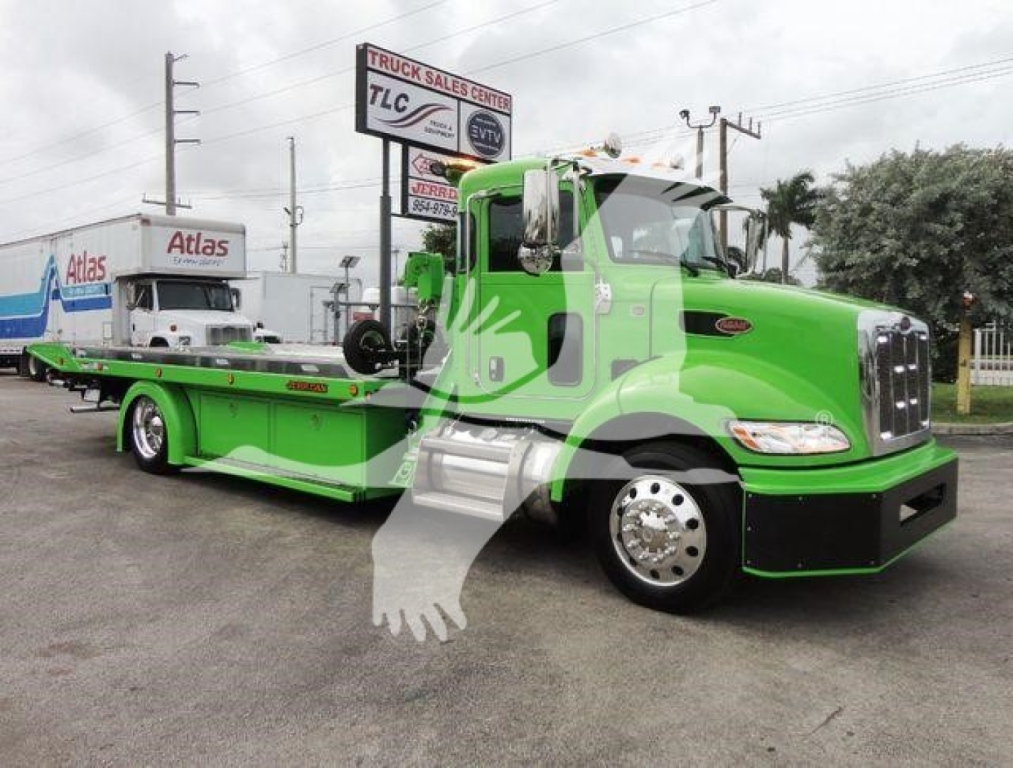
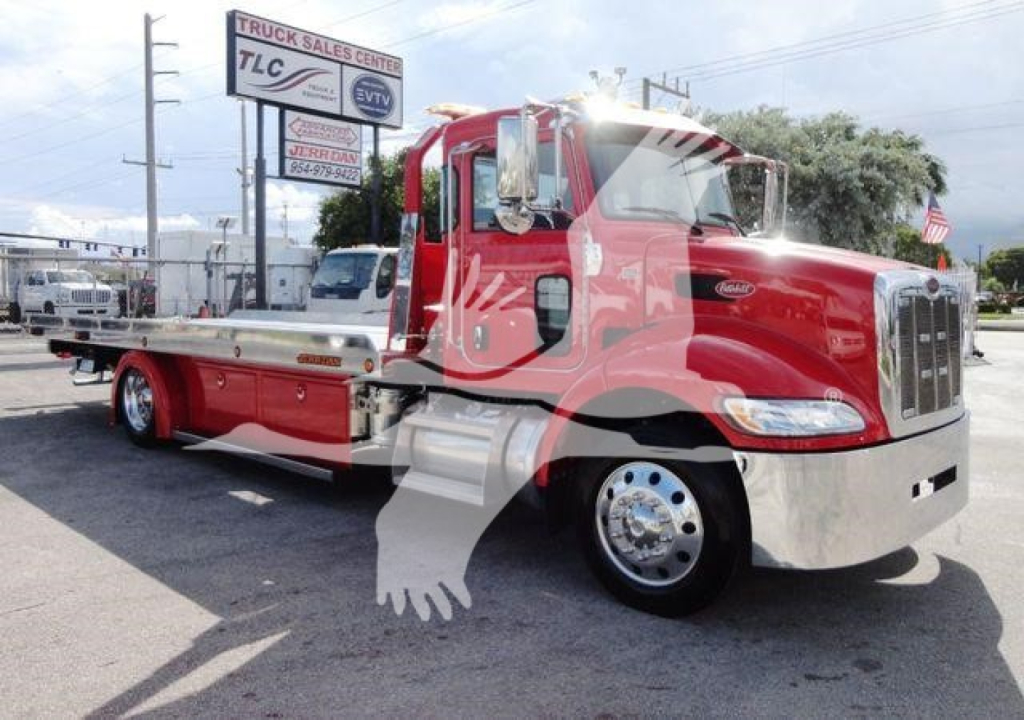
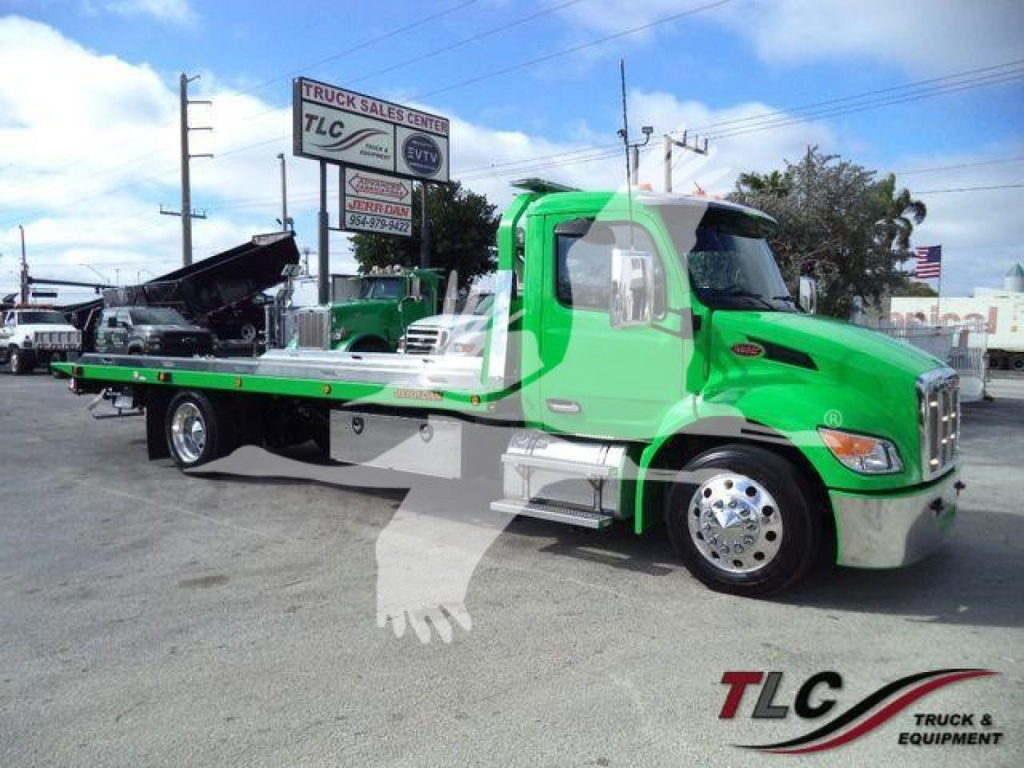
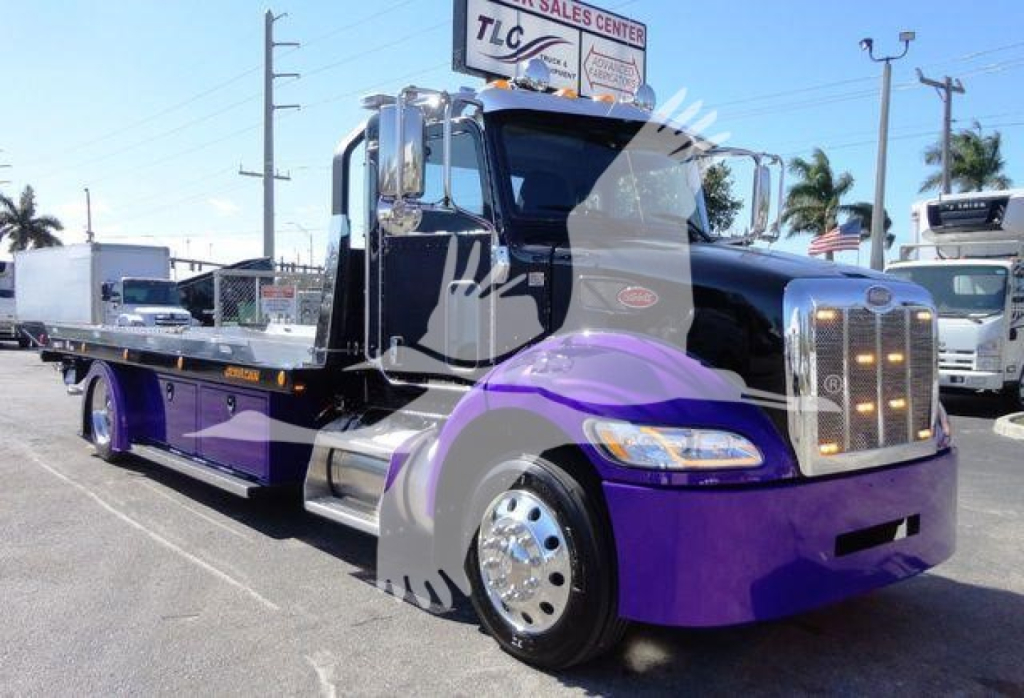
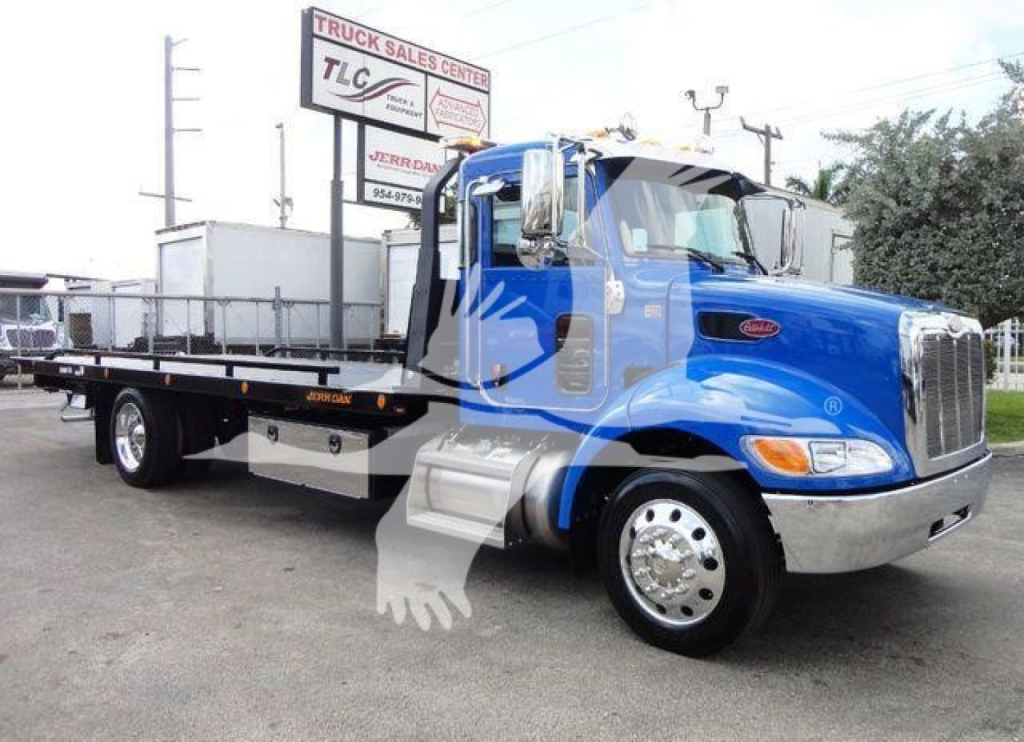
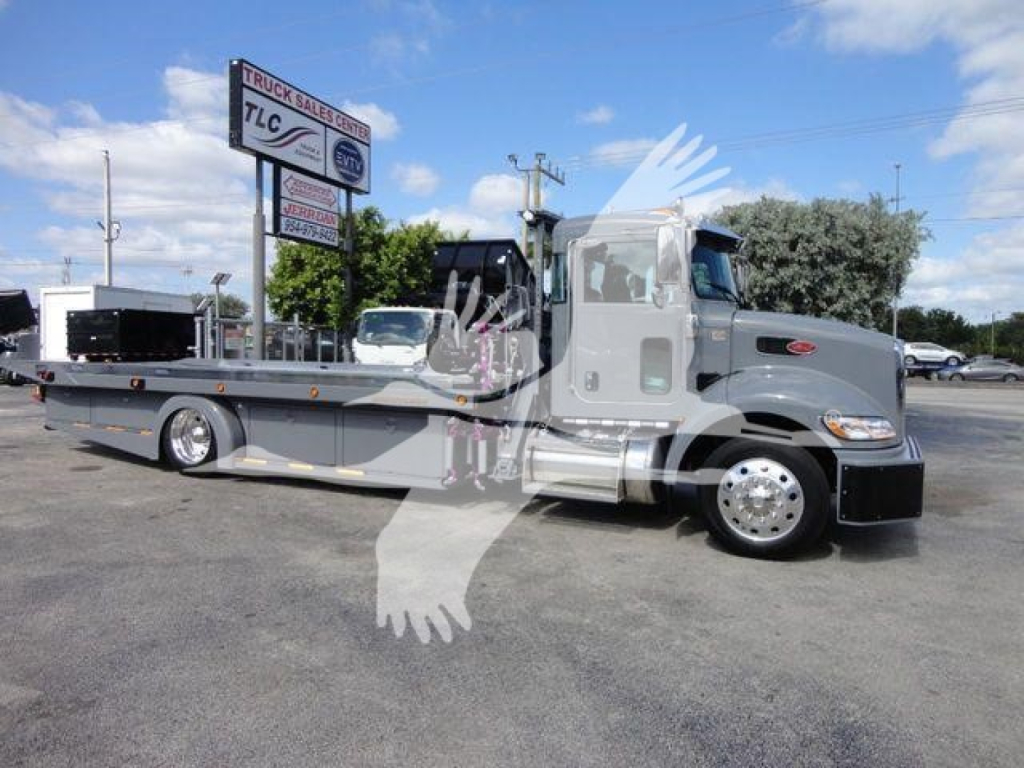
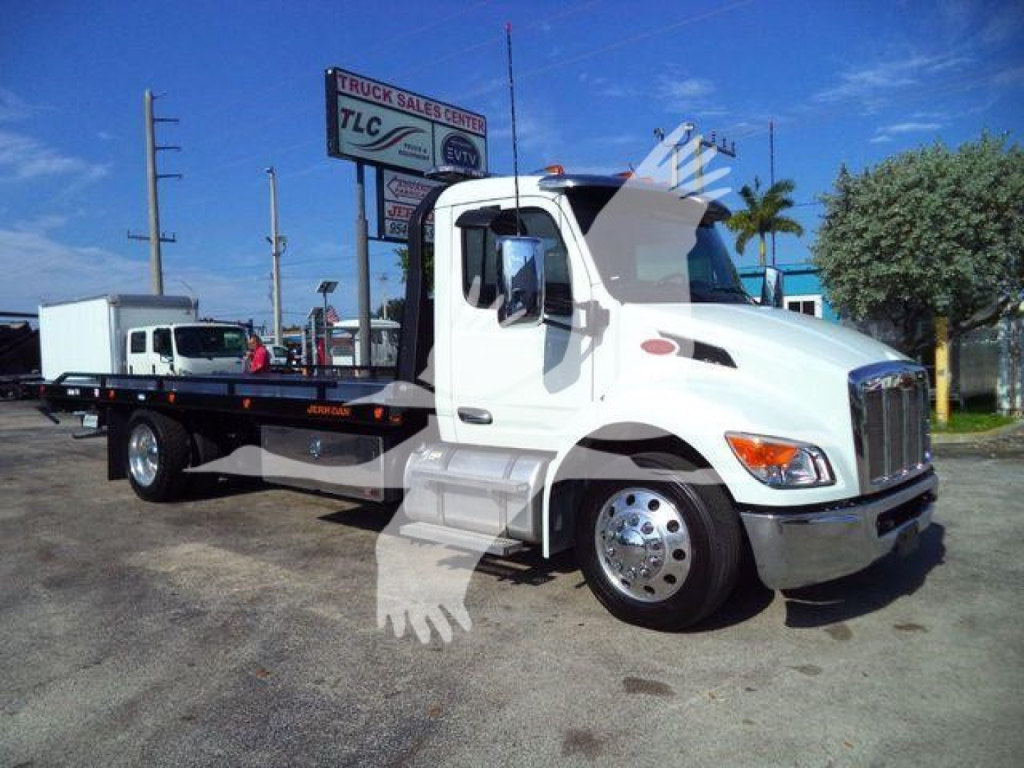
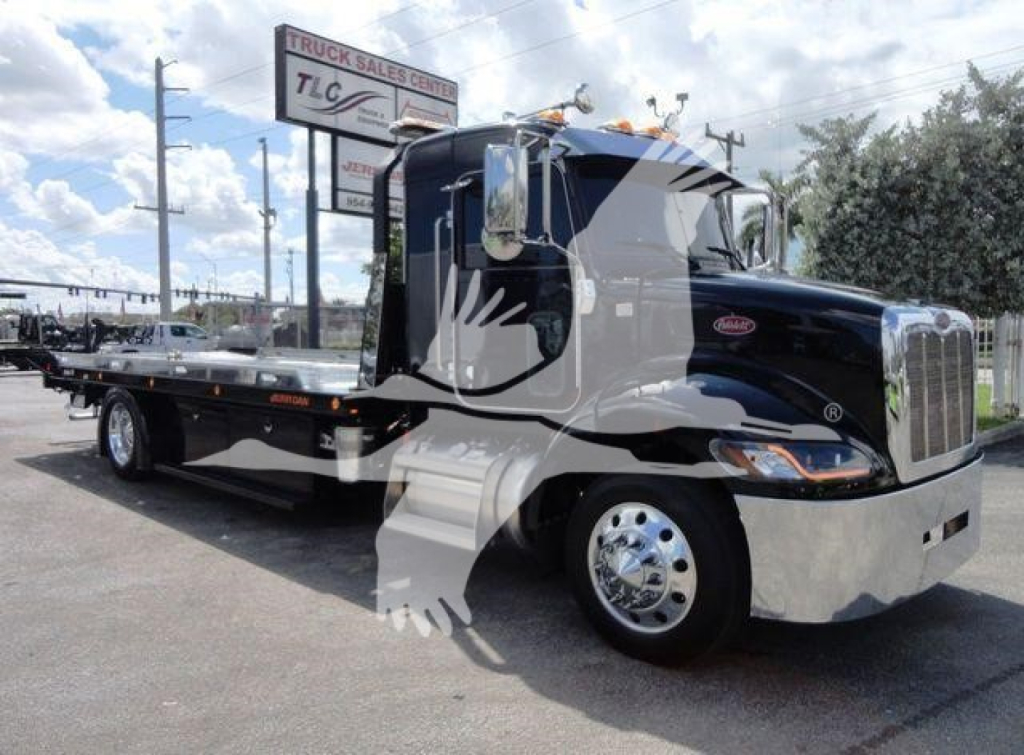
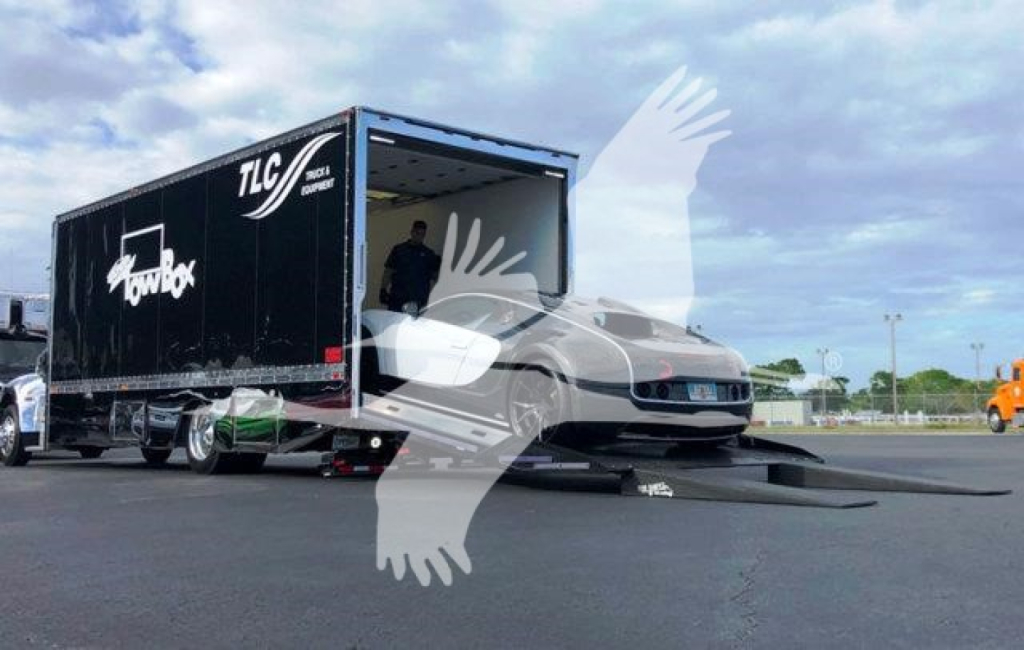
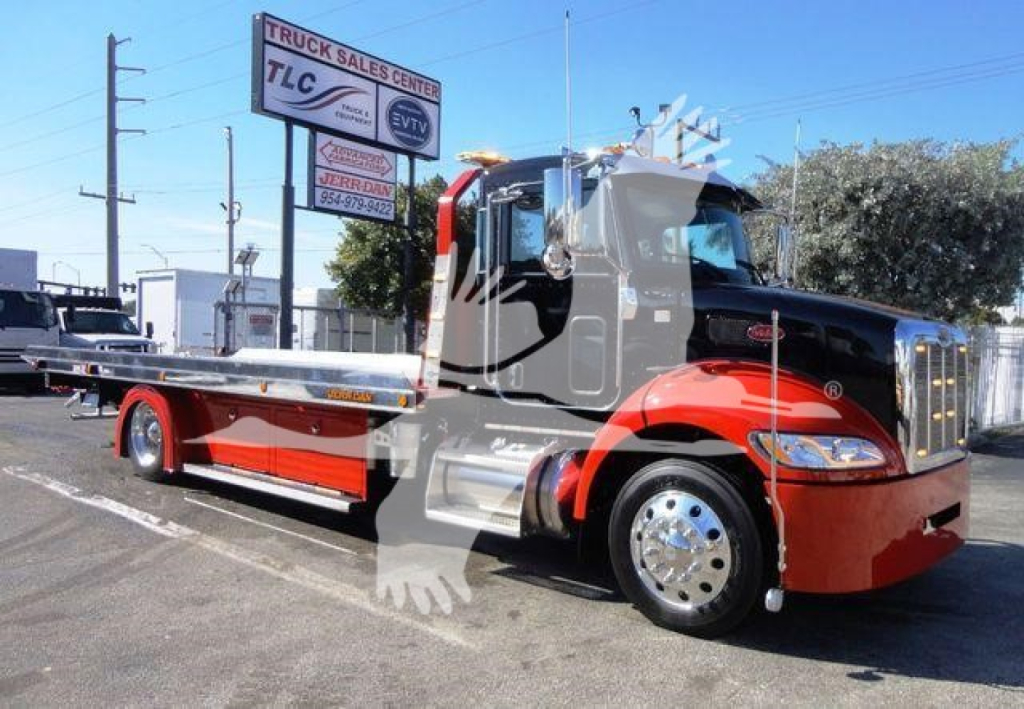
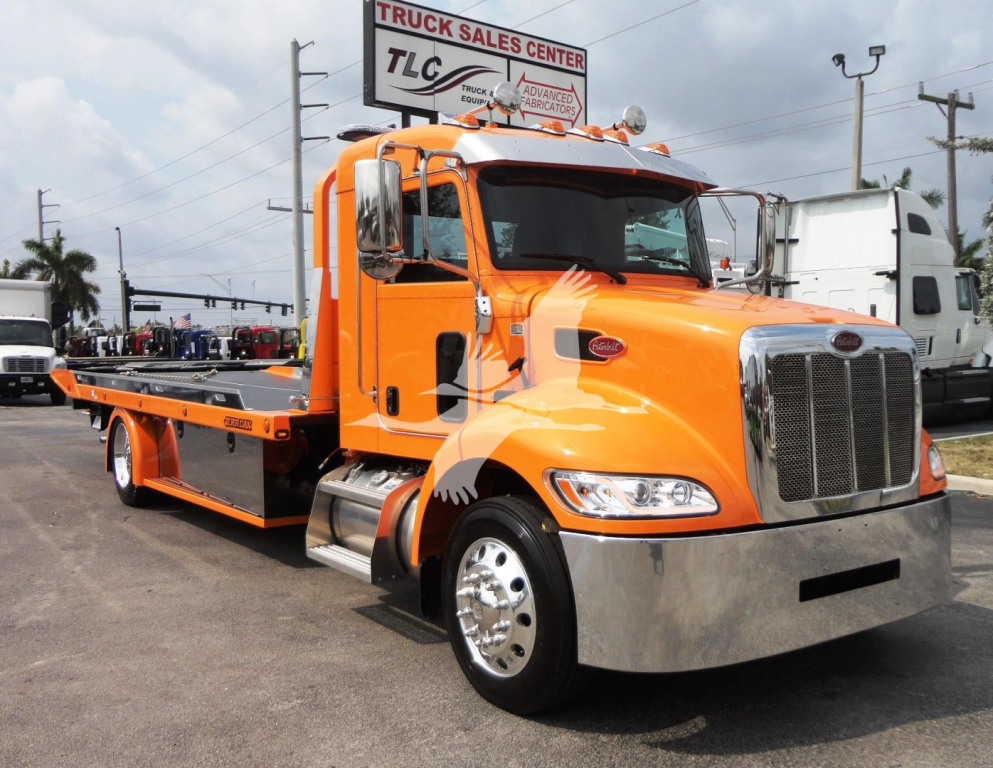
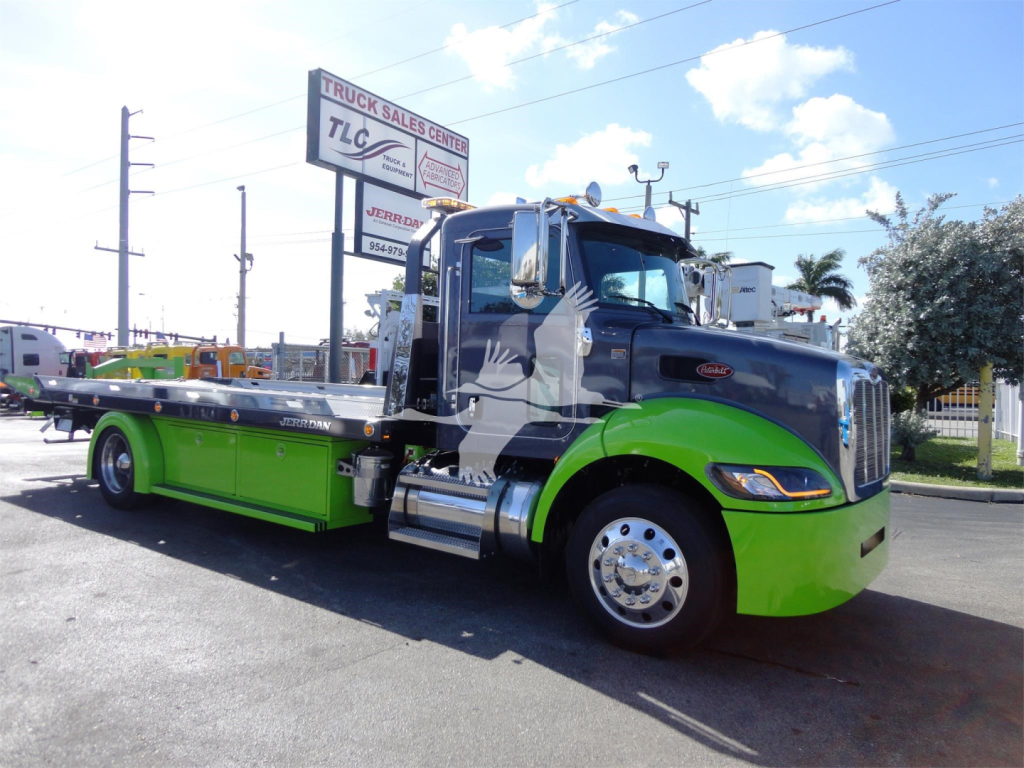
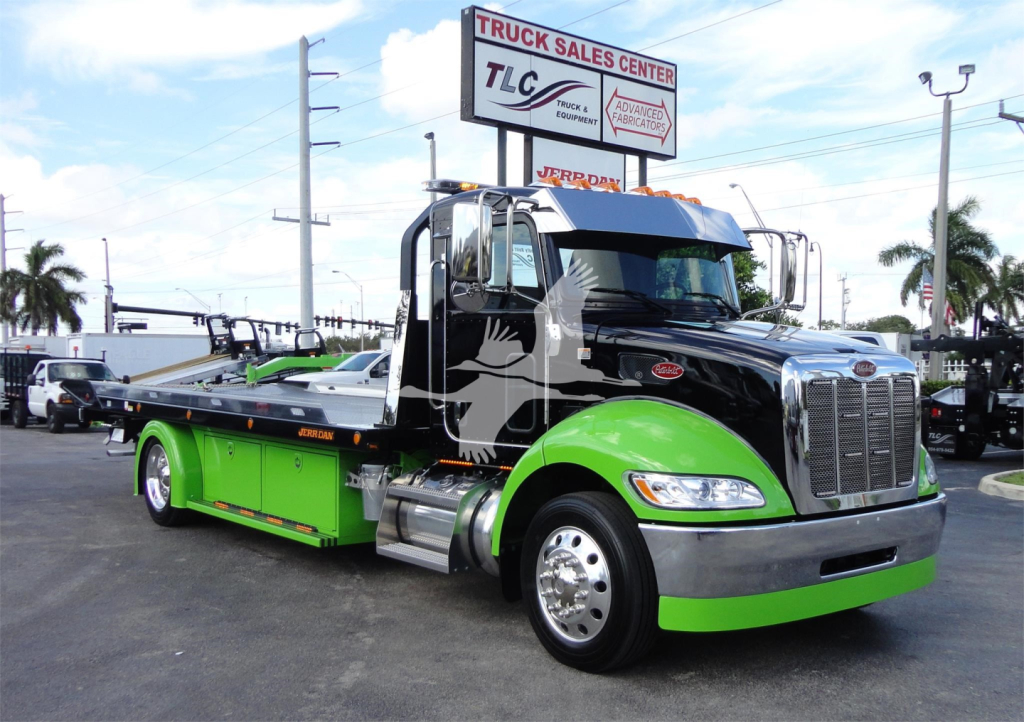
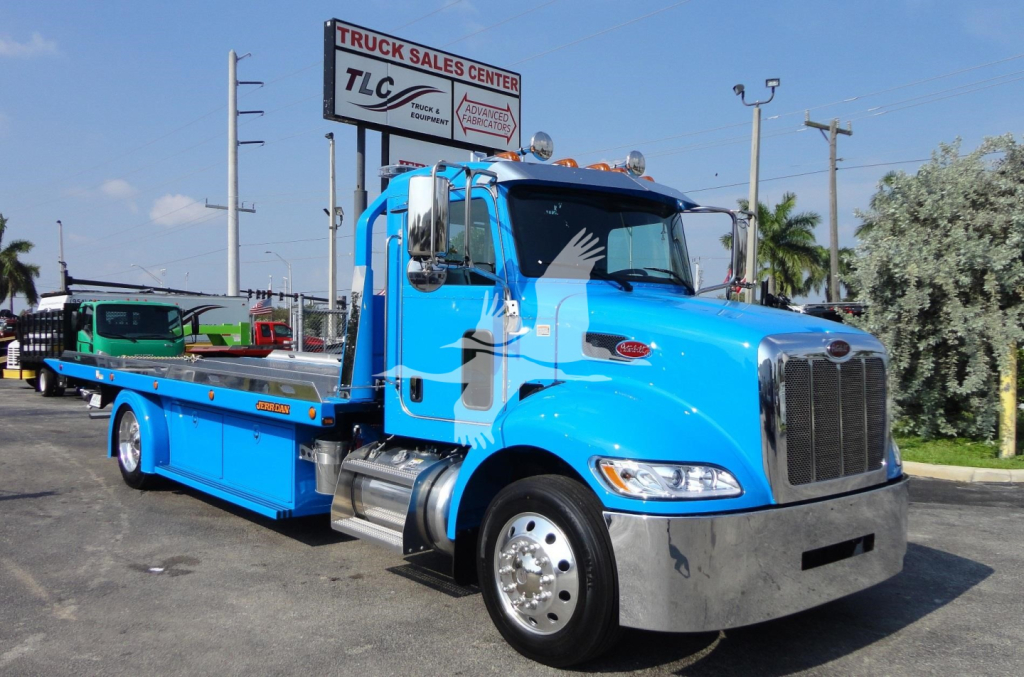
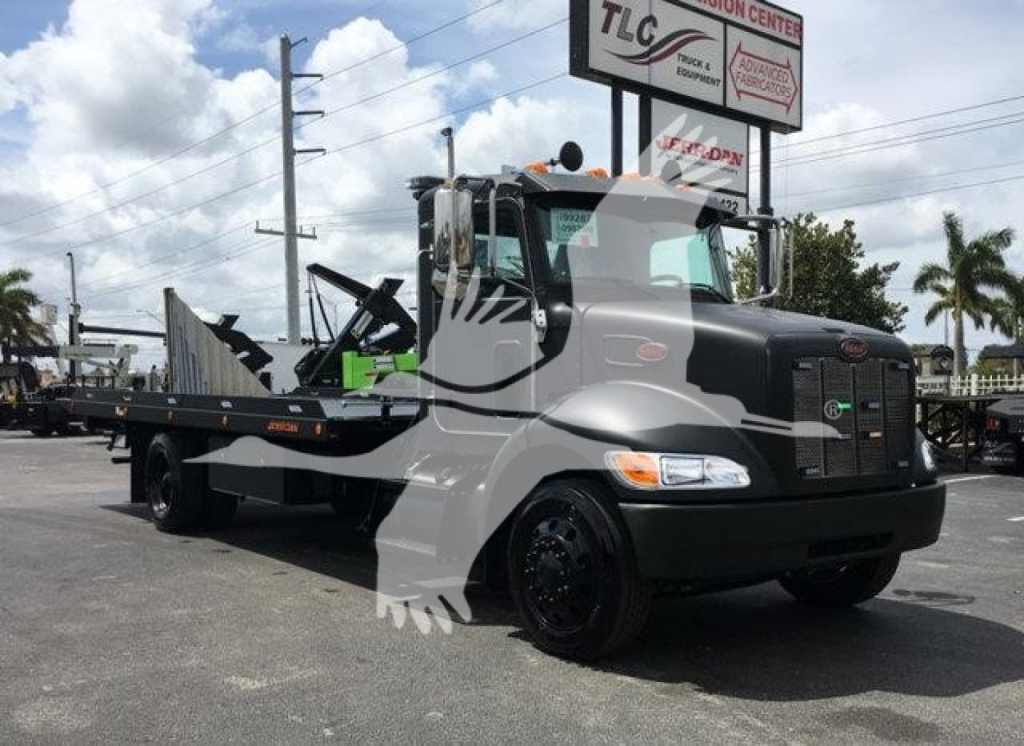
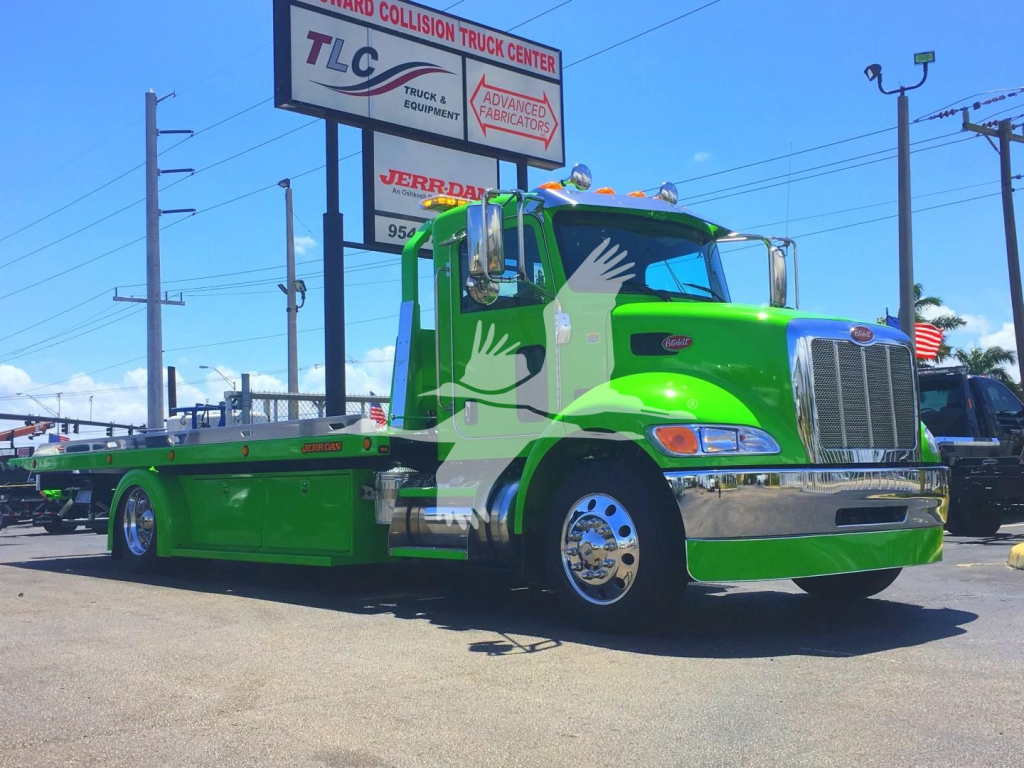
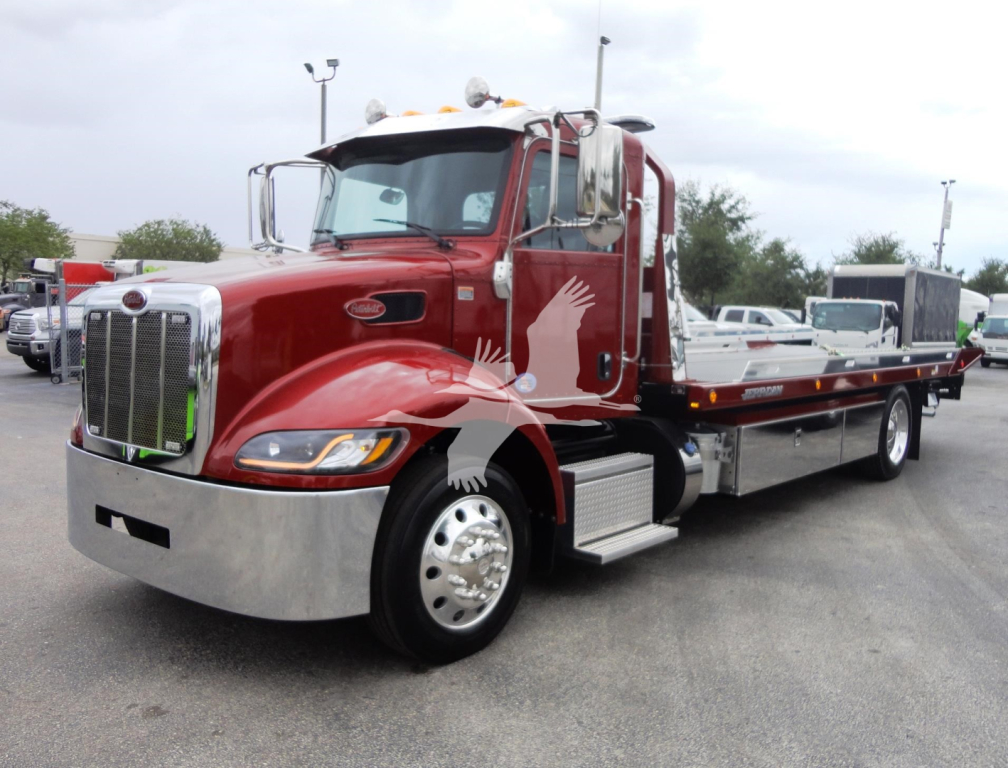
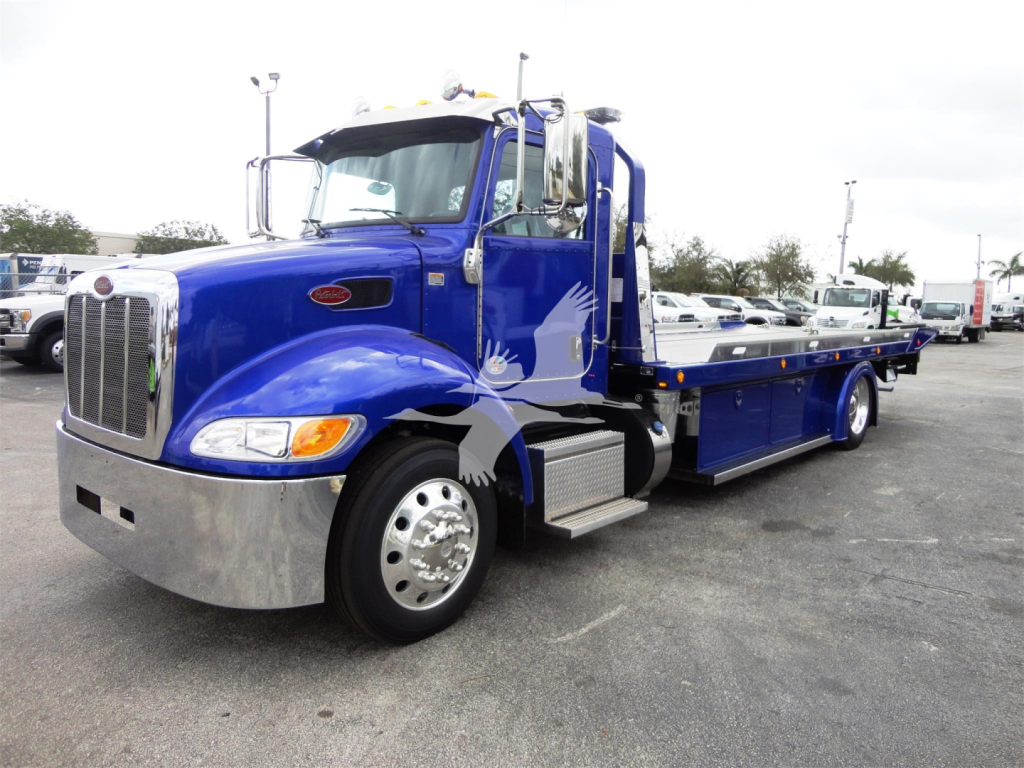
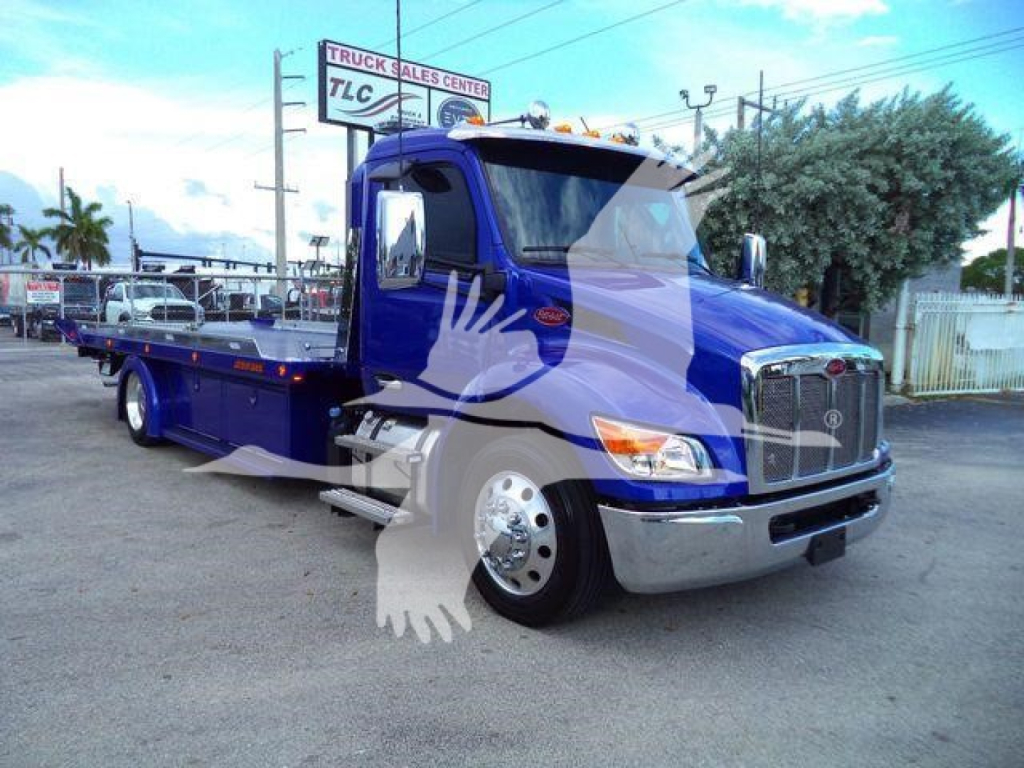
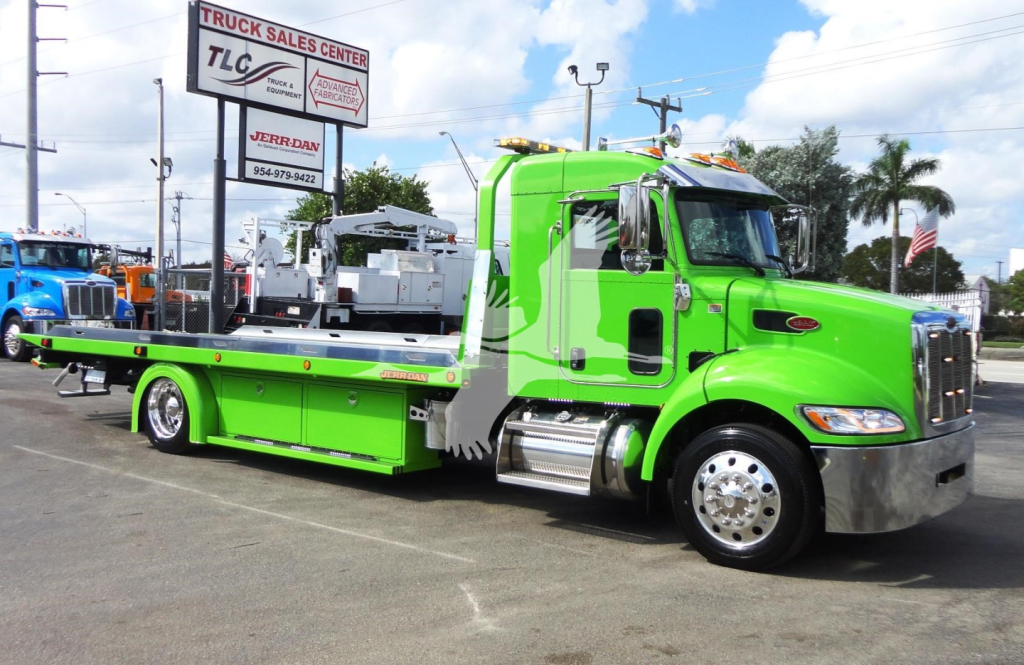
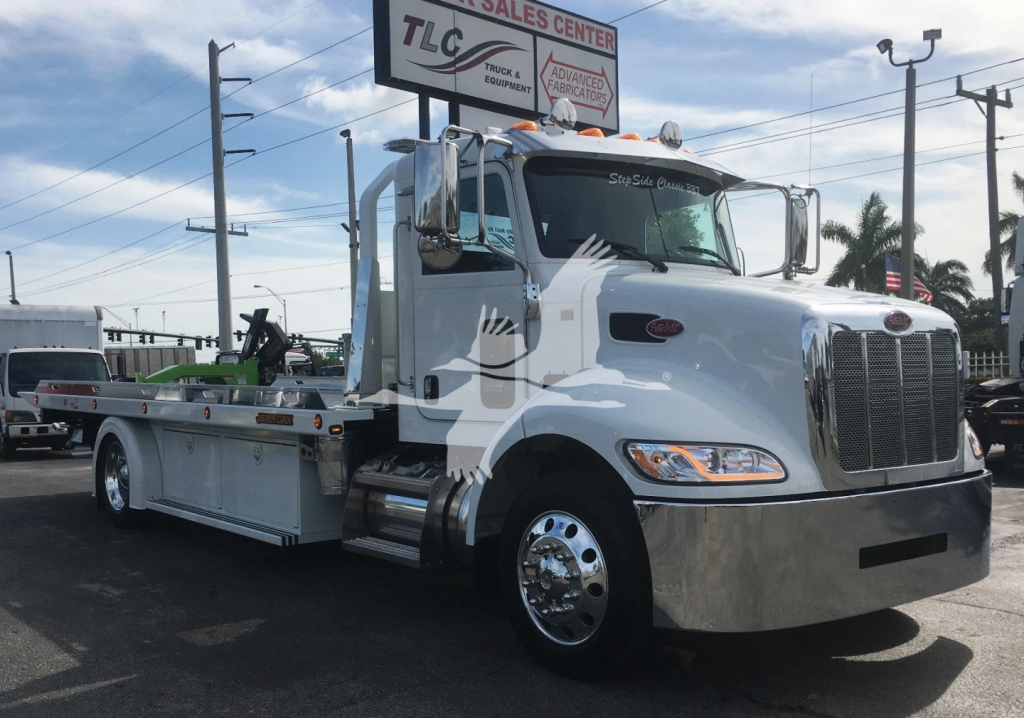
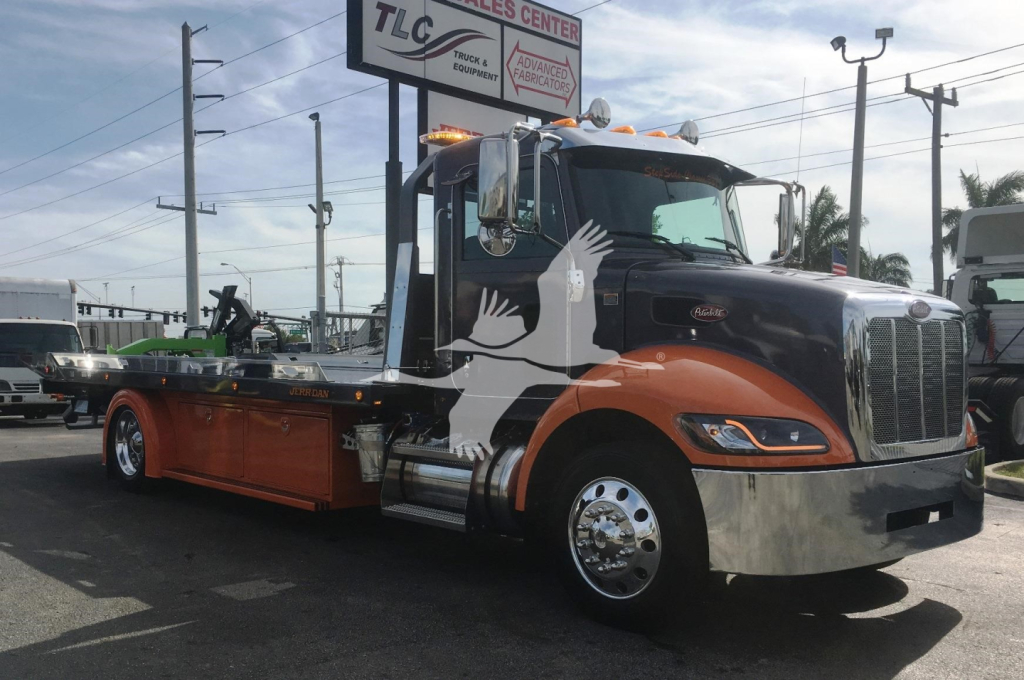
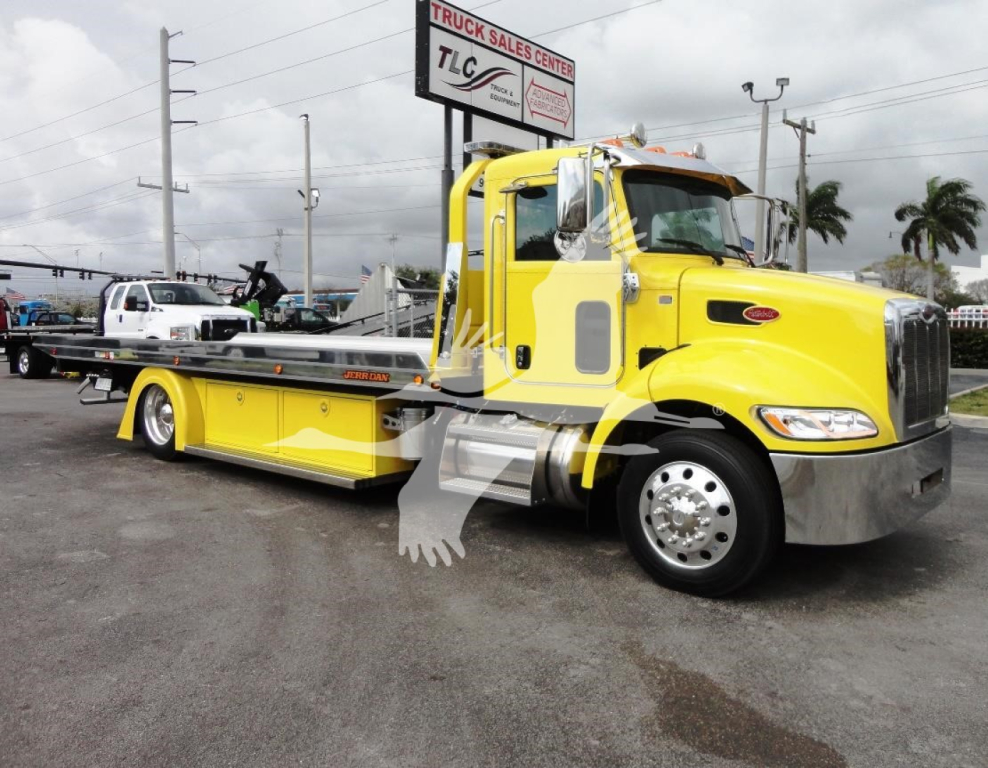
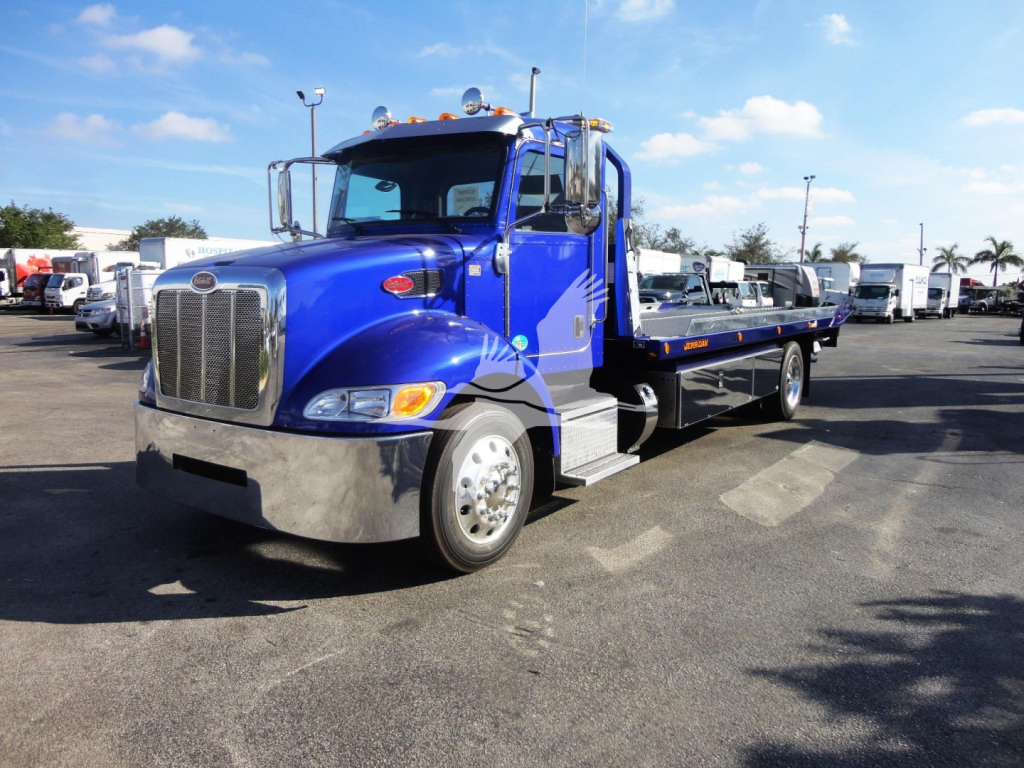
Selling a new peterbilt rollback truck? List your new peterbilt rollback truck for sale and reach thousands of commercial buyers.
New Peterbilt Rollback Trucks
The first decision is usually deck configuration. Many new Peterbilt rollback trucks are set up with 20-foot or 22-foot beds, often 102 inches wide, with low center of gravity designs for improved loading angle. Steel decks remain popular for hard-use towing and municipal or impound work, while aluminum decks help reduce empty weight and can improve payload margin. Buyers should compare deck length, side rail style, approach angle, wheel-lift rating, and winch capacity. Features such as dual-angle decks, removable or fixed blade rails, side recovery systems, and wireless controls can make a noticeable difference when loading damaged vehicles or working in tight urban recovery situations.
Chassis specs matter just as much as the carrier body. New Peterbilt rollback trucks in this category commonly run a Cummins PX-7 in the 300 horsepower range with an Allison automatic, usually paired with air brakes, air ride suspension, locking differential, and a 26,000 lb GVWR setup. That combination is a practical fit for non-CDL operations in many applications, while still giving the truck enough stability and braking for frequent city towing and highway transfers. Low-profile 22.5 tires, aluminum wheels, and a well-balanced front and rear axle rating are worth reviewing because rollback performance is tied directly to deck height, weight distribution, and how the truck handles a vehicle at the tail of the bed or on the wheel lift.
Buyers should also look closely at the work package, not just the truck and bed. Toolboxes, top trays, dollie storage, jump-start leads, receiver tubes with 7-way plugs, LED warning lights, work lights, backup cameras, and recovery accessories all affect day-to-day productivity. A 3,500 lb wheel lift, 8,000 lb winch, L-arms, and side recovery equipment are common on well-equipped carriers because they expand the truck’s usefulness beyond simple transport. For towing companies, dealerships, fleet service providers, and repossession operators, a new Peterbilt rollback truck stands out when the body spec, axle ratings, and towing equipment are matched to the actual mix of cars, pickups, and specialty vehicles handled every week.
Frequently Asked Questions about New Peterbilt Rollback Trucks
What is the typical GVWR for a new Peterbilt rollback truck?
Many new Peterbilt rollback trucks are built on a 26,000 lb GVWR chassis, often with a 10,000 lb front axle and a 20,000 lb rear axle. That rating is common because it gives the truck enough capacity for vehicle transport and towing equipment while fitting many medium-duty applications. Actual payload depends on the chassis spec, bed material, wheel-lift setup, fuel capacity, and accessories mounted on the truck.
What bed length is best on a Peterbilt rollback, 20 feet or 22 feet?
A 20-foot bed is a practical choice for tighter city work and general vehicle transport, while a 22-foot bed gives more flexibility for longer-wheelbase pickups, SUVs, and some light equipment. The right choice depends on what you haul most often, how much room you have to maneuver, and how important loading angle is for low-clearance vehicles. A longer deck can improve versatility, but it should be matched to wheelbase, axle placement, and overall weight distribution.
Should I choose a steel or aluminum rollback bed?
Steel rollback beds are often preferred for heavy daily use, rough service conditions, and buyers who prioritize durability and repair familiarity. Aluminum beds reduce body weight, which can improve payload margin and may help with corrosion resistance over time. The better option depends on your operating environment, maintenance practices, and the type of vehicles you recover and transport most often.
What features matter most on a new Peterbilt rollback truck for towing work?
The most important features usually include bed height, loading angle, wheel-lift capacity, winch rating, side recovery capability, and chassis stability under load. Buyers should also pay attention to air brakes, suspension type, transmission choice, locking differential, toolbox layout, remote controls, and warning-light package. Those items affect not only towing capability, but also how quickly and safely the truck can be used on busy roads, accident scenes, and tight commercial lots.
Is a Peterbilt 337 a common chassis for rollback tow trucks?
Yes. The Peterbilt 337 is a widely used medium-duty platform for rollback applications because it supports popular carrier bodies, offers good driver visibility, and is commonly spec'd with proven combinations such as a Cummins diesel and Allison automatic transmission. It is often chosen by towing operators who want a professional-looking truck with strong road manners and a chassis that can be tailored for local transport, recovery, and mixed-use towing service.