
New Peterbilt Rollback Trucks For Sale in Florida
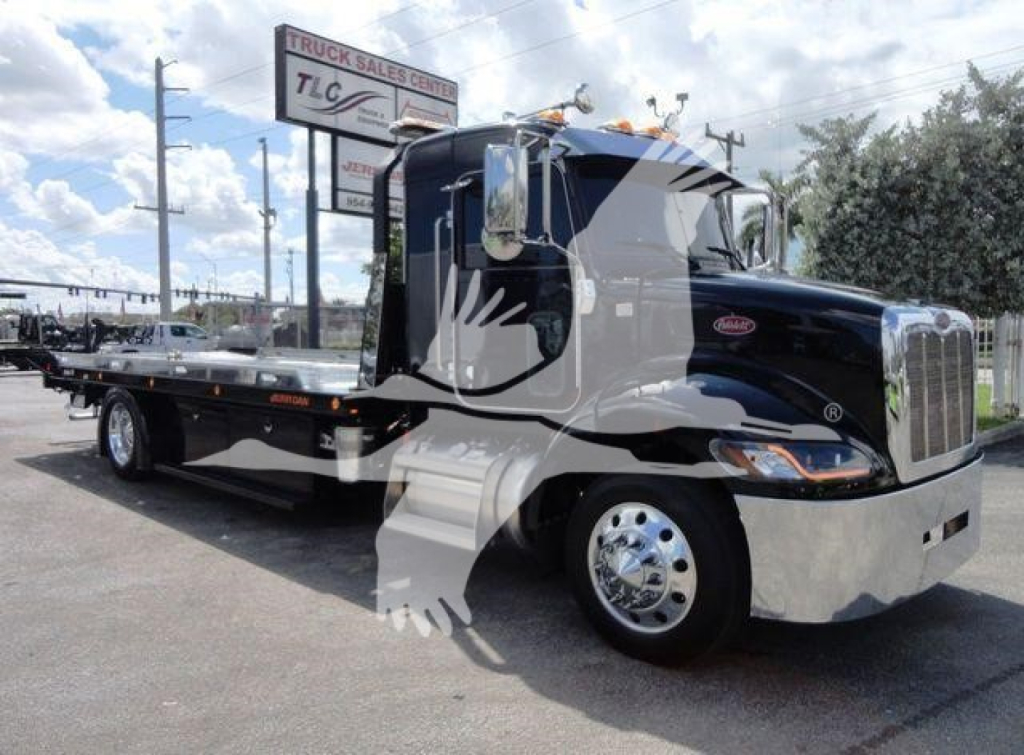
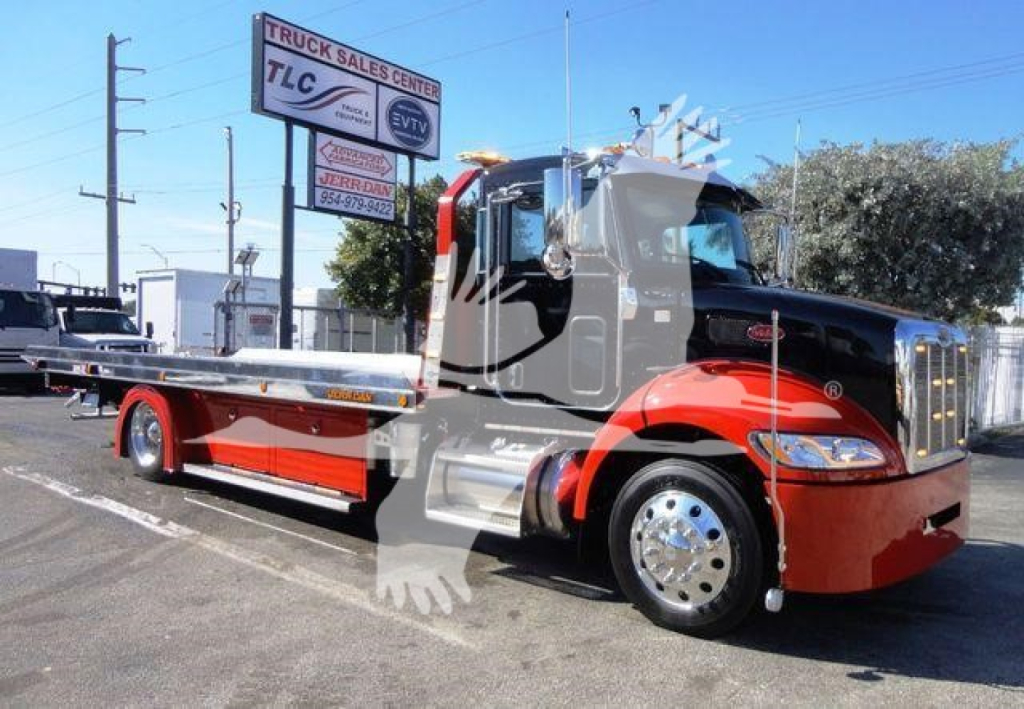
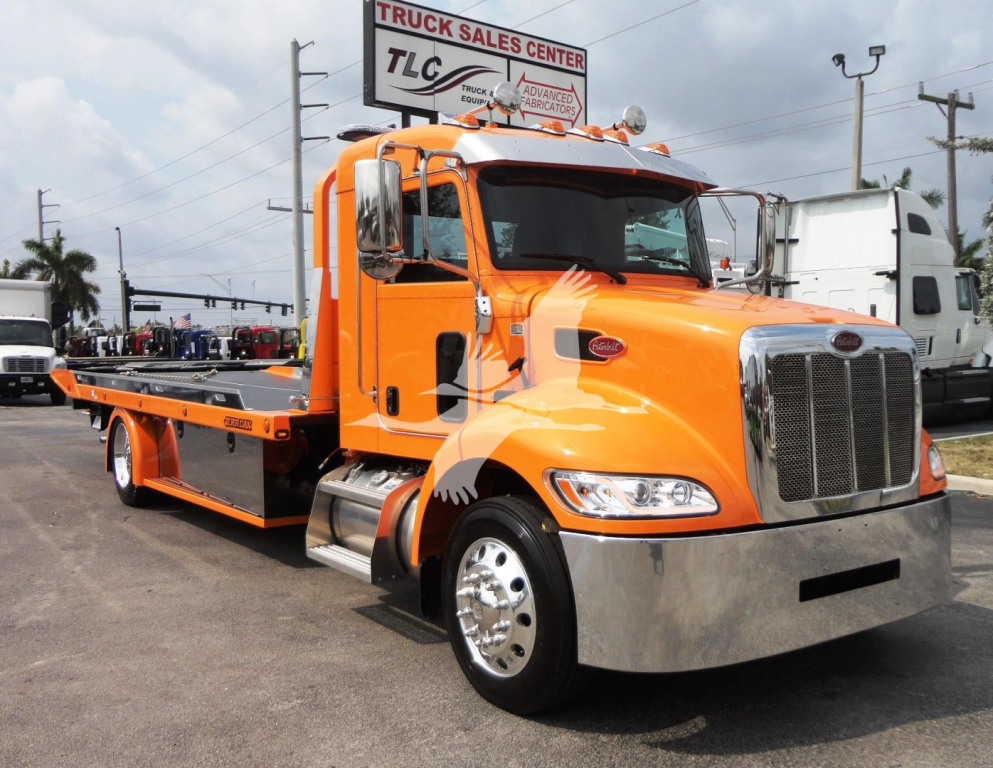
New Peterbilt rollback trucks for sale in Florida, including 337 carriers with low-profile beds, wheel lifts, winches, and towing-ready specs.
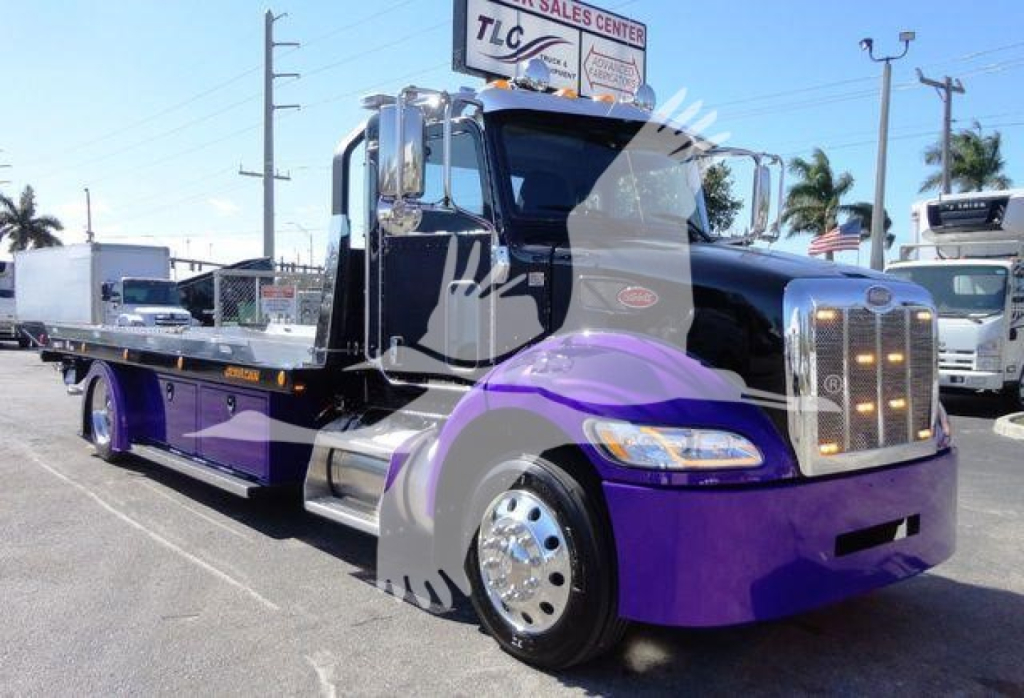
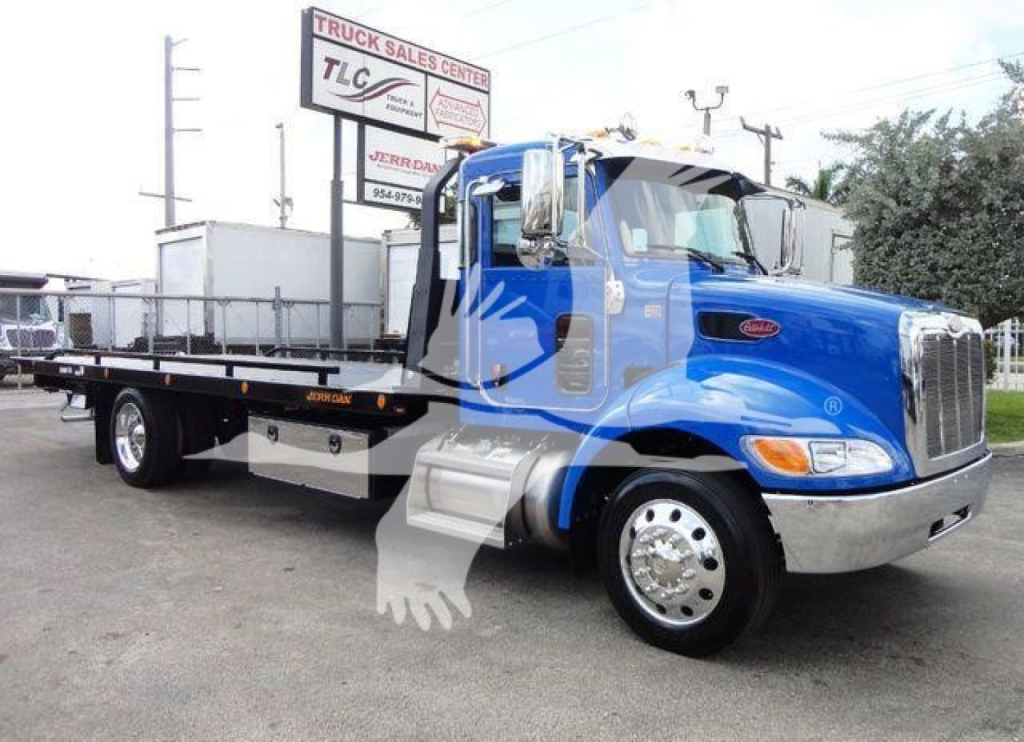
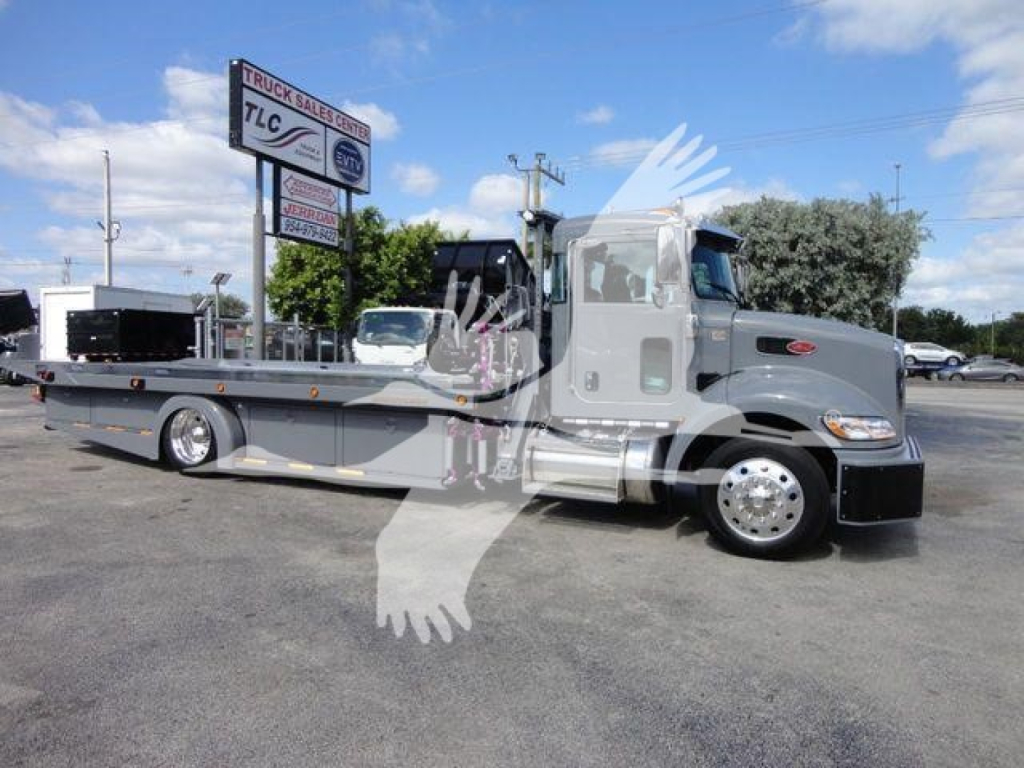
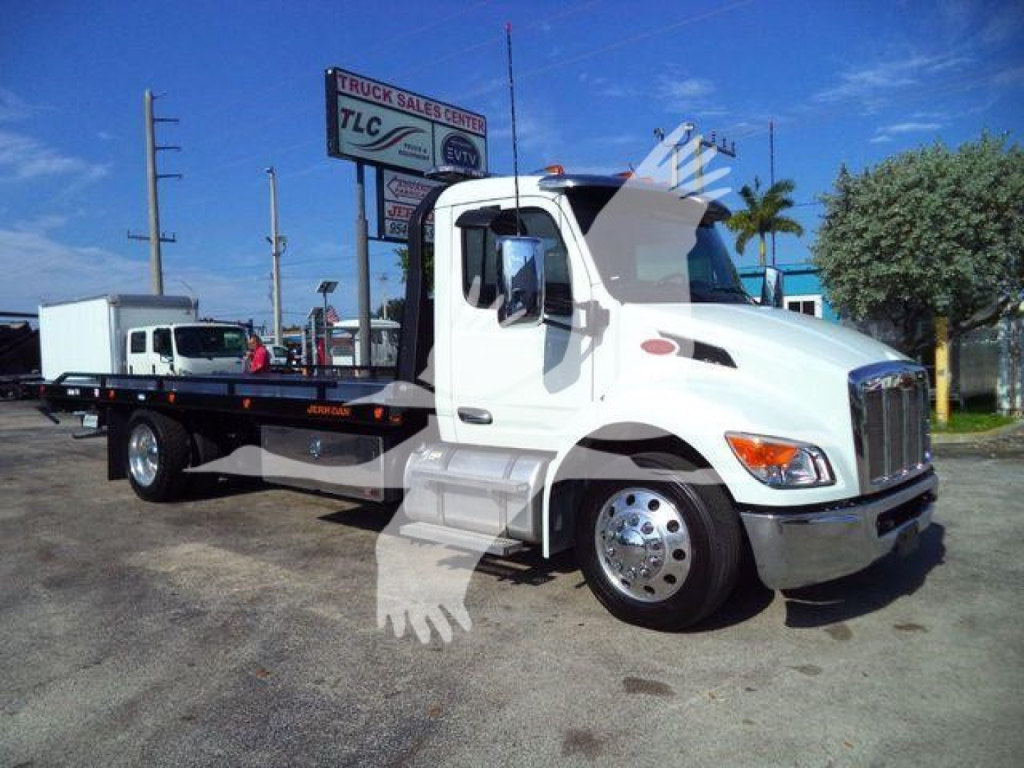
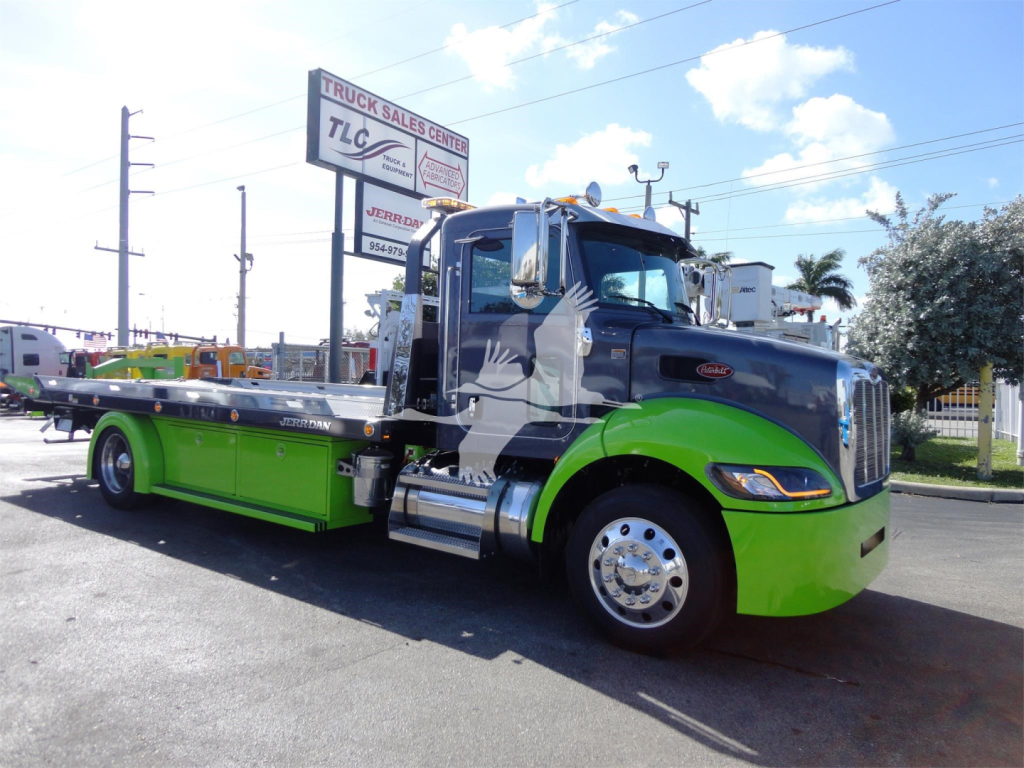
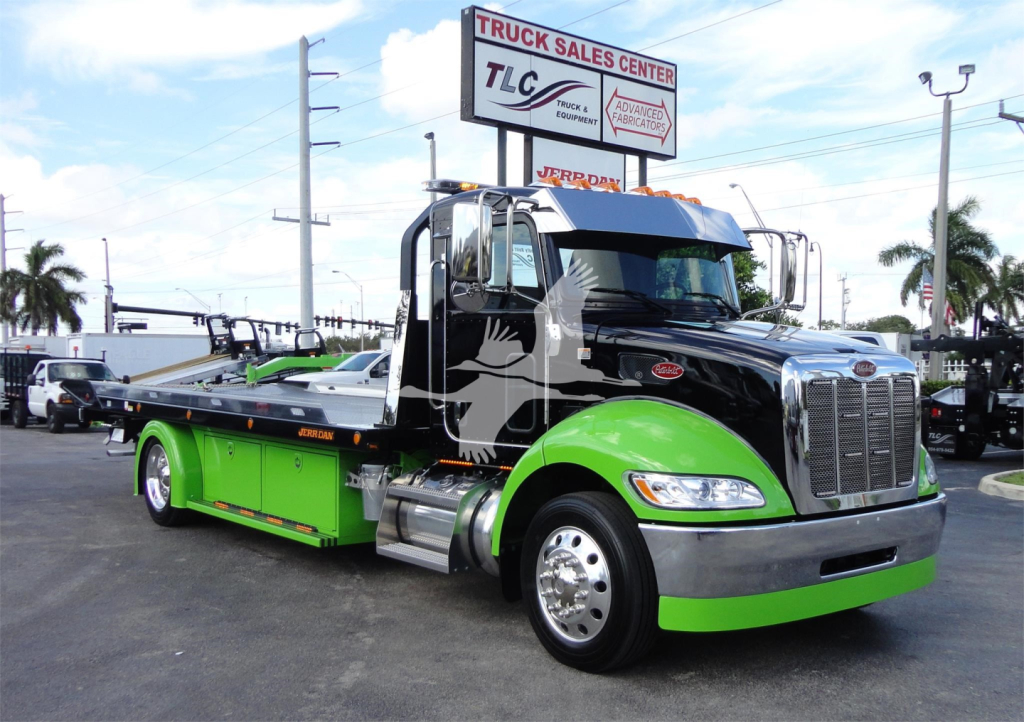
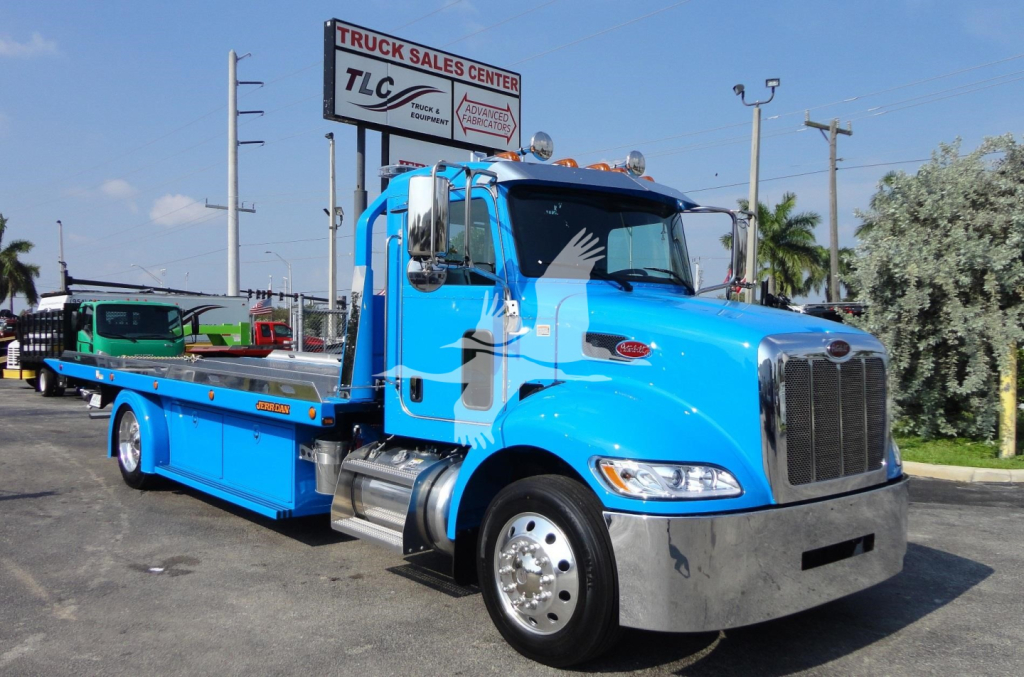
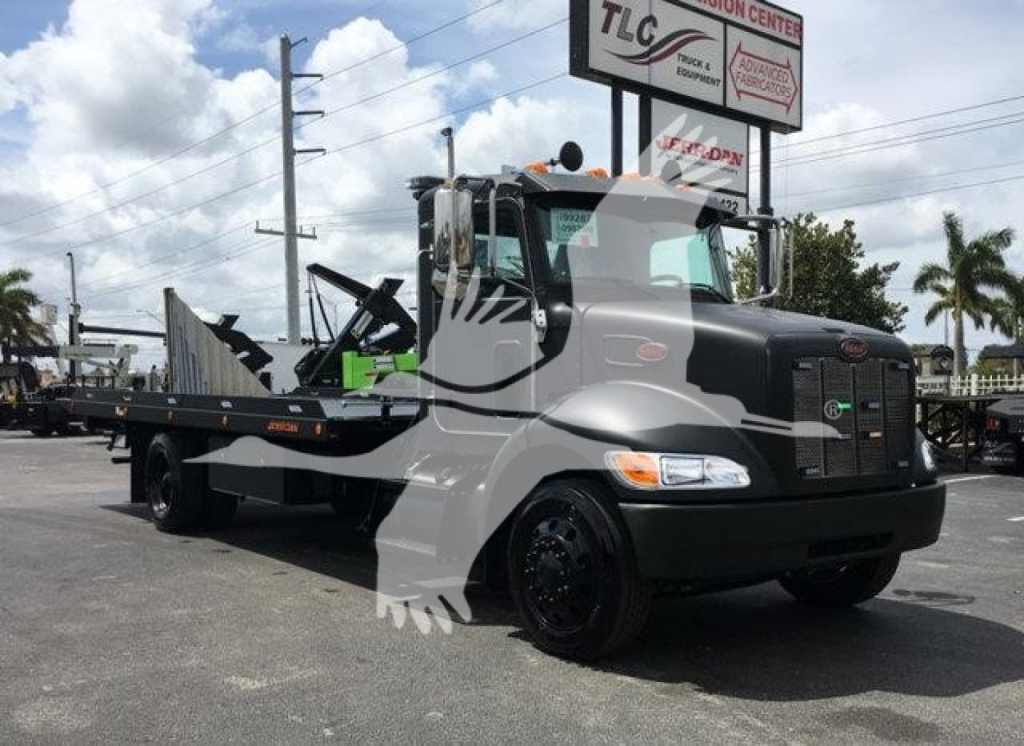
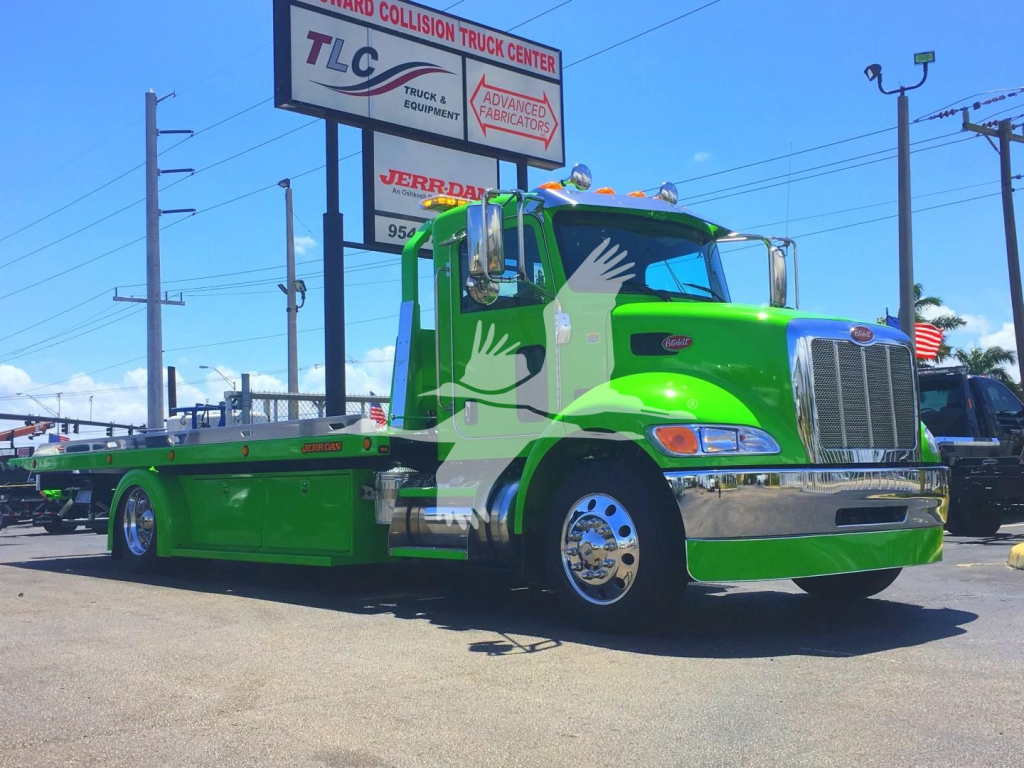
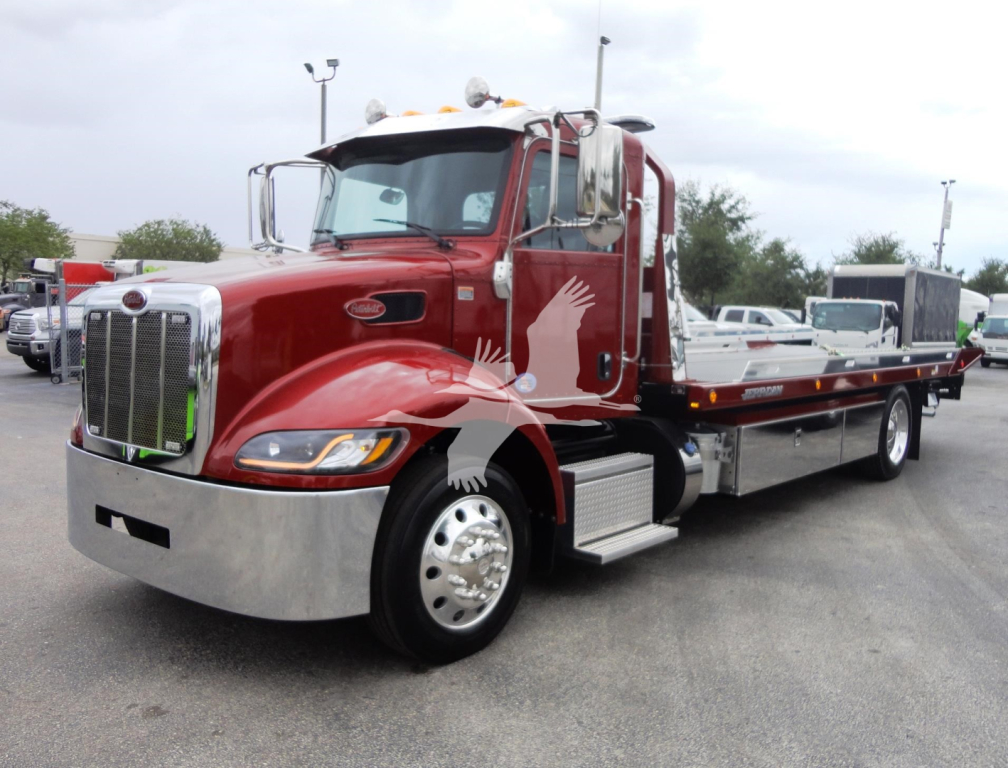
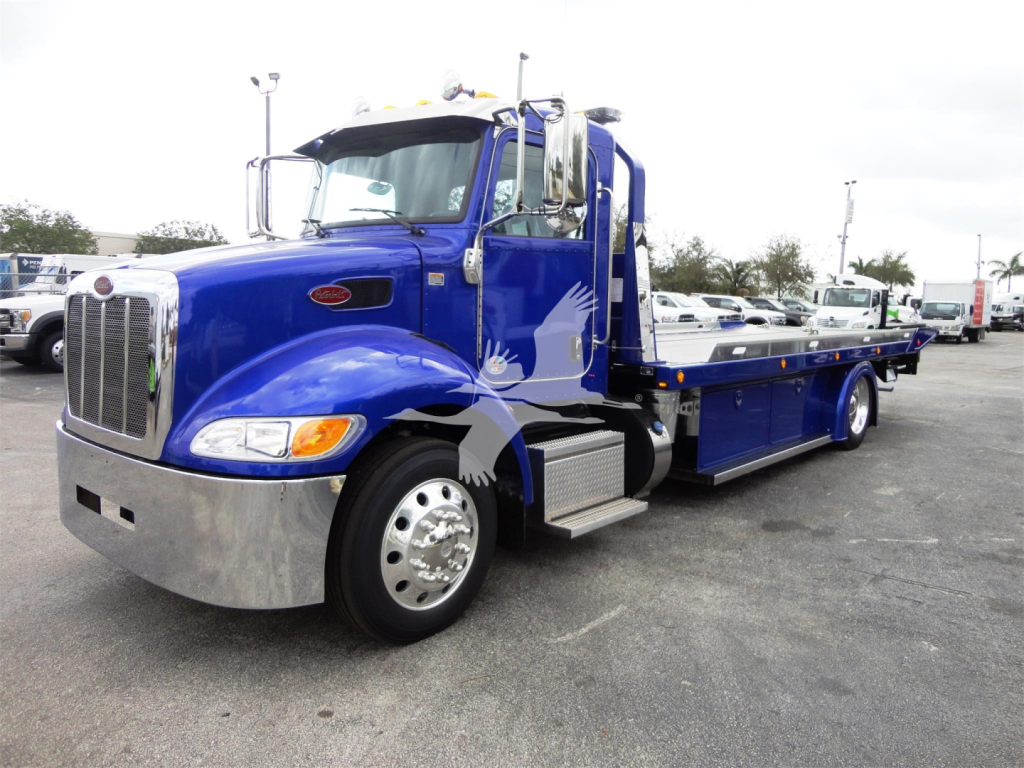
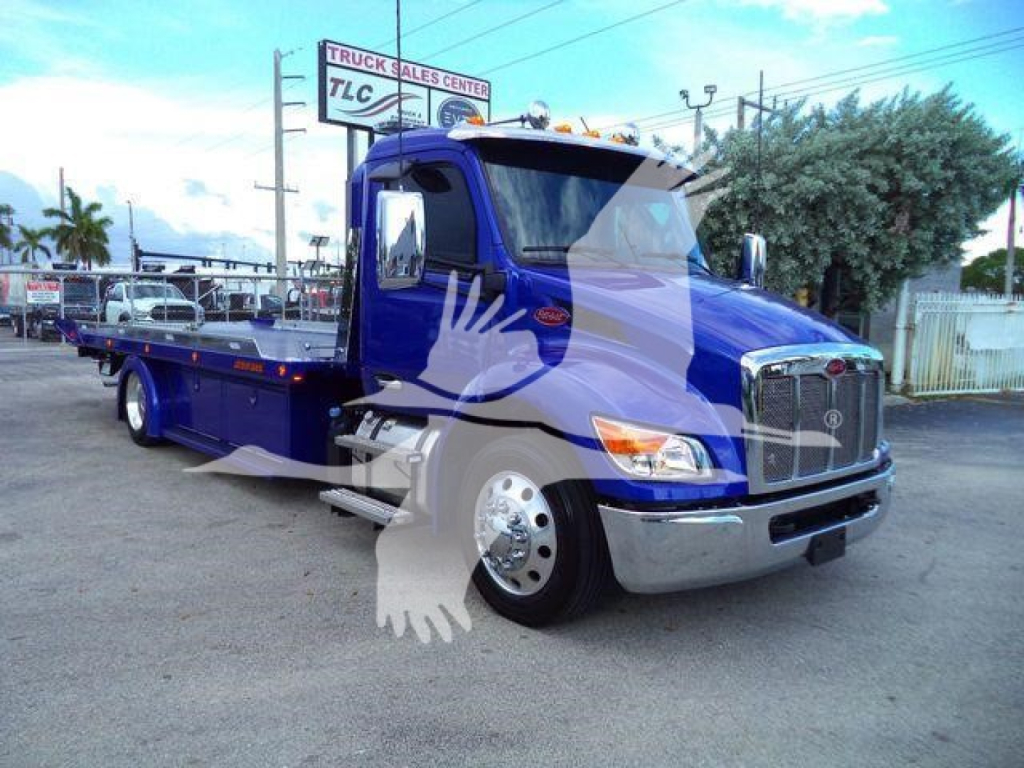
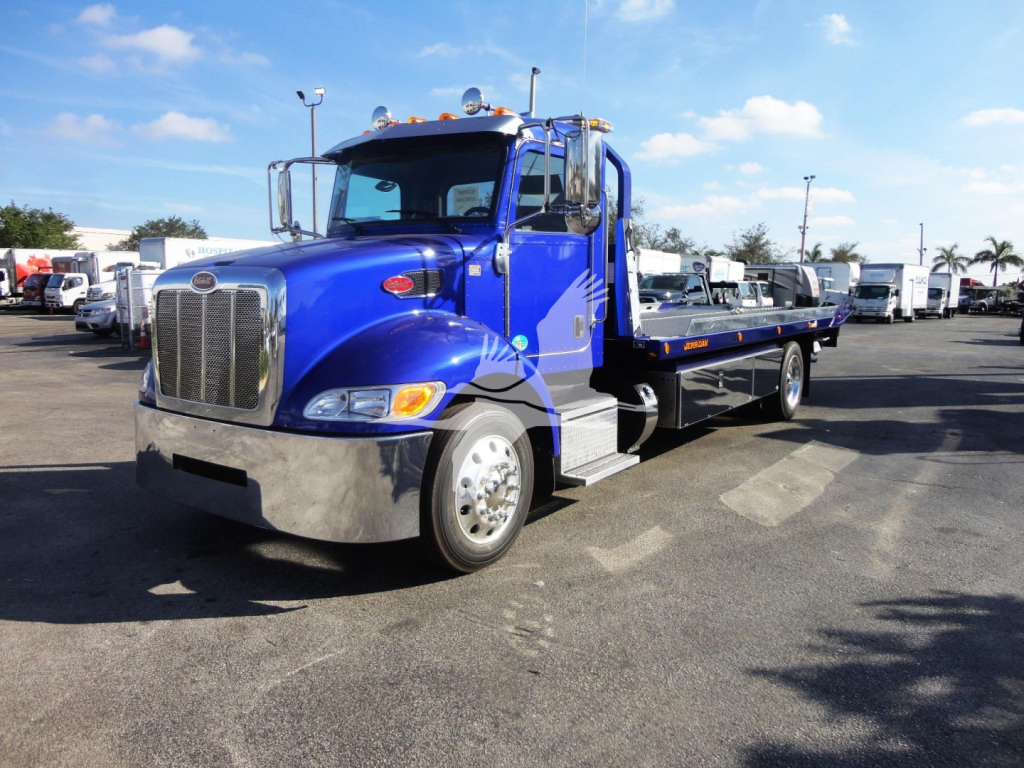
Selling a new peterbilt rollback truck? List your new peterbilt rollback truck for sale and reach thousands of commercial buyers.
New Peterbilt Rollback Trucks in Florida
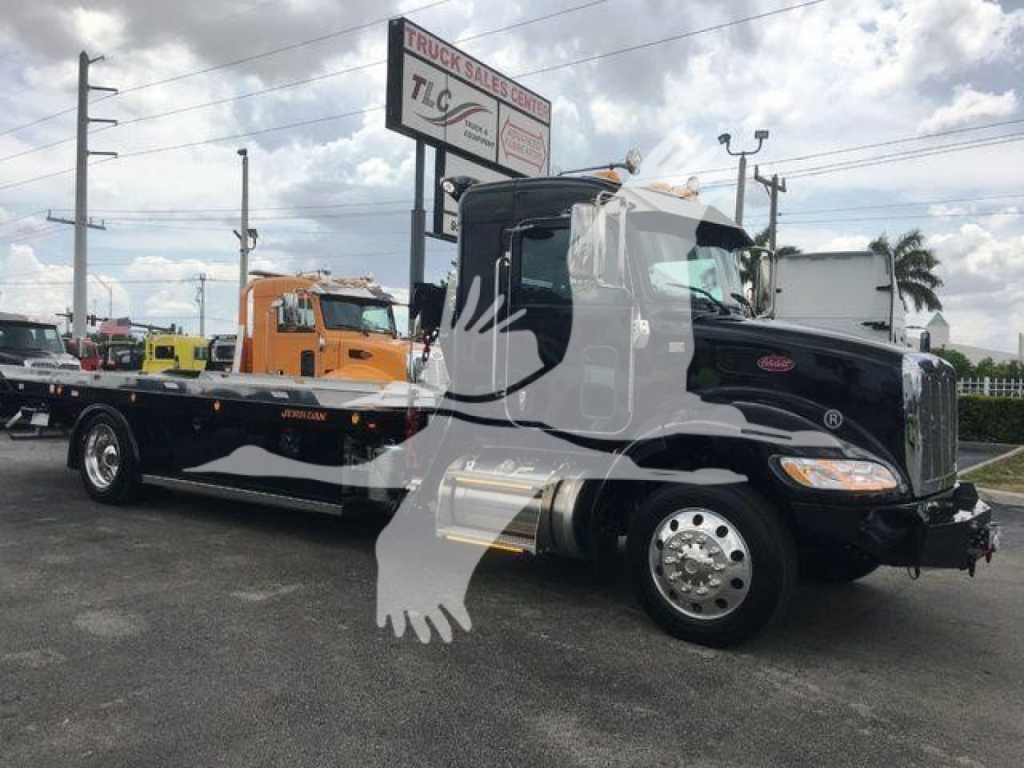
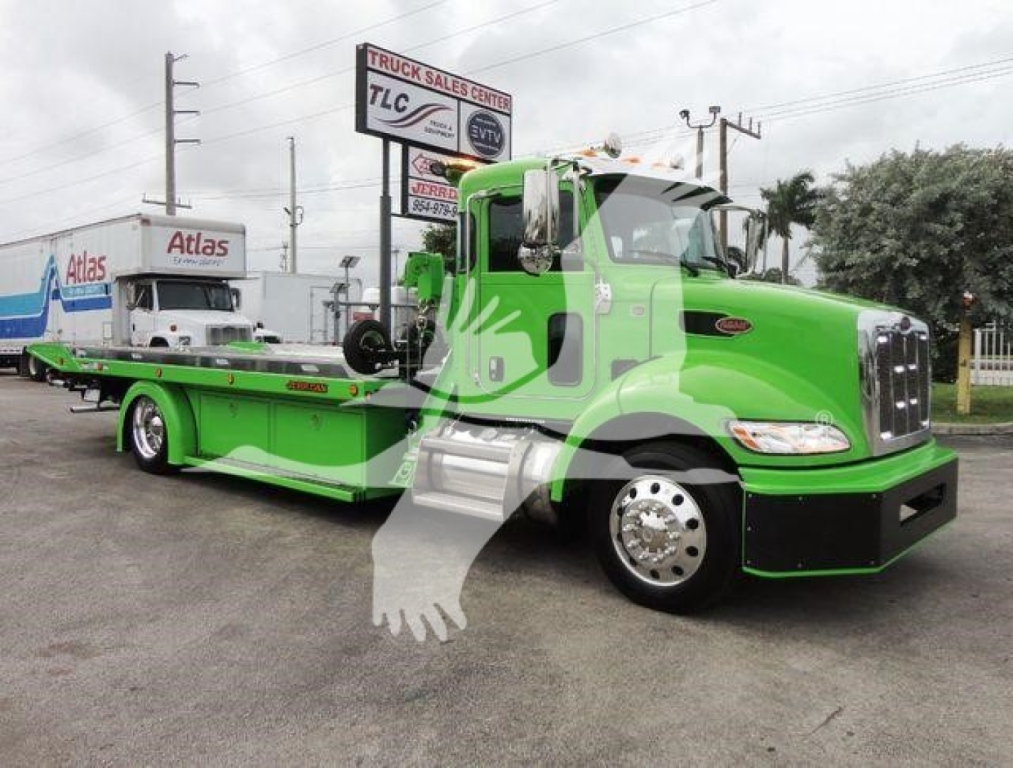
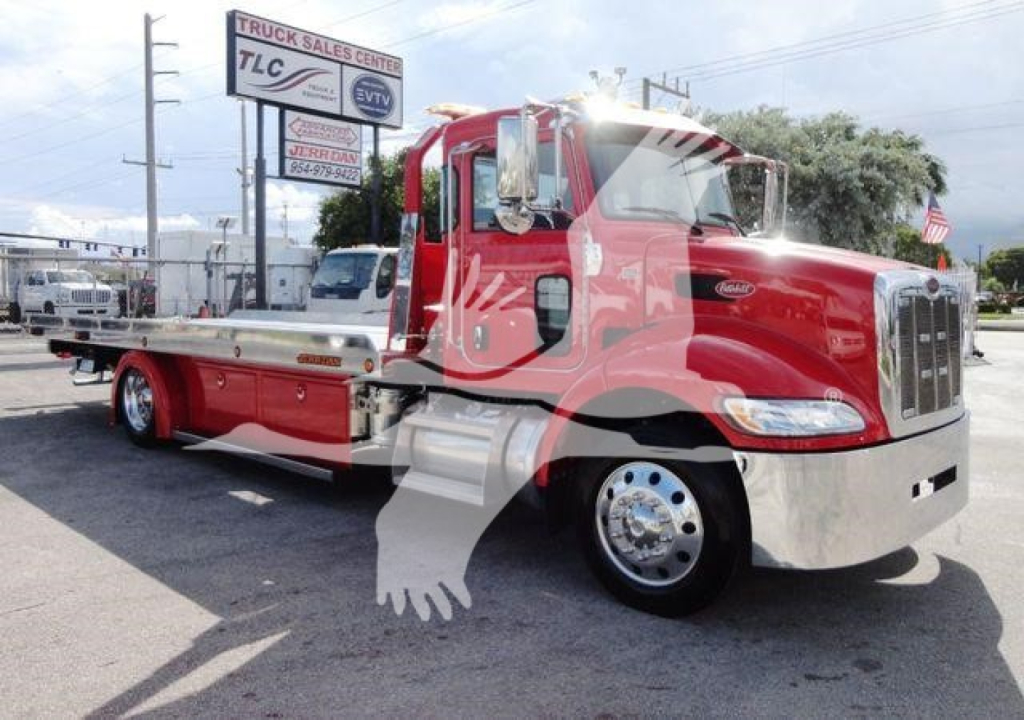
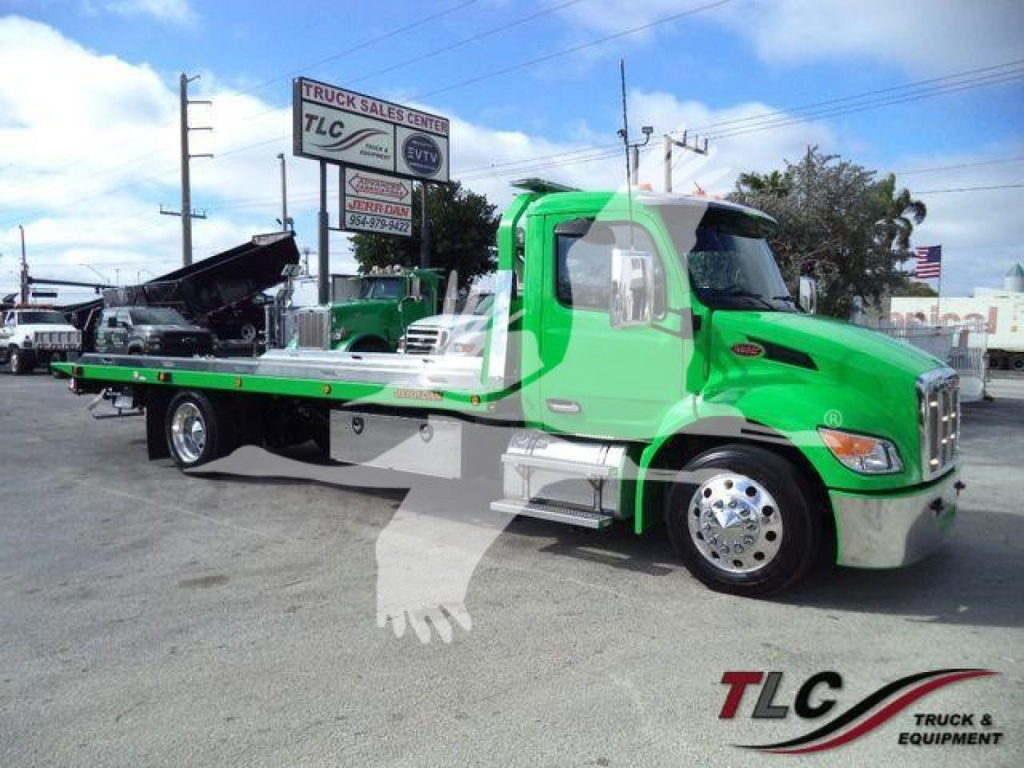
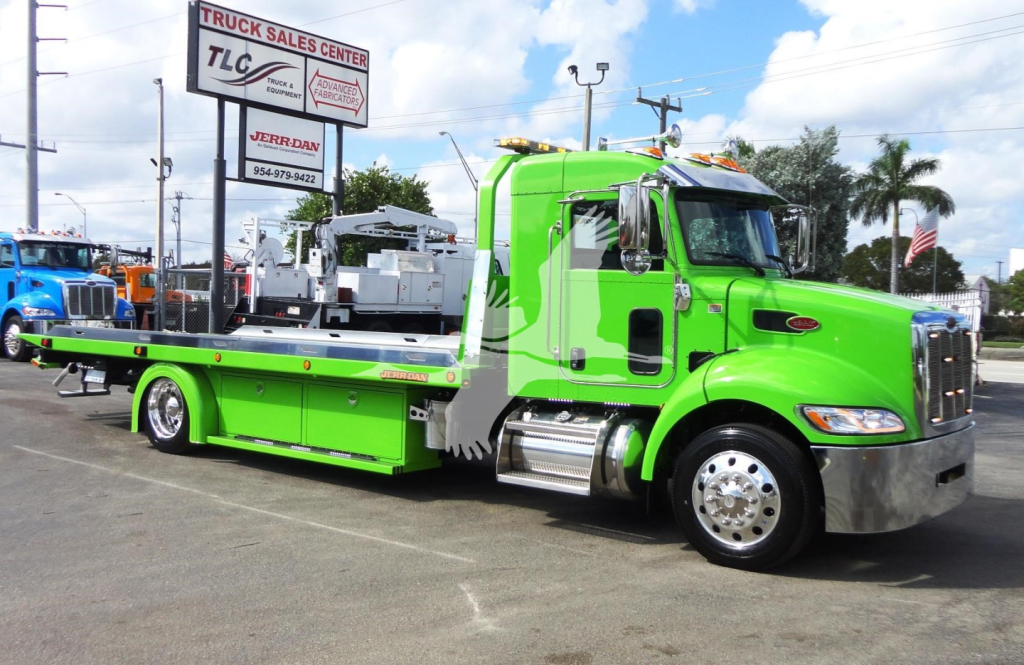
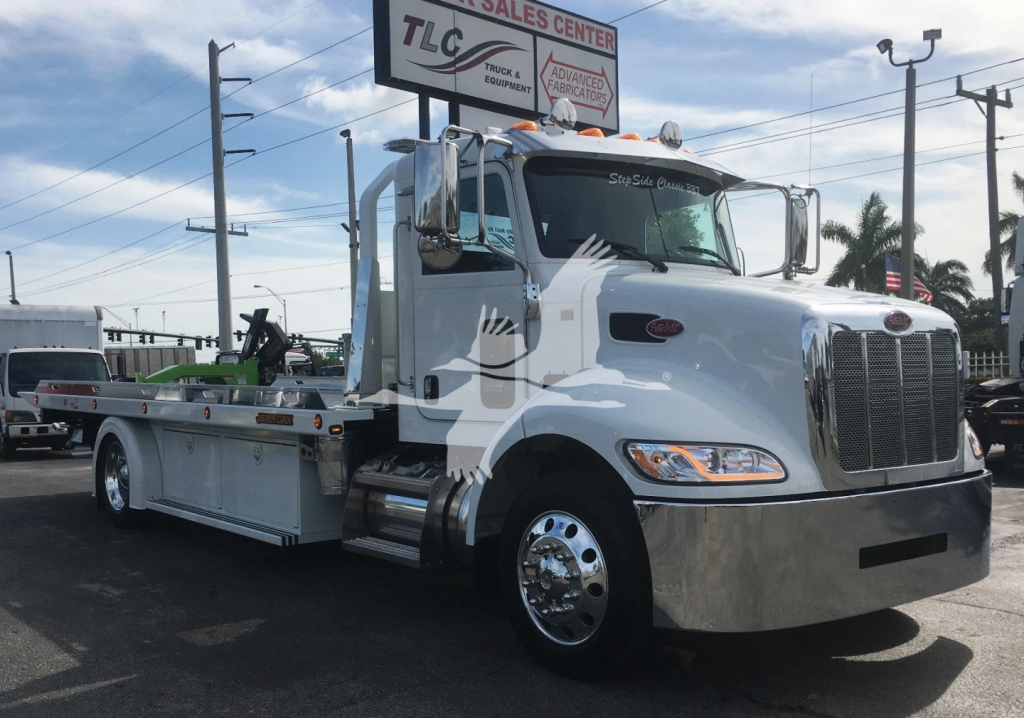
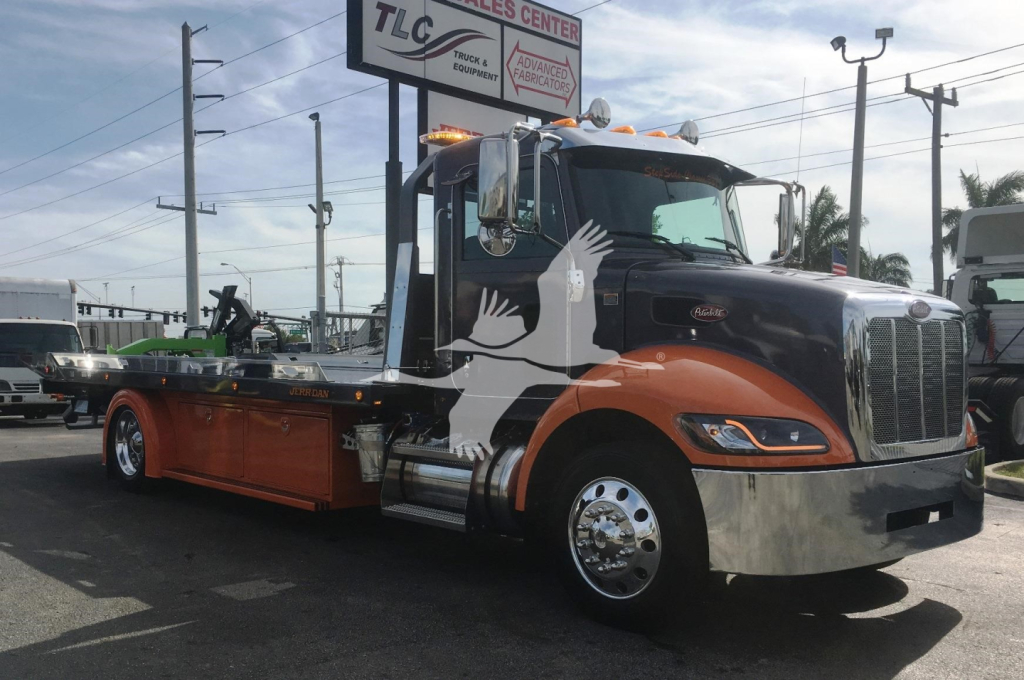
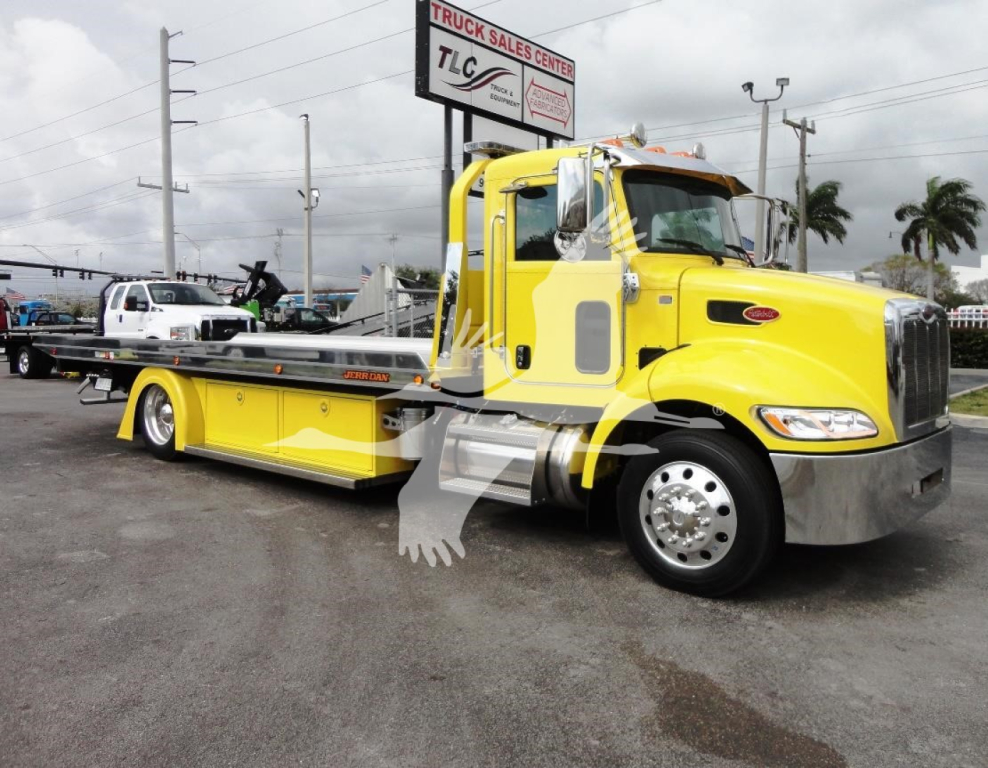
The body spec matters as much as the chassis. Most new Peterbilt rollback trucks are set up with 20-foot or 22-foot low-carrier beds, often 102 inches wide, with either steel or aluminum construction. Aluminum beds save weight and can help with payload and corrosion resistance in coastal Florida conditions, while steel beds are often preferred for durability in hard-use repossession and recovery work. Many buyers also look for XLP or low-center-of-gravity carrier designs, dual-angle or shark-style decks for reduced loading angle, an 8,000 lb class winch, and a 3,500 lb wheel lift with L-arms. If the truck will spend much of its time loading low-clearance cars, exotics, or forklifts, bed angle and deck height deserve as much attention as raw capacity.
Florida operators should also pay attention to visibility, lighting, and storage layout. A rollback working I-4, I-75, the Turnpike, or dense metro areas like Miami, Orlando, Tampa, and Jacksonville benefits from corner windows, backup cameras, heated mirrors, strong work lighting, and a well-integrated strobe package. Toolboxes, top trays, hose reels, dollies, GoJaks, chain storage, and side recovery systems all affect day-to-day efficiency more than many first-time buyers expect. The best setup depends on whether the truck is dedicated to clean transport, insurance tows, parking enforcement, accident response, or mixed fleet work. A clean transport-focused carrier may prioritize an aluminum deck and lower profile, while a recovery-focused unit may lean toward side recovery equipment, heavier storage, and more accessories mounted for quick roadside access.
When comparing new Peterbilt rollback trucks for sale, pay close attention to wheelbase, rear axle rating, tire size, fuel tank capacity, bed manufacturer, and control package. Jerr-Dan is a common body choice in this segment, and wireless remote controls, removable or fixed side rails, receiver tubes, jump-start kits, and integrated work lights are common upfits. A well-matched rollback should load easily, track straight with a vehicle on deck, and give the operator clear access to chains, straps, and wheel-lift gear without wasted motion. The right spec is less about chrome or appearance and more about deck geometry, chassis balance, towing equipment layout, and how efficiently the truck can turn calls in real Florida conditions.
Frequently Asked Questions about New Peterbilt Rollback Trucks in Florida
What size rollback bed is most common on a new Peterbilt rollback truck?
A 20-foot or 22-foot rollback bed is the most common configuration on a Peterbilt medium-duty carrier, usually at 102 inches wide. A 20-foot deck is often enough for standard passenger vehicles and light trucks, while a 22-foot deck gives more flexibility for longer vehicles, better positioning on the bed, and easier weight distribution. Buyers handling mixed transport work usually compare bed length alongside wheel lift capacity, loading angle, and deck height rather than choosing on length alone.
Is a steel or aluminum rollback bed better for Florida use?
Both can be the right choice, but they serve different priorities. Aluminum beds reduce weight and offer strong corrosion resistance, which is valuable in Florida's humidity and coastal environments. Steel beds are typically favored for rugged daily recovery work because they can feel more robust in heavy-use situations. If the truck will focus on vehicle transport and maximizing usable payload, aluminum often makes sense. If it will see tougher recovery service, frequent dragging, or rougher commercial use, steel may be the better fit.
Do most new Peterbilt rollback trucks come with a wheel lift and winch?
Yes, many new Peterbilt rollback carriers are equipped with both. A common setup includes a wheel lift rated around 3,500 lbs with L-arms and a hydraulic winch in the 8,000 lb class. That combination allows the truck to load disabled vehicles onto the deck and also tow an additional vehicle position when the body and local regulations allow. Buyers should confirm the exact ratings, remote-control functions, and how the wheel lift integrates with the carrier body.
What chassis specs matter most on a Peterbilt rollback?
The key chassis specs are GVWR, front and rear axle ratings, engine horsepower and torque, transmission, brake type, suspension, and wheelbase. Many buyers in this segment target a 26,000 lb GVWR truck with air brakes, air ride suspension, and an Allison automatic transmission because that setup is proven in towing service and offers good driver control in traffic. The wheelbase and axle placement matter because they directly affect bed length compatibility, weight balance, and how the truck handles with a vehicle loaded.
What features improve day-to-day productivity on a rollback tow truck?
Productivity comes from layout and access. Wireless bed controls, a low loading angle, clear deck lighting, well-placed toolboxes, chain racks, hose reels, backup cameras, and a practical strobe package all help an operator work faster and safer. Side recovery systems, dollies, jump-start connections, and receiver tubes can also reduce setup time on roadside calls. On a rollback, small equipment layout decisions often have a bigger impact on daily revenue than cosmetic upgrades.