
New 2022 Peterbilt Rollback Trucks For Sale in Florida
Shop new 2022 Peterbilt rollback trucks in Florida. Learn key specs, carrier options, bed sizes, payload factors, and towing features.
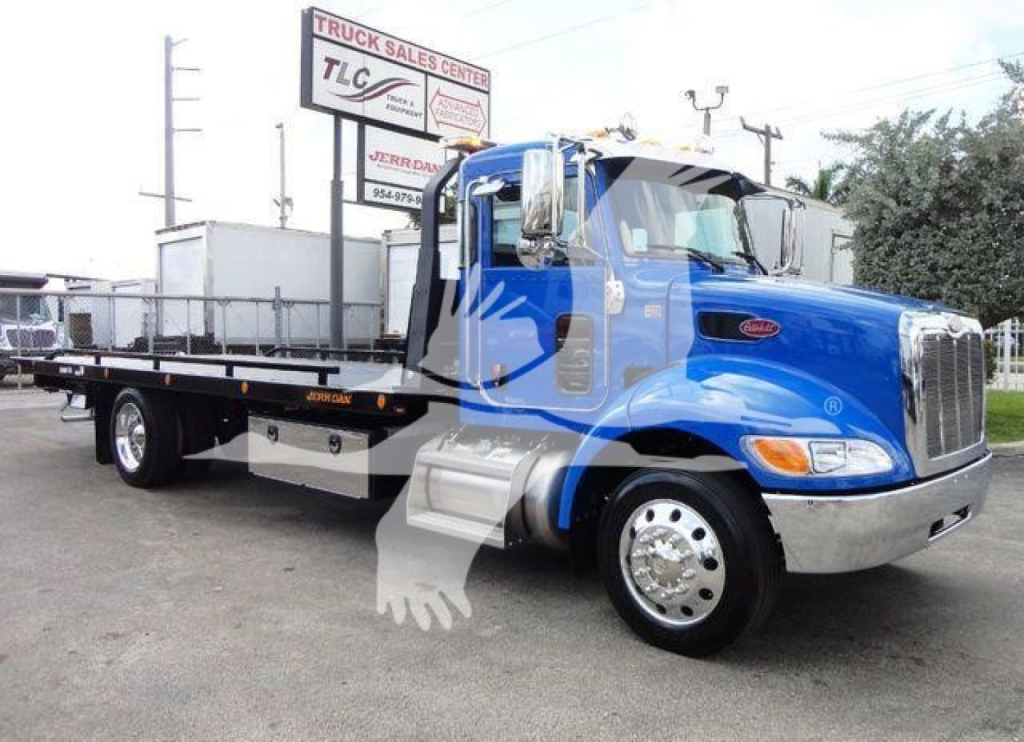
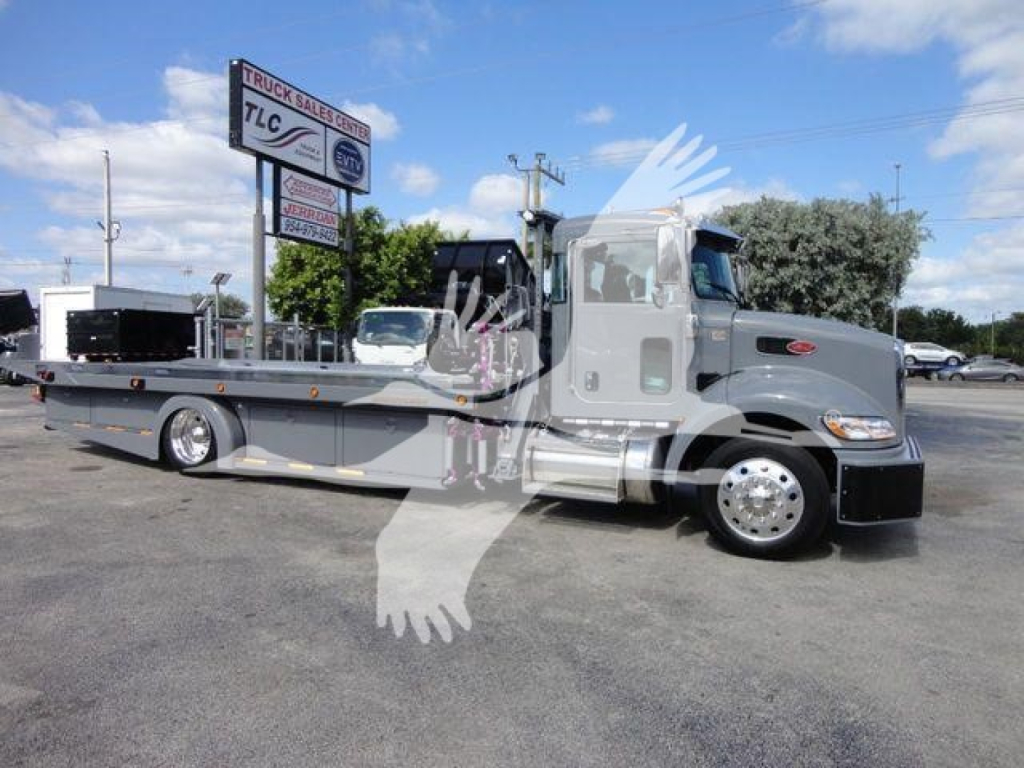
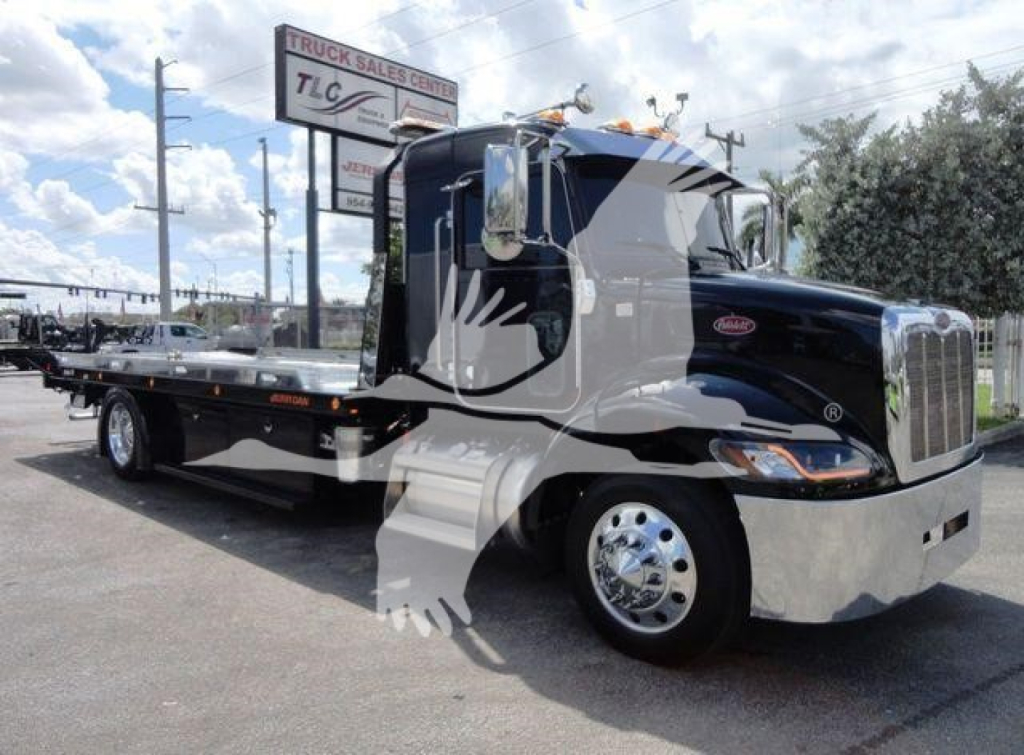
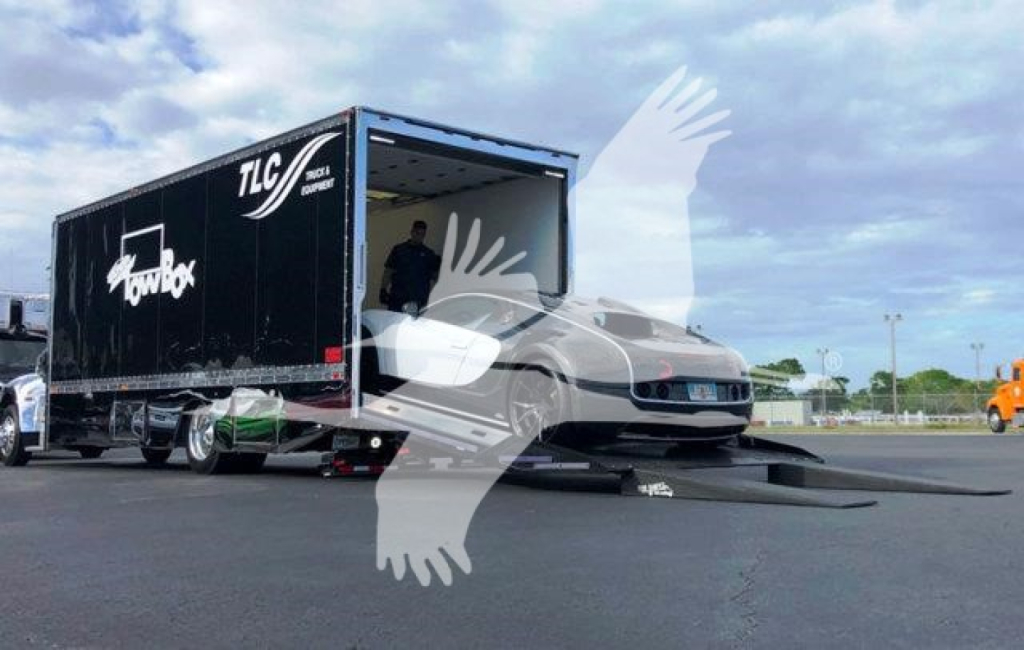
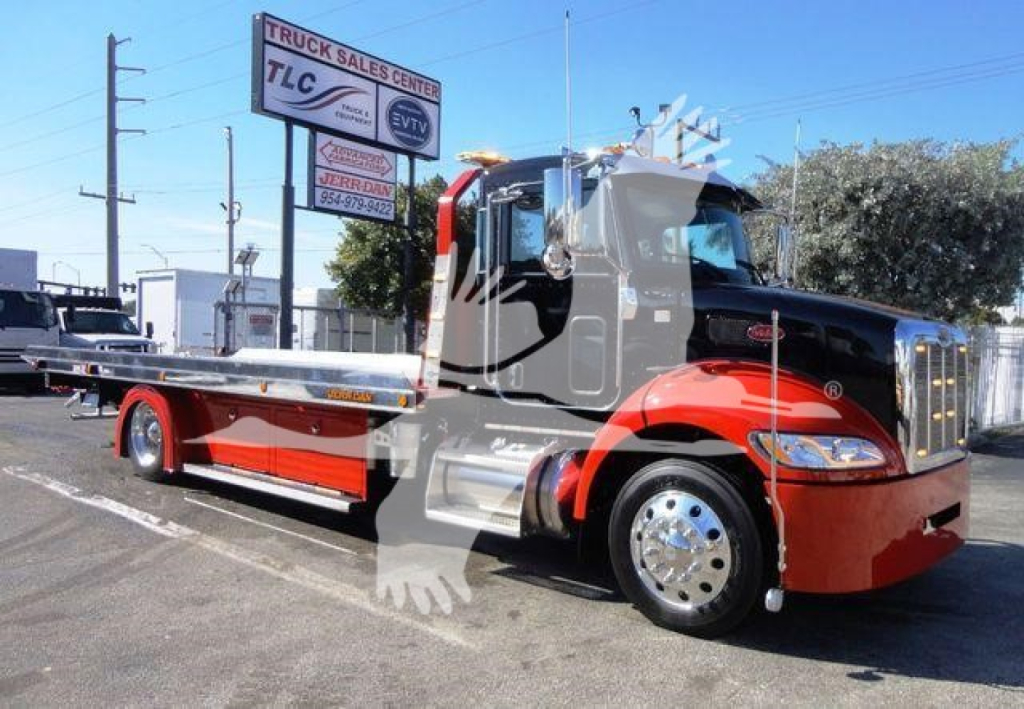
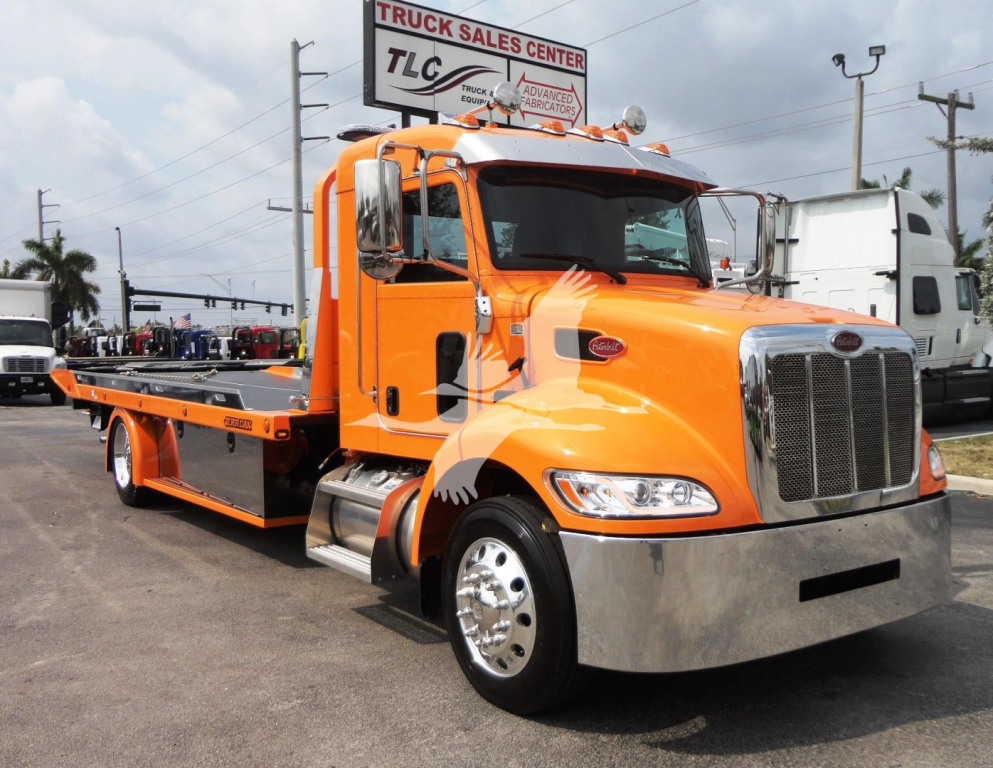
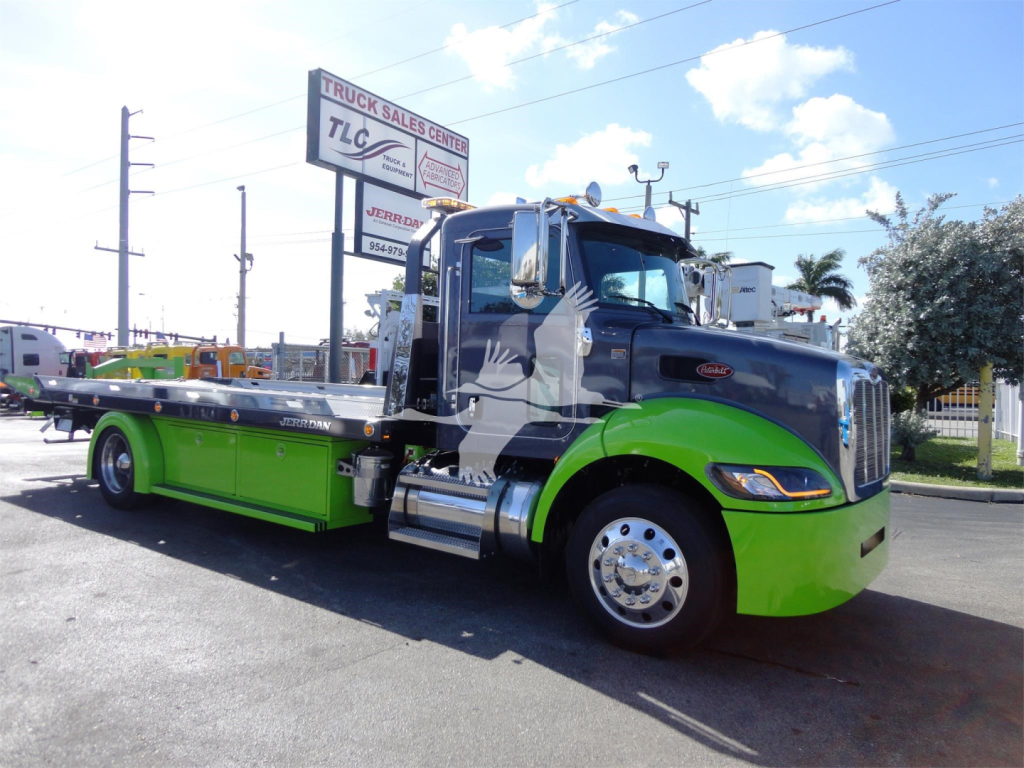
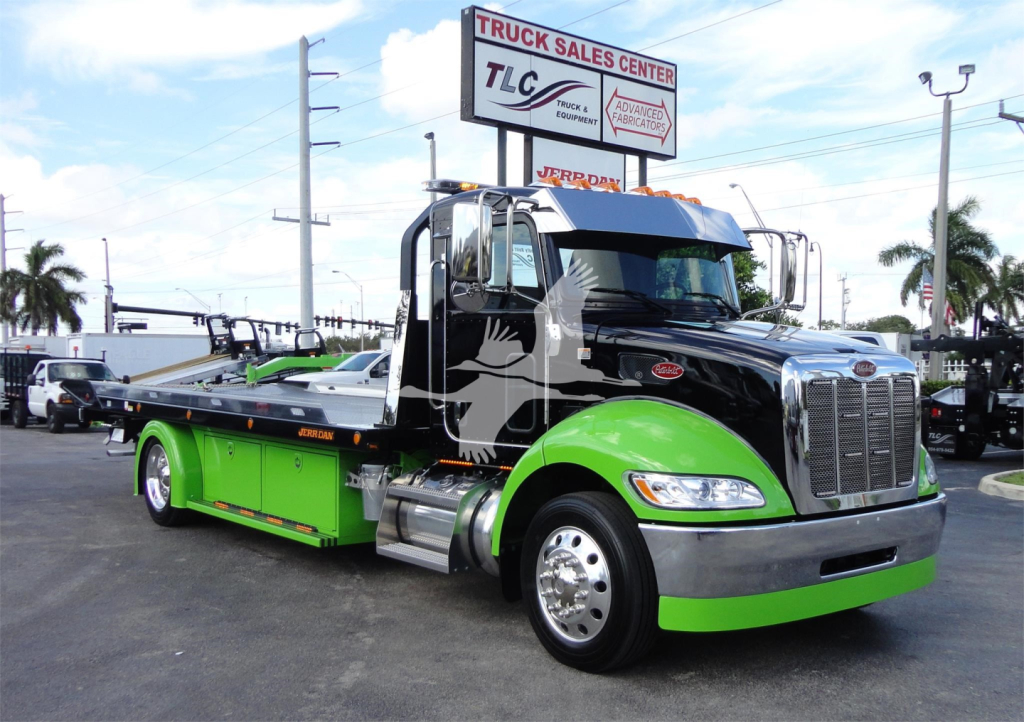
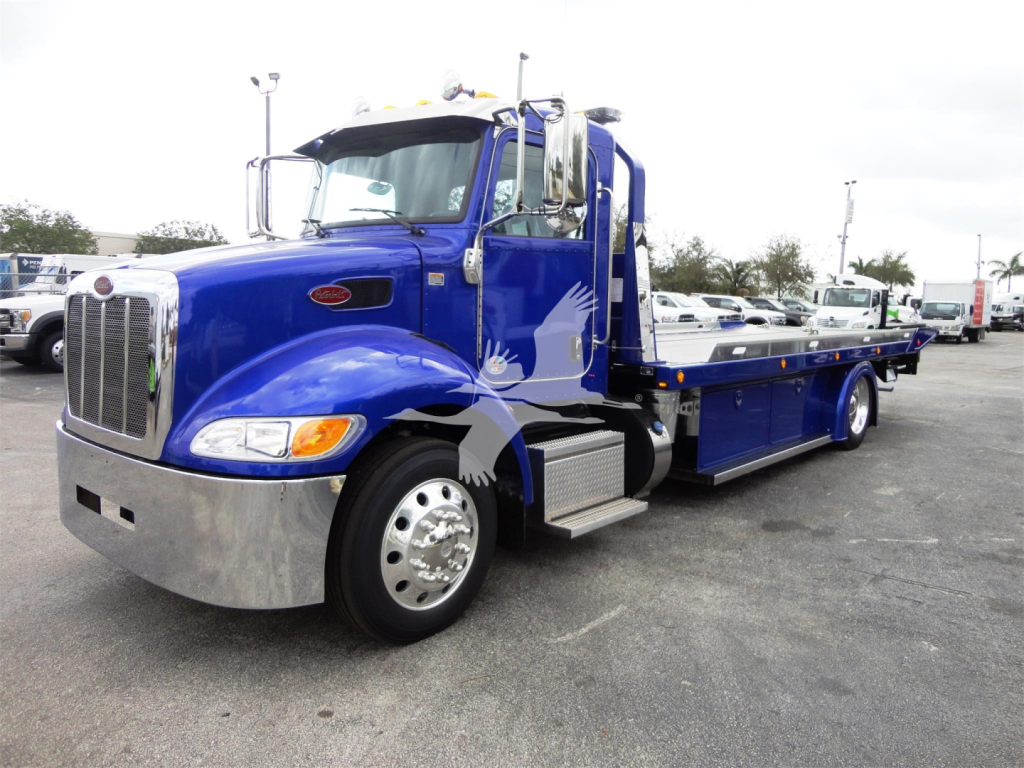
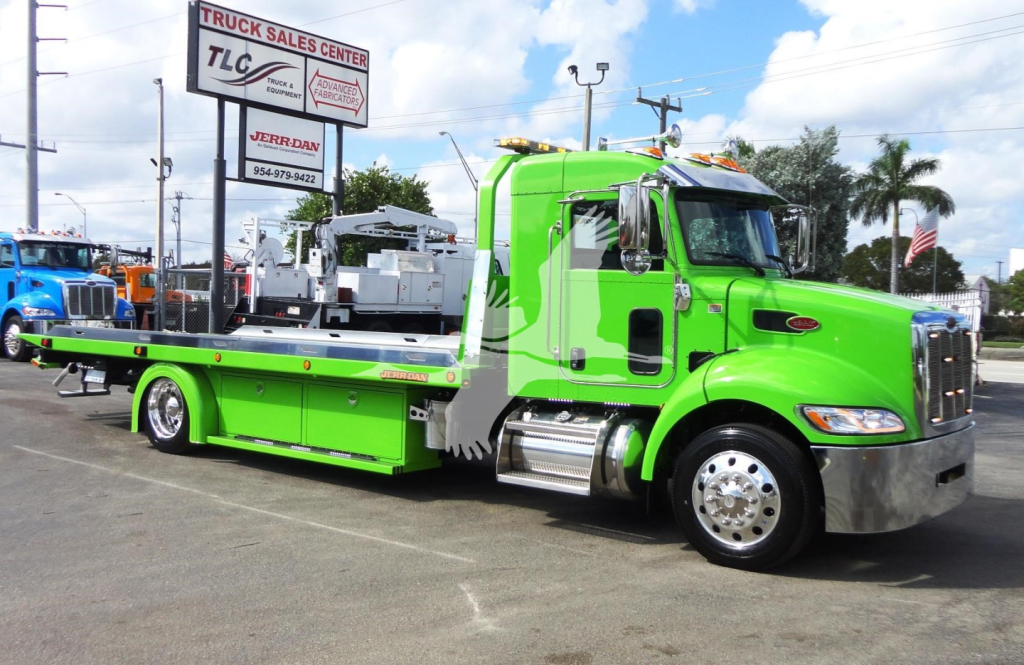
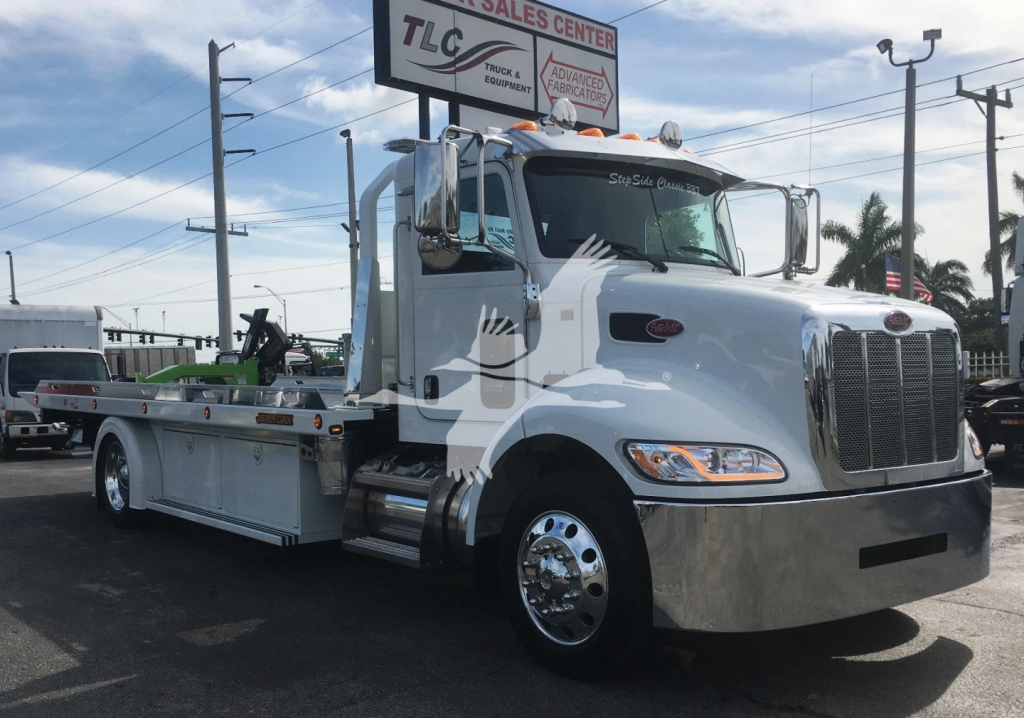
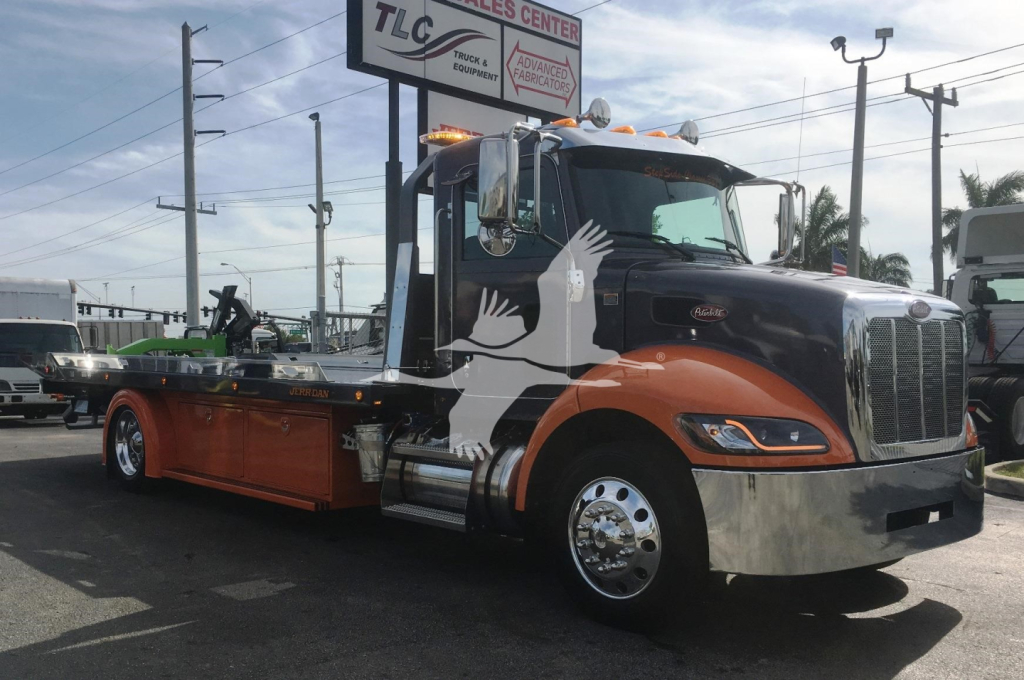
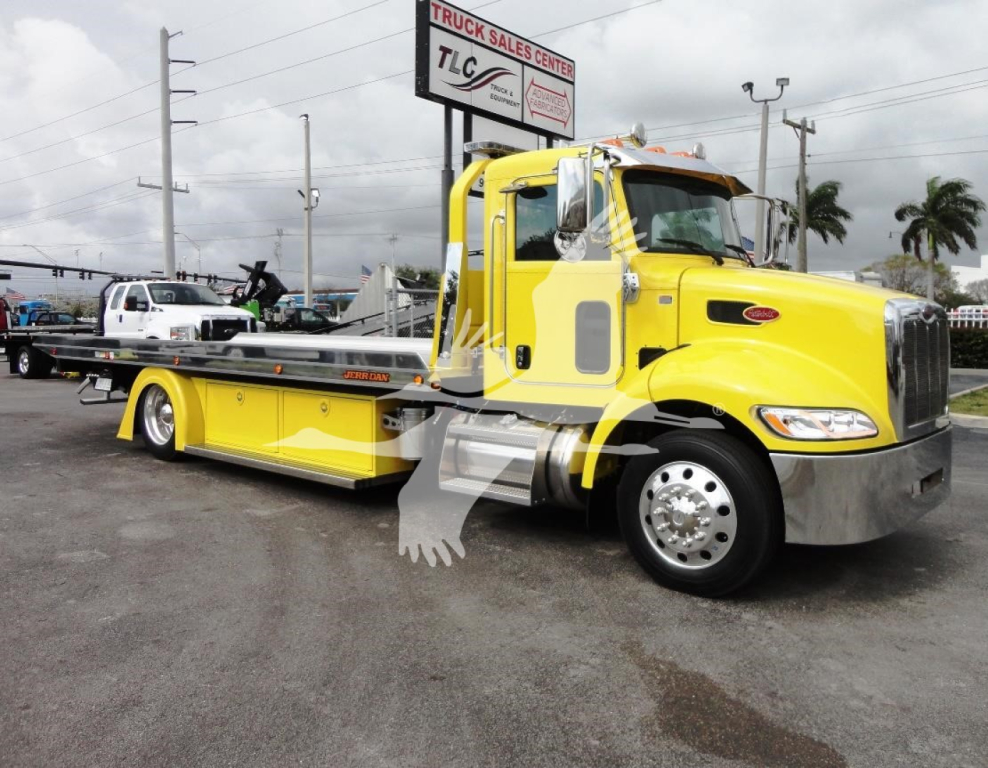
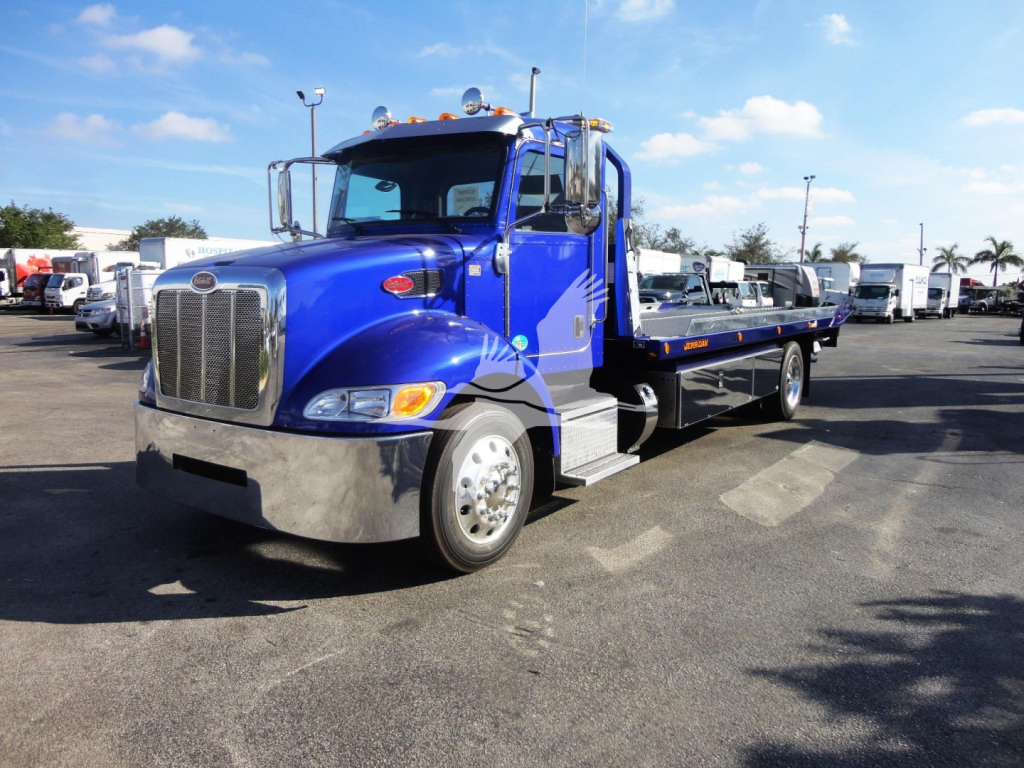
Selling a new 2022 peterbilt rollback truck? List your new 2022 peterbilt rollback truck for sale and reach thousands of commercial buyers.
New 2022 Peterbilt Rollback Trucks in Florida
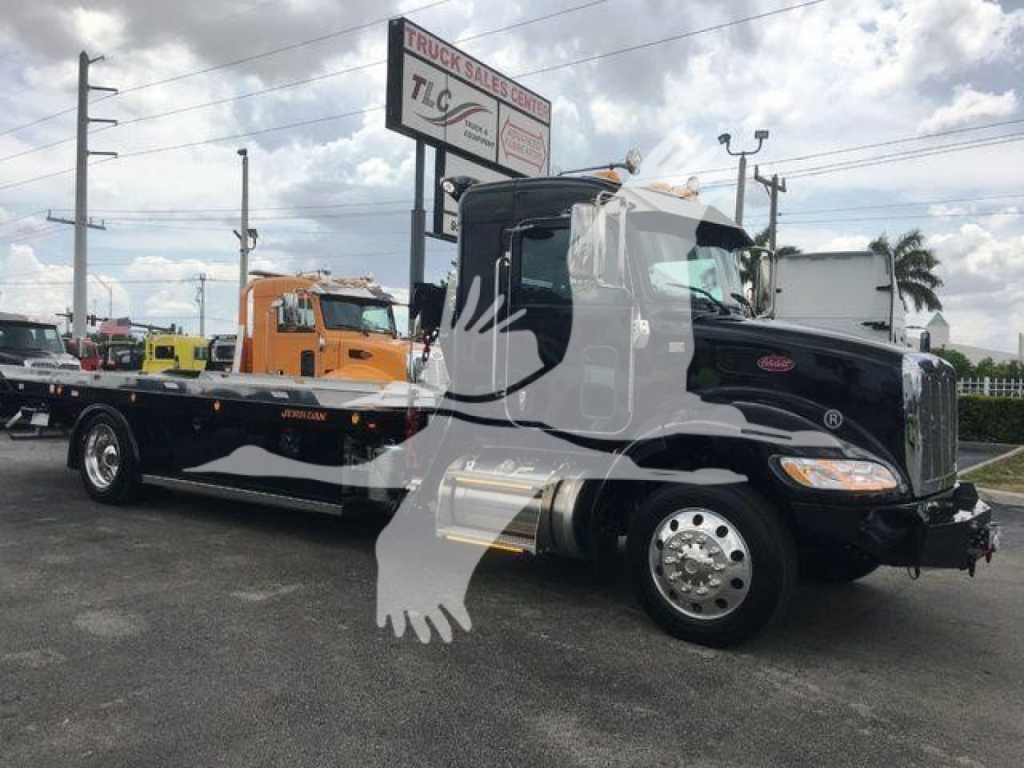
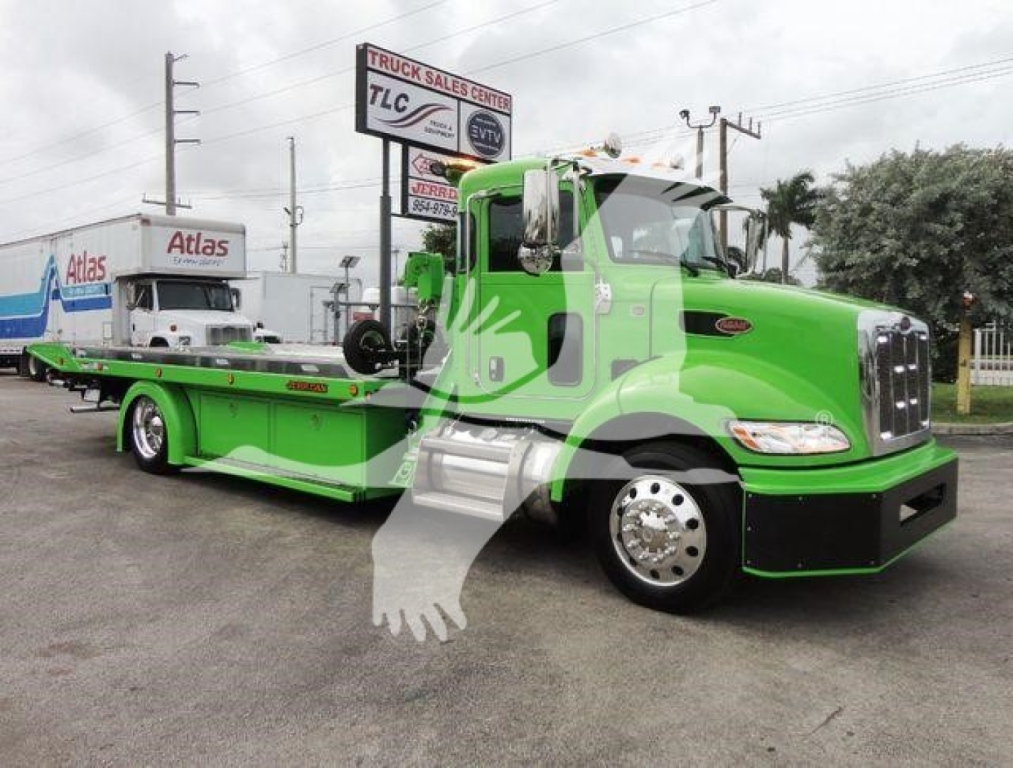
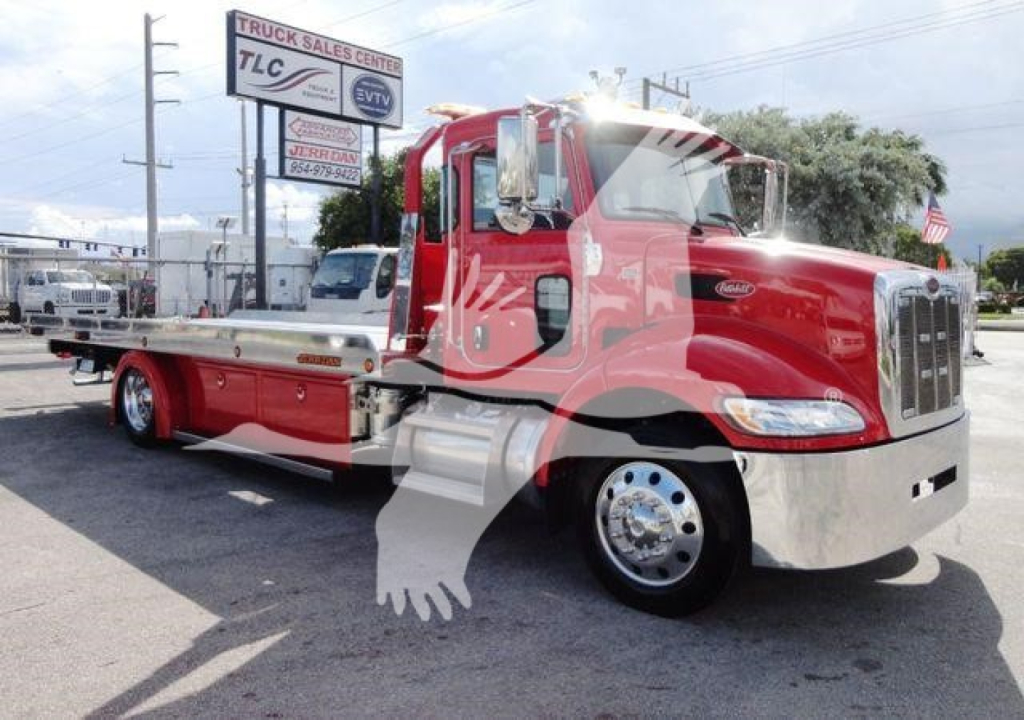
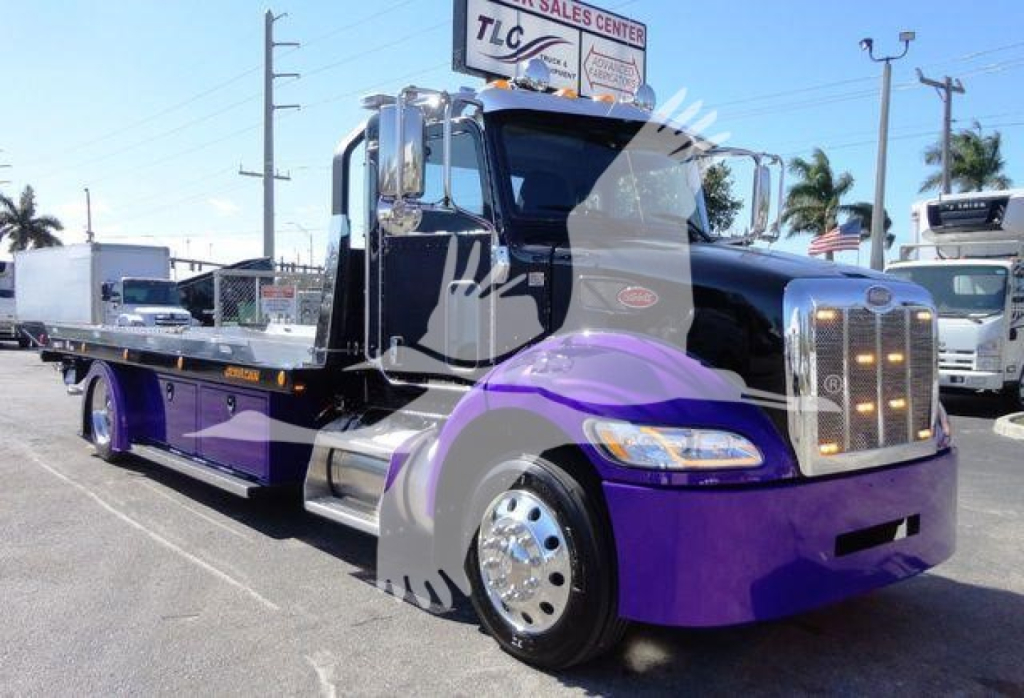
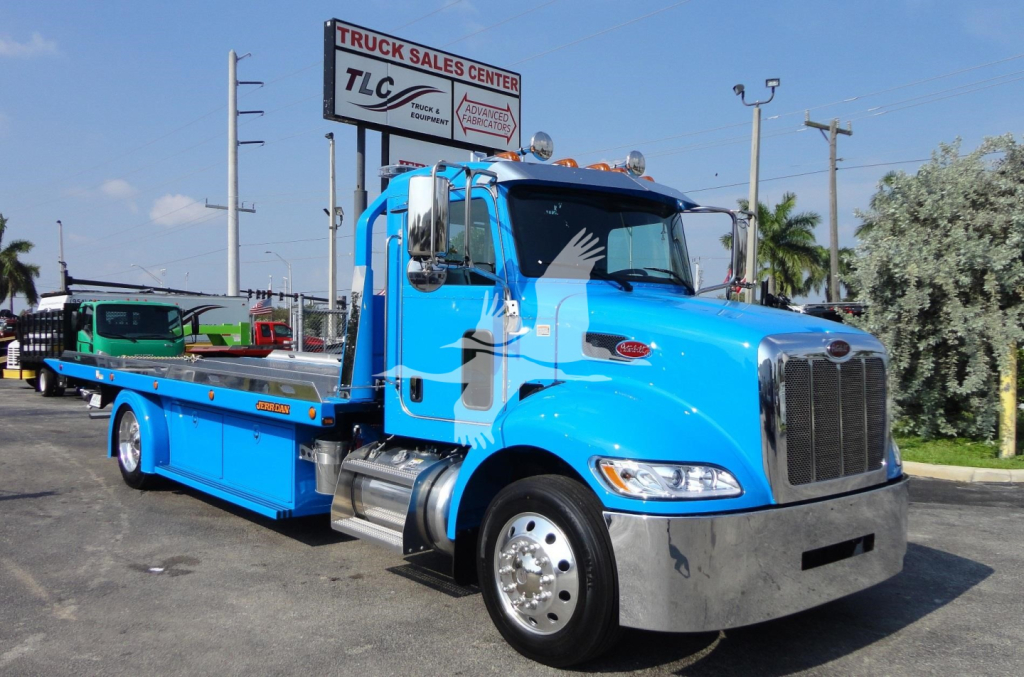
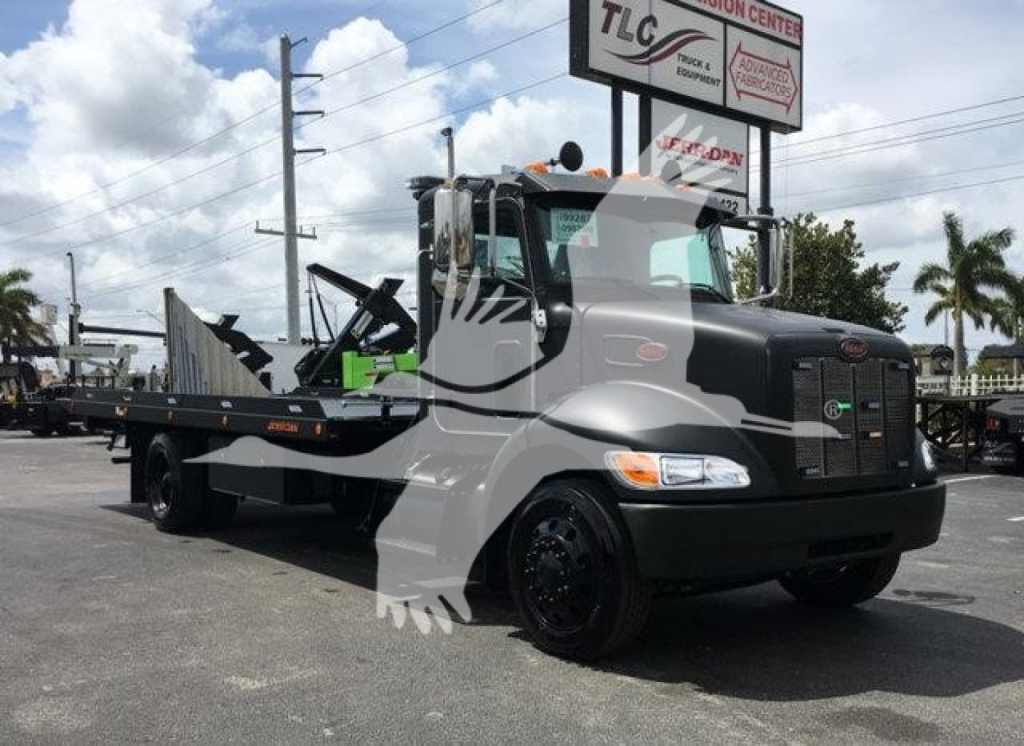
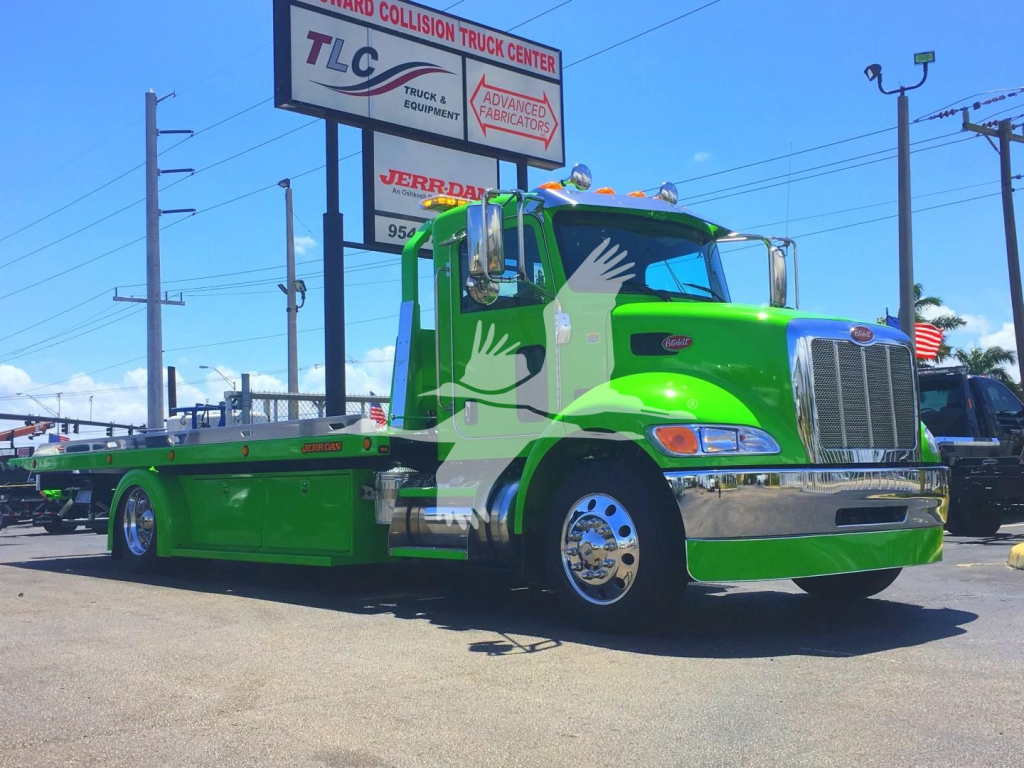
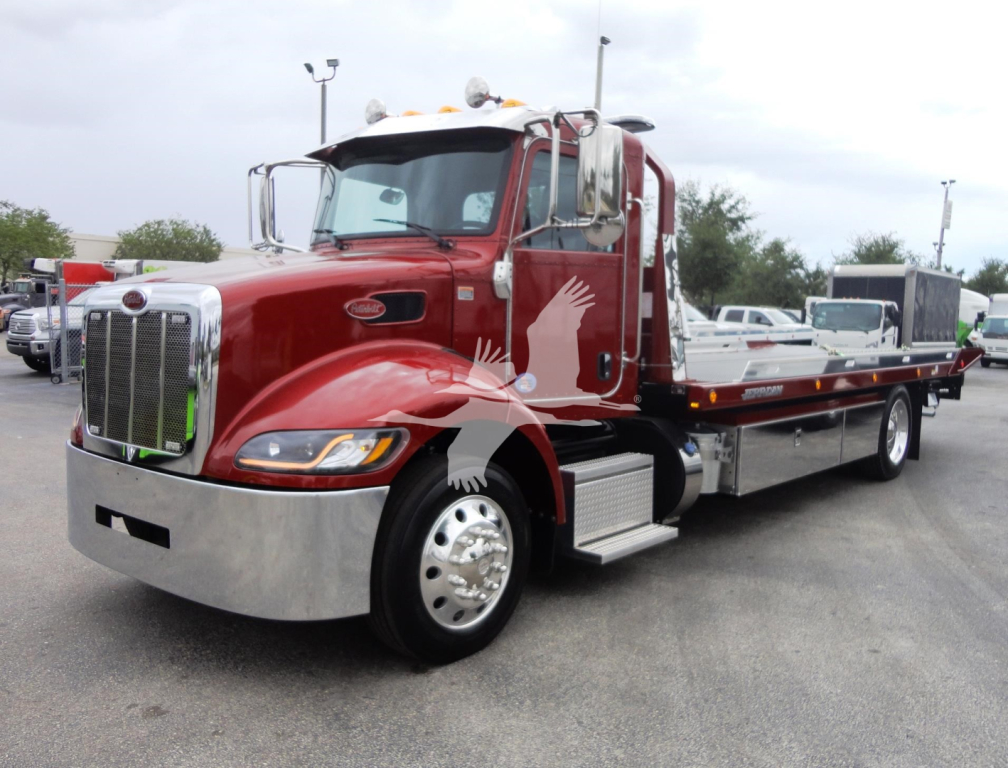
The main decisions are deck material, deck length, and recovery equipment. A 20-foot bed can be easier to maneuver in tighter metro work, while a 22-foot bed gives more flexibility for longer wheelbase pickups, SUVs, and some light equipment. Low-profile or LCG-style decks reduce loading angle and help with low-clearance vehicles. Steel beds usually cost less and hold up well in hard daily service, while aluminum beds cut weight and can improve usable payload. Many trucks in this class carry a 6-ton deck rating, an 8,000-lb winch, and a 3,500-lb wheel lift with L-arms, which is a strong all-around combination for repossession work, retail towing, and transport jobs that occasionally require a tow-behind setup.
On the chassis side, expect a Cummins PX-7 6.7L diesel around 300 horsepower, paired with an Allison automatic such as the 2200RDS. That setup is popular because it is straightforward to operate, well suited to stop-and-go towing, and matched to medium-duty service intervals. A 26,000-lb GVWR is common, often with a 10,000-lb front axle and 20,000-lb rear axle, which keeps many units CDL-exempt depending on actual operating weight and local rules. Air brakes, air ride suspension, locking differentials, low-profile 22.5 tires, and aluminum wheels are all features buyers should compare because they affect ride quality, traction, serviceability, and long-day driver comfort.
A serious rollback spec is more than chassis and bed. Buyers should look closely at toolbox capacity, wireless remote functions, side recovery systems, deck lighting, backup cameras, and how the wheel lift and rear accessories are integrated. Toolboxes, top trays, hose reels, dollies, jump-start leads, receiver tubes with 7-way plugs, and strobe packages all matter when the truck is working multiple calls per shift. If your work mix includes exotics, lowered cars, or frequent night recovery, features like dual-angle decks, removable or fixed blade rails, extra work lights, and side recovery equipment can be more important than chrome or cosmetic upgrades. The best 2022 Peterbilt rollback truck is the one whose bed length, weight, and recovery setup match the vehicles you load every day.
Frequently Asked Questions about New 2022 Peterbilt Rollback Trucks in Florida
What is the typical bed size on a 2022 Peterbilt rollback truck?
Most 2022 Peterbilt rollback trucks in this class use a 20-foot or 22-foot carrier bed, usually 102 inches wide. A 20-foot bed is often preferred for tighter city maneuvering, while a 22-foot bed offers better flexibility for crew-cab pickups, longer SUVs, and some compact equipment. Bed width and low-profile deck design also affect how easily wider vehicles can be loaded and secured.
Is a Peterbilt 337 rollback usually CDL required?
Many Peterbilt 337 rollback trucks are built at 26,000-lb GVWR, which can place them below the federal CDL threshold. Actual CDL requirements still depend on combined weight, state regulations, endorsements, and how the truck is used in service. Buyers should verify the door sticker GVWR, axle ratings, and planned operating weights before assuming a truck is CDL-exempt.
Should I choose a steel rollback bed or an aluminum rollback bed?
A steel bed is generally favored for lower upfront cost and rugged daily-use durability. An aluminum bed reduces body weight, which can improve legal payload and may help with corrosion resistance in humid coastal environments such as Florida. The better choice depends on your work mix, expected payload, and how important weight savings are to your operation.
What towing and recovery equipment is common on this category?
Common specs include a 6-ton carrier, an 8,000-lb winch, and a 3,500-lb wheel lift with L-arms. Many units also include wireless bed controls, side recovery systems, dollies, toolbox packages, work lights, and LED strobe lighting. These features determine how well the truck handles standard vehicle transport, recovery access, and quick turnaround on roadside calls.
Why do buyers look for a low-profile or LCG rollback deck?
A low-profile or LCG deck lowers the loading angle, which helps when loading low-clearance cars, performance vehicles, and damaged vehicles with limited rolling ability. It also reduces the chance of bumper or underbody contact during loading. For operators handling mixed traffic from everyday sedans to specialty vehicles, this design can make the truck more versatile and reduce loading complications.