
Peterbilt Rollback Trucks For Sale
Shop Peterbilt rollback trucks with carrier beds, winches, and wheel lifts. Compare 337 and 348 specs, GVWR, bed ratings, and towing setups.
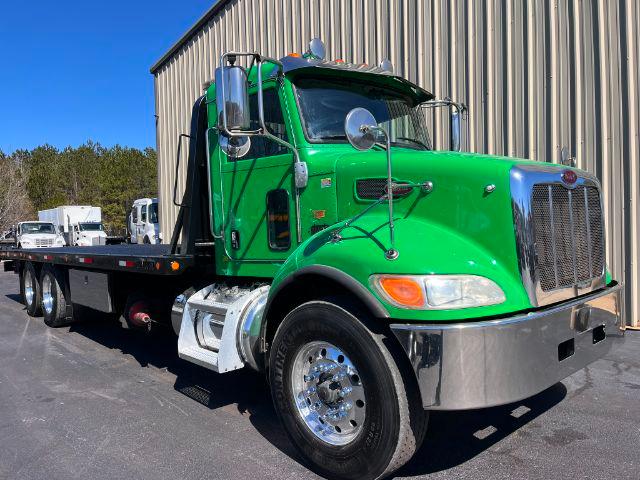
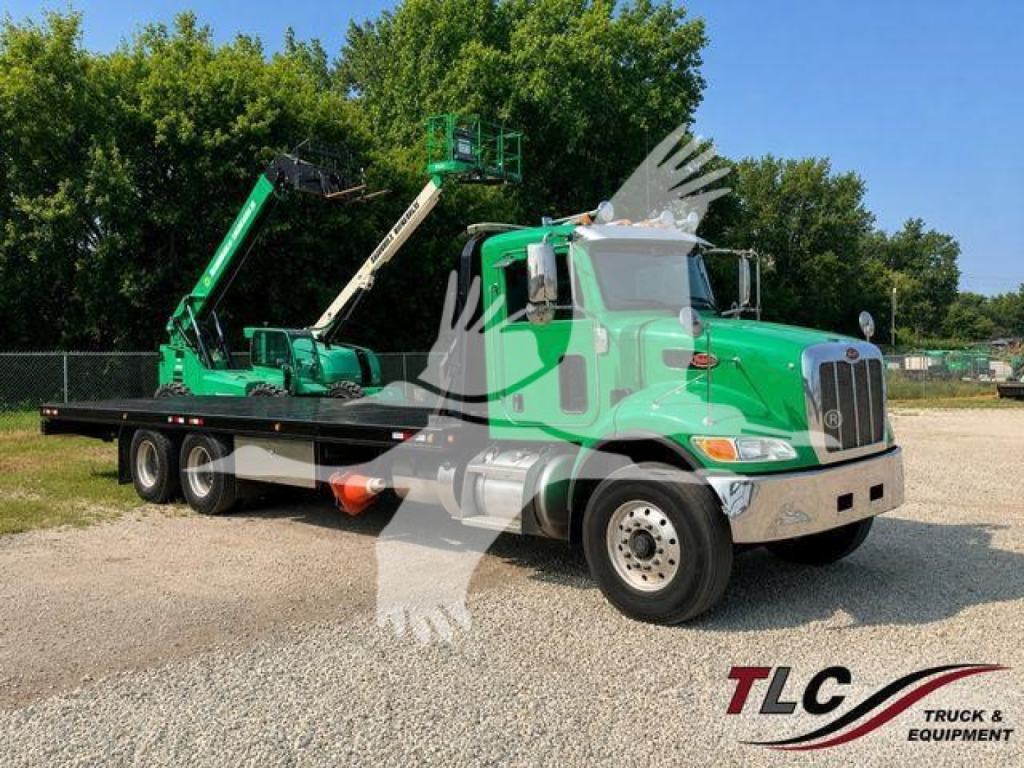
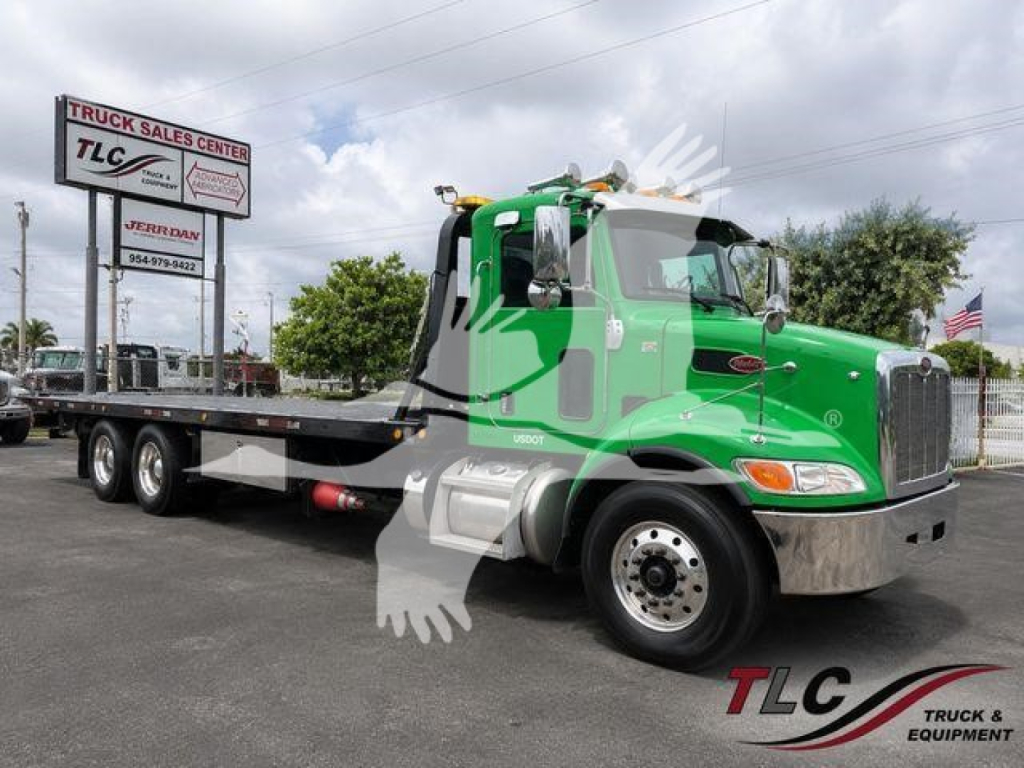
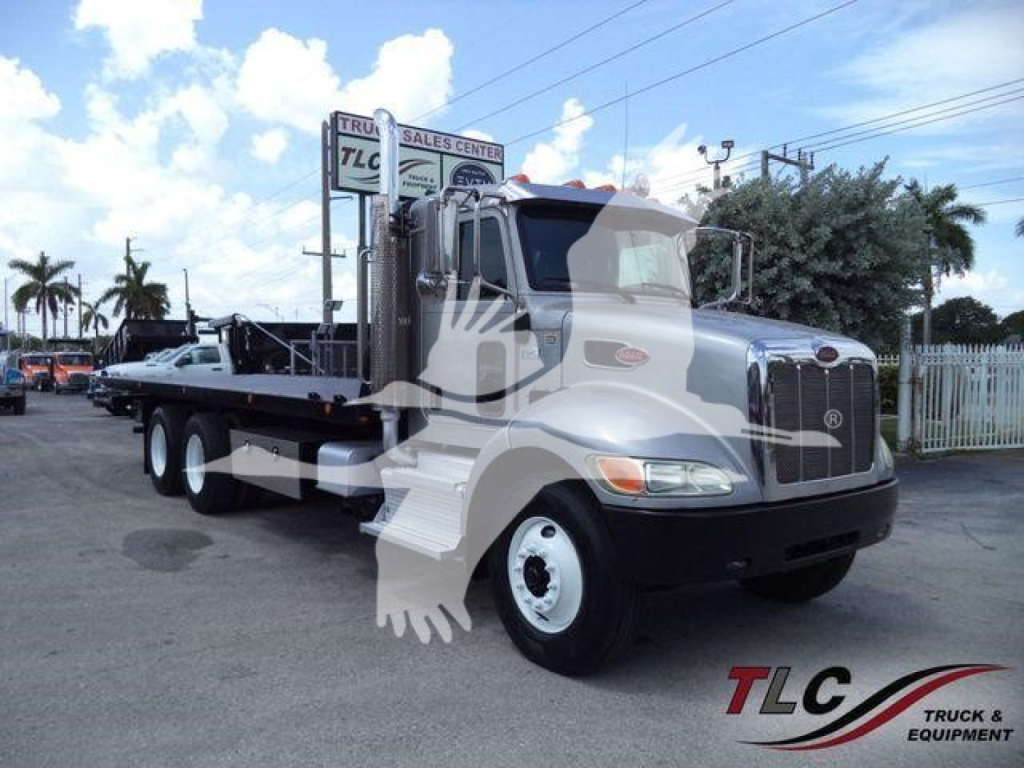
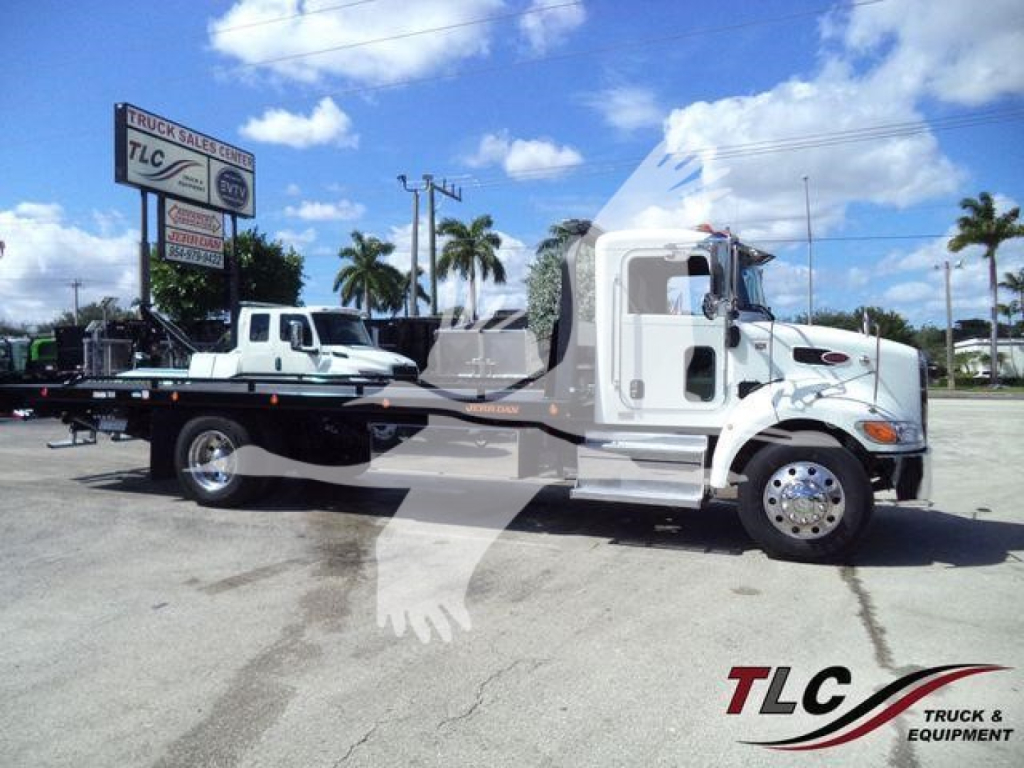
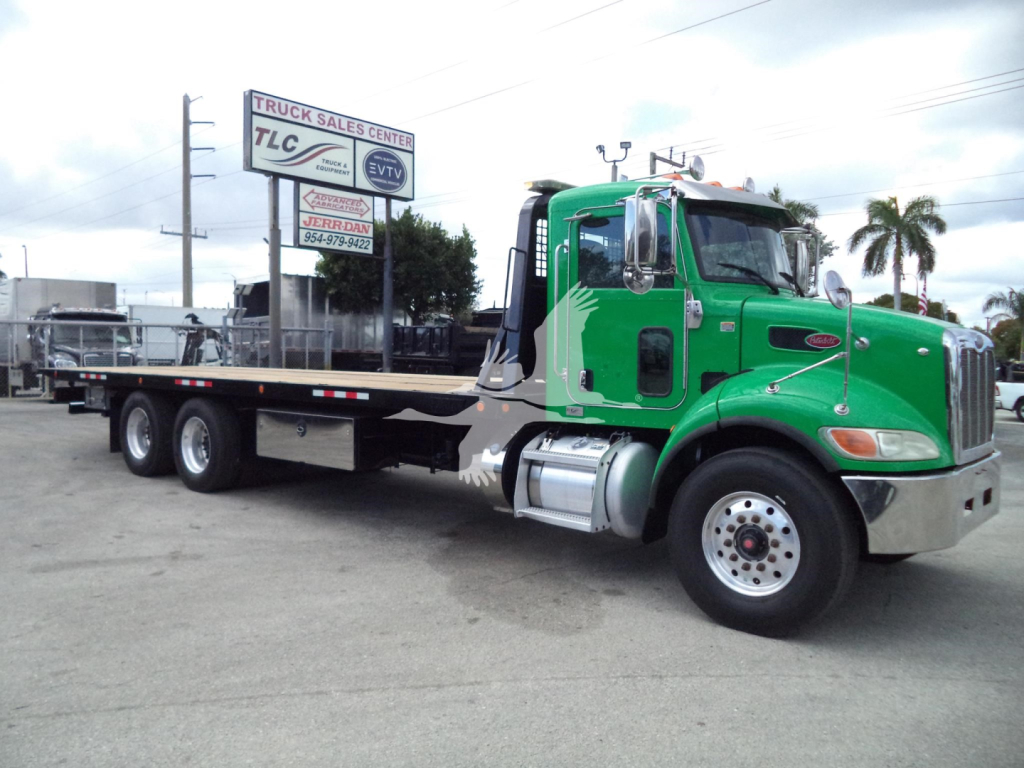
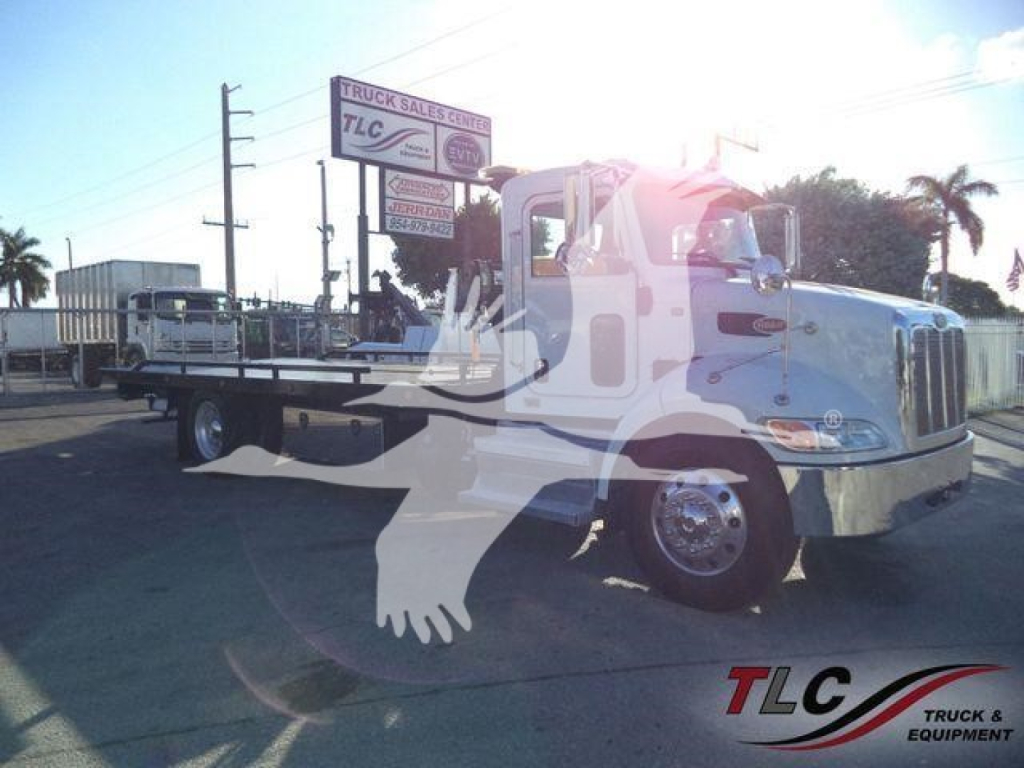
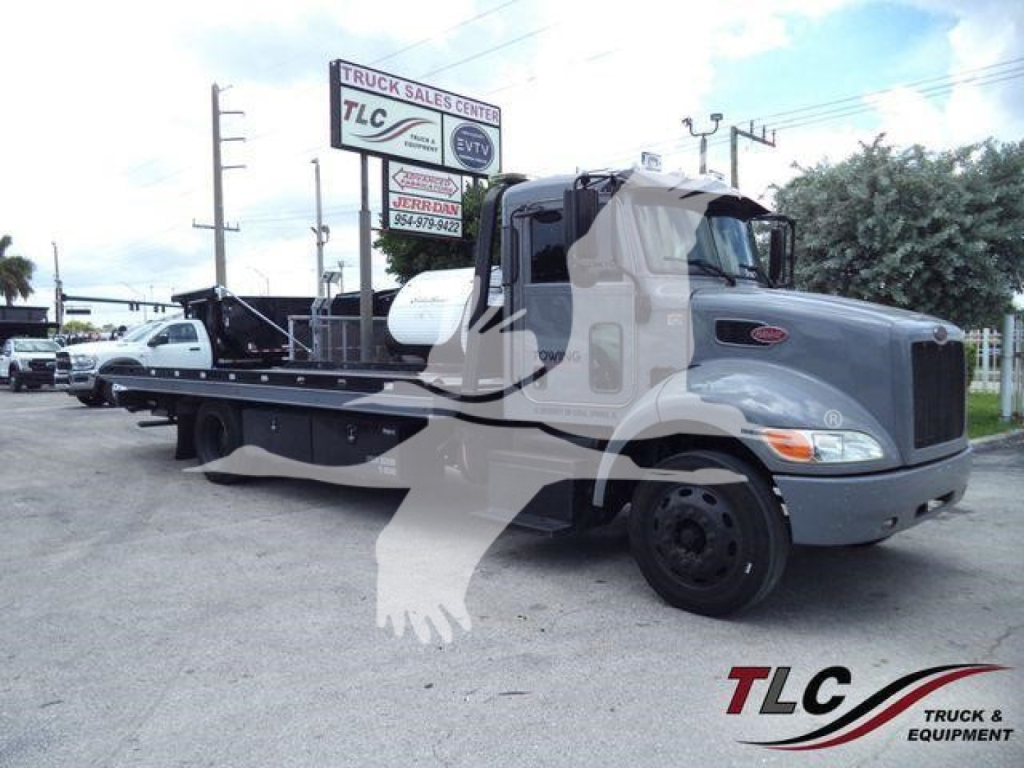
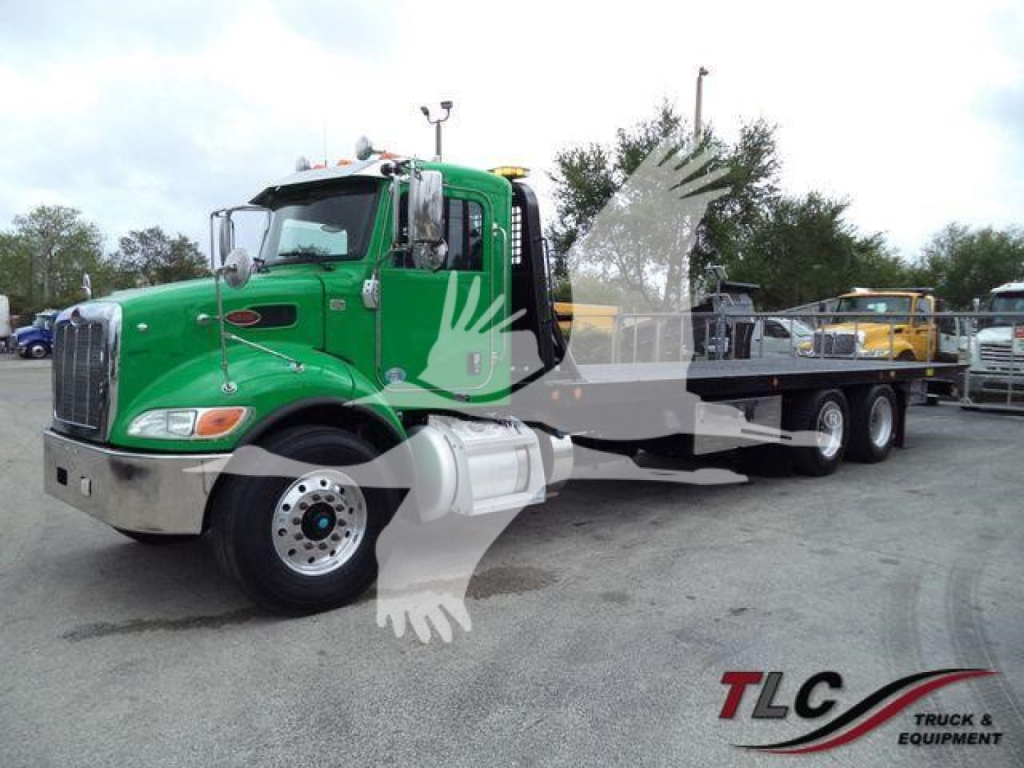
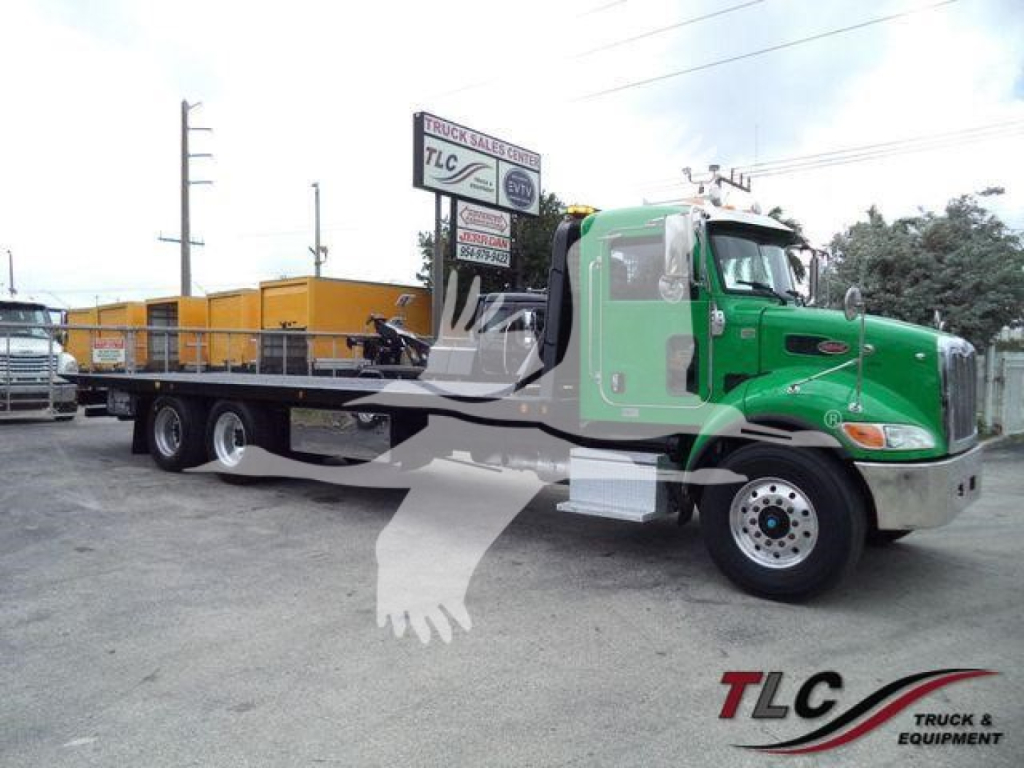
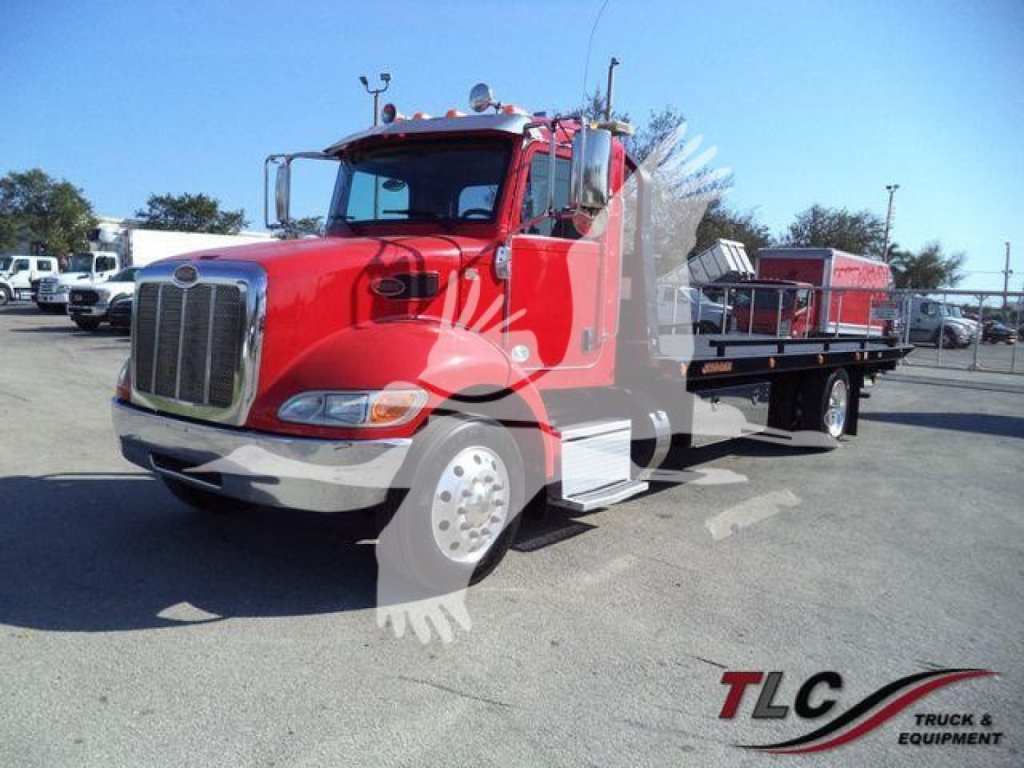
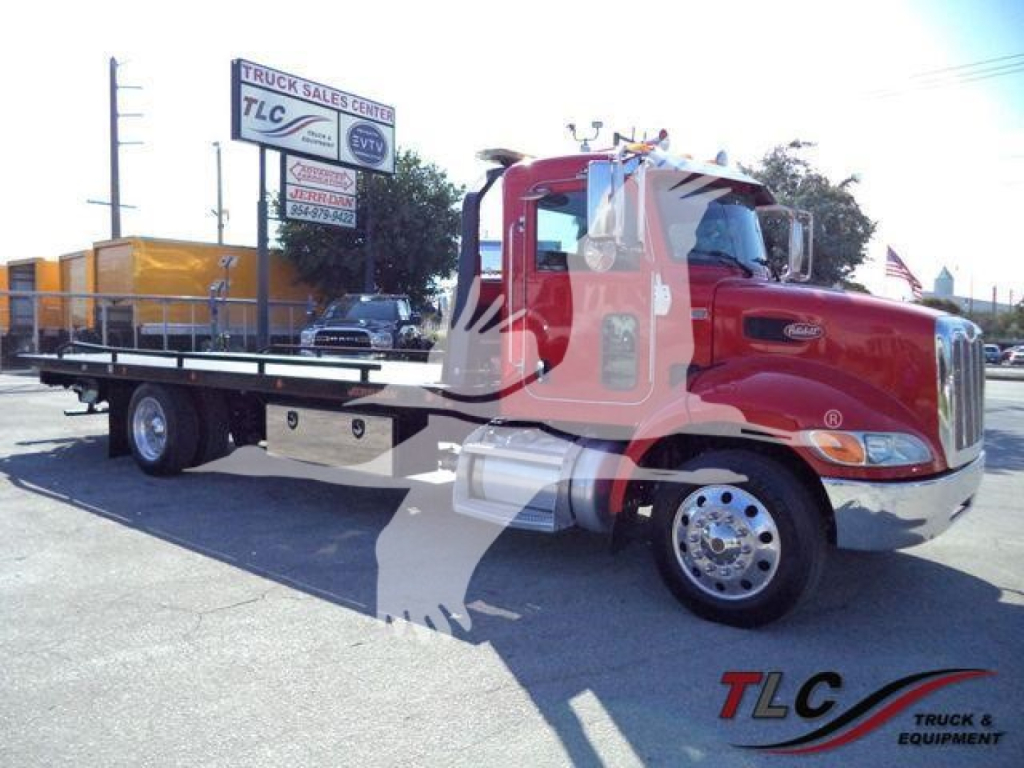
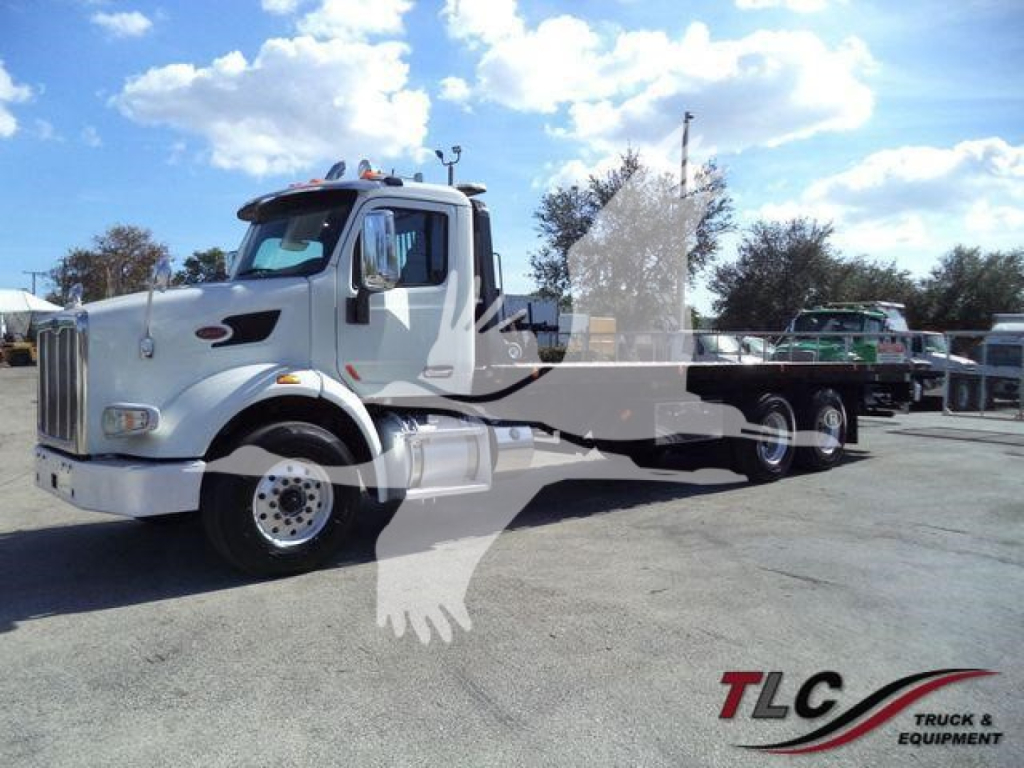
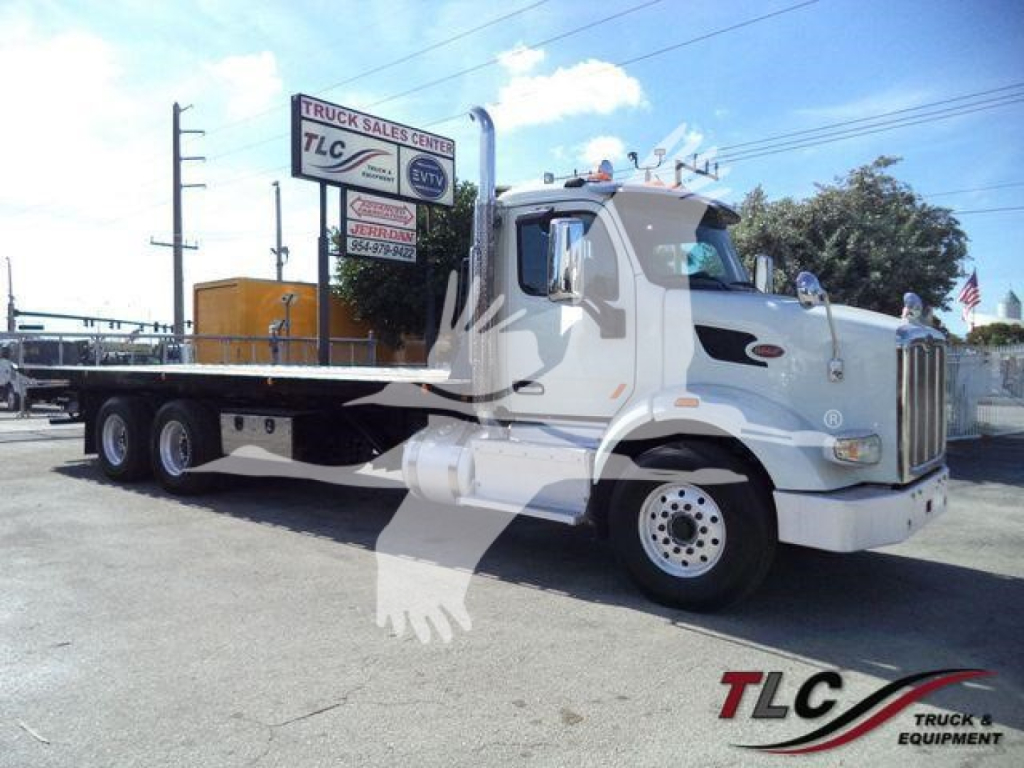
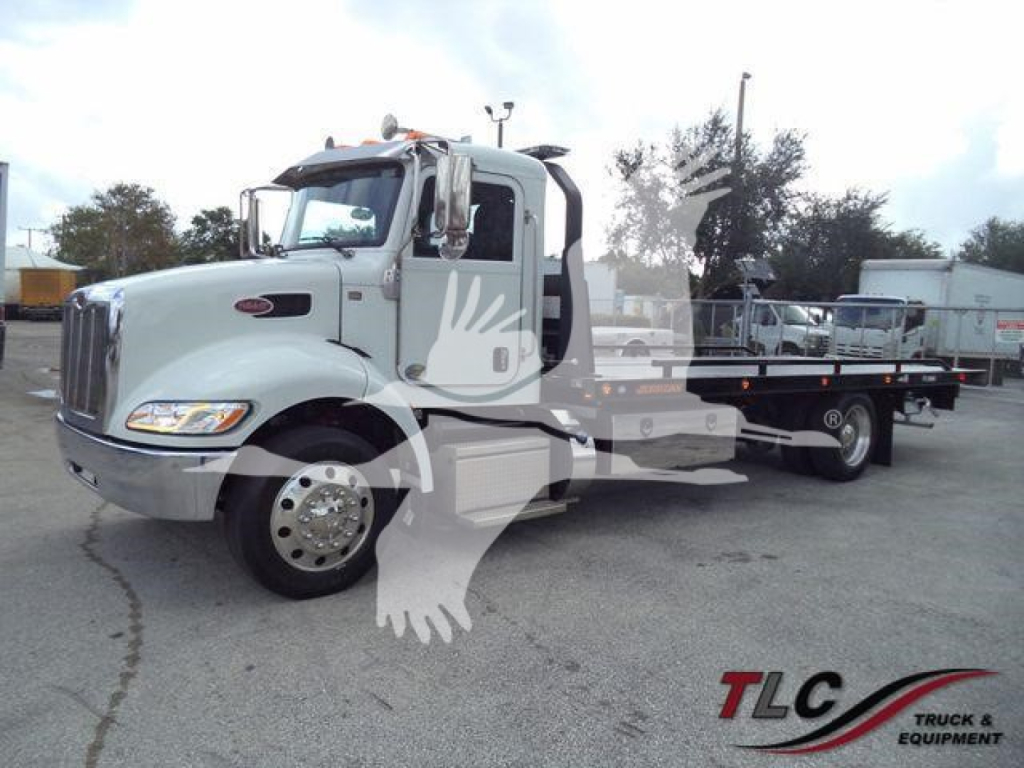
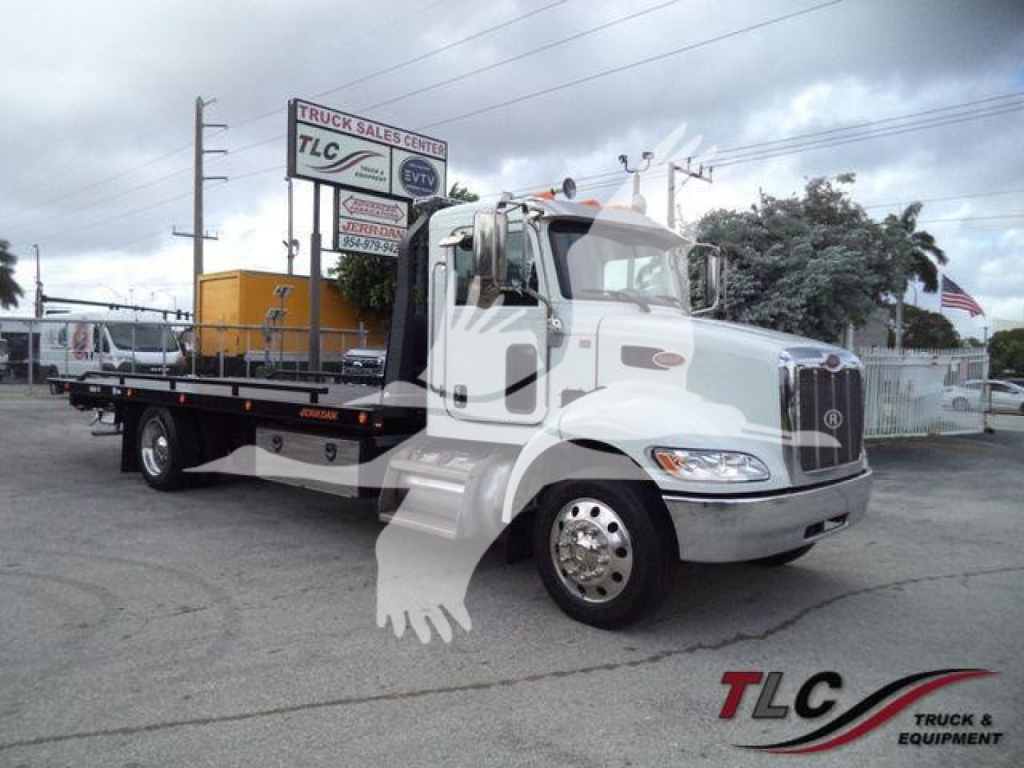
Showing 1 to 28 of 56 results
Selling a peterbilt rollback truck? List your peterbilt rollback truck for sale and reach thousands of commercial buyers.
Peterbilt Rollback Trucks
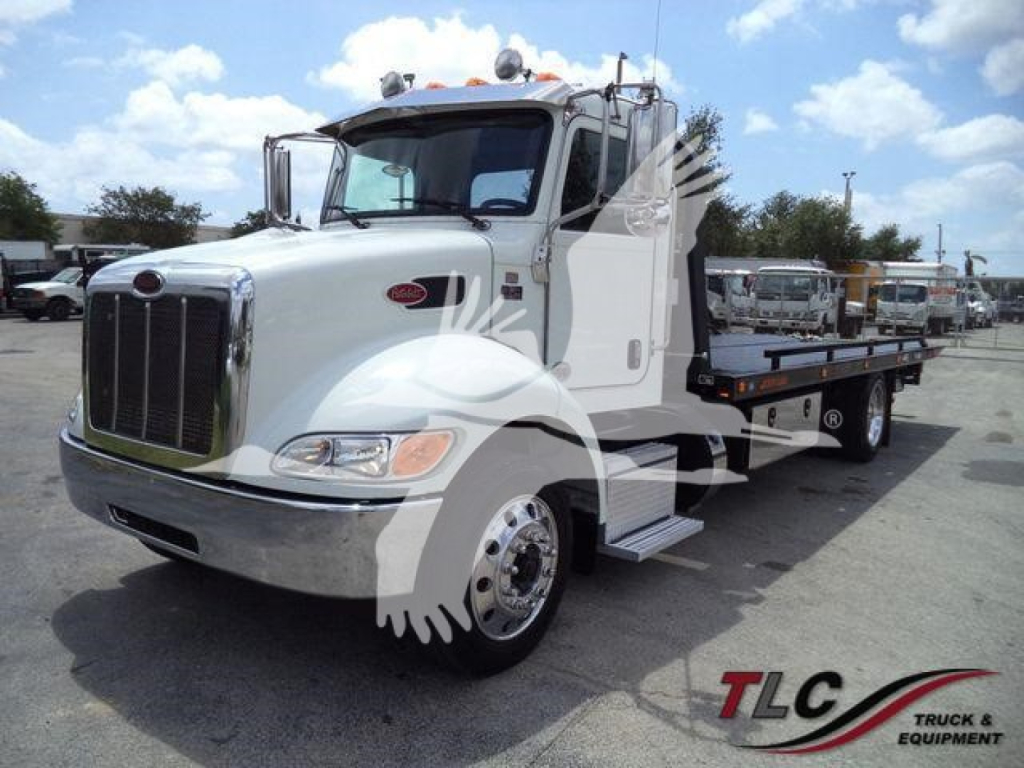
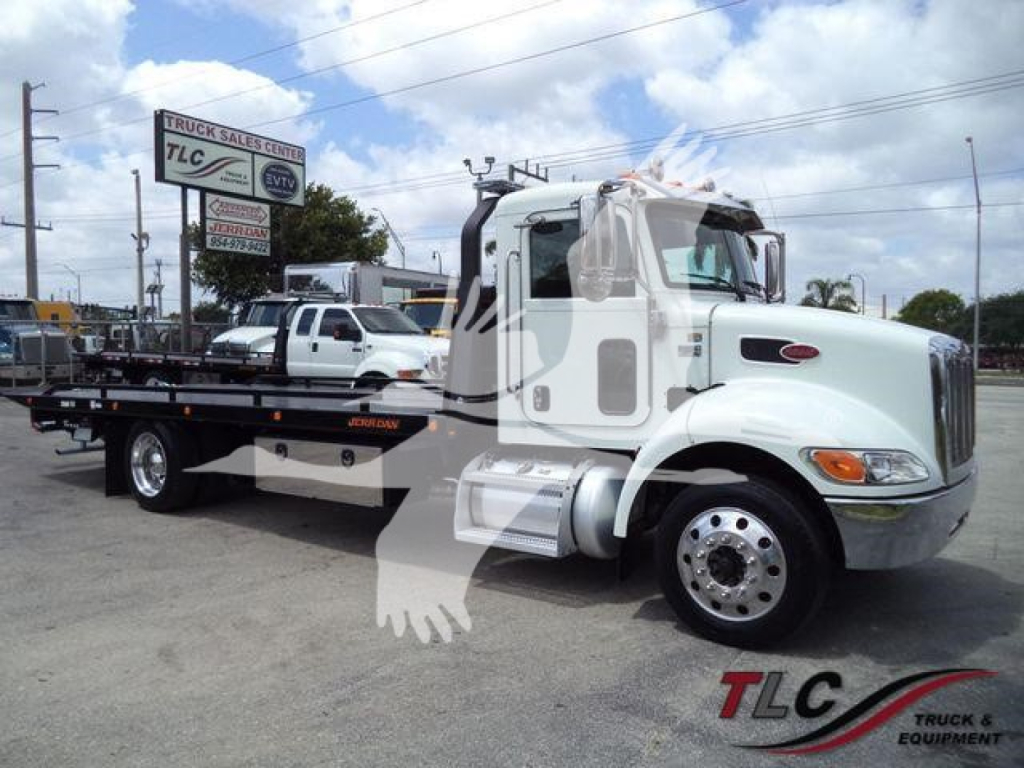
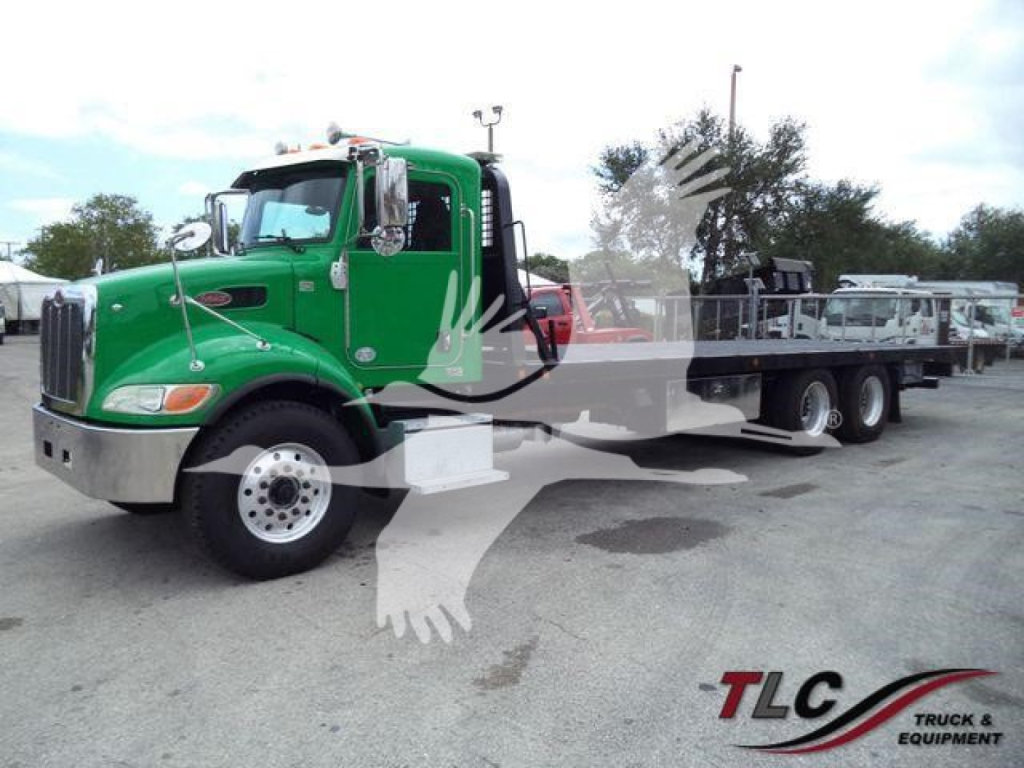
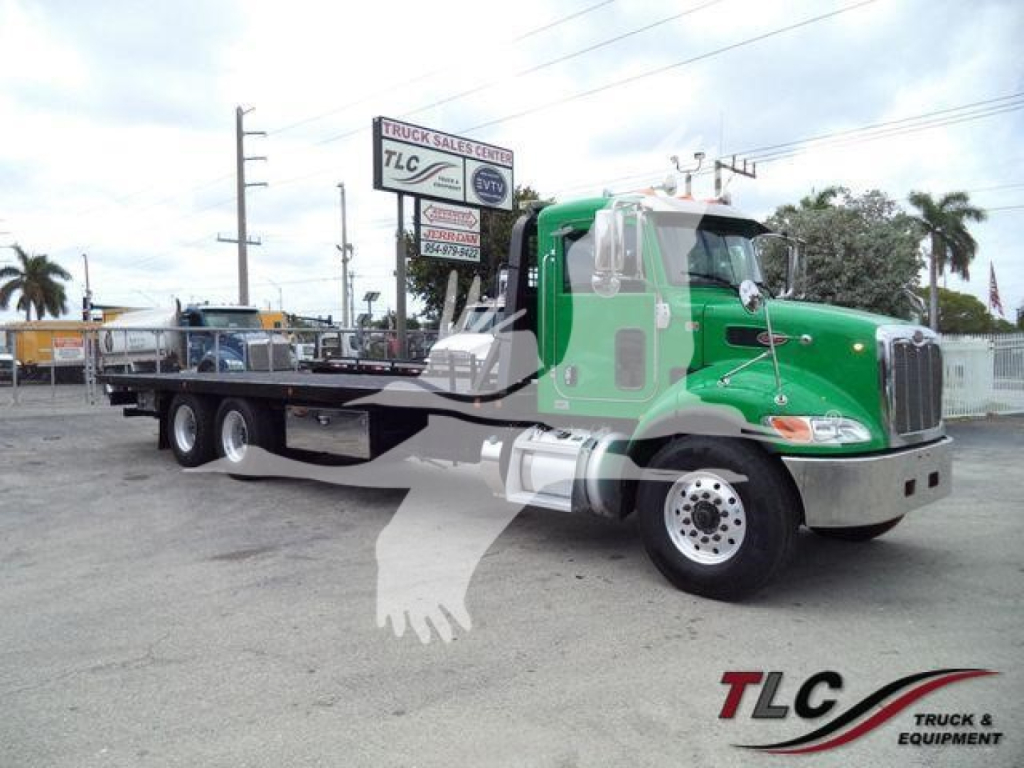
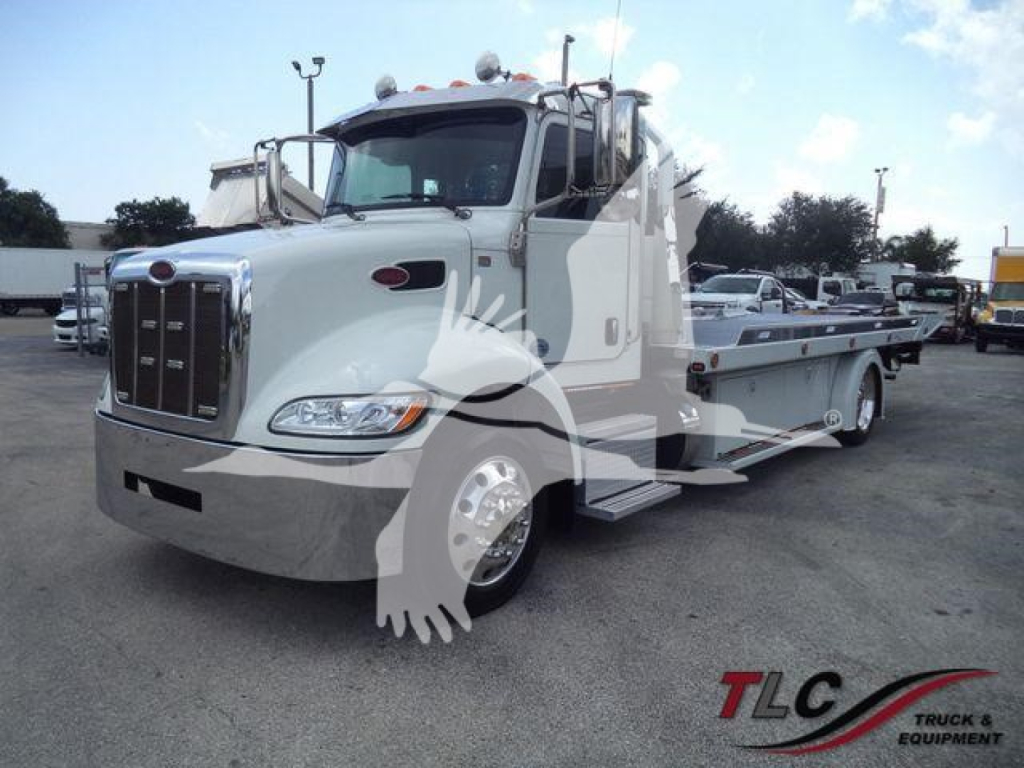
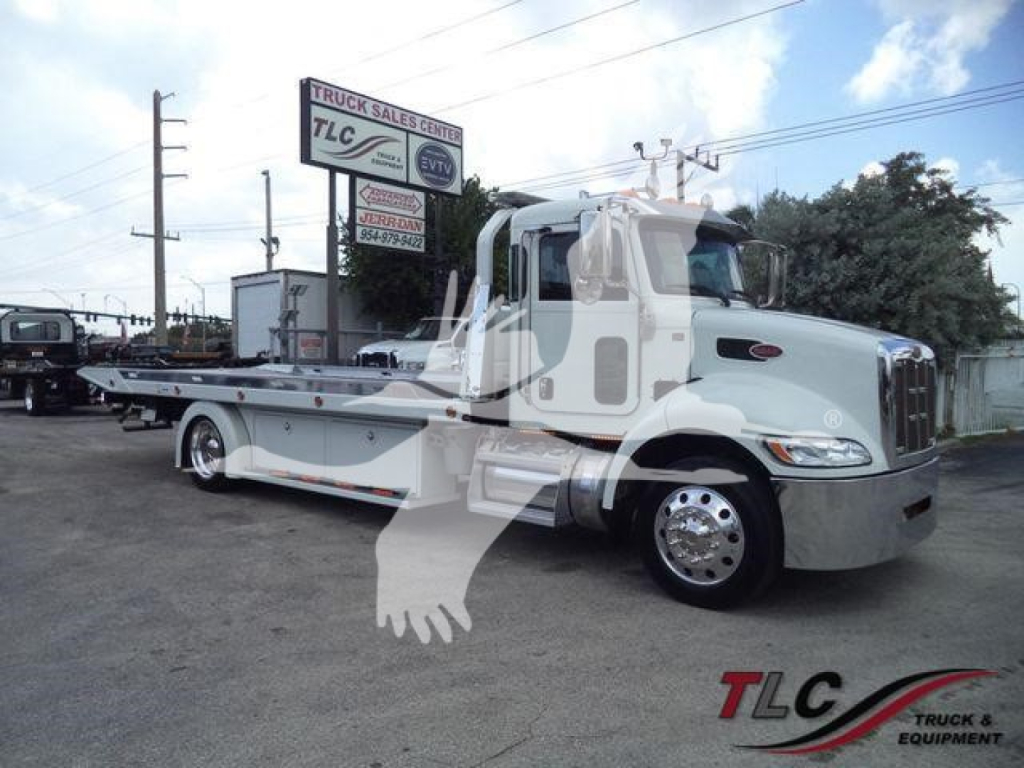
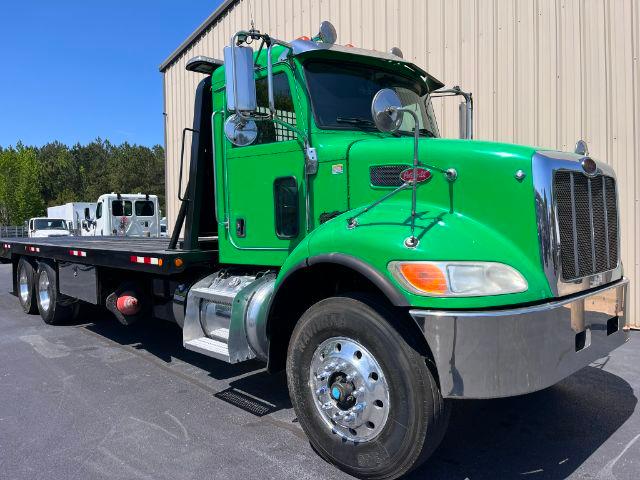
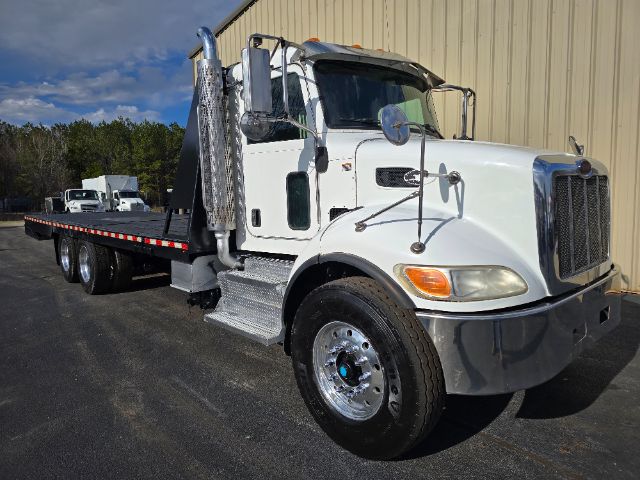
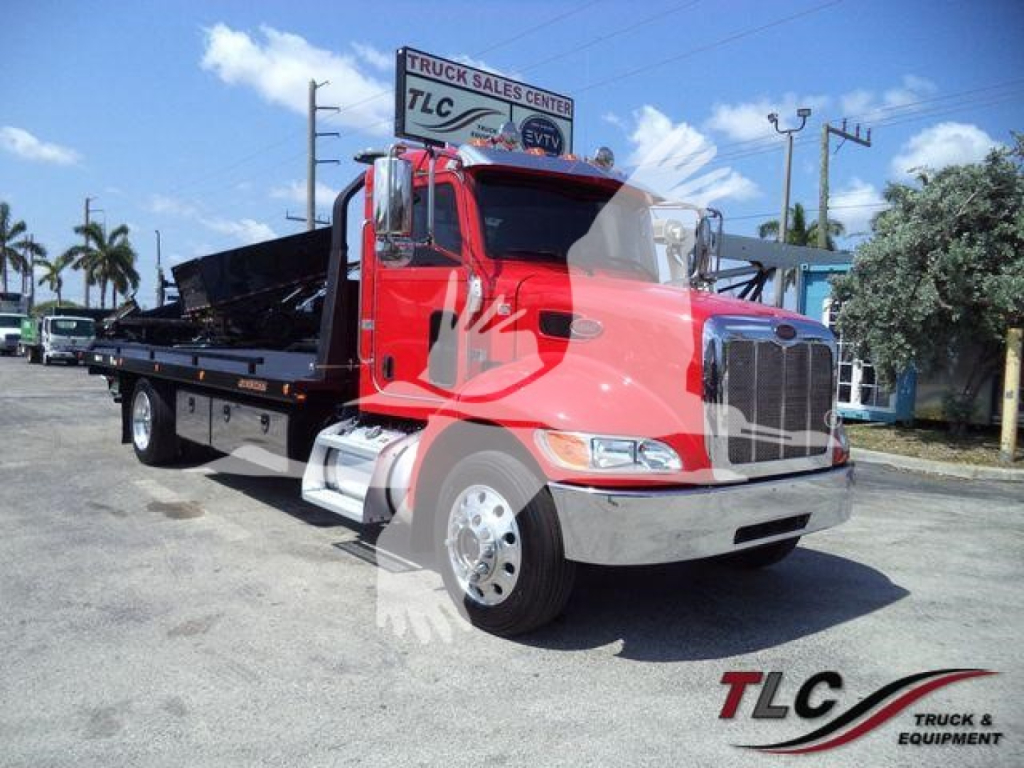
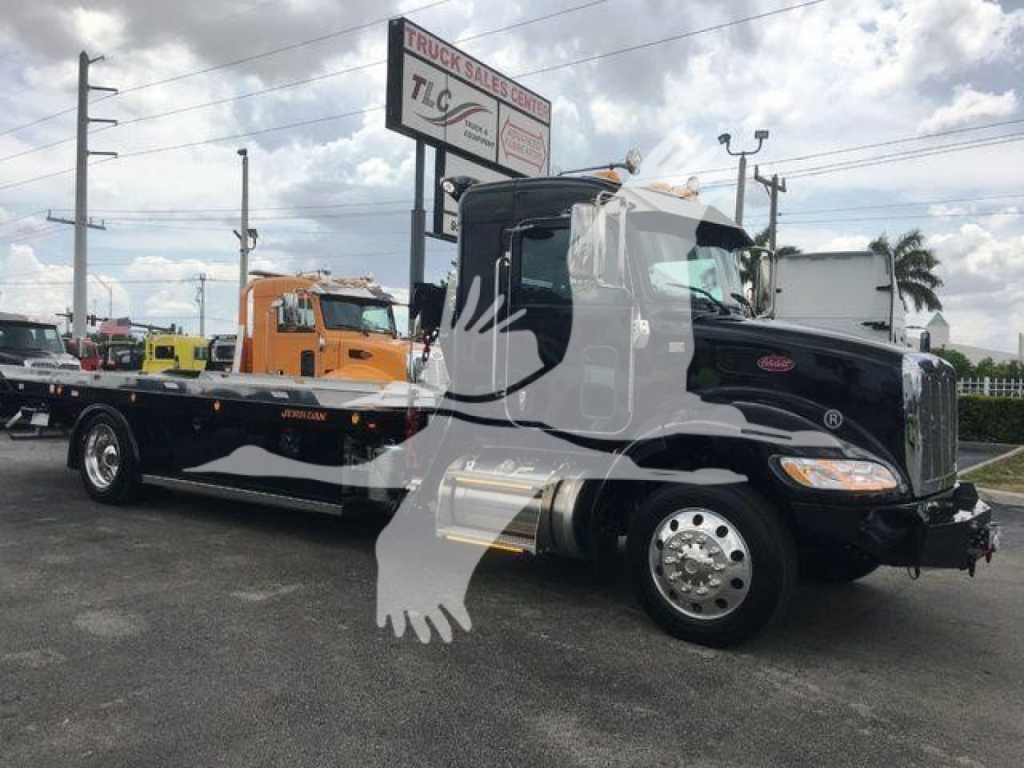
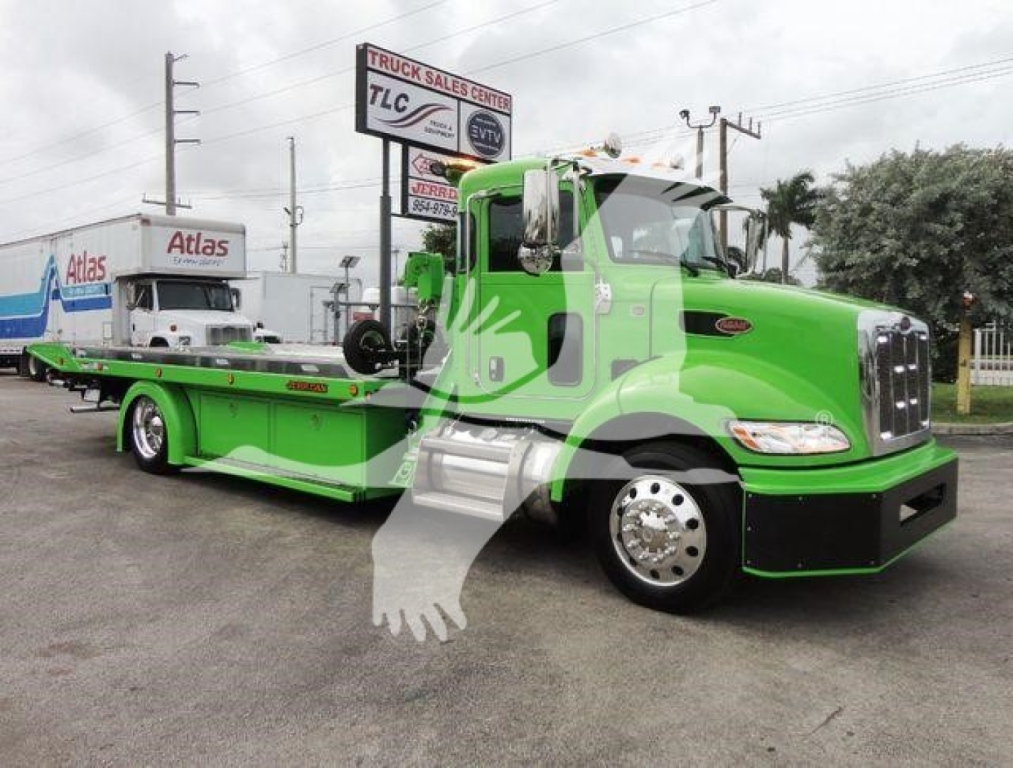
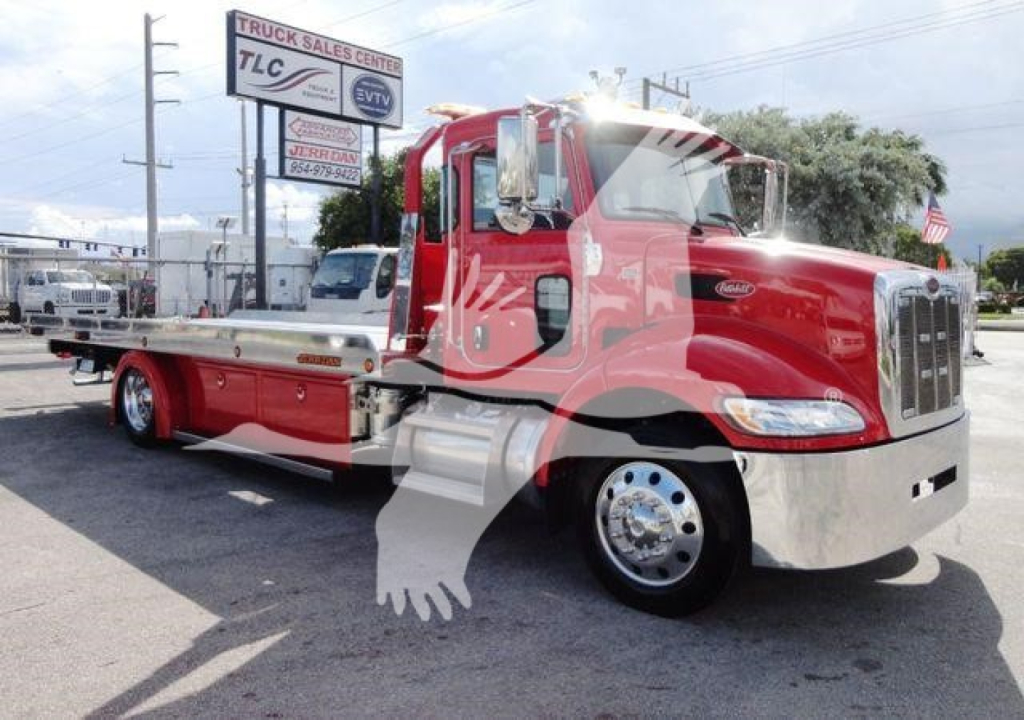
The first decision is usually chassis size and legal operating weight. A Peterbilt 337 rollback often shows up in Class 6 or Class 7 applications, commonly with GVWRs around 26,000 pounds and up, making it a practical fit for cars, pickups, vans, and light commercial units. A Peterbilt 348 rollback steps up into heavier configurations, including tandem-axle 6x4 trucks with 20,000-pound front axles, 40,000-pound rears, and 60,000-pound GVW ratings on some heavy carrier builds. Bed lengths in this segment are commonly around 21 to 29 feet, with steel or aluminum decks, winch packages, wheel lifts, stabilizers, and hydratail or low-angle loading designs depending on intended use. If the work includes long-wheelbase trucks, equipment, or repeated commercial recoveries, wheelbase, overhang, bed rating, and axle capacity need to be checked together rather than as standalone numbers.
Powertrain choice matters because rollback duty is stop-and-go, PTO-intensive, and often urban. Many Peterbilt rollback trucks use Paccar PX-7, PX-9, or similar medium-duty diesel engines, while older units may carry Detroit or other power. Automatic Allison transmissions are common because they simplify towing, backing, and frequent loading cycles, though some older tandem-axle trucks use manual Fuller gearboxes. Air ride suspension, engine brakes, and aggressive rear axle ratios are all relevant depending on whether the truck will spend more time on local calls or highway transport. A buyer should also look closely at PTO setup, hydraulic response, winch capacity, cable or synthetic line condition, carrier deck structure, crossmember integrity, and wear points around the tilt frame, slide rails, tail section, and wheel-lift pivots.
On used Peterbilt rollback trucks, the body can matter as much as the cab and engine. Deck rating, frame reinforcement, bed corrosion, scuffing from tracked equipment, and prior repair quality can tell you more about remaining service life than paint or interior condition. It is smart to verify the carrier manufacturer, serial plate data, wheel-lift rating, winch specification, remote operation, tie-down points, lighting, and any auxiliary equipment such as toolboxes, strobes, or pintle hitches. Peterbilt remains a strong choice in this category because parts support is broad, the cab layout is operator-friendly, and resale tends to stay solid when the truck has the right body spec for the job.
Frequently Asked Questions about Peterbilt Rollback Trucks
What is the difference between a Peterbilt 337 rollback and a Peterbilt 348 rollback?
The Peterbilt 337 is commonly used for lighter rollback applications, often around the 26,000-pound GVWR range, and is well suited for cars, pickups, vans, and general light-duty towing. The Peterbilt 348 is a heavier chassis that can be configured for larger carrier bodies, tandem axles, and much higher gross vehicle weight ratings. If the truck will regularly move heavier commercial vehicles or equipment, the 348 usually offers more axle capacity, bed options, and overall durability for that duty cycle.
What bed length and bed rating should I look for on a Peterbilt rollback truck?
That depends on the type of vehicles or equipment being hauled. A 21-foot carrier is common for standard vehicle transport, while longer 26-foot to 29-foot beds are better for larger trucks, longer wheelbases, or specialized hauling. Bed rating is just as important as length. A 12,000-pound carrier may be adequate for routine vehicle work, while 30,000-pound-rated heavy carrier setups are intended for much more demanding jobs. Buyers should match deck length, deck construction, and legal axle capacity to the actual loads they expect to carry.
Are automatic transmissions better for rollback trucks?
In many towing and recovery applications, yes. Allison automatic transmissions are popular on rollback trucks because they are easier to operate in traffic, smoother during loading, and well suited for repetitive stop-and-go work. They also reduce driver fatigue on local routes and during recovery calls that require frequent repositioning. Manual transmissions still have a place, especially on older or heavier tandem-axle units, but many operators prefer automatics for day-to-day rollback service.
What should I inspect on a used Peterbilt rollback before buying?
Focus on the carrier body and hydraulic system as closely as the chassis. Inspect the tilt frame, slide rails, deck surface, crossmembers, wheel-lift components, winch, cable condition, hydraulic cylinders, PTO engagement, and remote controls. On the truck itself, check axle ratings, suspension condition, brake wear, frame integrity, engine brake operation, and signs of overloading or poor repairs. It is also important to confirm the body manufacturer's data plate and compare body ratings to the truck's axle and GVWR limits so the setup matches the intended job.
Can a Peterbilt rollback be used for both towing and equipment transport?
Yes, many Peterbilt rollback trucks are used for both, but the body spec must match the work. A standard car carrier setup handles routine vehicle transport efficiently, while equipment hauling benefits from a heavier deck, stronger winch, lower load angle, and sometimes a hydratail configuration. If the truck will regularly move forklifts, skid steers, or commercial units, buyers should pay attention to deck traction, structural capacity, tie-down placement, and how the load will affect axle distribution.