
2015 Peterbilt Rollback Trucks For Sale
Shop 2015 Peterbilt rollback trucks. Compare 337-style carriers, bed sizes, winch setups, GVWR, wheel-lift specs, and towing features.
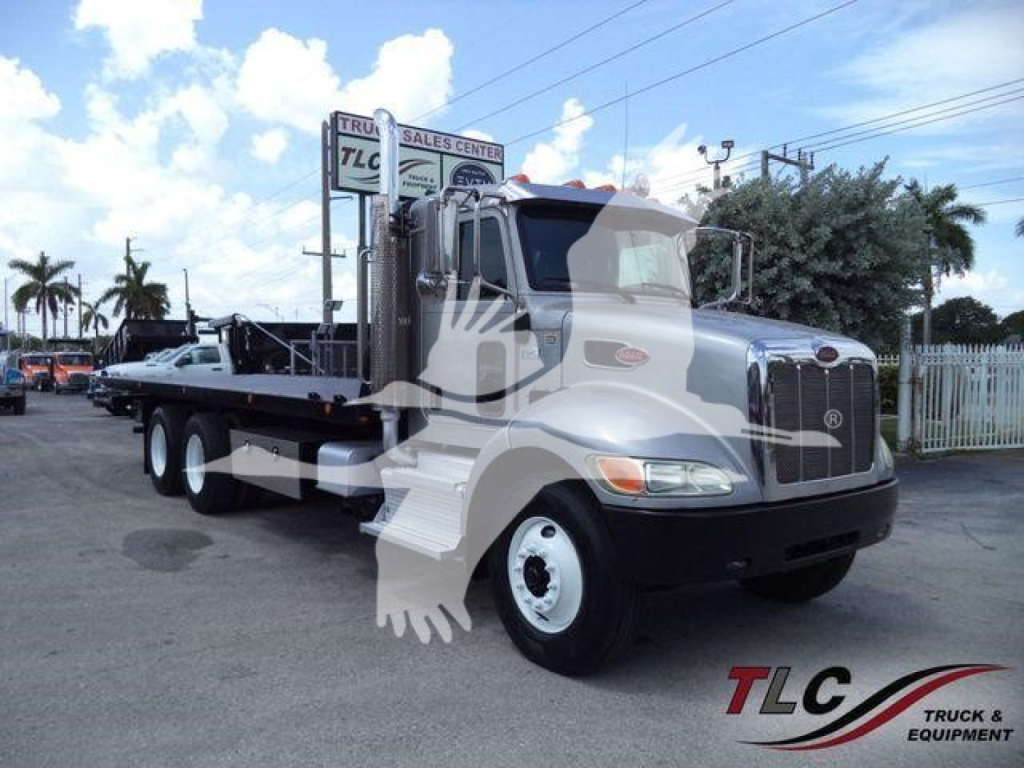
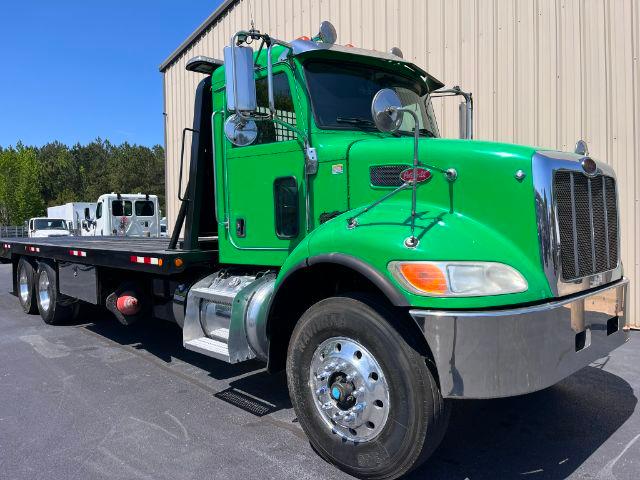
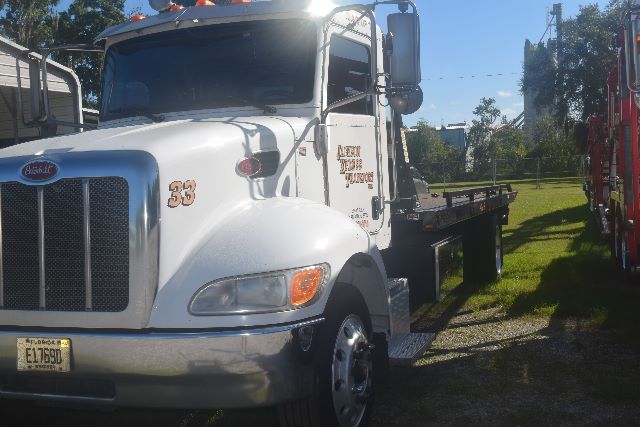
Selling a 2015 peterbilt rollback truck? List your 2015 peterbilt rollback truck for sale and reach thousands of commercial buyers.
2015 Peterbilt Rollback Trucks
The first buying decision is usually chassis and weight rating. Many 2015 Peterbilt rollback trucks are spec'd at 26,000 GVWR, which keeps the truck in a popular Class 6 range while still supporting a 6-ton carrier body in many common towing applications. Cummins diesel power and an Allison automatic transmission are common pairings, and that combination is favored for stop-and-go urban use, simple driver training, and predictable resale. Buyers should confirm axle ratings, brake type, suspension, tire size, and frame dimensions because rollback performance depends as much on chassis spec as on bed brand. Air brakes, air ride suspension, and low-profile 22.5 tires are common features that improve road manners and loading stance.
The body and recovery equipment deserve a close look. A typical 2015 Peterbilt rollback may carry a steel or aluminum deck, often in 20 foot or 22 foot lengths, with low-profile or extra-low-profile geometry for reduced approach angle. Common upfit features include an 8,000 lb winch, a 3,500 lb wheel-lift, removable rails, dual toolboxes, LED work lighting, and tie-down points positioned for fast securement. If the truck is intended for accident recovery or tight urban pickups, buyers may prioritize side recovery systems, wireless controls, and stabilizer equipment. If the truck is mainly a car hauler or dealer transfer unit, deck condition, slide function, bed corrosion, and hydraulic response may matter more than added recovery hardware.
Condition should be evaluated as a working system, not just by engine hours or odometer. On a 2015 rollback, inspect the bed floor, subframe, crossmembers, hydraulic cylinders, hoses, PTO operation, winch line, sheaves, wheel-lift pivots, L-arms, and deck slides for wear or repairs. Check for rust around toolbox mounts, tail sections, and light housings, especially in northern service regions. Inside the cab, look for signs of hard vocational use such as seat wear, switch damage, brake controller add-ons, and repeated upfit electrical work. A properly spec'd 2015 Peterbilt rollback truck can still be a strong revenue unit if the chassis, hydraulics, and carrier body have been maintained with the same attention as the drivetrain.
Frequently Asked Questions about 2015 Peterbilt Rollback Trucks
What is the typical capacity of a 2015 Peterbilt rollback truck?
Many 2015 Peterbilt rollback trucks are configured as 6-ton carriers with an 8,000 lb winch and a wheel-lift rated around 3,500 lbs, though exact ratings depend on the bed manufacturer, chassis GVWR, and final upfit. The published body rating does not mean every load is legal or properly distributed, so buyers should verify axle weights, bed length, and intended vehicle mix before relying on a nominal capacity figure.
What engine and transmission are common in a 2015 Peterbilt rollback?
A common setup is a Cummins diesel engine paired with an Allison automatic transmission, especially on Peterbilt 337 chassis used in towing service. This combination is popular because it handles frequent stops, backing, loading, and urban driving well while keeping operation straightforward for multiple drivers. Exact horsepower, torque, and transmission model should still be confirmed from the truck's build data.
Is a 20-foot or 22-foot rollback bed better on a 2015 Peterbilt?
A 20-foot bed is often easier to maneuver in city work, tighter impound lots, and roadside recoveries where turning radius matters. A 22-foot bed gives more deck space for longer wheelbase pickups, vans, and some equipment, and it can improve load placement flexibility. The better choice depends on the truck's wheelbase, local route conditions, and the types of vehicles being hauled most often.
What should I inspect on a used 2015 Peterbilt rollback truck?
Focus on the carrier body as closely as the chassis. Inspect deck wear, hydraulic leaks, cylinder scoring, PTO engagement, winch performance, cable condition, wheel-lift operation, toolbox structure, tie-down points, lighting, and signs of previous structural repair. On the truck side, check engine service records, transmission behavior, brake system condition, suspension wear, tire date codes, and the quality of any wiring added for beacons, remotes, cameras, or recovery accessories.
Are 2015 Peterbilt rollback trucks used more for towing or transport?
They are commonly used for both. In towing service, a rollback is valued for safe loading of damaged, disabled, or low-clearance vehicles without dragging them. In transport work, the same truck can move retail vehicles, auction units, forklifts, small equipment, and specialty cars. The exact role usually depends on bed angle, winch setup, wheel-lift equipment, and whether the truck includes recovery features such as side pull capability or stabilizers.