
2016 Peterbilt Rollback Trucks For Sale
Shop 2016 Peterbilt rollback trucks with carrier bed, winch, wheel-lift, and medium to heavy-duty specs for towing and vehicle transport.
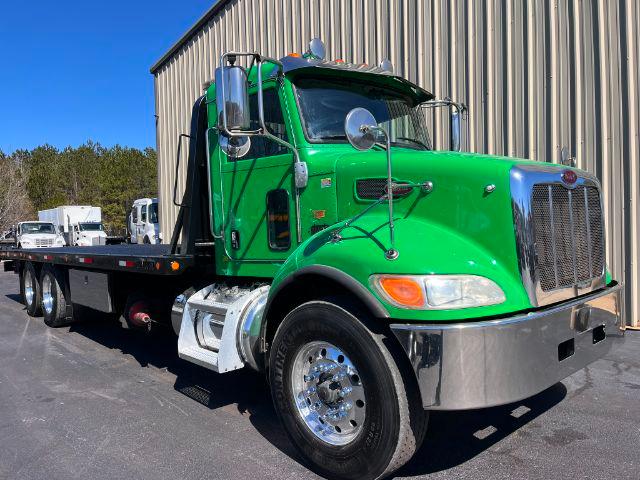
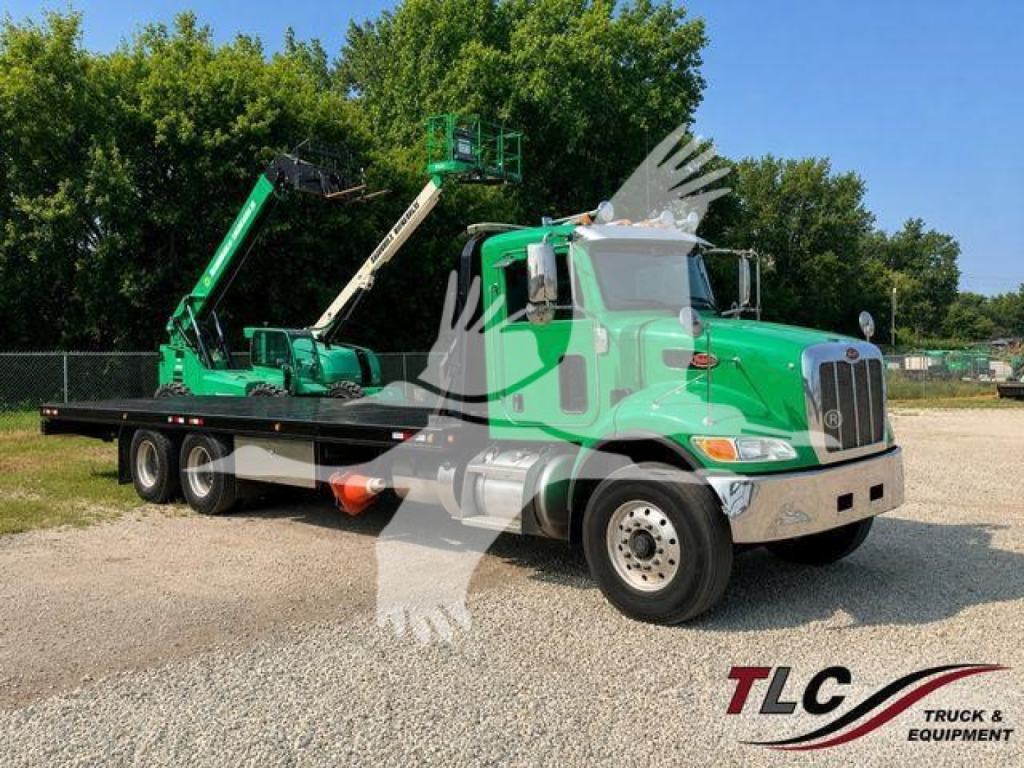
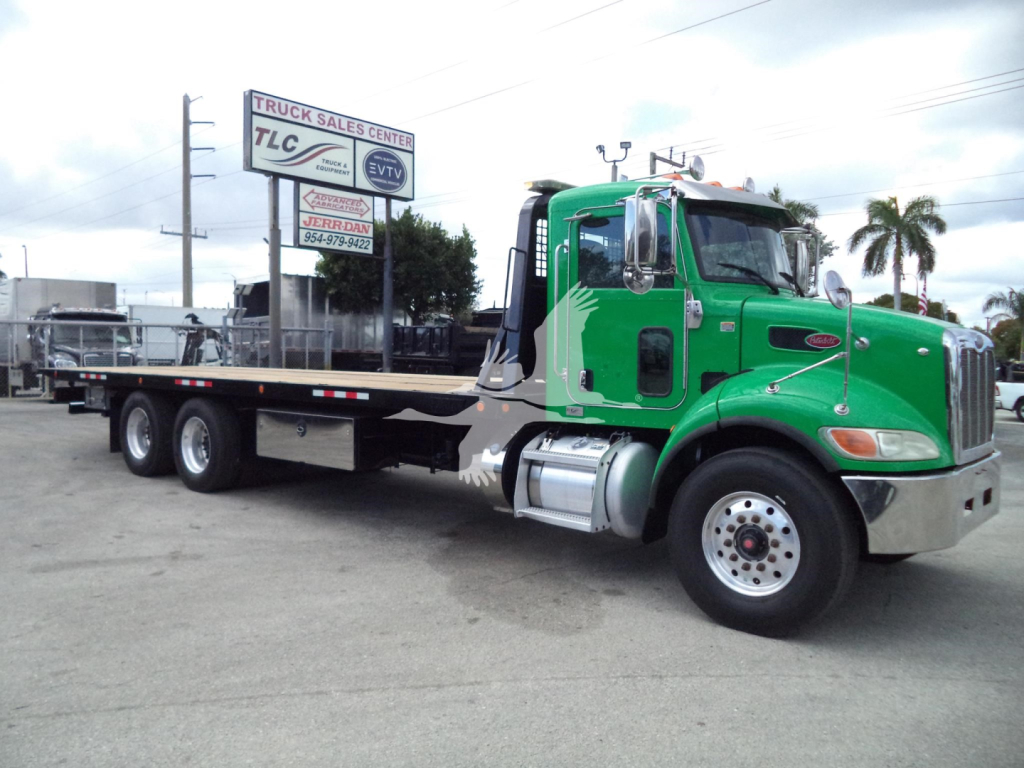
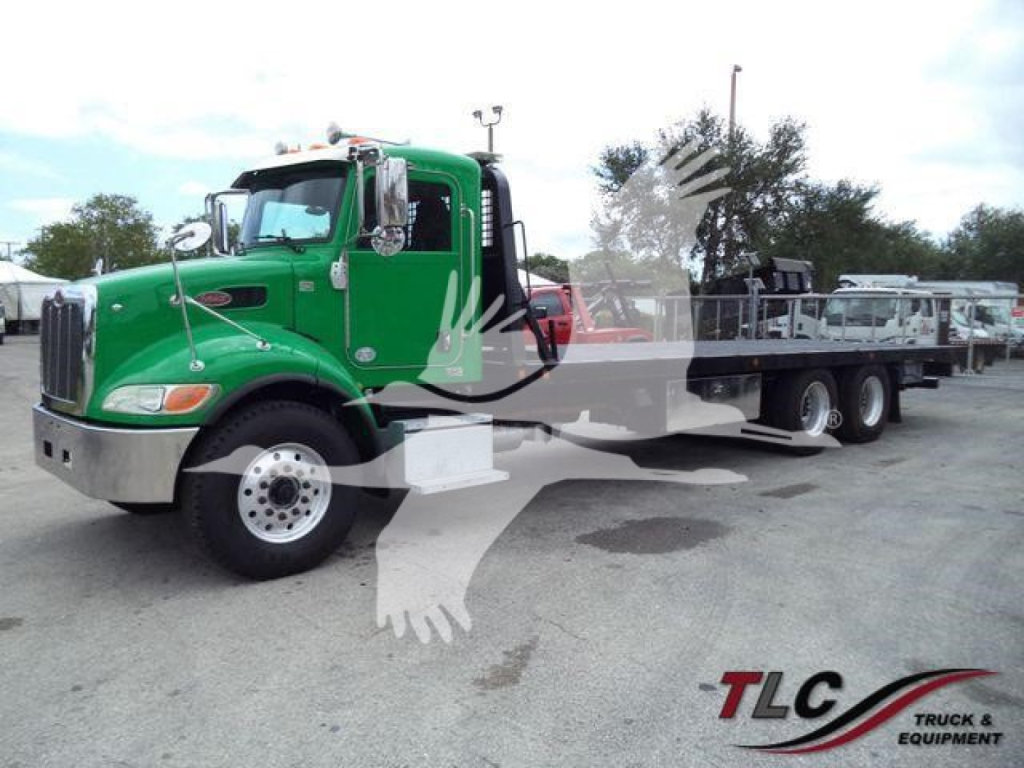
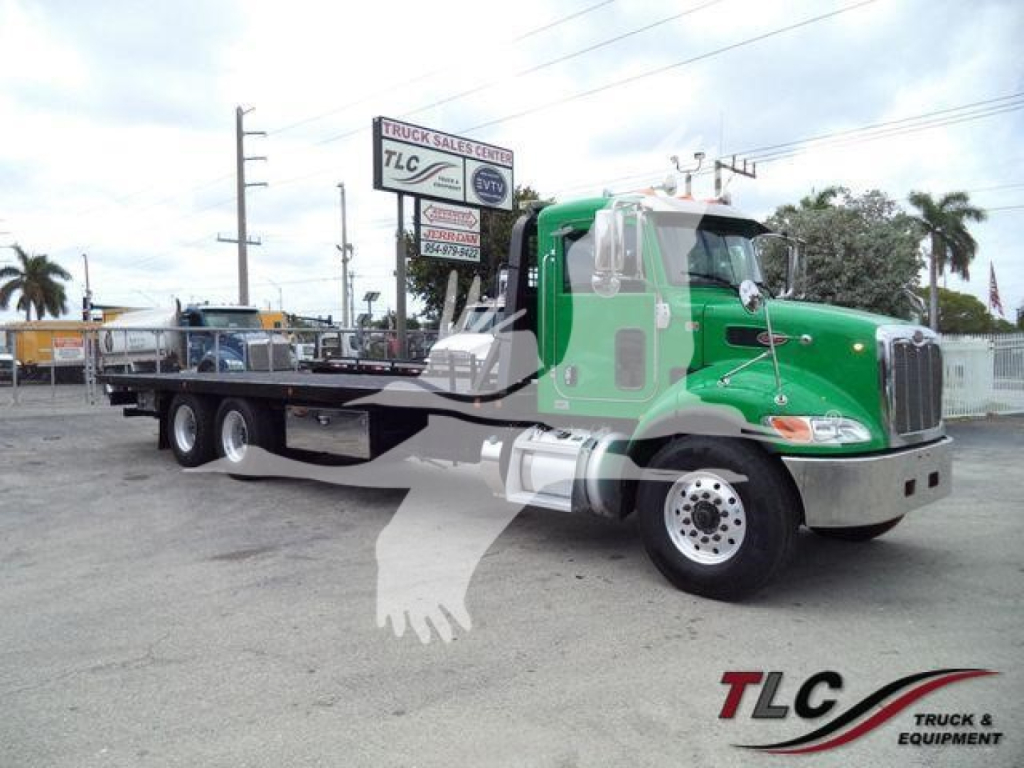
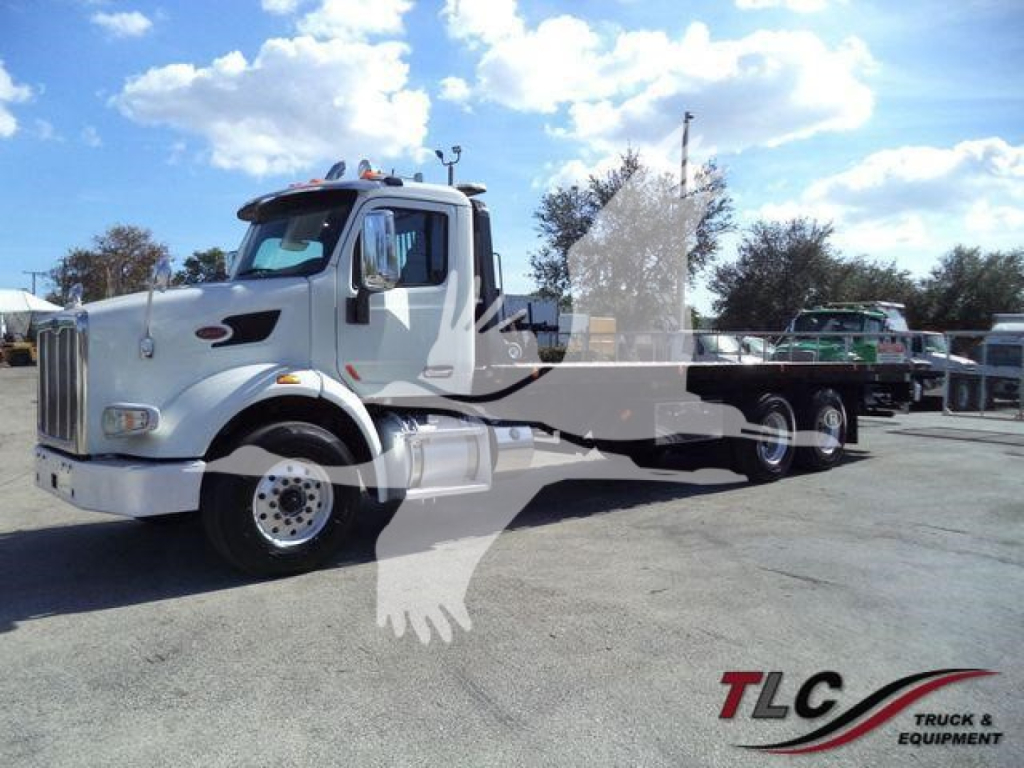
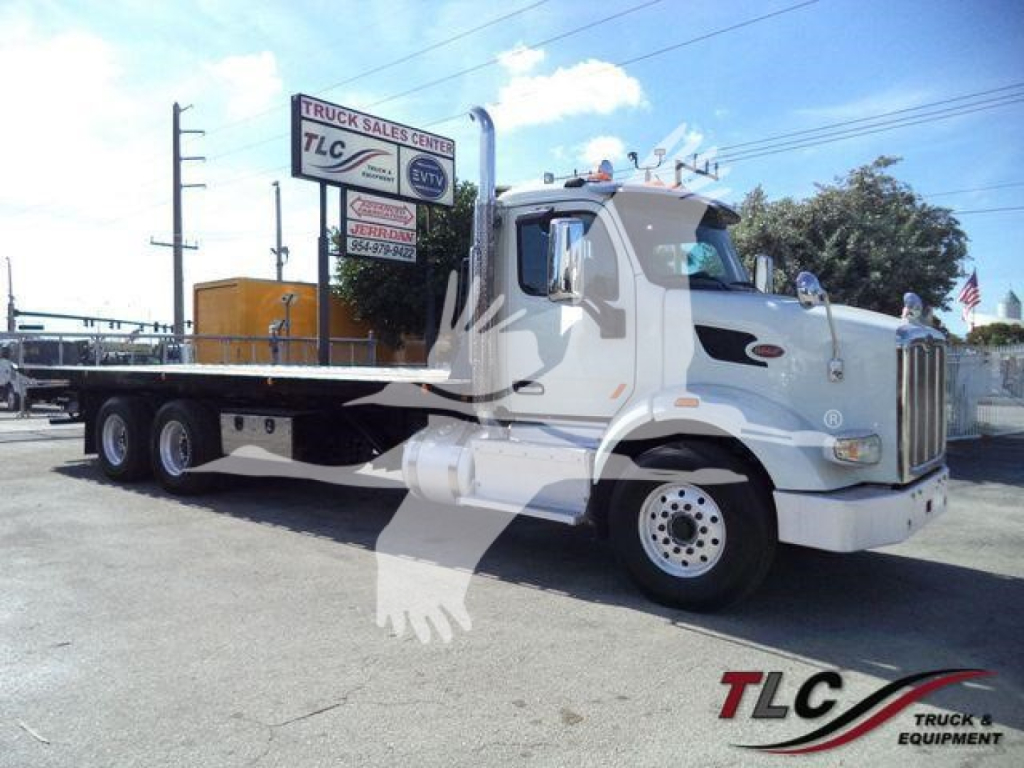
Selling a 2016 peterbilt rollback truck? List your 2016 peterbilt rollback truck for sale and reach thousands of commercial buyers.
2016 Peterbilt Rollback Trucks
Frequently Asked Questions about 2016 Peterbilt Rollback Trucks
What should I look for first on a 2016 Peterbilt rollback truck?
Start with the chassis class, GVWR, and body rating, because those three numbers determine what the truck can legally and practically handle. A 26,000 GVWR Peterbilt 337 with a 6-ton carrier bed is a very different machine than a 60,000 GVWR Peterbilt 348 or 567 with a 28-foot deck and 20,000-lb winch. After that, review wheelbase, engine and transmission combination, front and rear axle ratings, bed length, and wheel-lift capacity. Those details affect load angle, stability, turning radius, and the types of vehicles or equipment the truck can move efficiently.
Are 2016 Peterbilt rollback trucks good for towing and recovery work?
Yes, but the application depends on the chassis and body setup. Medium-duty 2016 Peterbilt rollbacks are commonly used for passenger cars, pickups, vans, and light commercial vehicles, especially in repossession, roadside assistance, and dealer transport. Heavier Peterbilt rollback configurations with double frame, larger axles, stronger winches, and longer steel or aluminum decks are better suited for work trucks, medium equipment, and more demanding recovery jobs. Buyers should match the truck to the expected load mix instead of assuming all rollback trucks perform the same.
What bed and winch specs are common on a 2016 Peterbilt rollback?
Many 2016 Peterbilt rollback trucks in the medium-duty range carry 21-foot or 22-foot beds with capacities around 6 tons and wheel-lifts in the 3,000-lb to 3,500-lb range. Heavier units may use 28-foot beds, wider deck dimensions, and winches rated around 20,000 lbs. Steel beds are common for durability, while some configurations include removable rails, shark-style decks, toolboxes, work lights, and aftermarket warning light packages. The best spec depends on whether the truck will spend most of its time in city towing, dealership transfers, auction hauling, or heavier transport work.
Is an automatic or manual transmission better in a 2016 Peterbilt rollback truck?
For most towing fleets, an Allison automatic is the preferred choice because it simplifies stop-and-go driving, improves consistency between operators, and is well suited for urban and recovery work. A manual transmission may still appeal on heavier rollback trucks where the chassis is built for more specialized hauling and the operator wants more control on grades or off-road surfaces. The right answer depends on driver experience, route type, and the truck's gross weight and duty cycle.
What condition items matter most on a used 2016 Peterbilt rollback?
Pay close attention to the rollback body as much as the truck itself. Inspect the deck for twists, cracked welds, scuffing, rust, and slide wear. Check the winch cable or synthetic line, hydraulic cylinders, PTO operation, controls, wheel-lift components, and bed pivot points. On the chassis side, review engine hours if available, maintenance records, suspension wear, brake condition, tire size and age, frame integrity, and signs of hard recovery use. A clean cab and strong driveline matter, but the body and hydraulic system usually tell the real story on a rollback truck.