
2020 Peterbilt Rollback Trucks For Sale
Shop 2020 Peterbilt rollback trucks. Compare 337 and similar carriers by bed length, GVWR, winch, wheel-lift, and towing setup.
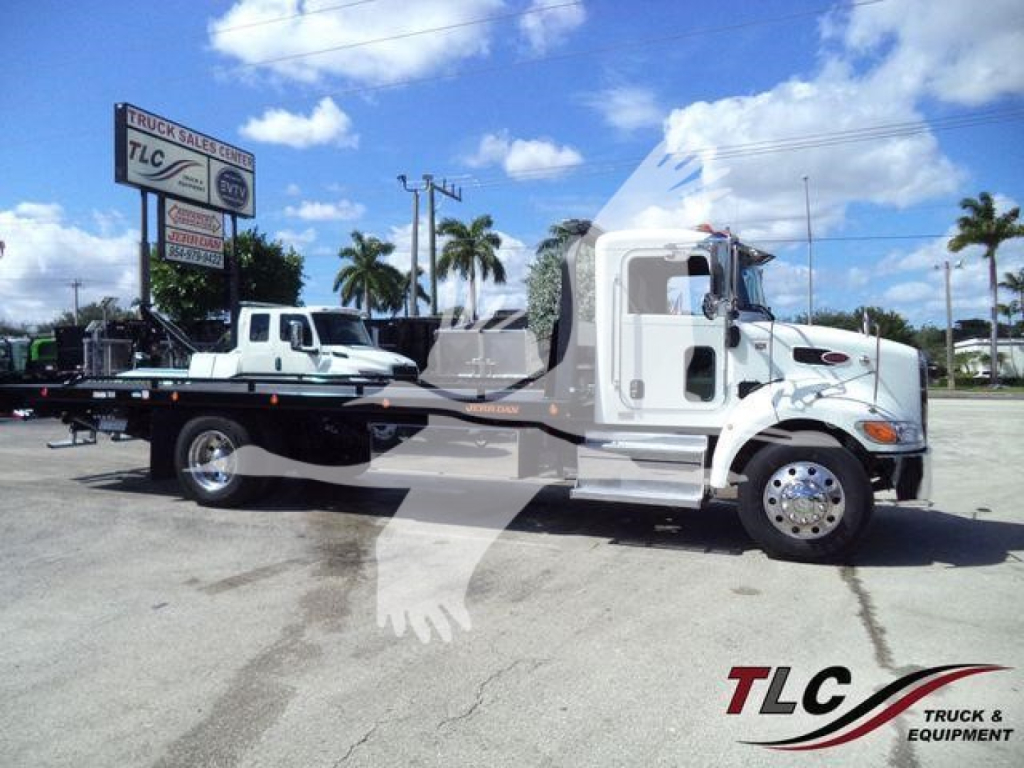
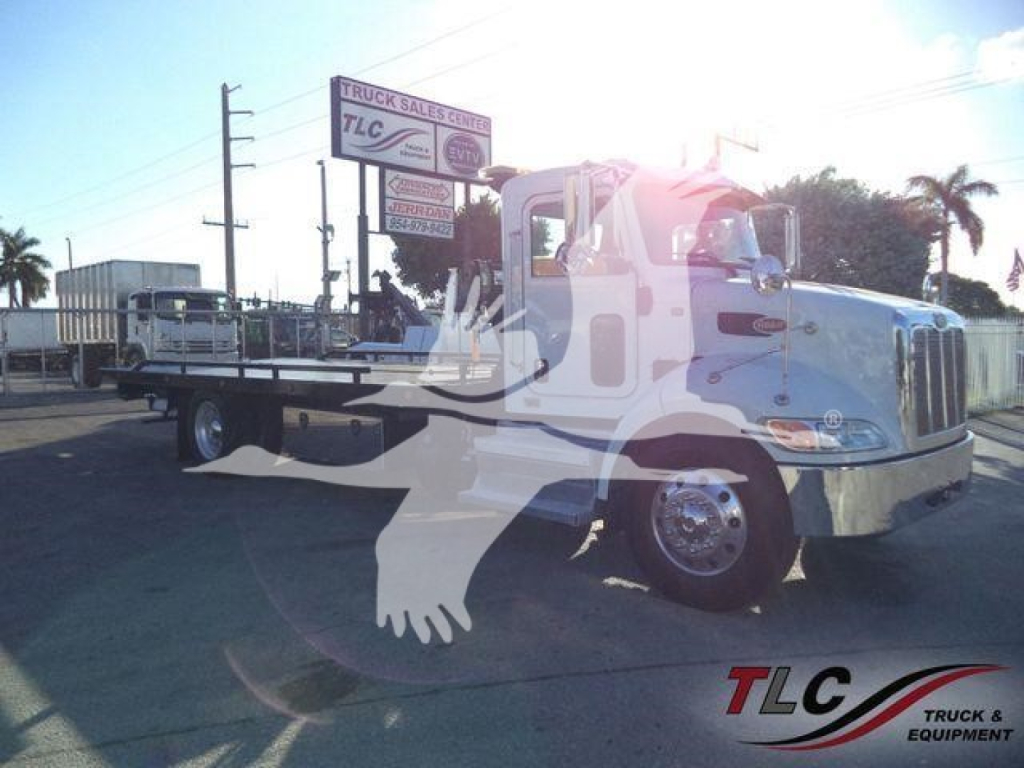
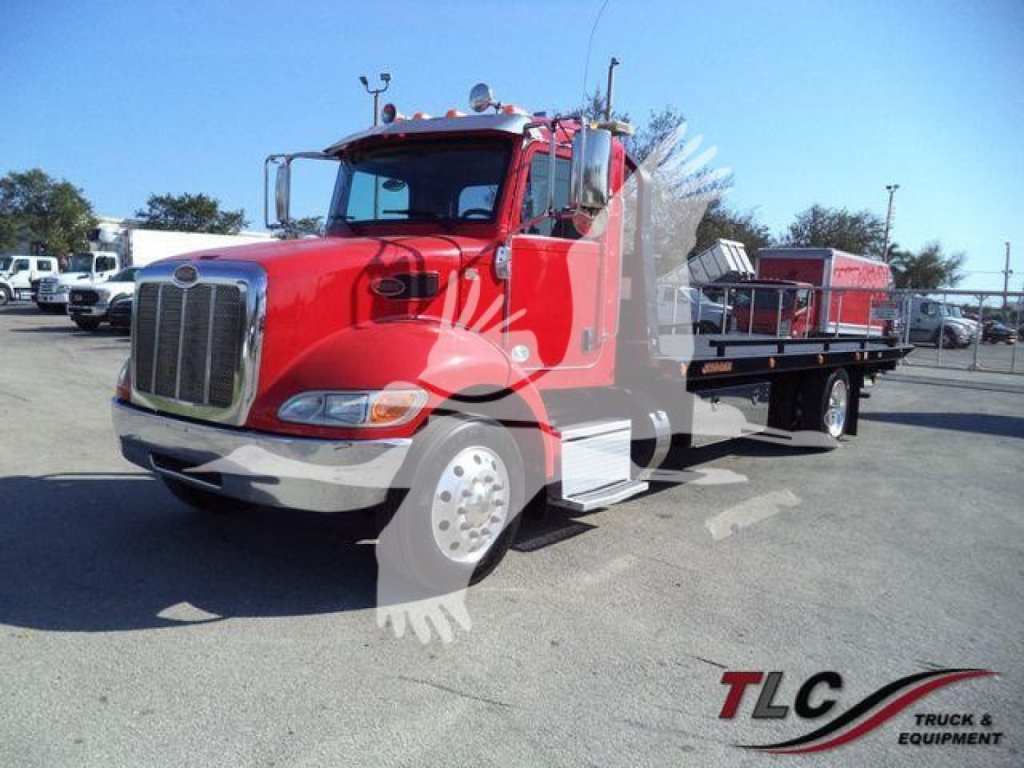
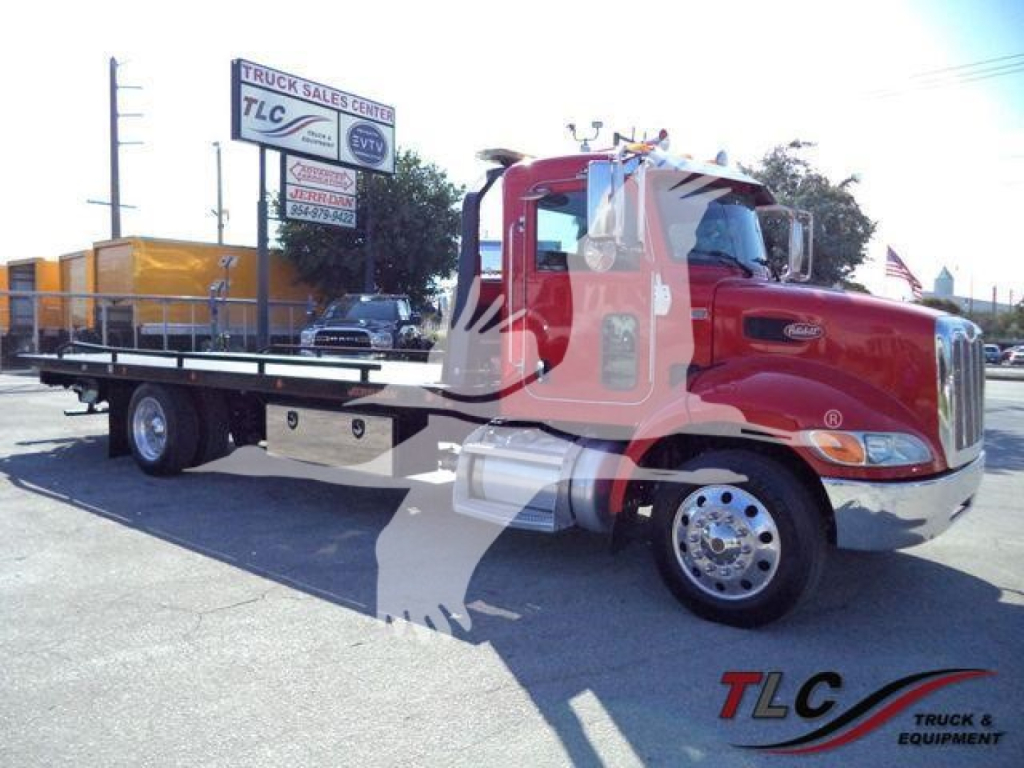
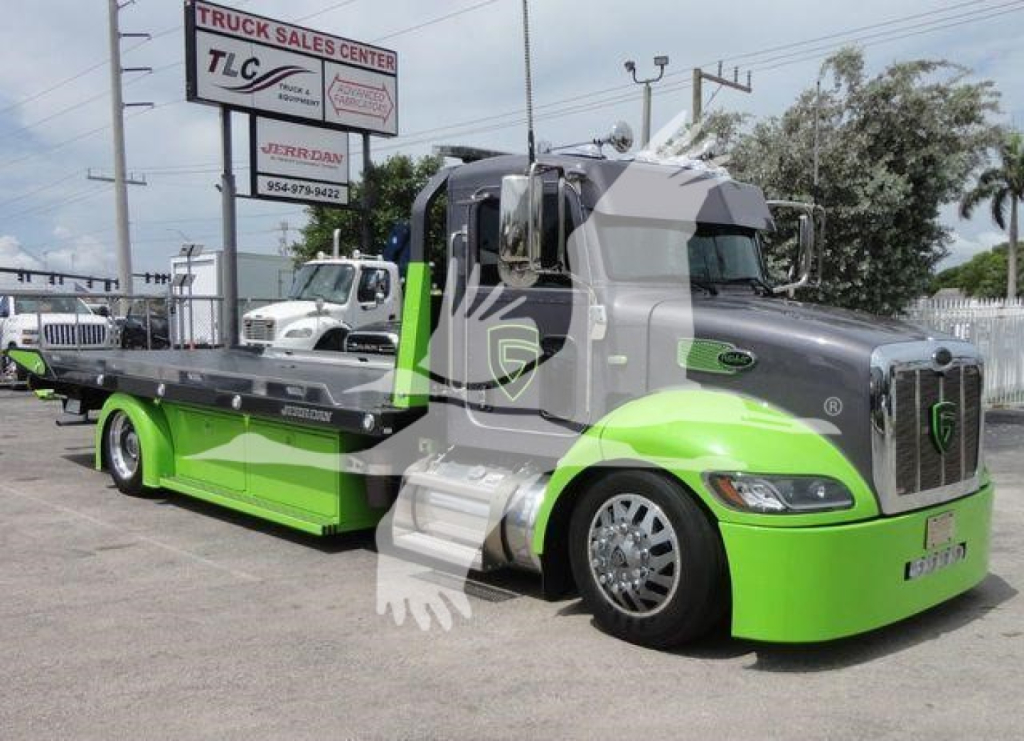
Selling a 2020 peterbilt rollback truck? List your 2020 peterbilt rollback truck for sale and reach thousands of commercial buyers.
2020 Peterbilt Rollback Trucks
The bed and recovery package matter more than the badge on the hood. A typical 2020 Peterbilt rollback in this class will carry a 21 to 22 foot steel or aluminum carrier body, usually around 102 inches wide, with low-profile or low center of gravity design for easier loading of passenger cars, pickups, and lower-clearance vehicles. Common specs include a 6-ton bed rating, an 8,000 to 10,000 pound winch, and a 3,500 pound wheel-lift. Buyers should look closely at deck construction, bed angle, crossmember design, rail style, tie-down points, toolbox layout, and the condition of the hydraulic system. Jerr-Dan is a common body manufacturer in this segment, and many units are equipped with removable rails, LED light packages, work lights, and storage for chains, straps, and skates.
Chassis spec is what determines how the truck feels day to day. Many 2020 Peterbilt 337 rollback trucks use the Cummins 6.7L engine with air brakes, air ride suspension, aluminum wheels, and a 26,000 lb GVWR setup that avoids CDL requirements in some operations, subject to local rules and how the truck is used. That combination works well for urban towing and frequent stops, especially when paired with an Allison 2200RDS automatic. Buyers should still verify front axle rating, rear axle rating, wheelbase, tire size, PTO operation, and actual payload after the carrier body is installed. A truck with the right wheelbase and bed overhang will load more cleanly and handle wheel-lift work with better balance.
Condition on a rollback is about more than miles. Check winch line wear, cylinder seepage, slide pad condition, deck alignment, subframe integrity, and signs of stress around the wheel-lift and tail section. Review lighting, remote functions, beacon or strobe setup, and any corrosion on the bed, toolboxes, and underbody. If the truck has been used in repossession, municipal towing, or heavy daily recovery service, inspect the carrier and hydraulics as closely as the engine and transmission. A well-spec'd 2020 Peterbilt rollback can be a strong fit for operators who need clean presentation, good maneuverability, and proven rollback hardware for daily towing work.
Frequently Asked Questions about 2020 Peterbilt Rollback Trucks
What are the most common specs on a 2020 Peterbilt rollback truck?
Most 2020 Peterbilt rollback trucks are built on the Peterbilt 337 chassis with a Cummins 6.7L diesel, an Allison automatic transmission, and a 21 to 22 foot carrier body. Common towing equipment includes a 6-ton bed, an 8,000 to 10,000 pound winch, and a 3,500 pound wheel-lift. Many are set up at 26,000 lb GVWR with air brakes and air ride suspension, which makes them popular for light-to-medium duty towing and vehicle transport.
Is a 2020 Peterbilt 337 rollback good for non-CDL towing operations?
Many 2020 Peterbilt 337 rollback trucks are spec'd at 26,000 lb GVWR, which can fit non-CDL use in some situations. The exact legal requirement depends on combined weight, how the truck is registered, what is being towed, and state or local regulations. Buyers should confirm GVWR, actual empty weight, wheel-lift use, and compliance rules before assuming a truck qualifies for non-CDL work.
What should I inspect first on a used Peterbilt rollback truck?
Start with the carrier body and hydraulic system. Inspect the deck for bends, cracked welds, slide wear, leaking cylinders, damaged rails, and uneven bed operation. Then check the winch, cable, wheel-lift, tie-down points, PTO engagement, and lighting system. After that, move to chassis items such as engine hours, transmission performance, suspension condition, brake system, and any signs of frame stress or corrosion.
What bed length is most common on a 2020 Peterbilt rollback?
The most common bed length is about 22 feet, usually with a 102 inch wide deck. That size is versatile for passenger vehicles, SUVs, light pickups, and general towing work. A low-profile or low center of gravity bed is especially useful when loading lower-clearance vehicles because it reduces approach angle and makes loading easier and safer.
Which rollback body brands are commonly found on Peterbilt chassis?
Jerr-Dan is one of the most common rollback body brands found on Peterbilt chassis in this category. Buyers may also see other established carrier manufacturers depending on region and original dealer upfit. The body brand matters, but condition, parts support, hydraulic layout, and how the truck was spec'd for its intended work are usually more important than the nameplate alone.