
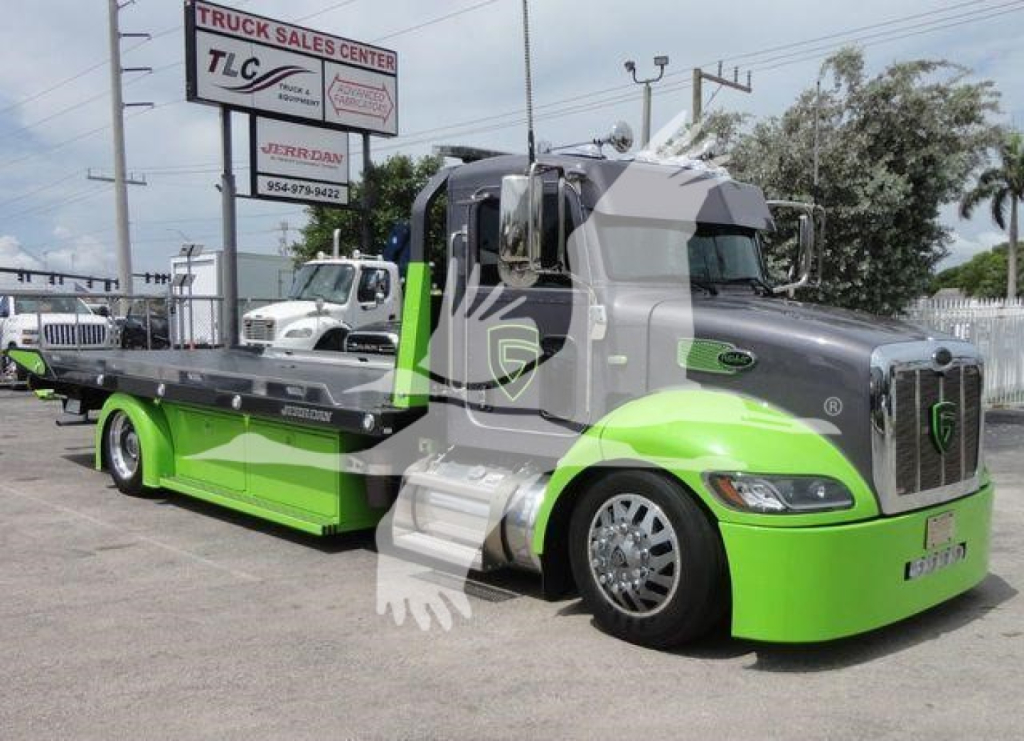
2020 Peterbilt Rollback Trucks For Sale in Florida
Shop 2020 Peterbilt rollback trucks for Florida towing work. Compare 337 specs, Jerr-Dan carriers, GVWR, bed lengths, winches, and wheel lifts.
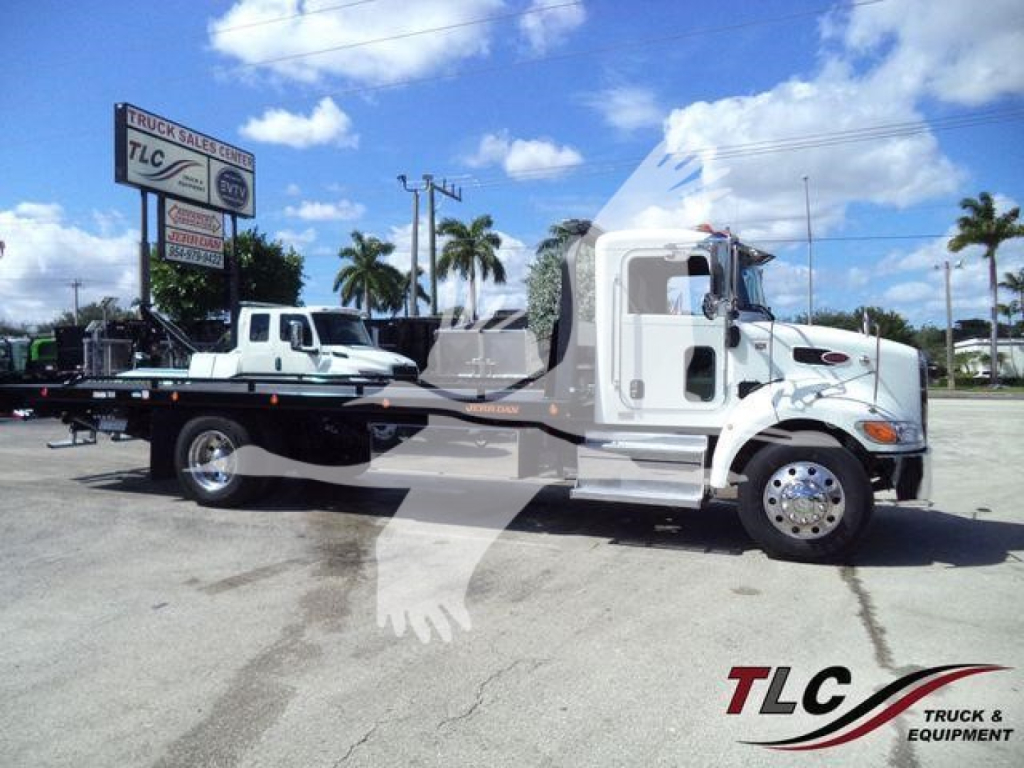
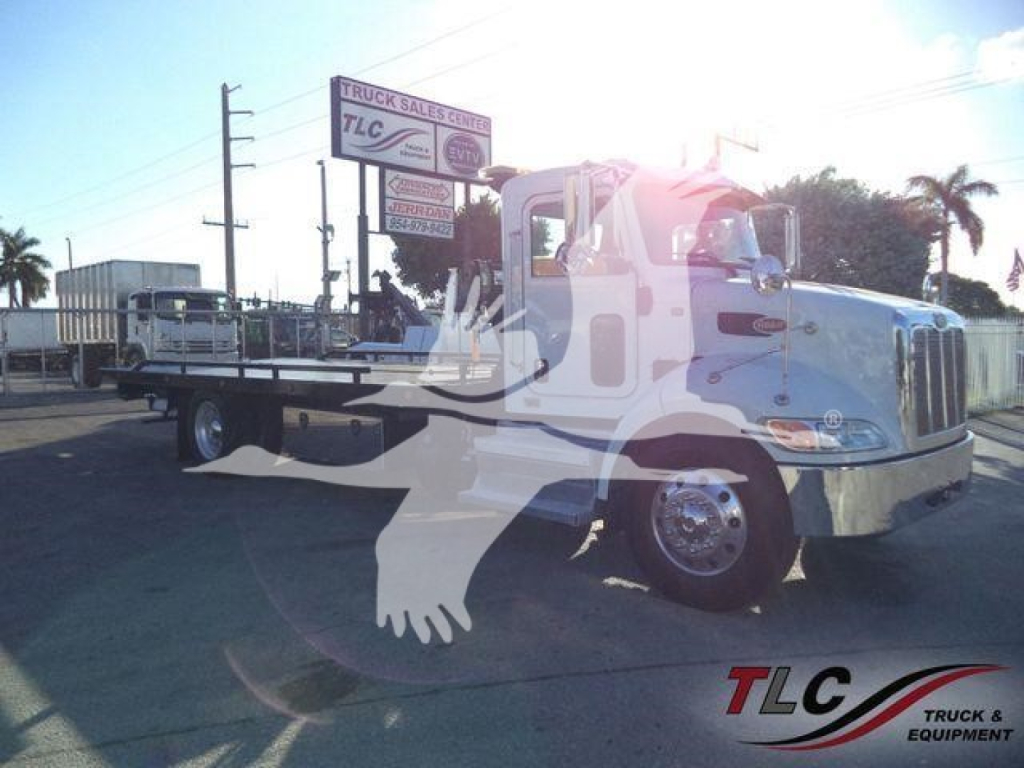
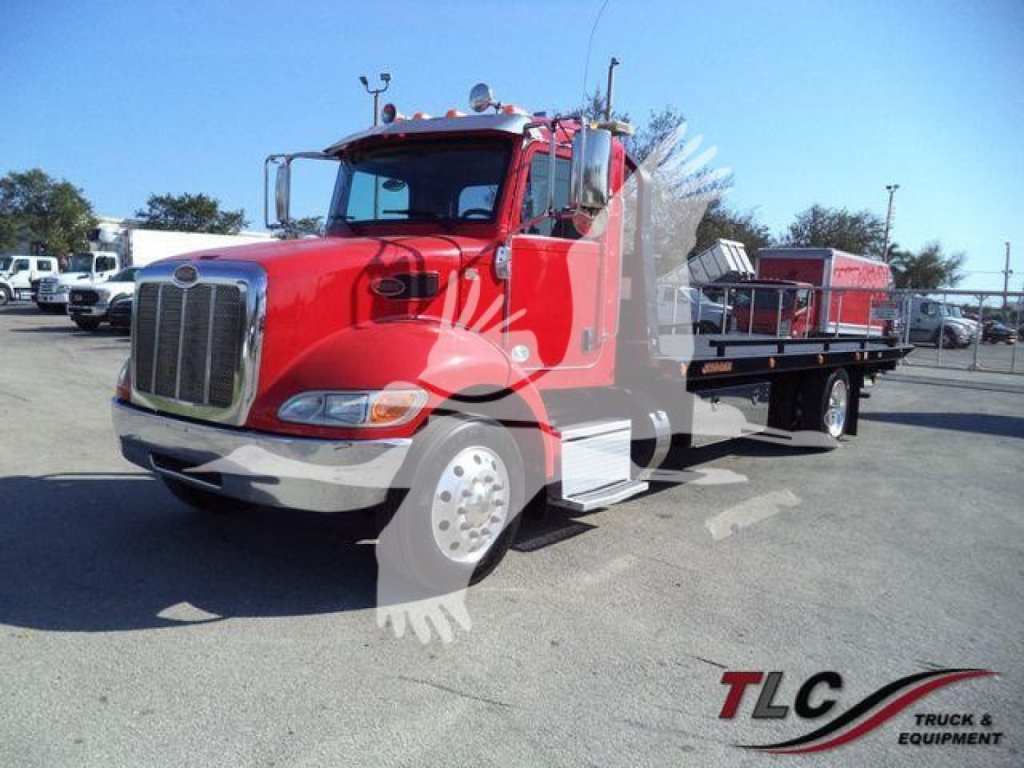
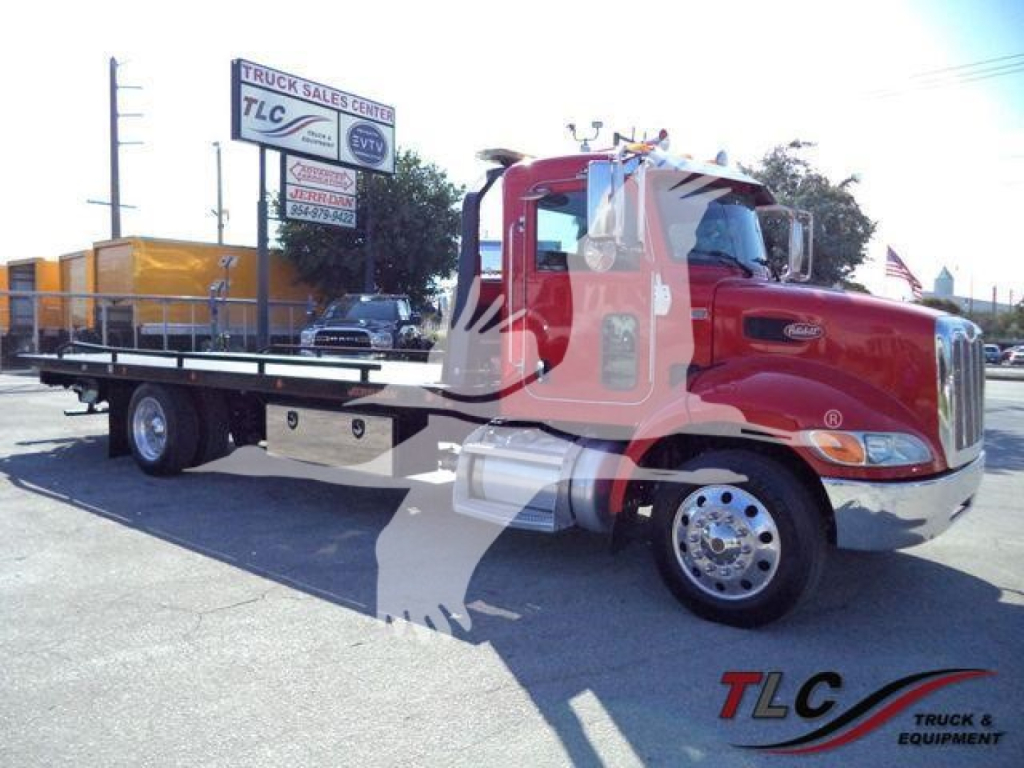
Selling a 2020 peterbilt rollback truck? List your 2020 peterbilt rollback truck for sale and reach thousands of commercial buyers.
2020 Peterbilt Rollback Trucks in Florida
For buyers comparing listings, bed configuration is the first real separator. A 20-foot bed can be easier to manage in tighter urban service areas and on crowded lots, while a 22-foot rollback gives more flexibility for longer wheelbase pickups, vans, and some commercial units. Common specs in this class include 6-ton deck ratings, 3,500-pound wheel lifts, 8,000-pound winches, removable rails, and side toolboxes. If the truck will spend most of its time on repo, parking enforcement, dealership transport, or standard roadside towing, an extra low-profile carrier can be a major advantage. In Florida, that lower load angle also helps when loading lowered vehicles, luxury cars, and EVs with limited ground clearance.
Chassis spec still matters even on a light-duty rollback. A 26,000 GVWR setup can be attractive because it often avoids CDL requirements depending on use, licensing, and local rules, but buyers still need to confirm actual operating weight, body weight, and payload capacity after the upfit. Look closely at wheelbase, rear axle ratio, suspension type, tire size, and PTO setup because those details affect ride quality, turning radius, highway speed, and hydraulic performance. Air ride suspension, aluminum wheels, and low-profile 22.5 tires are common on cleaner carrier builds, while cab features like power windows, heated mirrors, and air ride seats add real value for operators who spend full days in the truck.
The rollback body brand and upfit quality are just as important as the Peterbilt badge. Jerr-Dan carriers are widely recognized in this segment, and buyers should inspect deck wear, cylinder condition, subframe mounting, winch function, wheel-lift operation, control layout, and toolbox corrosion. A 2020 Peterbilt rollback can be a strong fit for towing companies, auction transport, fleet support, and municipal use if the body length, deck rating, and wheel-lift capacity match the intended work. The best buying decision usually comes down to application fit: lower-profile carriers for passenger vehicles, longer beds for mixed loads, and clean hydraulic and electrical systems for operators who need dependable daily service.
Frequently Asked Questions about 2020 Peterbilt Rollback Trucks in Florida
What is the most common 2020 Peterbilt rollback configuration?
The most common 2020 Peterbilt rollback configuration is a Peterbilt 337 with a Cummins 6.7L diesel, Allison automatic transmission, air brakes, and a 20-foot or 22-foot steel rollback body. Many units use a Jerr-Dan low-profile or extra low-profile carrier with a 6-ton deck rating, an 8,000-pound winch, and a 3,500-pound wheel lift. This setup is popular because it balances maneuverability, operator comfort, and enough capacity for everyday towing and vehicle transport work.
Is a 20-foot or 22-foot rollback bed better on a Peterbilt 337?
A 20-foot bed is usually better for tighter city routes, parking garages, apartment complexes, and dense recovery work where maneuverability matters most. A 22-foot bed gives more deck space and can handle longer-wheelbase pickups, vans, and mixed transport jobs with less compromise in vehicle placement. The right choice depends on the type of vehicles hauled most often, the operating environment, and how important turning radius is to the business.
Do 2020 Peterbilt rollback trucks typically require a CDL?
Many 2020 Peterbilt rollback trucks are built at 26,000 GVWR, which may allow operation without a CDL in some situations, but requirements depend on state law, business use, combined weight, and what is being towed. Buyers in Florida should verify licensing rules, DOT obligations, and insurance requirements before purchasing. It is also important to check the truck's actual scaled weight after the rollback body and equipment are installed because usable payload can vary significantly.
Why does an XLP or low-profile rollback bed matter?
An XLP or low-profile rollback bed matters because it lowers the load angle and makes it easier to load vehicles with limited ground clearance. That is especially useful for sports cars, luxury sedans, EVs, and damaged vehicles that cannot tolerate a steep approach. It also reduces the need for extra boards or ramps in many situations, which can speed up loading and lower the risk of bumper, fascia, or underbody contact.
What should buyers inspect on a used 2020 Peterbilt rollback?
Buyers should inspect both the chassis and the carrier equipment. On the truck side, focus on engine service history, transmission operation, brake condition, suspension wear, tire age, PTO engagement, and any signs of frame stress or corrosion. On the rollback side, inspect the deck structure, hydraulic cylinders, hoses, winch operation, wheel-lift function, controls, lighting, and toolbox condition. A rollback is only as good as the upfit, so body condition and hydraulic reliability are often just as important as mileage.