
New Mack Rollback Trucks For Sale
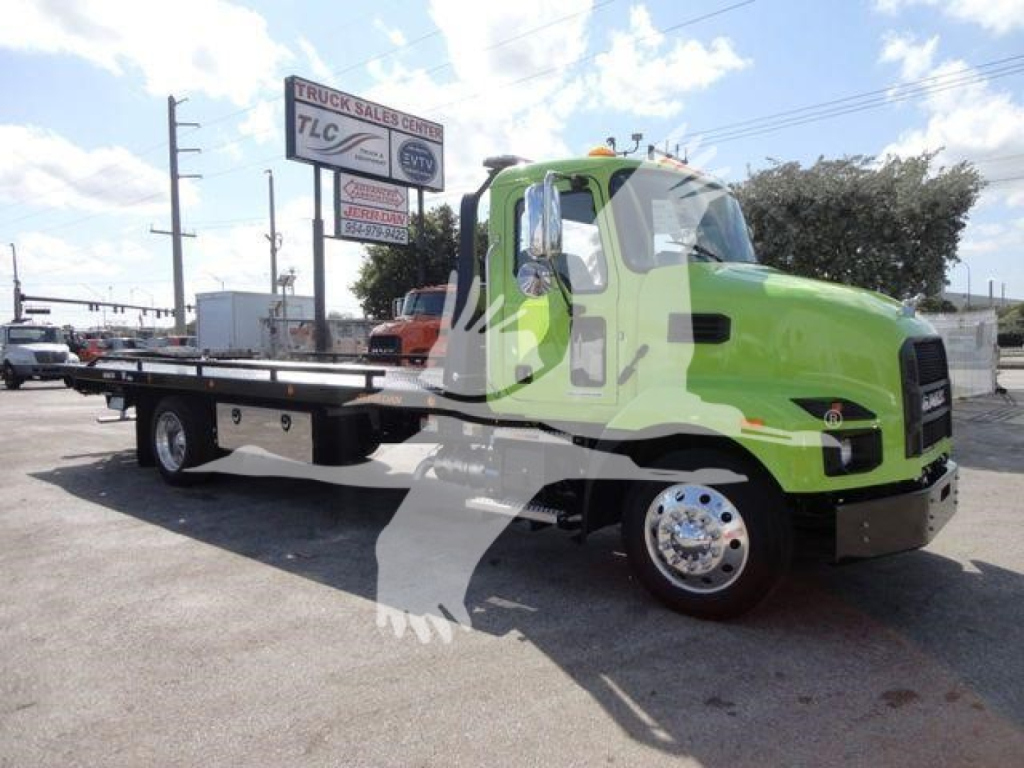
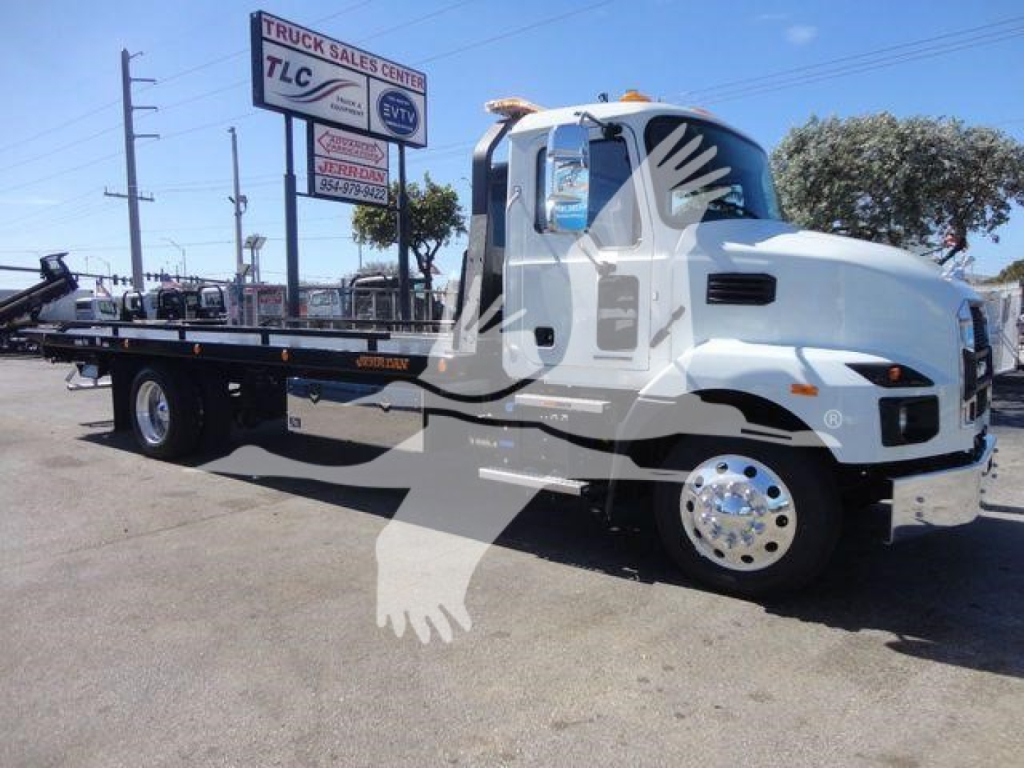
Compare new Mack rollback trucks, from non-CDL MD6 carriers to heavy Granite tandem-axle wreckers with steel decks, winches, and wheel lifts.
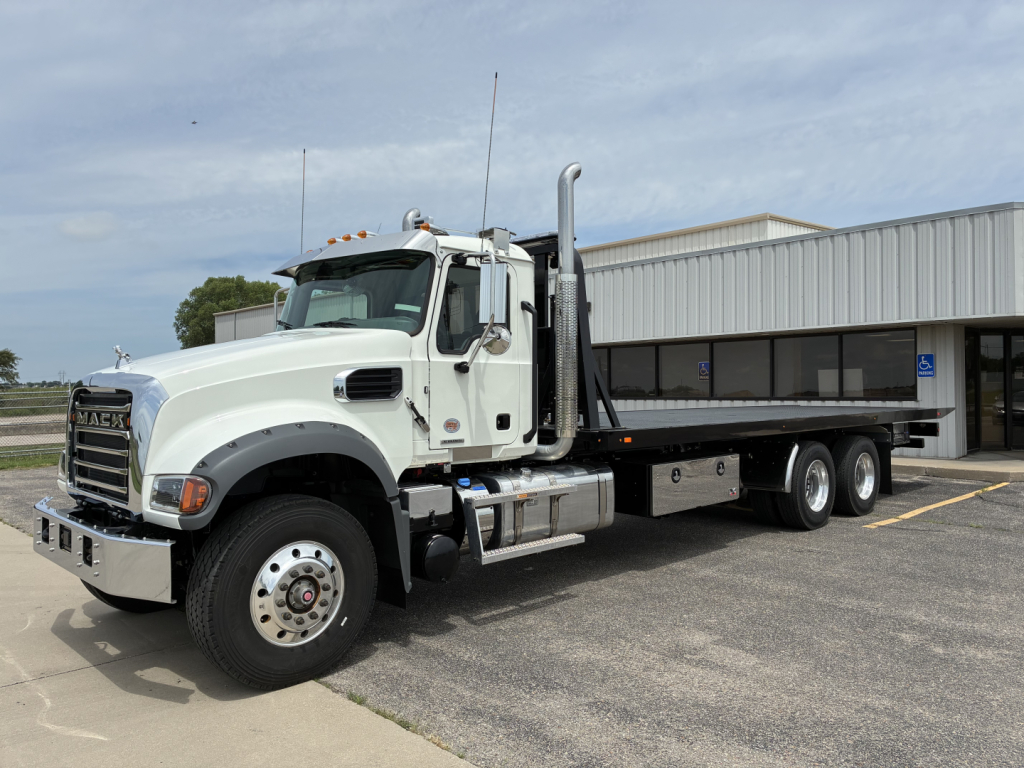
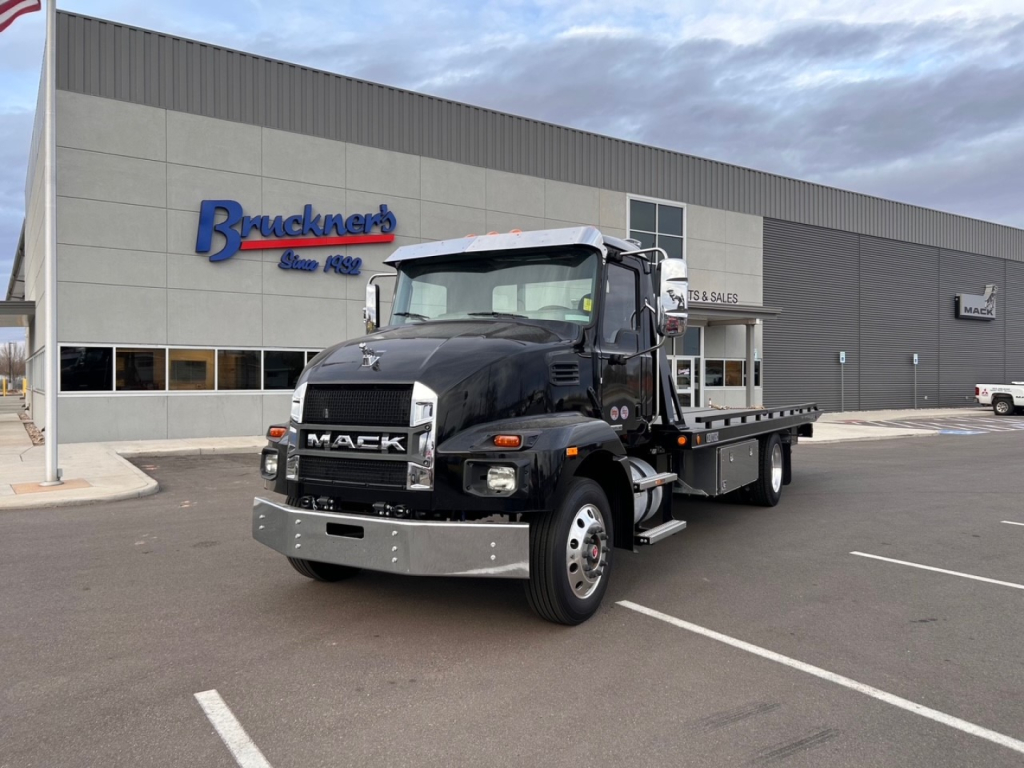
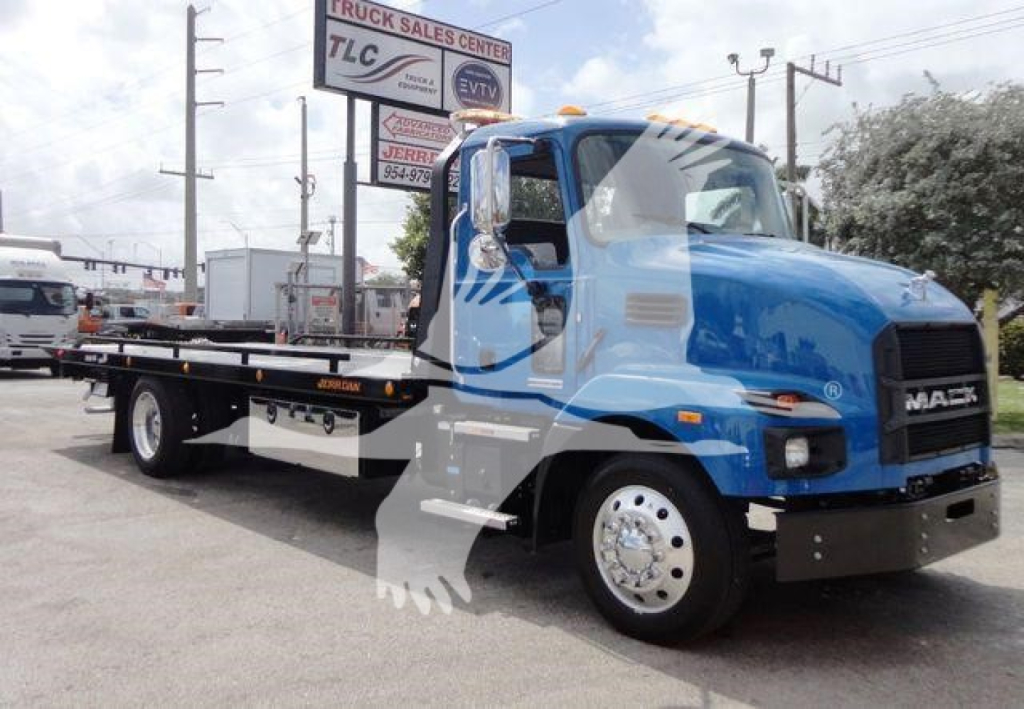
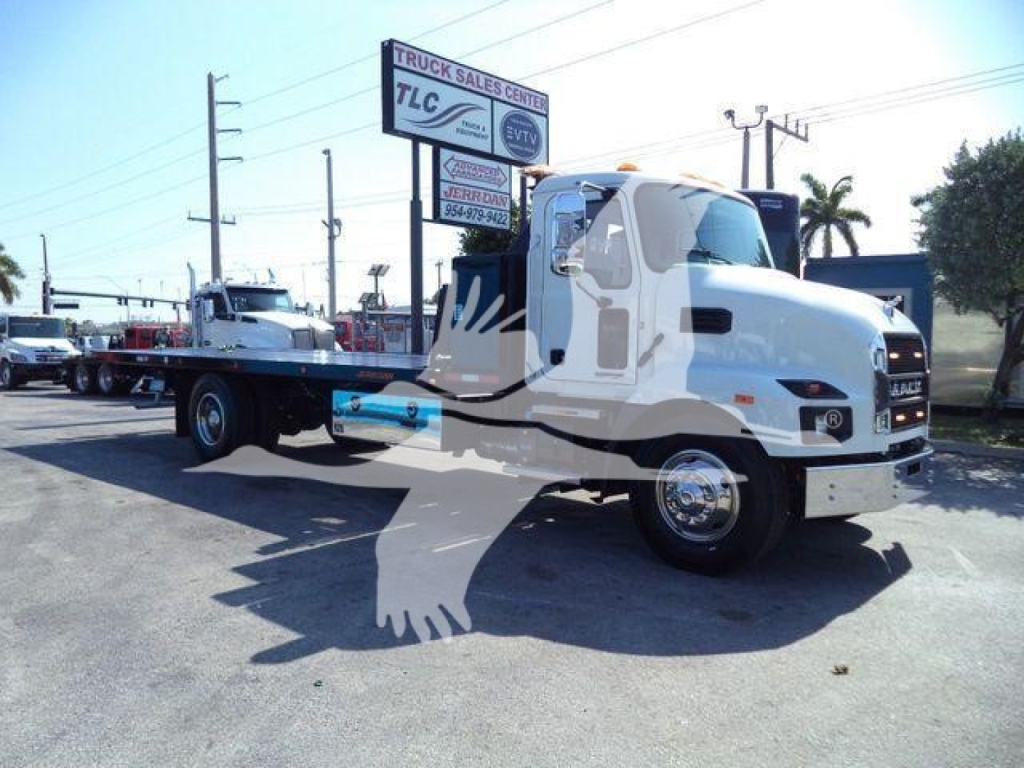
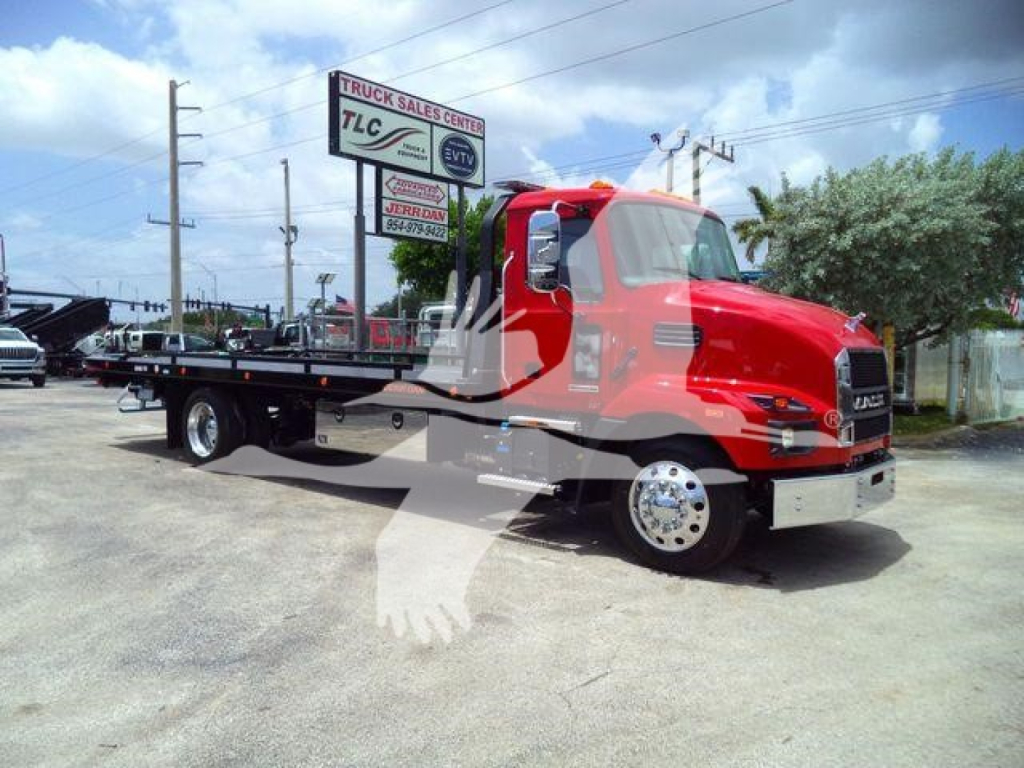
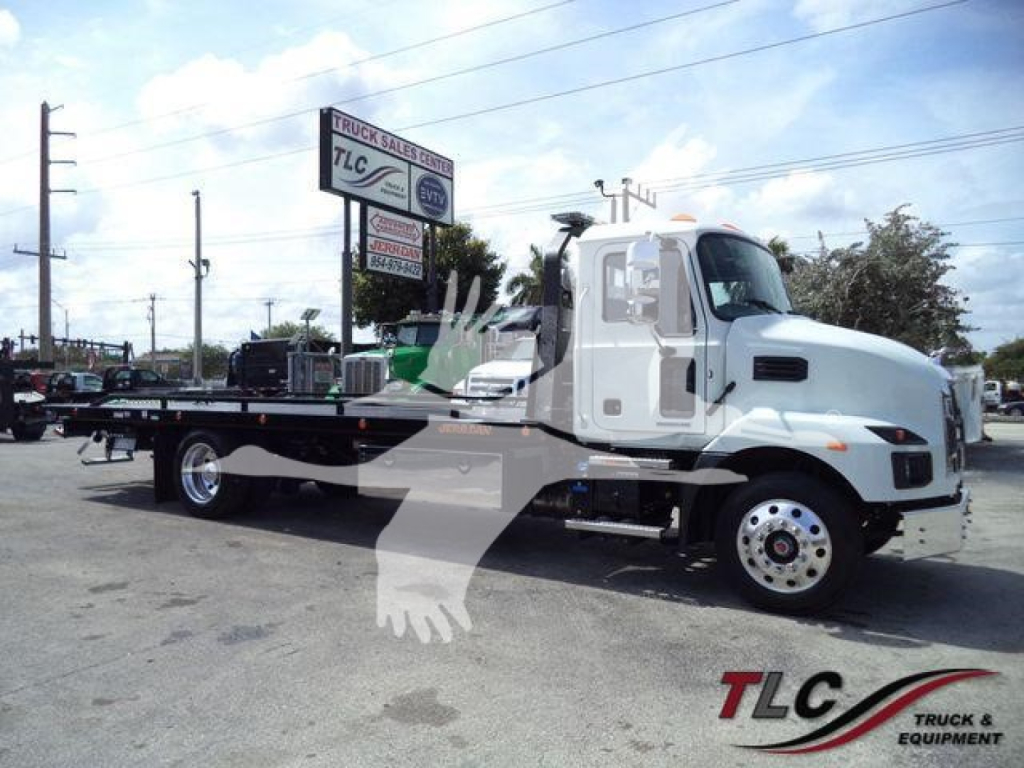
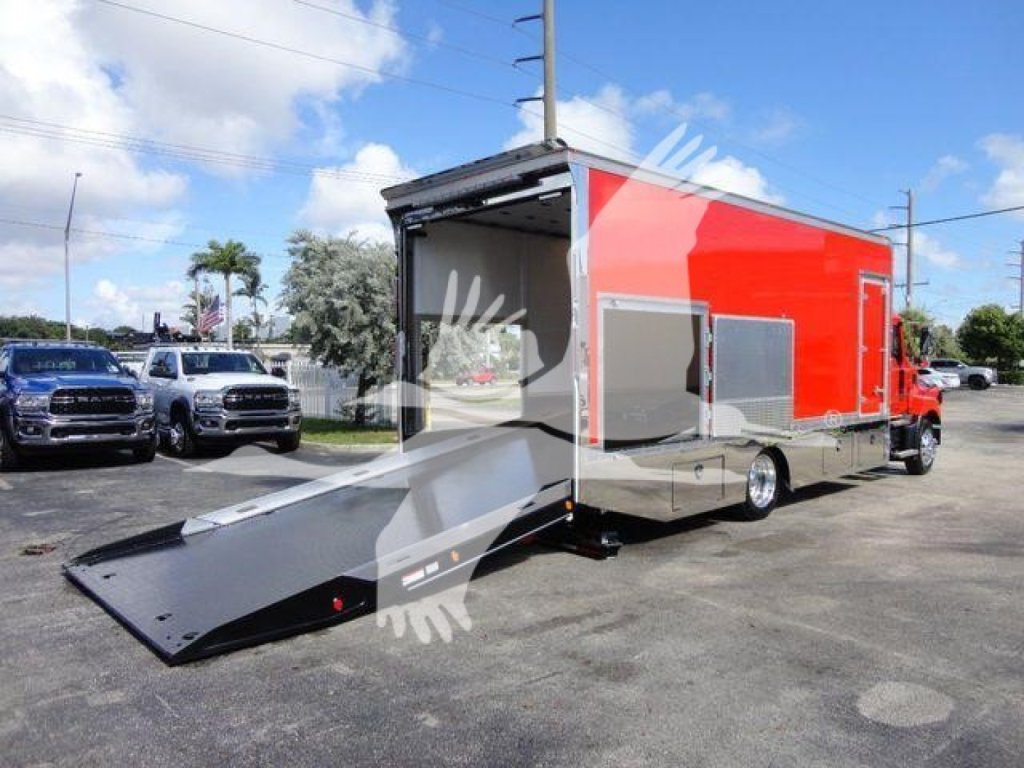
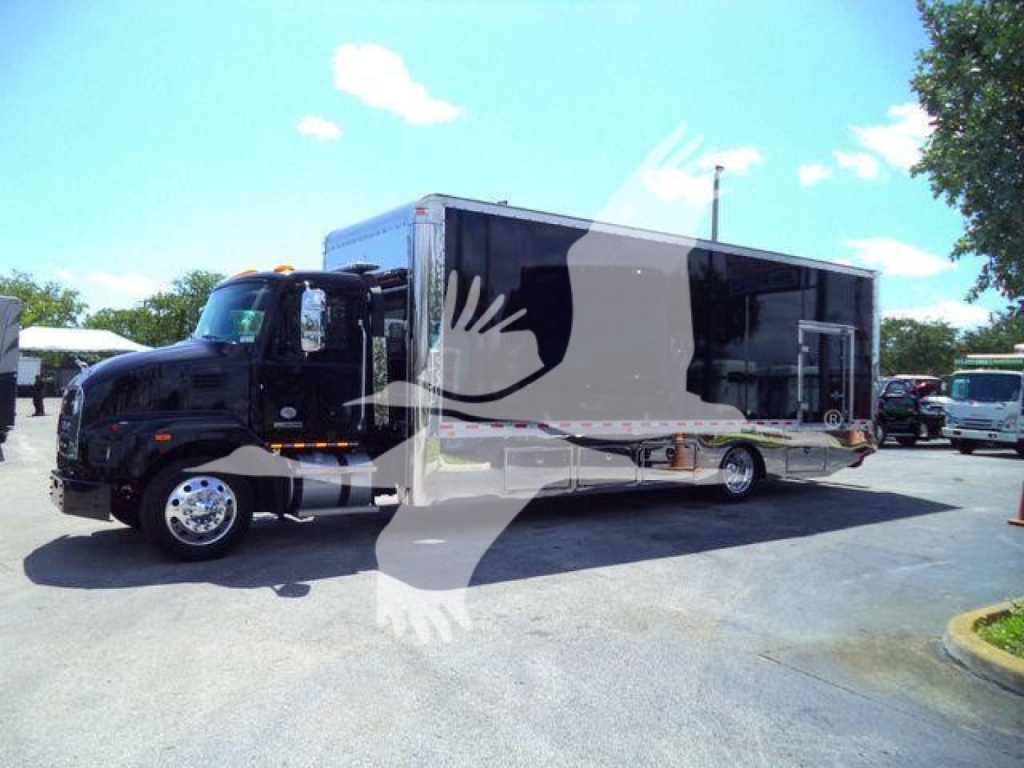
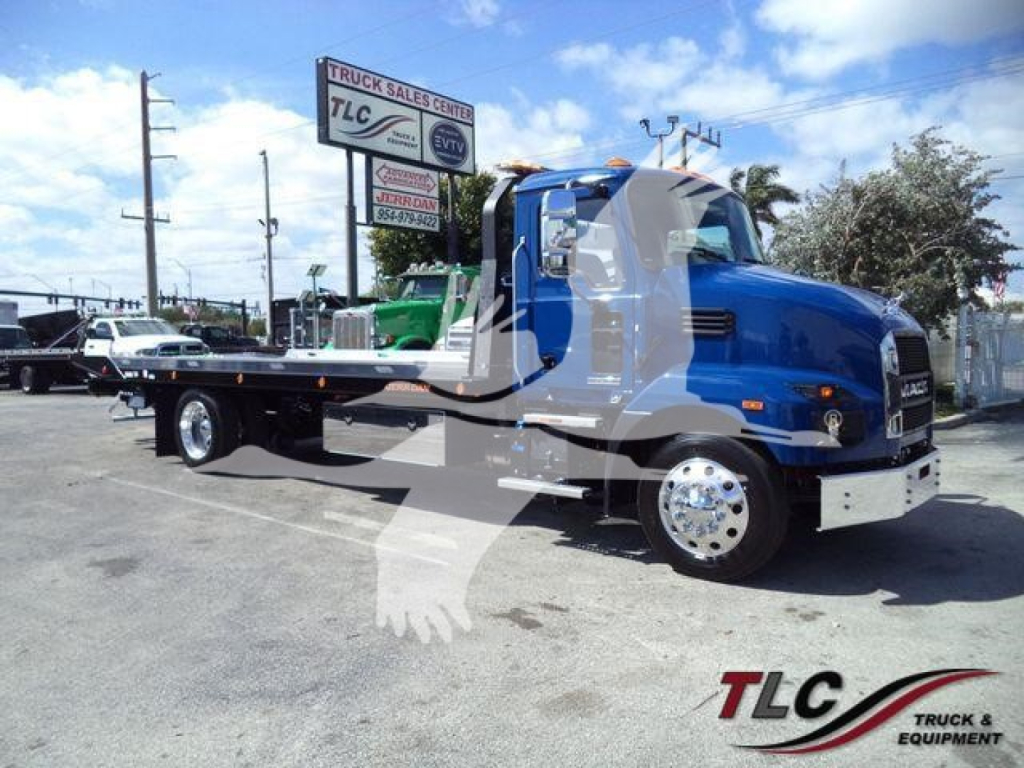
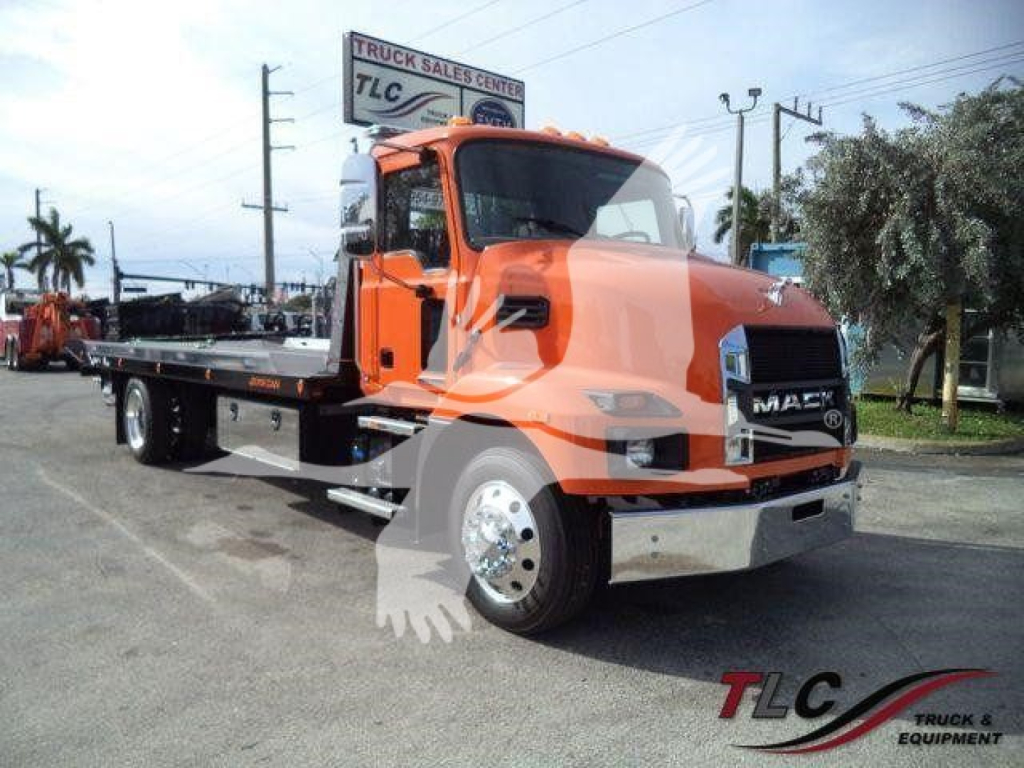
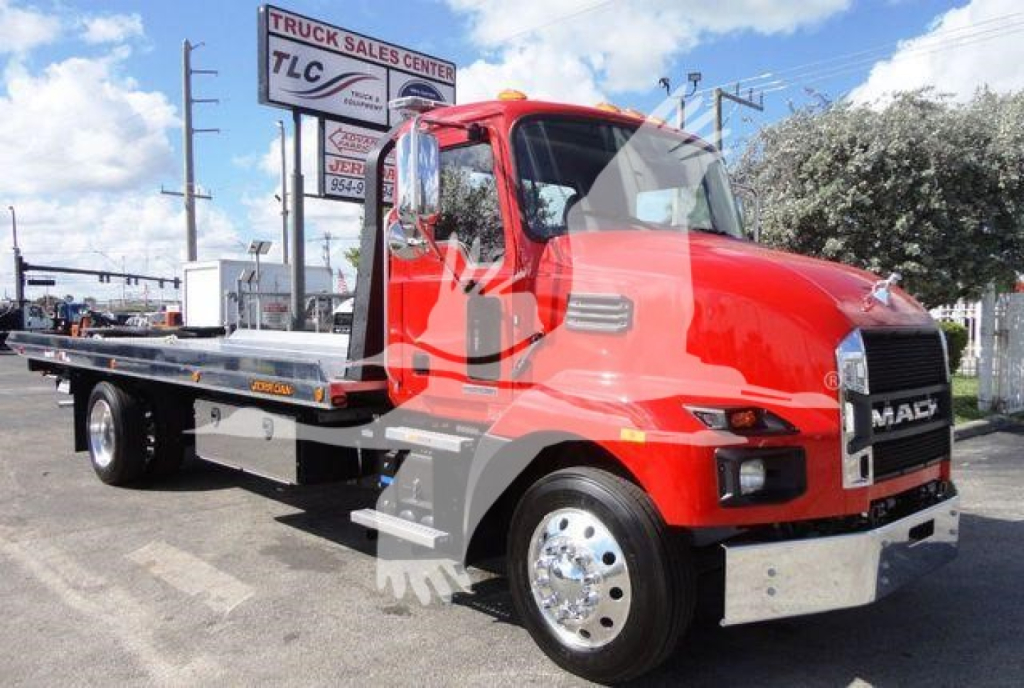
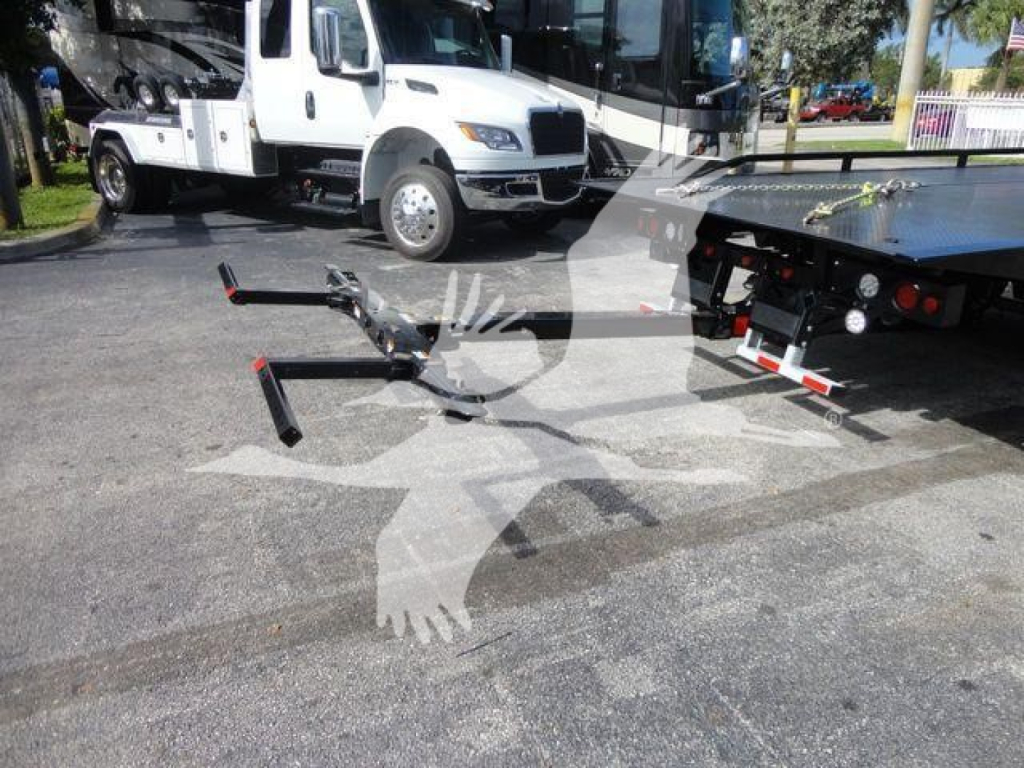
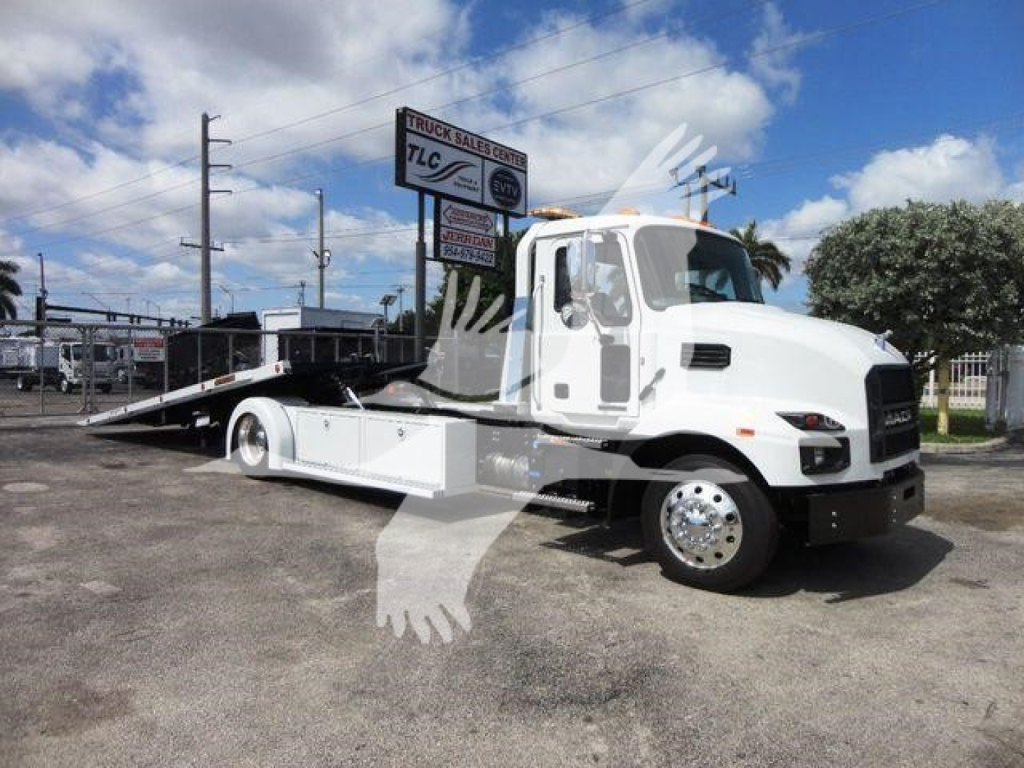
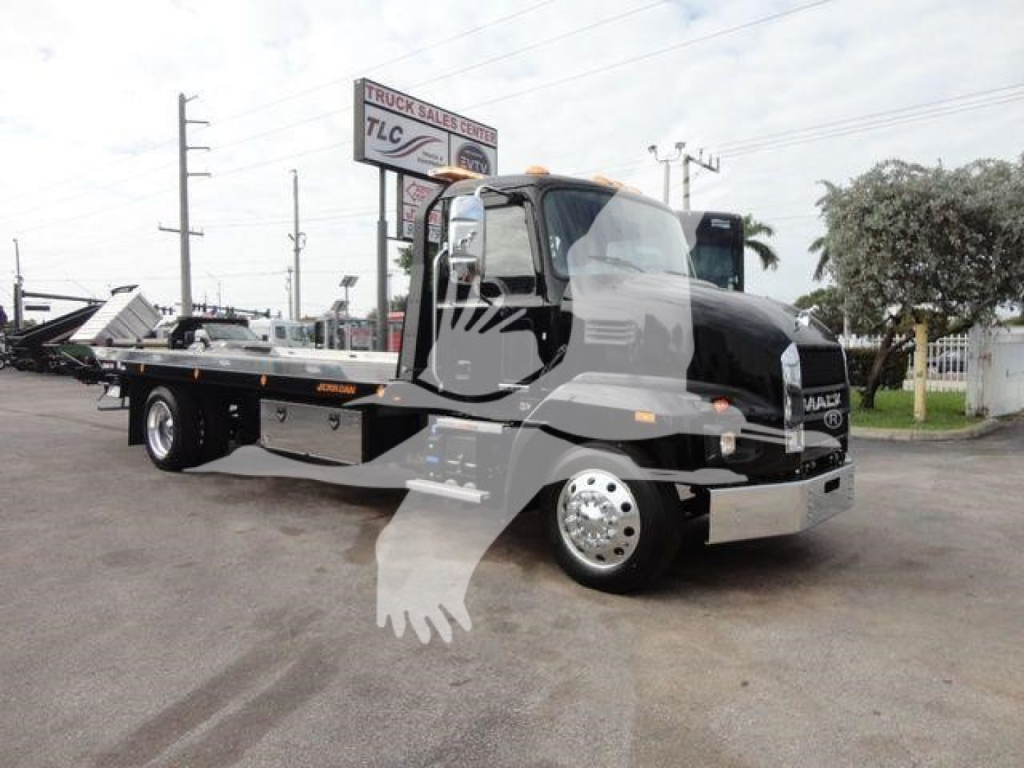
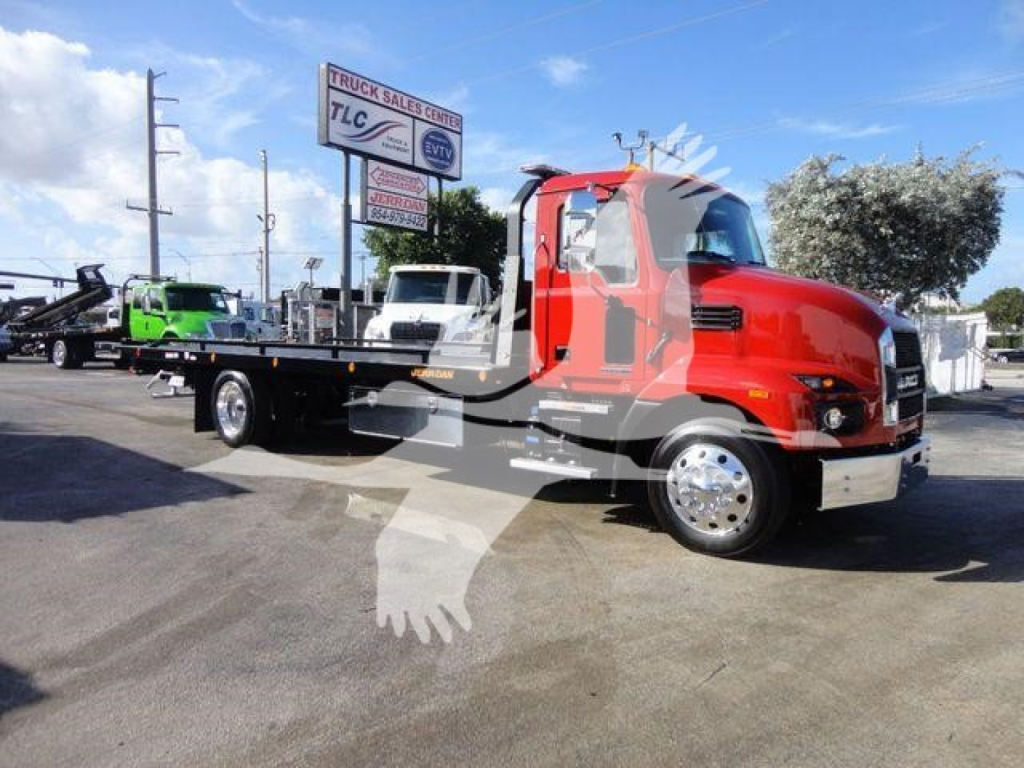
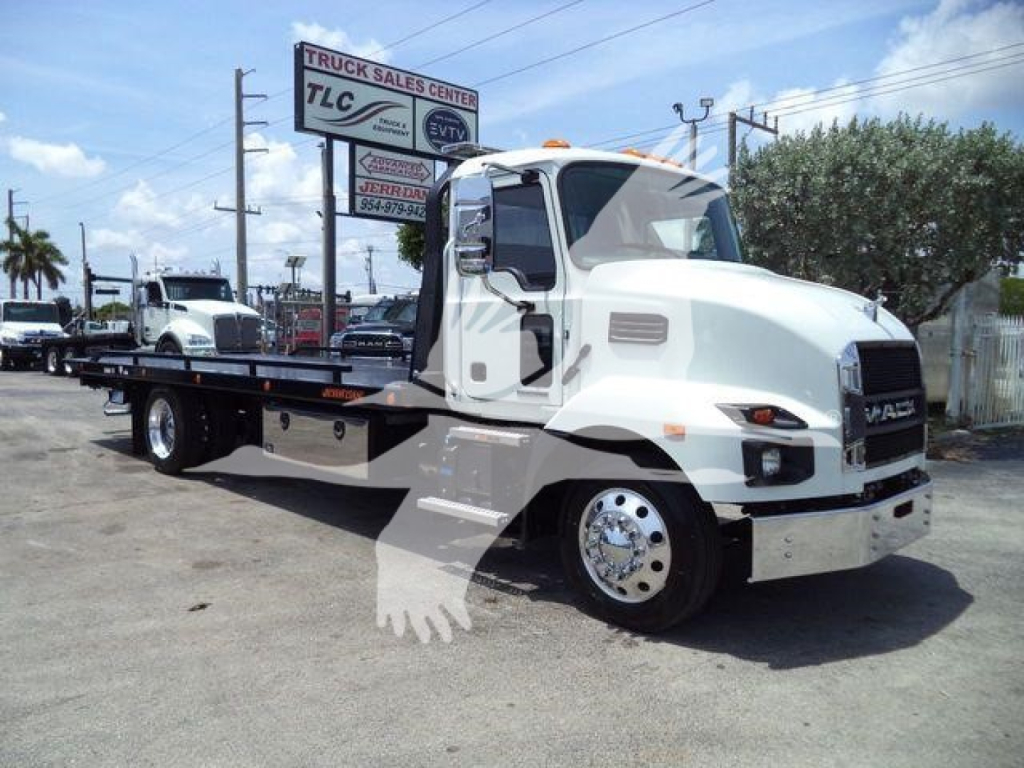
Selling a new mack rollback truck? List your new mack rollback truck for sale and reach thousands of commercial buyers.
New Mack Rollback Trucks
The body spec is where rollback performance is really defined. Most buyers focus first on deck length, deck rating, and winch capacity. Common setups include steel low-profile carriers around 22 feet with 6-ton ratings, or larger 28 foot decks with 20,000 lb planetary winches, dual extension cylinders, and anti-tilt features for better load control. Useful details include a low load angle, 102-inch deck width, chain lock placement, removable rails, stake pockets, and a positive lock-down system. Wheel-lift equipment is another key point, especially for operators who need to move a second vehicle or handle tighter recovery situations. A rollback with a 3,500 lb integrated wheel lift, steel L-arms, dual side controls, and a cable tensioner is a very different tool than a straight carrier built only for transport.
On the chassis side, new Mack rollback trucks are typically paired with proven automatic transmissions and PTO-driven hydraulic systems, a combination that suits stop-and-go towing work. Medium-duty models often use the Cummins ISB 6.7 with an Allison 2500 RDS, while heavier Granite-based units may carry a Mack MP8 with an Allison 4500 RDS. Buyers should compare rear axle ratio, suspension type, and wheelbase against their route profile and deck design. A shorter wheelbase improves maneuverability in city recoveries and impound lots, while a longer wheelbase supports deck length and load stability. Air rear suspension can improve ride quality and vehicle handling on carrier applications, while heavier vocational suspensions on tandem units are better matched to severe-service towing and higher GVWR requirements.
For buyers comparing new Mack rollback trucks for sale, the smartest approach is to match the truck to the heaviest and most frequent job, not the occasional one. Look closely at GVWR, front and rear axle ratings, bed manufacturer, hydraulic package, and the exact carrier equipment installed. Features like dual controls, backup alarms, LED lighting, toolboxes, free-spool winches, stabilizers, and wheel-lift hardware directly affect daily usability. Mack rollback trucks are popular because the chassis are built for vocational service, parts support is broad, and the cab layouts tend to work well for towing operators who spend long hours in traffic, on shoulder work, and in repeated load cycles.
Frequently Asked Questions about New Mack Rollback Trucks
What is the difference between a Mack MD6 rollback and a Mack Granite rollback?
A Mack MD6 rollback is generally a medium-duty carrier used for lighter transport and recovery work, often in non-CDL or near non-CDL configurations depending on final GVWR and local regulations. A Mack Granite rollback is a heavier vocational chassis with higher axle ratings, more horsepower, and the ability to carry a longer deck, larger winch, and heavier loads. The MD6 is usually a better fit for cars, pickups, and local towing. The Granite is better suited for commercial vehicles, equipment transport, and heavier recovery applications.
Are new Mack rollback trucks available in non-CDL configurations?
Yes. Many new Mack MD6 rollback trucks are built to meet non-CDL operating needs, commonly around a 26,000 lb class or slightly higher depending on the exact build and intended use. Buyers still need to verify final GVWR, body weight, state licensing rules, and any operator requirements before purchase. A non-CDL rollback can be a strong choice for fleets that want easier driver hiring and a truck sized for passenger vehicles and light-duty transport.
What specs matter most when buying a rollback truck?
The most important rollback specs are deck length, deck capacity, winch rating, wheel-lift capacity, GVWR, axle ratings, and wheelbase. Those numbers tell you what the truck can legally carry, how it will load, and how it will behave in tight recovery situations. Buyers should also review the hydraulic system, PTO setup, suspension type, rear axle ratio, and body construction details such as crossmember spacing, deck material, chain locks, and load angle. These features have a direct effect on durability, loading safety, and daily productivity.
Is a steel deck or aluminum deck better on a rollback?
A steel deck is common on rollback trucks because it is durable, familiar to repair, and well suited to hard commercial use. It is often preferred for tougher recovery environments where the bed takes repeated abuse from chains, equipment, and off-angle loading. An aluminum deck can reduce body weight and may help with payload, but the right choice depends on the truck's duty cycle and how the operator balances durability, corrosion resistance, and weight savings. Many buyers in towing service still prefer steel for its ruggedness and repair practicality.
Why are Allison automatic transmissions common in rollback trucks?
Allison automatic transmissions are widely used in rollback applications because they are well matched to stop-and-go towing work, frequent backing, and repeated loading cycles. They simplify operation for drivers, improve consistency in urban traffic, and work well with PTO-driven hydraulic systems that power the bed and winch equipment. For many fleets, an Allison-equipped rollback reduces driver fatigue and supports smoother operation in recovery work, transport jobs, and high-cycle local routes.