
Mack Rollback Trucks For Sale
Browse Mack rollback trucks built for towing and vehicle transport, with MD6 and Granite chassis, steel carriers, winches, and PTO hydraulics.
Selling a mack rollback truck? List your mack rollback truck for sale and reach thousands of commercial buyers.
Mack Rollback Trucks
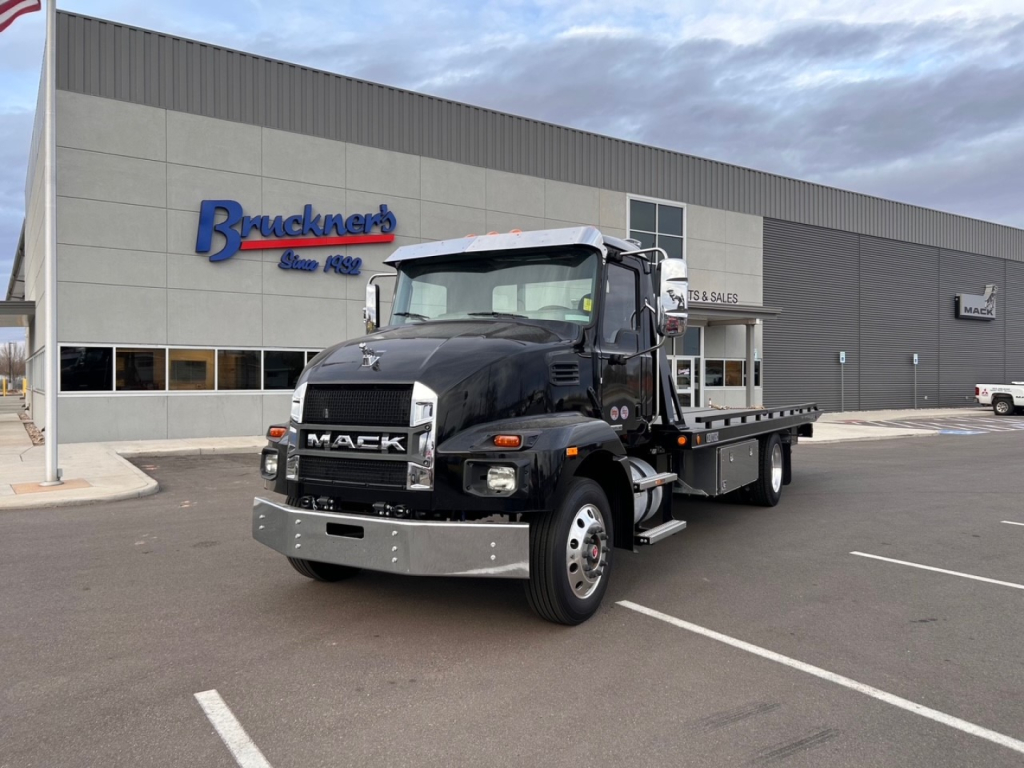
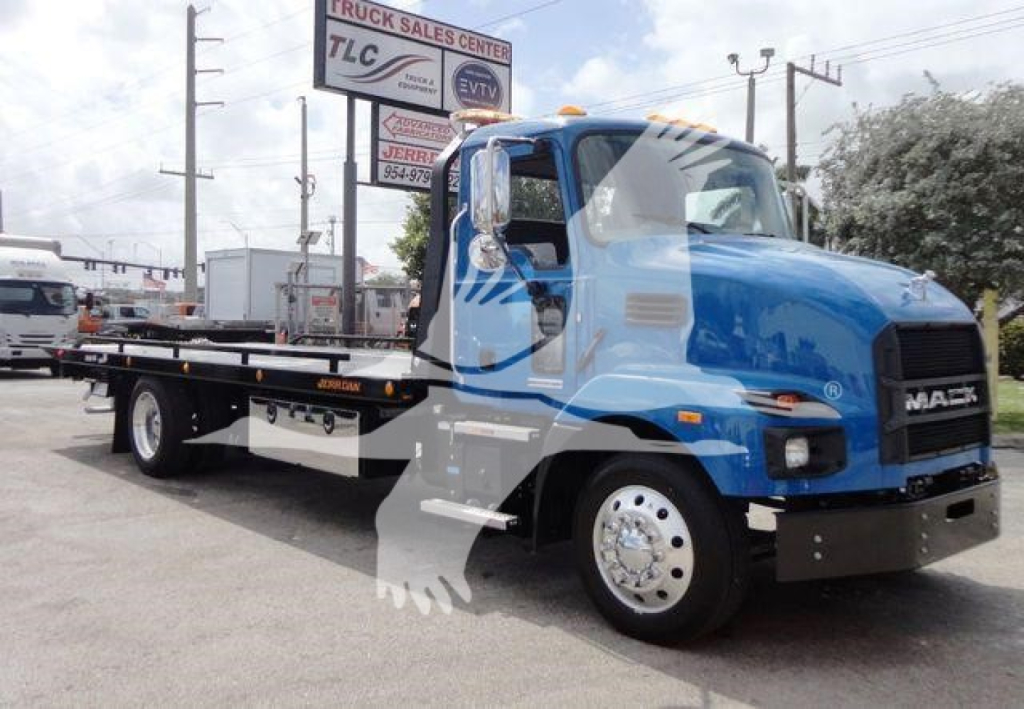
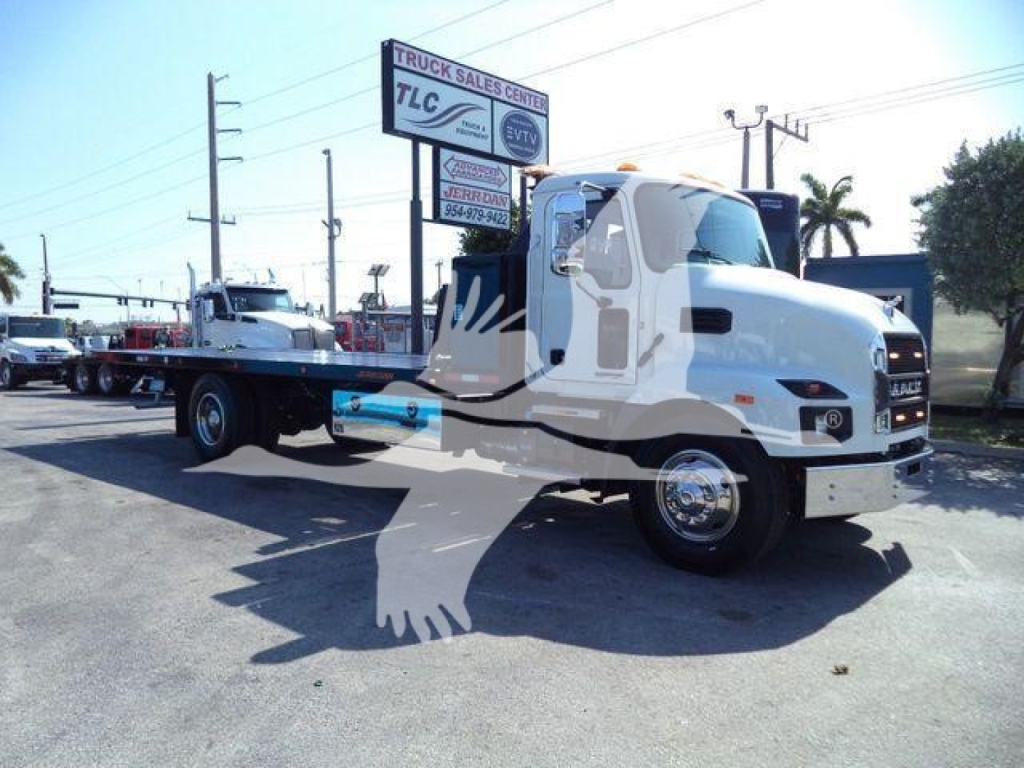
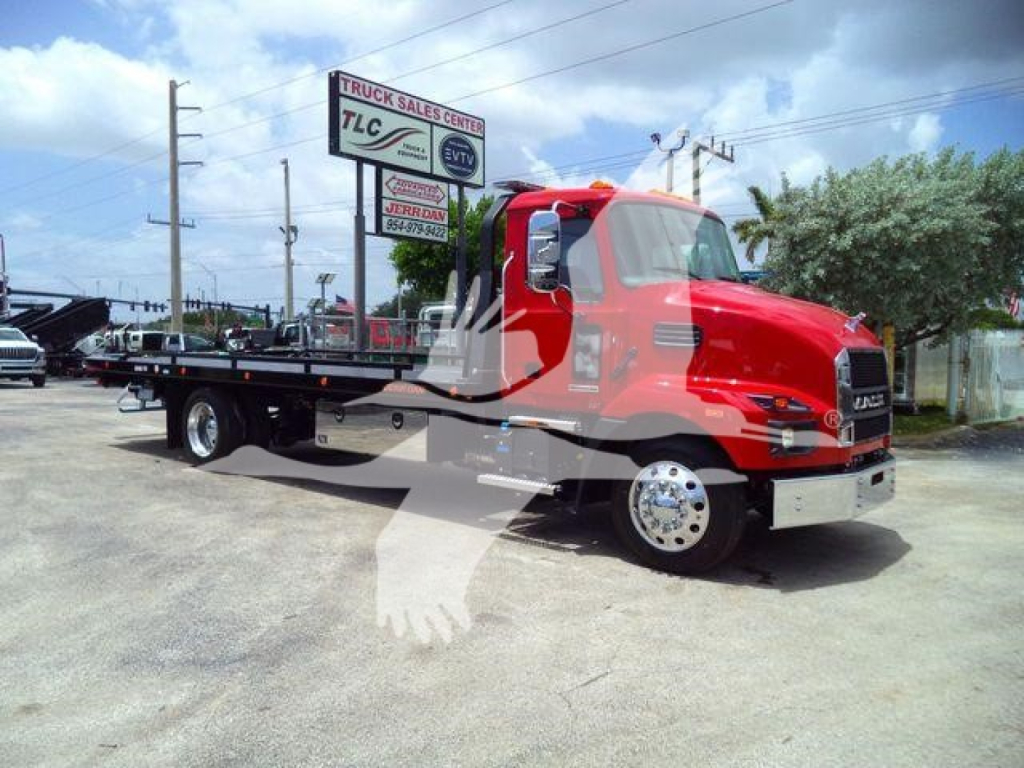
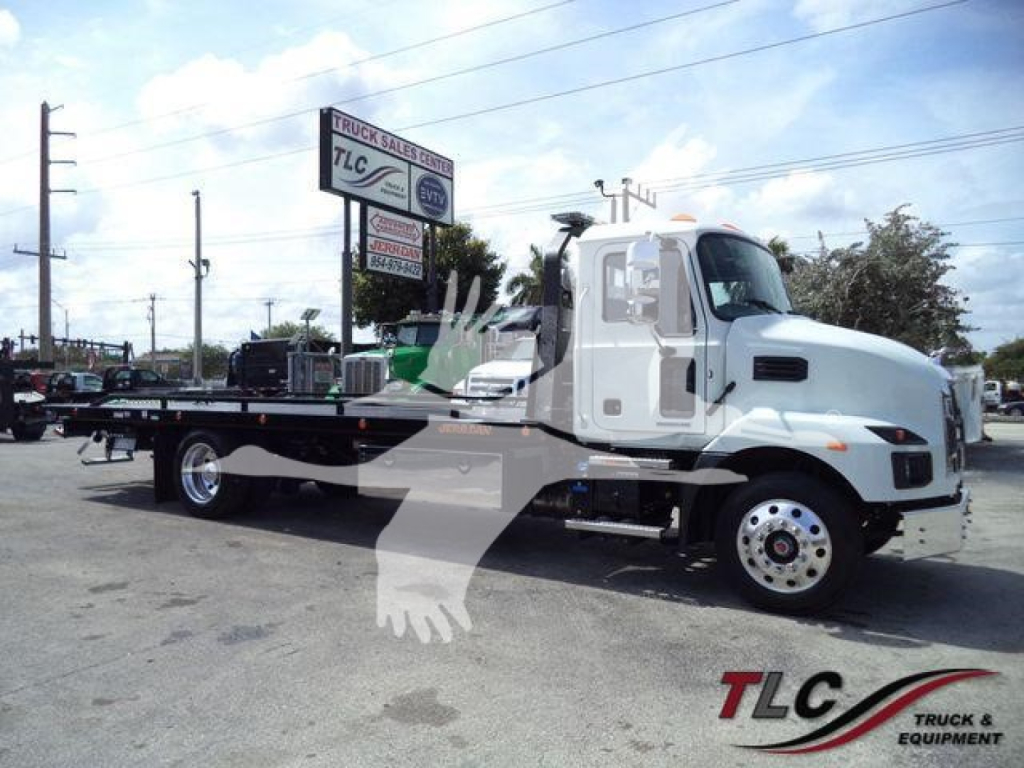
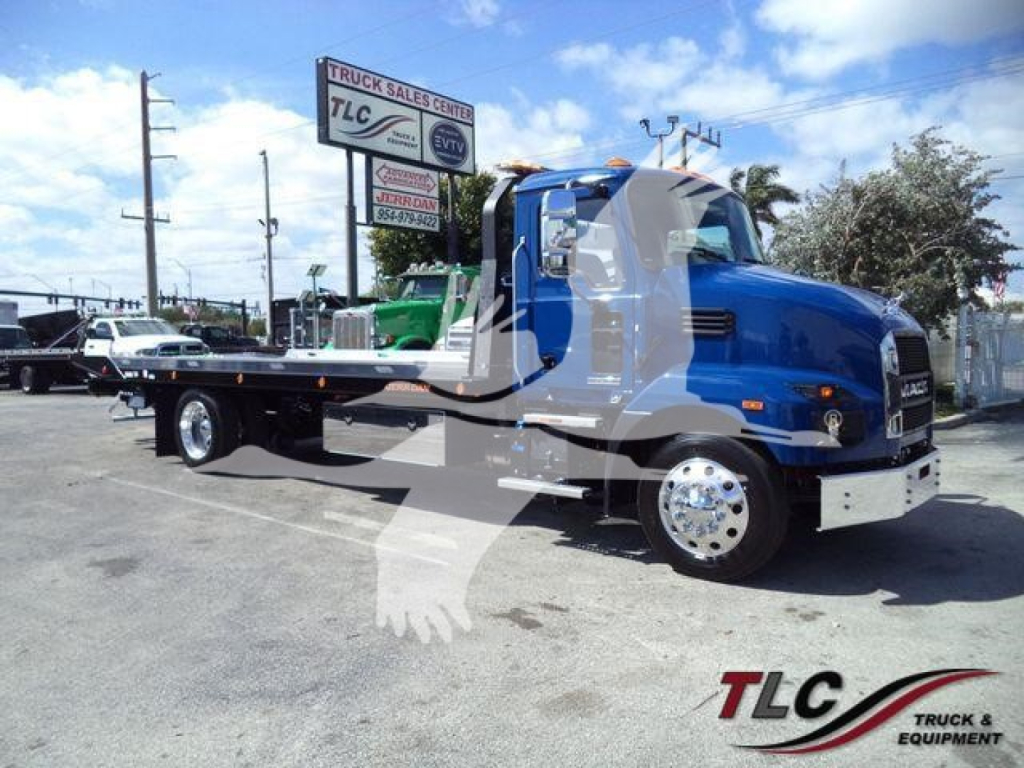
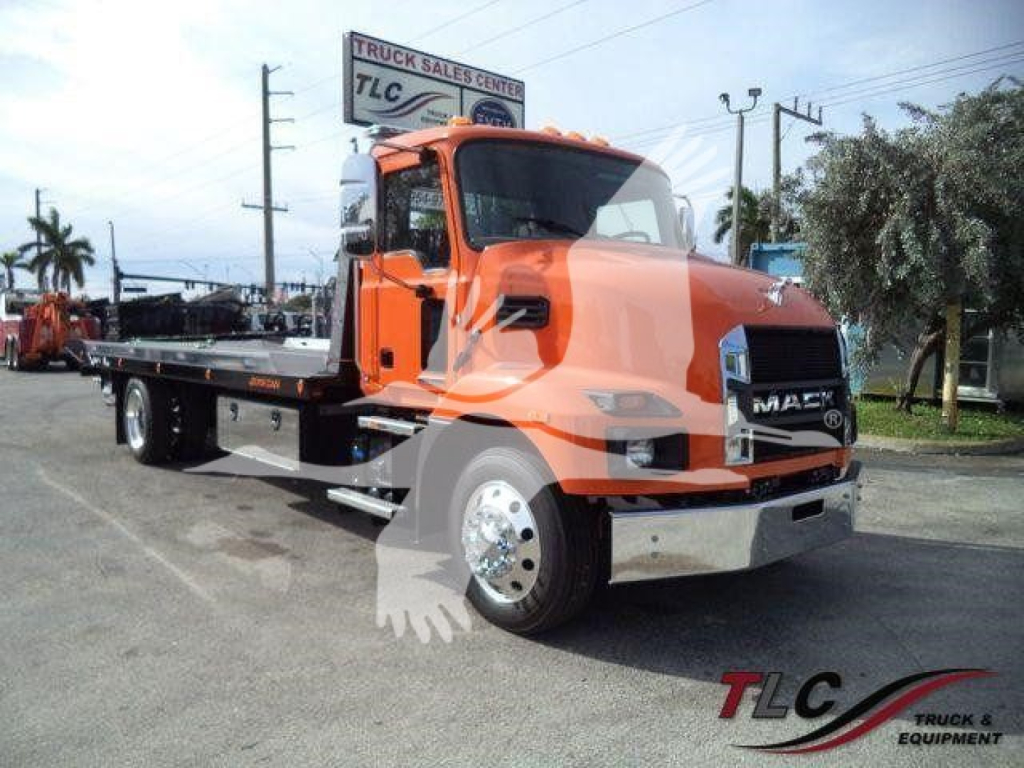
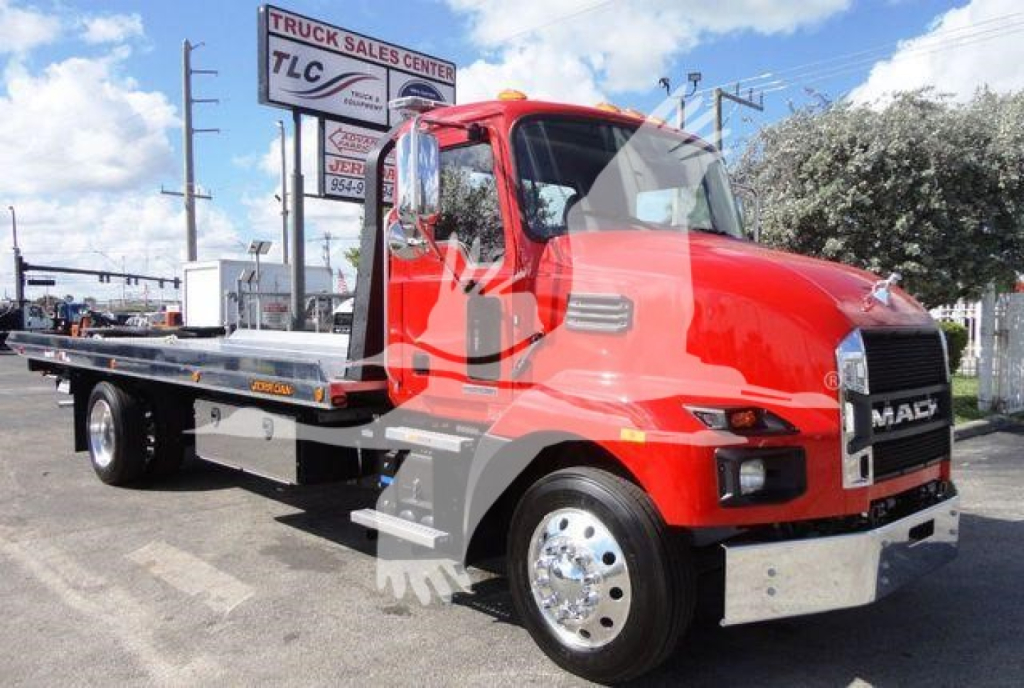
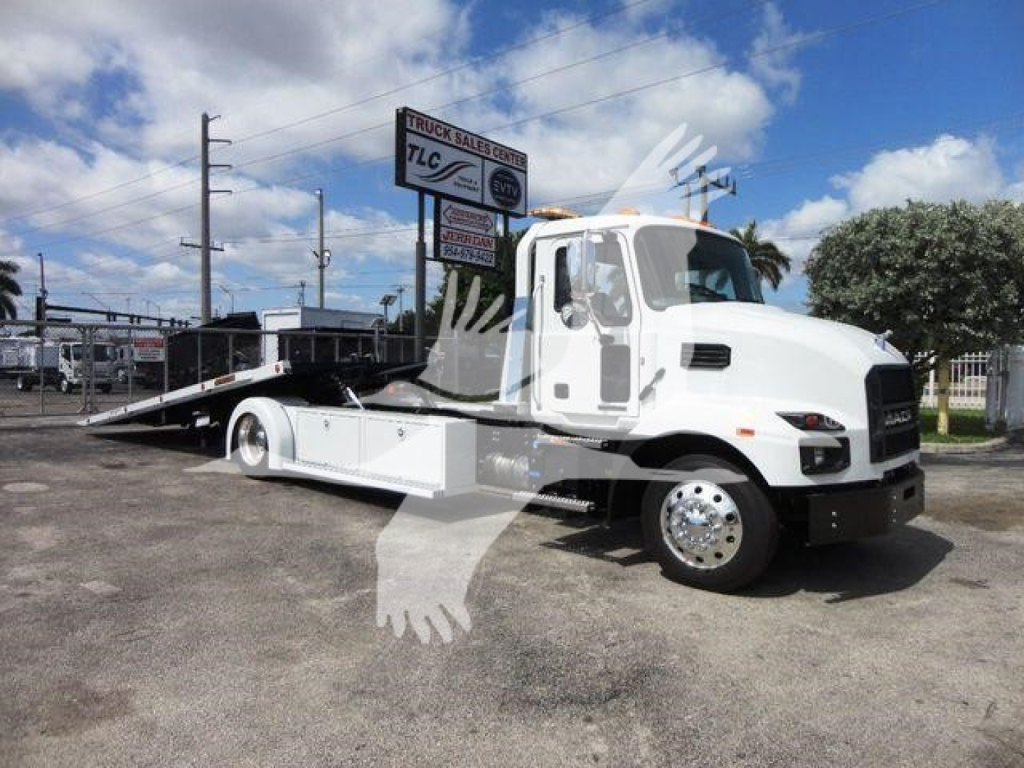
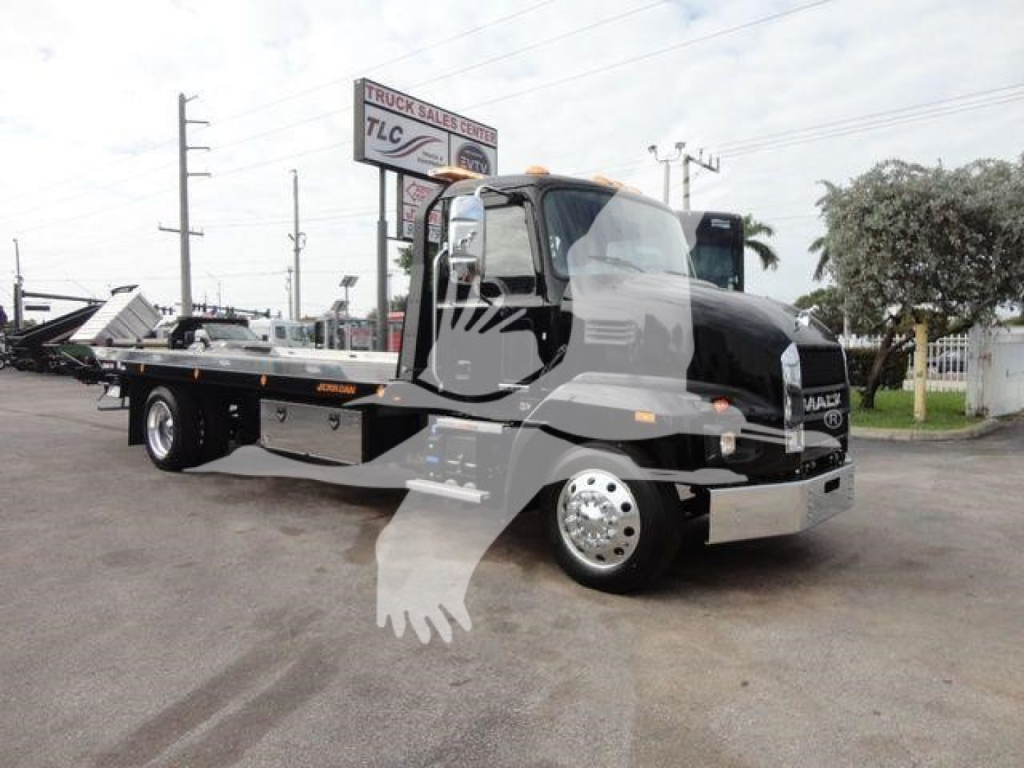
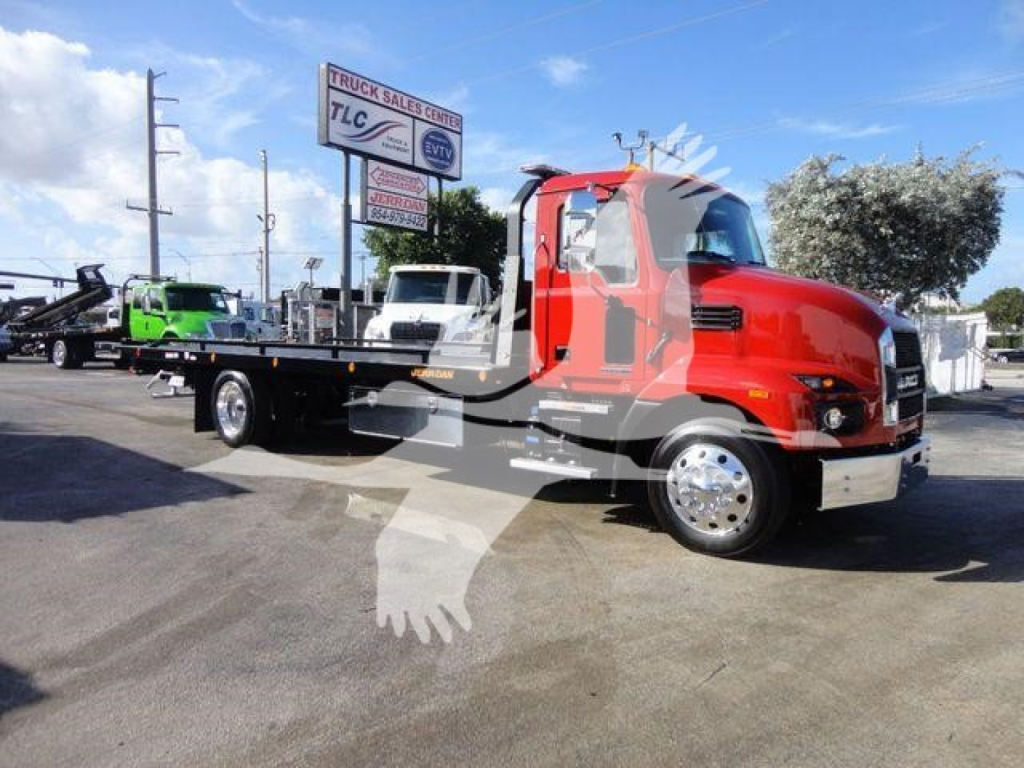
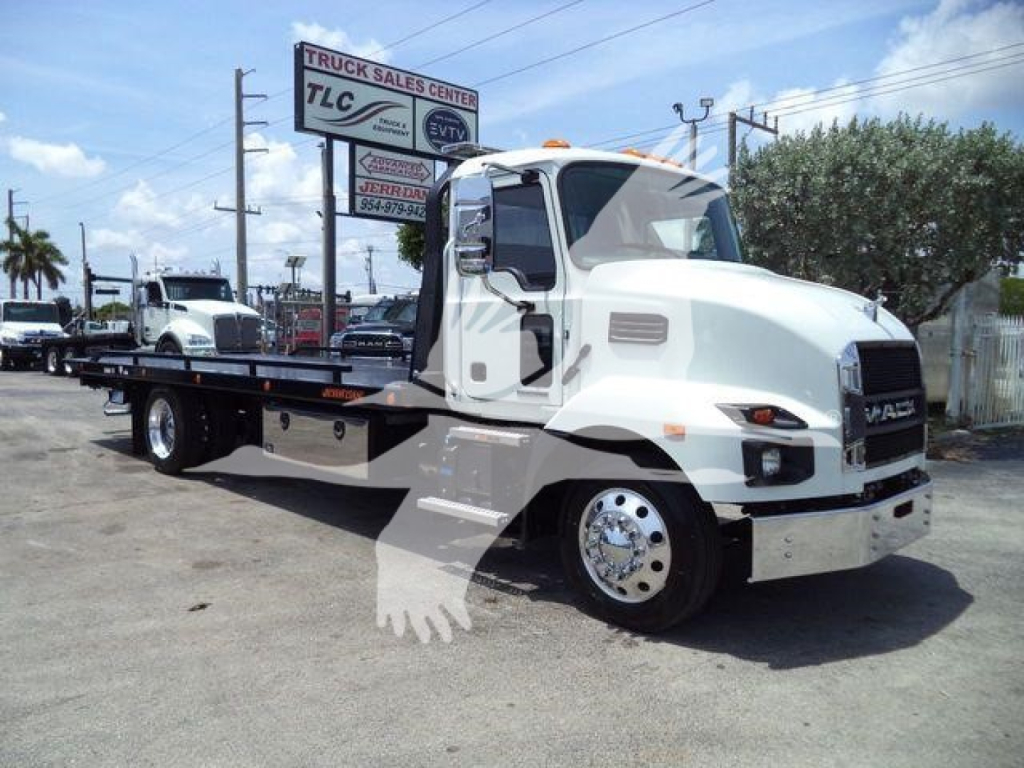
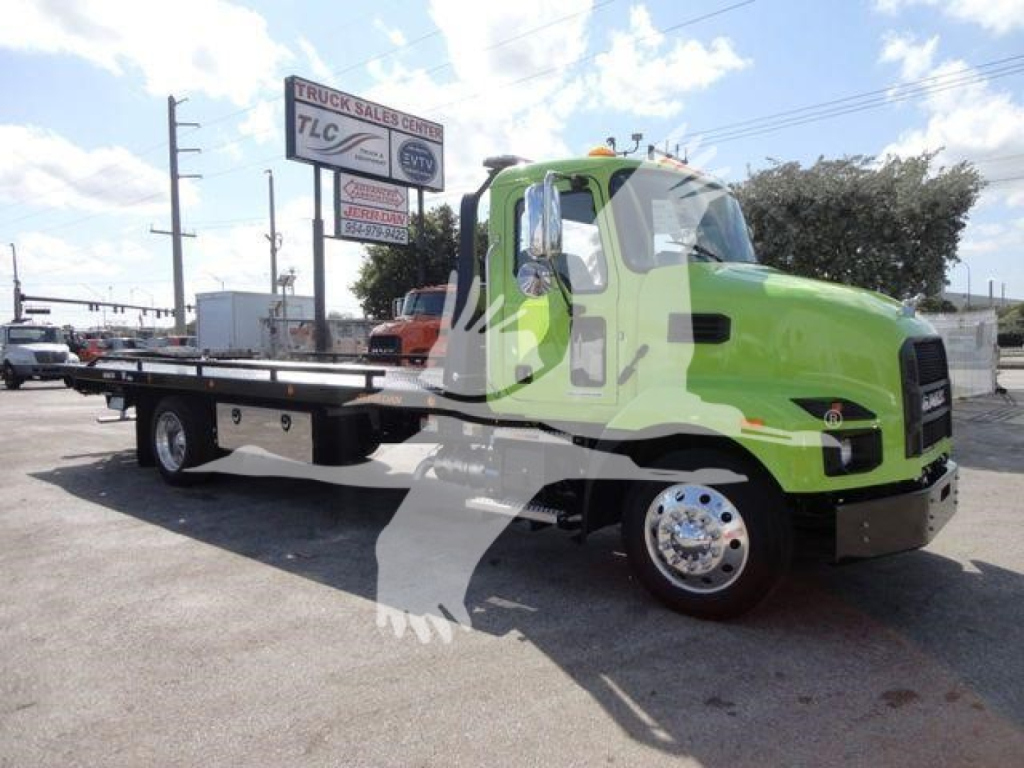
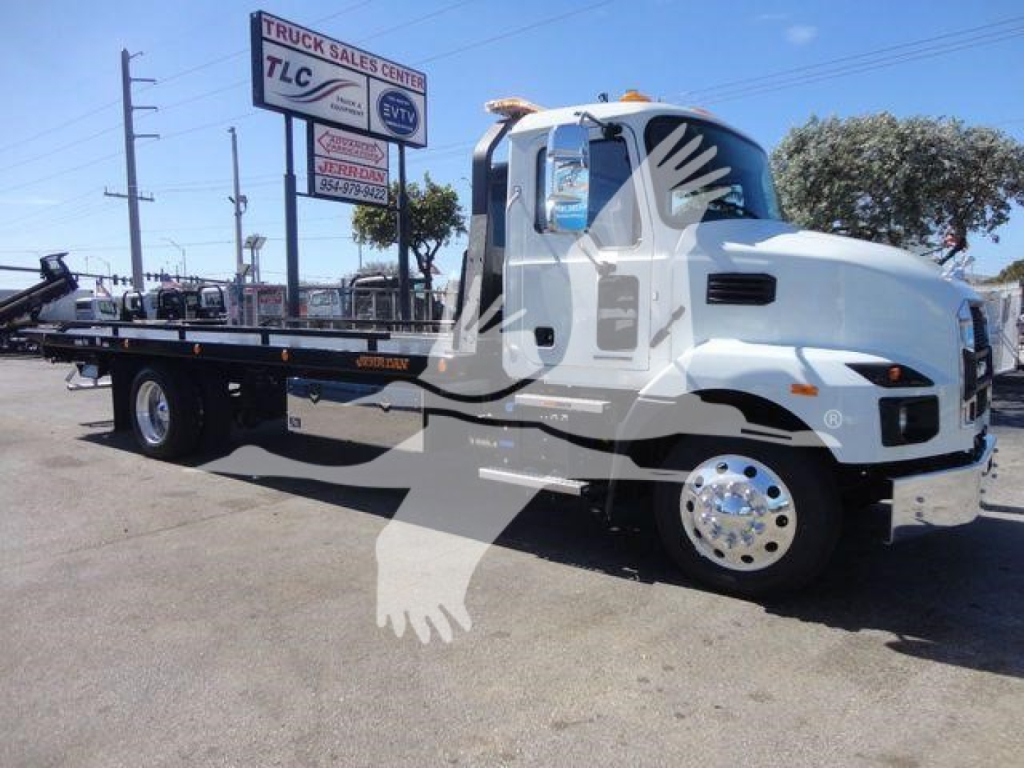
One of the biggest buying decisions is chassis class and CDL requirement. Many Mack MD6 rollback trucks are spec'd around a 25,999 to 27,000 lb GVWR range, which can make them attractive for operators targeting non-CDL applications, although actual licensing requirements depend on final GVWR, state rules, and how the truck is equipped. Common MD6 specs include the Cummins ISB 6.7 diesel, Allison 2500 RDS automatic transmission, single rear axle layouts, and wheelbases in the low-200-inch range to support 22 ft carriers. These trucks are often paired with Century or Jerr-Dan steel rollback bodies, typically with 10,000 to 12,000 lb deck ratings, low-profile decks, planetary winches, dual controls, PTO-driven hydraulics, wheel-lift or stinger options, and air-spring rear suspension for better ride quality.
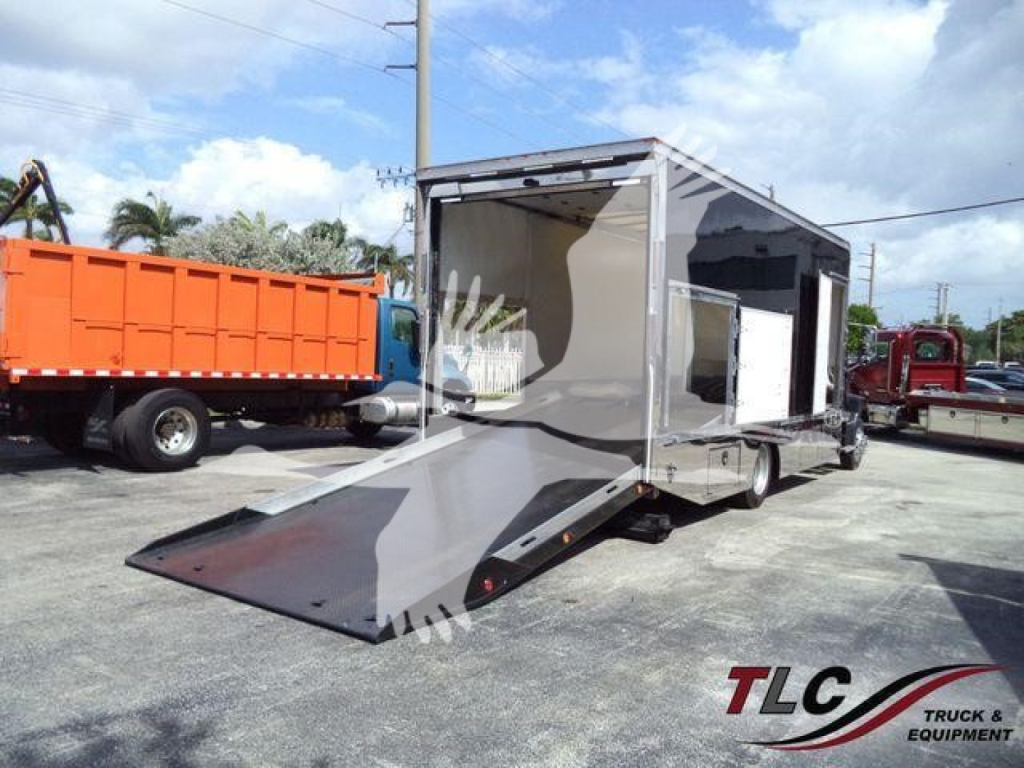
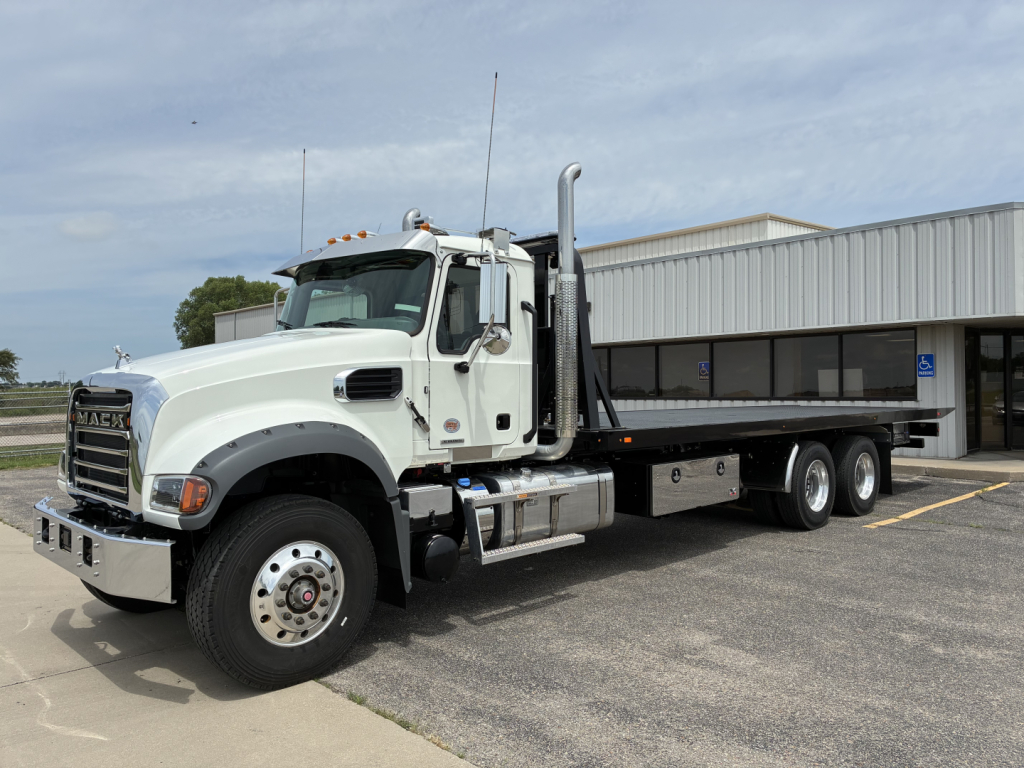
On the heavier end, Mack Granite rollback trucks are chosen when platform capacity, front axle rating, and overall chassis strength matter more than compact size. A Granite-based rollback may carry tandem axles, higher GVWRs, larger engines such as the Mack MP8, and heavier automatic transmissions like the Allison 4500 RDS. These trucks are commonly built with 28 ft carriers, 20,000 lb winches, hydraulic stabilizers, full-length subframes, dual lift cylinders, anti-tilt features, and positive bed lock-down systems. For buyers handling box trucks, utility bodies, straight trucks, or construction equipment, this type of spec gives more margin in payload, braking, and frame strength than a typical medium-duty carrier.
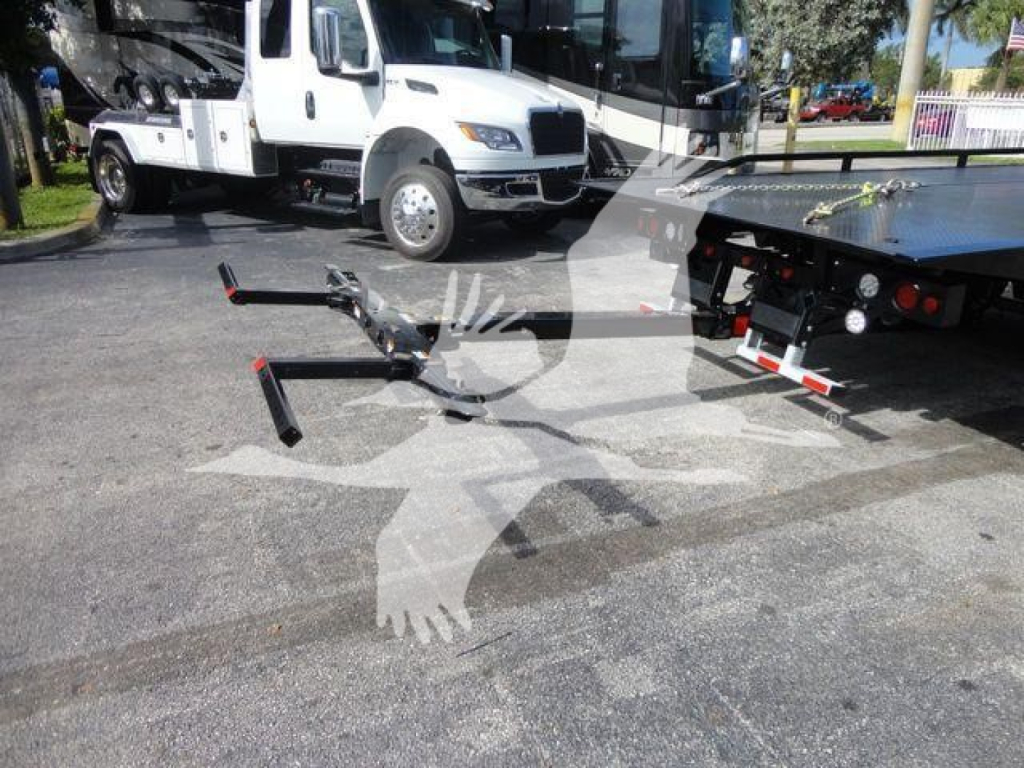
Body details matter as much as the badge on the hood. Buyers should compare deck length, deck width, floor material, crossmember spacing, wheel-lift rating, winch capacity, cable size, approach angle, and lighting protection. A low center of gravity carrier can make loading easier and improve stability, especially with disabled vehicles or low-clearance cars. Air free-spool winches, removable side rails, toolboxes, chain lock layouts, and scuff-resistant deck construction all affect day-to-day efficiency. On any used Mack rollback truck, pay close attention to PTO engagement, hydraulic leaks, bed slide wear, winch condition, rear suspension health, and evidence of frame stress around the carrier installation.
Frequently Asked Questions about Mack Rollback Trucks
What is the difference between a Mack MD6 rollback and a Mack Granite rollback?
A Mack MD6 rollback is usually a medium-duty single-axle carrier designed for lighter towing and vehicle transport jobs, often with a 22 ft deck and a GVWR that may support non-CDL use depending on final spec. A Mack Granite rollback is a heavier severe-duty platform, commonly built with tandem axles, higher axle ratings, larger engines, and longer decks for commercial vehicle recovery, equipment hauling, and higher-capacity transport. The right choice depends on the weight and type of vehicles you plan to load, local licensing rules, and how much margin you want in frame and axle capacity.
Are Mack rollback trucks available in non-CDL configurations?
Yes. Many Mack MD6 rollback trucks are configured in a non-CDL range, commonly around 25,999 to 27,000 lb GVWR, but the exact classification depends on the completed truck, body installation, and state regulations. Buyers should verify the actual door-sticker GVWR, registered weight, and any towing combinations that could affect licensing requirements. It is important to confirm compliance before purchase if the truck will be assigned to non-CDL drivers.
What body and winch specs are common on Mack rollback trucks?
Common Mack rollback body specs include 22 ft to 28 ft steel carriers, 102-inch-wide decks, low-profile or low center of gravity designs, PTO-driven hydraulics, dual side controls, and planetary winches. Medium-duty MD6 units often carry 10,000 to 12,000 lb platform ratings with 10,000 lb winches, while heavier Granite builds may use 20,000 lb winches and stronger deck structures with tighter crossmember spacing, full-length subframes, and hydraulic stabilizers. Buyers should match deck rating and winch capacity to the heaviest vehicles they intend to recover or transport.
What should I inspect on a used Mack rollback truck?
Start with the carrier system, not just the chassis. Check bed slide pads or rollers, deck alignment, lift and extension cylinders, PTO operation, hydraulic hoses, winch brake function, cable condition, chain locks, wheel-lift structure, and any cracking around the subframe mounts. On the truck side, review engine service history, transmission performance, rear suspension wear, brake condition, tire loading, and frame integrity. A rollback can look clean cosmetically while still having expensive wear in the hydraulic and bed components.
Is air ride or air-spring suspension beneficial on a rollback truck?
Air-spring rear suspension can improve ride quality, reduce chassis shock, and help with vehicle stability during transport compared with harsher spring setups. That can be valuable on rollback trucks that spend long hours in stop-and-go service or carry vehicles that need gentler handling. The tradeoff is added system complexity, so buyers should inspect air bags, height-control valves, and related components carefully, especially on used trucks.