
New 2022 Rollback Trucks For Sale
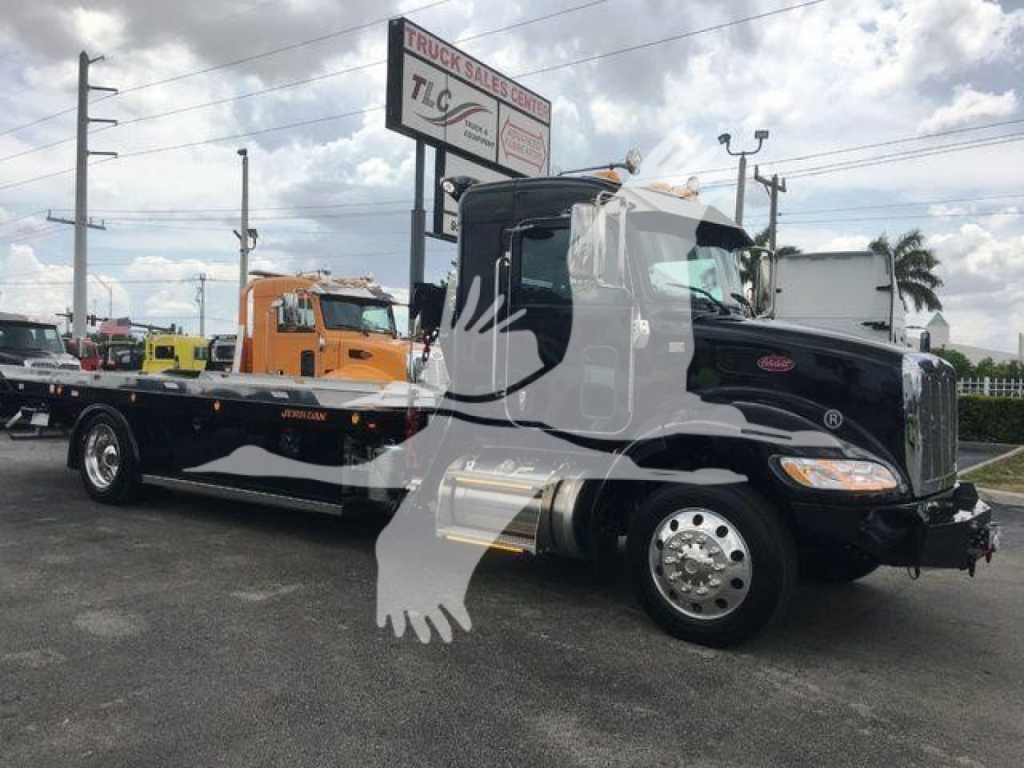
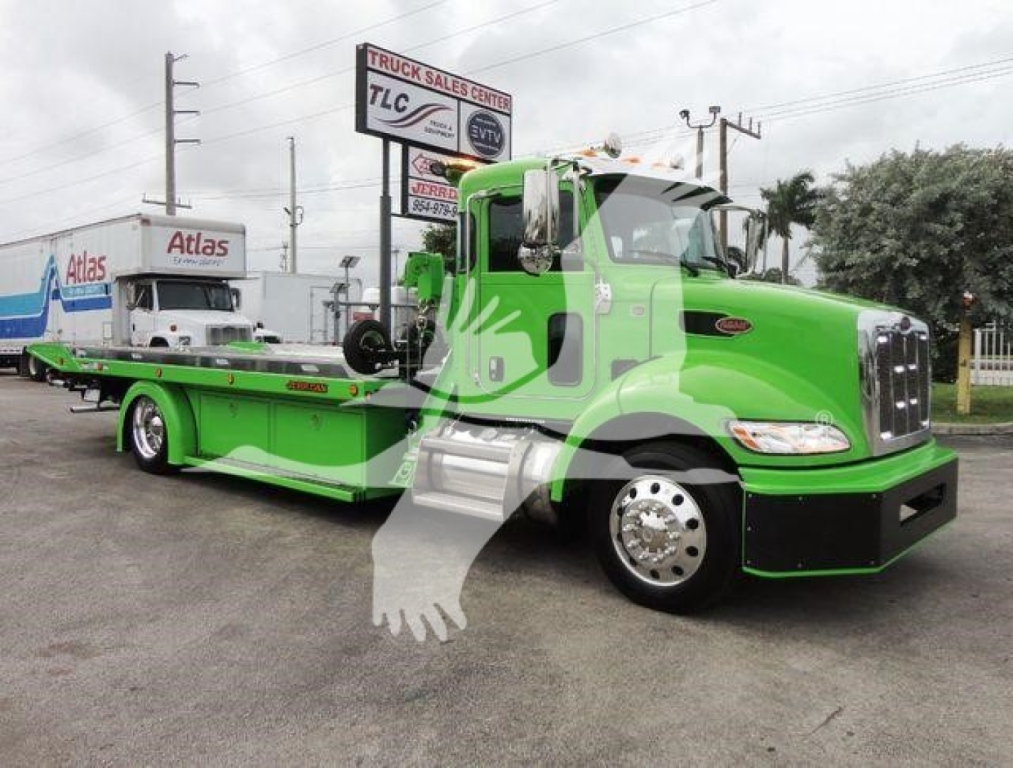
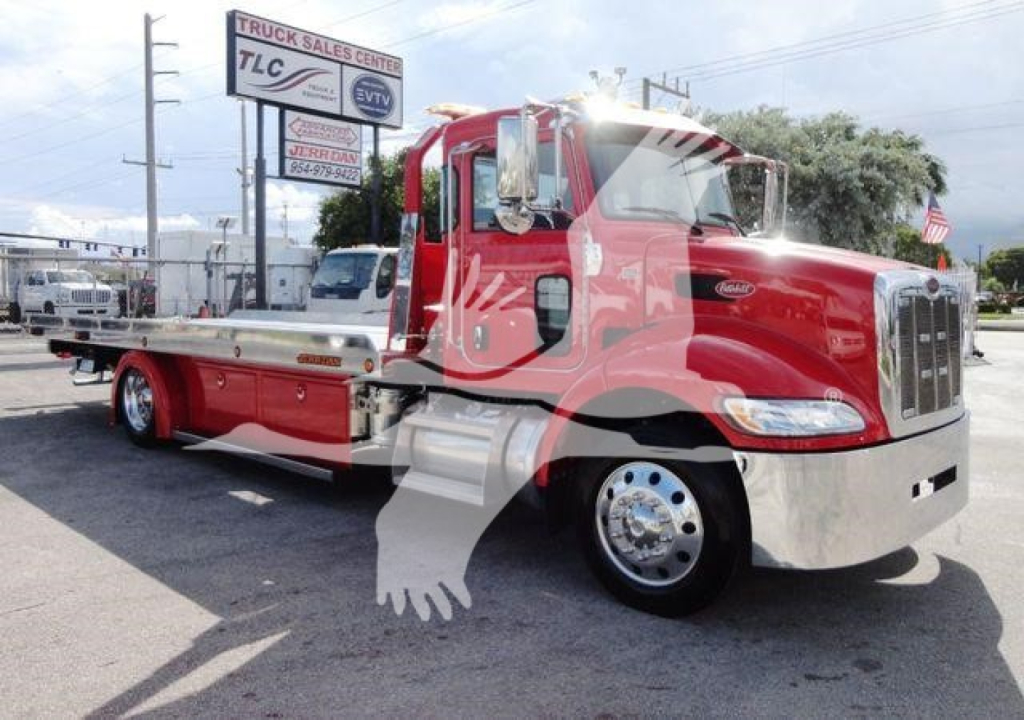
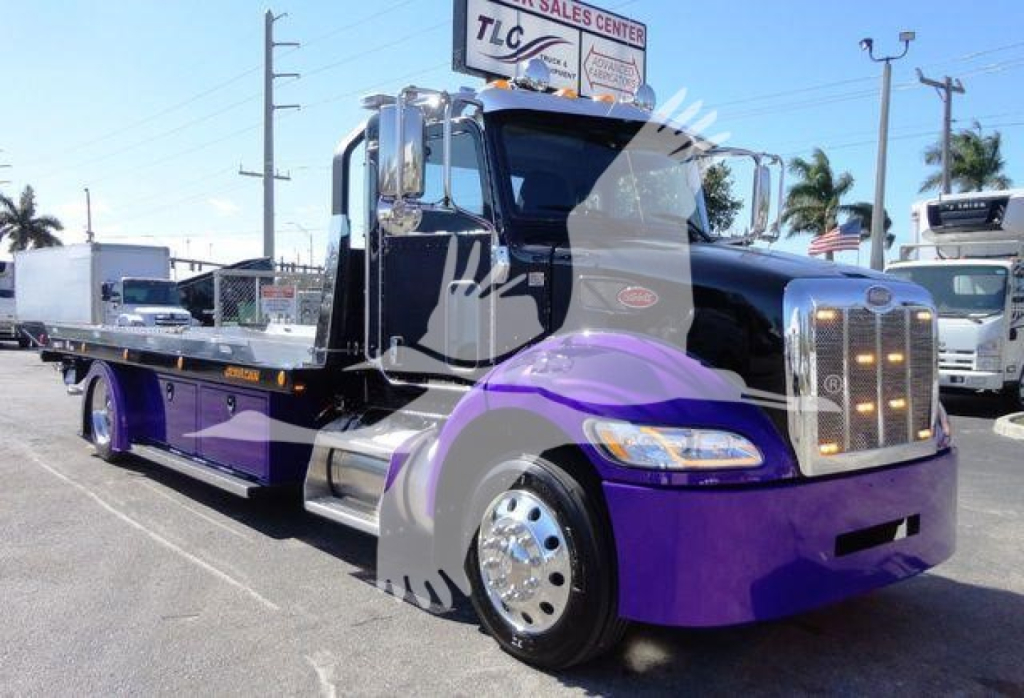
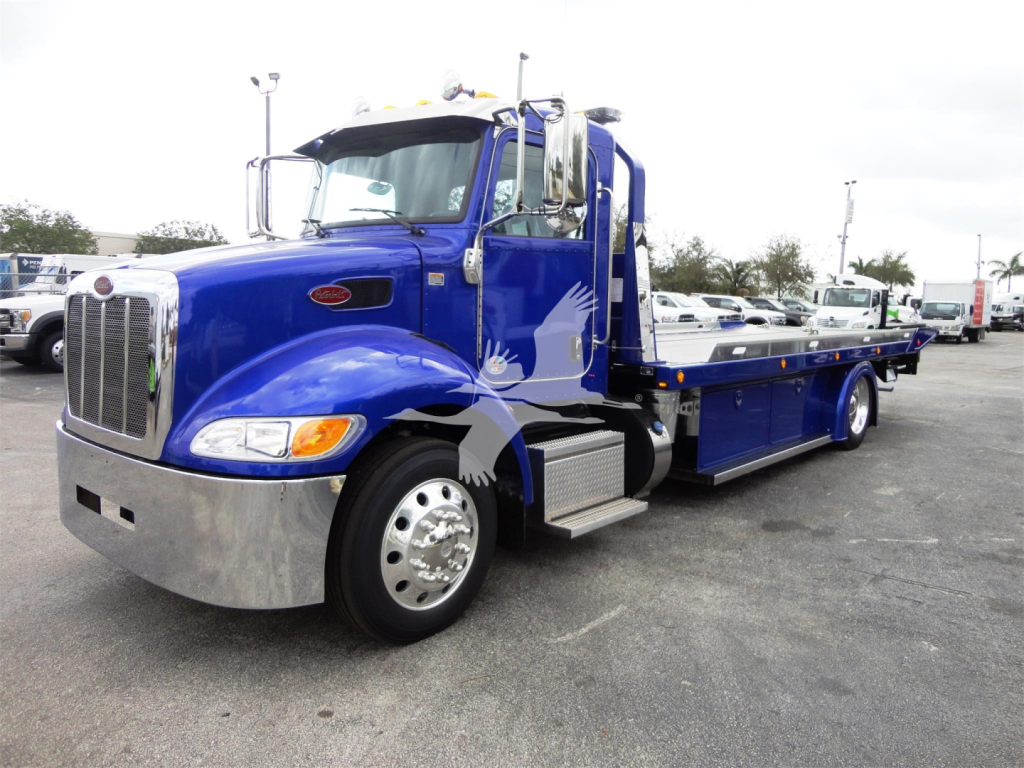
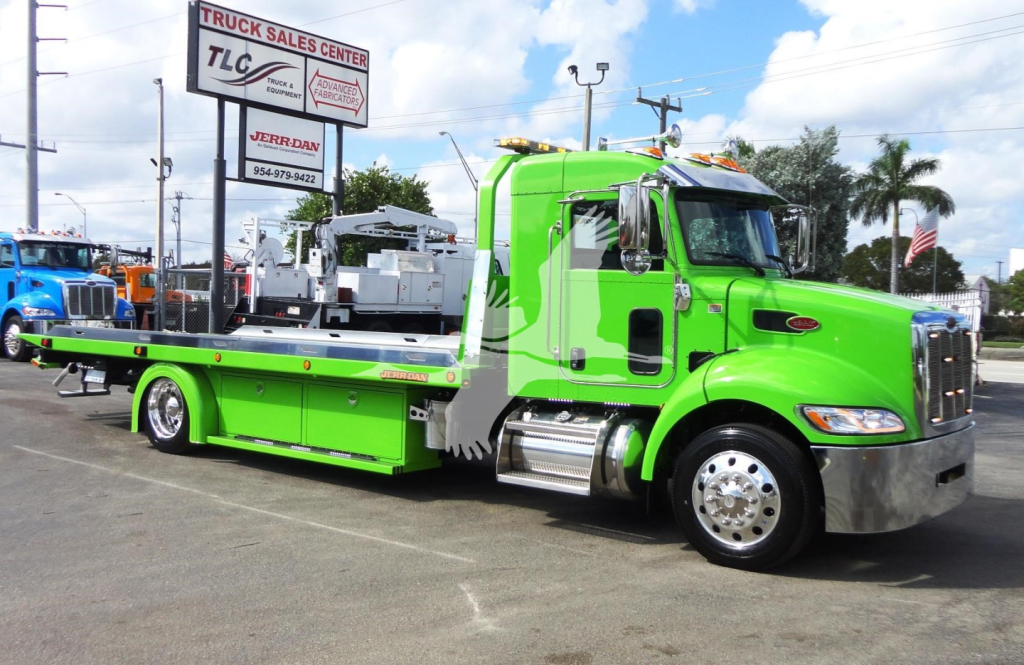
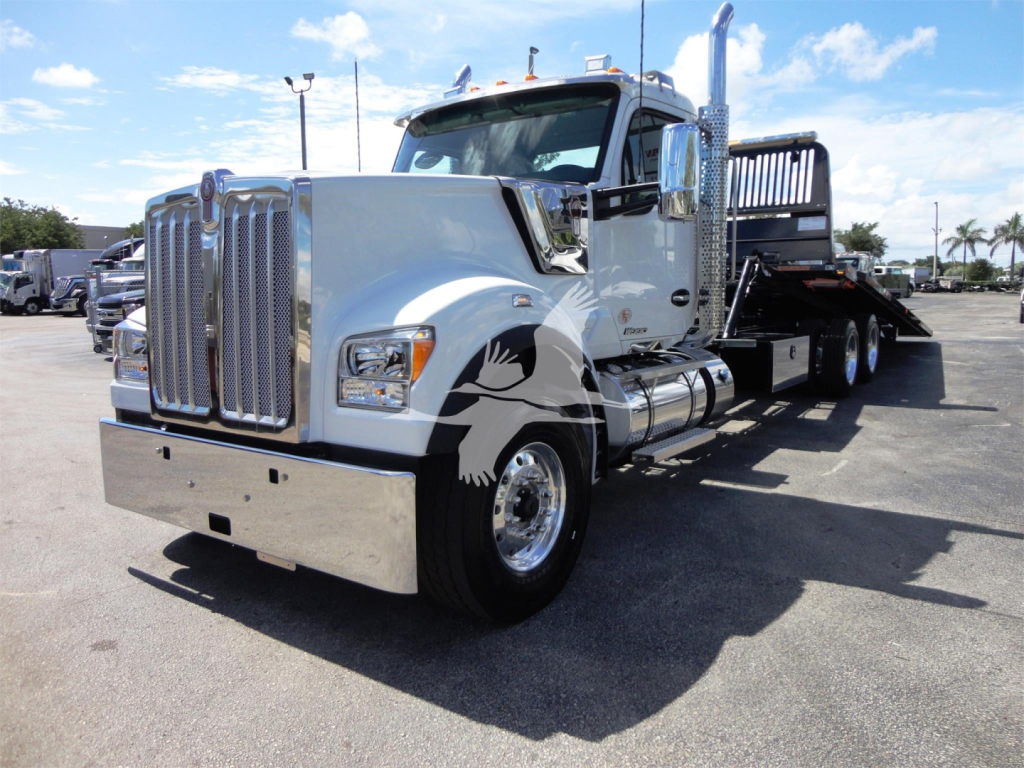
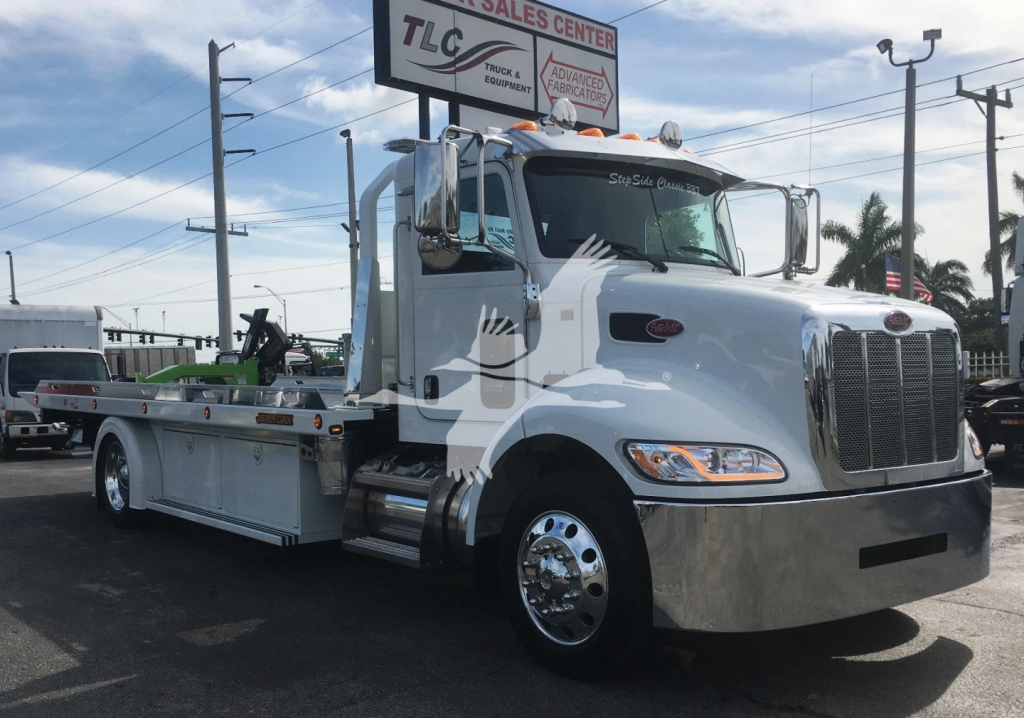
Shop new 2022 rollback trucks with low-profile carrier beds, wheel lifts, winches, and medium-duty chassis for towing and vehicle transport.
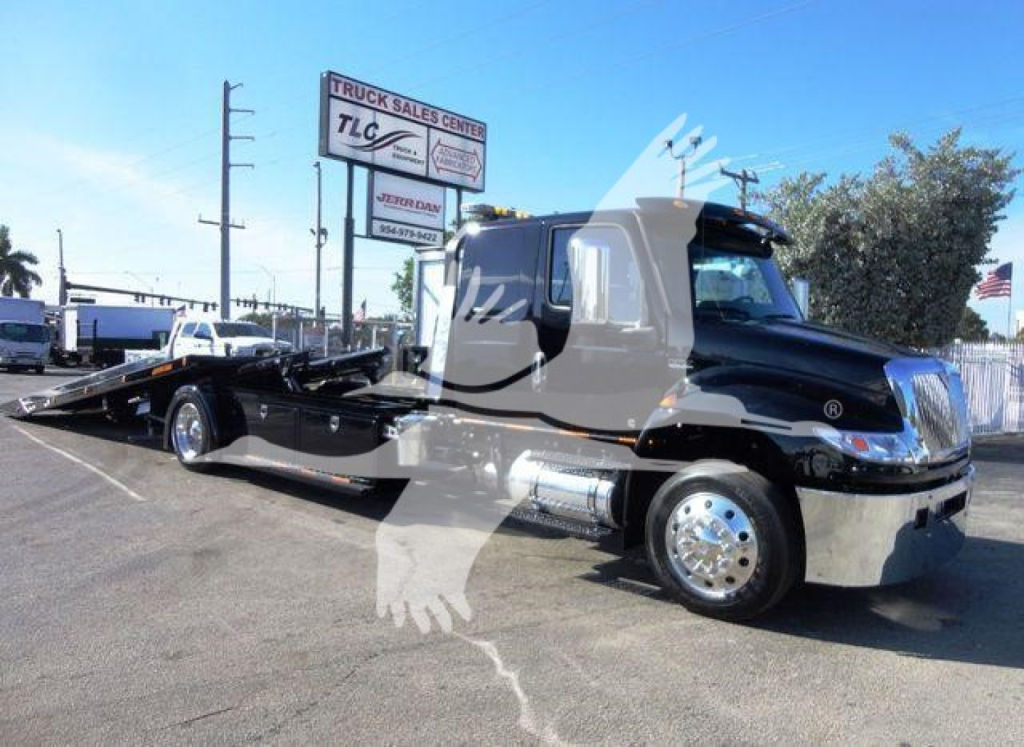
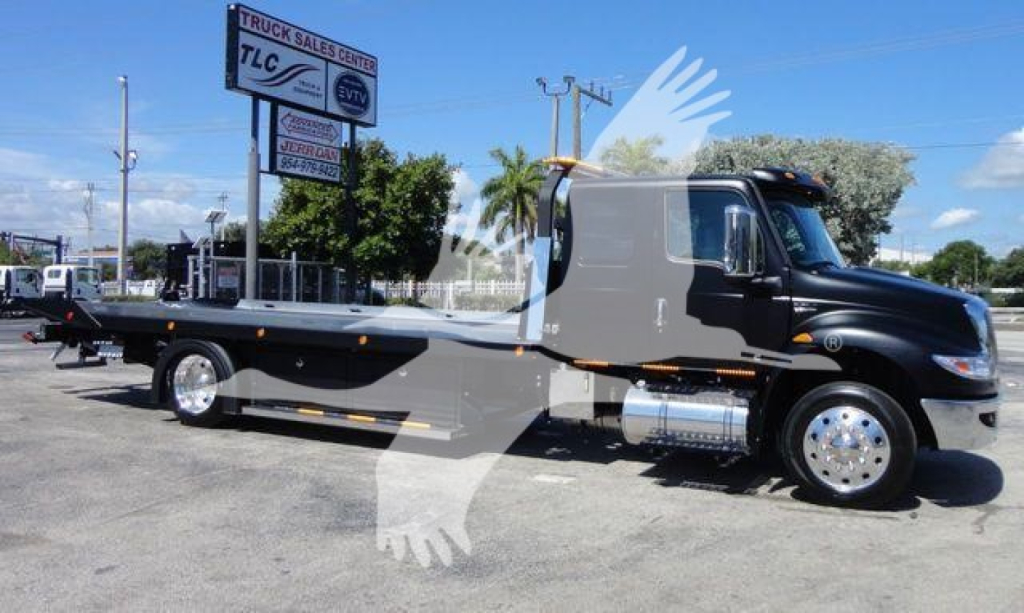
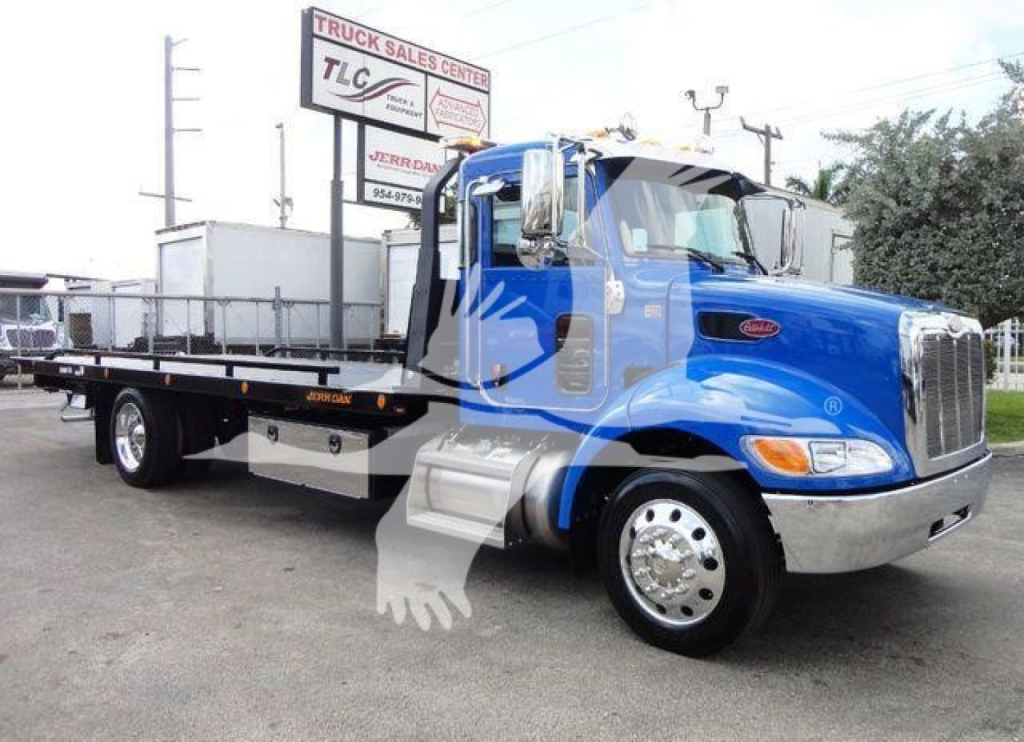
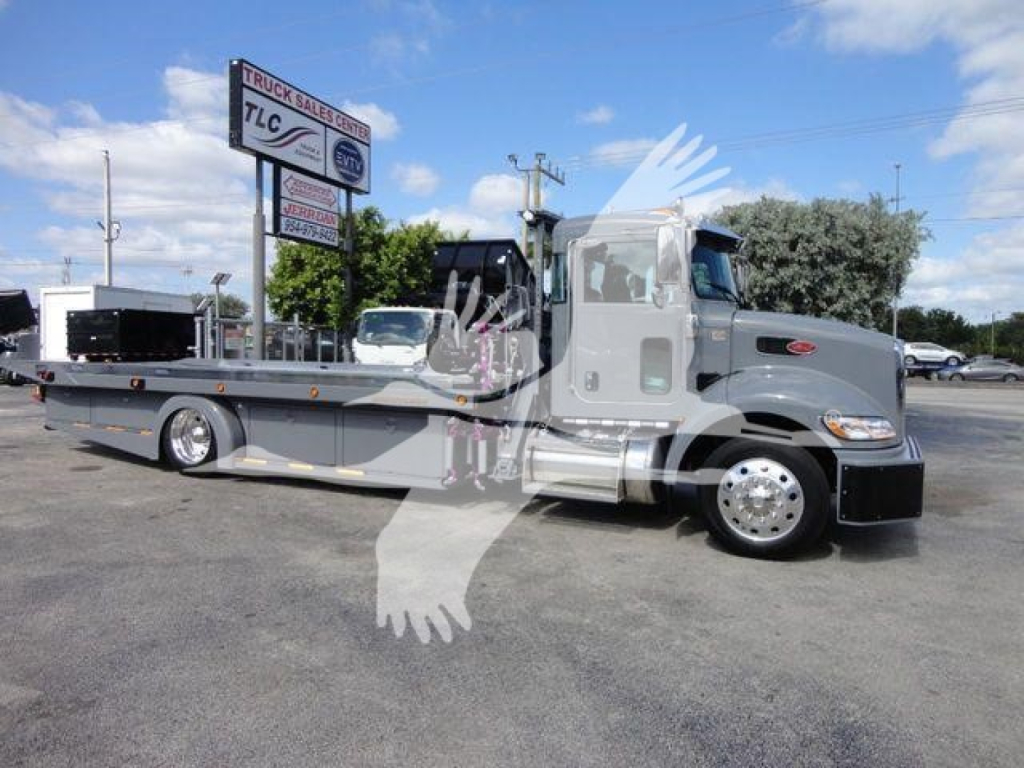
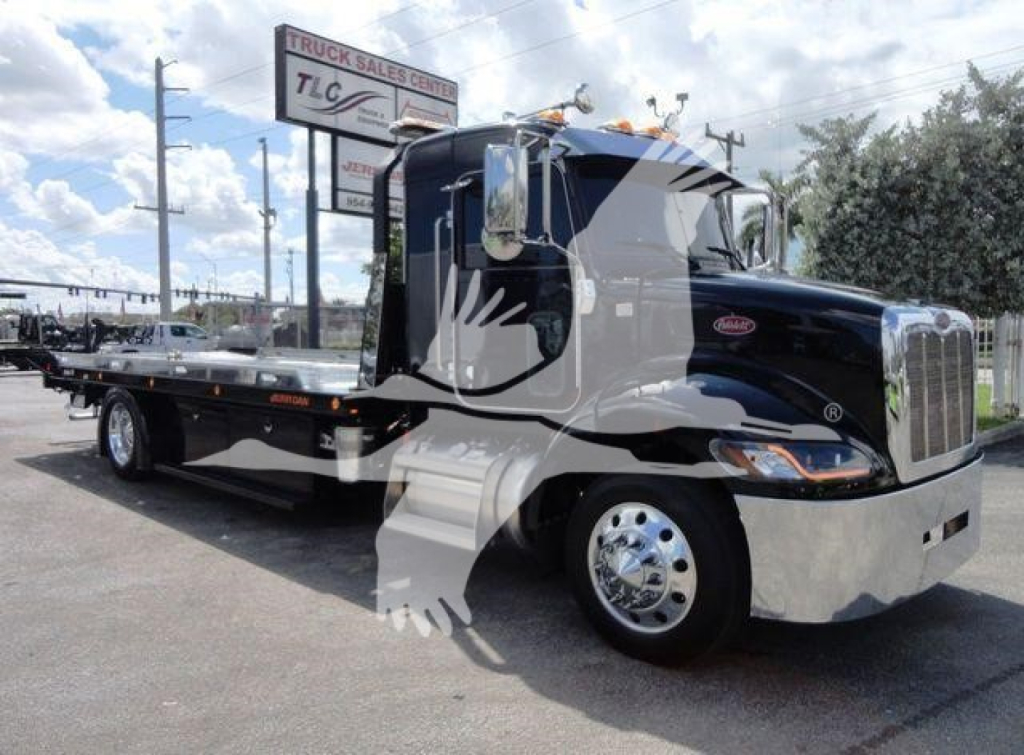
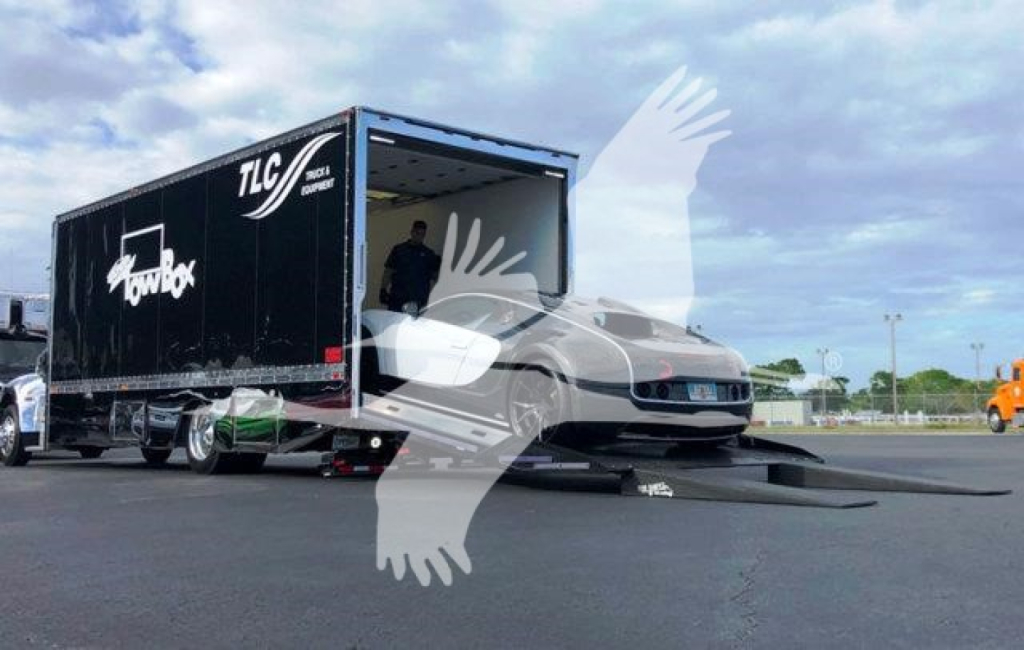
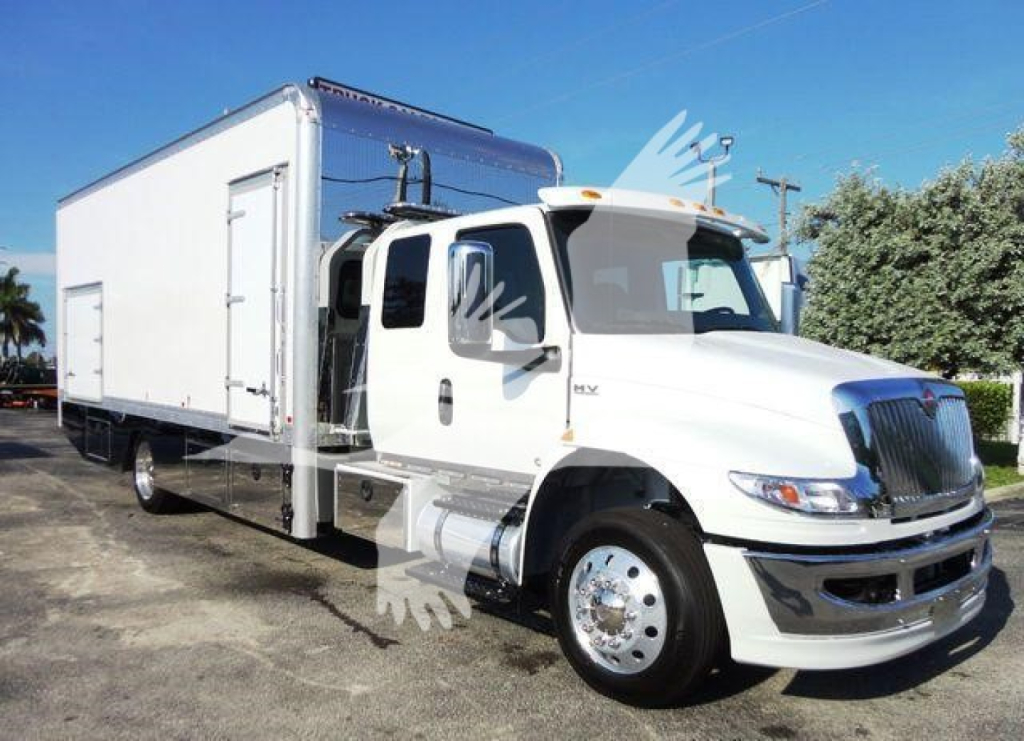
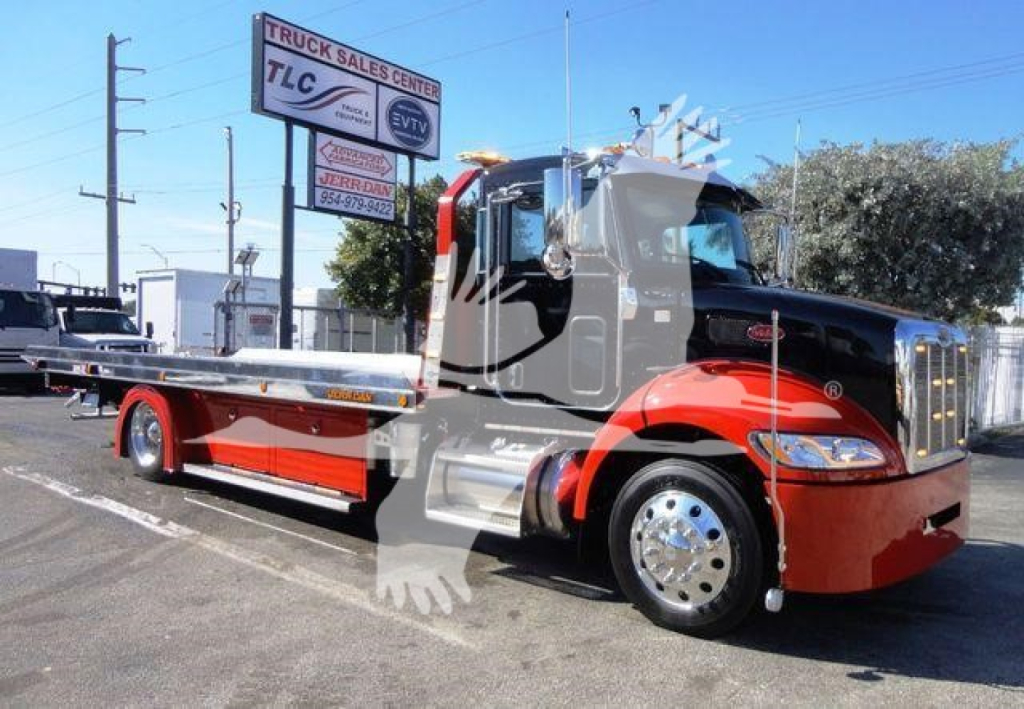
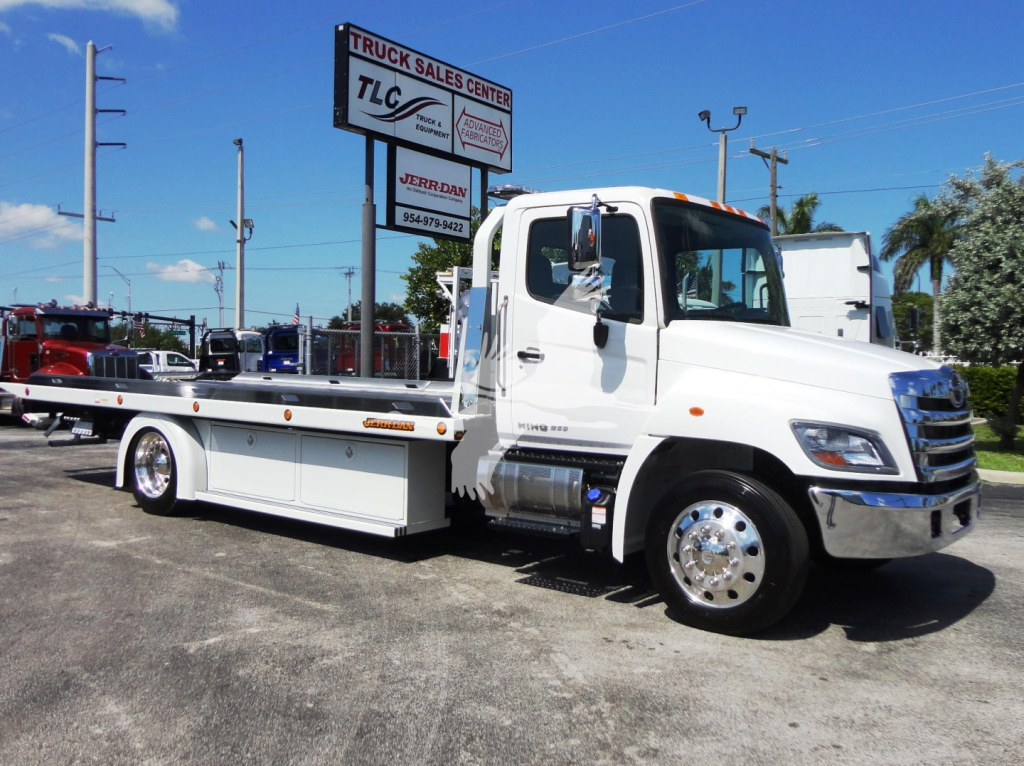
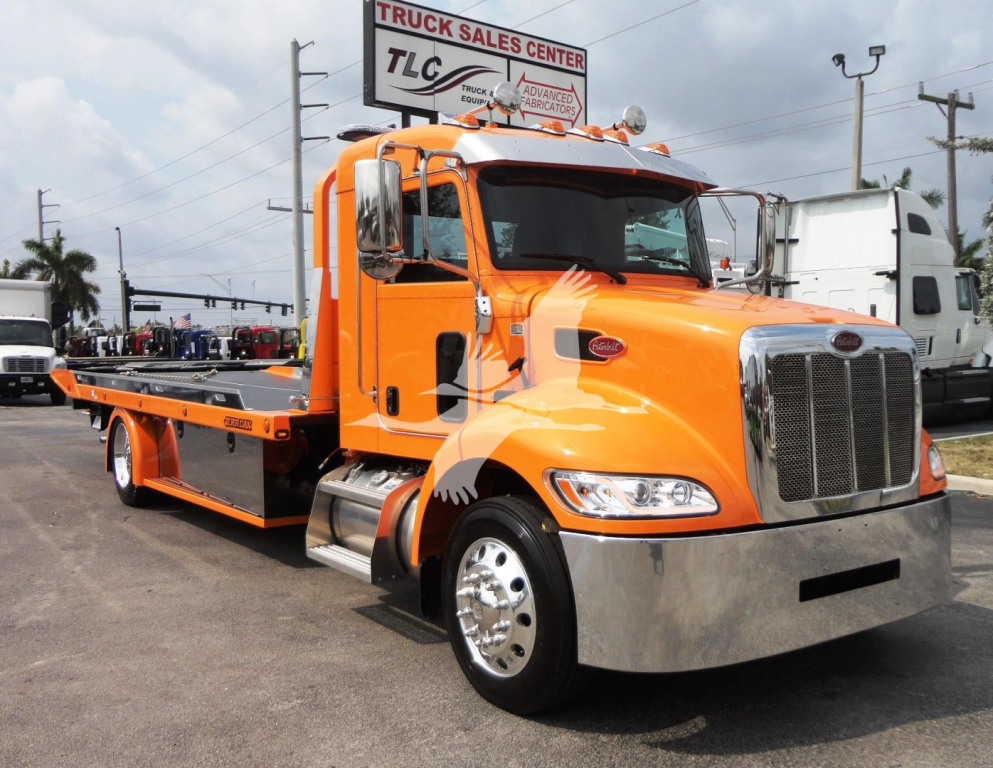
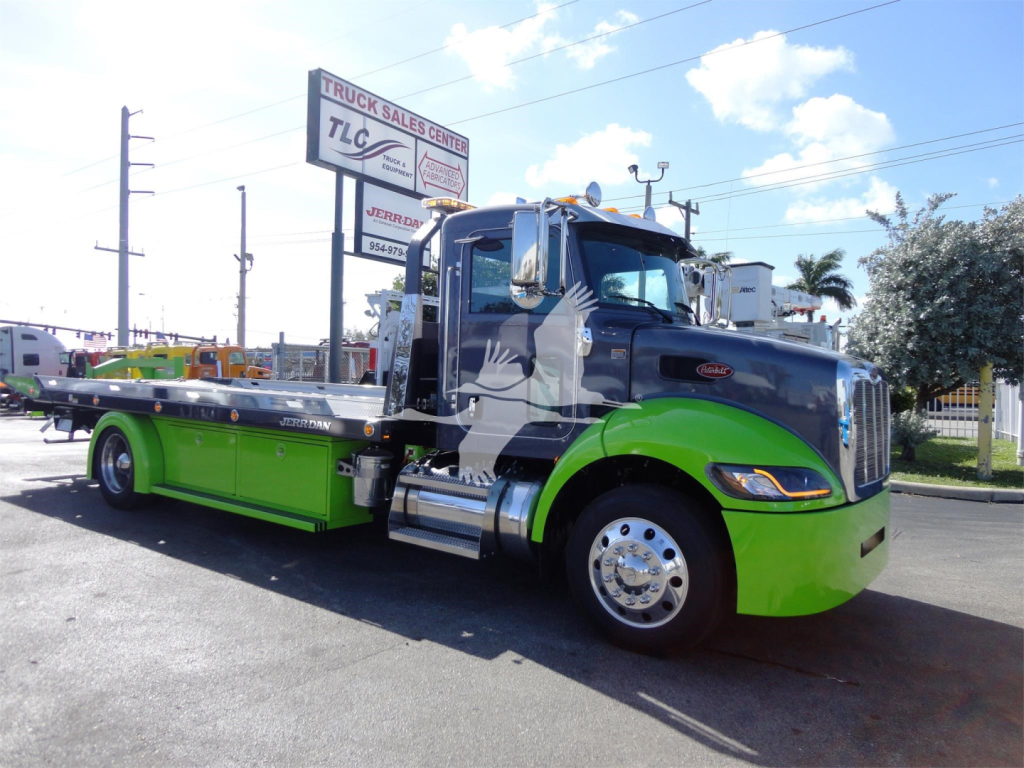
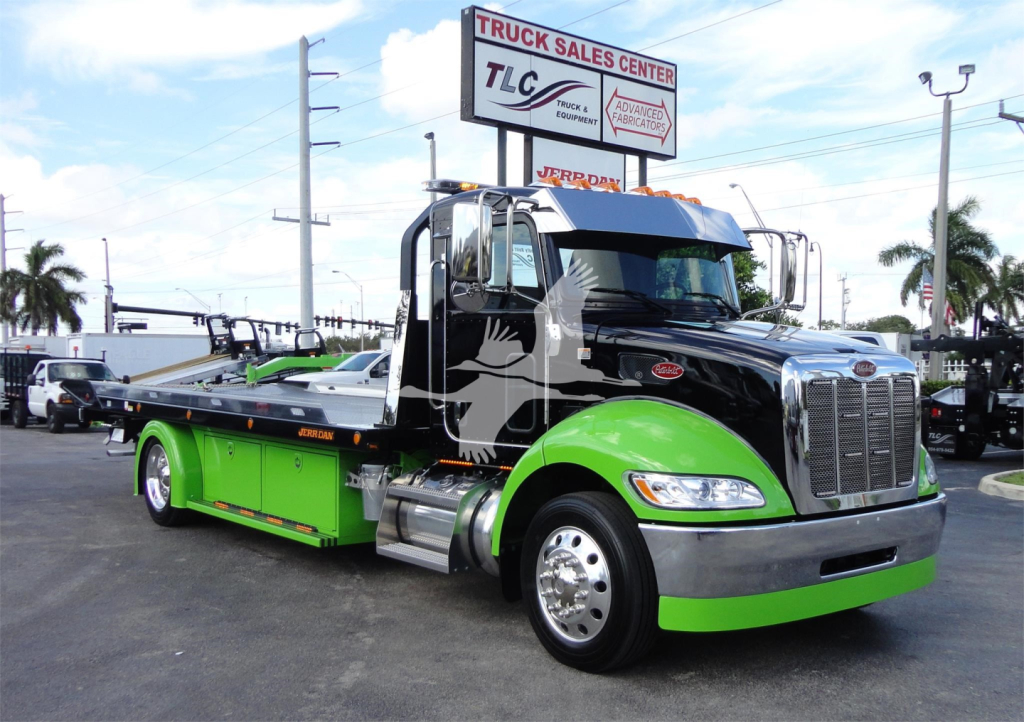
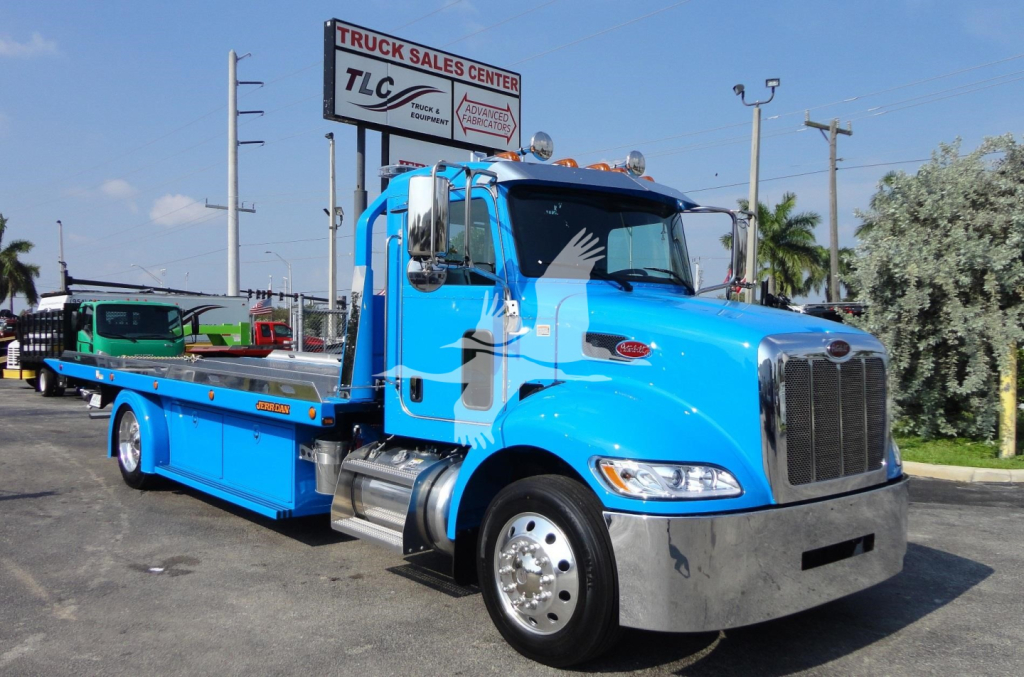
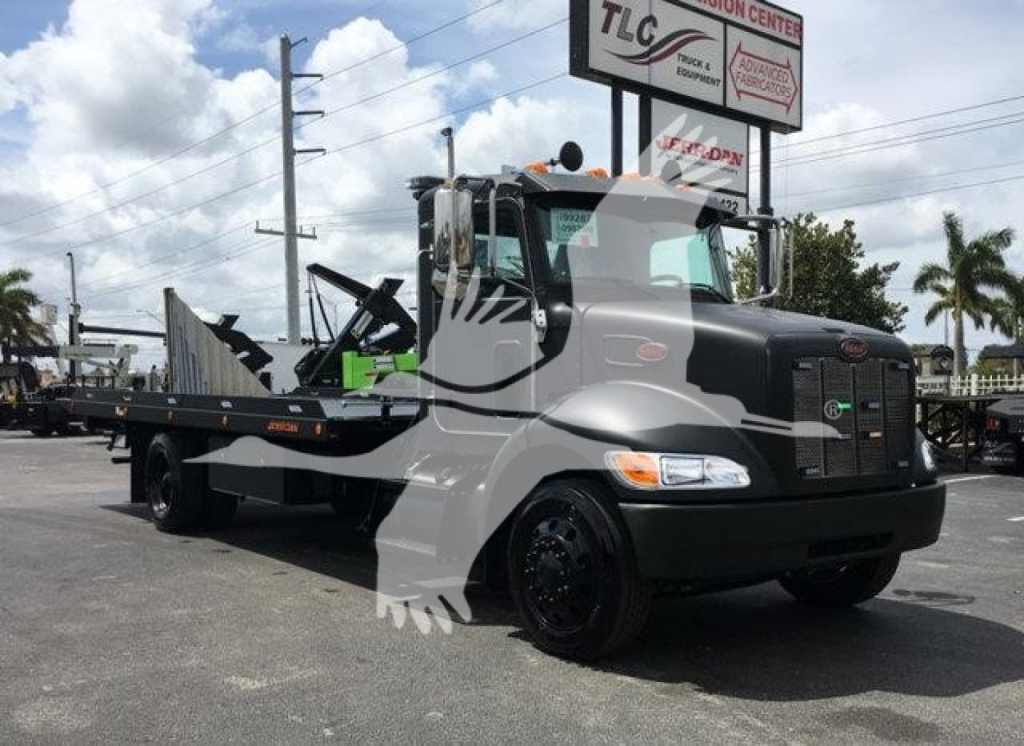
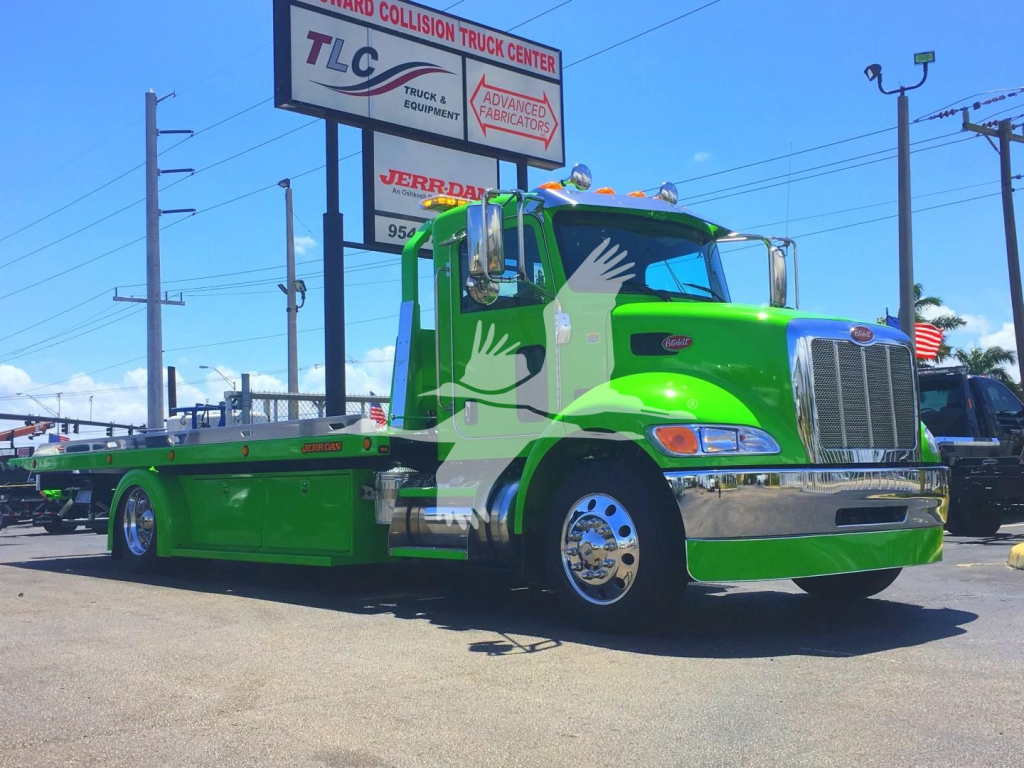
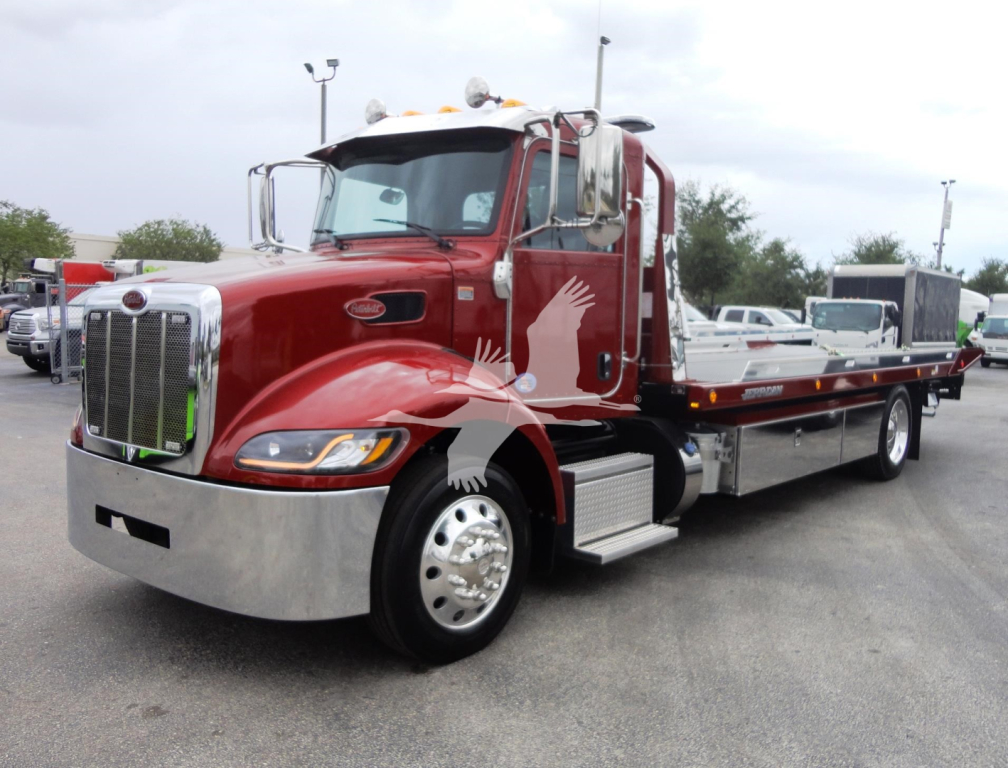
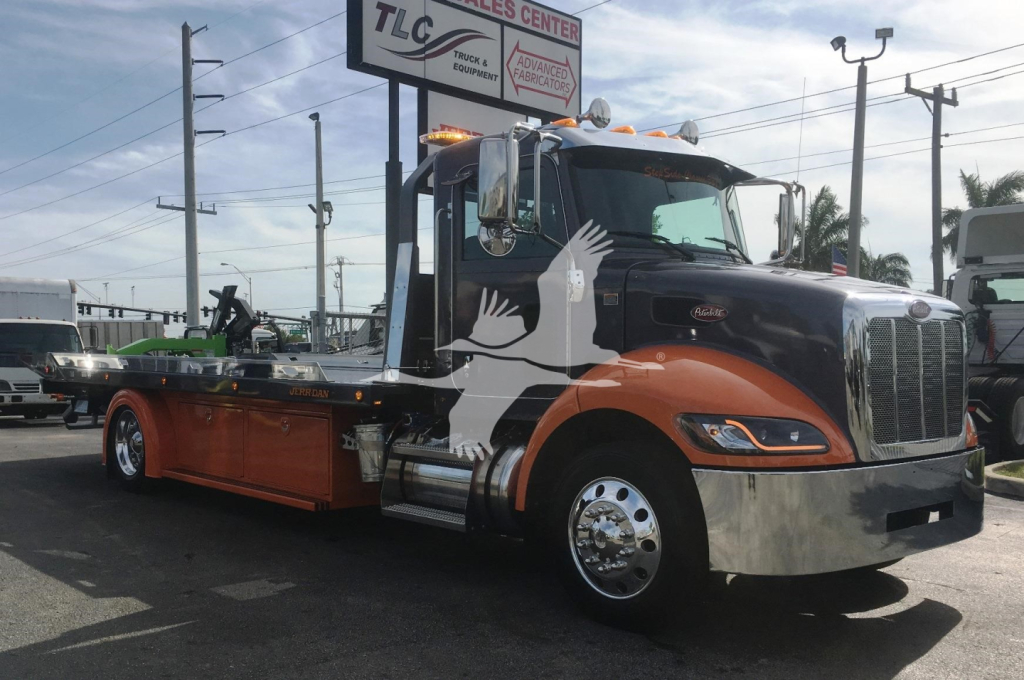
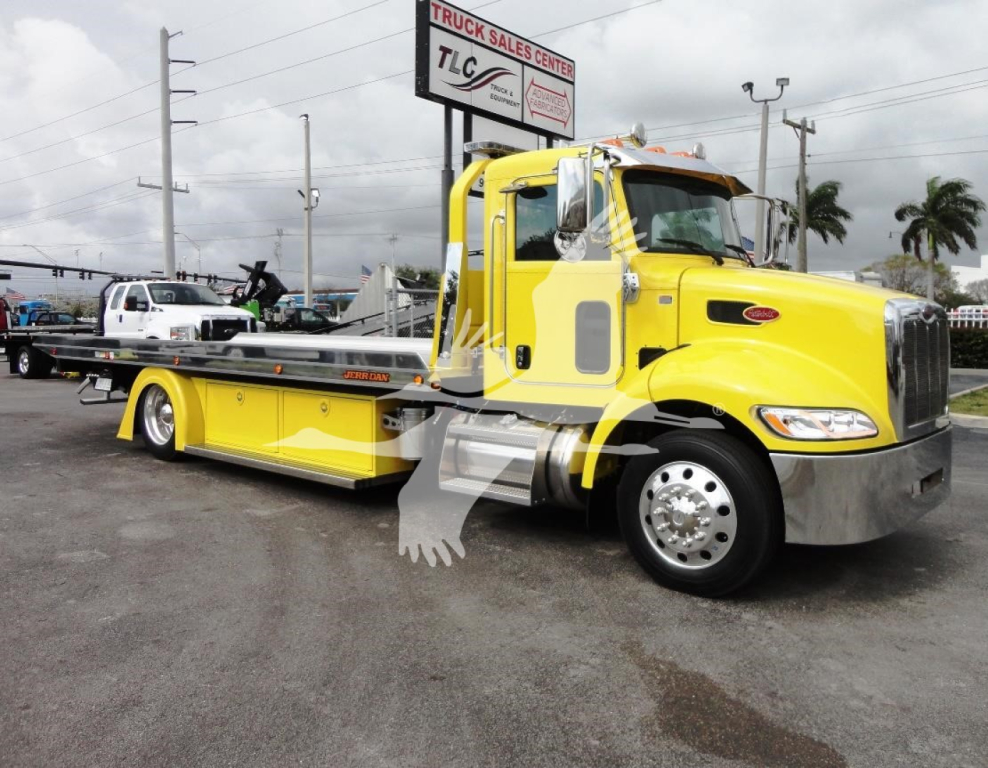
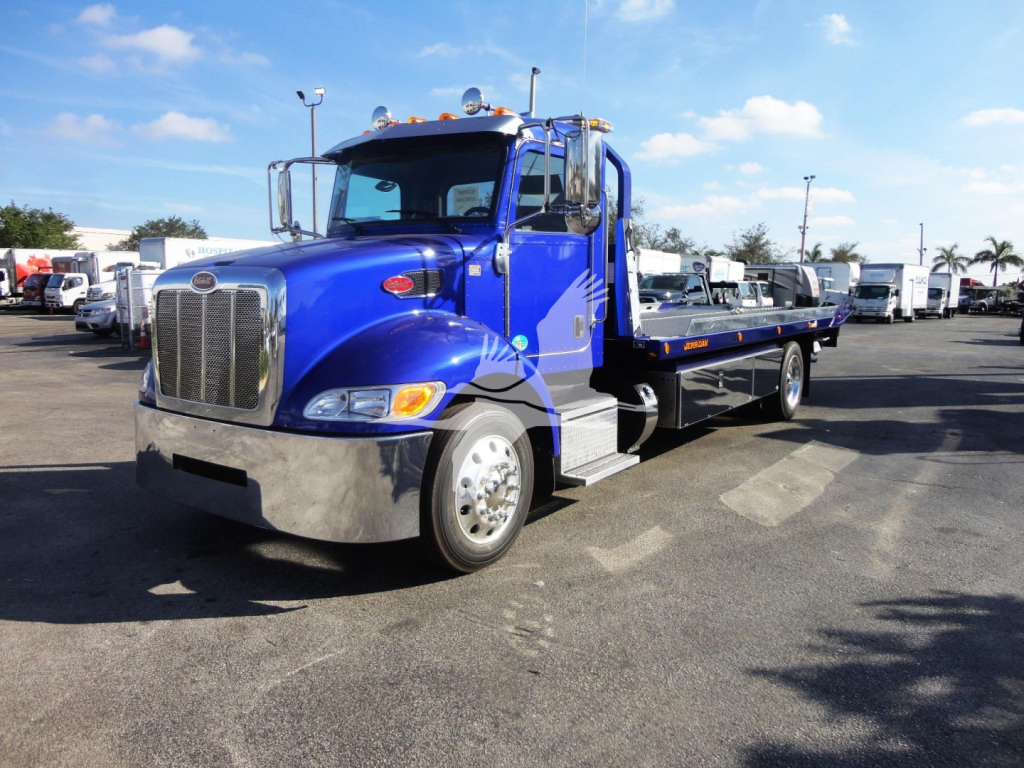
Selling a new 2022 rollback truck? List your new 2022 rollback truck for sale and reach thousands of commercial buyers.
New 2022 Rollback Trucks
Frequently Asked Questions about New 2022 Rollback Trucks
What is the typical capacity of a new 2022 rollback truck?
Most 2022 rollback trucks in the light and medium-duty towing segment are built with 6-ton carrier beds and a 3,500-lb hydraulic wheel lift. Common chassis GVWR is around 26,000 lbs on non-CDL-style medium-duty platforms, although heavier industrial transporter rollbacks can be much higher. Real-world usable capacity depends on bed length, body weight, wheel-lift rating, chassis spec, and local bridge and axle laws, so payload should always be verified from the exact build sheet.
What bed length is best for a rollback truck?
A 20-foot bed is common on cab-and-chassis trucks like a Ram 5500 and works well for standard passenger cars, pickups, and general towing. A 22-foot bed is often the sweet spot for medium-duty rollback buyers because it adds loading flexibility for longer wheelbase vehicles while still staying maneuverable in urban and recovery work. A 28-foot deck is typically chosen for industrial transporter use, where the truck may handle forklifts, scissor lifts, or other equipment that benefits from added deck space and higher chassis ratings.
Why do many buyers prefer an XLP or low-profile rollback bed?
An XLP, LCG, or low-profile rollback bed reduces the load angle, which makes loading easier on low-clearance vehicles and helps reduce bumper, air dam, and rocker-panel contact. This is especially important for sports cars, EVs, luxury vehicles, and auction transport. Low-profile setups also improve versatility in repossession, roadside recovery, and dealership work because they can handle a wider mix of vehicles without relying as heavily on extra ramps or cribbing.
What chassis and drivetrain specs are common on 2022 rollback trucks?
Many 2022 rollback trucks are built on medium-duty chassis from manufacturers such as Peterbilt, Freightliner, Hino, and Ram. Common specs include diesel engines in the 260 to 300 horsepower range for standard 6-ton carriers, Allison automatic transmissions, air brakes on medium-duty models, and air ride suspension for stability and ride quality. Buyers running heavier transporter-style rollbacks often move into larger engines, higher GVWR ratings, and heavier rear axles to support equipment hauling and higher winch demands.
What features matter most when comparing rollback trucks for towing work?
The most important features are bed design, wheel-lift rating, winch capacity, chassis GVWR, and how the truck is equipped for day-to-day recovery work. Buyers should pay close attention to low-profile or dual-angle deck design, 8,000-lb to 10,000-lb winches on standard carriers, removable rails, toolbox layout, wireless controls, lighting, and side recovery options. Practical details like aluminum wheels, low-pro tires, backup cameras, air ride seating, and storage for straps, chains, dollies, and go-jacks also affect how productive the truck will be on a long shift.