
New Freightliner Rollback Trucks For Sale
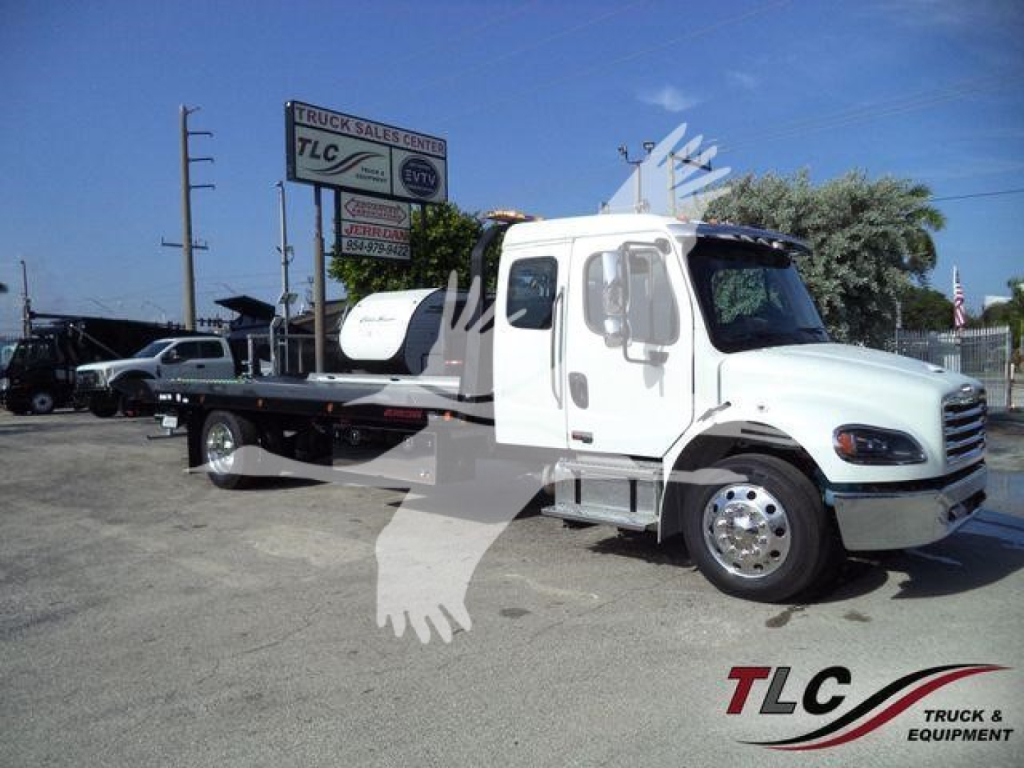
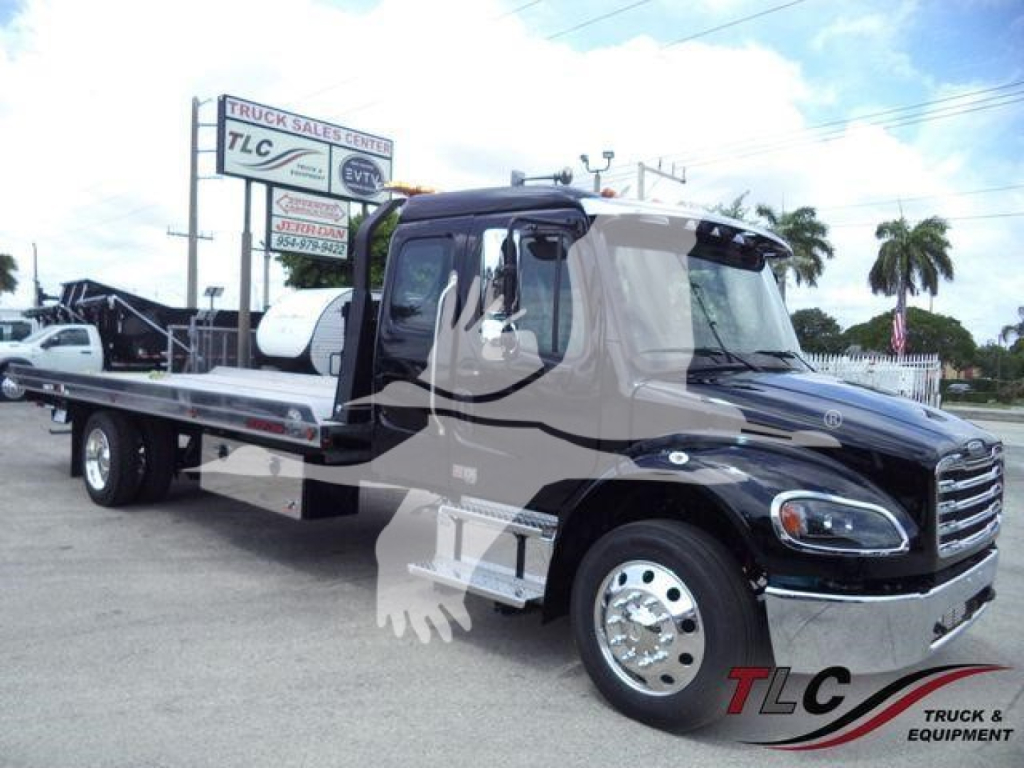
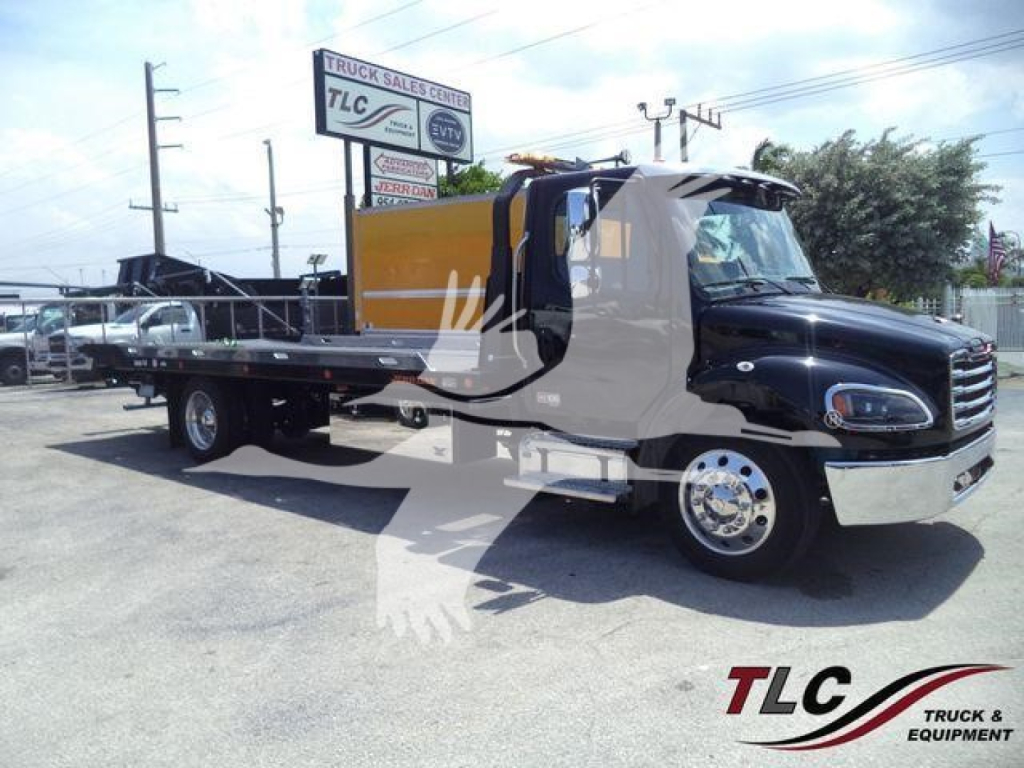
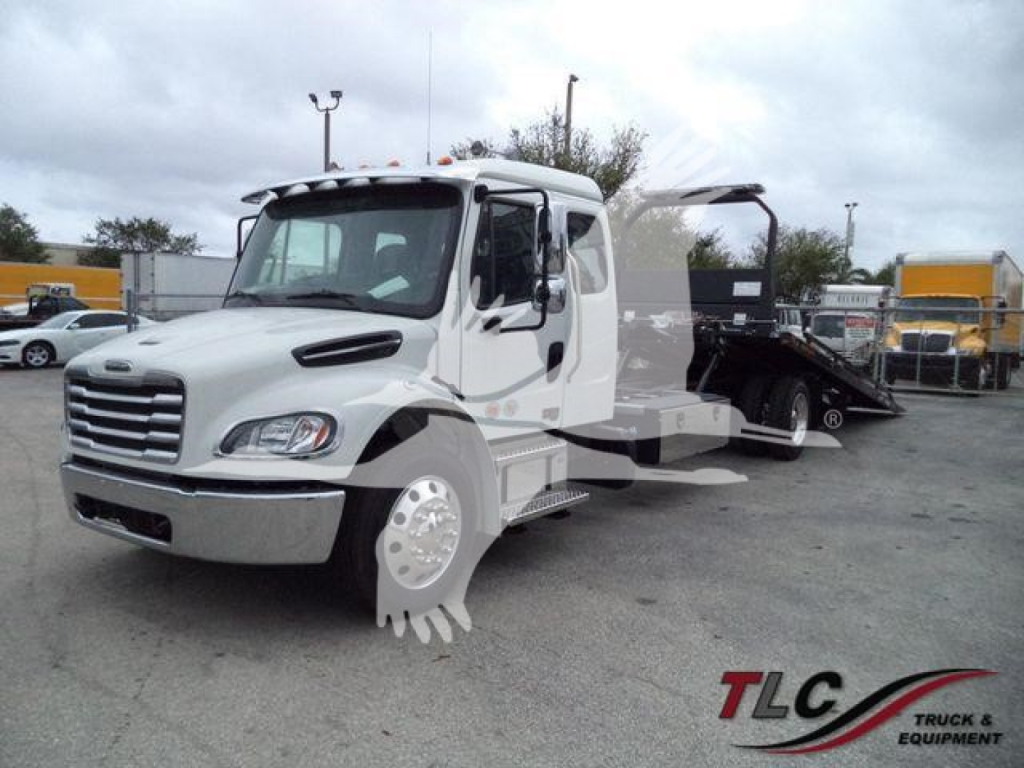
Shop new Freightliner rollback trucks built for towing and recovery, with M2 chassis, 22-foot decks, wheel lifts, winches, and air brakes.
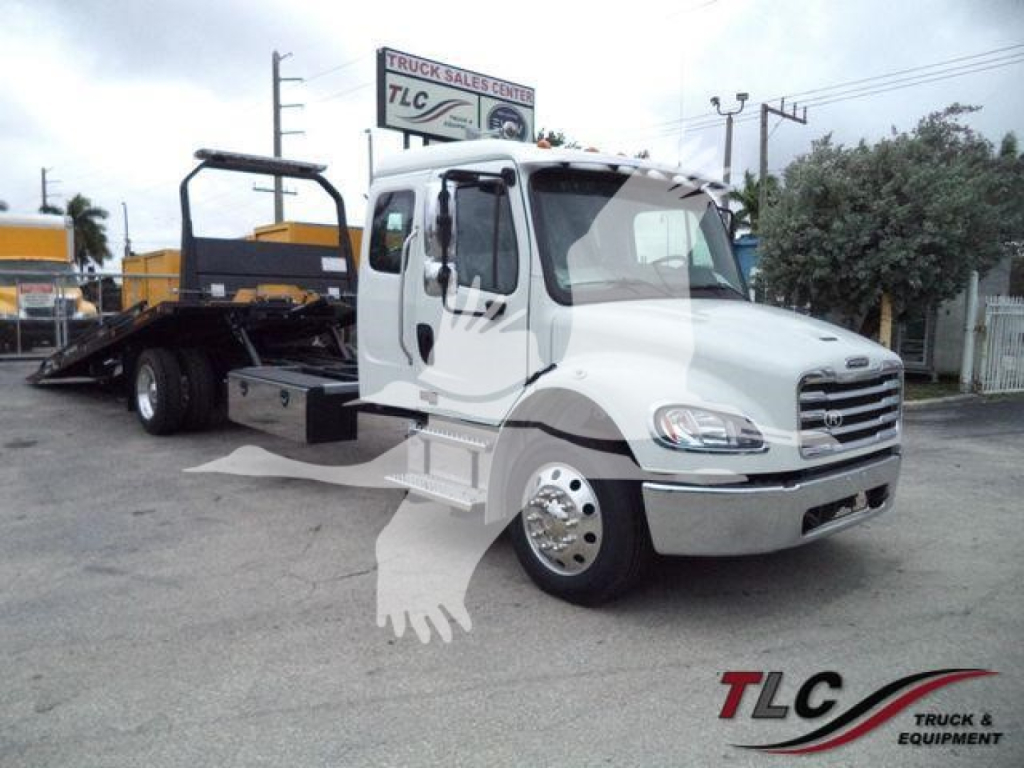
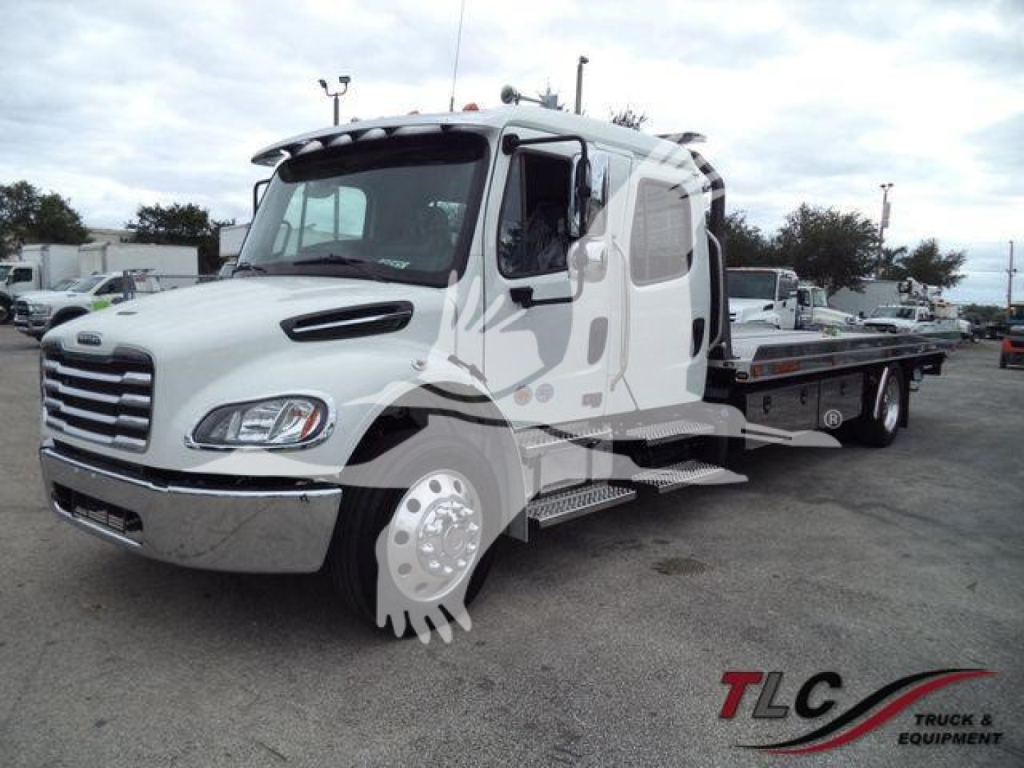
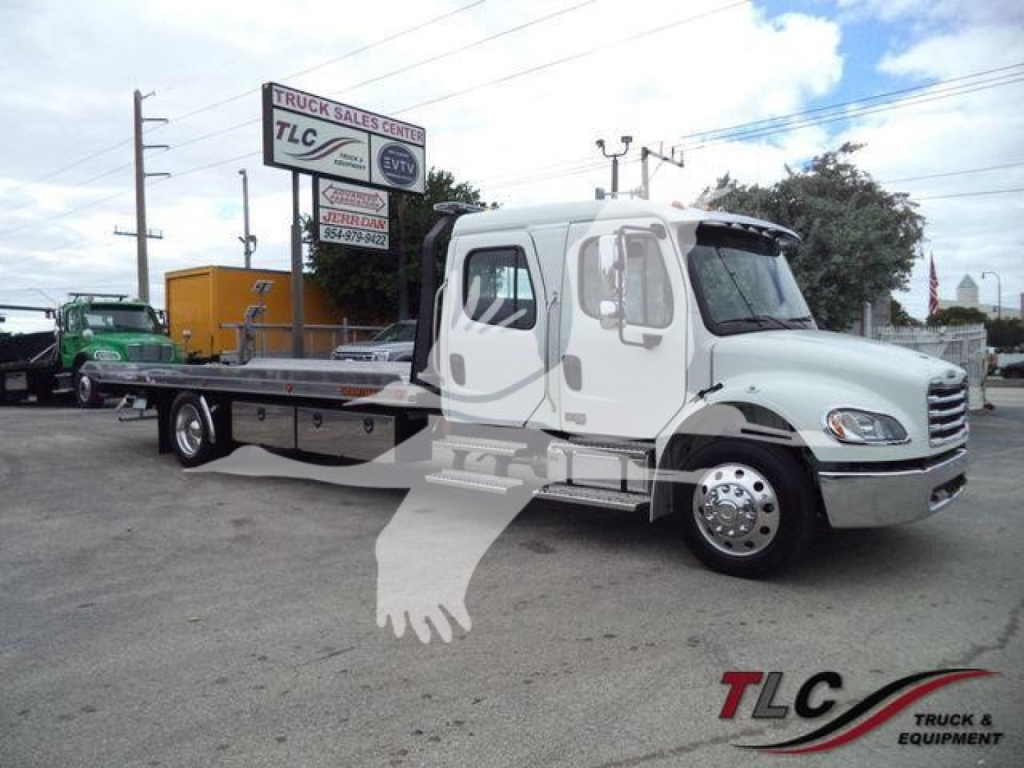
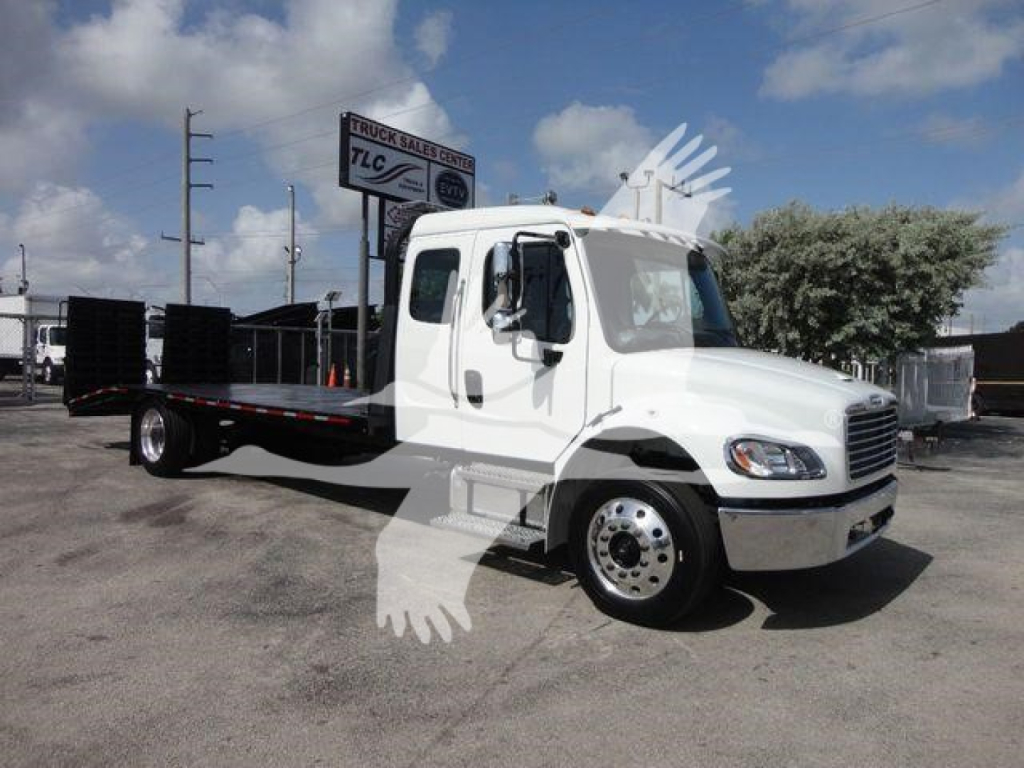
Selling a new freightliner rollback truck? List your new freightliner rollback truck for sale and reach thousands of commercial buyers.
New Freightliner Rollback Trucks
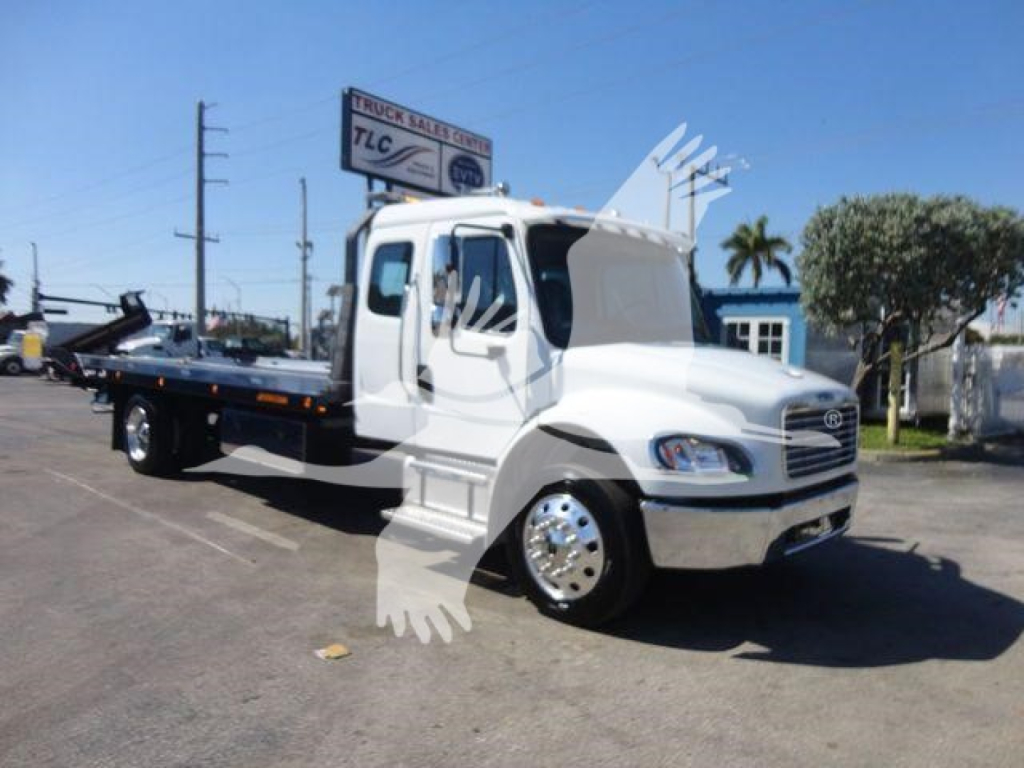
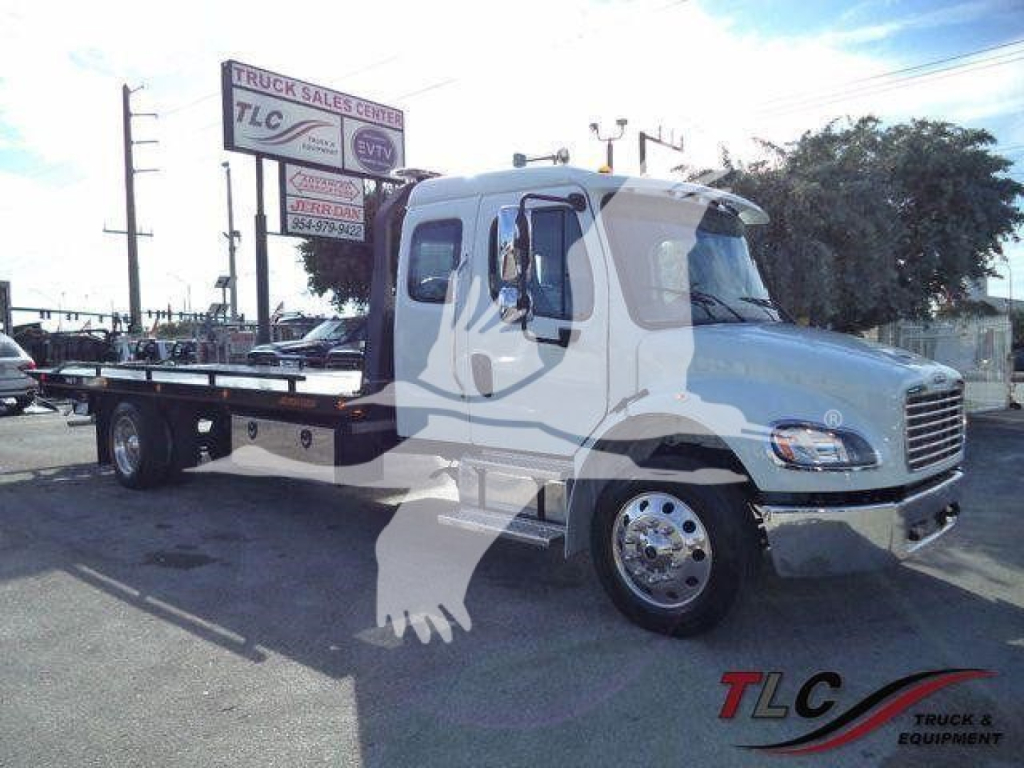
The main buying decision usually starts with the bed. A 22-foot by 102-inch deck is a very typical setup on new Freightliner rollback trucks, often in a 6-ton low-profile or XLP configuration to improve loading angles for low-clearance cars, crossovers, and light trucks. Steel decks generally cost less up front and can be a good fit for hard daily service, while aluminum decks reduce tare weight and can help maximize usable payload. Buyers should also compare fixed rails versus removable rails, deck angle design, wheel-lift capacity, and winch rating. A 3,500-lb wheel lift and an 8,000-lb to 10,000-lb winch are common specs in this segment and matter when the truck needs to handle recoveries, not just clean transports.
On the chassis side, new Freightliner rollback trucks are often powered by a Cummins diesel in the 300-hp range with an Allison automatic transmission, air brakes, air ride suspension, and 22.5-inch rubber. That combination is popular because it is straightforward to run, familiar to most fleets, and well suited to stop-and-go towing duty. Cab choice also affects the truck's usefulness. Regular cabs keep wheelbase tighter, extended cabs add secure interior storage, and crew cab layouts can make sense for operations carrying extra personnel or more recovery gear. Tool box layout, fuel capacity, light bars, work lights, and control placement all deserve close attention because they affect uptime and driver efficiency more than many first-time buyers expect.
A well-spec'd Freightliner rollback should be matched to the actual mix of vehicles being hauled. If the work is mostly passenger vehicles, low deck height and smooth approach angles will matter more than raw deck strength. If the truck will see repossessions, accident recovery, or frequent pickups of heavier SUVs and half-ton pickups, wheel-lift design, suspension stability, and chassis durability become more important. Buyers should also confirm tie-down storage, included towing gear, L-arm compatibility, warranty terms on the carrier body, and service support for both the Freightliner chassis and the rollback upfit. In this category, the right spec is less about the badge on the door and more about how the chassis, bed, and towing equipment work together in real-world recovery service.
Frequently Asked Questions about New Freightliner Rollback Trucks
What is the most common configuration for a new Freightliner rollback truck?
A common setup is a Freightliner M2 106 chassis with a 22-foot by 102-inch low-profile rollback body, around 26,000 GVWR, a Cummins diesel engine near 300 horsepower, an Allison automatic transmission, air brakes, and a 3,500-lb wheel lift. Many trucks in this class also include an 8,000-lb or 10,000-lb winch, toolbox storage, LED warning lights, and either a steel or aluminum deck. This configuration fits general light-duty towing and vehicle transport work well.
Is an aluminum rollback bed better than a steel bed?
An aluminum bed is usually lighter, which can improve payload capacity and reduce corrosion concerns over time. A steel bed typically costs less initially and is often preferred by operators who expect rough daily use and want a more traditional repair path. The better choice depends on the truck's duty cycle, the average weight of vehicles being hauled, and how important tare weight is to the operation. For frequent passenger vehicle transport, aluminum often makes sense. For tougher recovery work, many buyers still favor steel.
Why is 26,000 GVWR important on a rollback truck?
A 26,000-GVWR spec is common because it places the truck at a widely recognized point in the medium-duty market for registration, operating requirements, and payload planning. Buyers often target this rating to maximize utility without moving into a heavier chassis class than the business actually needs. It is still important to verify local and federal licensing, CDL, and towing regulations, because the complete operating requirement depends on the truck's actual rating, trailer use, and the jurisdiction where it runs.
What should I look for in a rollback winch and wheel-lift setup?
The winch and wheel lift should match the type of work the truck will actually perform. An 8,000-lb to 10,000-lb winch is common for light-duty carrier work, while a 3,500-lb wheel lift is a typical spec for moving disabled vehicles or handling short tows when full deck loading is not practical. Buyers should also check for dual free spool, remote operation, L-arm compatibility, tie-down equipment storage, and how easy the controls are to use on a busy recovery call. Those details affect safety and job speed more than the headline capacity alone.
Are Freightliner rollback trucks mainly for towing or for vehicle transport?
They are built for both, but the exact spec determines where they perform best. A low-profile rollback with a long deck is excellent for transporting cars, crossovers, and light trucks with minimal loading drama. When equipped with a wheel lift, strong winch, proper tool storage, and recovery lighting, the same truck can handle standard towing and roadside recovery duties. Buyers should choose the truck based on their actual revenue mix, because a unit optimized for dealership transport may be different from one intended for accident recovery and impound work.