
Freightliner Rollback Trucks For Sale
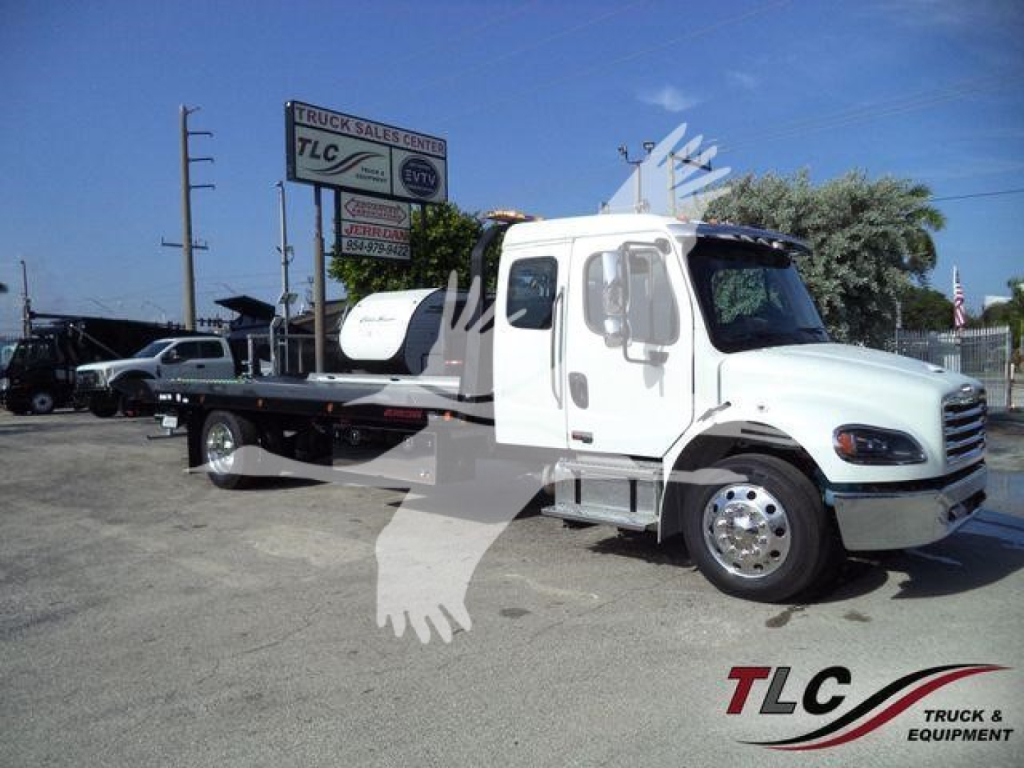
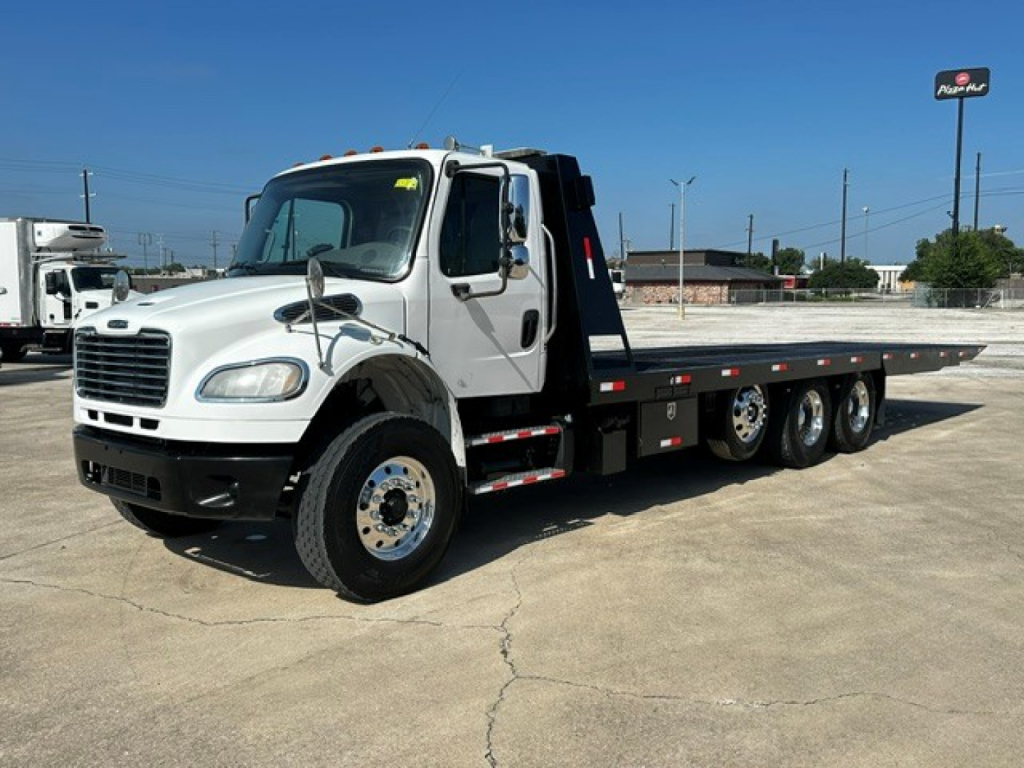
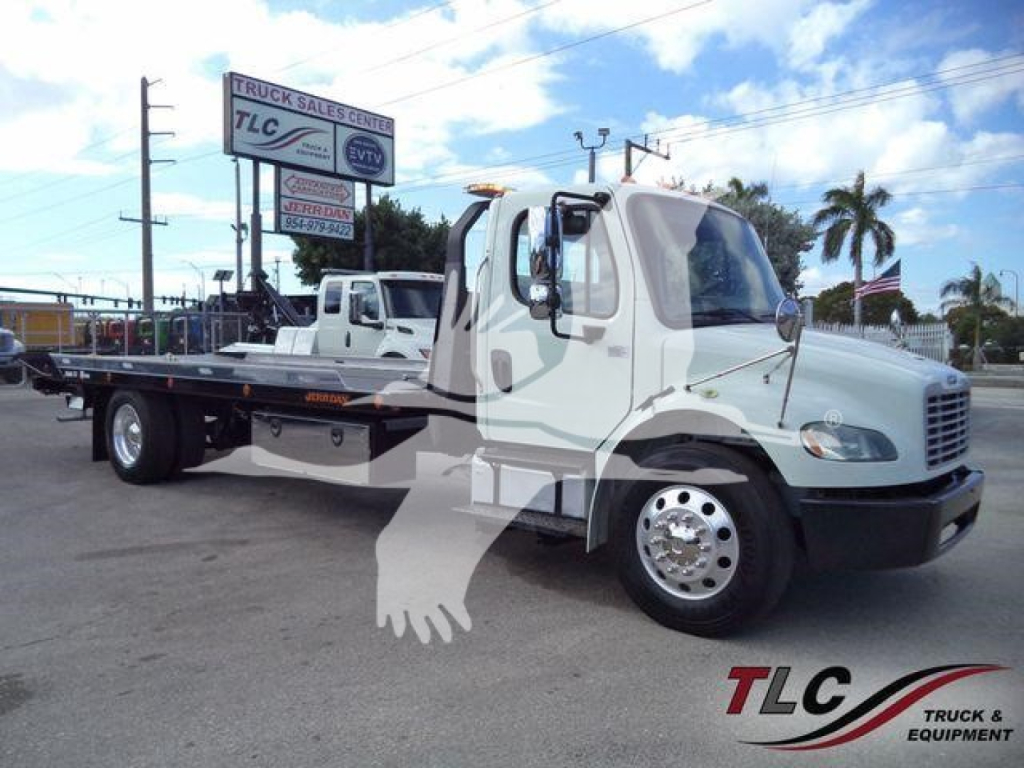
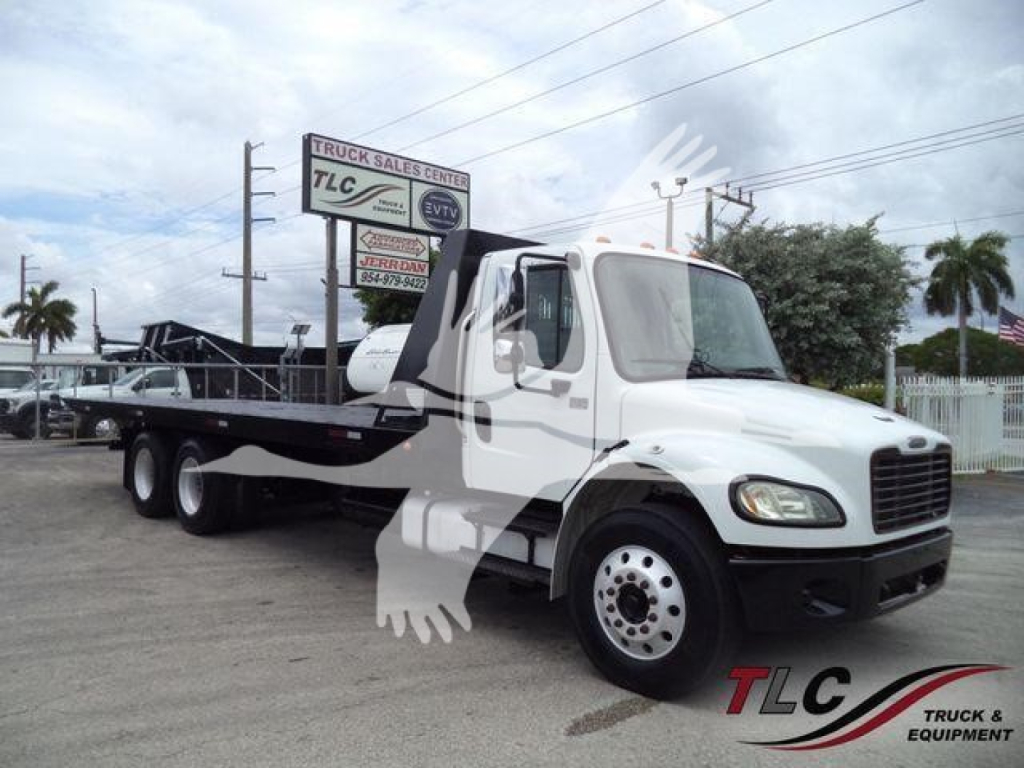
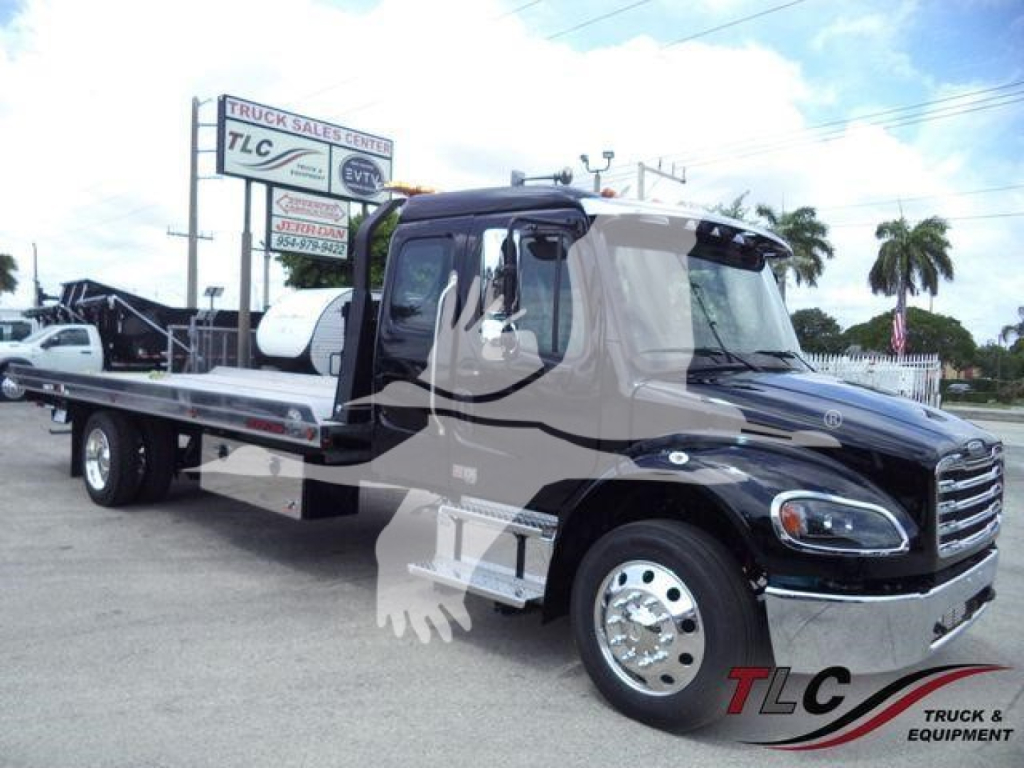
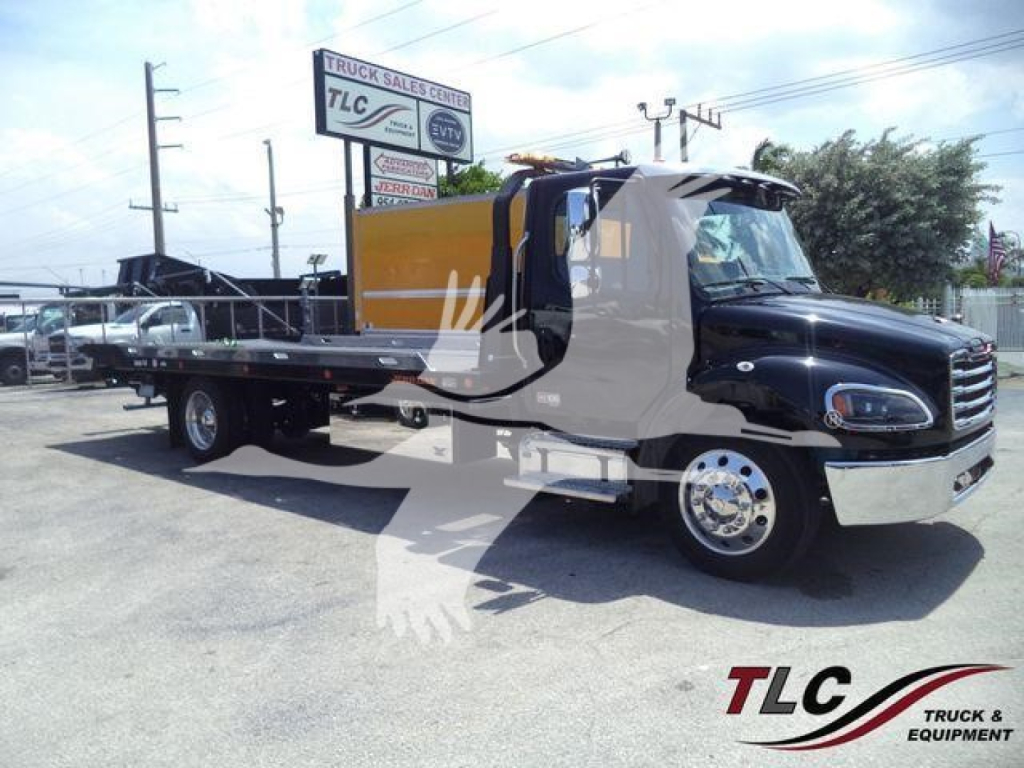
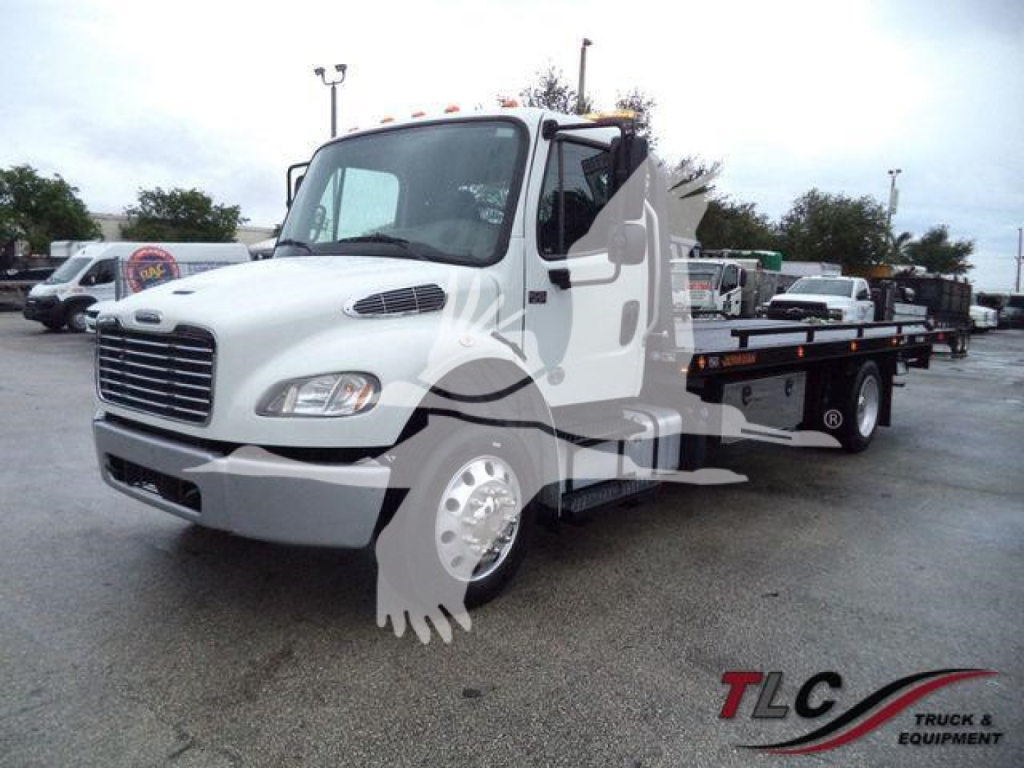
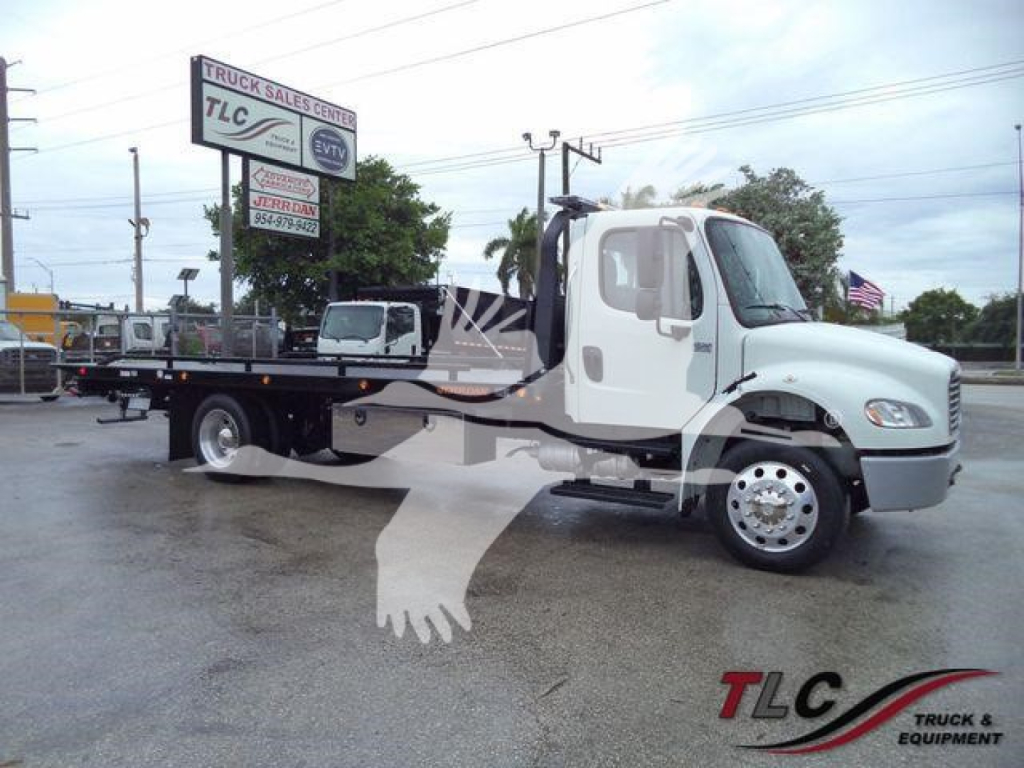
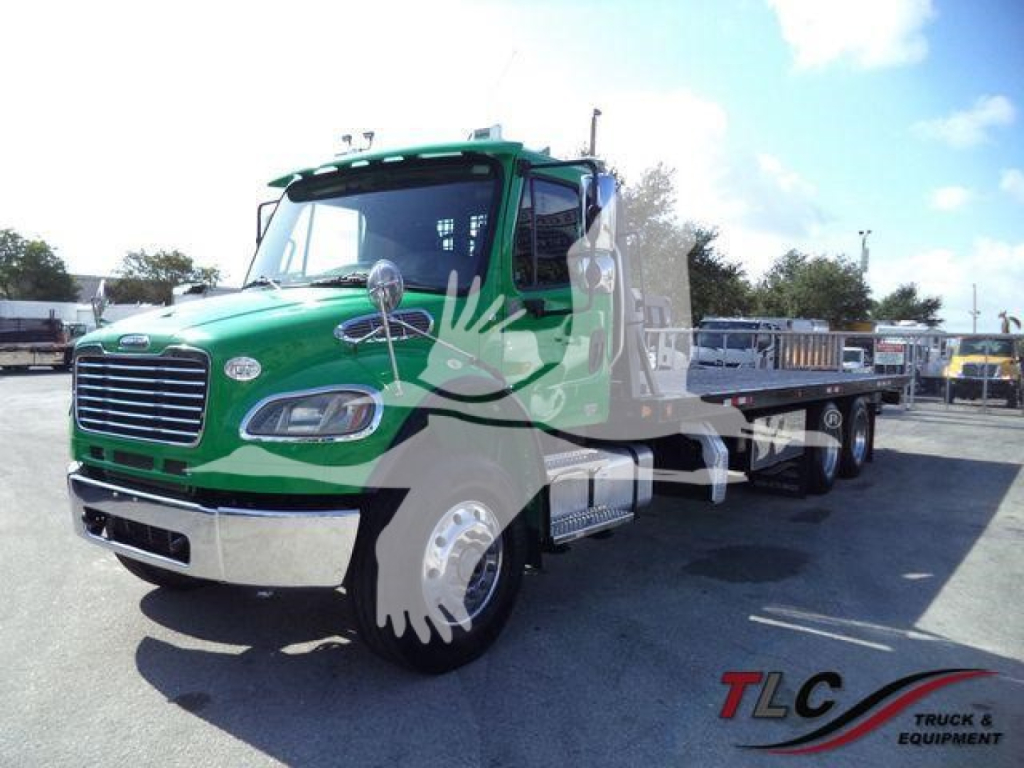
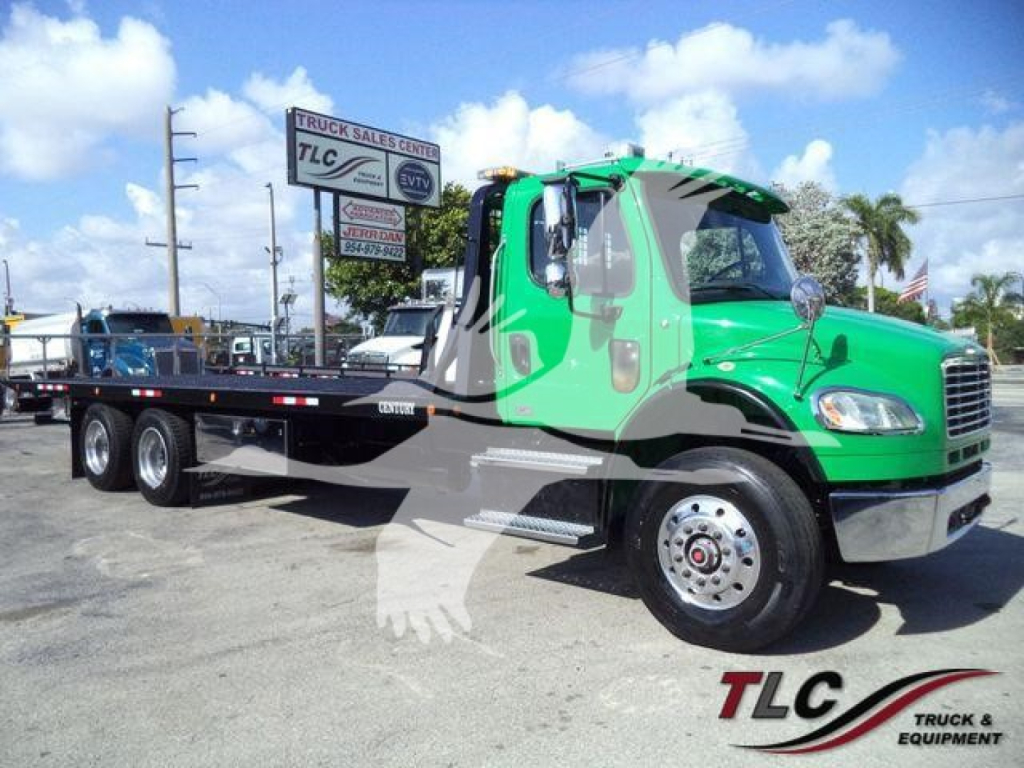
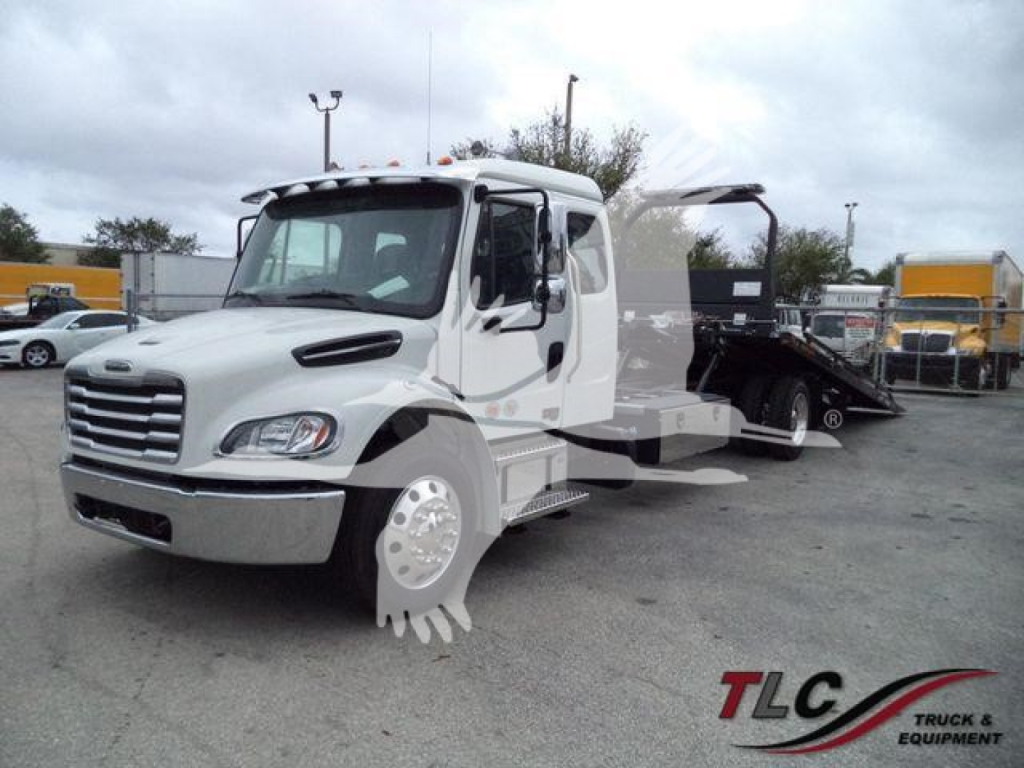
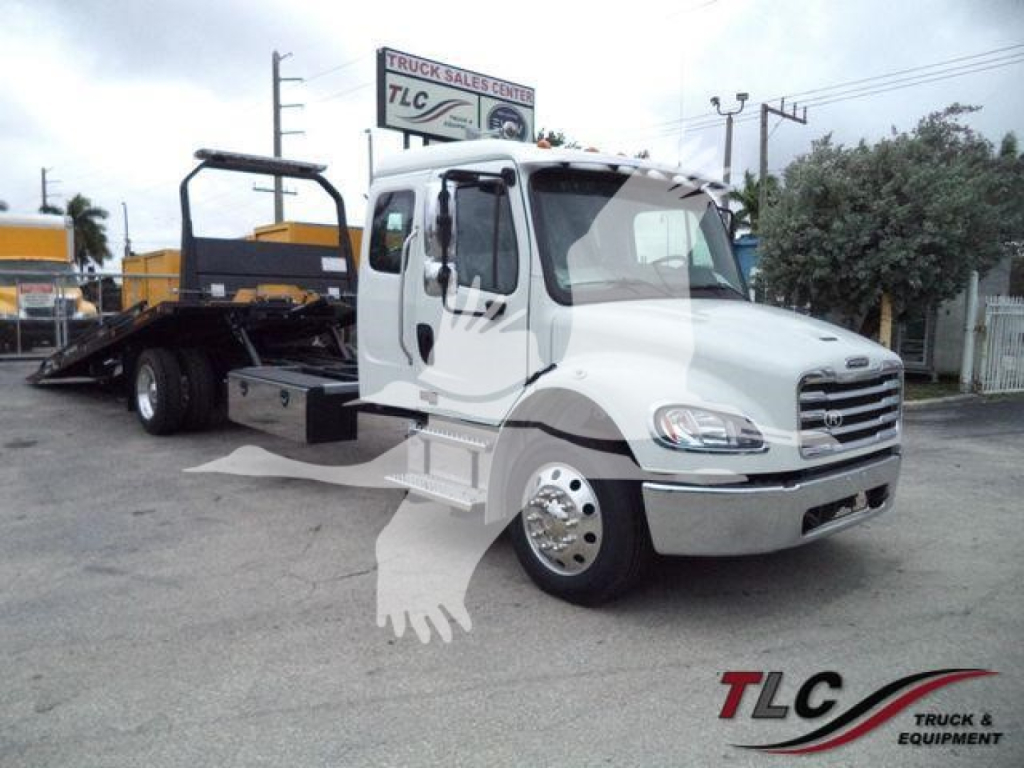
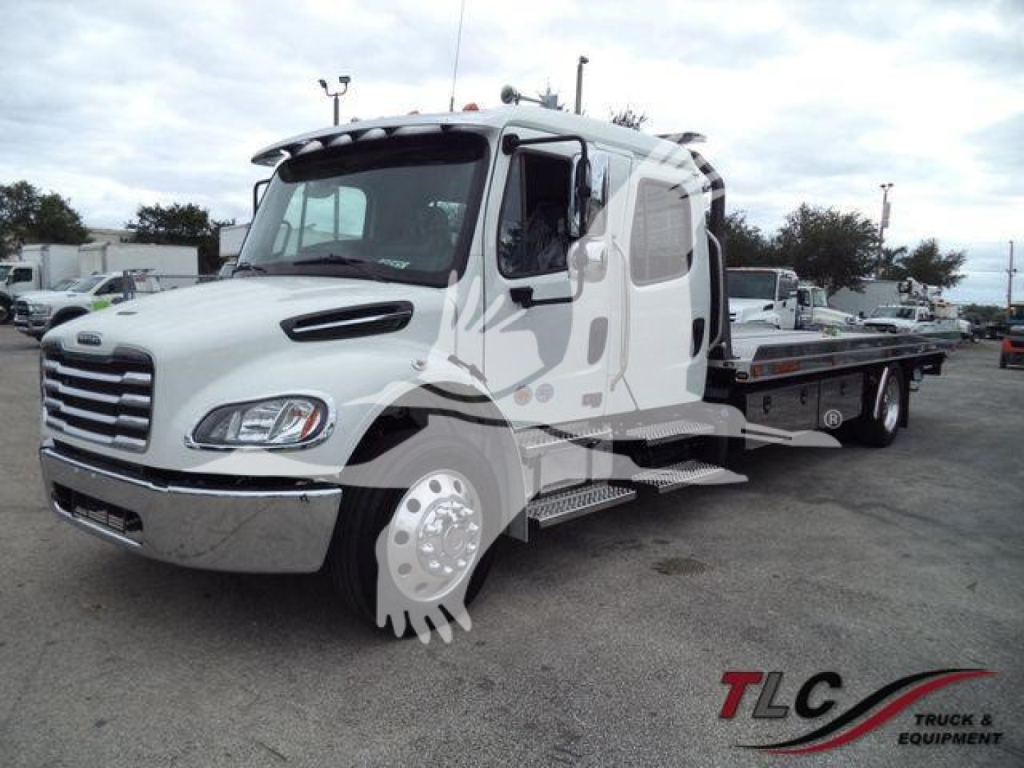
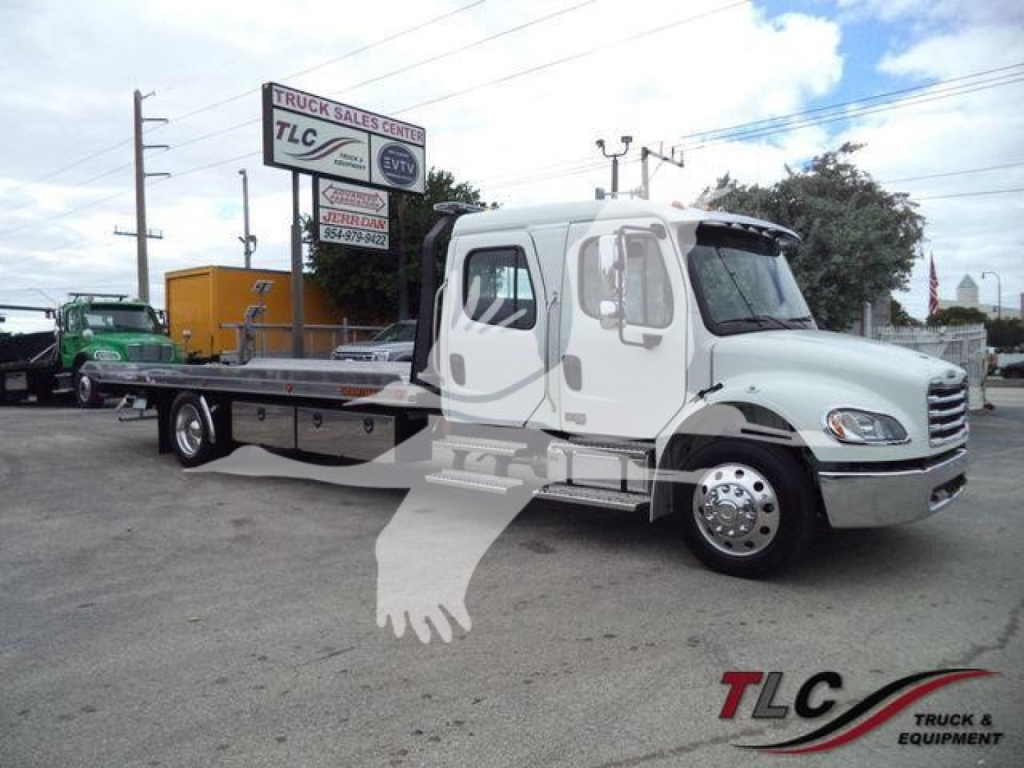
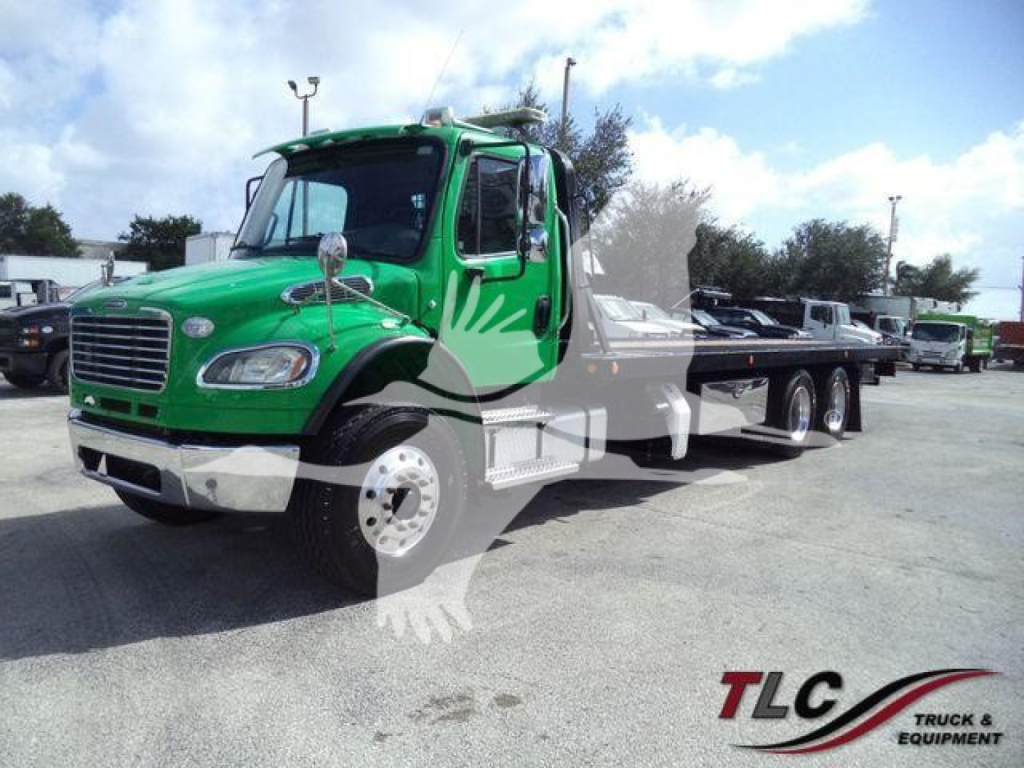
Shop Freightliner rollback trucks with M2 chassis, 28 ft beds, strong winch capacity, and medium-duty comfort for towing and transport.
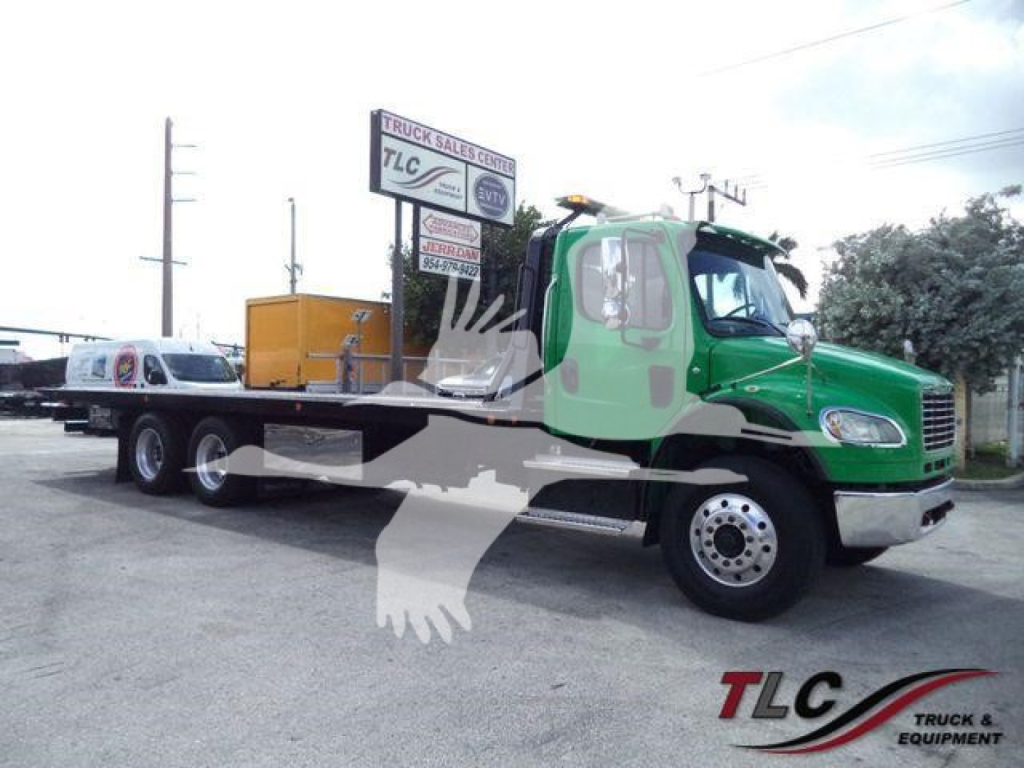
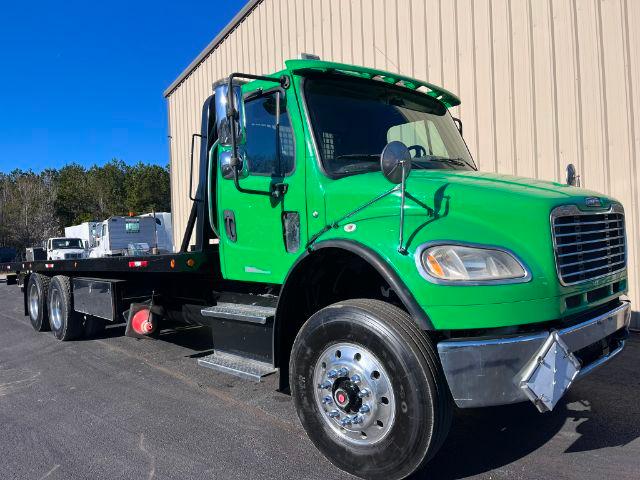
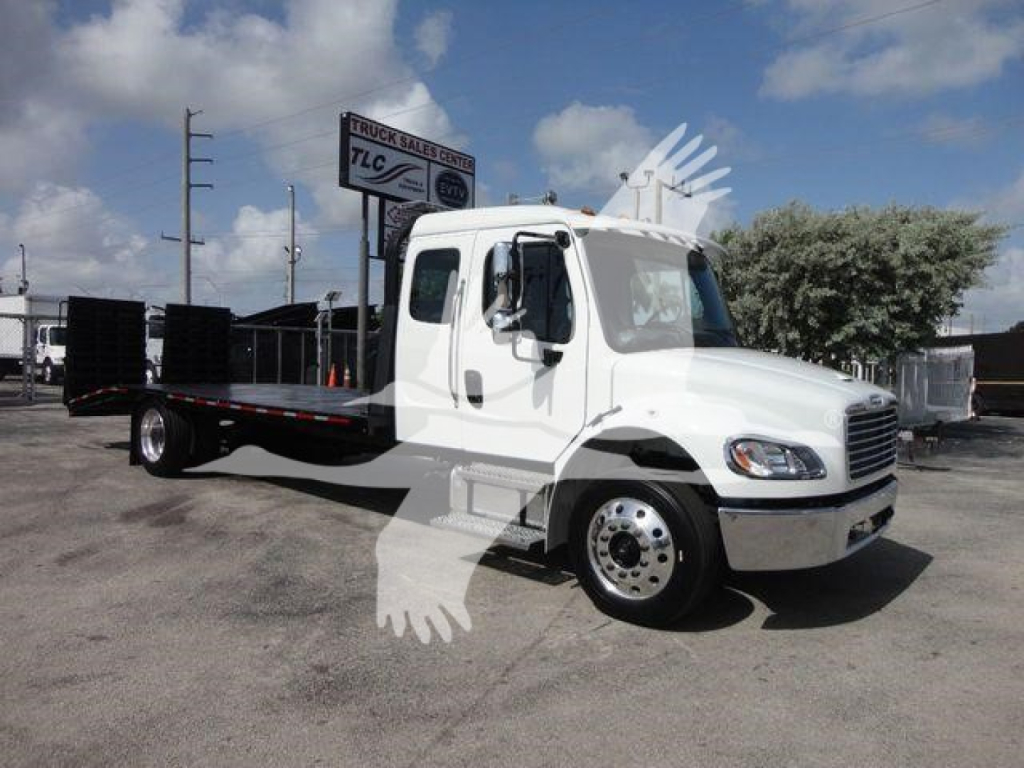
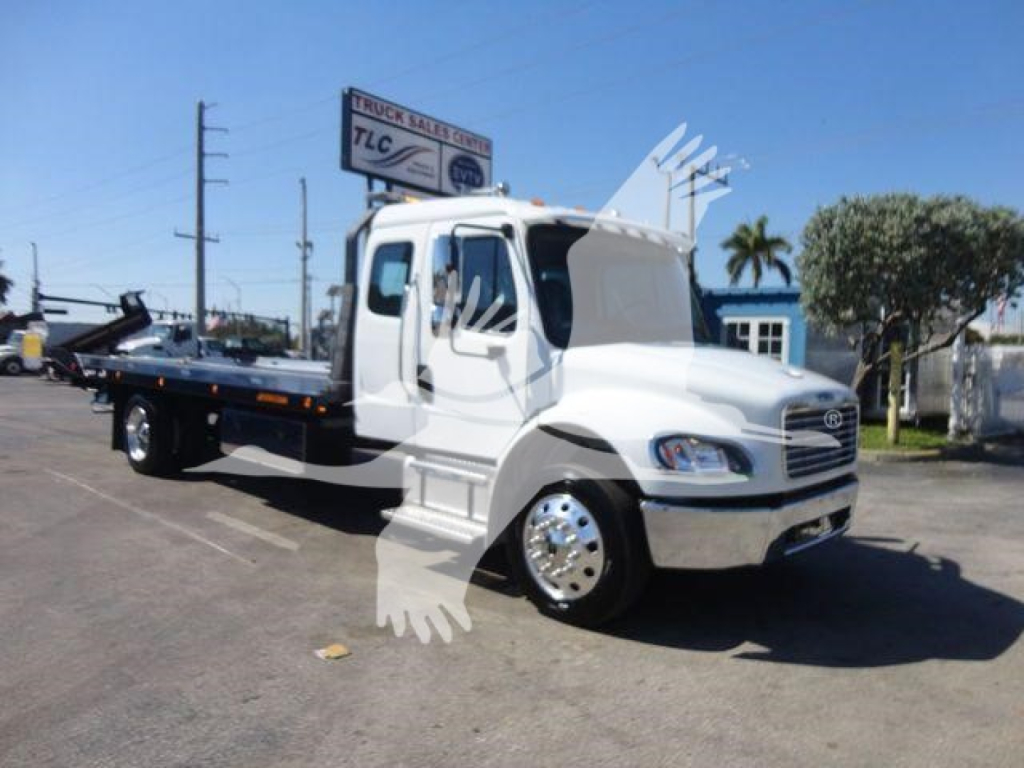
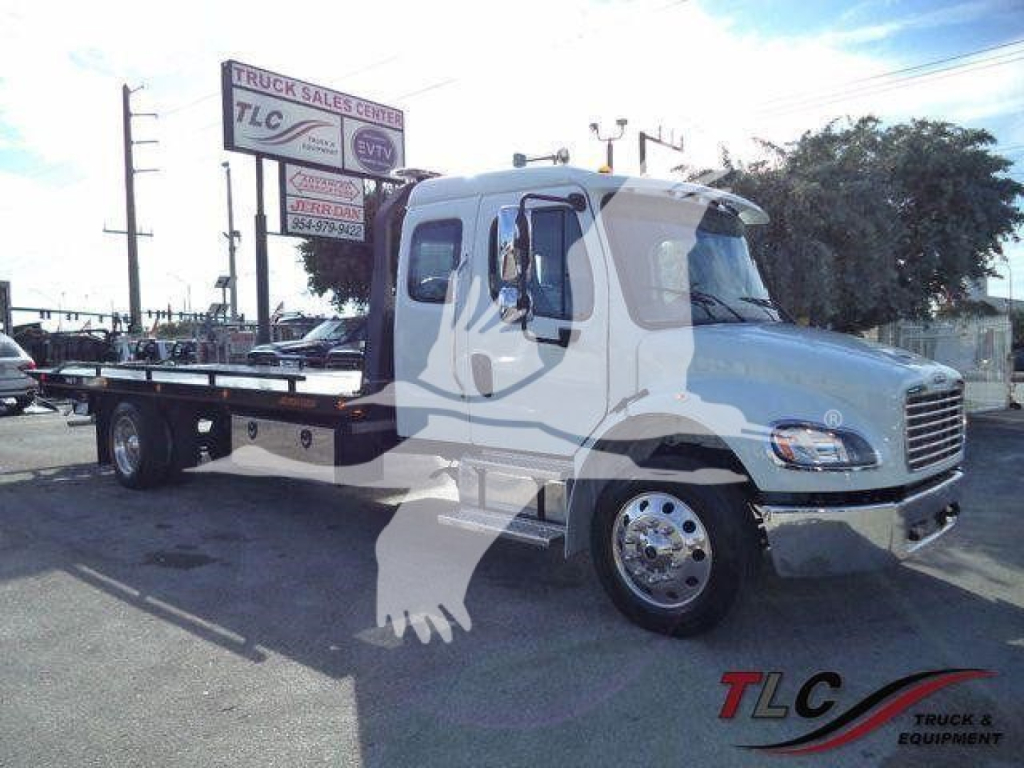
Selling a freightliner rollback truck? List your freightliner rollback truck for sale and reach thousands of commercial buyers.
Freightliner Rollback Trucks
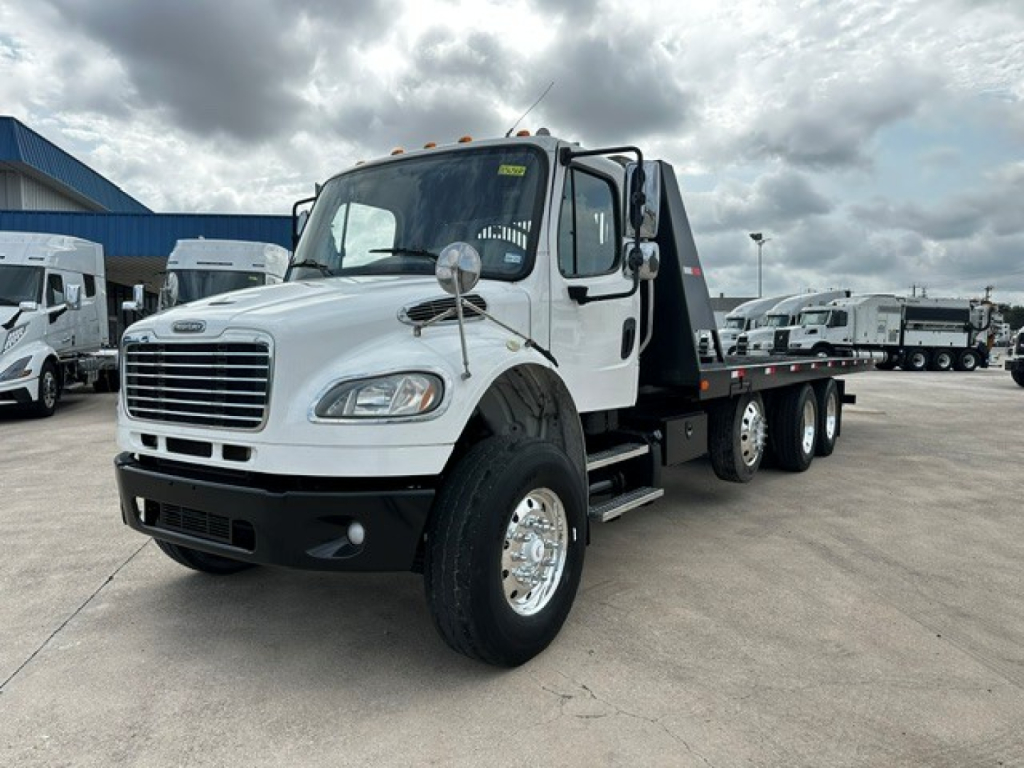
A lot of Freightliner rollback trucks on the market are equipped with 26 to 28 foot steel or aluminum beds, often rated around 20,000 to 30,000 pounds. Buyers should compare bed rating to actual use, especially if the truck will regularly move dually pickups, service bodies, small machinery, or overloaded auction vehicles. Winch capacity is just as important. A 20,000-pound winch may be adequate for general vehicle recovery, but heavier commercial recovery and dead pulls can push buyers toward stronger hydraulic systems, heavier cable, and tandem or tri-axle setups. Common Freightliner rollback specs include Cummins power, usually ISC, ISL, or L9 family engines, paired with Allison automatics or fuller manual transmissions depending on whether the truck was built for stop-and-go towing or more weight-sensitive hauling.
Chassis configuration changes the truck's usable range. A single-axle Freightliner rollback is easier to maneuver in urban towing, impound lots, and tight residential work, while tandem and tri-axle trucks bring the axle capacity and stability needed for longer beds and higher deck ratings. Front axle ratings in the 14,000 to 20,000 pound range and rear axle ratings up to 40,000 pounds are common on heavier M2 builds. Air ride suspension is popular on higher-capacity units because it helps ride quality and can be beneficial when hauling sensitive vehicles or equipment. Wheelbase, rear ratio, and transmission gearing also affect how well the truck launches with a load, cruises at highway speed, and handles grade changes. If your work includes regular interstate transport, pay attention to horsepower, torque, and whether the truck has an engine brake.
Body equipment and operator details should be checked carefully because rollback productivity comes from the full package, not just the cab and engine. Wireless remotes, dual toolboxes, work lights, strobes, low-profile rails, and underbody storage can make a real difference in daily use. Deck material, approach angle, telescopic or fixed cylinders, and tie-down layout all affect load speed and versatility. On used Freightliner rollback trucks, inspect frame modifications, bed mounting, hydraulic leaks, PTO engagement, crossmember condition, and deck wear at the tail and loading point. For buyers comparing multiple Freightliner rollback trucks for sale, the best value is usually the truck with the right chassis capacity, bed spec, and hydraulic setup for the type of loads it will handle every day.
Frequently Asked Questions about Freightliner Rollback Trucks
What is the most common Freightliner model used for rollback trucks?
The Freightliner M2, especially the M2 106, is one of the most common rollback truck chassis on the market. It is widely used because it offers strong parts availability, a practical cab layout, and enough chassis flexibility to support single-axle, tandem, and some tri-axle rollback builds. Buyers often find M2 rollback trucks paired with 26 to 28 foot beds and Cummins diesel engines, making them suitable for both general vehicle transport and heavier commercial hauling.
How much weight can a Freightliner rollback truck carry?
Capacity depends on the bed rating, axle ratings, GVWR, and the truck's actual empty weight. Many Freightliner rollback trucks are equipped with beds rated from 20,000 to 30,000 pounds, but legal and practical payload is determined by the complete build, not the deck rating alone. A heavier tandem or tri-axle Freightliner can handle more demanding loads than a lighter single-axle unit, especially when moving trucks, equipment, or larger commercial vehicles.
Are Freightliner rollback trucks better with an automatic or manual transmission?
That depends on the work. Allison automatic transmissions are popular in towing and recovery because they are easier in stop-and-go operation, reduce driver fatigue, and work well with PTO and hydraulic systems. Manual transmissions can still be a good fit for operators who want more control over gearing or who prioritize certain weight and service considerations. For most urban and mixed-use rollback applications, an automatic is the more common choice.
What should I inspect on a used Freightliner rollback truck?
Focus on the rollback body and hydraulic system as much as the chassis. Check for deck cracks, tail wear, cable condition, winch function, PTO engagement, cylinder leaks, bed alignment, and signs of hard loading. On the chassis side, review axle ratings, suspension type, frame condition, brake wear, tire condition, and engine and transmission service history. It is also important to confirm that the truck's wheelbase and bed installation were properly matched for the intended capacity.
What bed length is typical on a Freightliner rollback truck?
A 26 foot or 28 foot bed is very common on Freightliner rollback trucks, especially on M2-based units used for vehicle transport and medium-duty hauling. Shorter beds may be more maneuverable in city towing, while a 28 foot deck gives more flexibility for longer vehicles, crew cab pickups, and some equipment loads. Bed length should be matched to the type of cargo, axle layout, and the turning space available in your normal operating area.