
Freightliner Rollback Trucks For Sale in Florida
Shop Freightliner rollback trucks in Florida. Compare M2 106 carriers, bed lengths, GVWR, winch capacity, wheel-lift specs, and chassis options.
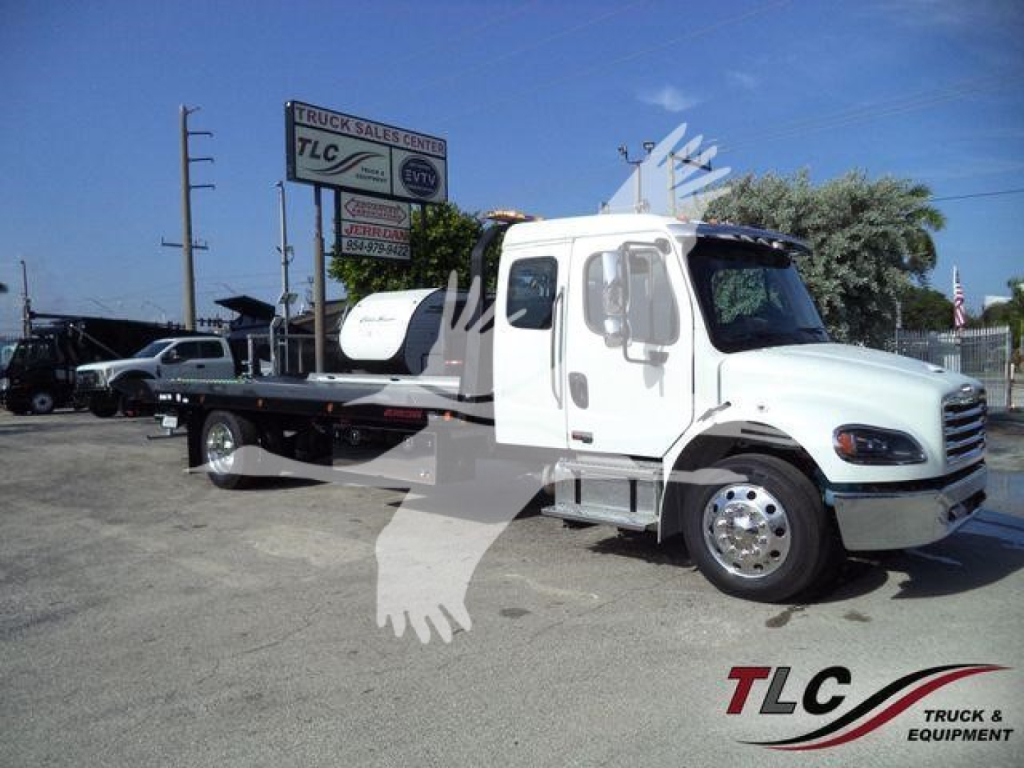
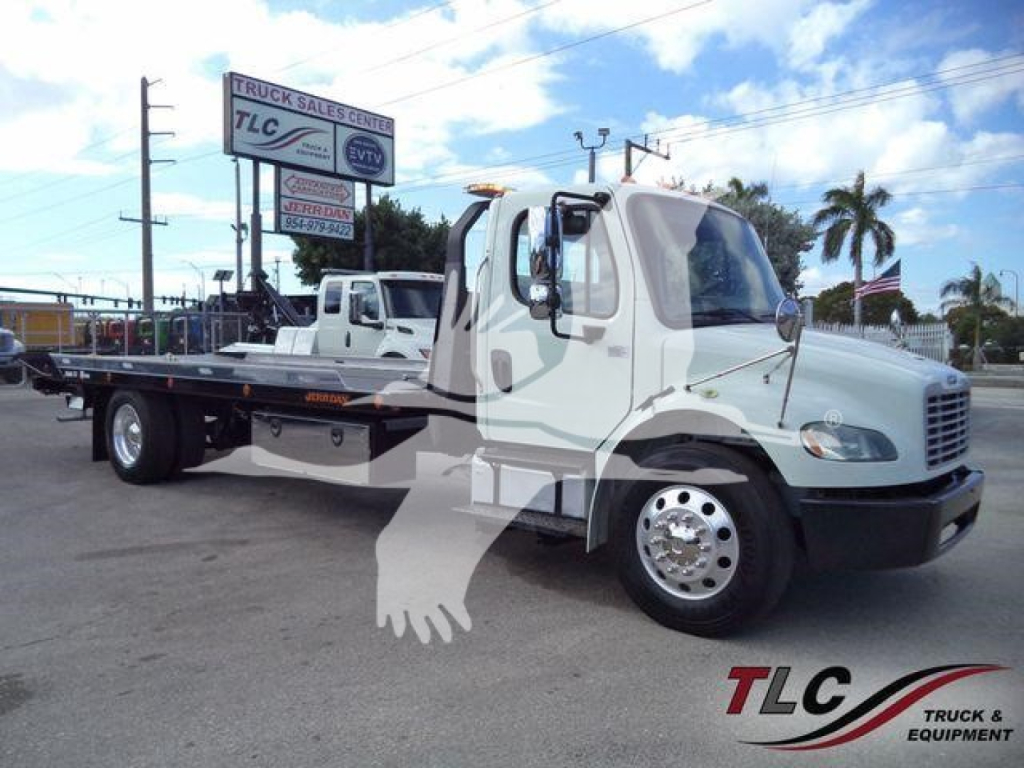
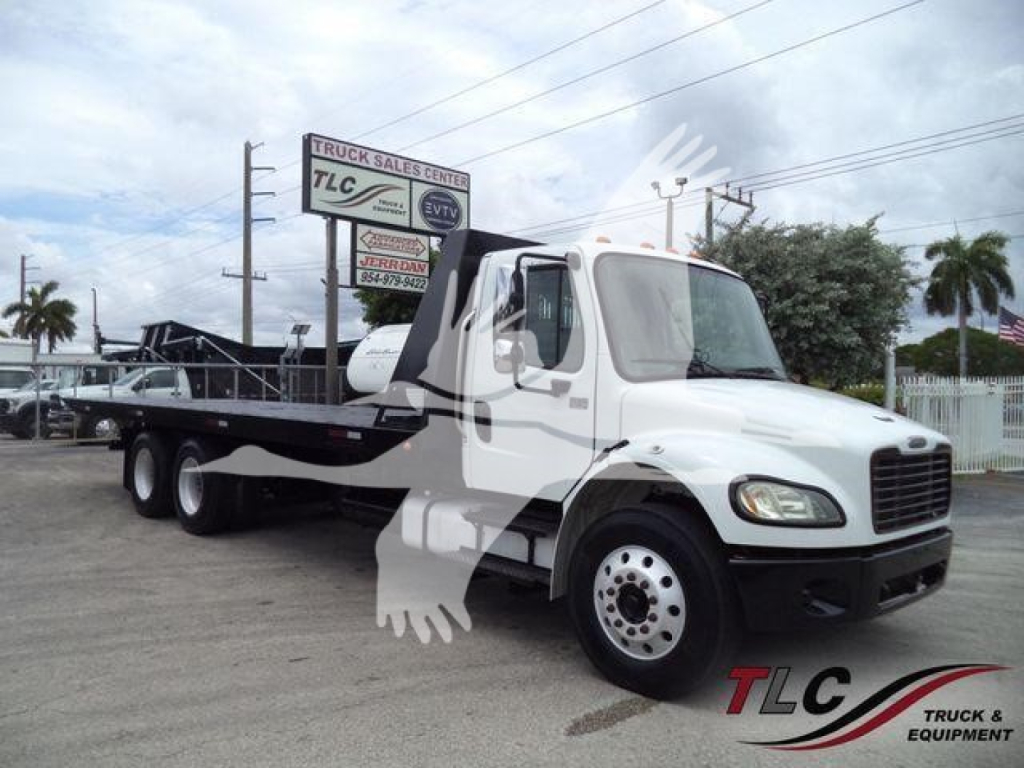
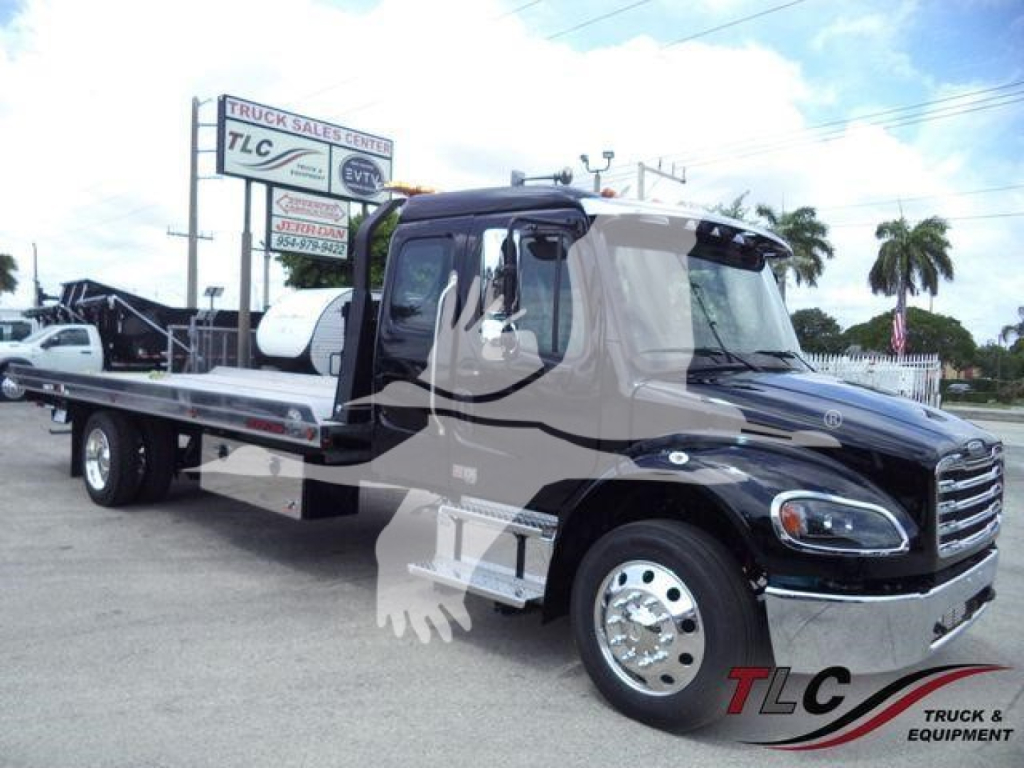
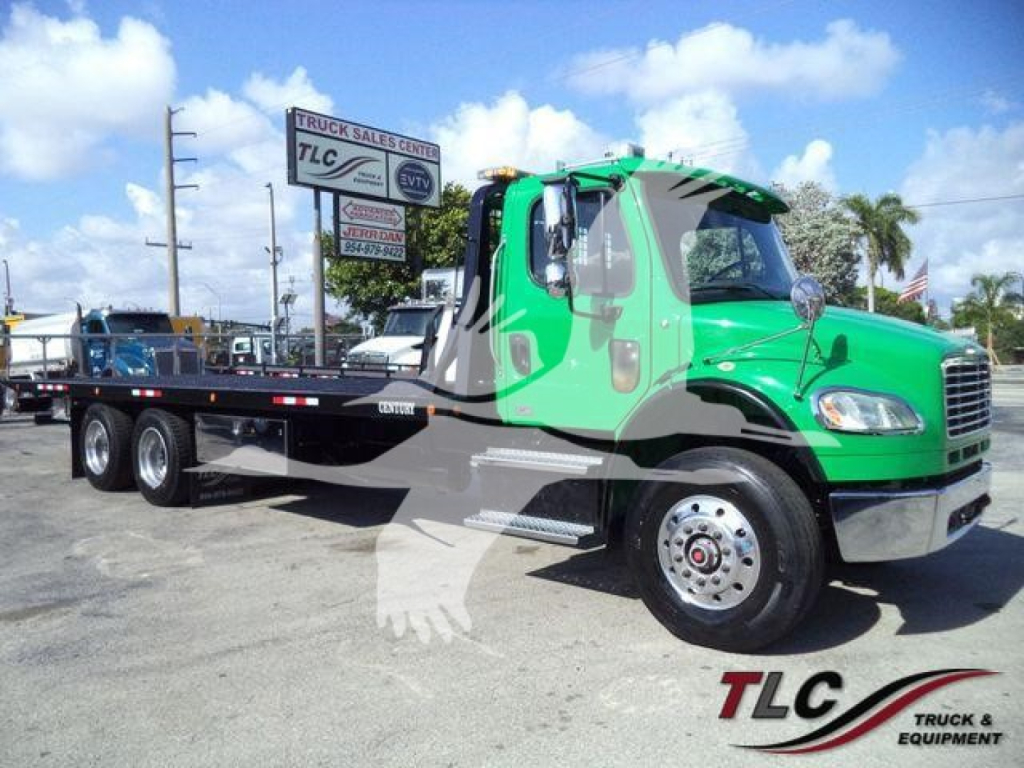
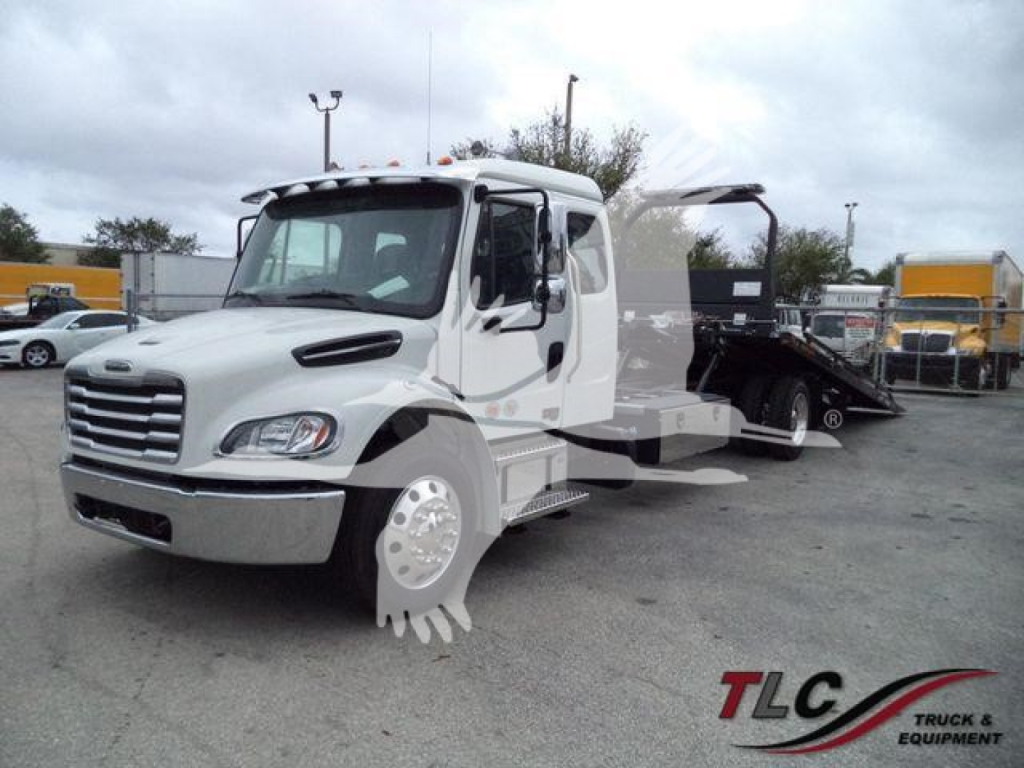
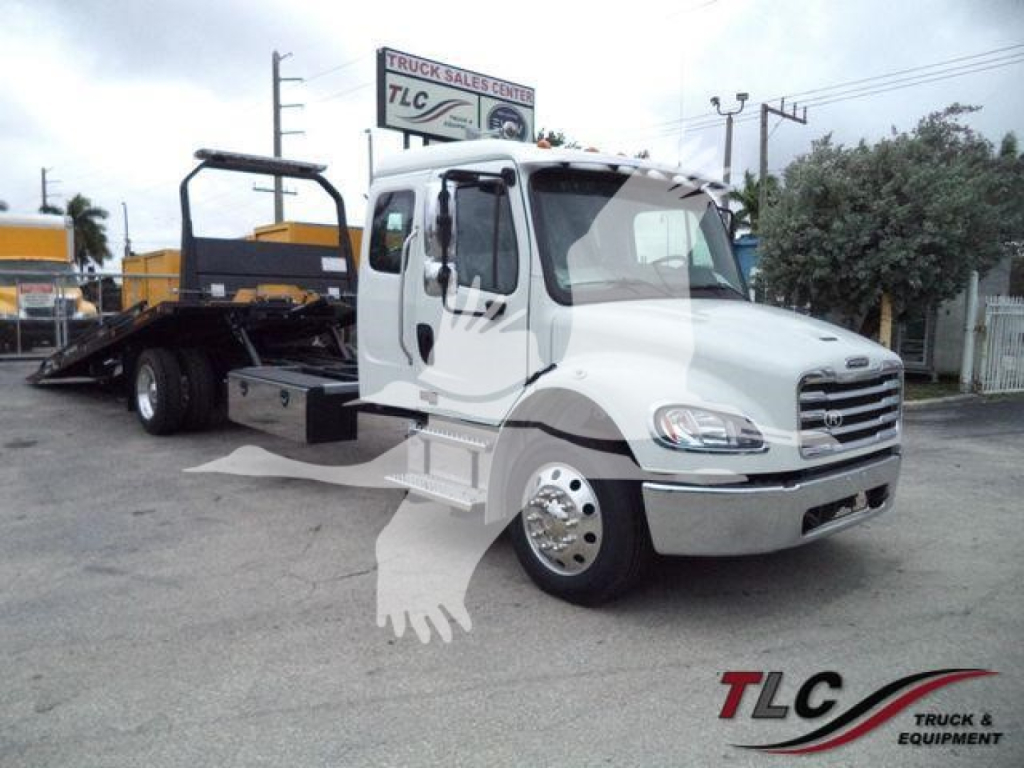
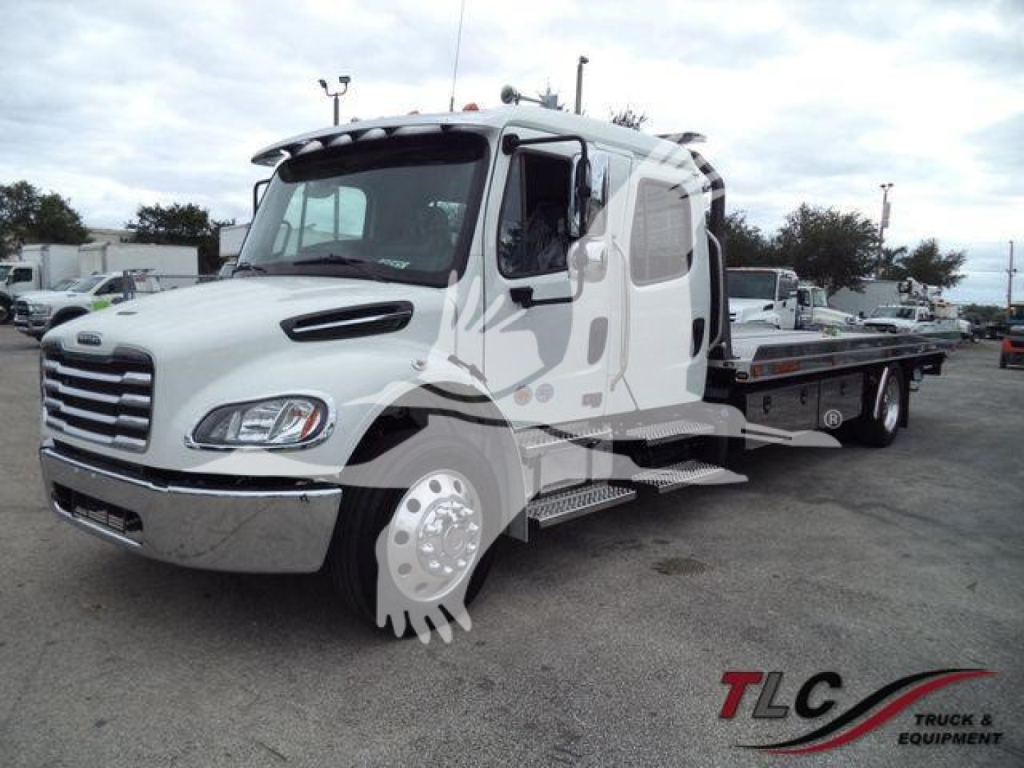
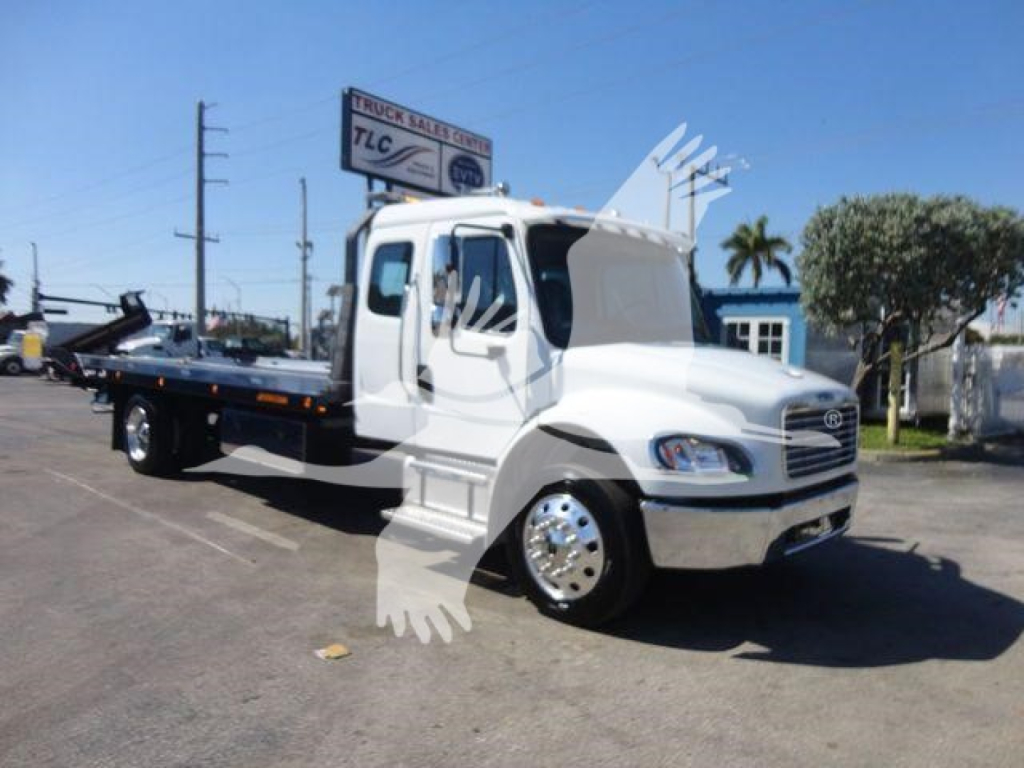
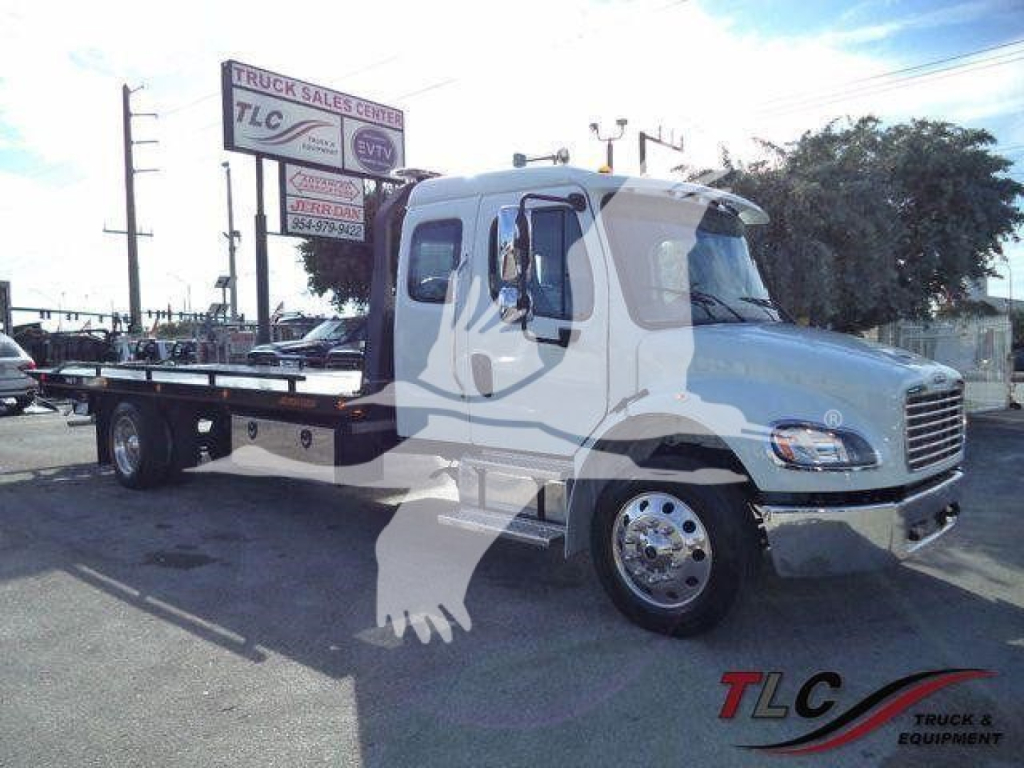
Selling a freightliner rollback truck? List your freightliner rollback truck for sale and reach thousands of commercial buyers.
Freightliner Rollback Trucks in Florida
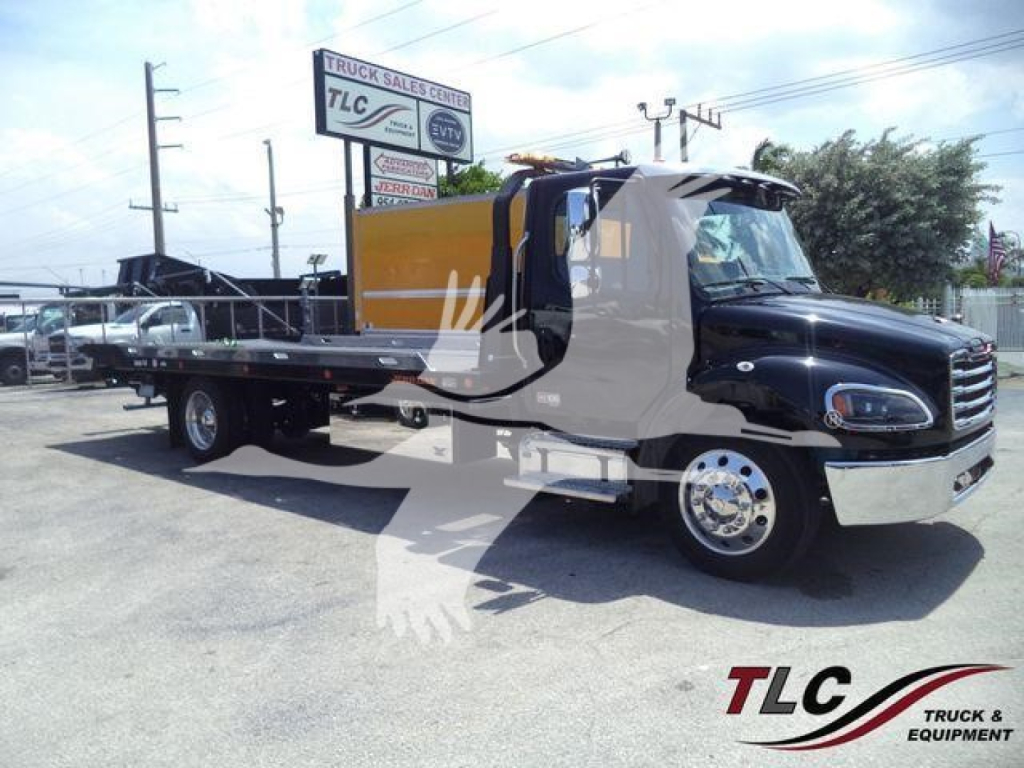
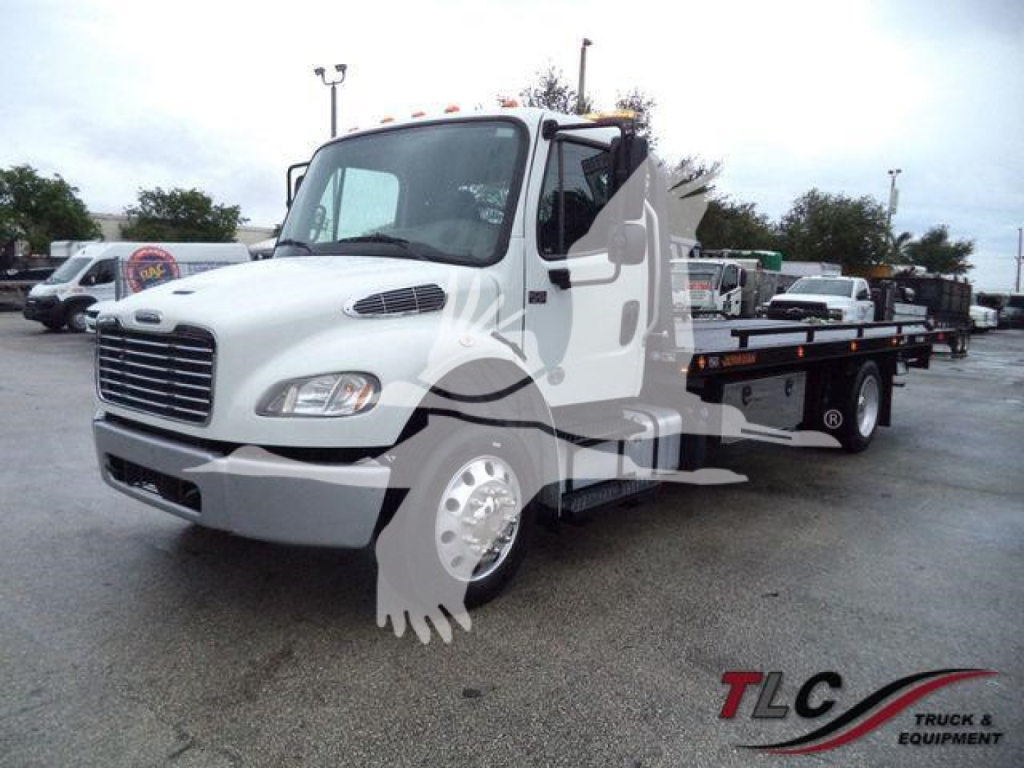
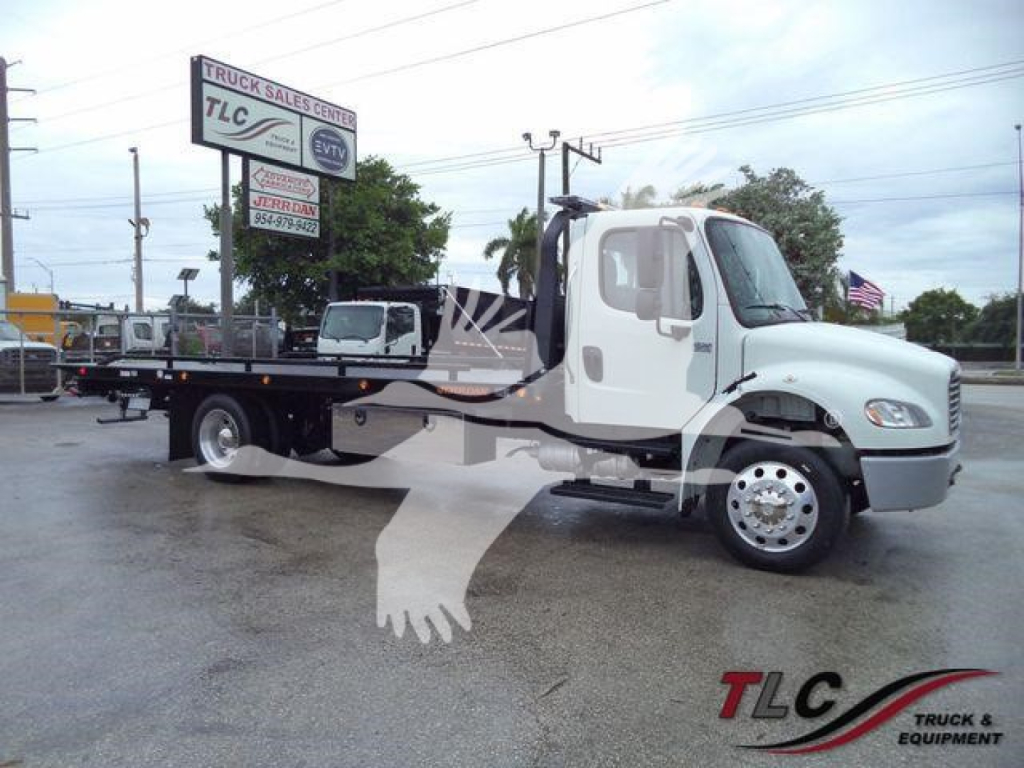
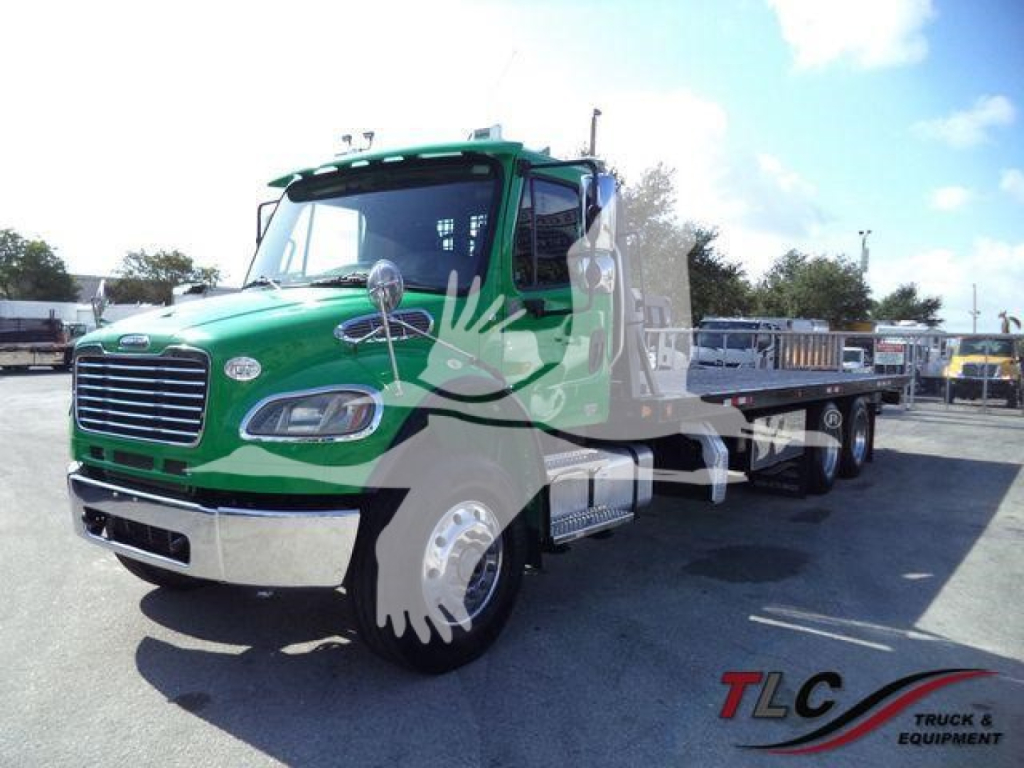
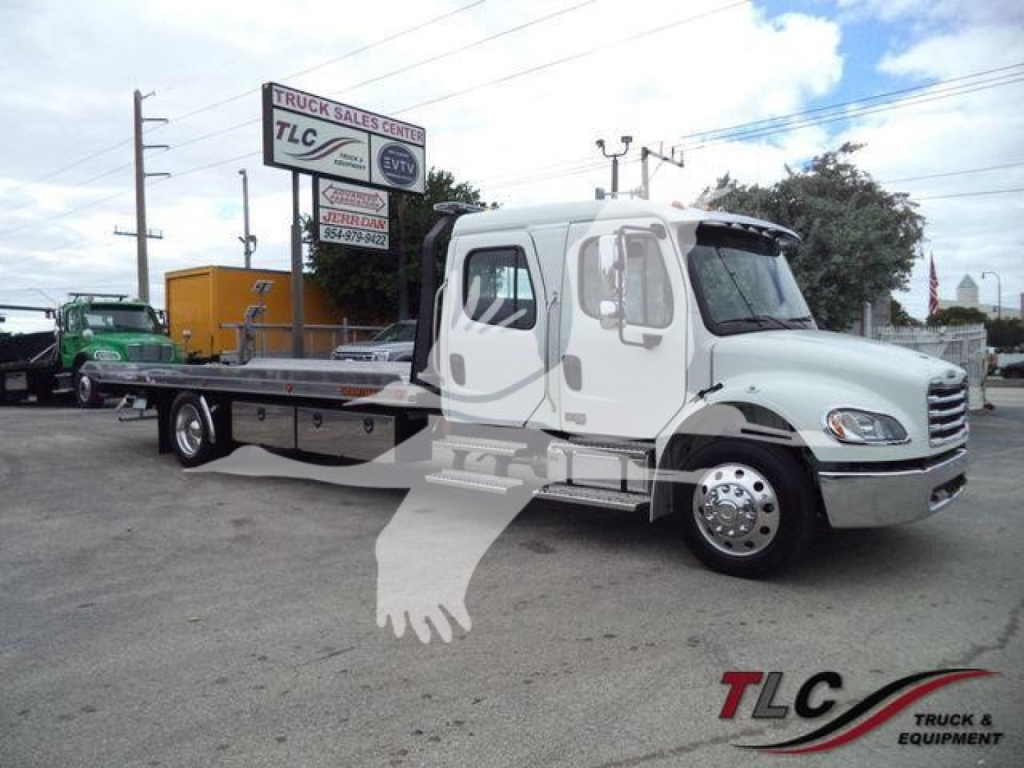
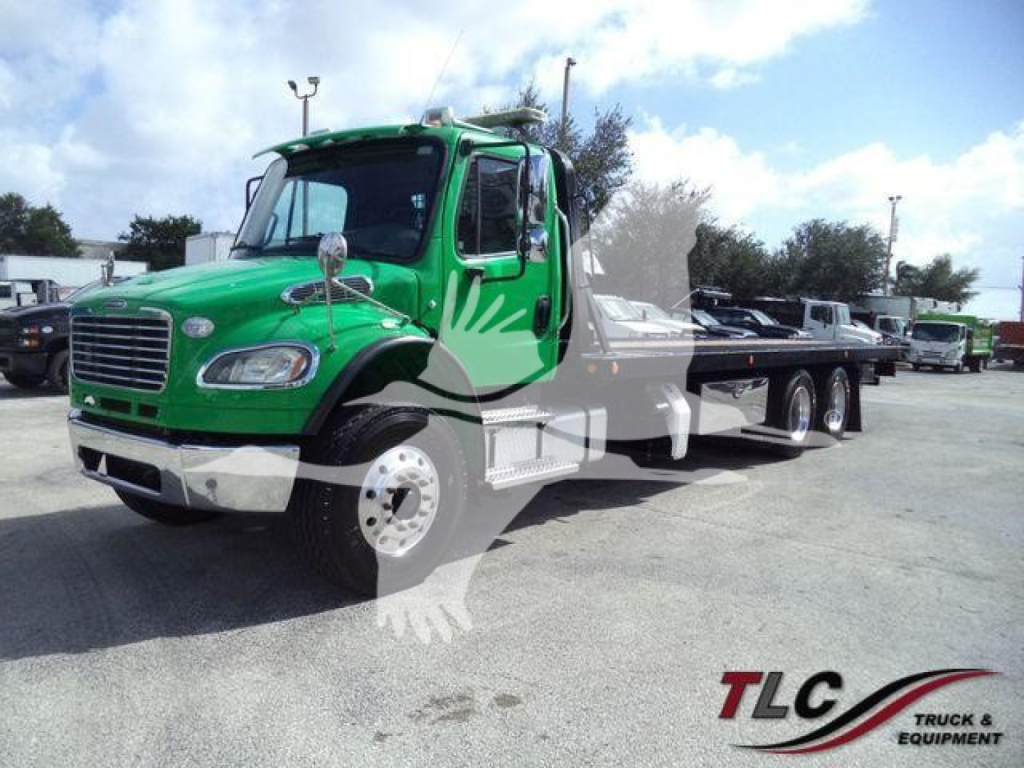
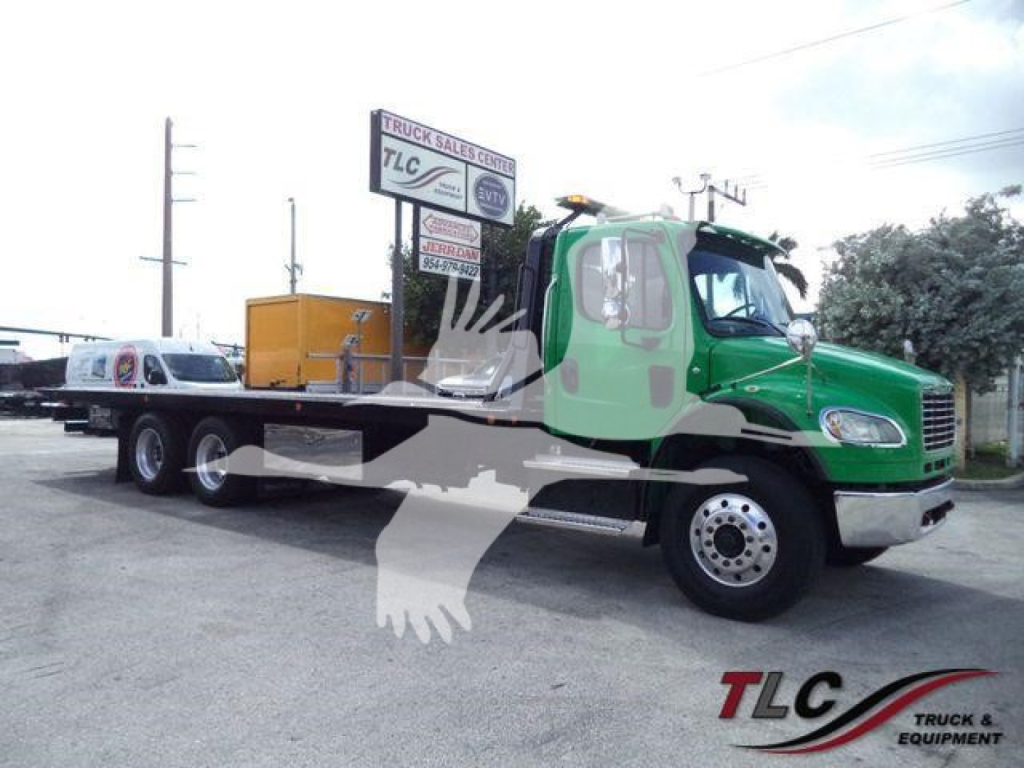
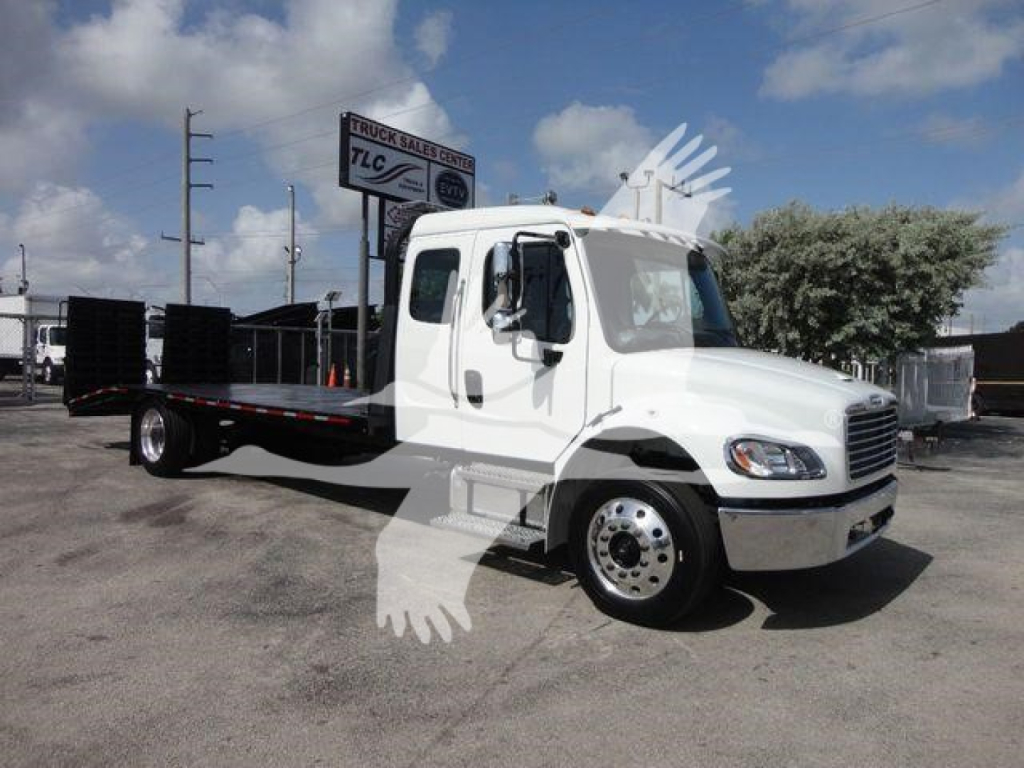
The body spec matters as much as the truck. Common rollback bodies include Jerr-Dan, Century, and Ledwell carriers in steel or aluminum construction. Aluminum decks reduce empty weight and help payload, while steel decks generally cost less and can be preferred in rougher service. Low-profile or XLP beds are popular because the reduced load angle helps with low-clearance cars, forklifts, and scissor lifts. On many Freightliner rollback trucks, buyers will also see 3,500-pound wheel lifts, 8,000-pound to 20,000-pound winches, removable or fixed rails, toolboxes, stake pockets, rear stabilizers, and hydraulic hitch setups. If the truck will spend most of its time on passenger cars and light trucks, a 6-ton carrier is a practical fit. If it will handle work trucks, machinery, or longer loads, a 15-ton class deck on a tandem axle chassis is usually the better direction.
On the chassis side, Freightliner rollback trucks are commonly equipped with Cummins diesel engines, Allison automatic transmissions, air brakes, and air ride suspension. Older units may have Caterpillar power or manual transmissions, especially on heavier tandem axle trucks. The M2 platform is popular because parts availability is strong, cab ergonomics are familiar to most drivers, and service access is straightforward. Buyers should pay close attention to wheelbase, front axle rating, rear axle rating, frame spec, and PTO setup, especially on heavier 28-foot carriers where double-frame construction and higher front axle capacity can make a real difference in durability and load balance. Tire size, axle ratio, and suspension type also affect how the truck performs when loaded in city towing versus longer-distance transport.
In Florida, corrosion is usually less of a concern than in northern salt markets, but heat, sun exposure, hydraulic condition, and cooling performance deserve a closer look. On used Freightliner rollback trucks, inspect deck wear, cylinder condition, winch operation, bed pivot points, subframe cracks, wheel-lift components, and all lighting and controls. A buyer comparing listings should also confirm whether the truck is set up mainly as a car carrier, flatbed tow truck, or heavier industrial rollback, since the same Freightliner badge can cover very different capacities and job types. The best choice comes down to the mix of passenger vehicles, pickups, medium-duty trucks, and equipment you expect to load every week.
Frequently Asked Questions about Freightliner Rollback Trucks in Florida
What is the most common Freightliner rollback truck configuration?
The most common configuration is a Freightliner M2 106 with a 22-foot by 102-inch rollback body, automatic transmission, air brakes, and a diesel engine, often a Cummins. This setup is widely used as a car carrier or flatbed tow truck because it balances maneuverability, legal 26,000 GVWR operation, and enough deck length for most passenger vehicles, pickups, and light commercial units.
Is an aluminum or steel rollback bed better on a Freightliner?
Aluminum beds are lighter, which can improve payload and fuel efficiency, and they are a strong choice for frequent car hauling and general light-duty towing. Steel beds usually cost less and can be preferred for harder-use environments where impact resistance and repair familiarity matter more than weight savings. The right choice depends on the type of vehicles or equipment being loaded and how important payload margin is in daily operation.
What should I check on a used Freightliner rollback truck?
Focus on both the truck and the carrier body. Check engine hours, transmission operation, brake type, suspension condition, tire wear, and frame integrity on the chassis. On the rollback body, inspect the deck, subframe, hydraulic cylinders, hoses, PTO engagement, winch function, wheel-lift condition, controls, lighting, and toolbox structure. Uneven deck wear, slow hydraulics, cracked mounts, and neglected wheel-lift parts can indicate expensive repairs ahead.
How do I choose between a 22-foot and 28-foot Freightliner rollback?
A 22-foot rollback is usually the better fit for standard towing, dealer moves, urban recoveries, and lighter transport work because it is easier to maneuver and commonly paired with a 26,000 GVWR single-axle chassis. A 28-foot rollback is better suited for longer loads, heavier trucks, equipment, and industrial hauling, typically on a tandem axle chassis with much higher axle ratings and deck capacity. The decision should be based on your average load size, weight, and route environment.
Are Freightliner rollback trucks good for Florida towing and transport work?
Yes. Freightliner rollback trucks are a practical fit for Florida because the M2 chassis is common, service support is strong, and the platform works well for towing, repossession, dealer transport, and equipment delivery. In this market, buyers should pay extra attention to cooling system performance, air conditioning, hydraulic reliability, sun-related cab and wiring wear, and any rust or oxidation around the bed, toolboxes, and electrical connections.