
2016 Freightliner Rollback Trucks For Sale
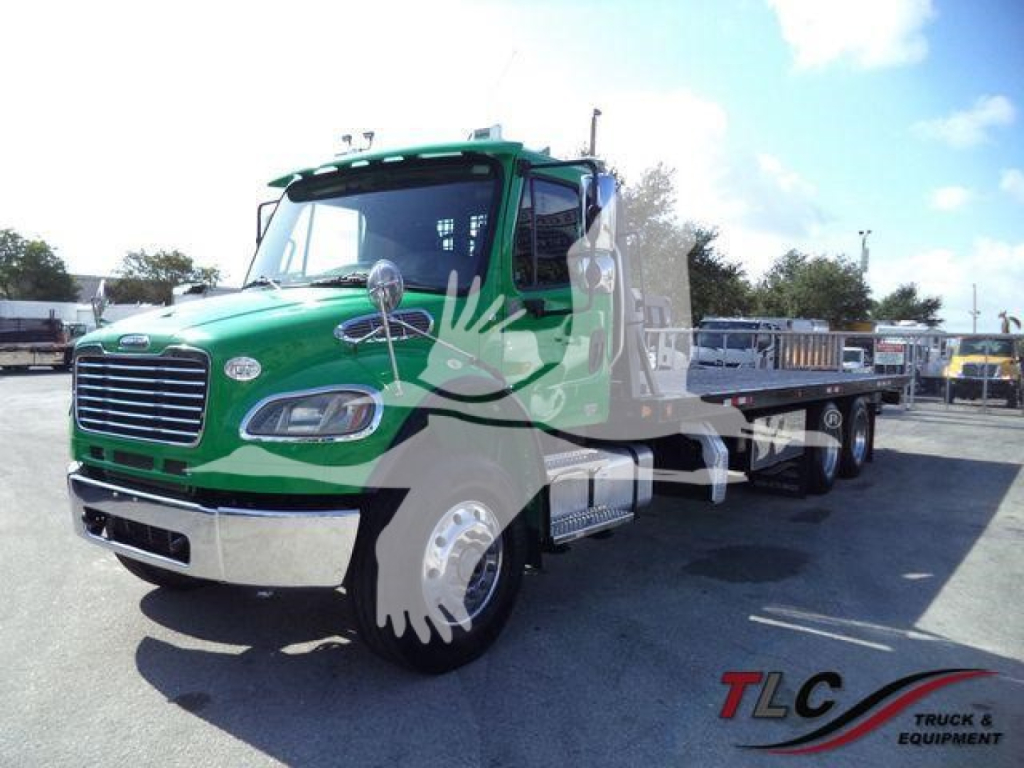
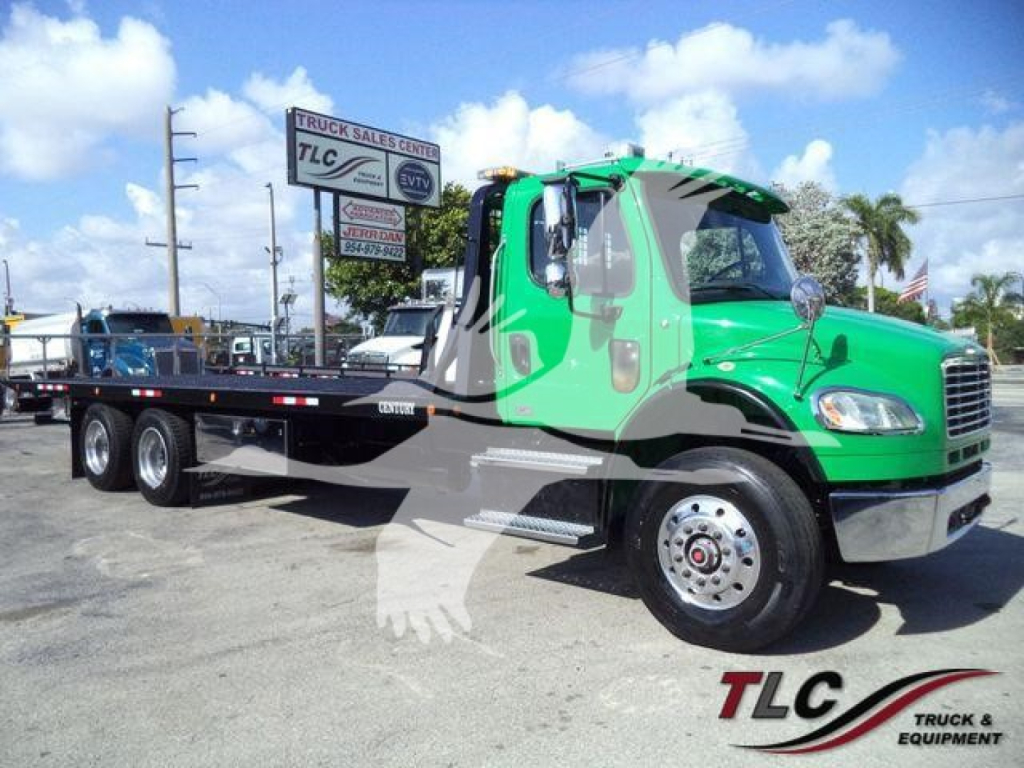
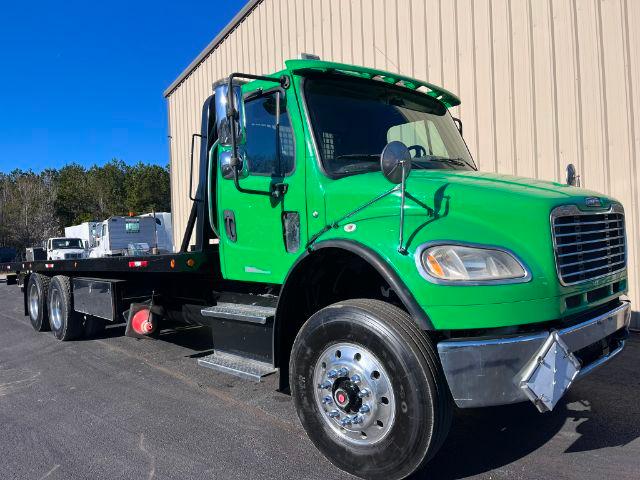
Shop 2016 Freightliner rollback trucks, including M2 106 carriers with diesel power, Allison automatics, winches, and 22 ft to 28 ft beds.
Selling a 2016 freightliner rollback truck? List your 2016 freightliner rollback truck for sale and reach thousands of commercial buyers.
2016 Freightliner Rollback Trucks
The rollback body, also known as a car carrier or slideback, is where day-to-day productivity is decided. Common configurations in this class include 22-foot to 28-foot decks, often 102 inches wide, with steel, aluminum, or wood deck construction depending on intended use and weight priorities. Aluminum beds help reduce tare weight and can improve legal payload on lighter chassis, while steel beds generally appeal to operators prioritizing durability and repair simplicity. Winch capacity, wheel-lift rating, deck angle, low-profile or LCG design, removable rails, and toolbox layout all affect how efficiently the truck loads damaged, lowered, or inoperable vehicles. A wireless winch remote, work lights, and a properly set wheel-lift can make a measurable difference in recovery speed and operator safety.
On a 2016 Freightliner rollback, cab and running gear details are just as important as the bed brand. Air brakes are common, and many buyers prefer air ride suspension for ride quality and load stability. Power windows and locks, air ride seats, larger aluminum fuel tanks, and extended or crew cab layouts are practical features if the truck runs long shifts or carries additional personnel and gear. Tire size, front and rear axle ratings, and suspension spec should be checked against the body rating because a 30,000-pound bed rating does not automatically mean the chassis, wheelbase, and axle package are matched for the same kind of real-world loading. For buyers comparing similar trucks, maintenance history, miles, PTO and hydraulic condition, and signs of deck or subframe fatigue are often more important than cosmetic appearance.
For many operators, 2016 Freightliner rollback trucks hit a useful middle ground between emissions-era drivability, modern cab comfort, and proven parts support. They are commonly used as repossession trucks, dealership haulers, municipal support units, light equipment carriers, and general towing trucks. The right choice comes down to matching deck length, GVWR, axle configuration, and bed material to the actual work. A single-axle 22-foot carrier is a different tool than a tandem-axle 28-foot rollback, even if both wear the same Freightliner badge. Buyers who compare the truck as a full system, chassis, powertrain, hydraulics, and carrier body, usually make the best long-term purchase.
Frequently Asked Questions about 2016 Freightliner Rollback Trucks
What is the most common 2016 Freightliner rollback configuration?
The most common setup is a 2016 Freightliner M2 106 with a Cummins diesel, Allison automatic transmission, air brakes, and a rollback carrier body in the 22-foot to 28-foot range. Many are single-axle trucks built for vehicle transport and light towing, but some are tandem-axle units with much higher GVWR and bed capacity for heavier commercial or equipment work.
How do I choose between a 22-foot and 28-foot rollback bed?
A 22-foot bed is typically better for standard passenger vehicles, light trucks, tighter urban work, and operators who want a more maneuverable truck. A 28-foot bed is more suitable for larger vehicles, longer wheelbases, and some equipment hauling applications, but it usually comes with a larger chassis, more weight, and different licensing and operating considerations. The best choice depends on what you load most often, not the maximum size you might haul once in a while.
Is an aluminum or steel rollback bed better on a 2016 Freightliner?
Aluminum beds reduce body weight and can improve usable payload, which is valuable on medium-duty single-axle carriers trying to stay efficient and compliant. Steel beds are heavier but are often favored for durability, repairability, and resistance to hard commercial use. Buyers hauling standard cars daily may prefer aluminum, while operators expecting rougher loading conditions or mixed-duty service often lean toward steel.
What should I inspect on a used 2016 Freightliner rollback truck?
Key inspection points include engine and transmission service records, PTO operation, hydraulic cylinder condition, winch function, deck structure, bed pivot points, wheel-lift wear, and signs of frame or subframe cracking. Check axle ratings, tire wear, brake condition, and suspension type against the stated bed rating. It is also smart to verify that the bed, wheelbase, and chassis GVWR are properly matched, because an impressive body spec does not guarantee the truck is built for that load in daily service.
Are 2016 Freightliner rollback trucks good for towing and recovery fleets?
Yes, they are widely used in towing and recovery fleets because the M2 platform is familiar, parts support is strong, and the Cummins-Allison combination is easy for most shops and drivers to manage. They work well for general car hauling, accident recovery, light commercial towing, and transport work, provided the truck's axle configuration, deck size, and wheel-lift rating match the fleet's actual jobs.