
New Hino Rollback Trucks For Sale
New Hino rollback trucks with medium-duty towing capacity, durable deck options, and Cummins-Allison powertrains for recovery work.
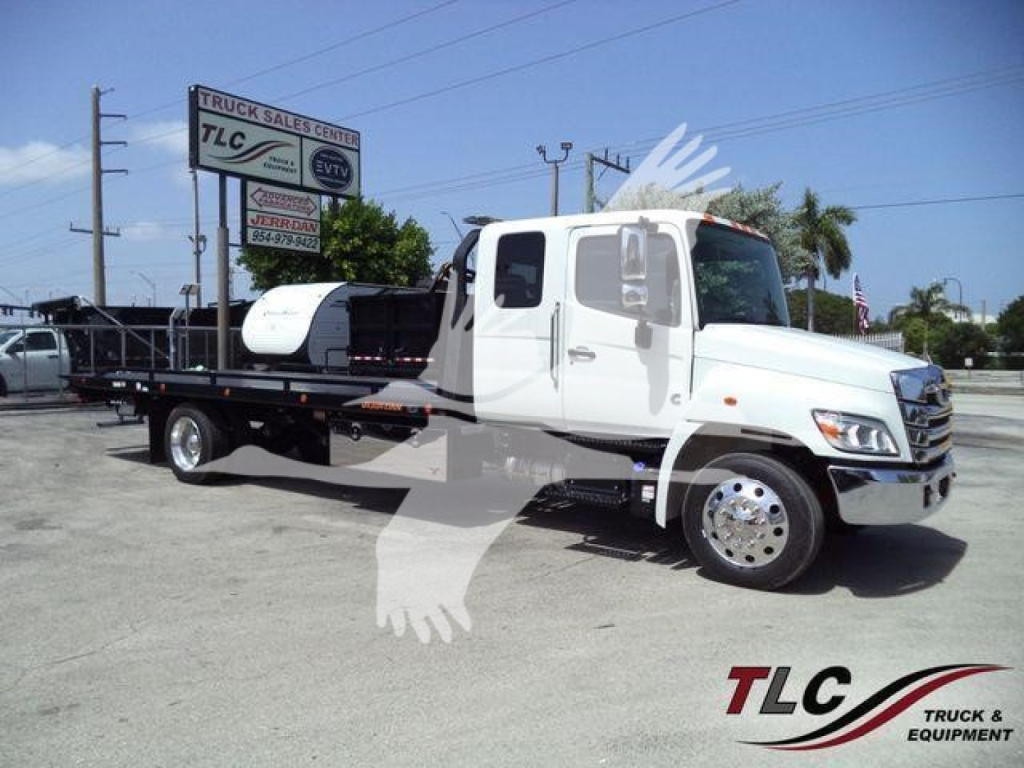
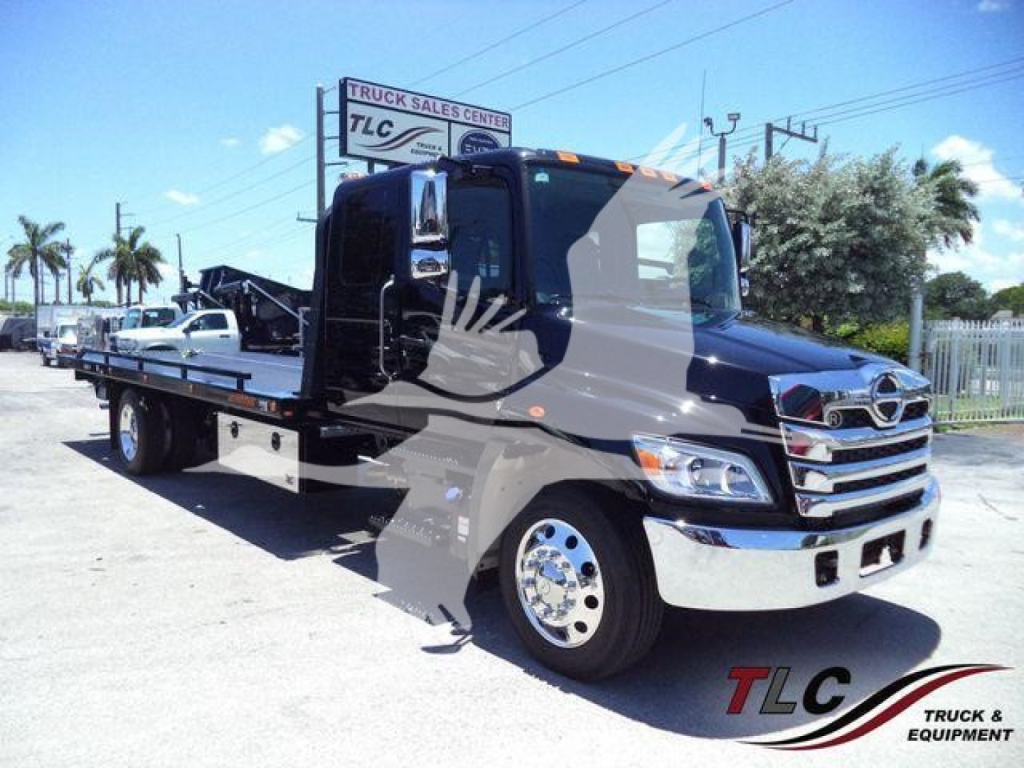
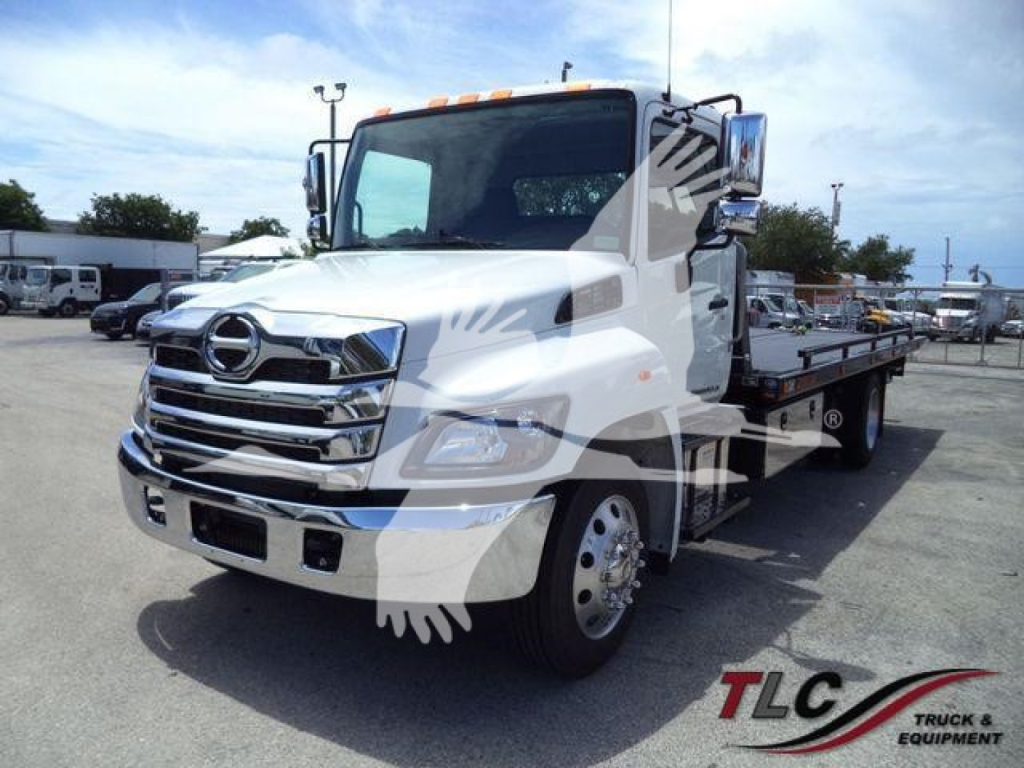
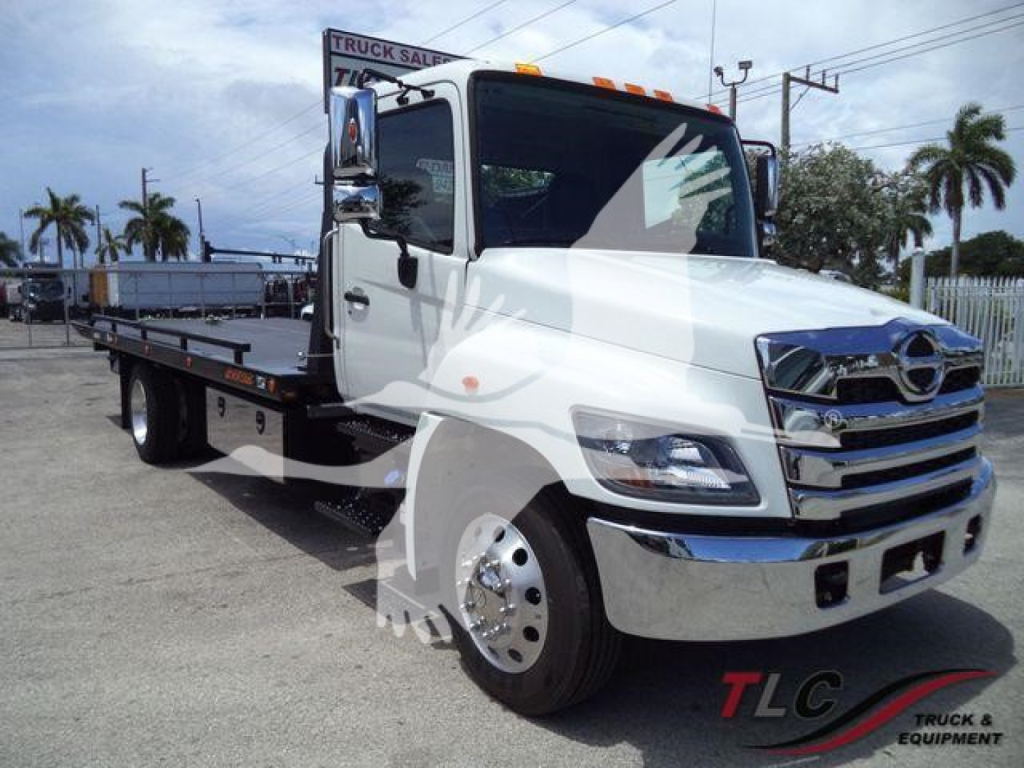
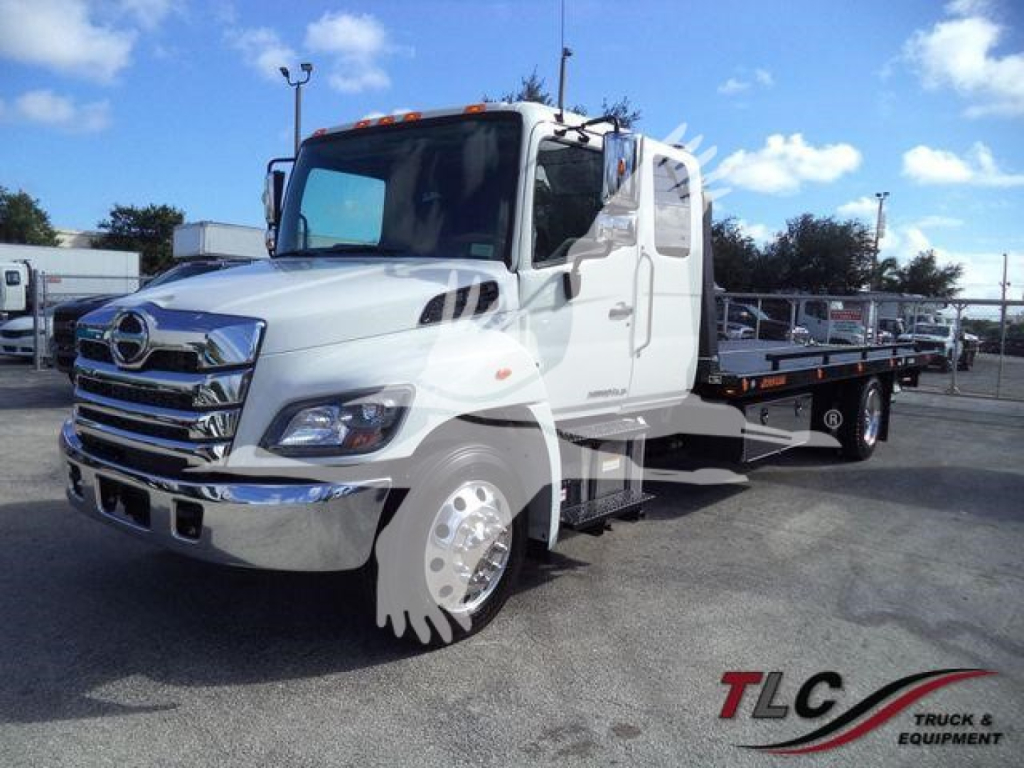
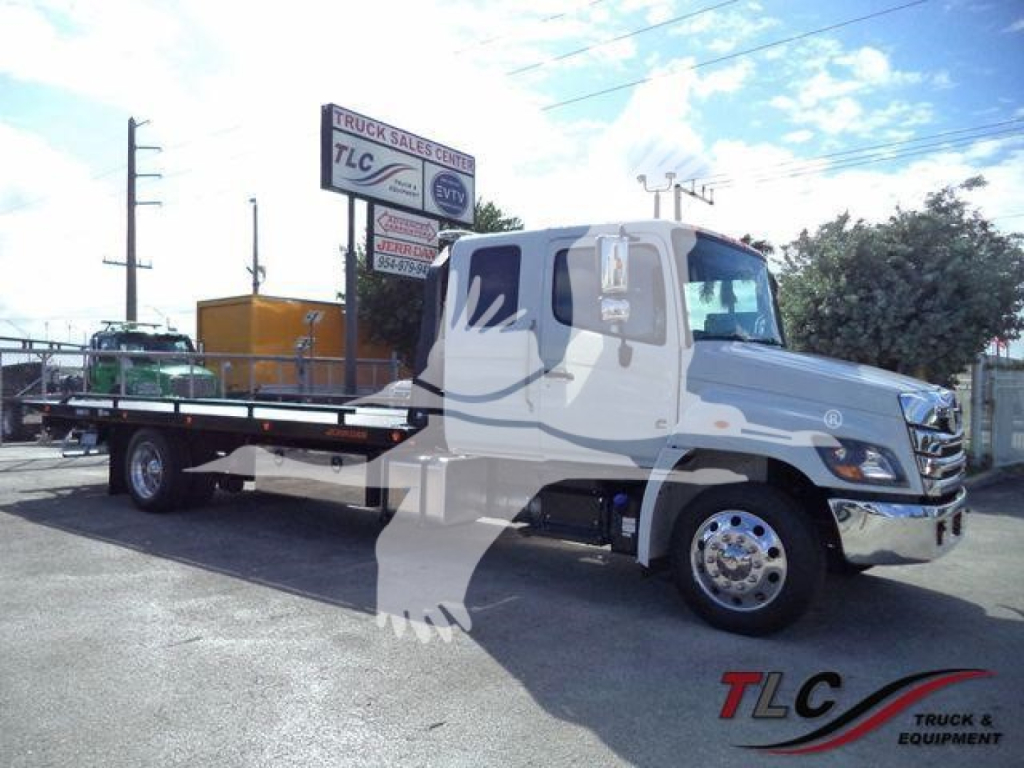
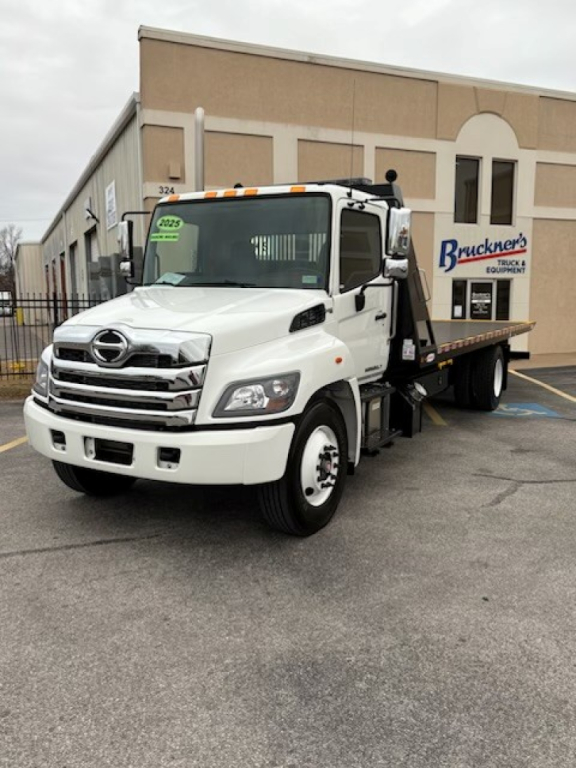
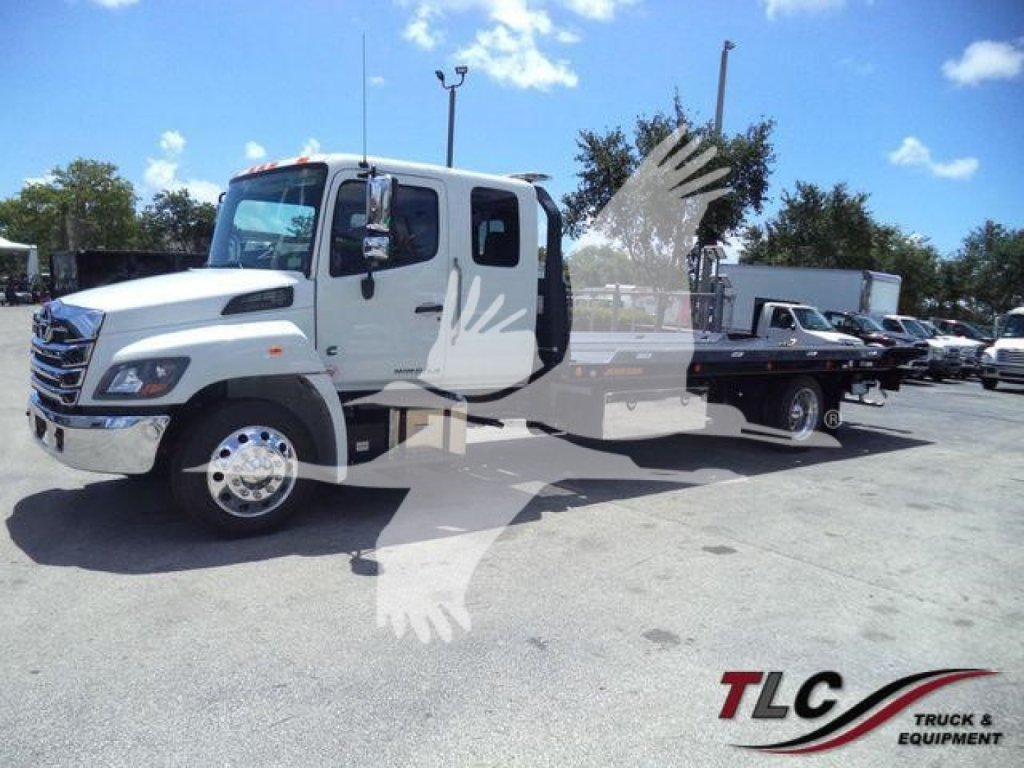
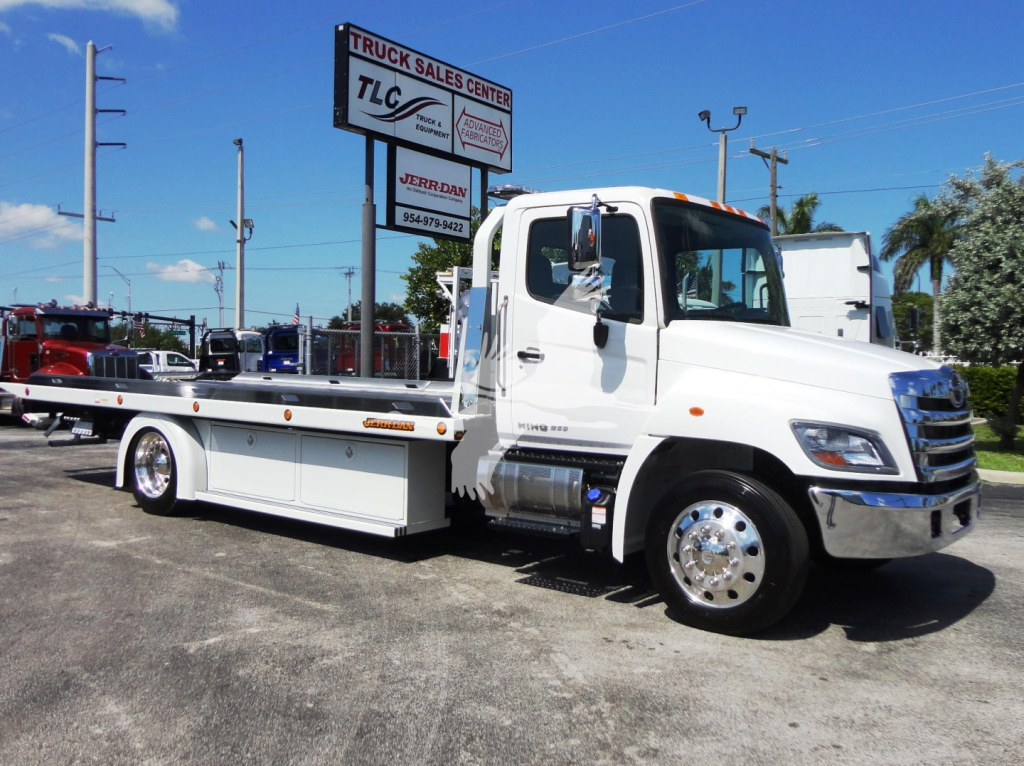
Selling a new hino rollback truck? List your new hino rollback truck for sale and reach thousands of commercial buyers.
New Hino Rollback Trucks
A common setup in new Hino rollback trucks uses the Hino L Series chassis with a Cummins B6.7 diesel and an Allison automatic transmission. That combination is popular for a reason: it delivers straightforward serviceability, good low-speed control while loading, and the drivability most operators want in stop-and-go recovery work. Buyers should pay close attention to horsepower, rear axle ratio, suspension type, and wheelbase, since those specs affect launch feel, gradeability, and bed installation. On many medium-duty rollback builds, GVWR lands in the Class 7 range, which supports a strong mix of bed capacity and chassis durability for cars, pickups, vans, and some small equipment.
The rollback body itself deserves as much scrutiny as the chassis. Bed length in the mid-20-foot range is common, and capacity ratings around 20,000 pounds are often seen on heavier medium-duty carriers. Look at the deck material, winch rating, hydraulic system, tie-down layout, chain storage, headache rack design, toolbox placement, and approach angle. Details like scuff protection, stake pockets, work lighting, and rear visibility matter in real use because they affect loading speed, operator safety, and how well the truck holds up to repeated contact with disabled vehicles and equipment. If the truck will be used for repo work, tight urban calls, or frequent parking deck access, overall length, turning radius, and cab visibility become especially important.
For many fleets, a new Hino rollback truck stands out as a practical choice when uptime, driver familiarity, and body-builder compatibility are high priorities. It is also commonly called a rollback tow truck, car carrier, or slideback truck. Buyers comparing listings should think beyond rated capacity and consider the complete package: chassis spec, body brand, hydraulic performance, storage, and service support. The right setup depends on the mix of passenger vehicles, work trucks, and light equipment you expect to move, plus the roads, clearances, and dispatch patterns your operation sees every week.
Frequently Asked Questions about New Hino Rollback Trucks
What is a Hino rollback truck best suited for?
A Hino rollback truck is best suited for transporting passenger vehicles, pickups, vans, and light equipment on a tilting, sliding deck. This equipment class is widely used for towing and recovery, dealer transfers, auction transport, roadside assistance, and municipal fleet support. A medium-duty Hino chassis is especially attractive for operations that need more carrying capability than a light-duty wrecker but still want manageable size, good maneuverability, and straightforward maintenance.
What specs matter most when buying a new Hino rollback truck?
The most important specs are GVWR, bed length, deck capacity, wheelbase, rear axle rating, engine horsepower, transmission, and rear axle ratio. Buyers should also evaluate the rollback body itself, including winch capacity, deck construction, hydraulic operation, toolbox and chain storage, headache rack design, and lighting. These details determine what the truck can legally carry, how it performs under load, and how efficient it will be on daily calls.
What engine and transmission are commonly found in new Hino rollback trucks?
Many new Hino rollback trucks in the medium-duty segment are built with the Cummins B6.7 diesel engine and an Allison automatic transmission. This is a common commercial combination because it offers predictable power delivery, good low-speed control during loading and unloading, and broad service familiarity across the industry. For towing work that involves frequent starts, stops, and winch operations, that driveline is often preferred for ease of use and consistent performance.
How much weight can a new Hino rollback truck carry?
Capacity depends on the exact chassis and rollback body, but many medium-duty Hino rollback configurations are built to handle substantial vehicle transport loads, with some beds rated around 20,000 pounds. Actual usable payload depends on the truck's GVWR, the body weight, installed equipment, fuel, tools, and the weight distribution of the load. Buyers should always compare the body rating with the completed truck's legal and practical carrying capacity, not just the advertised deck number.
Is a Hino rollback truck a good fit for towing fleets with mixed-use work?
Yes. A Hino rollback truck is often a strong fit for fleets that handle a mix of standard vehicle transport, light recovery, dealership moves, and occasional equipment hauling. It gives operators a medium-duty platform with enough chassis strength for demanding daily service while remaining easier to route and park than a heavier tandem carrier. The best results come from matching the wheelbase, deck length, and capacity to the actual mix of cars, trucks, and equipment the fleet moves most often.