
New 2026 Hino Trucks For Sale
Shop new 2026 Hino trucks including L6 and L7 models with Cummins diesel power, Allison automatics, and versatile vocational upfit options.
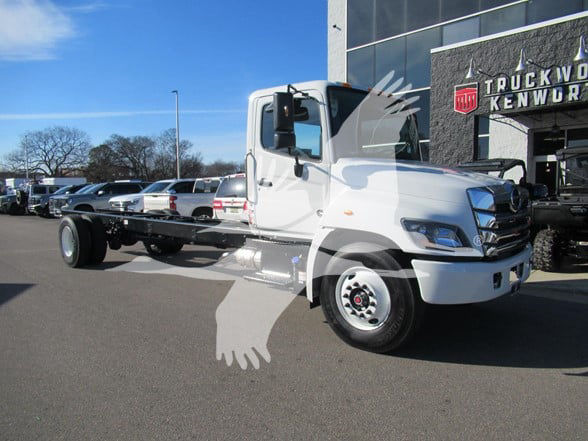
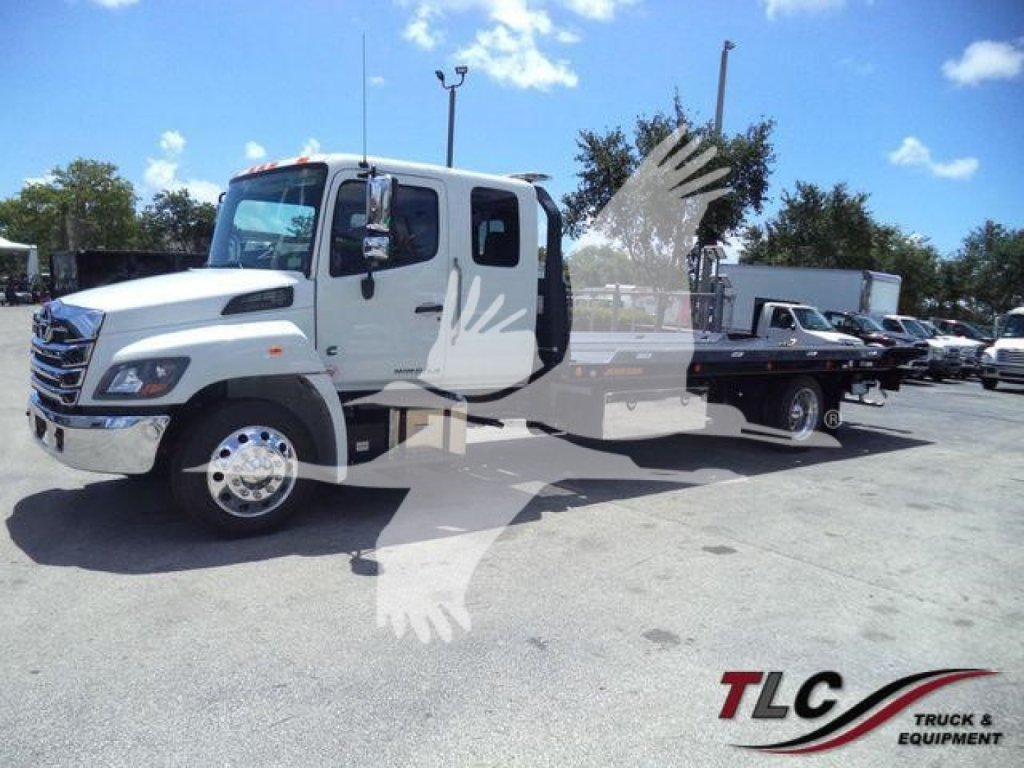
Selling a new 2026 hino truck? List your new 2026 hino truck for sale and reach thousands of commercial buyers.
New 2026 Hino Trucks
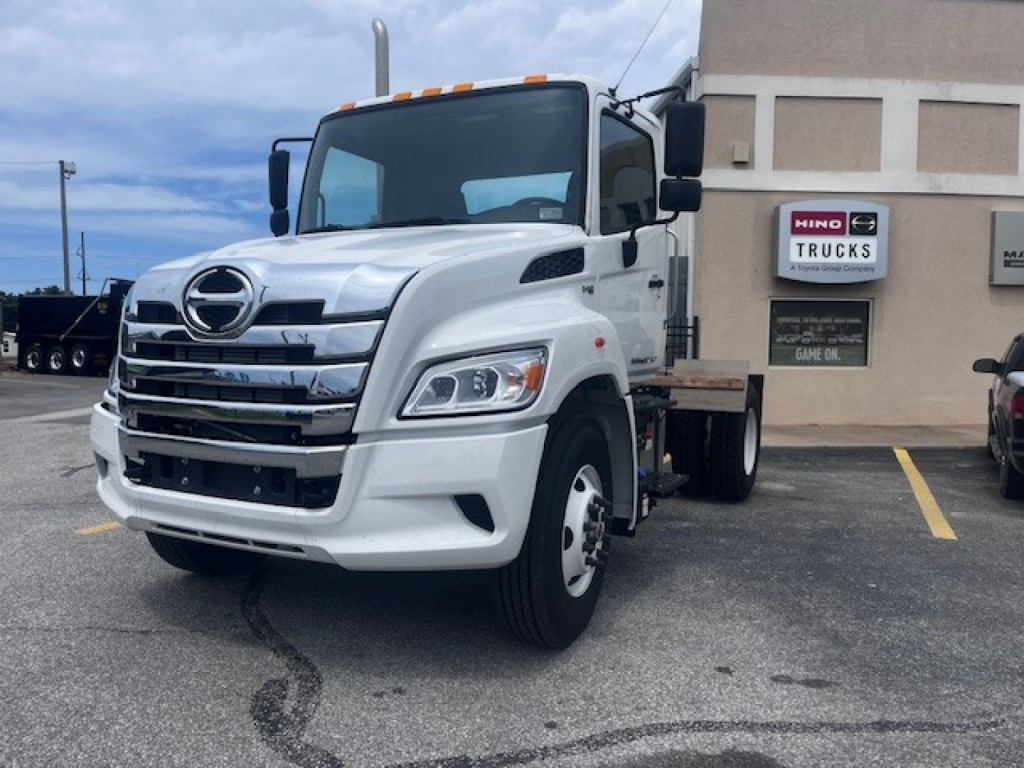
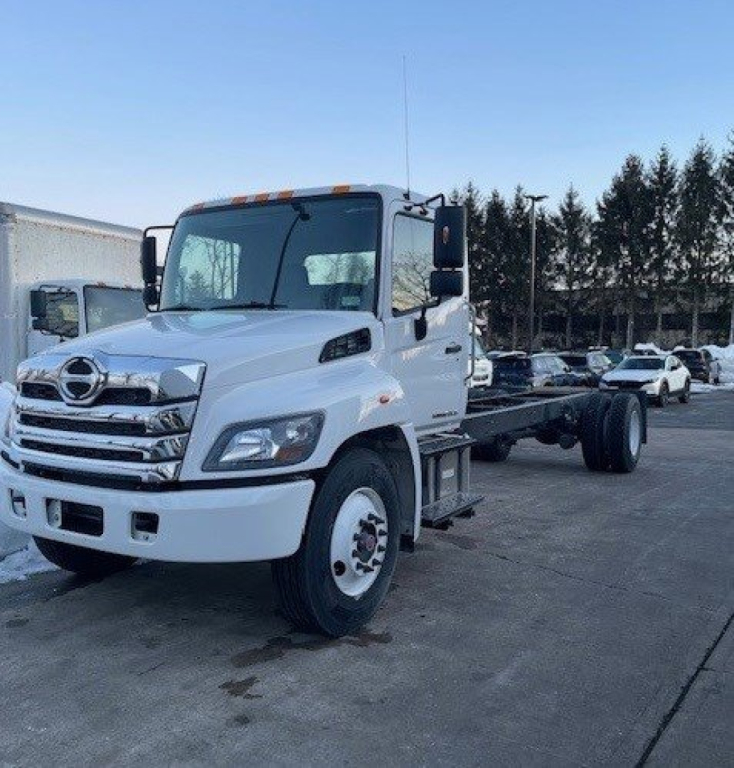
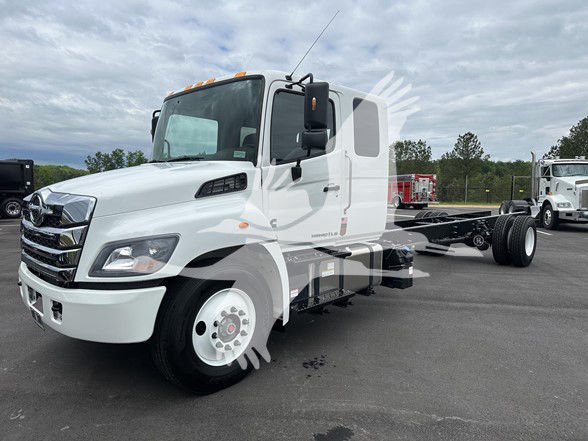
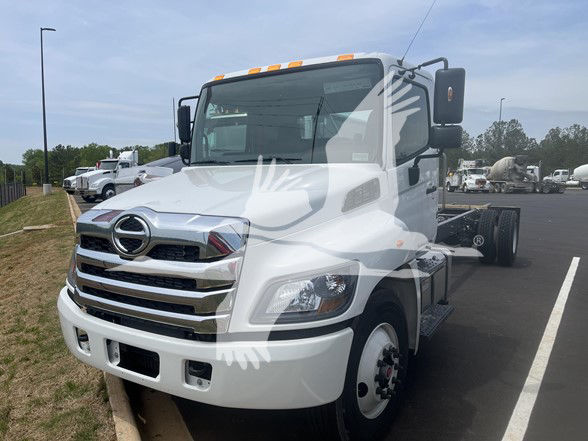
A common configuration in this class is the Cummins B6.7 or ISB6.7 diesel paired with an Allison automatic, typically in 2500 RDS or 3500 RDS form depending on the truck’s rating and intended use. Horsepower around 260 is typical, with rear axle ratios often selected to balance launch performance, cruise speed, and vocational duty cycles. On Hino L6 and L7 trucks, buyers will also see choices between spring and air ride suspension, air brakes on heavier specs, 22.5-inch rubber, and single-axle 4x2 layouts. If the truck is being ordered as a cab and chassis, wheelbase is one of the most important numbers on the page because it affects body length, bridge law considerations, turning radius, and overall weight distribution.
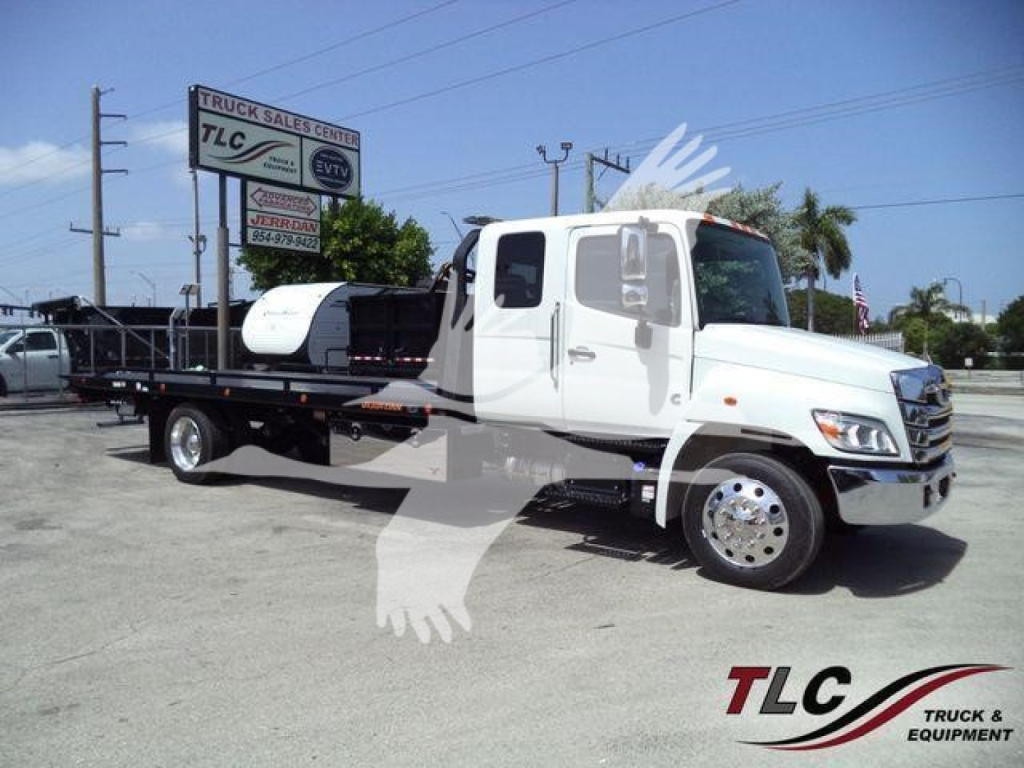
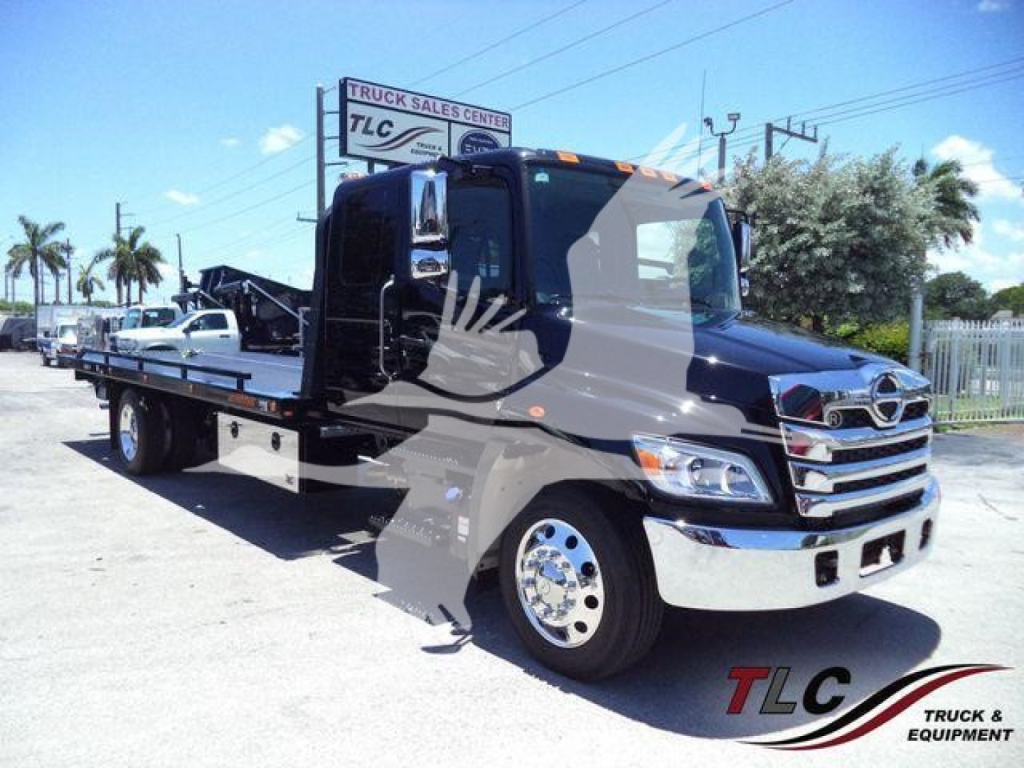
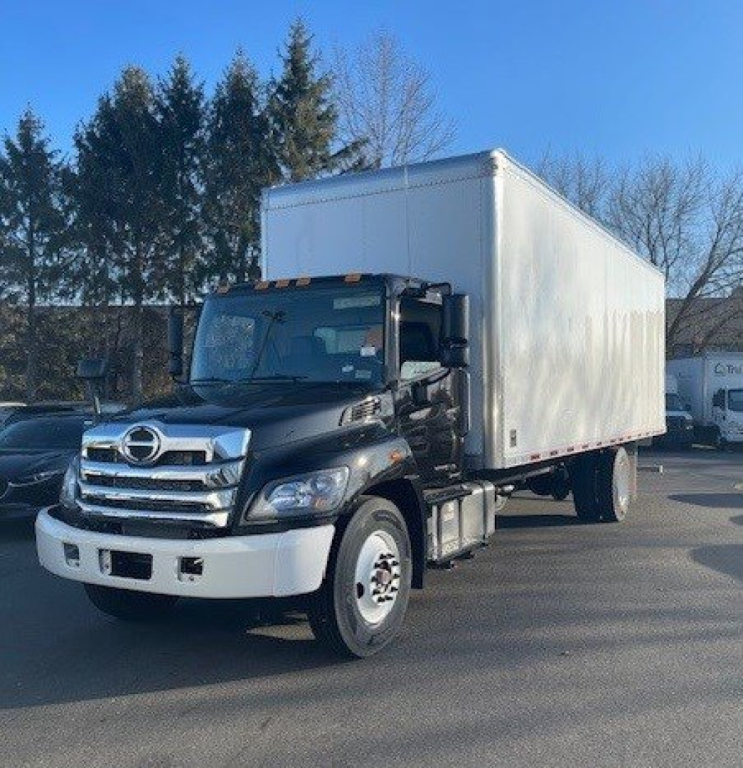
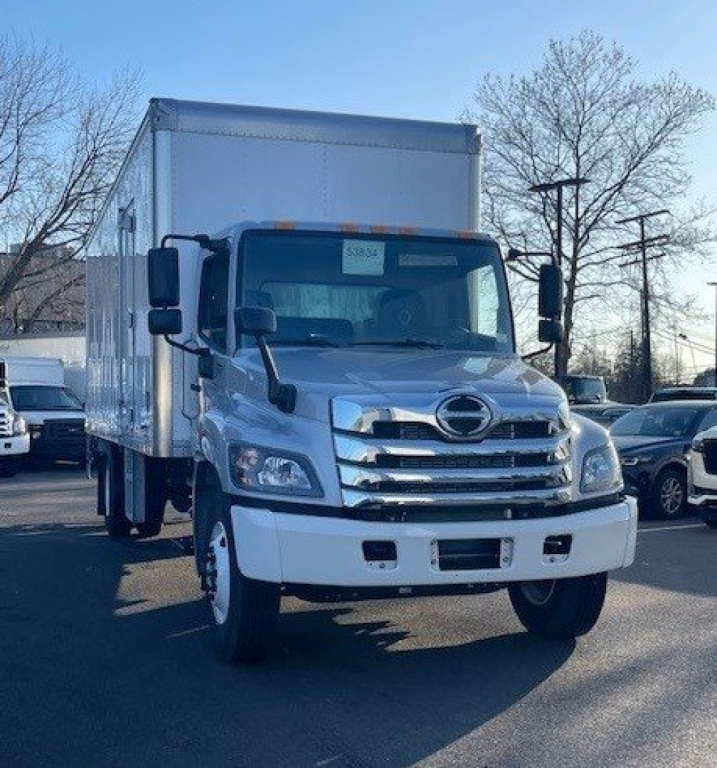
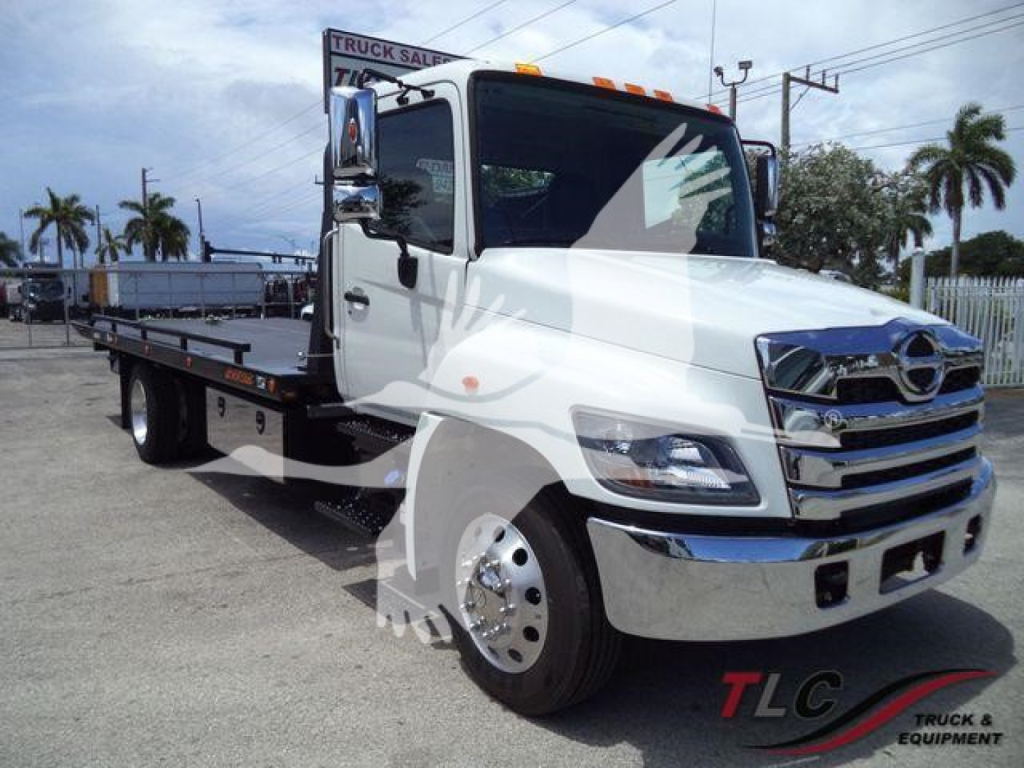
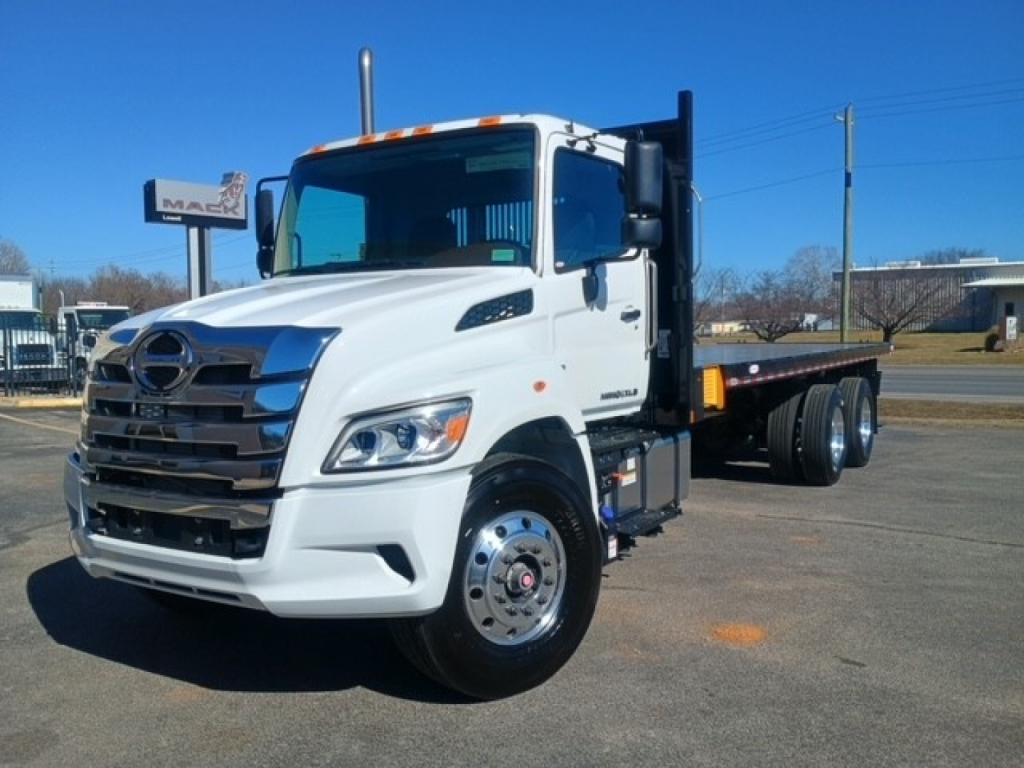
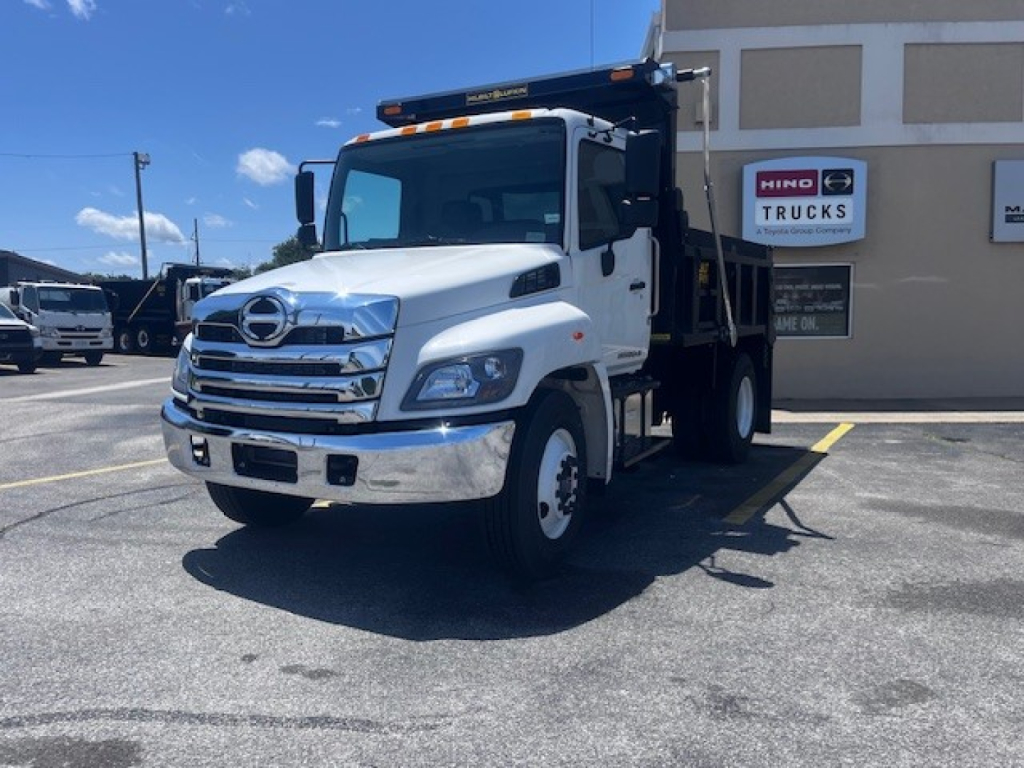
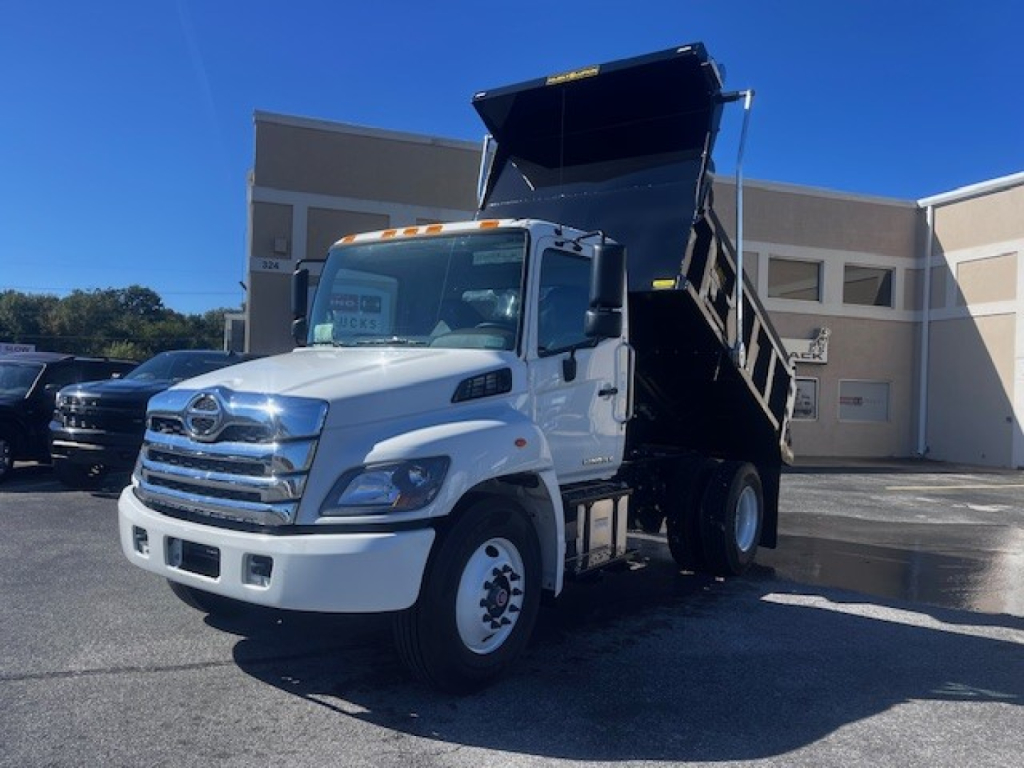
For vocational applications, Hino trucks are often upfitted as dump trucks, rollback carriers, wreckers, box trucks, and flatbed or stake bodies. A rollback or tow configuration may include a Jerr-Dan or Ledwell carrier, winch, wheel lift, headache rack, toolbox package, and lighting upgrades. A dump build may be set up with a 10-foot steel body, pintle hitch, and under-CDL derate for crews that want strong payload capability without moving into full CDL staffing. Buyers comparing new 2026 Hino trucks should pay attention to front axle capacity, rear suspension spec, frame height, fuel tank size, and cab-to-axle measurement, since those details have a direct effect on upfit cost and usable payload.
Hino has long been a practical choice for fleets that want medium-duty trucks with widely recognized diesel and transmission components, predictable serviceability, and a cab designed for daily stop-and-go work. The standard cab layout, good visibility, and vocational-friendly chassis design make these trucks a strong fit for regional operations that need durability more than luxury. If the truck will spend its life in city traffic, jobsite entrances, or short-haul routes, the right Hino spec usually comes down to matching axle ratings and wheelbase to the body, then confirming the powertrain and suspension are suited to the load cycle.
Frequently Asked Questions about New 2026 Hino Trucks
What are the most common 2026 Hino truck models for vocational use?
The most common new 2026 Hino trucks in vocational service are typically the Hino L6 and Hino L7. These medium-duty models are frequently used for cab and chassis builds, rollback carriers, tow trucks, dump bodies, box trucks, and other commercial upfits. The main difference usually comes down to GVWR, axle ratings, wheelbase availability, and how heavy the finished application will be.
What engine and transmission are commonly found in new Hino L6 and L7 trucks?
Many new Hino L6 and L7 trucks are equipped with the Cummins B6.7 or ISB6.7 diesel engine backed by an Allison automatic transmission. Ratings around 260 horsepower are common in this class, and Allison 2500 RDS or 3500 RDS transmissions are often selected based on the truck’s weight rating and intended job. This combination is popular because it is familiar to fleet maintenance departments and well suited for stop-and-go vocational work.
How do I choose the right wheelbase on a new Hino truck?
Wheelbase should be chosen based on the body length, the cab-to-axle requirement of the upfit, and the weight distribution needed for the finished truck. A longer wheelbase can support larger bodies and improve load placement, but it also affects turning radius and overall maneuverability. Buyers should confirm body-builder requirements early, because wheelbase is one of the main factors that determines whether the truck will fit the intended application properly.
Can a new Hino truck be spec'd under CDL requirements?
Yes, some Hino vocational trucks can be derated or configured to stay under common CDL thresholds, depending on the chassis, body, and final GVWR. This is especially relevant for dump, landscape, and contractor applications where operators want usable capacity without requiring every driver to hold a CDL. The key is to verify the posted GVWR, actual body weight, and payload expectations before finalizing the spec.
What should buyers compare first when shopping new 2026 Hino trucks?
The first items to compare are GVWR, front and rear axle ratings, wheelbase, suspension type, brake system, and transmission model. Those core specs determine payload, body compatibility, ride quality, and long-term suitability for the job. After that, buyers can evaluate the upfit details such as rollback capacity, dump body size, pintle hitch setup, tool storage, and cab convenience features.