
New Hino Trucks For Sale
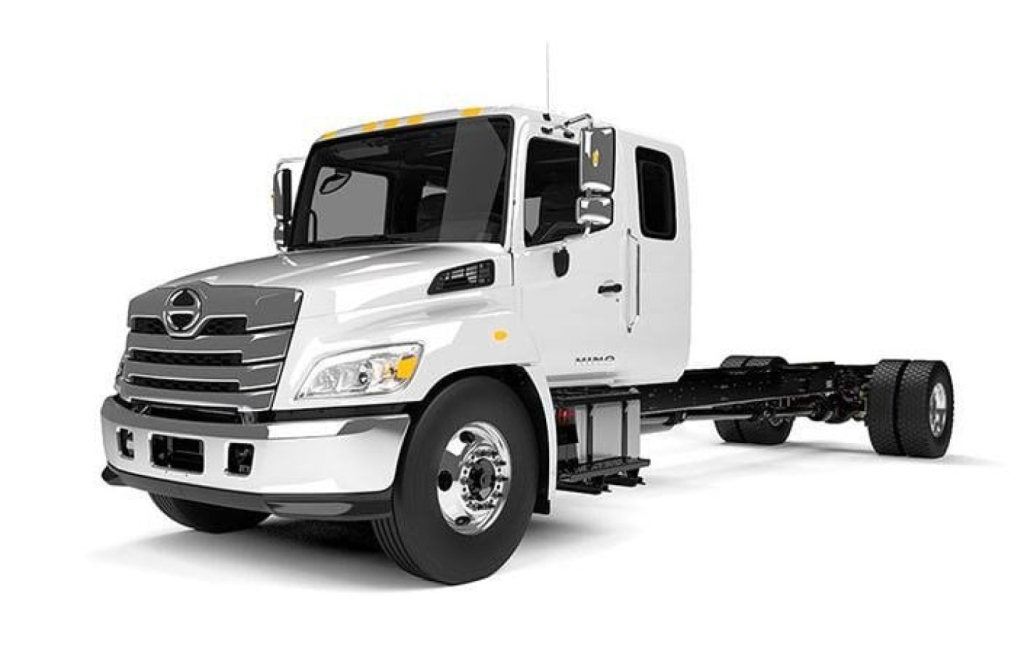
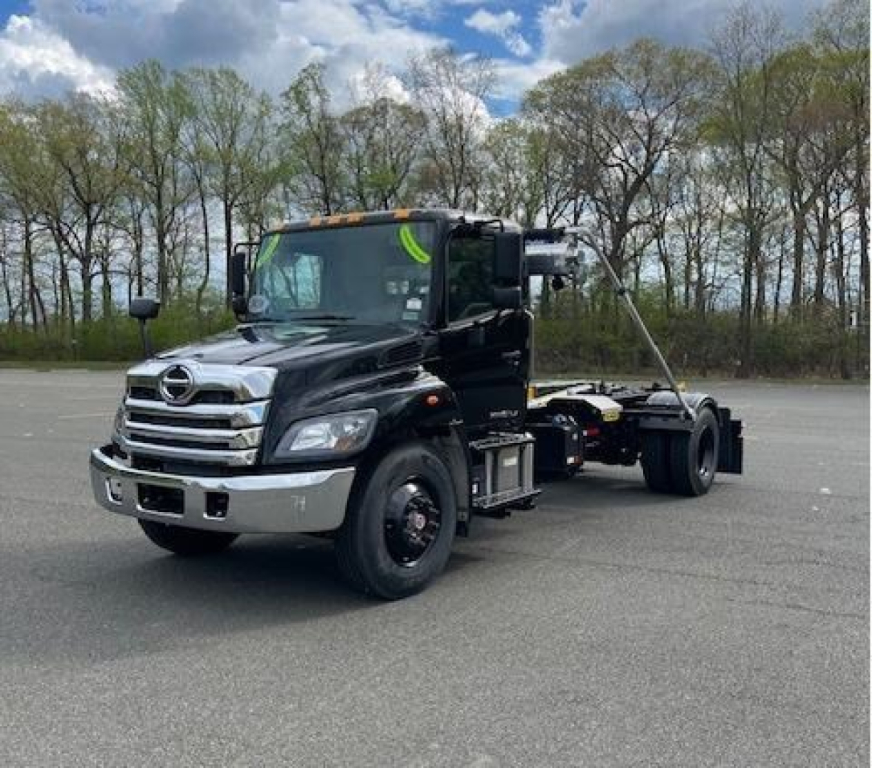
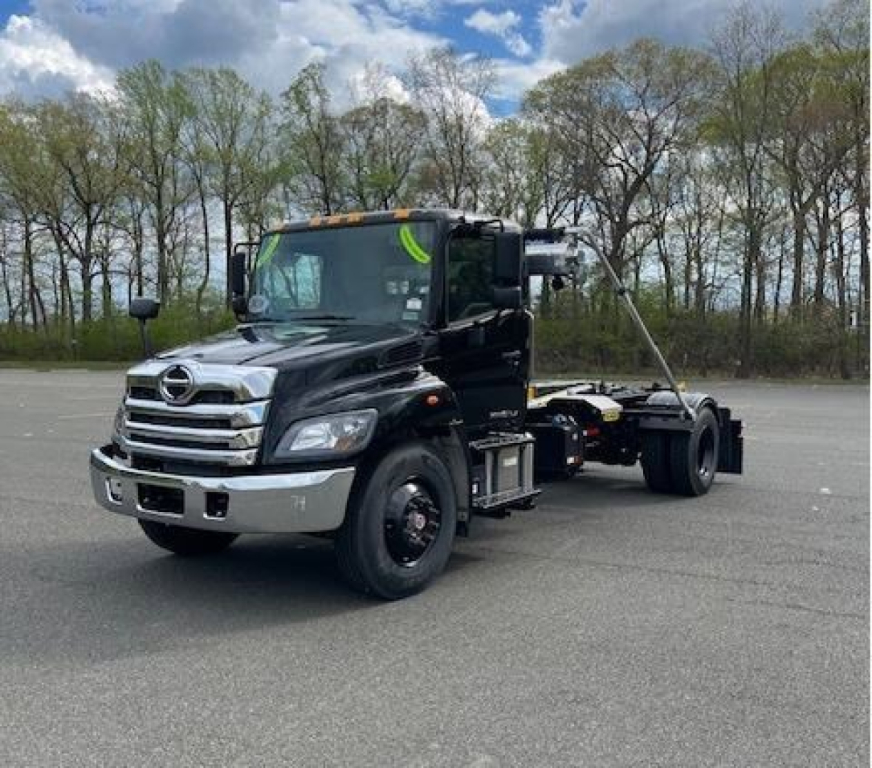
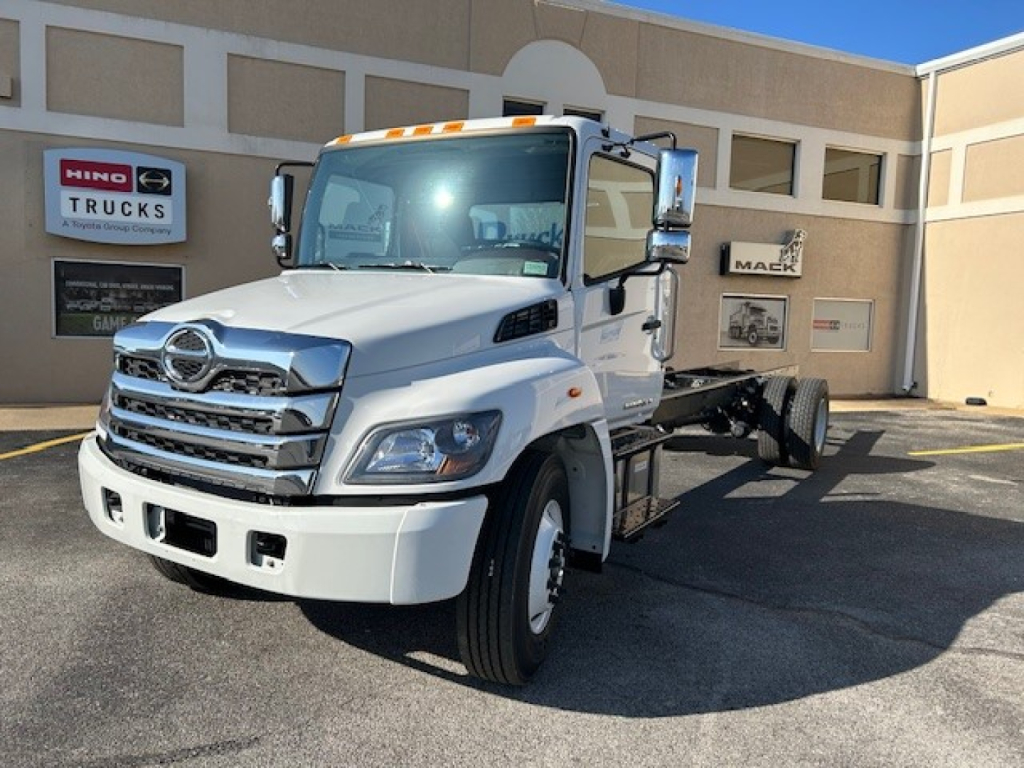
Shop new Hino trucks including L6 and L7 models with Cummins diesel power, Allison automatics, air brakes, and body-ready chassis options.
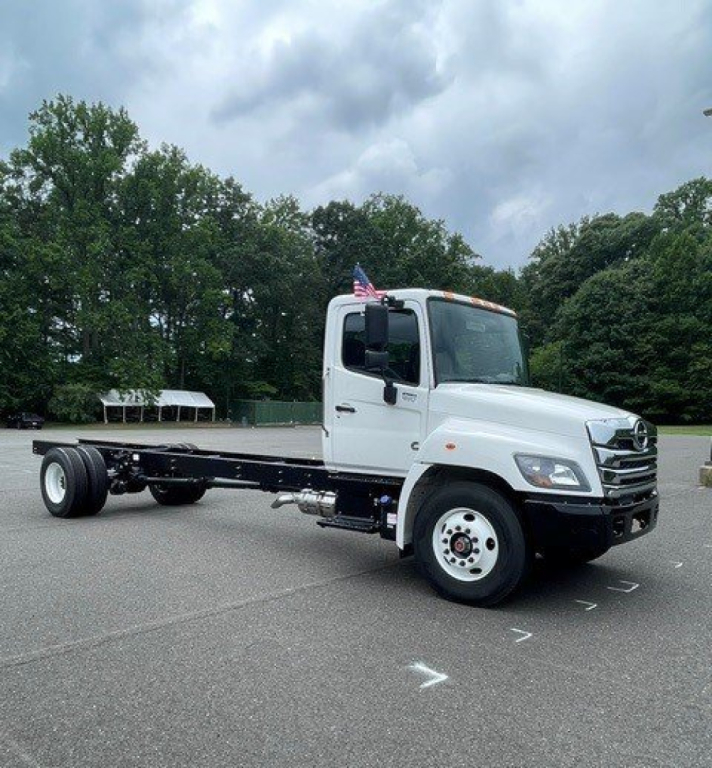
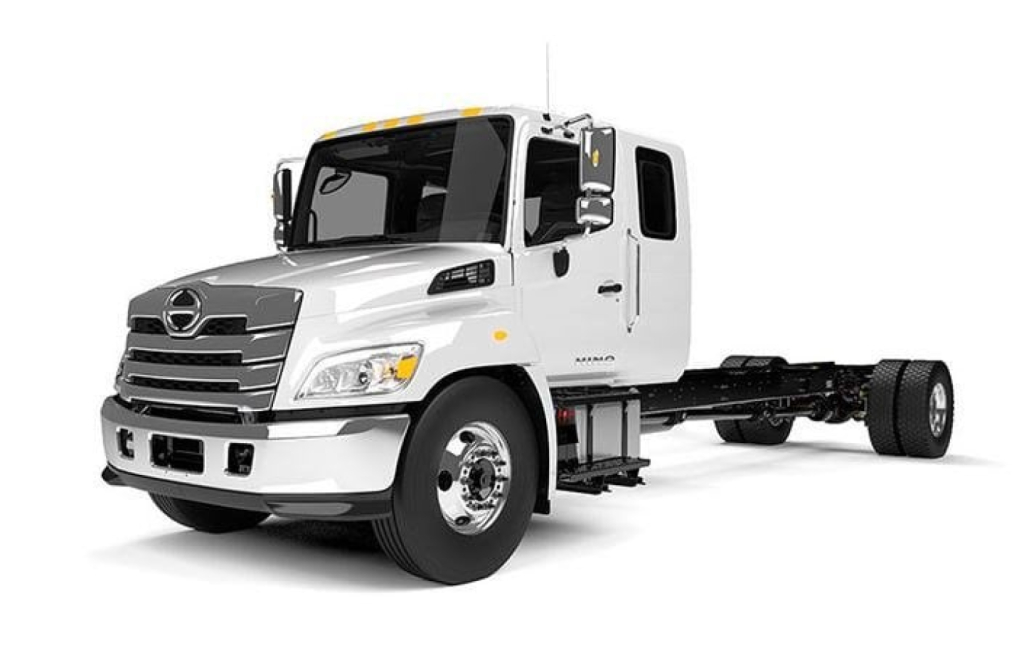
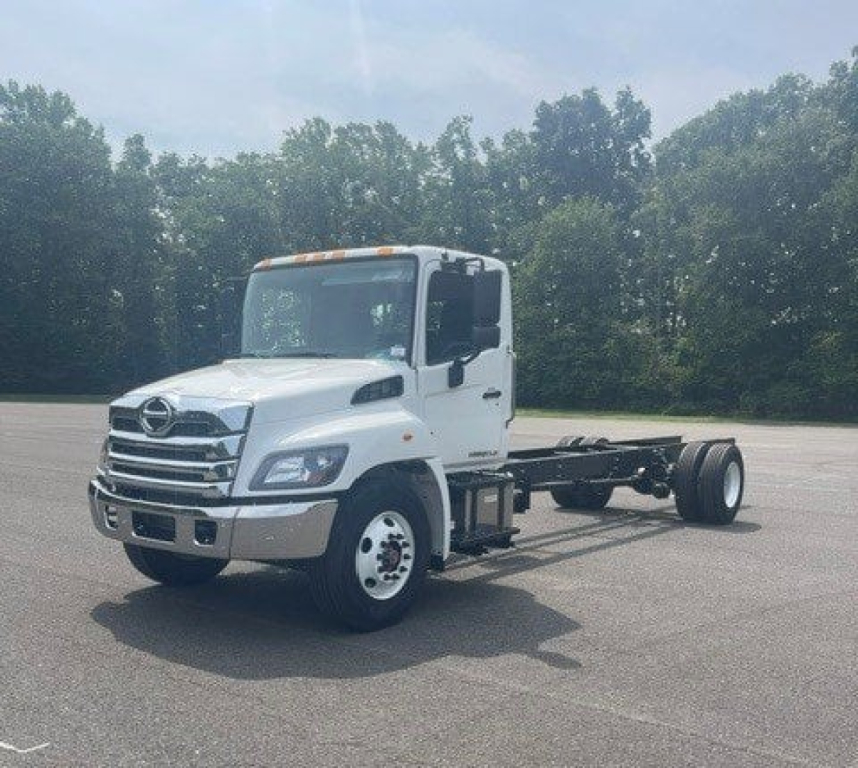
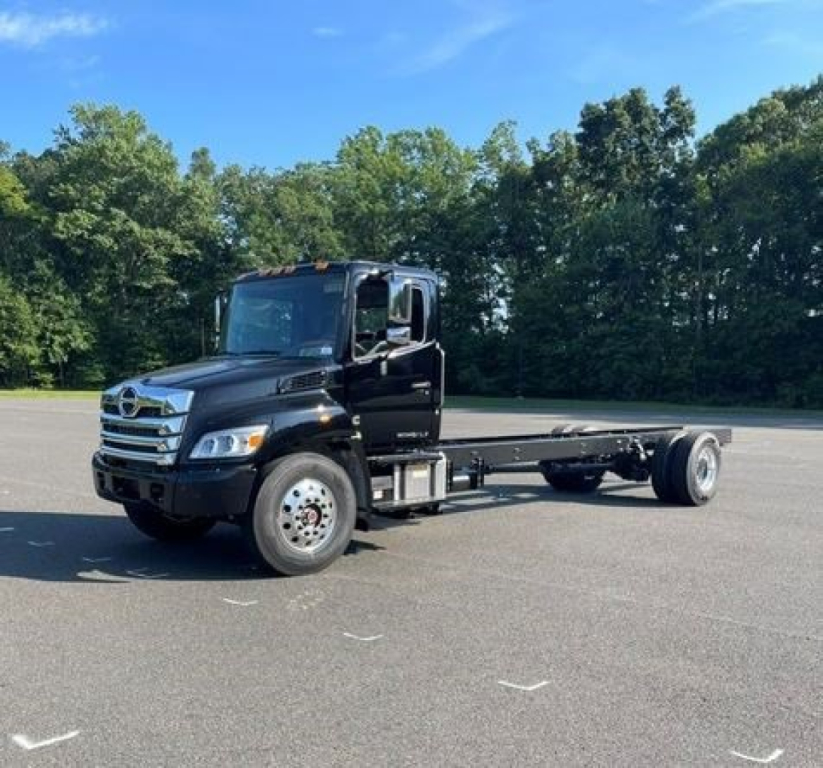
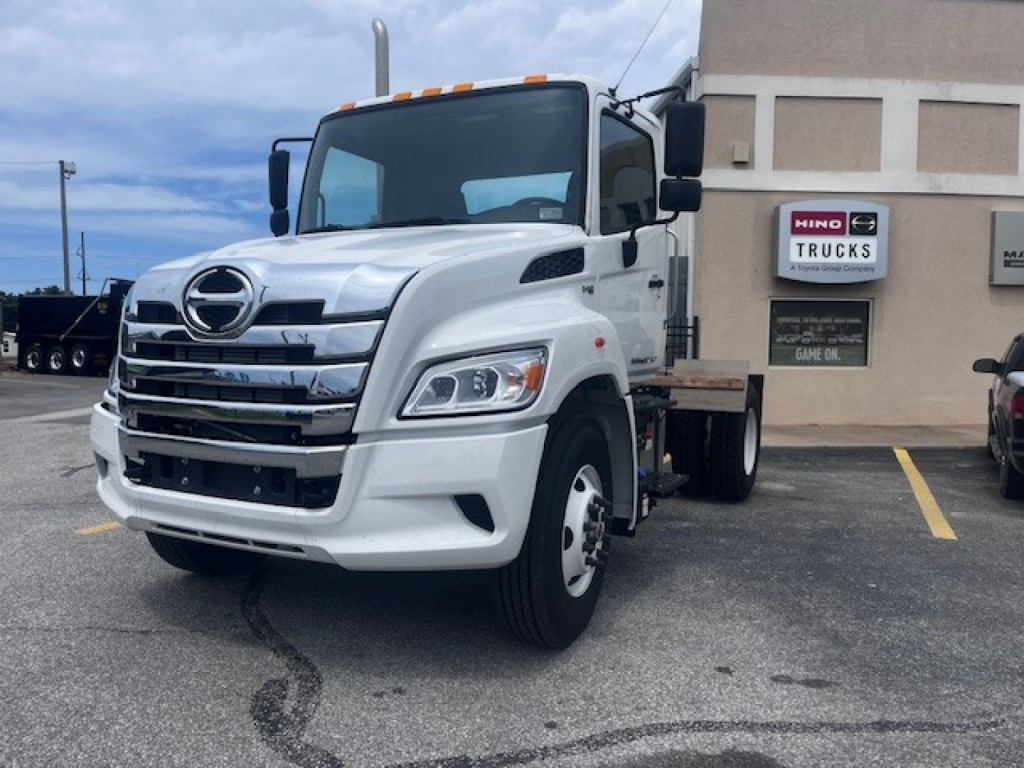
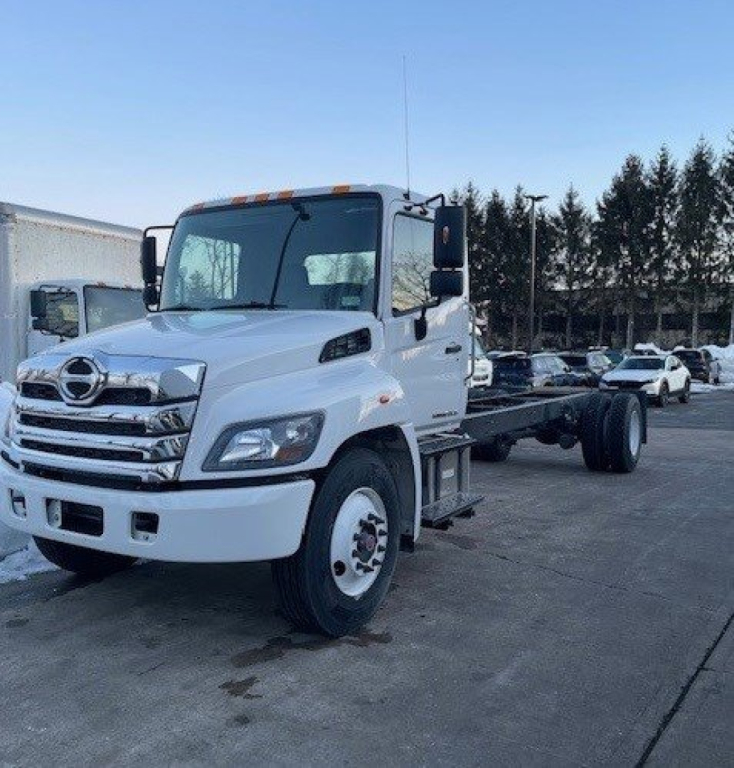
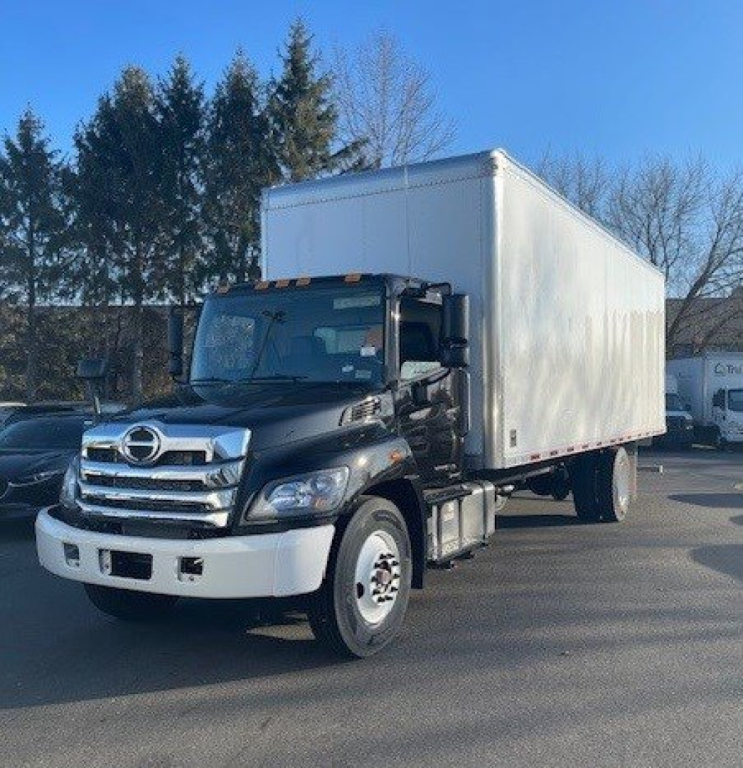
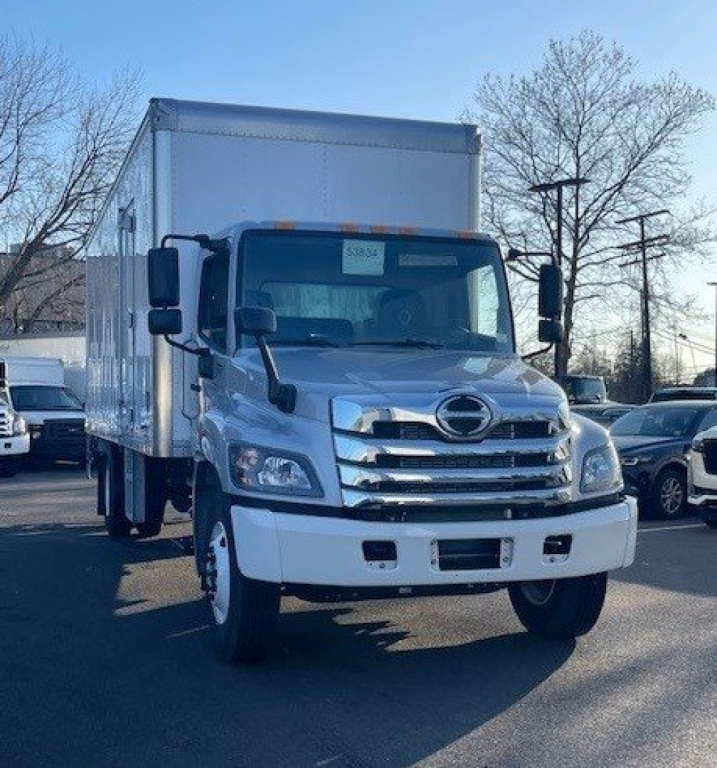
Showing 1 to 28 of 55 results
Selling a new hino truck? List your new hino truck for sale and reach thousands of commercial buyers.
New Hino Trucks
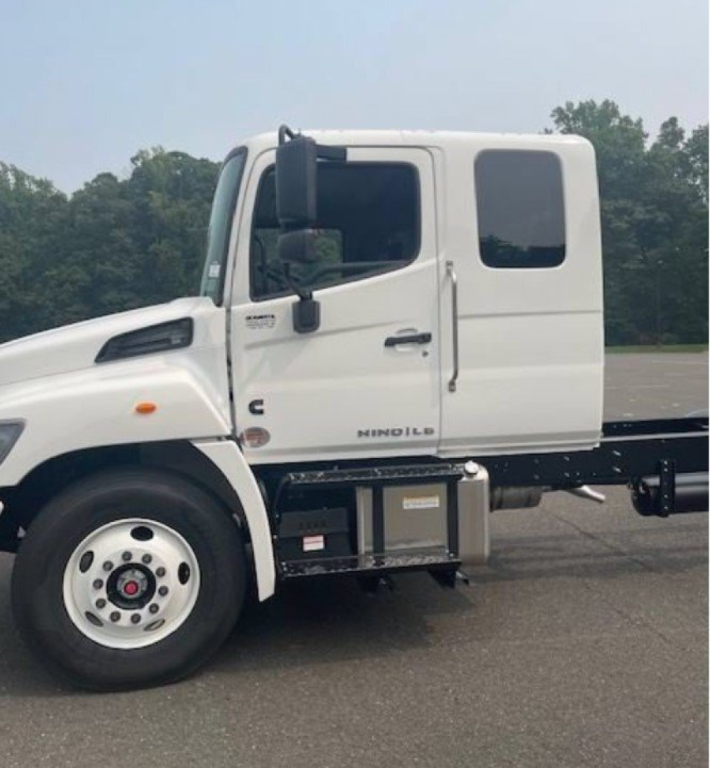
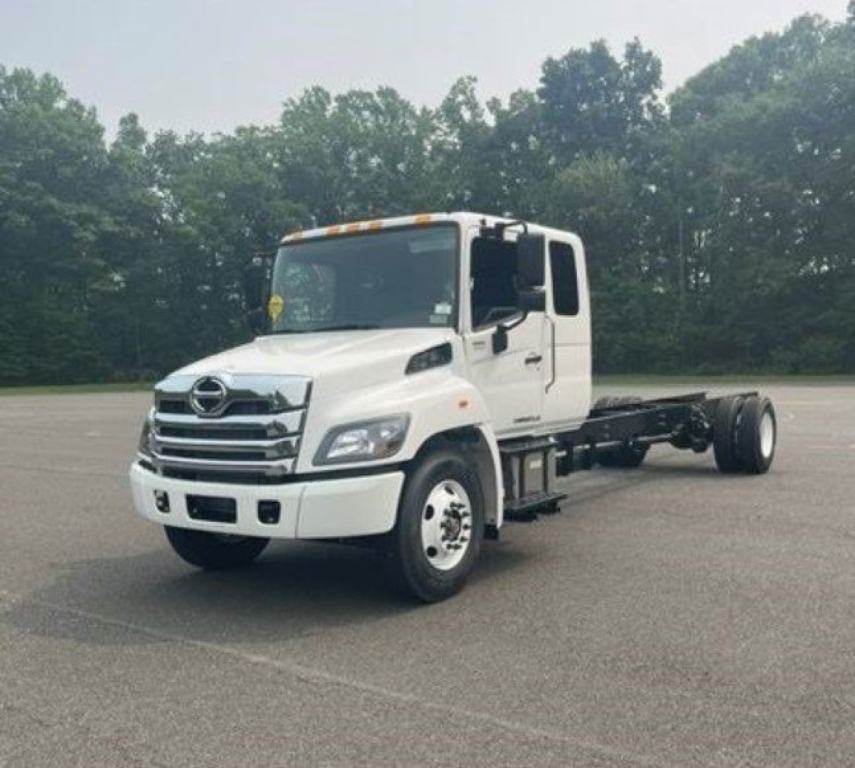
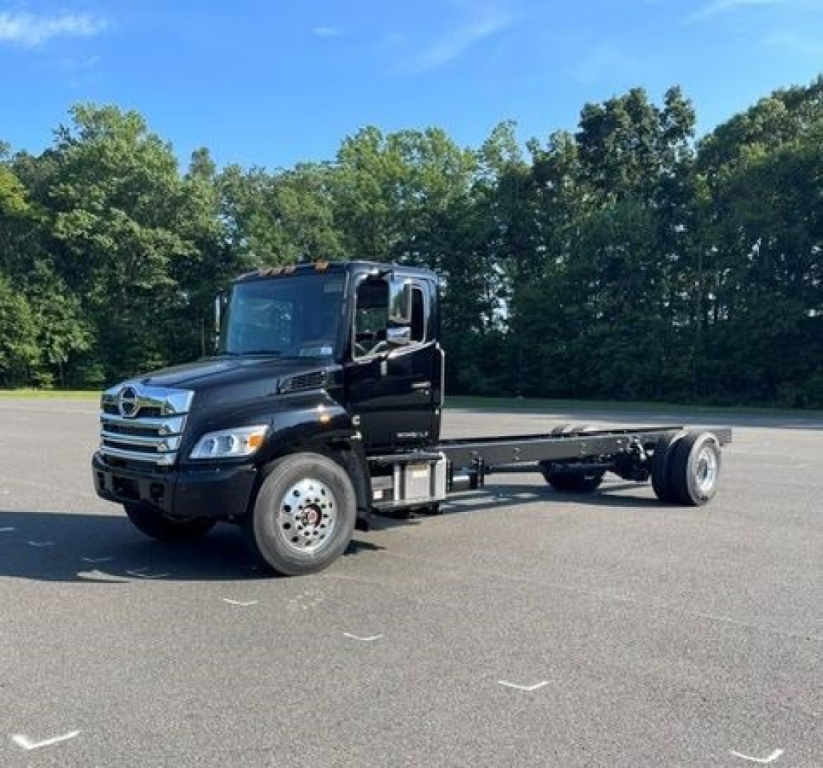
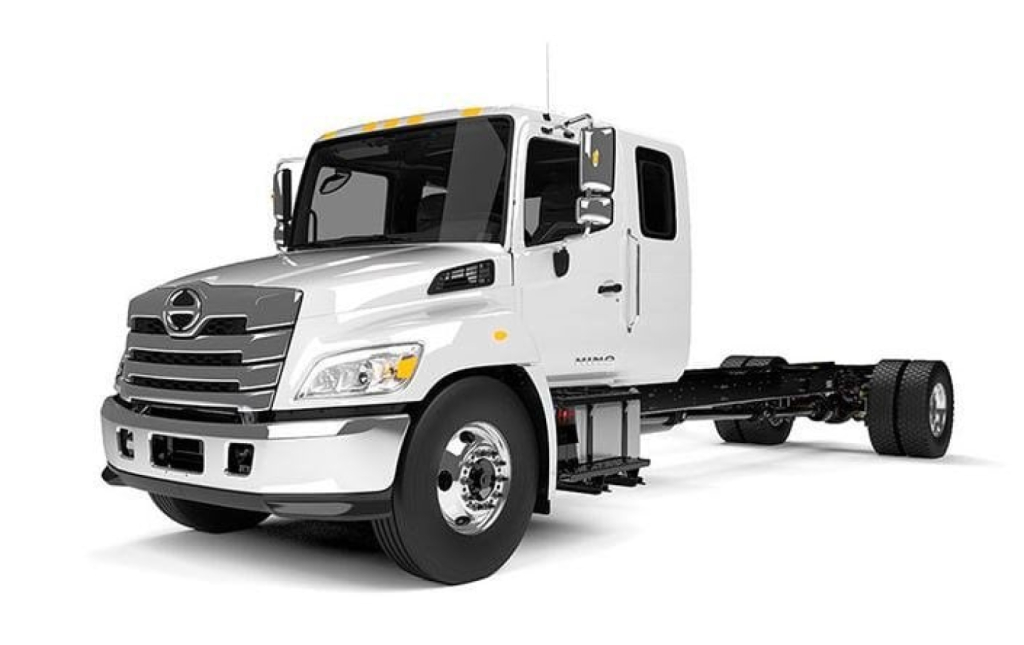
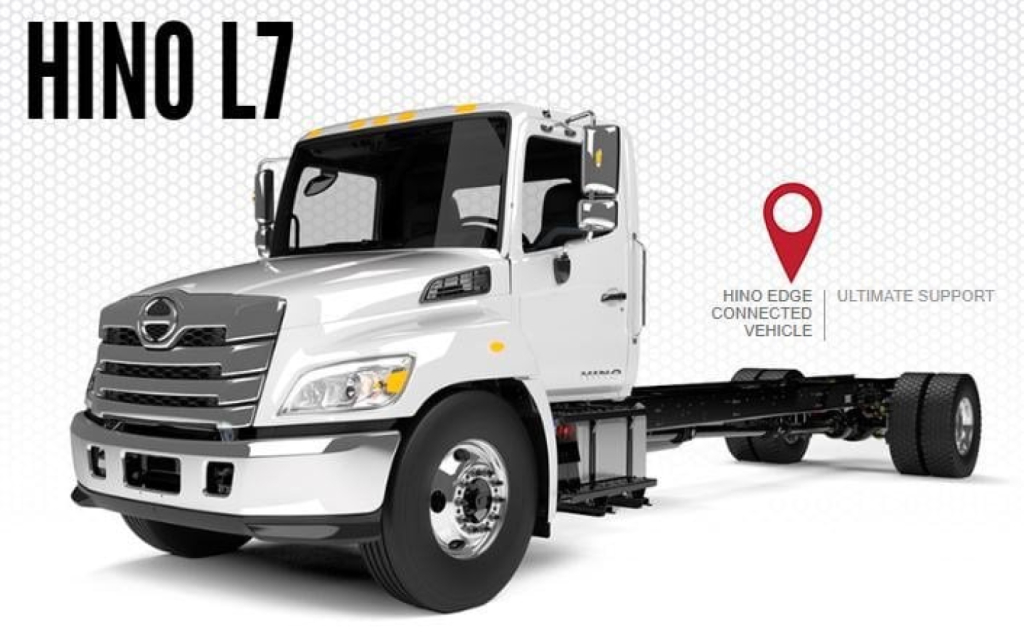
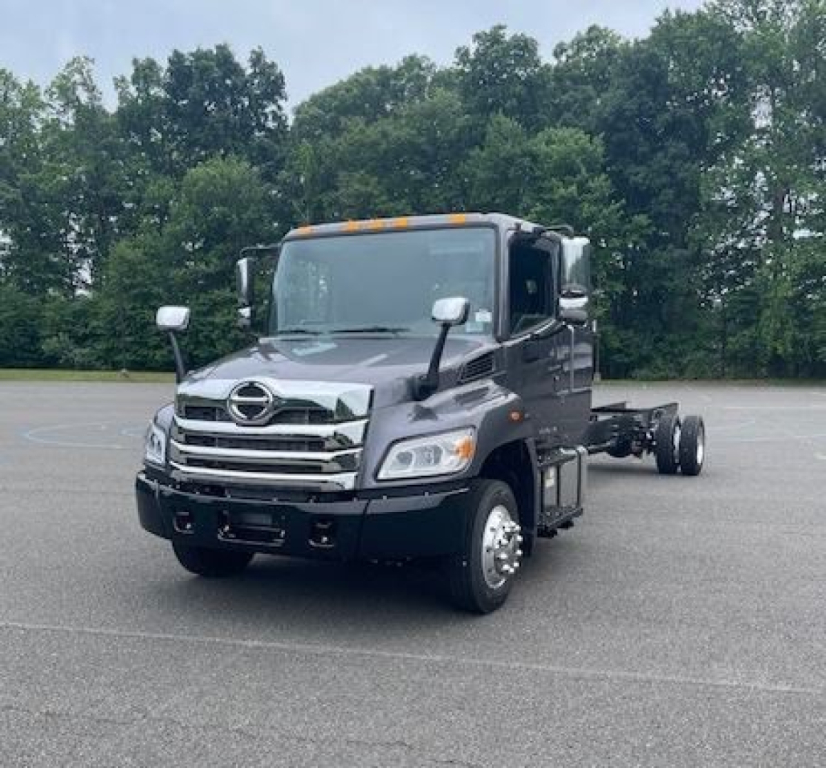
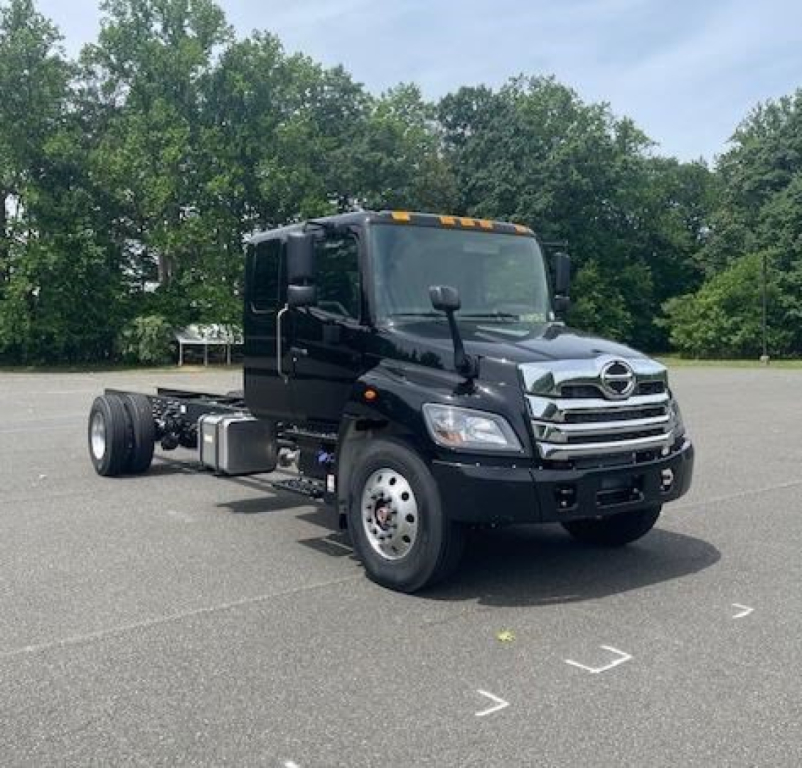
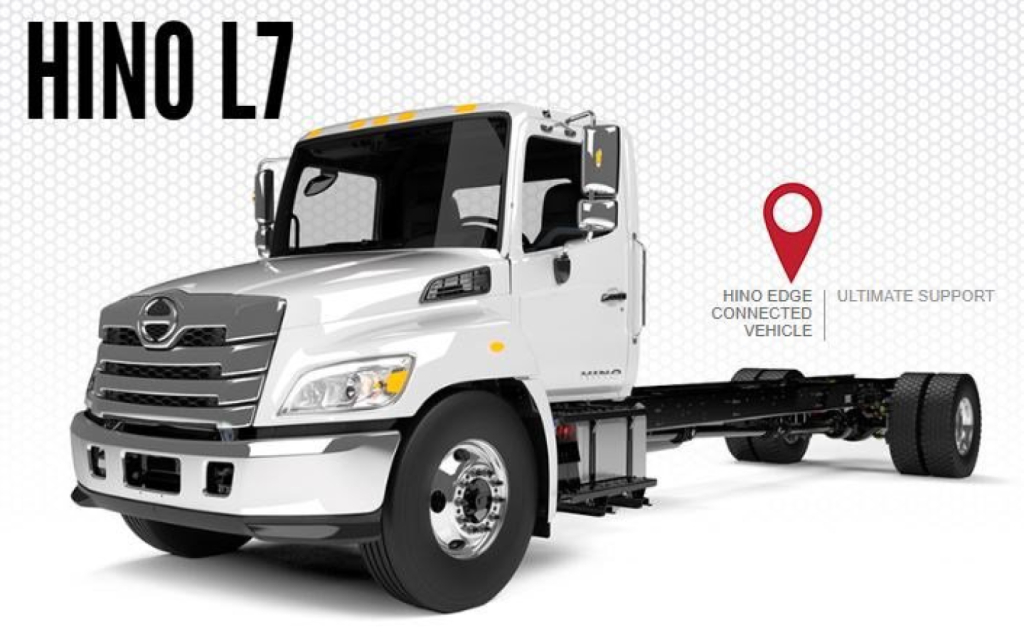
A typical new Hino L6 is built in the Class 6 range, often around 25,950 to 29,000 GVWR, while the Hino L7 moves into heavier Class 7 territory with ratings up to roughly 33,000 GVWR or higher depending on configuration. Current trucks in this class are commonly powered by the Cummins B6.7 diesel, often in the 240 to 260 horsepower range, paired with Allison automatic transmissions such as the 2200 RDS or 3000 RDS. Common chassis specs include 10,000 to 12,000 lb front axles, 19,000 to 23,000 lb rear axles, single axle 4x2 layouts, and wheelbases around 271 inches for 26-foot van bodies or rollback installations. Buyers should also compare spring versus air ride rear suspension, rear axle ratio, fuel tank capacity, and brake type, especially when the truck will spend time in city delivery, towing, or heavier payload service.
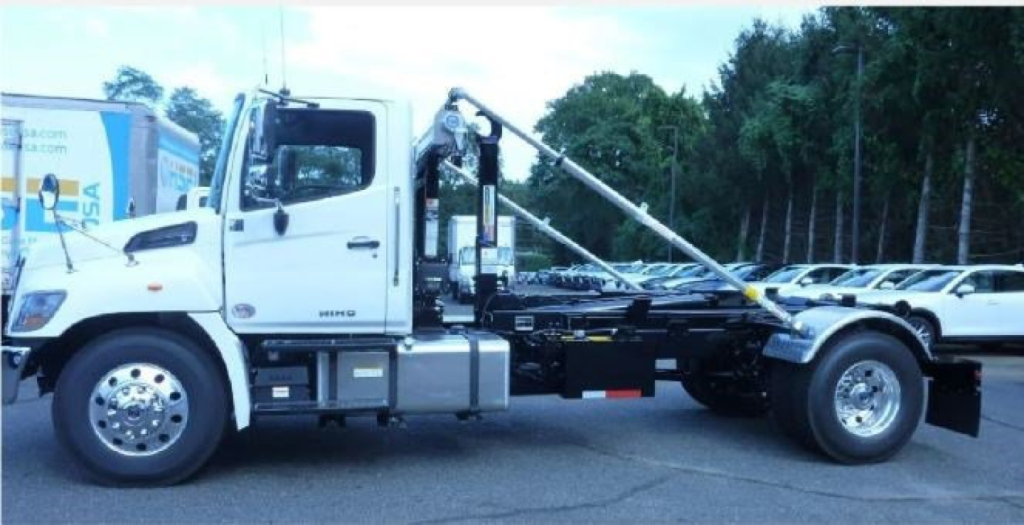
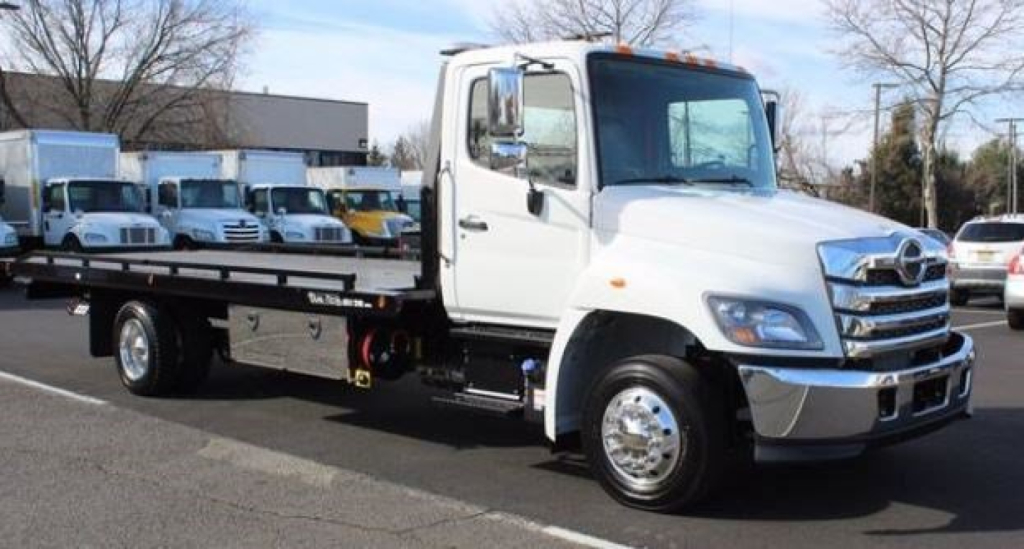
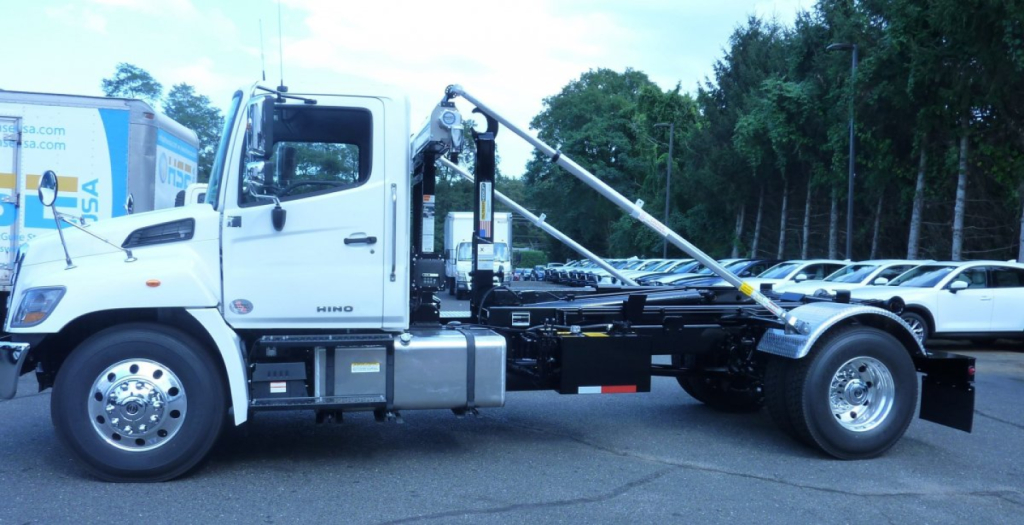
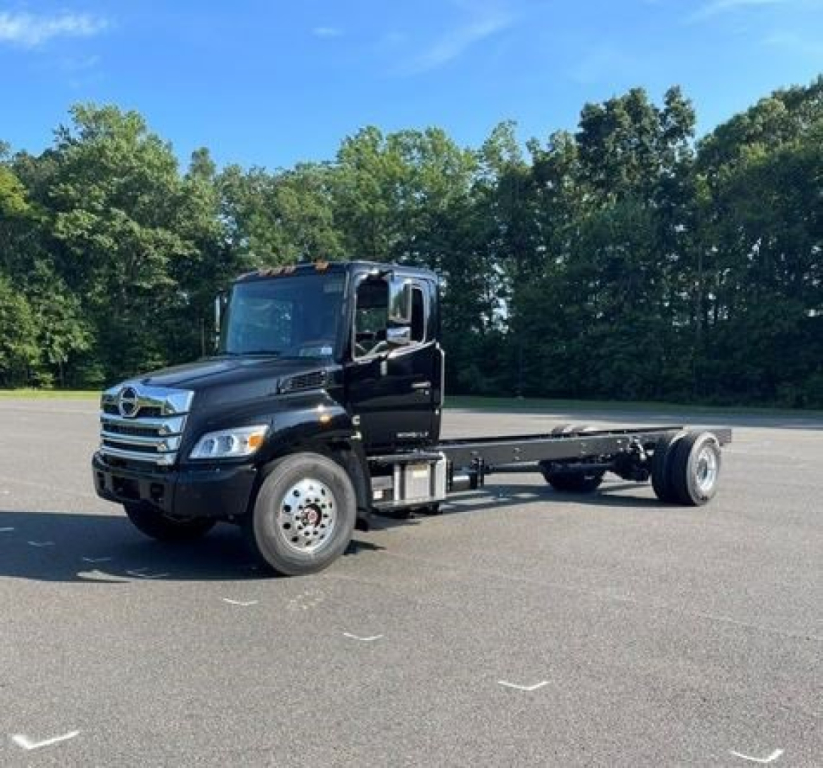
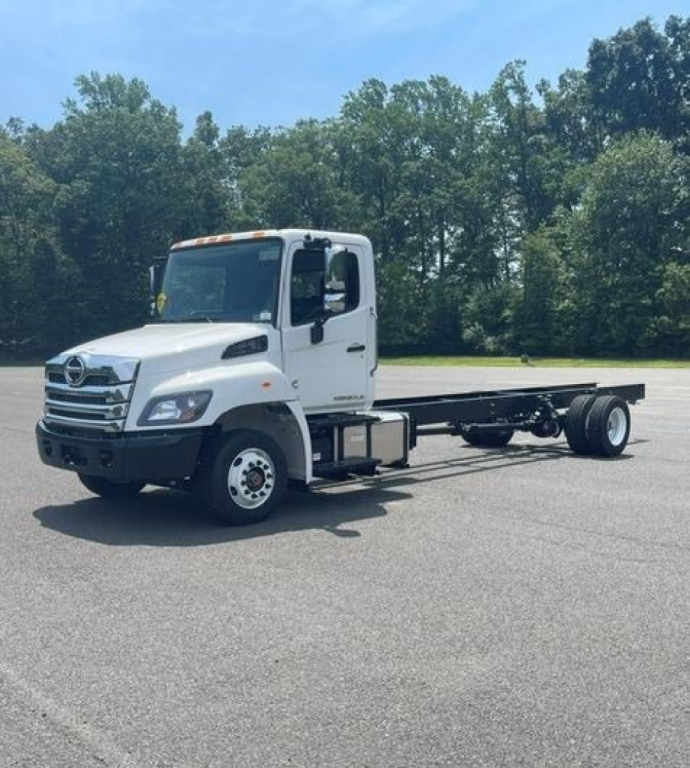
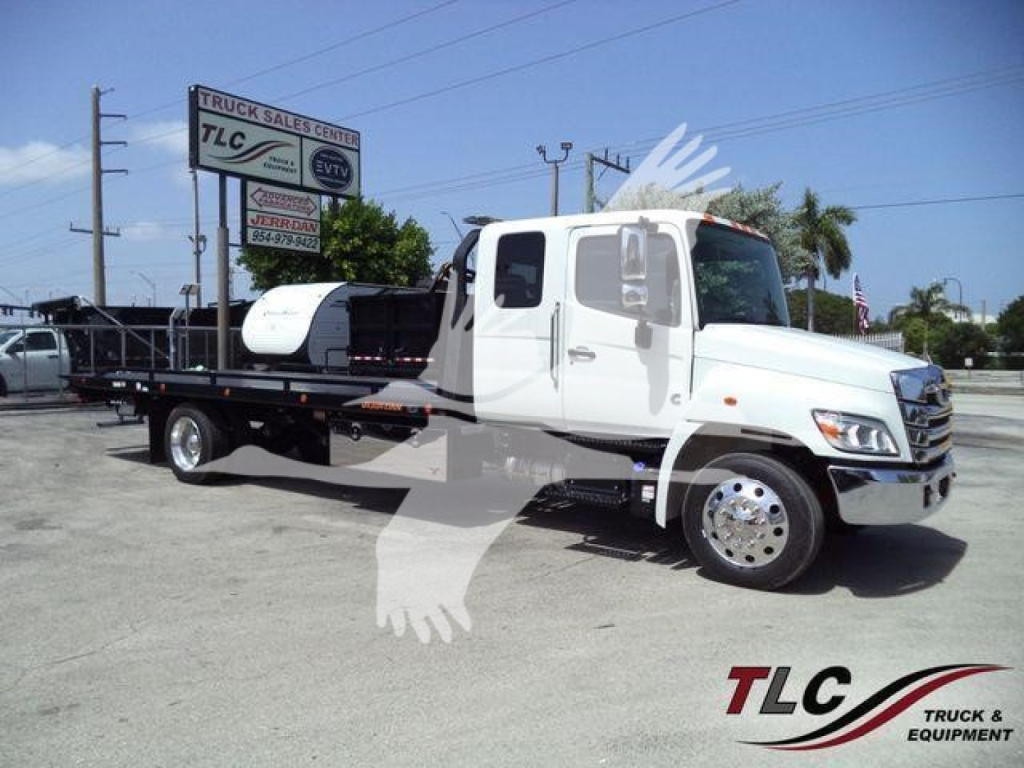
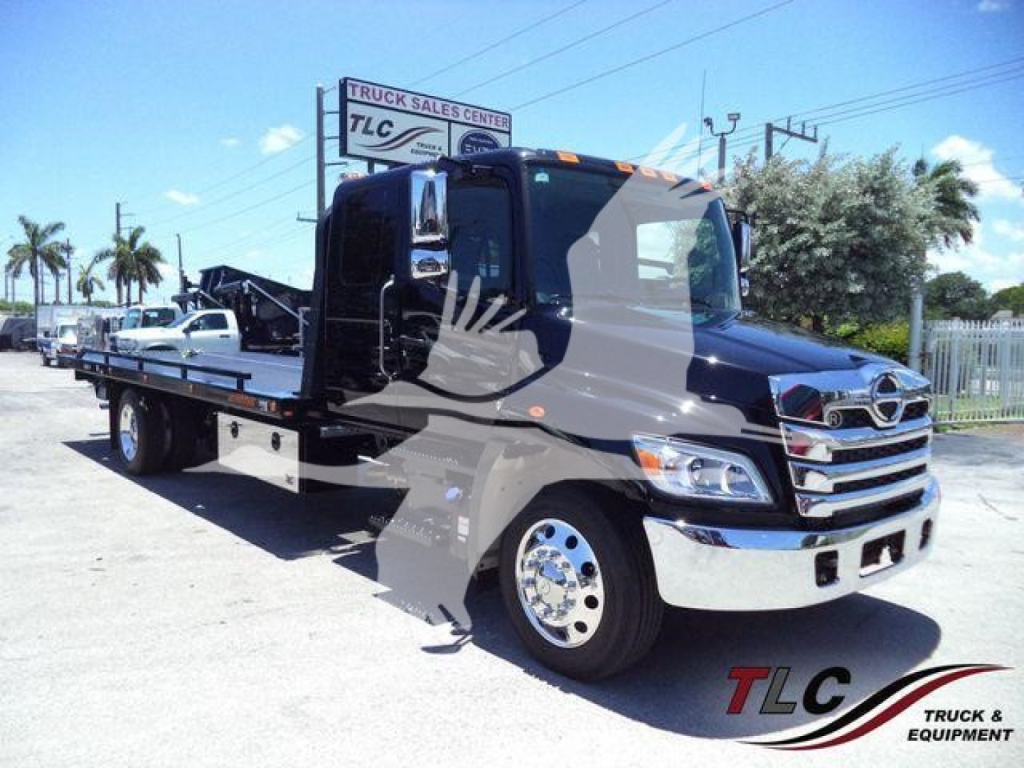
For dry freight and final-mile work, new Hino box trucks are often equipped with 26-foot van bodies, plywood lining, E-track, roll-up rear doors, curbside access doors, and tuck-away liftgates. For towing applications, Hino chassis are frequently upfitted with Jerr-Dan or similar rollback bodies, wheel lifts, winches, toolboxes, and LED warning packages. Cab and chassis units give more room to tailor the truck to the job, while completed body trucks can shorten lead time and reduce coordination with body installers. If the truck will run dense urban routes, buyers tend to value automatic transmissions, tight maneuverability, power and heated mirrors, and a comfortable air-ride driver seat. If the truck will live on heavier regional routes, frame strength, suspension choice, locking differential availability, and body-payload balance become more important.
A new Hino truck is often evaluated against other medium-duty conventionals on uptime, service access, body integration, and operating simplicity. The main buying decision is not just make and model, but how well the truck is spec’d for the body and duty cycle. Matching GVWR to real payload, wheelbase to body length, and axle and suspension ratings to actual use will do more for long-term satisfaction than cosmetic features. For many buyers, the appeal of a new Hino truck is a clean medium-duty platform with proven Cummins-Allison driveline combinations, modern cab amenities, and enough configuration range to cover delivery, municipal, landscape, towing, and general commercial work.
Frequently Asked Questions about New Hino Trucks
What are the main differences between a new Hino L6 and a new Hino L7?
The Hino L6 is generally positioned in the Class 6 range and is commonly spec’d from about 25,950 to 29,000 GVWR, making it a popular choice for van bodies, reefer bodies, and lighter vocational applications. The Hino L7 steps up into heavier Class 7 work with higher axle and suspension capacity, often around 33,000 GVWR or more depending on spec. Buyers usually choose the L7 when payload, body weight, or operating conditions call for a heavier frame, larger rear suspension package, and more overall chassis capacity.
What engine and transmission are common in new Hino trucks?
Many new Hino L Series trucks are equipped with the Cummins B6.7 diesel engine paired with an Allison automatic transmission. Horsepower commonly falls in the 240 to 260 HP range, while transmission choices often include the Allison 2200 RDS or 3000 RDS depending on GVWR and intended use. This combination is widely used because it is familiar to fleet maintenance departments, works well in stop-and-go service, and matches the needs of delivery, utility, and towing applications.
What wheelbase is typical for a 26-foot box truck on a new Hino chassis?
A wheelbase around 271 inches is a common starting point for a 26-foot van body on a new Hino L6 or similar medium-duty chassis, but the correct dimension depends on body design, liftgate, and axle placement requirements. Body length alone does not determine the final wheelbase. Buyers should confirm the body manufacturer’s frame and center-of-gravity recommendations so the truck has proper load distribution, legal axle weights, and predictable handling once fully built.
Should I choose spring suspension or air ride on a new Hino truck?
Spring suspension is typically simpler and can be a solid fit for general freight, contractor, and mixed-use work where cost control and durability are priorities. Air ride can improve ride quality, help protect sensitive cargo, and is often preferred for applications where body stability and driver comfort matter more, such as regional delivery or certain rollback and van body setups. The right choice depends on payload consistency, road conditions, and the type of body being installed.
Are new Hino trucks a good platform for tow trucks and rollback carriers?
Yes, new Hino medium-duty chassis are commonly used for rollback and carrier applications because they offer suitable GVWR options, automatic transmissions, diesel torque, and wheelbase choices that work well with 21-foot to 22-foot carrier bodies. Buyers should pay close attention to rear axle rating, suspension capacity, frame strength, brake type, and the installed towing equipment such as wheel lift and winch ratings. A rollback spec should be evaluated as a complete system, not just by chassis badge, to ensure the finished truck can safely handle the intended vehicles and recovery work.