
New Hino Trucks For Sale in New Jersey
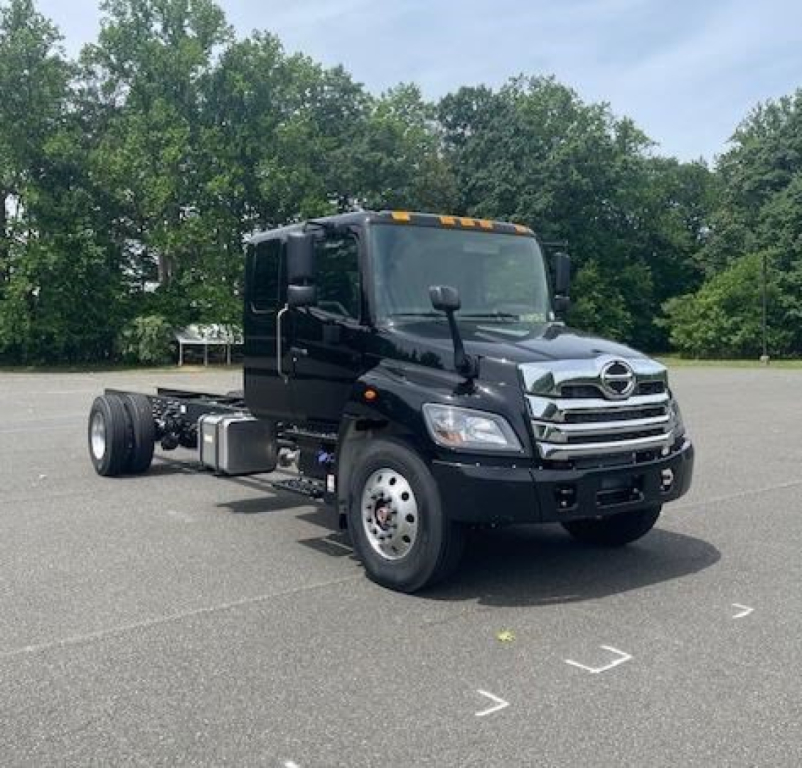
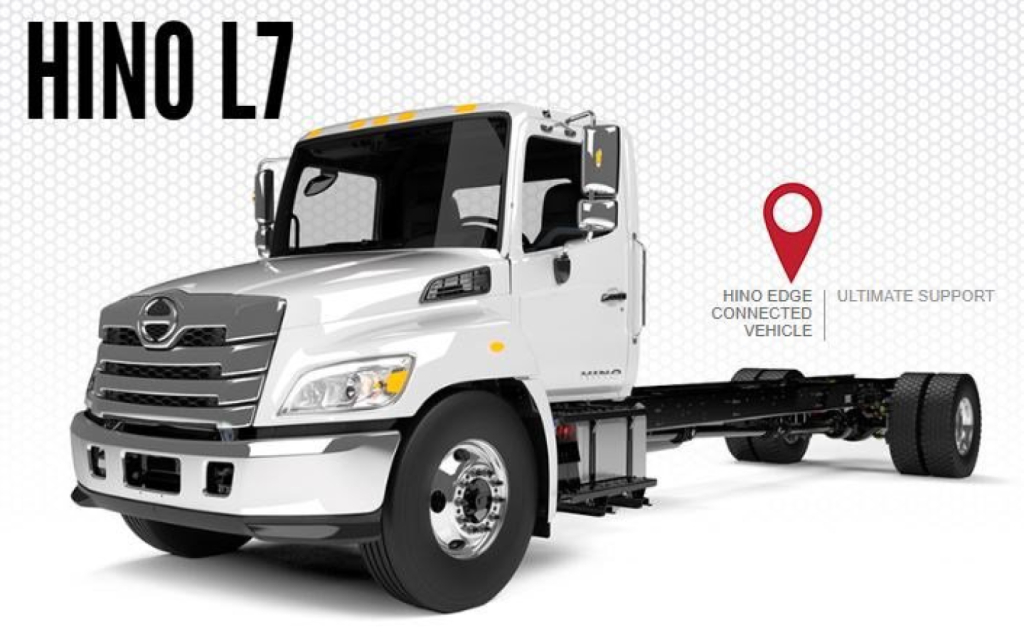
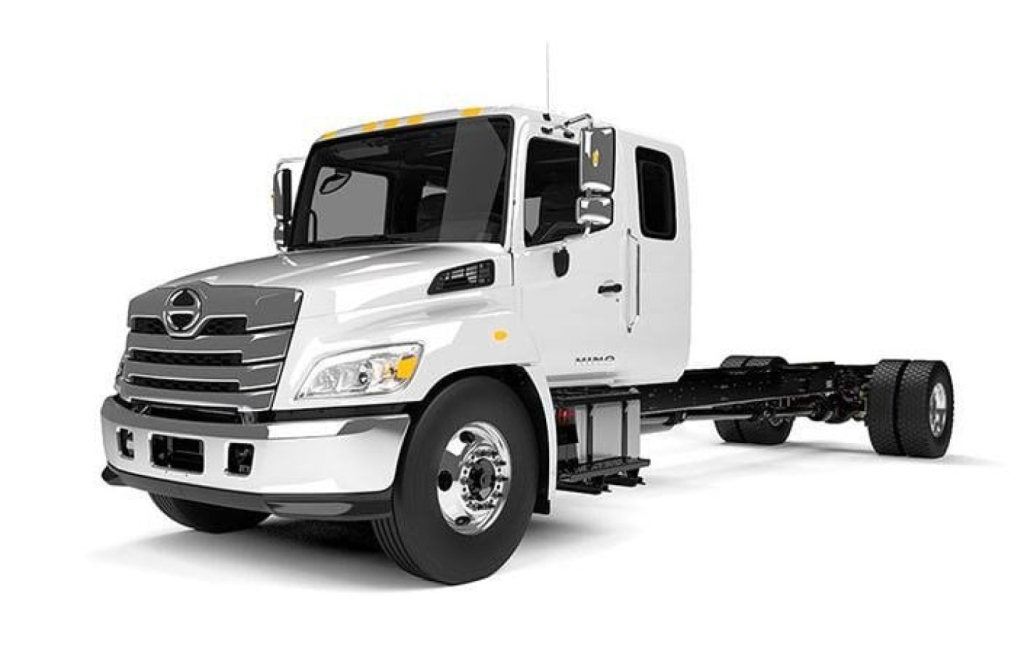
Shop new Hino trucks for sale, including L6 and L7 models with Cummins diesel power, Allison automatics, and versatile body options.
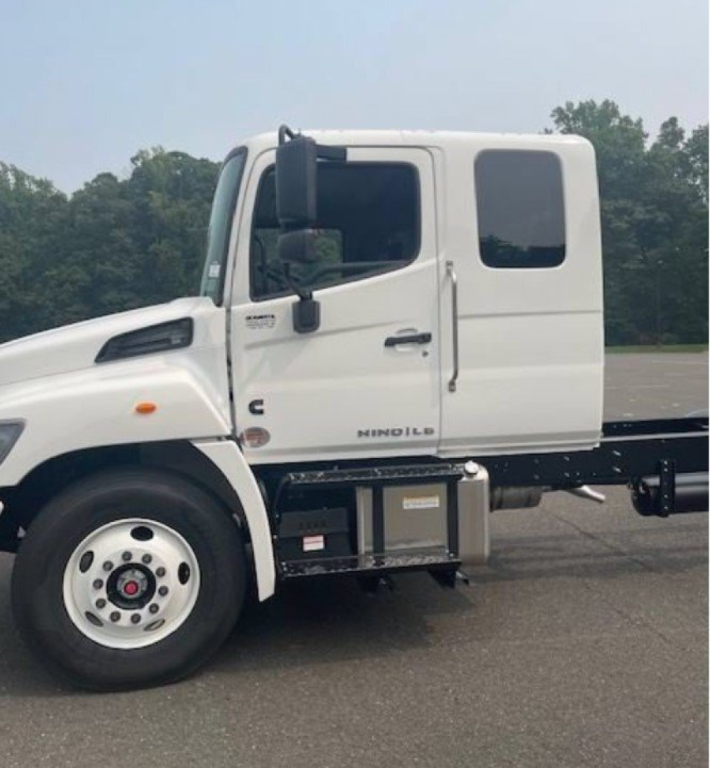
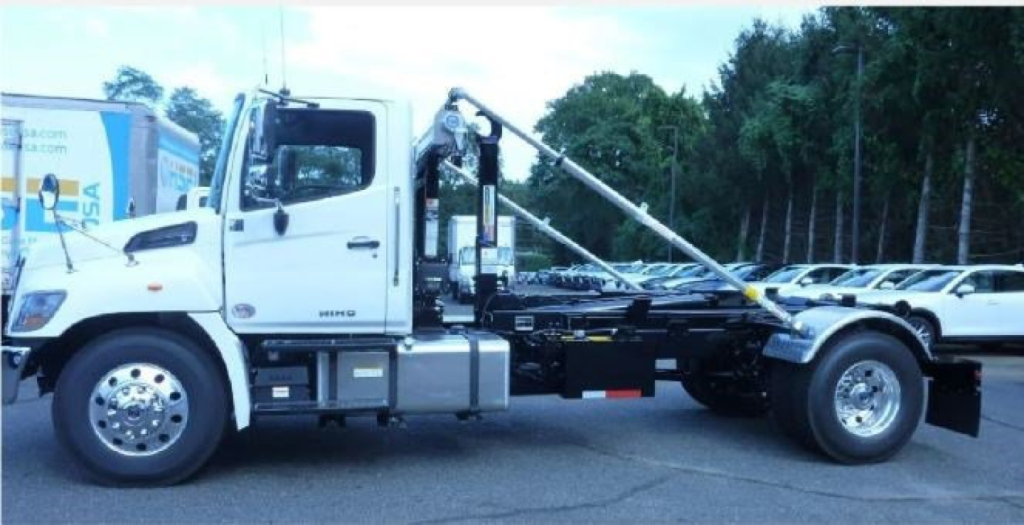
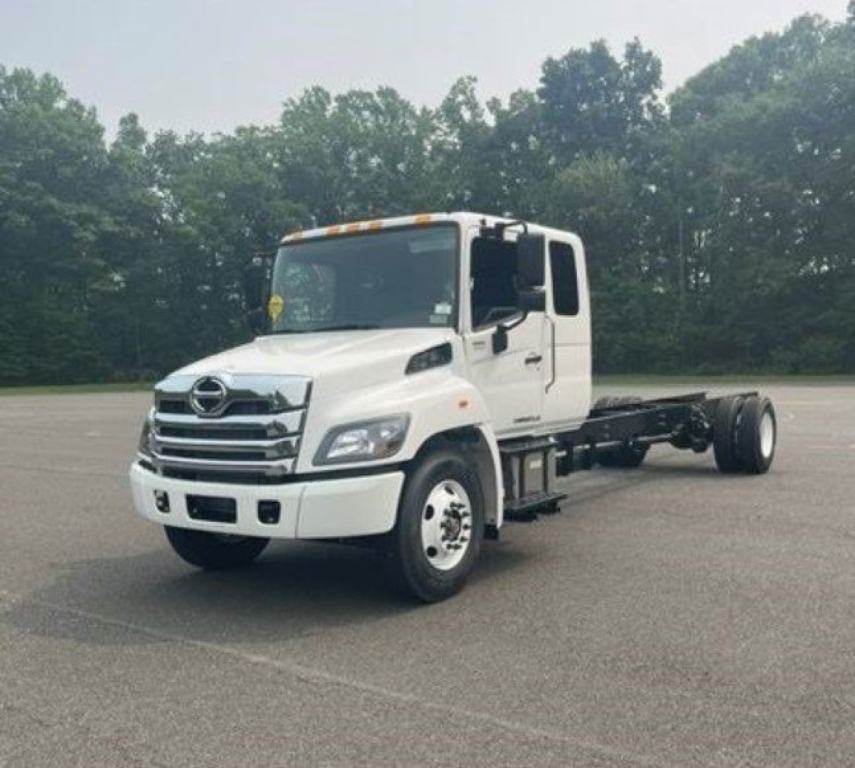
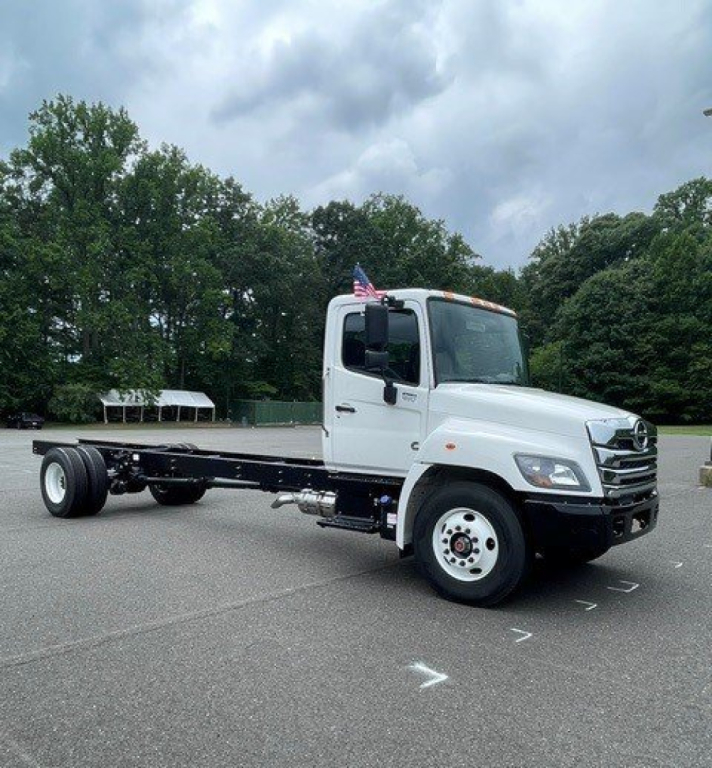
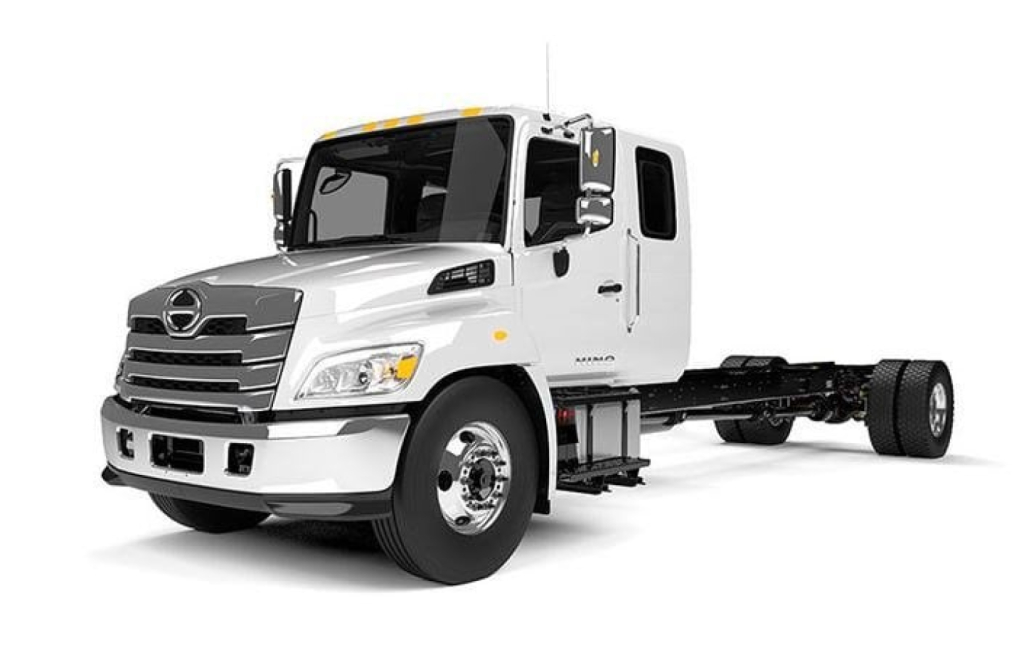
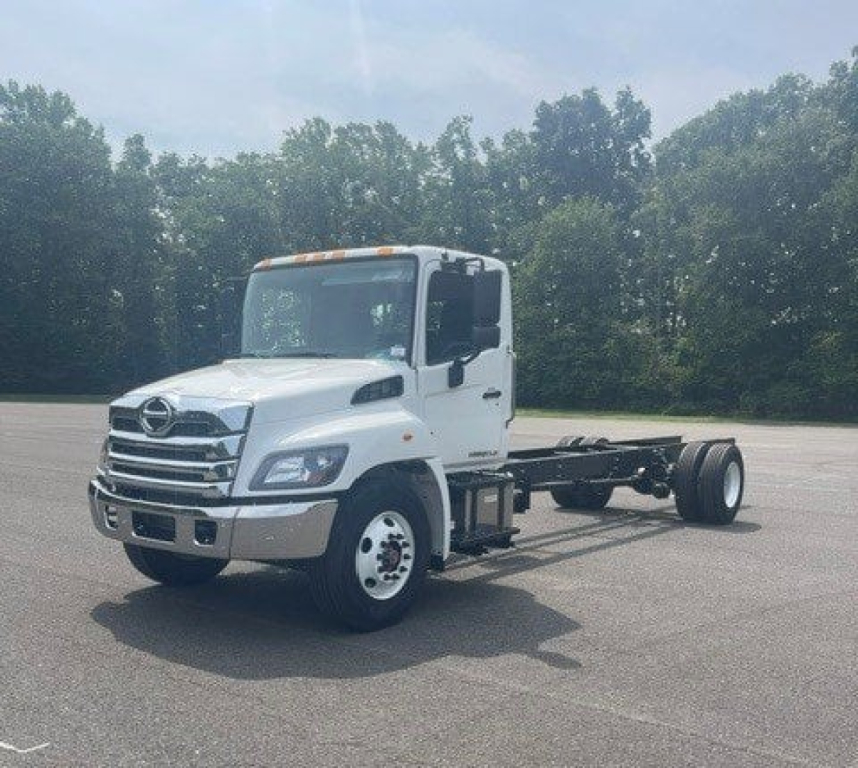
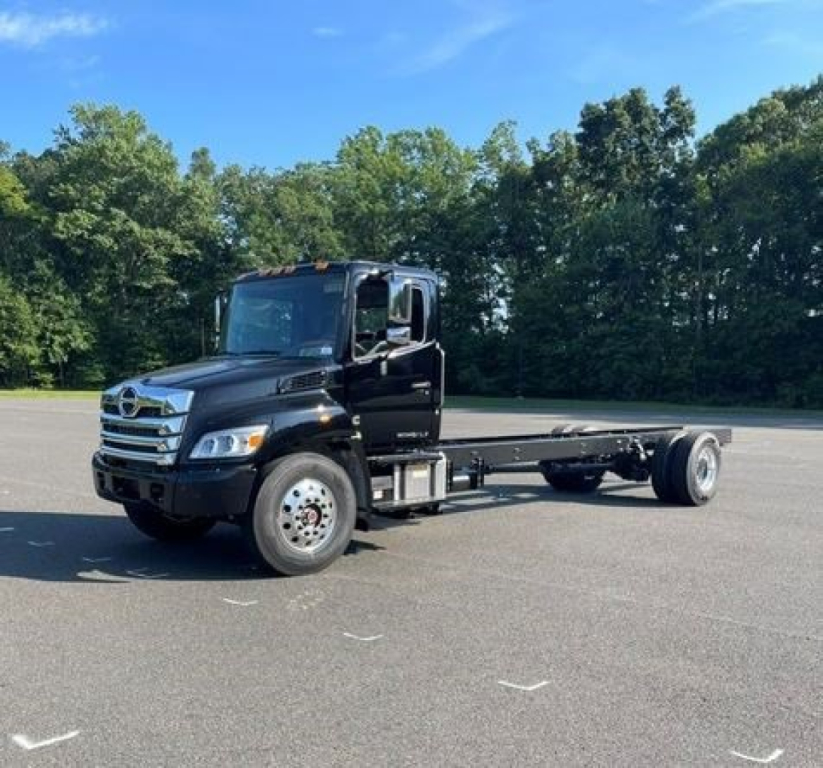
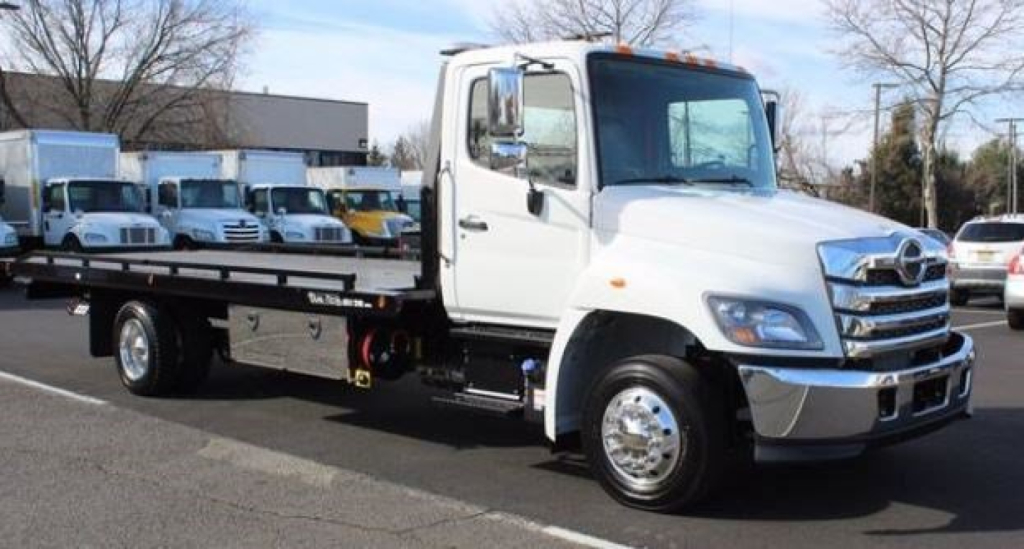
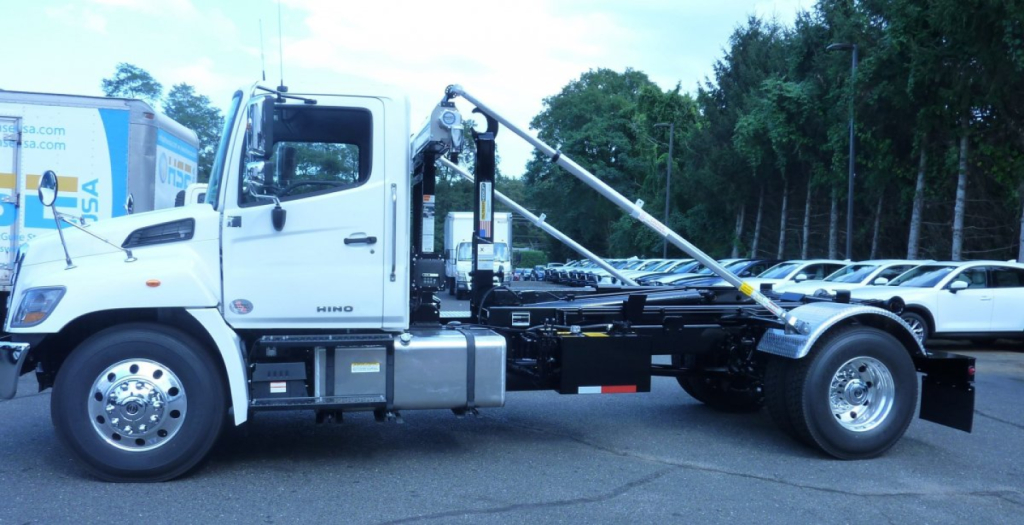
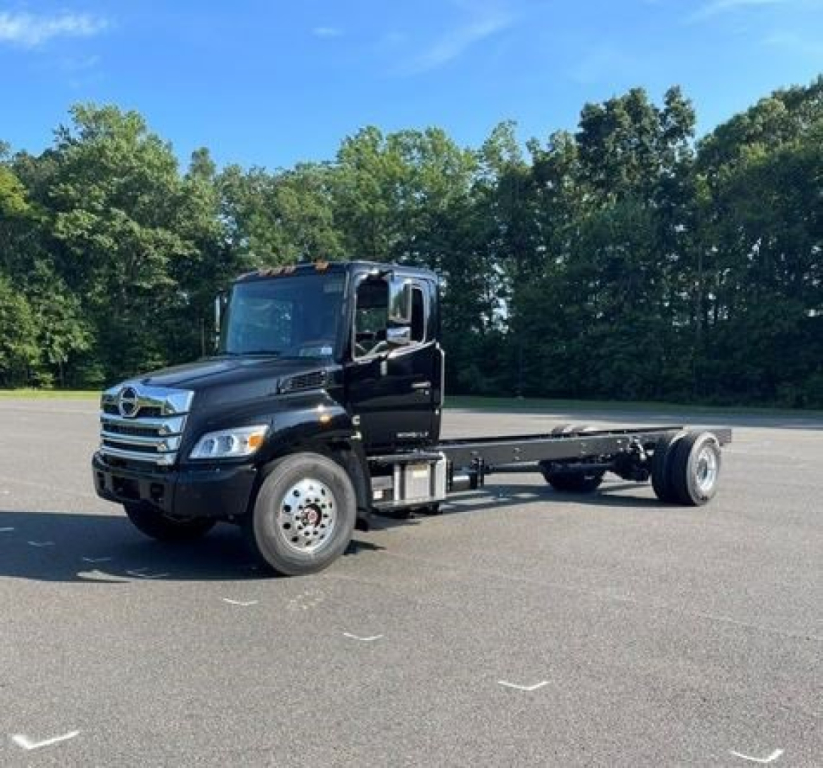
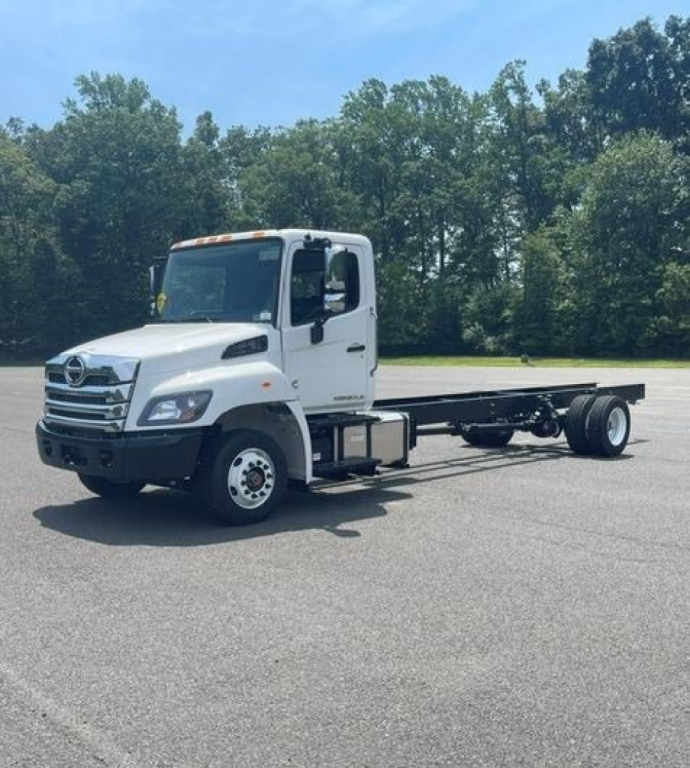
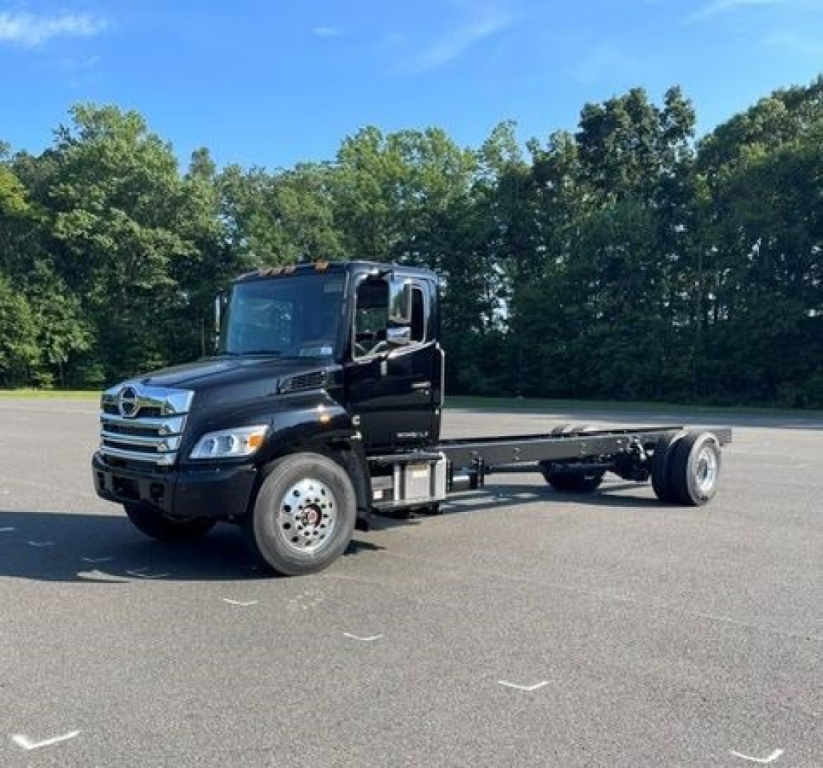
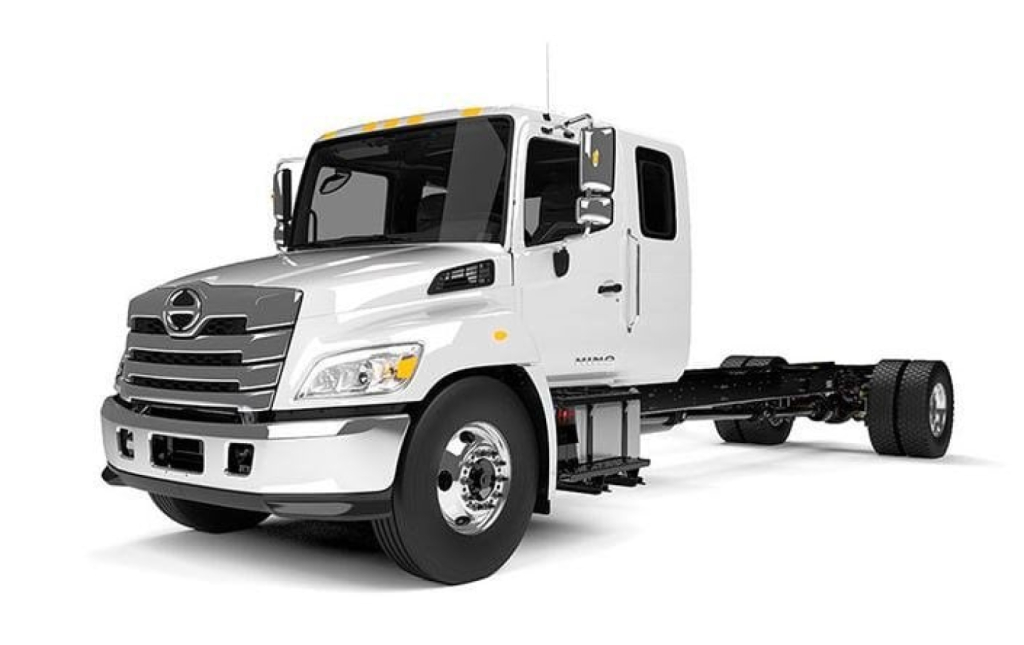
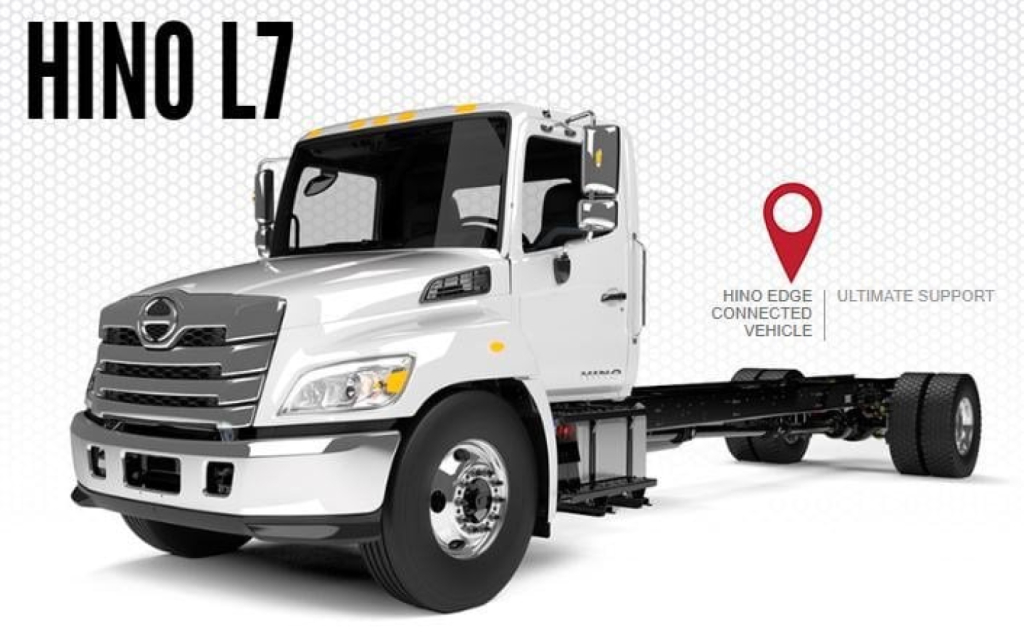
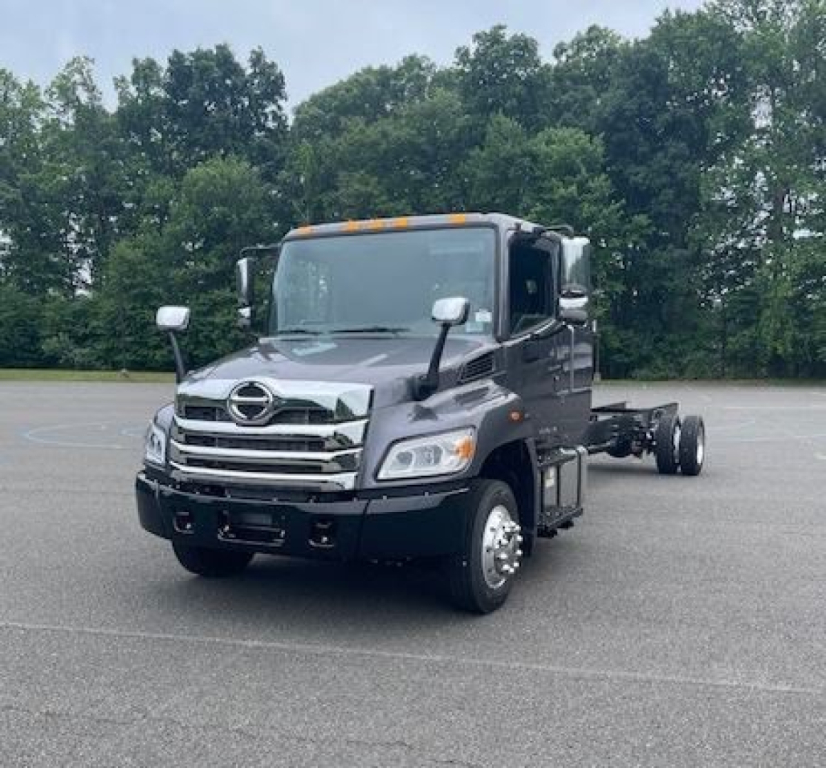
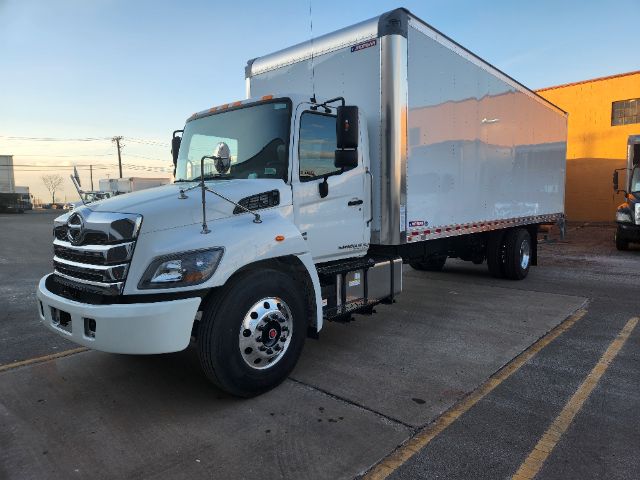
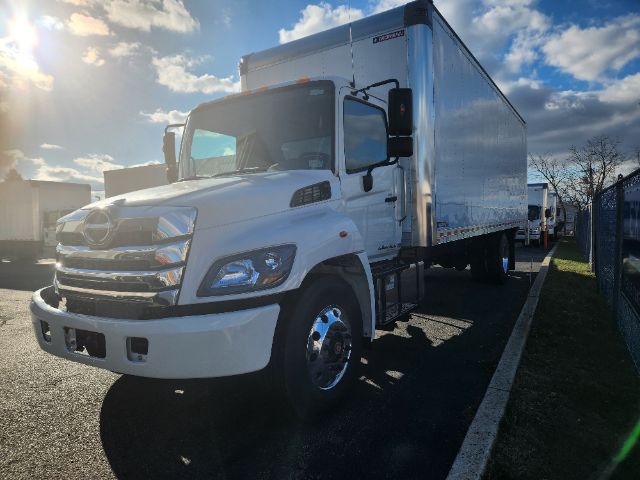
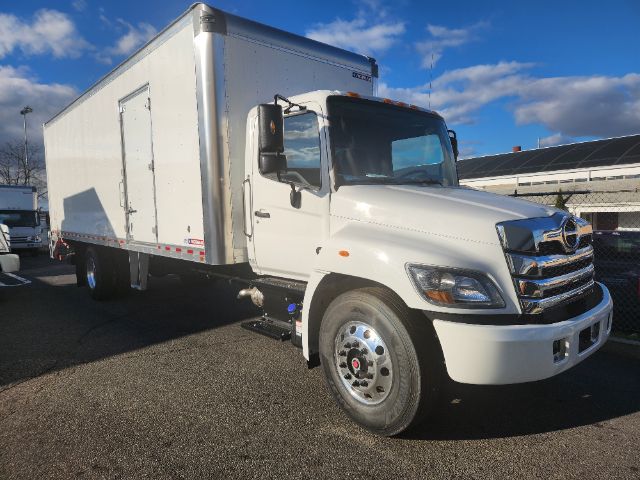
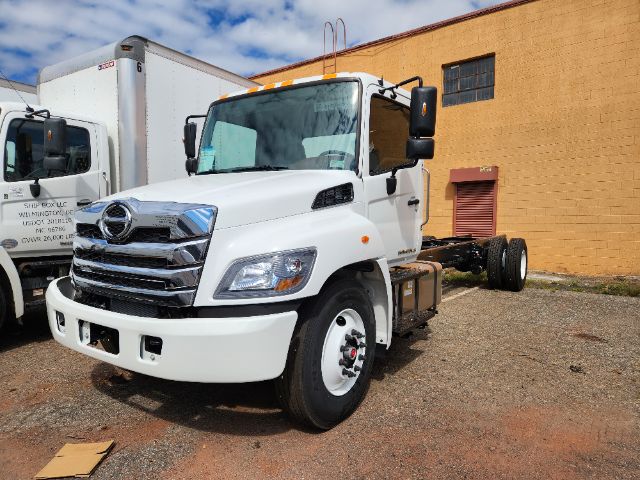
Selling a new hino truck? List your new hino truck for sale and reach thousands of commercial buyers.
New Hino Trucks in New Jersey
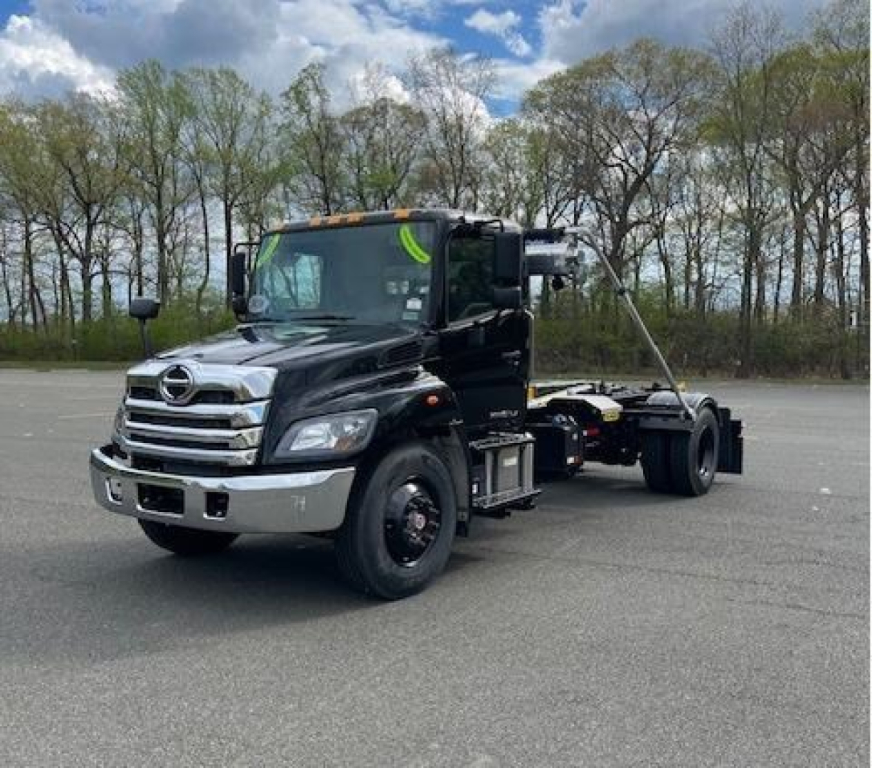
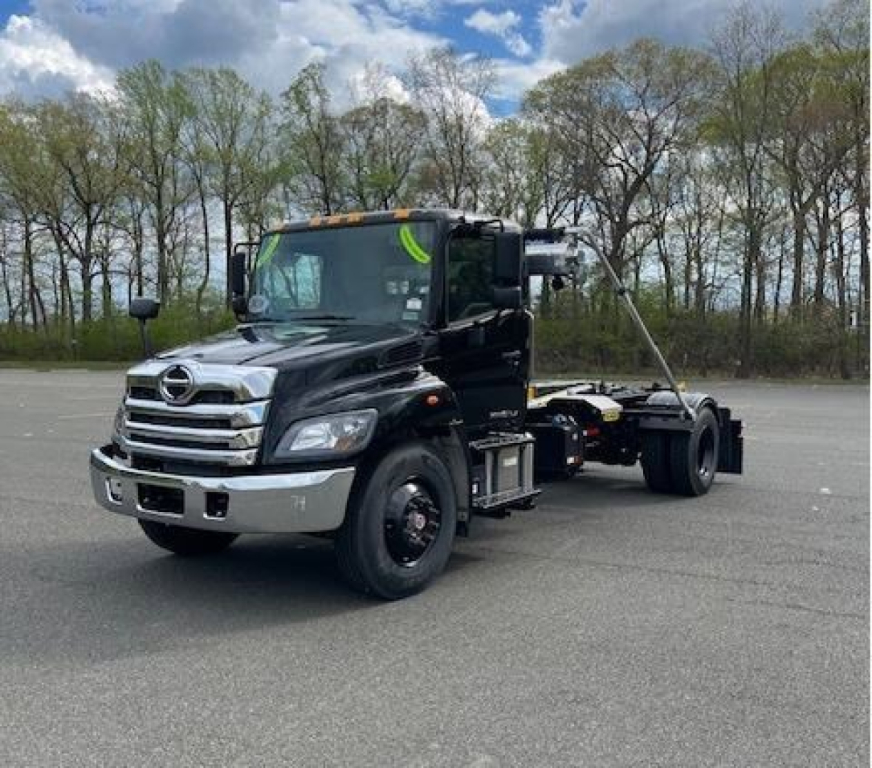
A lot of buying decisions in this segment come down to GVWR, axle ratings, and body compatibility. Hino L6 models are often seen around the 25,950 lb GVWR range, which appeals to operators trying to maximize payload while staying below 26,000 lb GVWR. L7 models step into heavier specs and are often chosen when the application calls for more chassis capacity, air brakes, or specialized upfits such as hooklifts, dump bodies, or heavier van bodies. Typical specs include Cummins B6.7 diesel engines in the 240 to 260 hp range, Allison automatic transmissions, 4x2 axle configuration, 22.5-inch rubber, and wheelbases selected around the body length or hoist requirement. Buyers should look closely at frame height, rear axle ratio, PTO compatibility, and clear cab-to-axle measurements before matching a truck to the intended body.
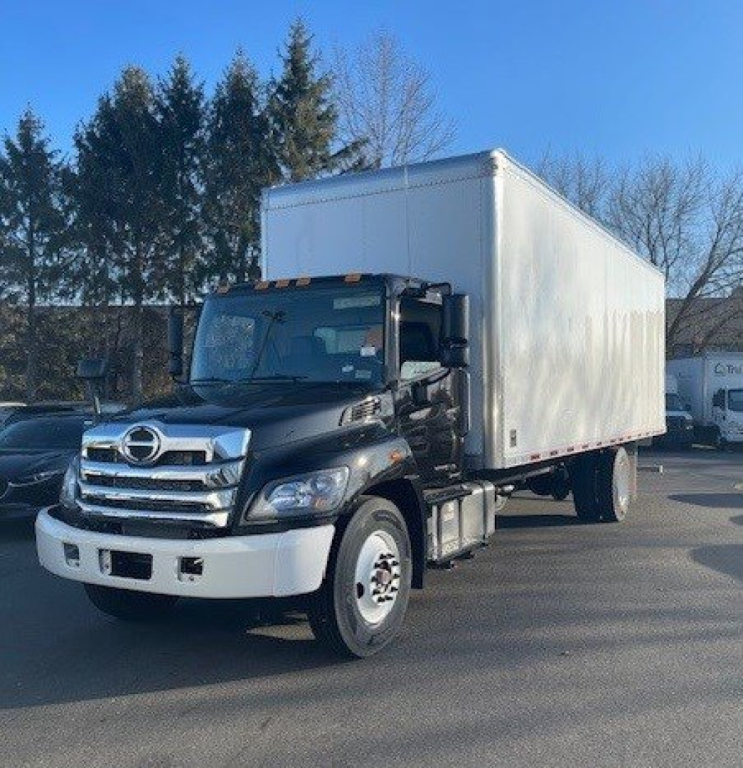
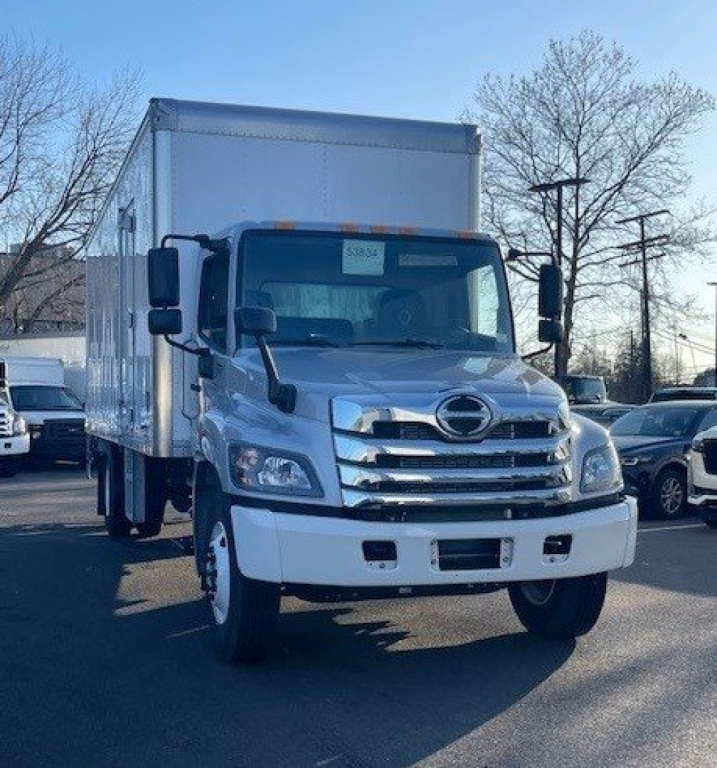
For route delivery and urban work, Hino trucks are well regarded for visibility, cab ergonomics, and easy driver onboarding. Features commonly found on new units include air ride driver seats, power windows and locks, heated mirrors, cruise control, engine brake, and aluminum fuel tanks. On van body applications, details like interior height, E-track, scuff liners, curbside doors, roll-up rear doors, and liftgate capacity matter as much as the chassis itself. A 26-foot dry van on an L6, for example, can be an efficient setup for furniture, appliances, beverage distribution, or final-mile freight, but payload changes quickly once you add liftgates, reinforced floors, and route equipment.
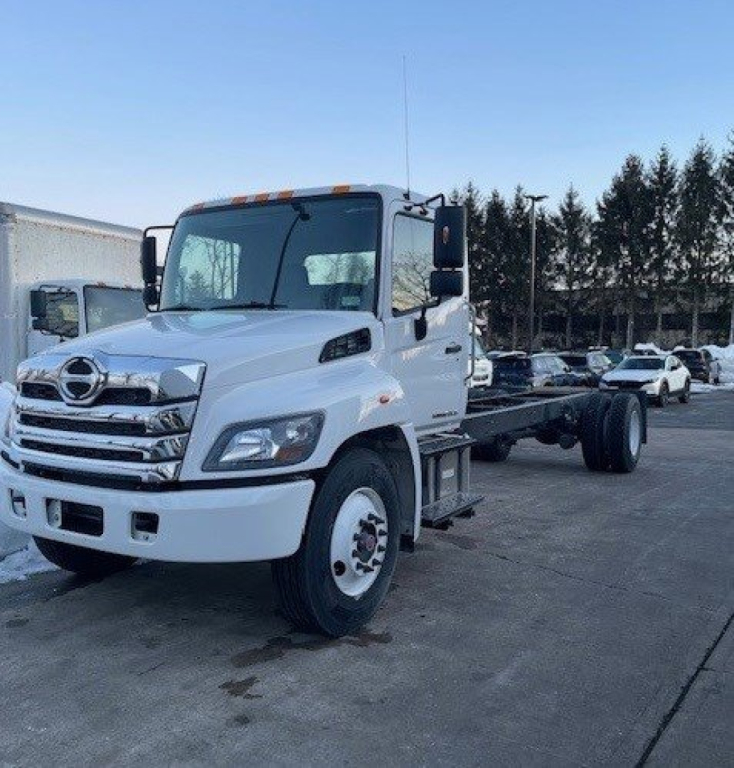
The best way to compare new Hino trucks is to start with the job, not just the model badge. A box truck buyer should verify body dimensions, door configuration, and net payload after the upfit. A hooklift buyer should confirm hoist capacity, usable rail length, and how the derated or plated GVWR affects legal hauling. A cab-and-chassis buyer should focus on wheelbase, frame spec, suspension, and the body builder's requirements. Hino's appeal in this category is that it gives buyers a medium-duty platform with mainstream Cummins and Allison components, practical cab comfort, and a chassis that adapts well to delivery, vocational, and municipal applications.
Frequently Asked Questions about New Hino Trucks in New Jersey
What is the difference between a Hino L6 and Hino L7?
The Hino L6 is commonly spec'd in the Class 6 range and is frequently used for box trucks, delivery bodies, and applications targeting a 25,950 lb GVWR. The Hino L7 moves into heavier Class 7 territory and is better suited for higher-capacity upfits, air brake configurations, and vocational work such as hooklifts, dumps, and heavier service bodies. The right choice depends on GVWR target, body weight, payload requirement, and whether the application benefits from the heavier chassis ratings of the L7.
What engine and transmission are common in new Hino trucks?
Many new Hino L Series trucks are powered by the Cummins B6.7 diesel engine, typically rated around 240 to 260 horsepower depending on the spec. Allison automatic transmissions are also common, including 2200, 2500, or 3000 series variants based on the truck's intended use. This Cummins-Allison combination is popular because parts, service familiarity, and drivability are strong advantages for mixed fleets and route-based operations.
Are new Hino trucks good for box truck and delivery applications?
Yes. New Hino trucks are widely used for dry van, refrigerated, and final-mile delivery work because they offer a conventional cab, predictable handling, and chassis specs that match common 24-foot to 26-foot body lengths. Buyers should still verify wheelbase, cab-to-axle dimension, front axle loading, and net payload after the body and liftgate are installed. Those details determine whether the truck will perform well on dense delivery routes and still carry the intended freight legally.
Can a new Hino truck be spec'd to stay under 26,000 GVWR?
Yes, many Hino L6 configurations are built at 25,950 lb GVWR, which is a common target for operators trying to stay below the 26,000 lb threshold. That spec can be attractive for certain non-CDL applications, but buyers still need to account for body weight, liftgate weight, cargo, and any state or federal operating requirements that apply to their business. Staying under 26,000 lb GVWR does not automatically eliminate all compliance obligations, especially in interstate or commercial use.
What should I check before buying a new Hino cab and chassis?
Start with the intended body and ask for the exact cab-to-axle, wheelbase, frame section, and axle ratings required by the body builder. Then confirm PTO needs, fuel tank placement, exhaust routing, and any electrical provisions needed for the upfit. On a medium-duty chassis, those fitment details have a direct impact on lead time, usable payload, and whether the finished truck balances correctly once the body or equipment is installed.