
New Hino Hooklift Trucks For Sale in New Jersey
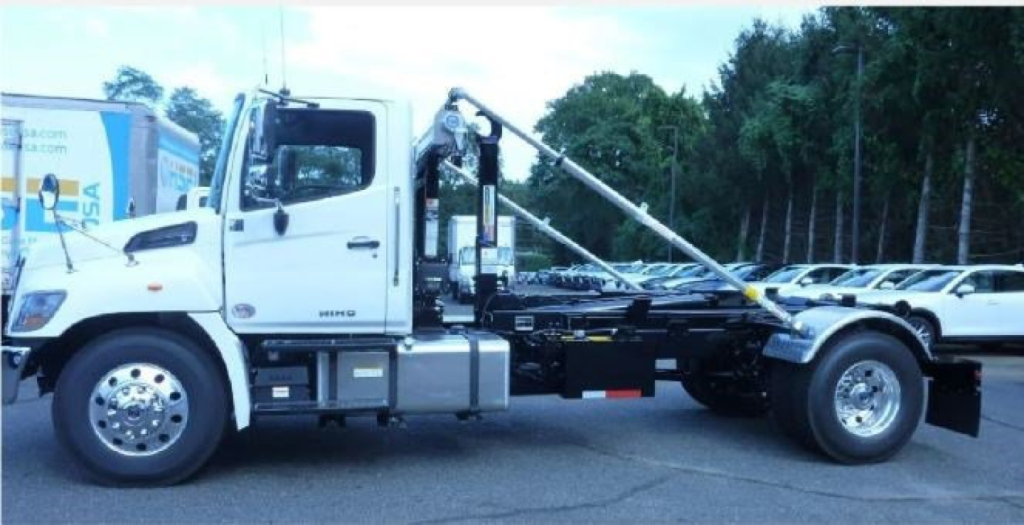
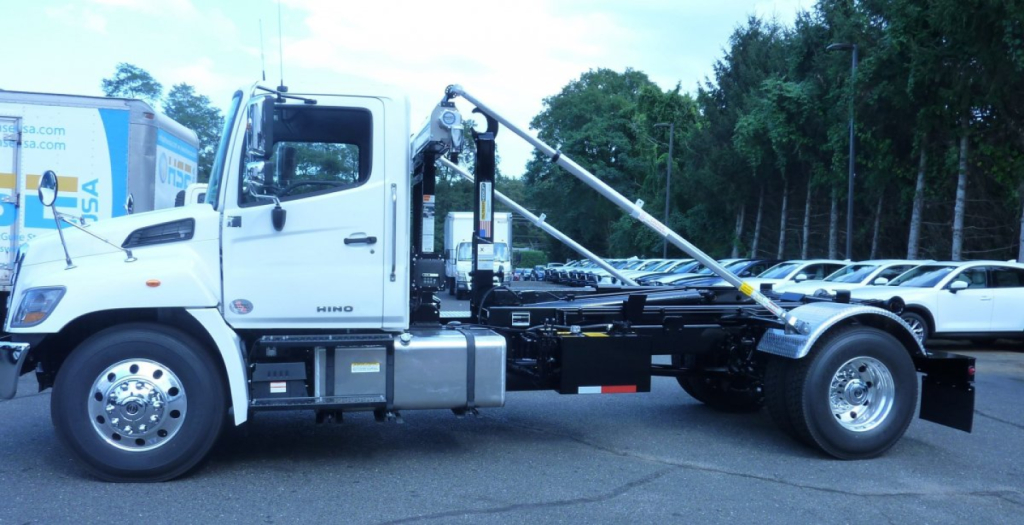
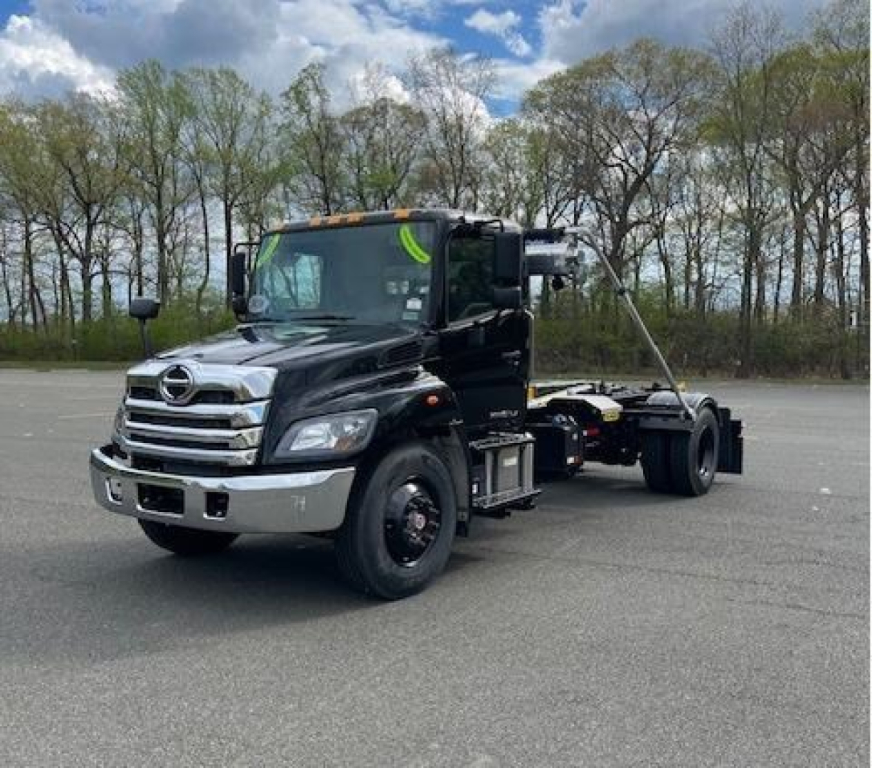
New Hino hooklift trucks for sale, including L7 chassis options with 22,000-lb hoists, automatic transmissions, and versatile body handling.
Selling a new hino hooklift truck? List your new hino hooklift truck for sale and reach thousands of commercial buyers.
New Hino Hooklift Trucks in New Jersey
One of the first decisions is hoist capacity and body length compatibility. In this class, buyers often compare hooklift ratings around the low-20,000-lb range, which fits many common container and skid applications without stepping into a heavier truck than the job requires. A Hino L7-based hooklift is a typical fit for operators who want a Class 6 or Class 7 platform with a diesel engine in the 6.7L range, automatic transmission, and a GVWR that balances payload, CDL considerations, and route flexibility. Important details include hook height, axle placement, usable cab-to-axle, frame reinforcement, and the hoist manufacturer, since those specs determine what bodies the truck can actually pick and how well it transfers weight during loading.
Buyers should also look closely at the truck beyond the hook system. Front axle capacity, rear axle ratio, suspension type, PTO setup, fuel tank placement, and wheelbase all affect turning radius, ride quality, and body interchange. If the truck will spend time on paved municipal routes, landscaper yards, and tighter New Jersey job sites, maneuverability matters as much as raw lift rating. If the plan is heavier debris or material containers, pay attention to tare weight, legal bridge considerations, and how much payload remains once the hoist, subframe, and body are installed. Cab configuration, backup camera provisions, tarp systems, and lighting packages can also make a real difference in daily productivity and driver acceptance.
A new truck appeals to fleets that want emissions-compliant equipment, current safety systems, warranty coverage, and a clean maintenance baseline. Hino hooklift trucks are commonly chosen when uptime, driver familiarity, and multi-purpose body use matter more than a single dedicated vocation body. For many operations, the value is simple: one truck can serve several revenue roles across the week, provided the hooklift geometry, body lengths, and payload targets are matched correctly from the start.
Frequently Asked Questions about New Hino Hooklift Trucks in New Jersey
What can a Hino hooklift truck be used for?
A Hino hooklift truck can carry and swap a wide range of interchangeable bodies, including dumpsters, debris containers, flatbeds, storage boxes, and equipment platforms. That makes it useful for waste removal, construction cleanup, municipal maintenance, tree service, landscape supply, and rental operations. The main advantage is utilization, since one truck can handle multiple job functions instead of being tied to one permanent body.
What specifications matter most when buying a new hooklift truck?
The most important specifications are hoist capacity, body length range, hook height, cab-to-axle dimension, wheelbase, GVWR, and axle ratings. Buyers should also confirm the engine and transmission pairing, PTO compatibility, frame reinforcement, and installed hoist brand. Those details determine lifting performance, legal payload, container compatibility, and how well the truck handles under load.
Is a Hino L7 a good chassis for a hooklift application?
The Hino L7 is a strong fit for many medium-duty hooklift applications because it offers a balance of maneuverability, payload potential, and vocational durability. It is commonly spec'd with diesel power in the 260 hp class and an Allison automatic transmission, which works well for frequent stop-and-go operation. The right fit still depends on the container sizes, route density, and loaded weights the truck will see every day.
How do I know what hooklift capacity I need?
Start with the heaviest loaded container or body the truck will be expected to handle, then compare that number to the hoist rating and the truck's axle and GVWR limits. A 22,000-lb hoist may be appropriate for many common medium-duty applications, but the hoist rating alone does not guarantee legal or practical payload. The truck's chassis weight, subframe weight, body weight, and weight distribution all need to be considered together.
Why buy a new hooklift truck instead of a used one?
A new hooklift truck gives buyers a known maintenance starting point, current emissions compliance, factory warranty support, and the ability to spec the chassis and hoist around the exact job. That can reduce downtime and avoid compromises in body length, axle setup, or PTO configuration. For fleets standardizing equipment, a new truck also makes it easier to keep drivers, technicians, and replacement parts aligned across the operation.