
New 2027 Hino Trucks For Sale in New Jersey
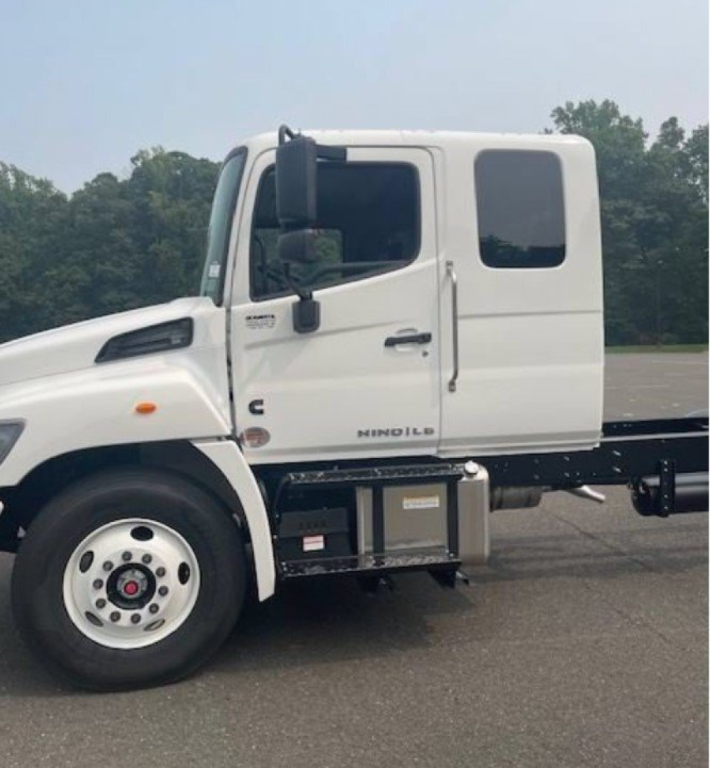
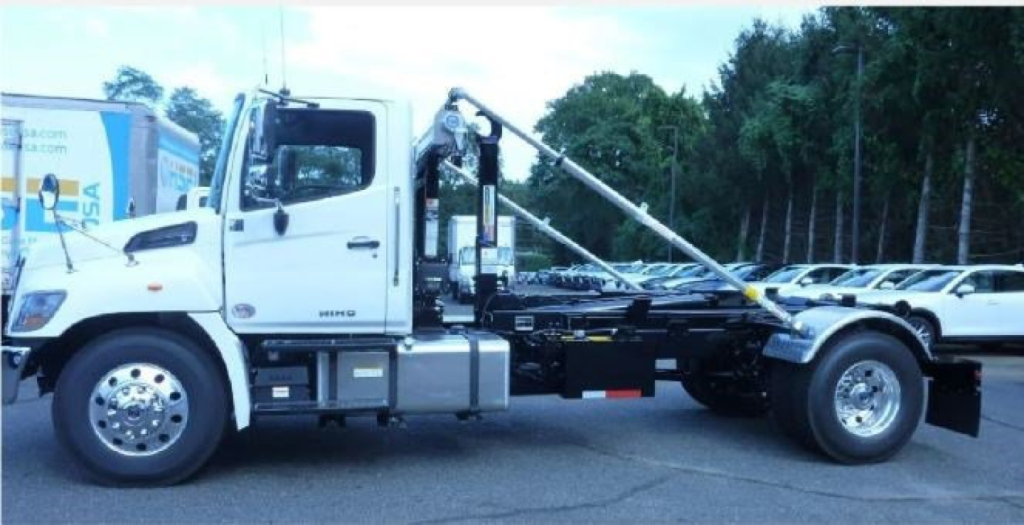
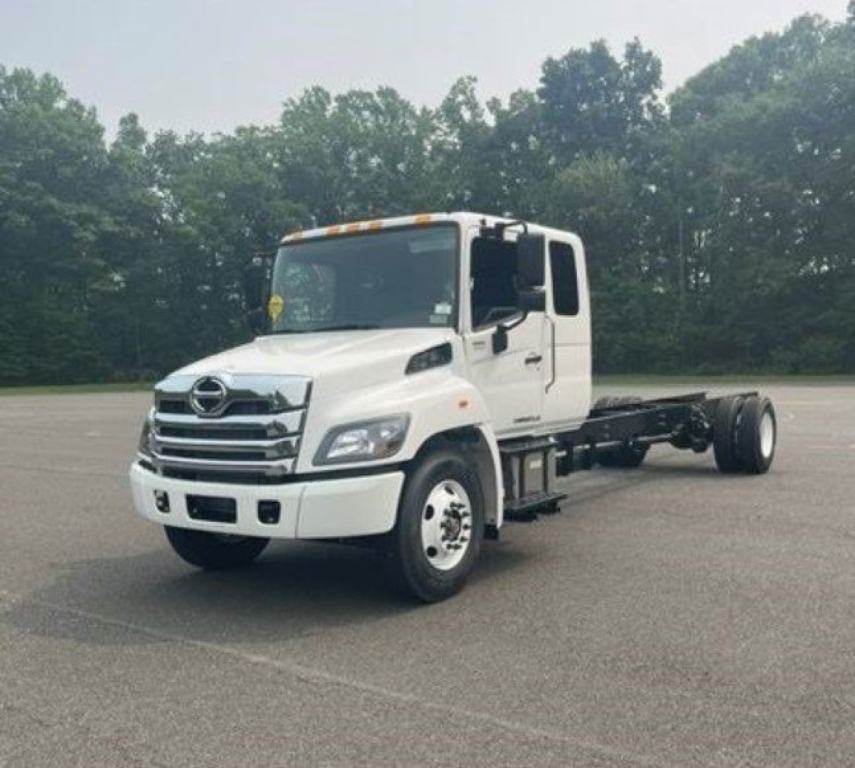
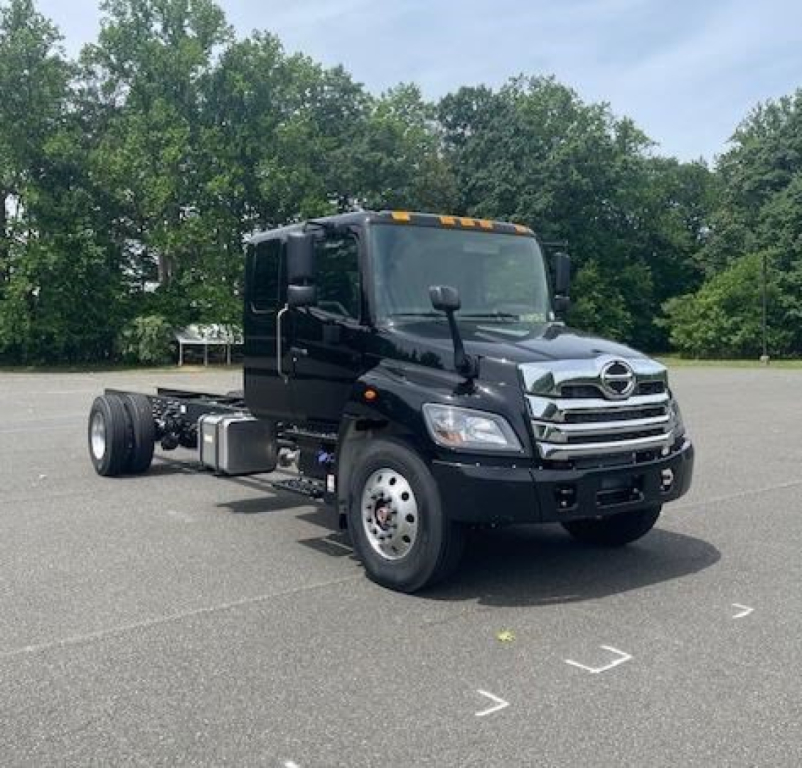
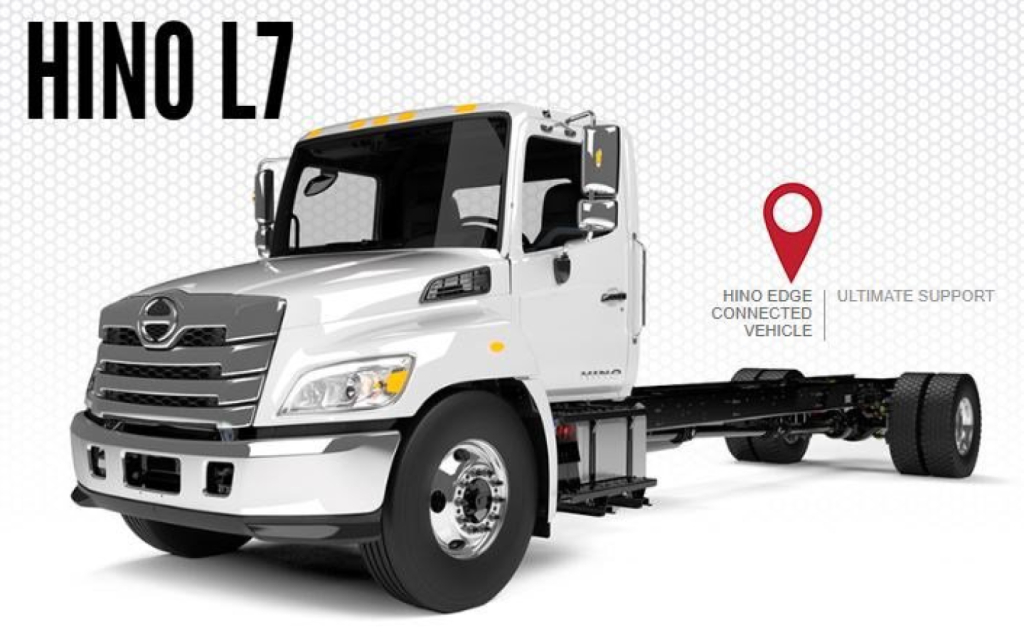
Shop new 2027 Hino trucks in New Jersey, including L6 cab chassis, box trucks, and rollback-ready specs for medium-duty work.
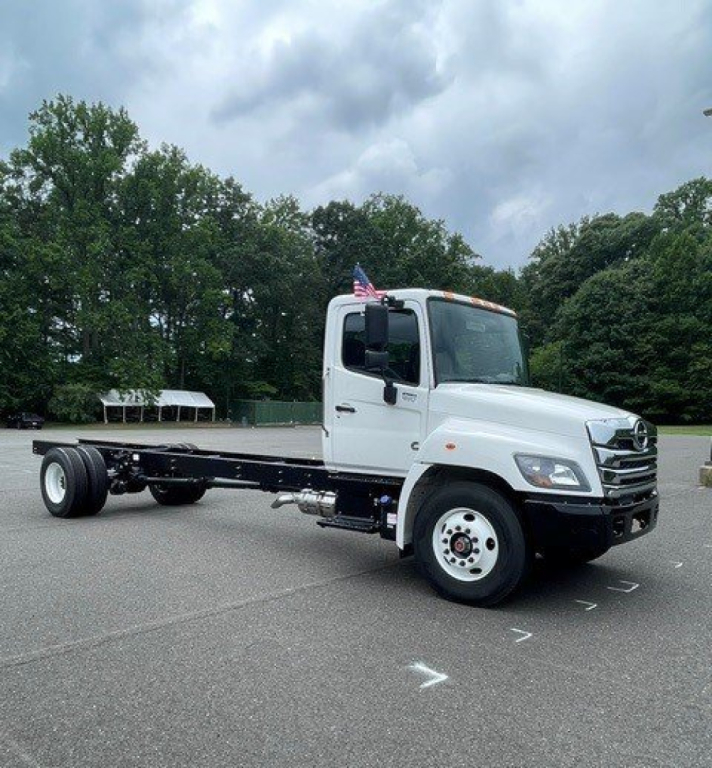
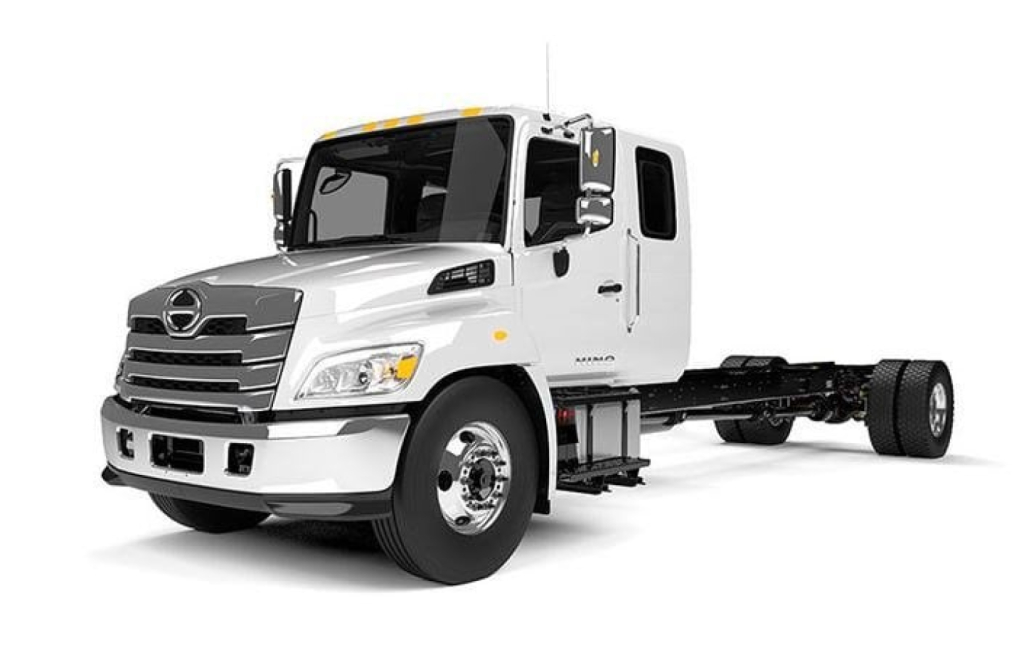
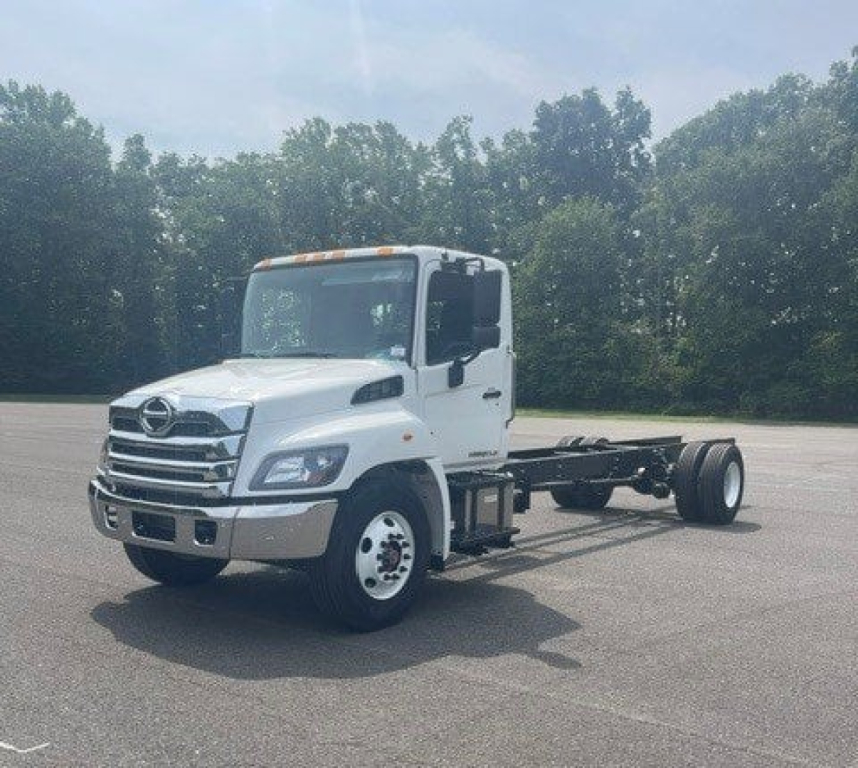
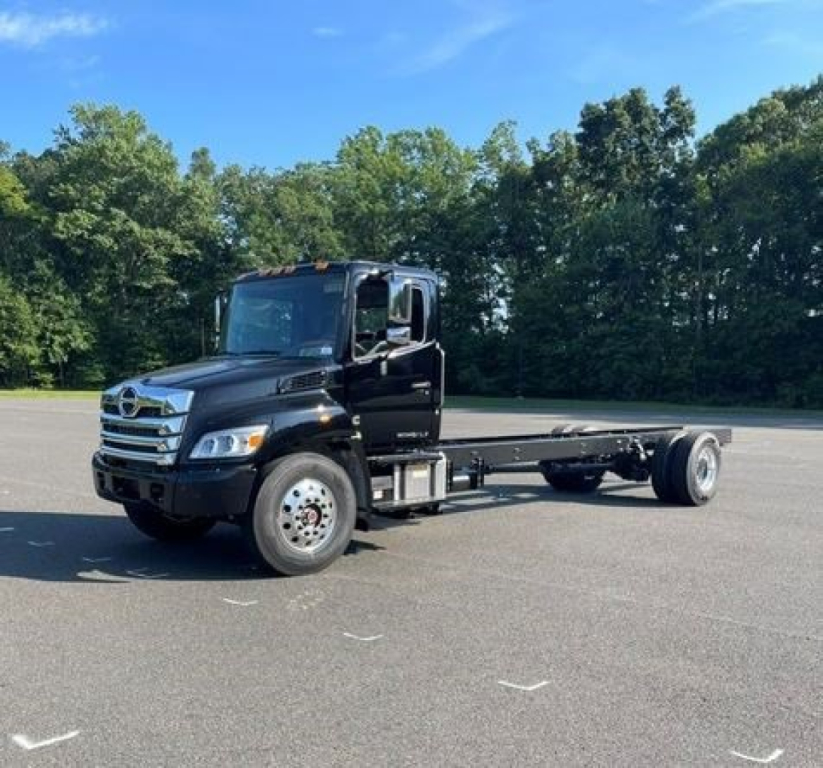
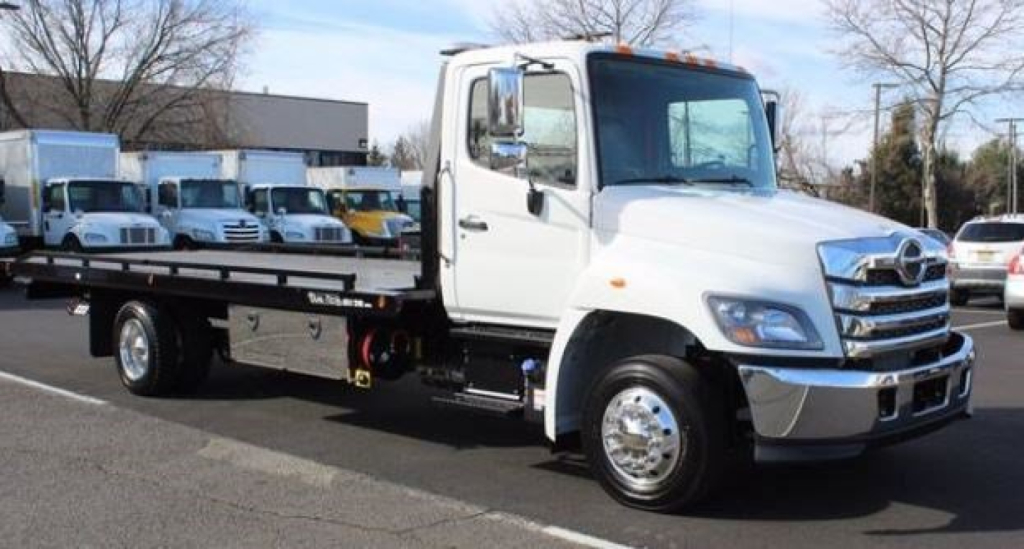
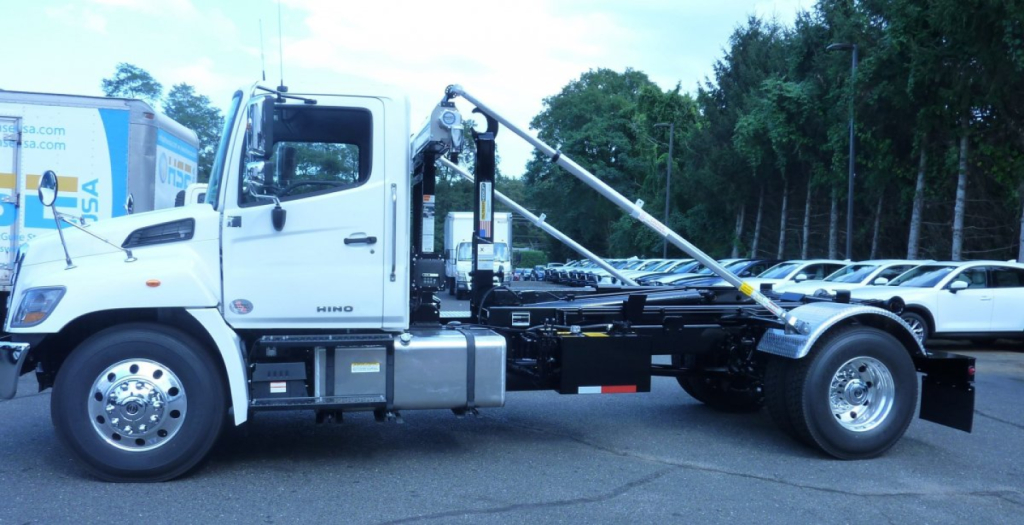
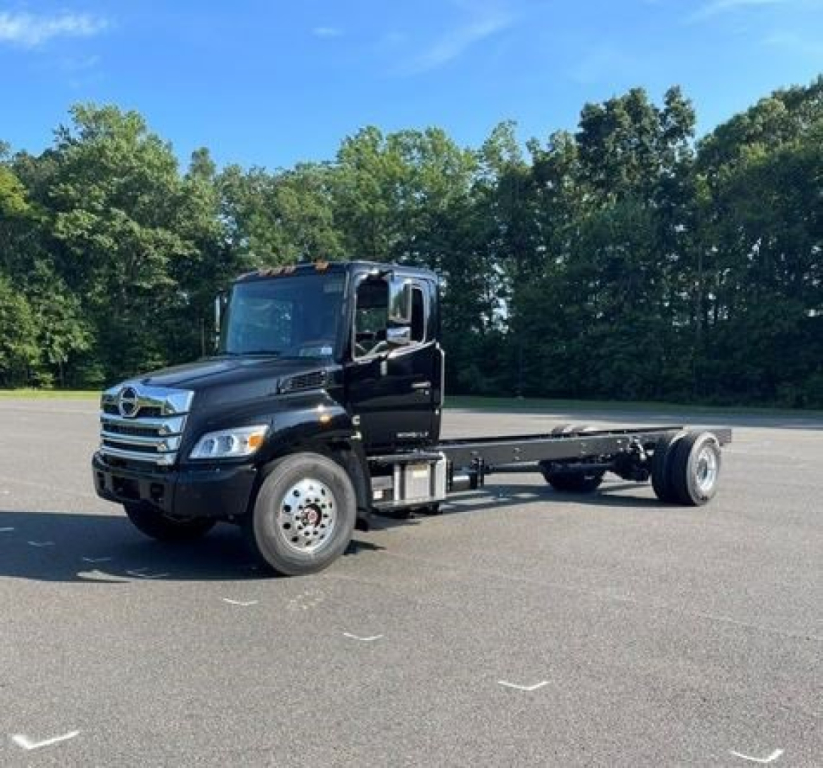
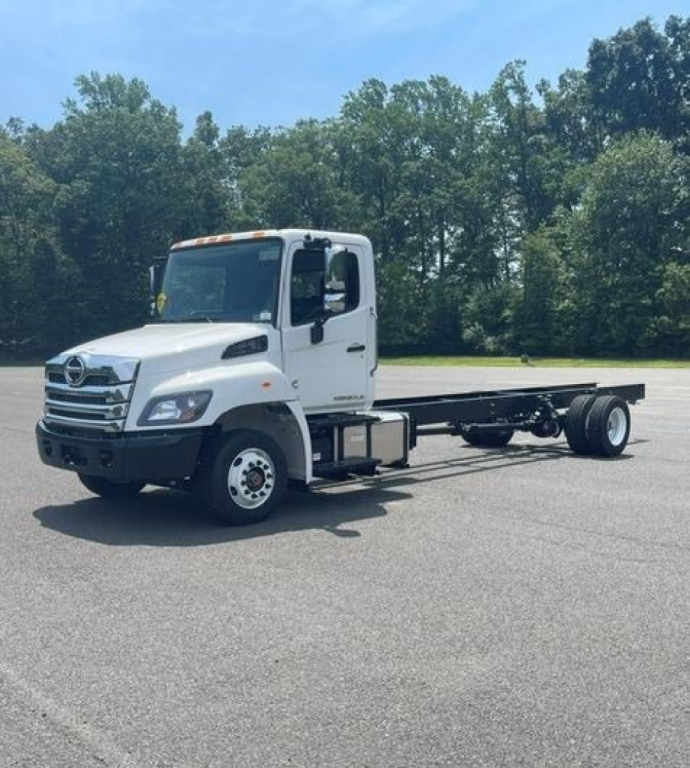
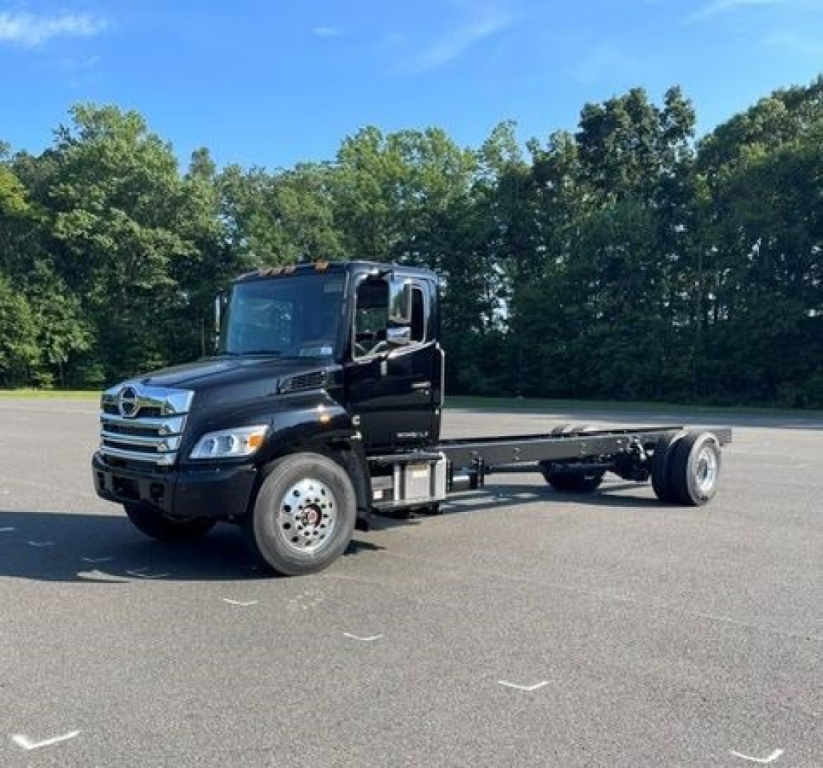
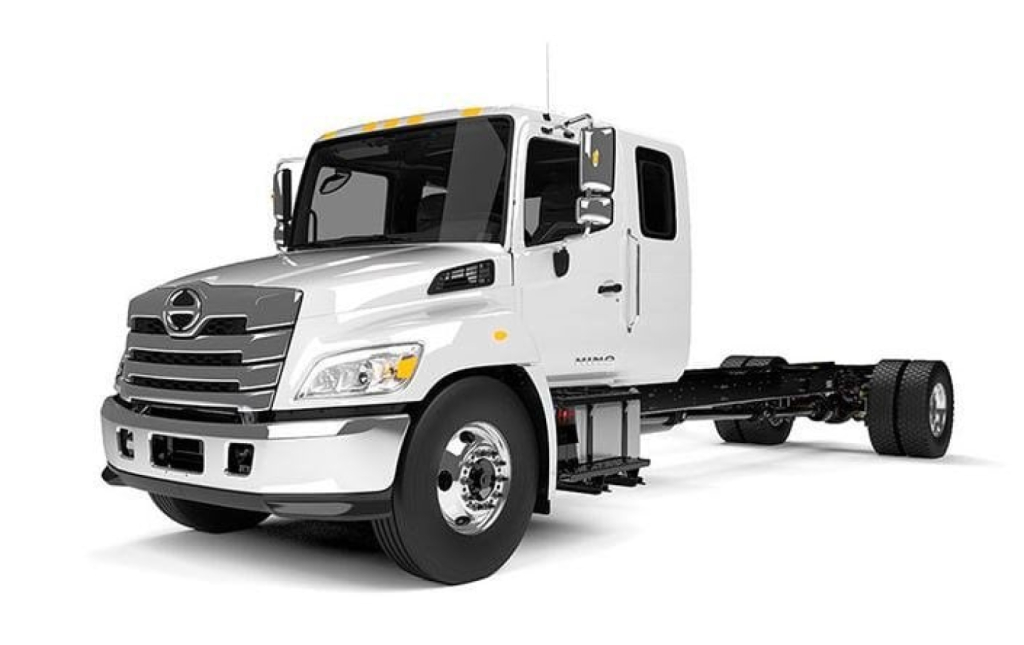
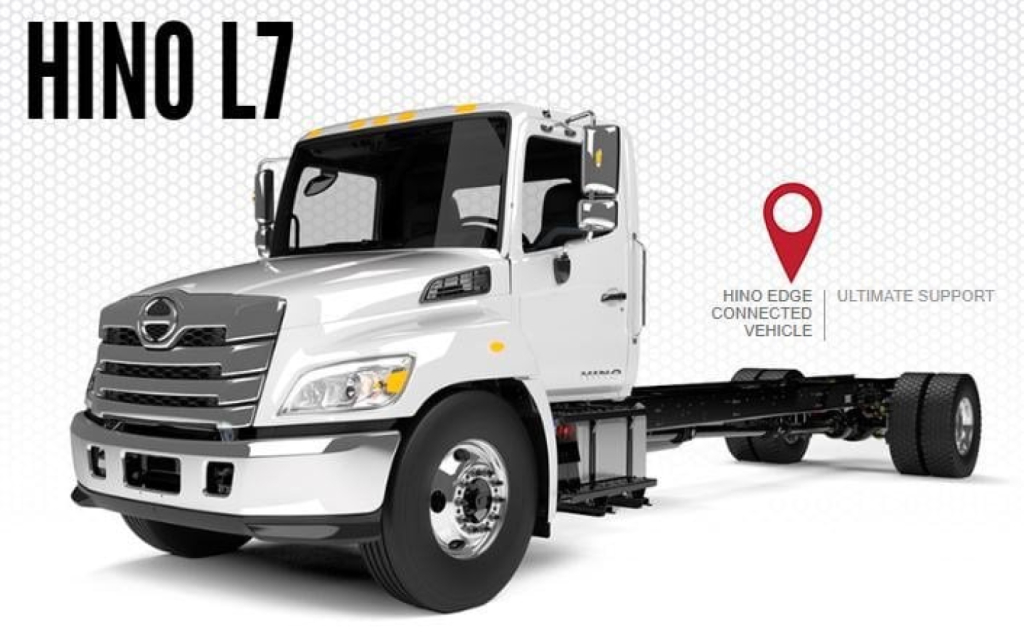
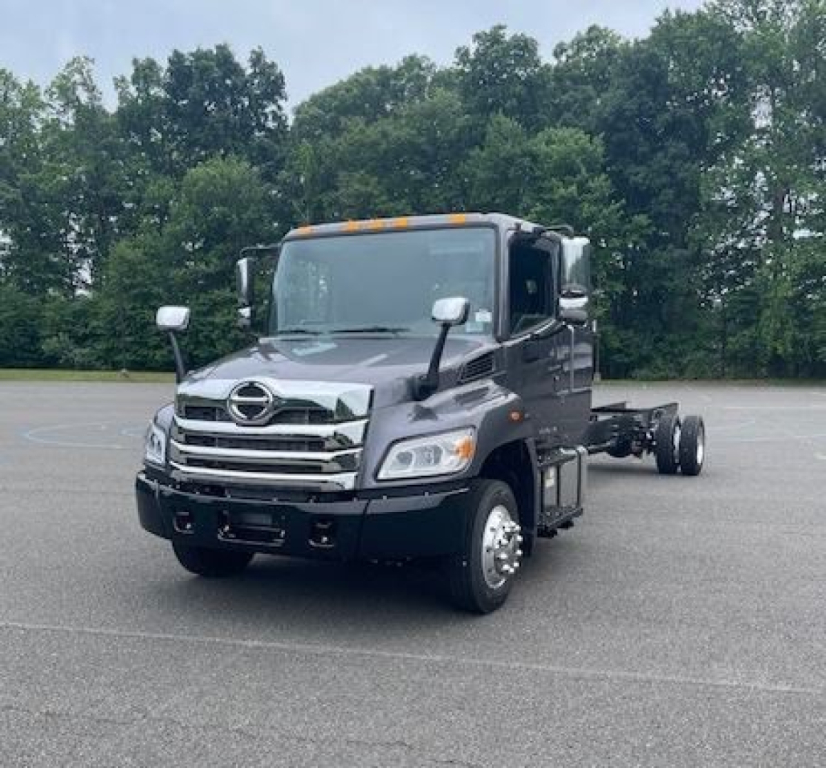
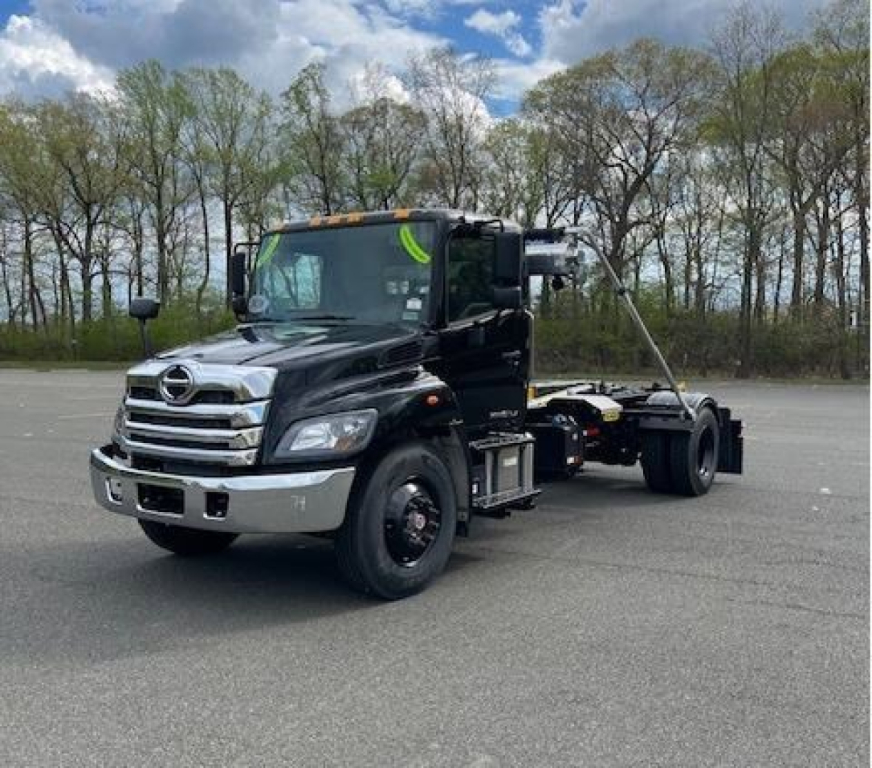
Selling a new 2027 hino truck? List your new 2027 hino truck for sale and reach thousands of commercial buyers.
New 2027 Hino Trucks in New Jersey
A key buying decision in this category is GVWR and CDL status. Many Hino L6 configurations are built around a 25,950-lb GVWR, which keeps the truck just under the 26,001-lb CDL threshold while still allowing a serious body and payload package. Buyers should look closely at wheelbase, cab-to-axle, and frame dimensions to make sure the truck matches the body length they plan to install. A 24-ft to 26-ft van body is common, but the same chassis can also support flatbed, stake, reefer, dump, and wrecker builds depending on axle ratings and equipment weight. Air brake versus hydraulic brake spec also matters, especially if the truck will be assigned across multiple drivers or mixed fleet operations.
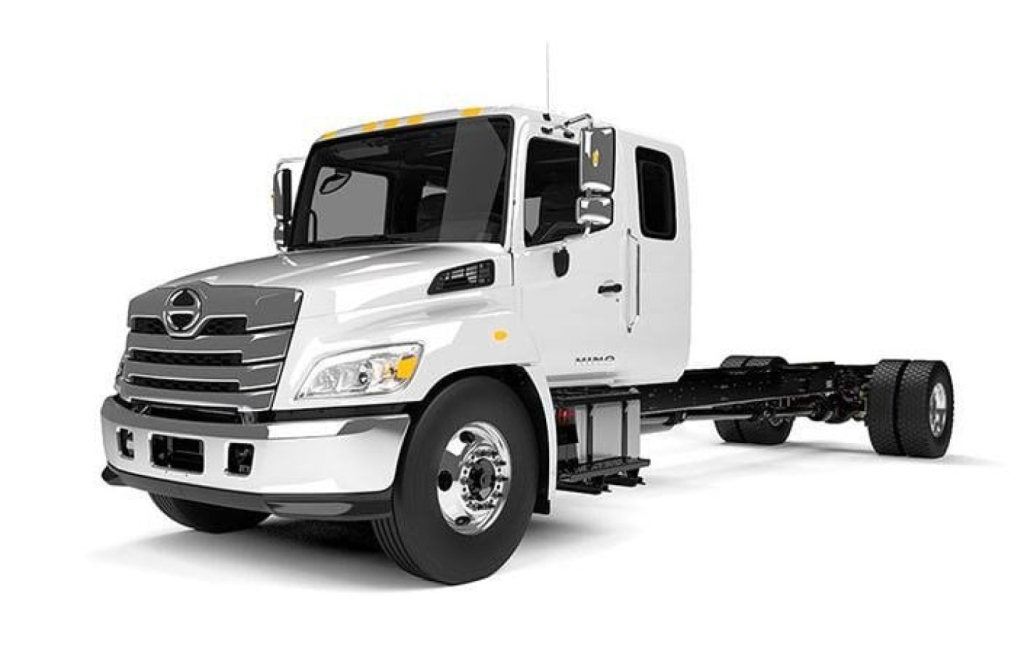
Powertrain specs on new Hino medium-duty trucks often center on the Cummins B6.7 diesel paired with an Allison automatic transmission, a combination that appeals to buyers looking for broad service support and predictable drivability. Horsepower ratings typically vary by application, often in the 240 to 260 hp range on trucks in this size class, with torque and transmission programming playing a bigger role than headline horsepower for stop-and-go work. Other details worth checking include fuel tank size, suspension type, PTO compatibility, front axle set-back, and whether the truck has an extended cab for extra crew or gear storage. For body-equipped units, practical features such as liftgate capacity, roll-up versus swing doors, E-track placement, and interior liner material can have a direct impact on daily productivity.
For buyers comparing new 2027 Hino trucks, the real question is how the chassis is spec'd for the job, not just the badge on the hood. The right truck should balance body length, tare weight, turning radius, and service access with the operating environment it will see every day. Tight urban delivery routes, shore-area corrosion exposure, and cold-weather operation in the Northeast all make details like heated mirrors, aluminum fuel tanks, wheel material, bumper extension, and cab comfort more relevant than they look on paper. A properly spec'd Hino can serve as a dependable platform for high-cycle delivery work, municipal support, towing, and other medium-duty applications where uptime and ease of operation drive the buying decision.
Frequently Asked Questions about New 2027 Hino Trucks in New Jersey
What are the most common applications for a new 2027 Hino truck?
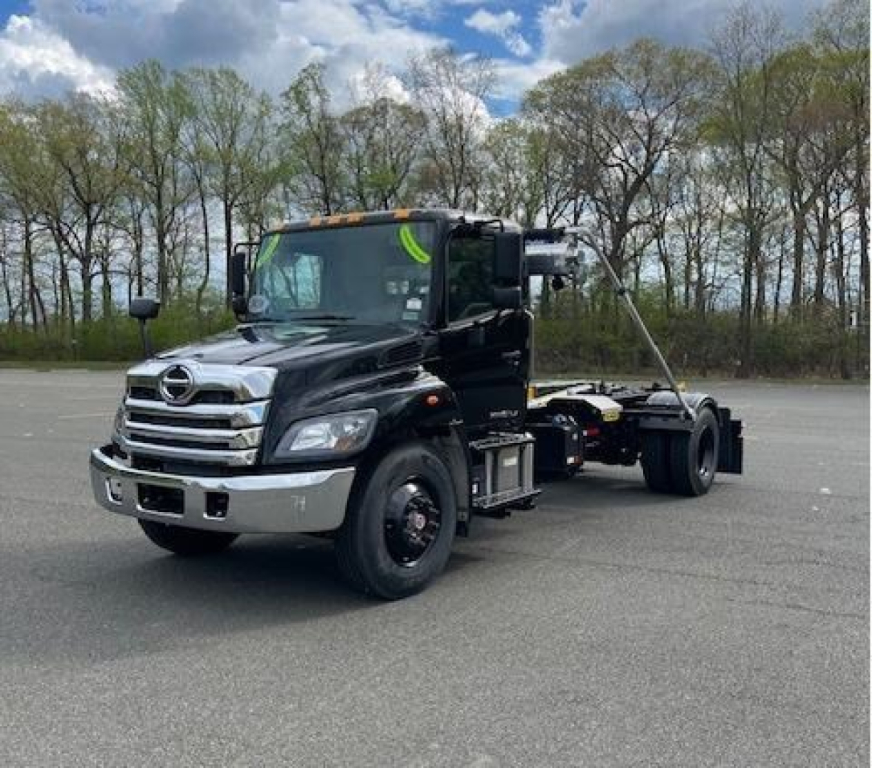
New Hino trucks in this class are commonly used for box truck delivery, refrigerated distribution, rollback towing, flatbed work, landscaping, and general cab chassis upfits. The Hino L6 is especially popular because it can be configured for local and regional routes where operators need a medium-duty chassis with good visibility, automatic transmission availability, and enough GVWR to support a commercial body without moving into a heavier truck than the job requires.
Is a Hino L6 typically a non-CDL truck?
Many Hino L6 trucks are spec'd at 25,950 lbs GVWR, which places them just below the federal CDL threshold of 26,001 lbs. That makes them a common non-CDL choice for delivery and vocational work. Buyers still need to verify the exact GVWR on the specific chassis, along with state, insurance, and operating requirements, because body weight, brake type, and use case can affect compliance and driver qualification standards.
What engine and transmission are commonly found in new Hino medium-duty trucks?
A common setup is the Cummins B6.7 diesel paired with an Allison automatic transmission such as the 2200 or 2500 RDS series, depending on the application. This combination is widely recognized for strong supportability, easy operation in stop-and-go service, and compatibility with many commercial body types. For many buyers, the value is less about maximum horsepower and more about dependable torque delivery, familiar service networks, and predictable performance under load.
What should I verify before buying a new Hino cab chassis?
The most important checks are GVWR, front and rear axle ratings, wheelbase, cab-to-axle measurement, frame height, brake system, and the body length the chassis is designed to carry. Buyers should also confirm PTO needs, suspension spec, tire size, fuel capacity, and any cab configuration requirements such as standard or extended cab. If the truck will receive a van body, reefer, rollback, or dump body, the upfit dimensions and weight distribution need to be matched to the chassis from the start.
Are new Hino trucks a good fit for New Jersey delivery routes?
They are often well suited for New Jersey operations because they balance medium-duty payload with maneuverability for tighter industrial areas, urban streets, and dense suburban delivery patterns. Features like automatic transmissions, heated mirrors, air-ride seating, backup cameras, and corrosion-conscious components can be especially useful in Northeast service. The best results come from selecting a chassis and body combination that fits bridge restrictions, stop frequency, dock height needs, and the cargo being carried.