
New 2027 Hino Trucks For Sale
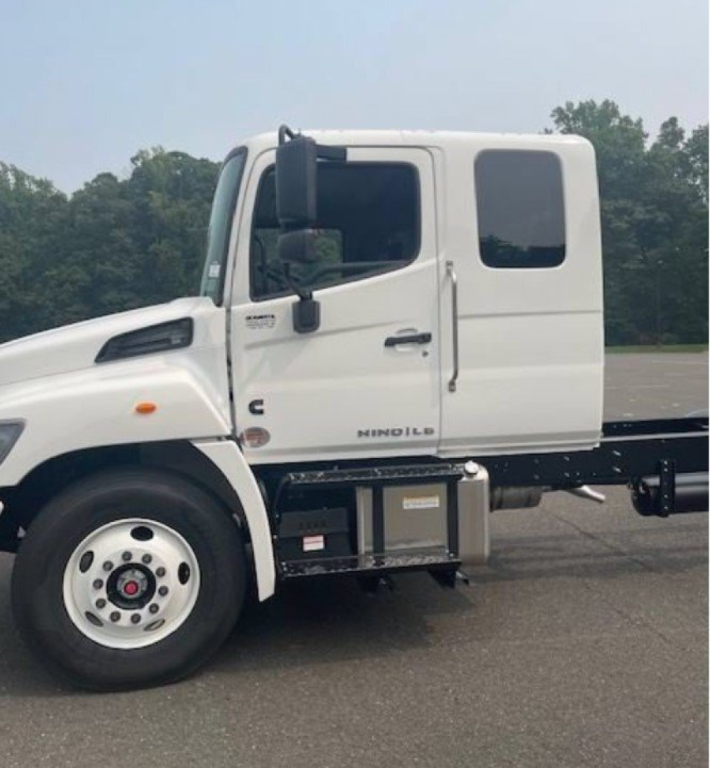
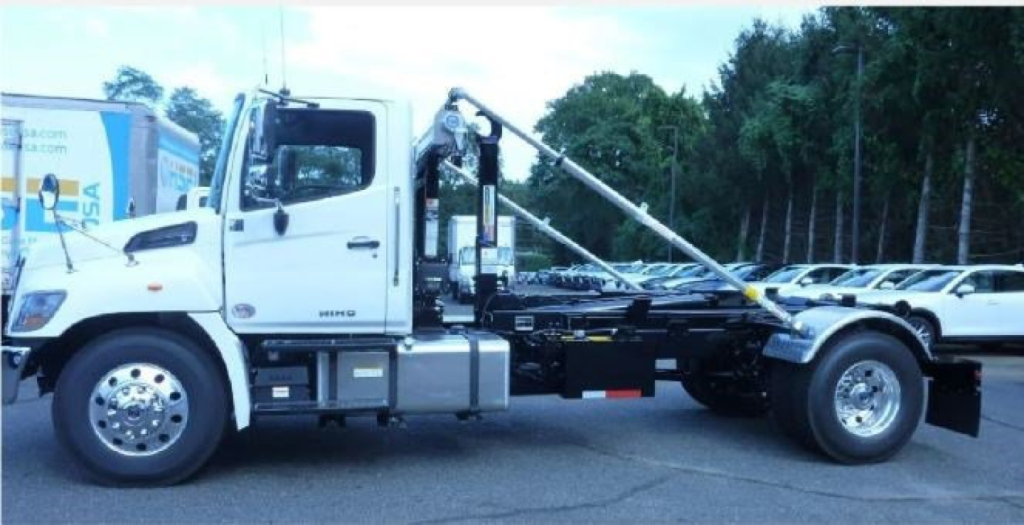
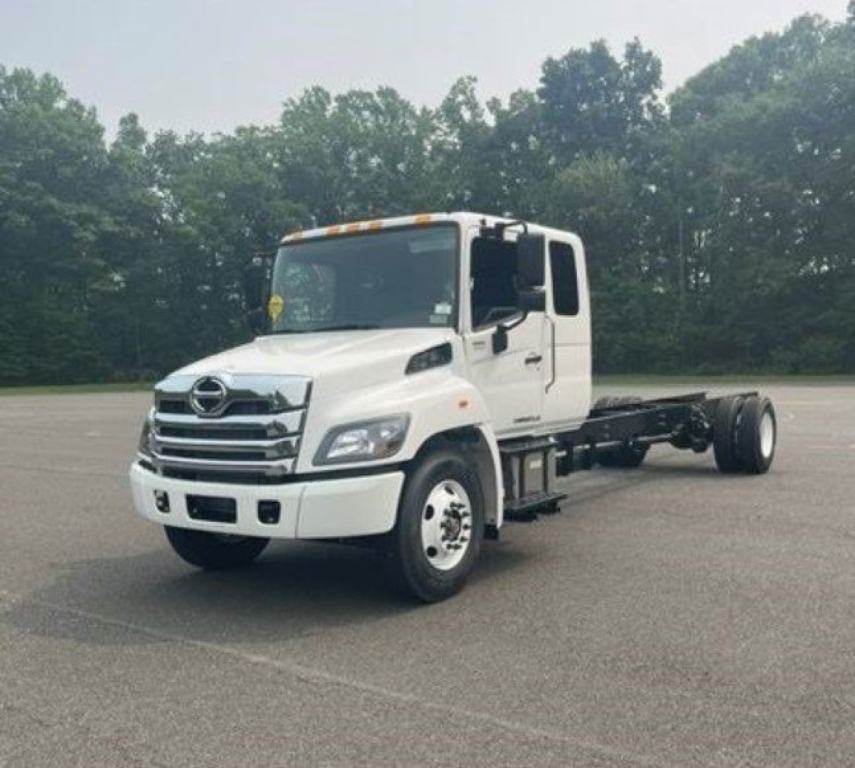
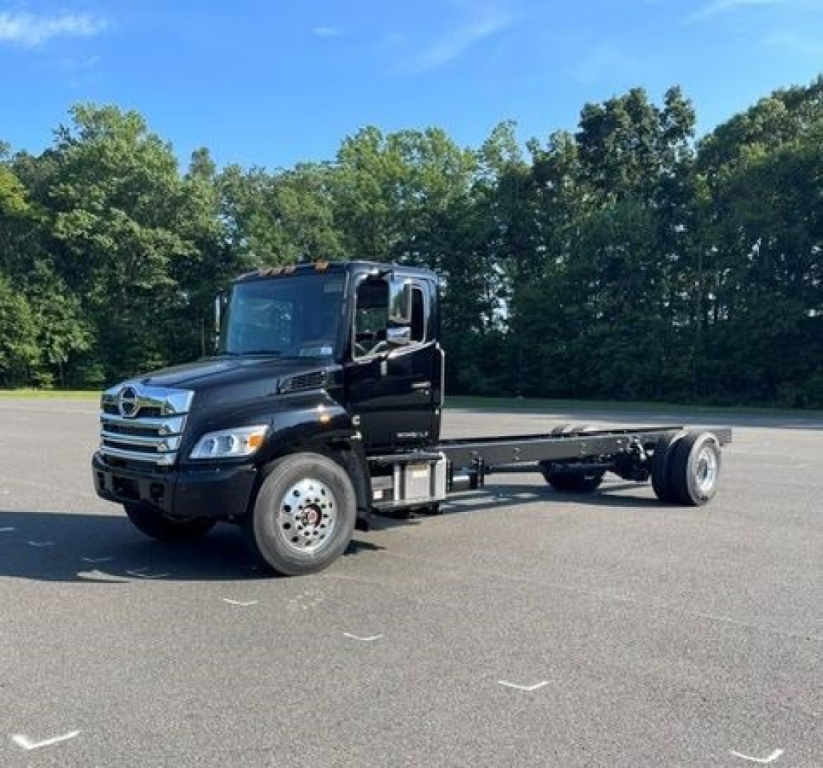
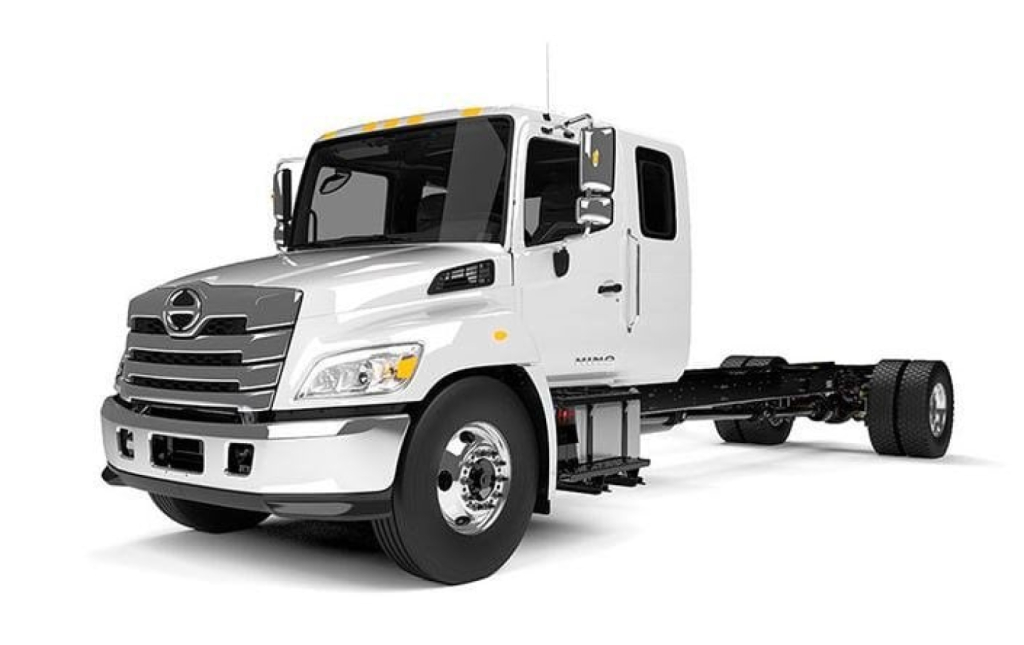
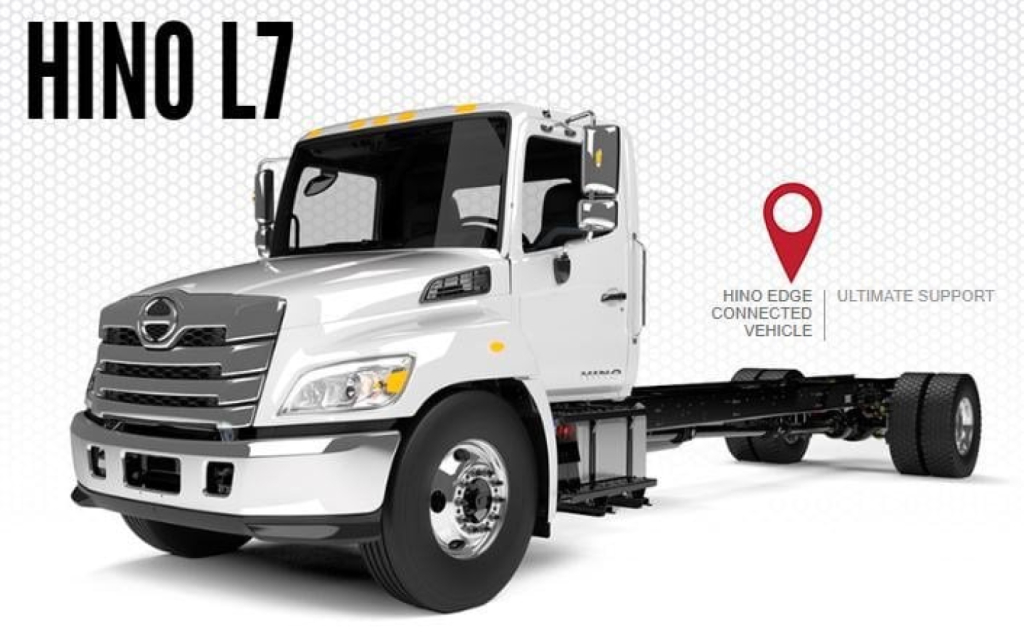
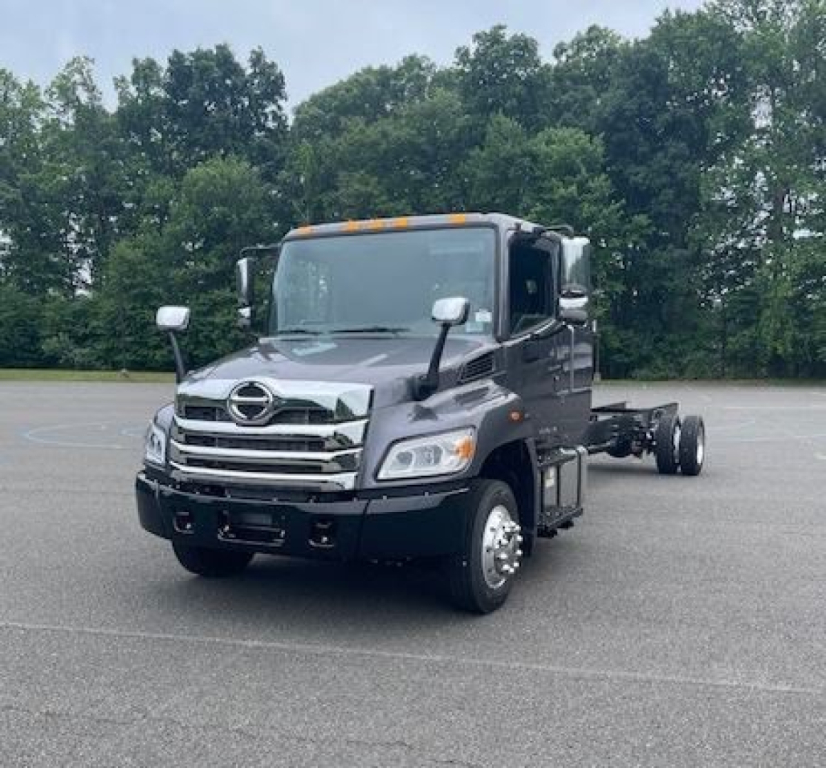
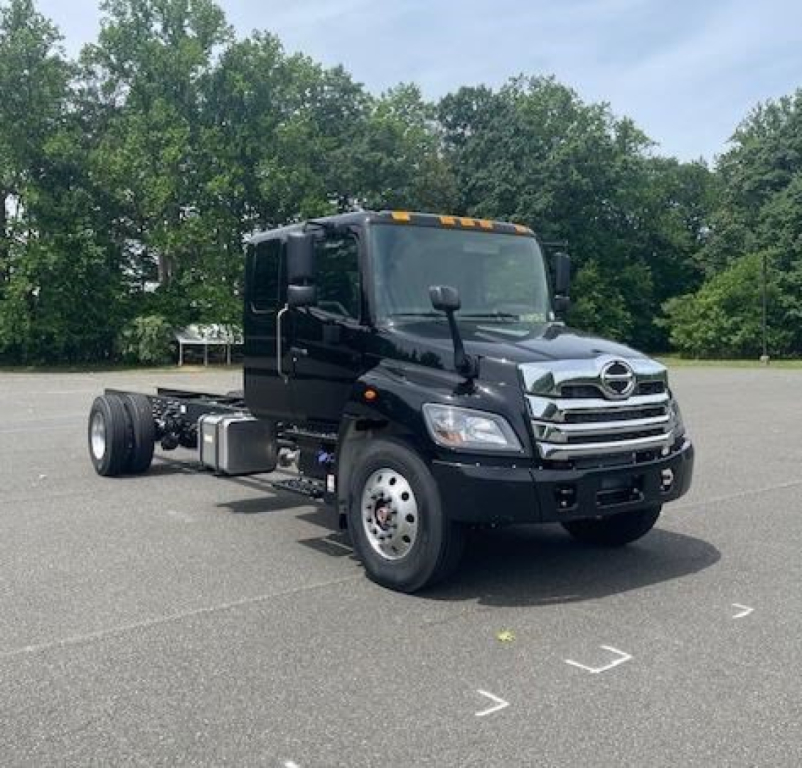
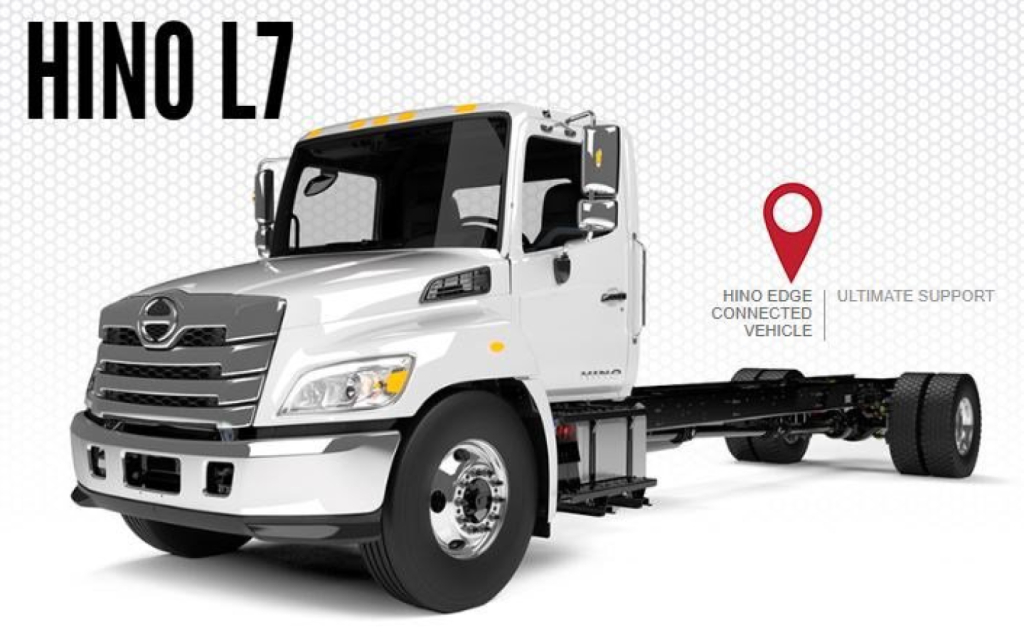
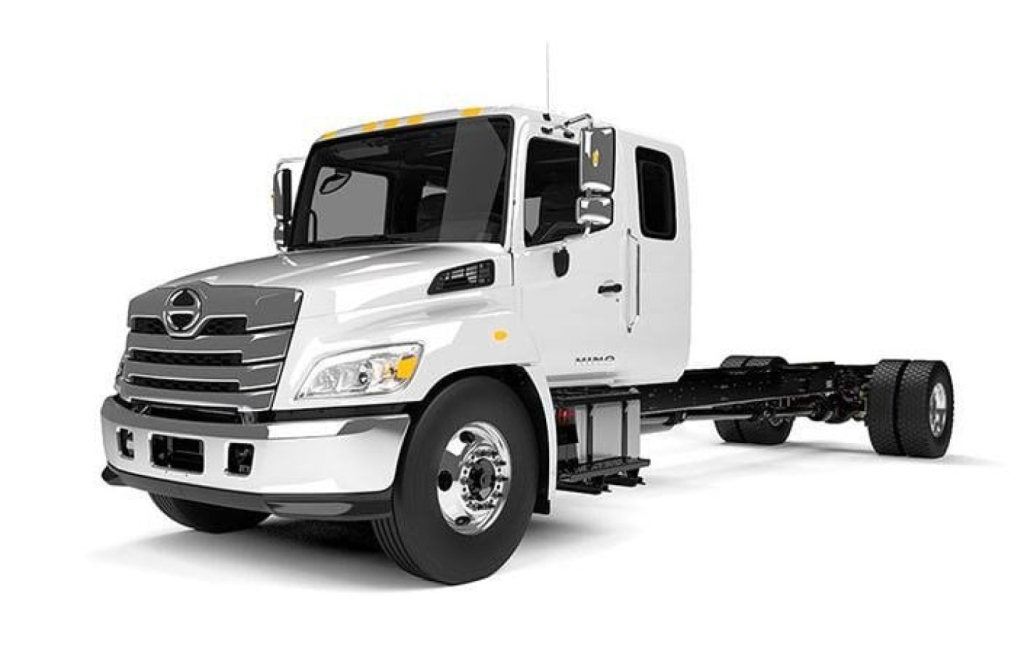
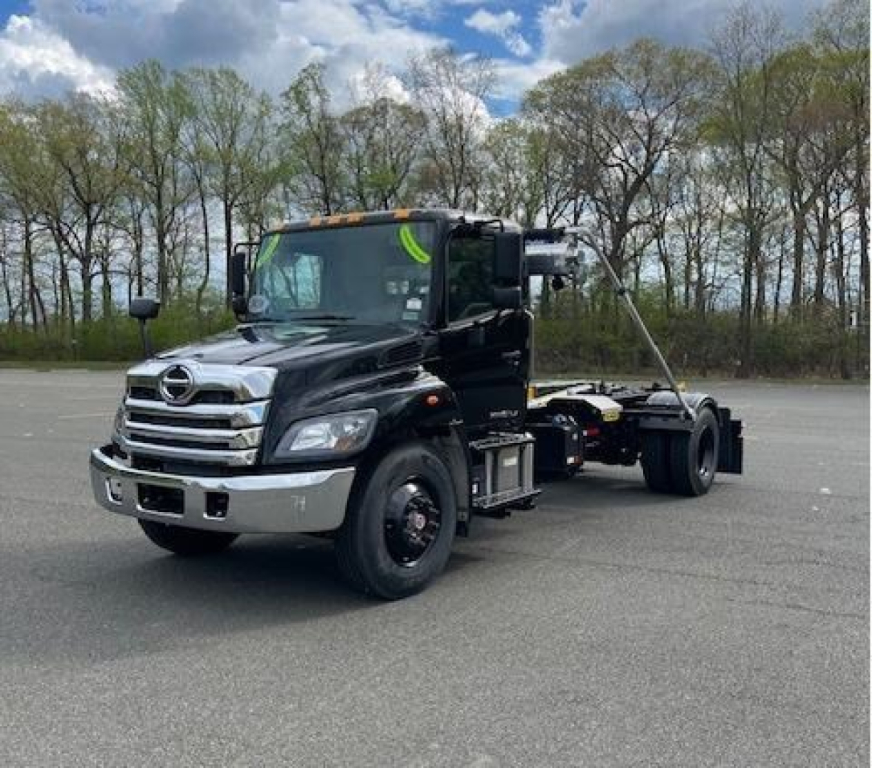
Shop new 2027 Hino trucks including L Series and XL models for box, dump, tow, and cab and chassis applications.
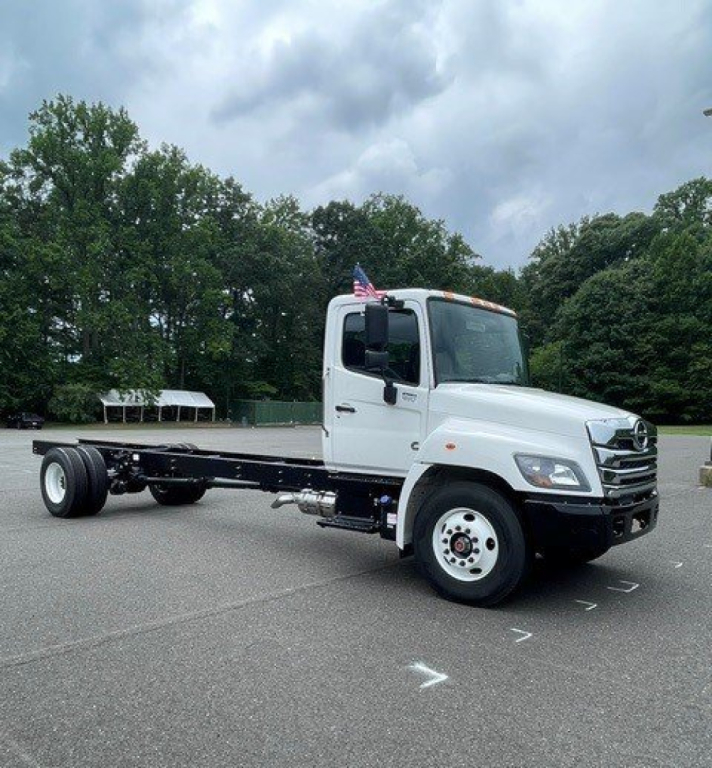
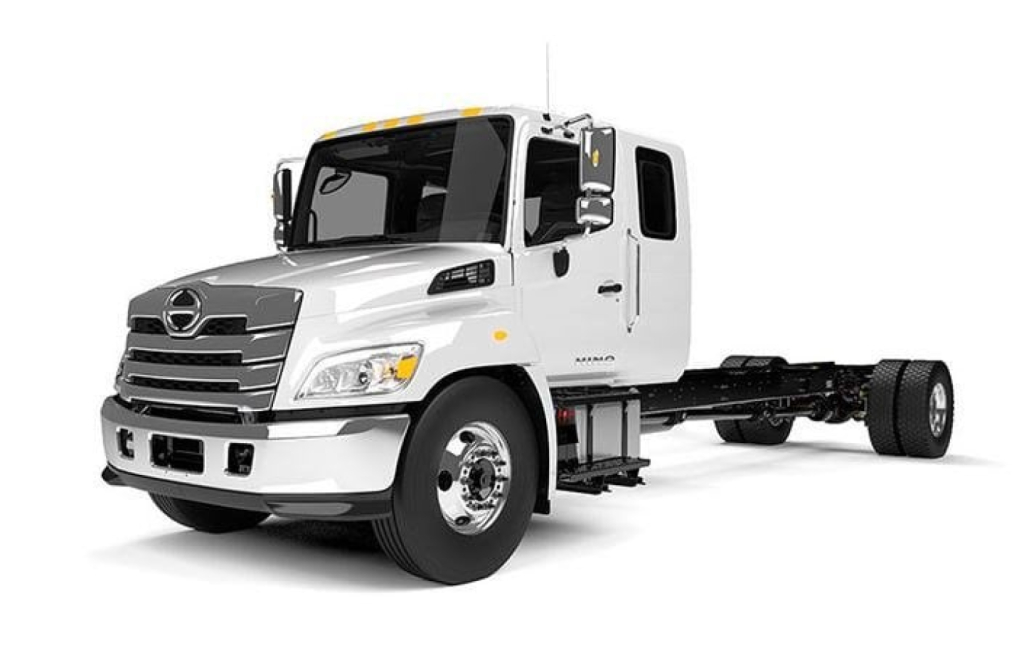
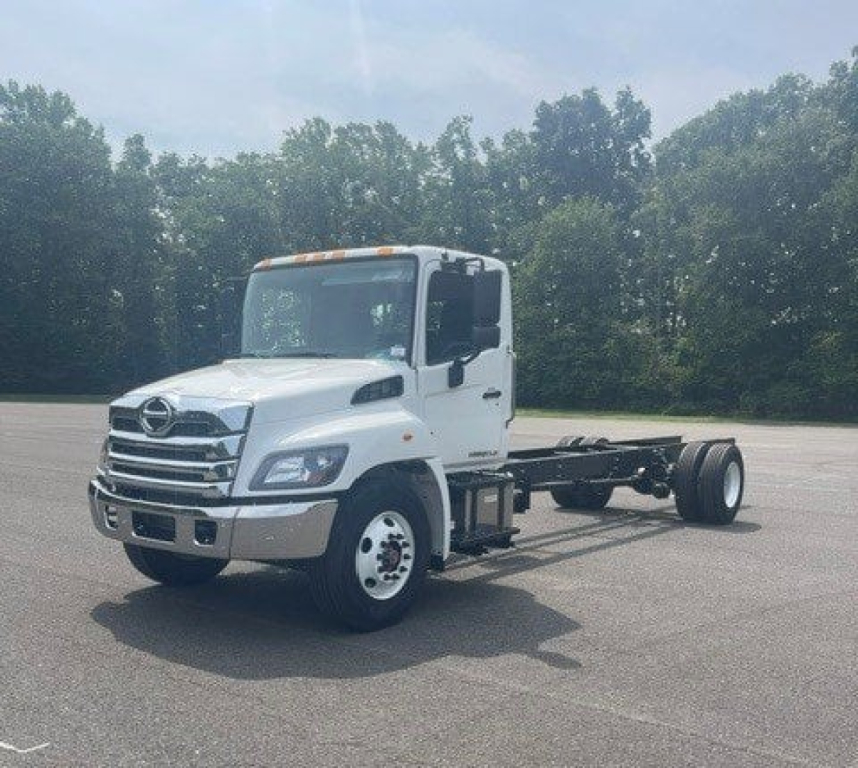
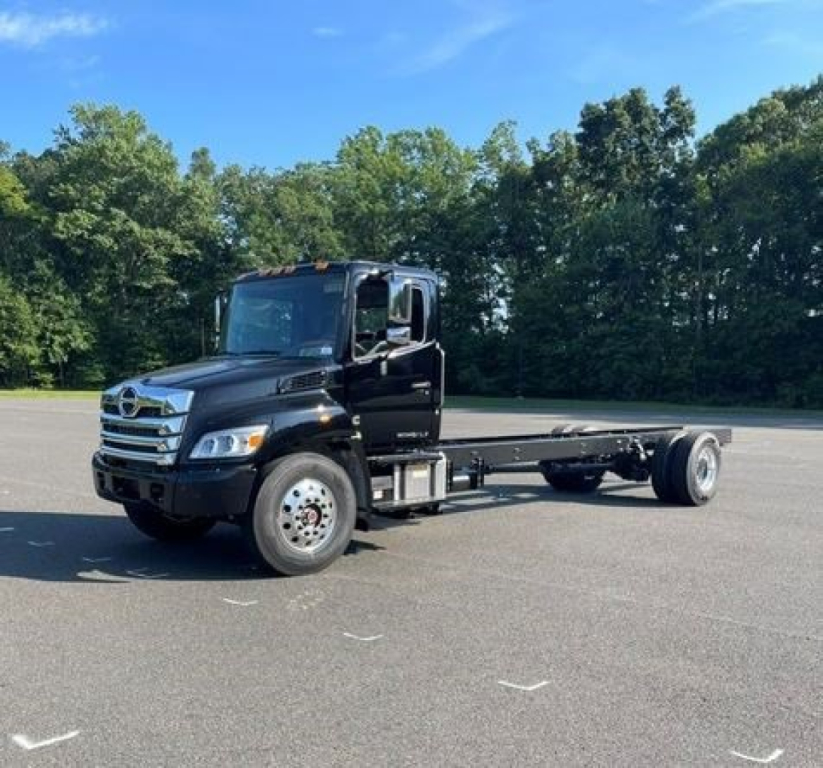
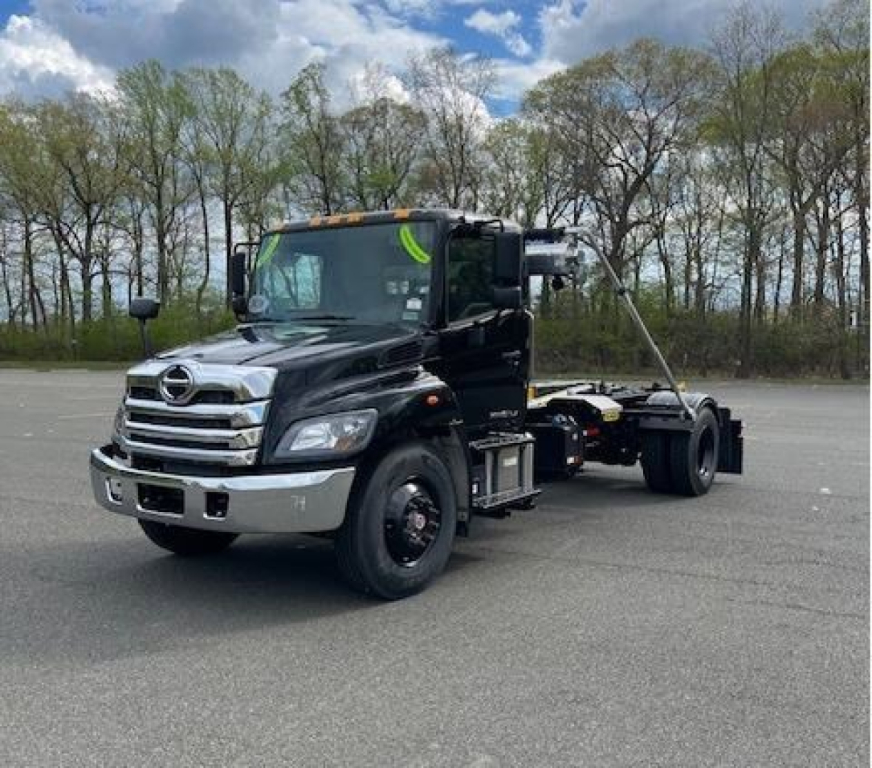
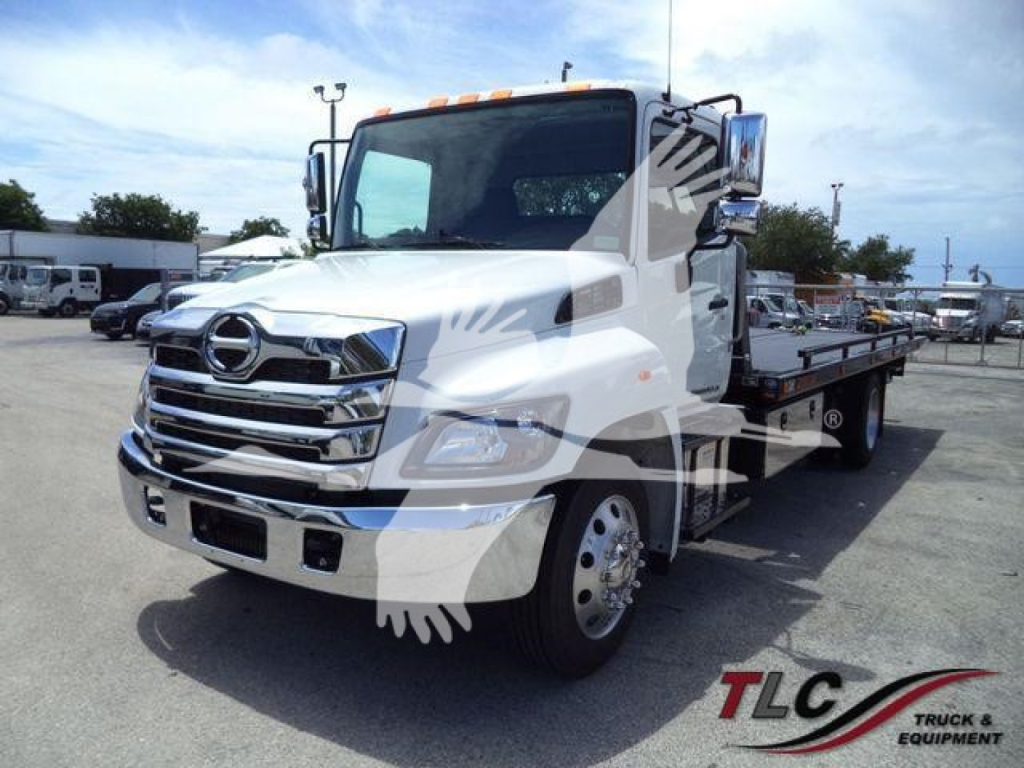
Selling a new 2027 hino truck? List your new 2027 hino truck for sale and reach thousands of commercial buyers.
New 2027 Hino Trucks
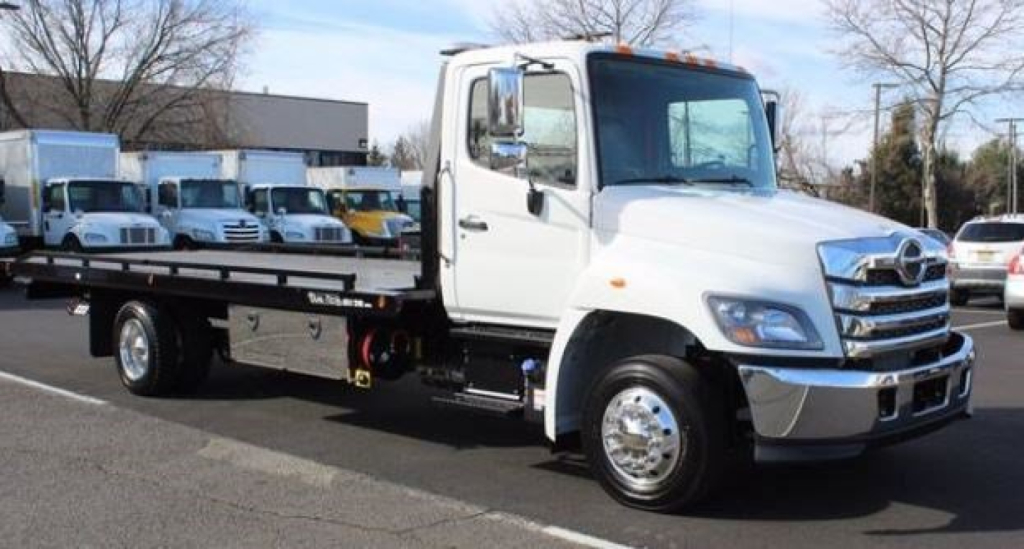
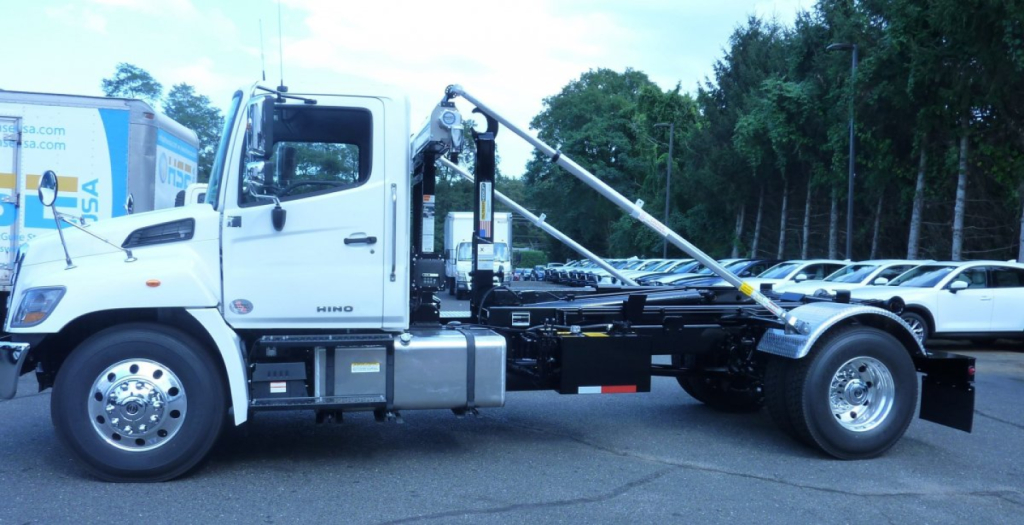
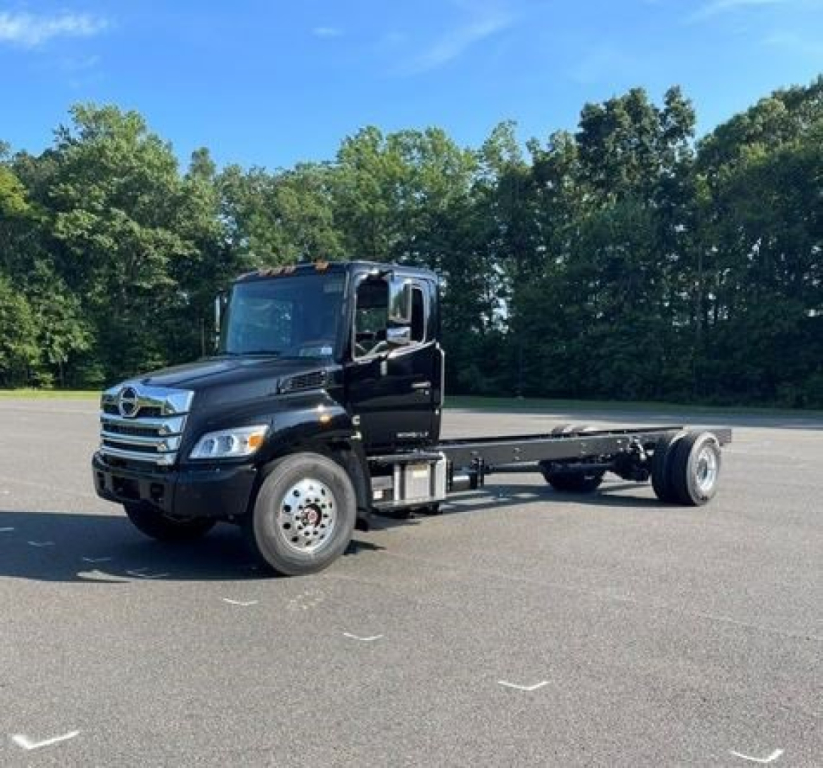
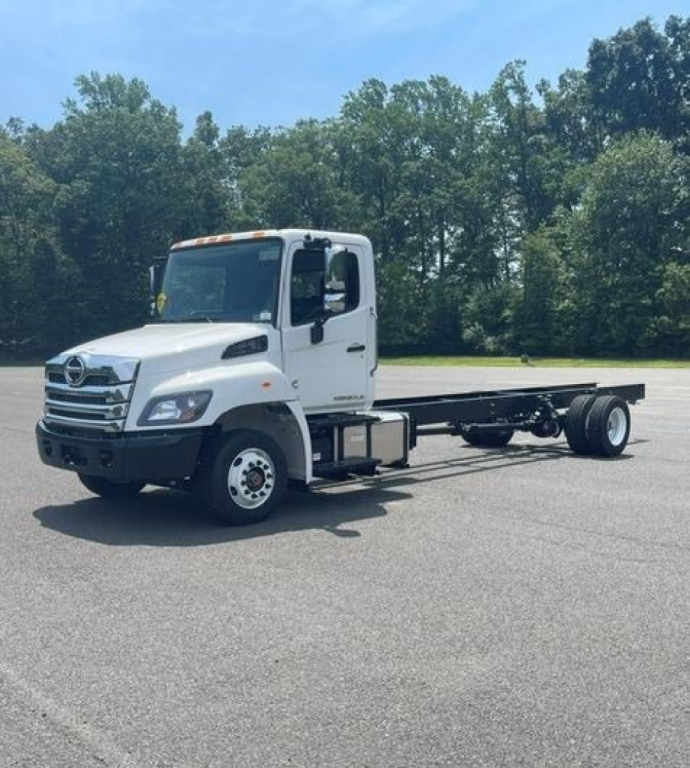
For many buyers, the appeal of a new Hino truck is the balance between maneuverability and vocational flexibility. Common configurations include cab and chassis units ready for upfit, box trucks with liftgates, dump trucks, and carriers for towing or recovery work. Specs often include automatic Allison transmissions, hydraulic or air brake setups depending on class, and wheelbases selected around body length requirements. On heavier models, front axle capacity, rear axle ratio, suspension type, and tire size matter as much as horsepower. A truck spec'd for urban P&D work will look very different from one built for a 26-foot van body or a 12-foot contractor dump body.
Powertrain selection is especially important on new Hino trucks because the intended route profile changes what works best. Lower-speed city delivery usually favors ratios and transmission programming that improve launch, drivability, and PTO performance, while regional work may benefit from a setup that keeps engine speed in a more efficient operating range. Buyers should also look closely at fuel tank size, cab ergonomics, visibility, seat configuration, and upfitter-friendly frame dimensions. Features such as heated mirrors, air ride driver seats, power windows and locks, aluminum wheels, and telematics compatibility can make a real difference in retention and daily uptime.
A good 2027 Hino truck spec is the one that matches the body, payload, and route without overbuying capacity. If the truck will carry a van body, check inside body height, liftgate rating, and cargo control options like E-track or liner packages. If it is being used as a dump or rollback, confirm PTO provisions, frame strength, suspension capacity, and legal operating weight in your state. Hino trucks are often chosen by fleets that want medium-duty diesel capability with familiar vocational components, easy service access, and configurations that can be tailored for delivery, construction, towing, and municipal work.
Frequently Asked Questions about New 2027 Hino Trucks
What are the most common applications for new Hino trucks?
New Hino trucks are commonly used for box truck delivery, refrigerated delivery, dump work, flatbed and landscape service, rollback towing, and cab and chassis upfits. The L Series and XL Series are especially popular in medium-duty applications where buyers need a truck that can be matched to a specific body length, liftgate requirement, or vocational package. The right application depends on GVWR, wheelbase, axle capacity, and the body being installed.
What should I look at first when comparing new 2027 Hino trucks?
Start with GVWR, front and rear axle ratings, wheelbase, and the intended body or trailer equipment. Those four items usually determine whether the truck will handle the payload, accept the upfit, and stay compliant in your operating area. After that, compare engine horsepower, torque, rear axle ratio, transmission model, suspension type, and brake system to make sure the truck fits the route and duty cycle.
Are Hino trucks a good choice for box truck and delivery fleet use?
Hino trucks are a strong fit for box truck and delivery fleet work because they are widely spec'd for medium-duty urban and regional service. Buyers often pair them with van bodies, liftgates, cargo control systems, and driver comfort features that support frequent stops and long workdays. A proper delivery spec should consider body length, door style, liftgate capacity, turning radius, fuel capacity, and cab comfort just as much as engine output.
Can a new Hino truck be ordered or configured for non-CDL operation?
Some Hino trucks can be spec'd or de-rated to fit non-CDL applications, often around a 25,950-pound GVWR target, but the legal and operational fit depends on the exact truck, body, payload, and state requirements. Buyers should verify VIN-rated GVWR, registered weight, axle ratings, and local regulations before assuming a truck qualifies for non-CDL use. A non-CDL setup can be attractive for delivery, dump, and municipal work, but payload capacity must still match the job.
What body and upfit factors matter most on a Hino cab and chassis?
The most important upfit factors are frame length, wheelbase, cab-to-axle measurement, PTO compatibility, and axle and suspension capacity. Those measurements determine whether the chassis will properly accept a van body, dump body, rollback, service body, or reefer setup. Buyers should also confirm fuel tank placement, exhaust routing, electrical provisions, and any body-builder guidance so the finished truck performs correctly and remains serviceable.