
New Hino Trucks For Sale in New Mexico
Shop new Hino trucks for sale in New Mexico. Compare L6 and L7 models, GVWR, wheelbase, body upfit options, and medium-duty specs.
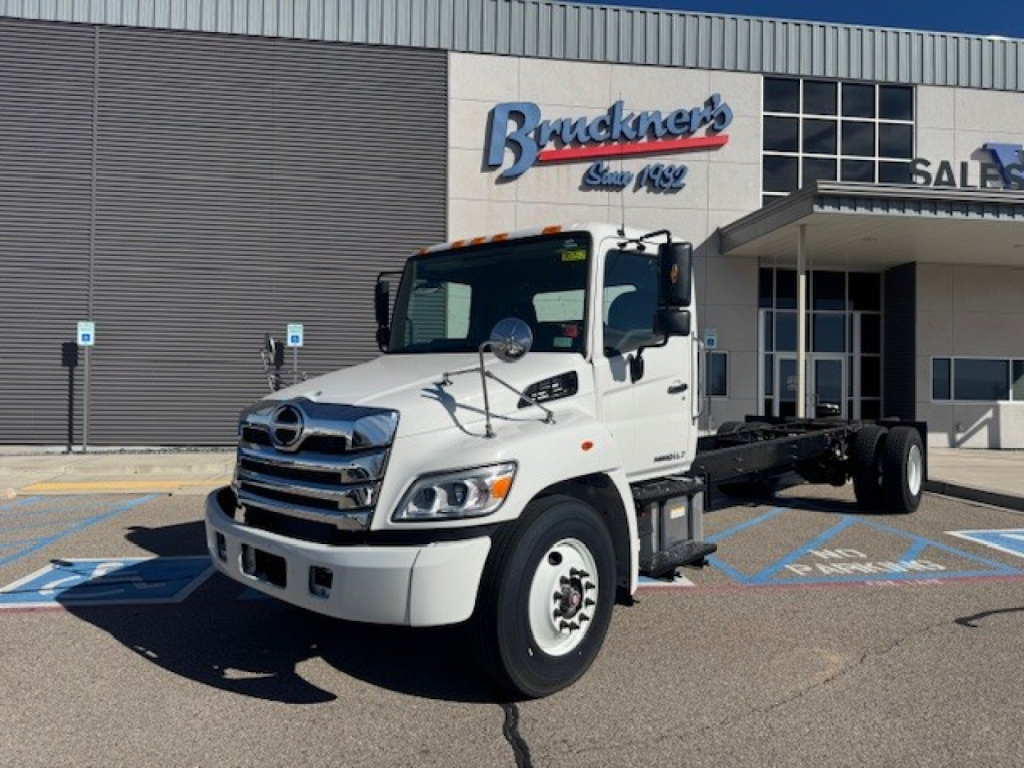
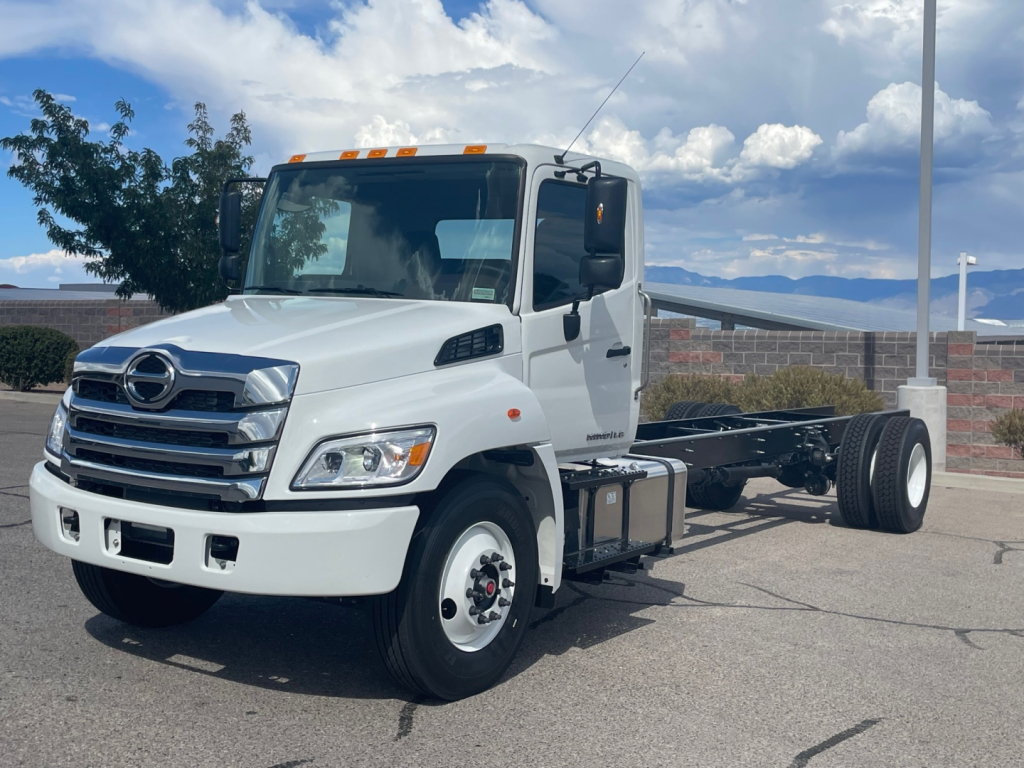
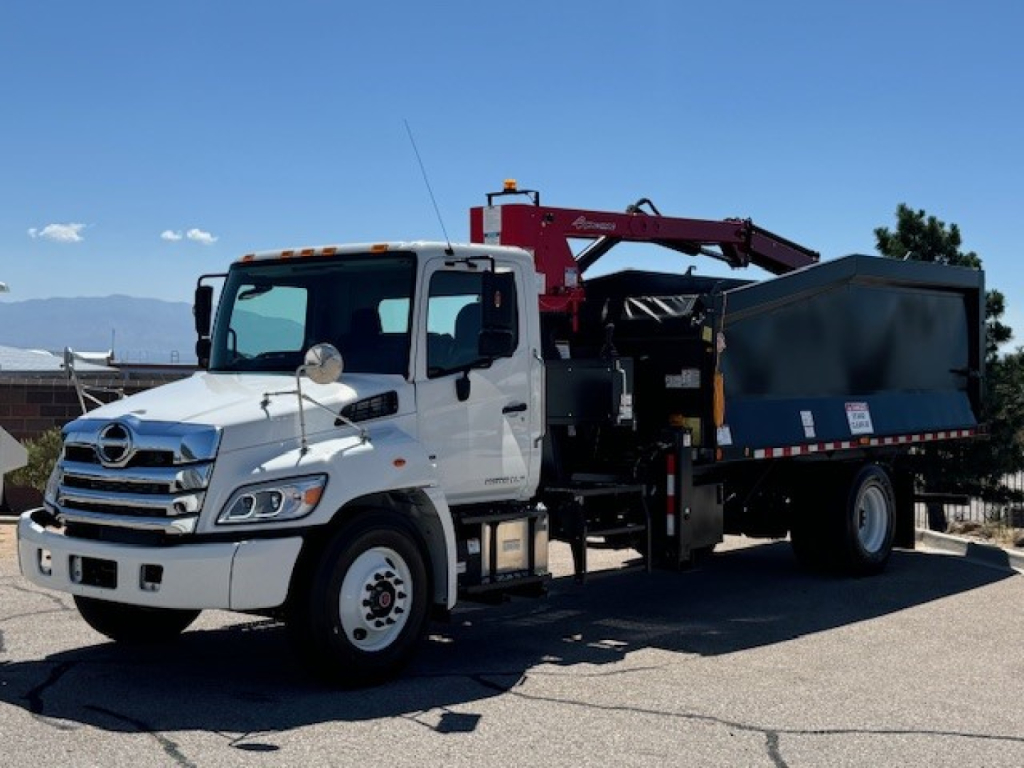
Selling a new hino truck? List your new hino truck for sale and reach thousands of commercial buyers.
New Hino Trucks in New Mexico
Frequently Asked Questions about New Hino Trucks in New Mexico
What is the difference between a Hino L6 and a Hino L7?
The Hino L6 is typically spec'd as a Class 6 medium-duty truck, often around 25,950 to 29,000 GVWR, and is commonly used for box trucks, delivery bodies, and lighter vocational work. The Hino L7 moves into heavier Class 7 applications, commonly around 33,000 GVWR, with stronger axle ratings, heavier frame options, and better suitability for dump bodies, grapple loaders, and other higher-payload upfits. Buyers usually choose between them based on body weight, expected payload, and whether the truck will spend more time in delivery service or vocational duty.
What engines and transmissions are common in new Hino trucks?
Recent Hino medium-duty trucks commonly use the Cummins B6.7 diesel paired with an Allison automatic transmission such as the 2200 RDS or 3000 RDS. In many specs, horsepower is around 260, which is well matched to regional and vocational medium-duty work. The Allison automatic remains popular because it is familiar to fleets, easy to train drivers on, and well suited for stop-and-go routes, PTO applications, and body equipment that benefits from automatic operation.
What wheelbase should I choose on a new Hino truck?
Wheelbase depends on the body length, body type, and weight distribution requirements. A 271-inch wheelbase is common for 26-foot box truck applications, while shorter wheelbases may be used for dumps, grapples, or other vocational setups that need better maneuverability. Buyers should confirm body builder requirements, axle placement, and bridge law considerations before finalizing a spec. The right wheelbase affects turning radius, upfit compatibility, and how well the truck carries weight across the axles.
Are air brakes and air ride suspension worth it on a new Hino?
Air brakes are often preferred when the truck is working at higher GVWRs, in vocational service, or in fleets that already maintain air-brake equipment. Air ride suspension can improve ride quality and help protect sensitive cargo, which makes it attractive on dry van and regional delivery specs. For dump or severe-duty applications, many buyers still choose multi-leaf or spring suspension for durability and simpler maintenance. The best choice depends on route conditions, body type, cargo sensitivity, and how the truck will be loaded day to day.
What should buyers in New Mexico pay attention to when spec'ing a new Hino truck?
In New Mexico, buyers should consider altitude, heat, long regional distances, and mixed urban-rural operating conditions. Cooling performance, rear axle ratio, fuel capacity, and suspension choice matter more when trucks see mountain grades, rough access roads, or wide service areas between stops. A delivery truck in Albuquerque may prioritize maneuverability and liftgate compatibility, while a vocational chassis working oilfield support, construction, or municipal routes may need higher axle ratings, locking differentials, and a heavier suspension package.