
New Hino Trucks For Sale in Arkansas
Shop new Hino trucks for sale, including L7 and S5 models with cab and chassis, dump, and stake bed configurations.
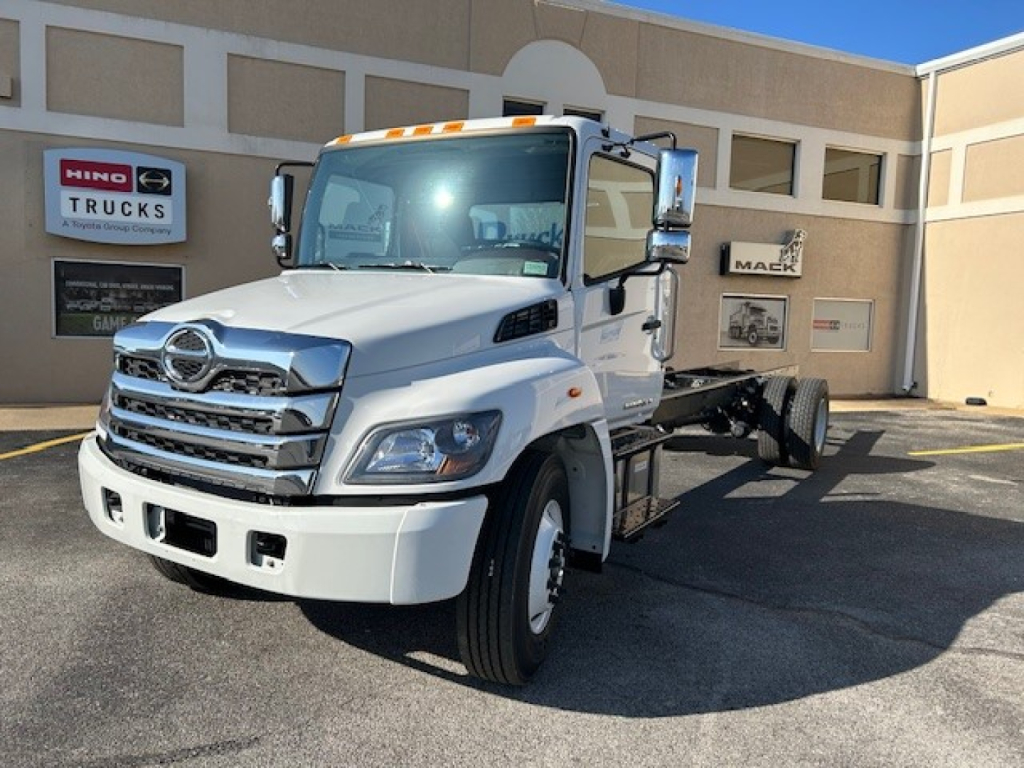
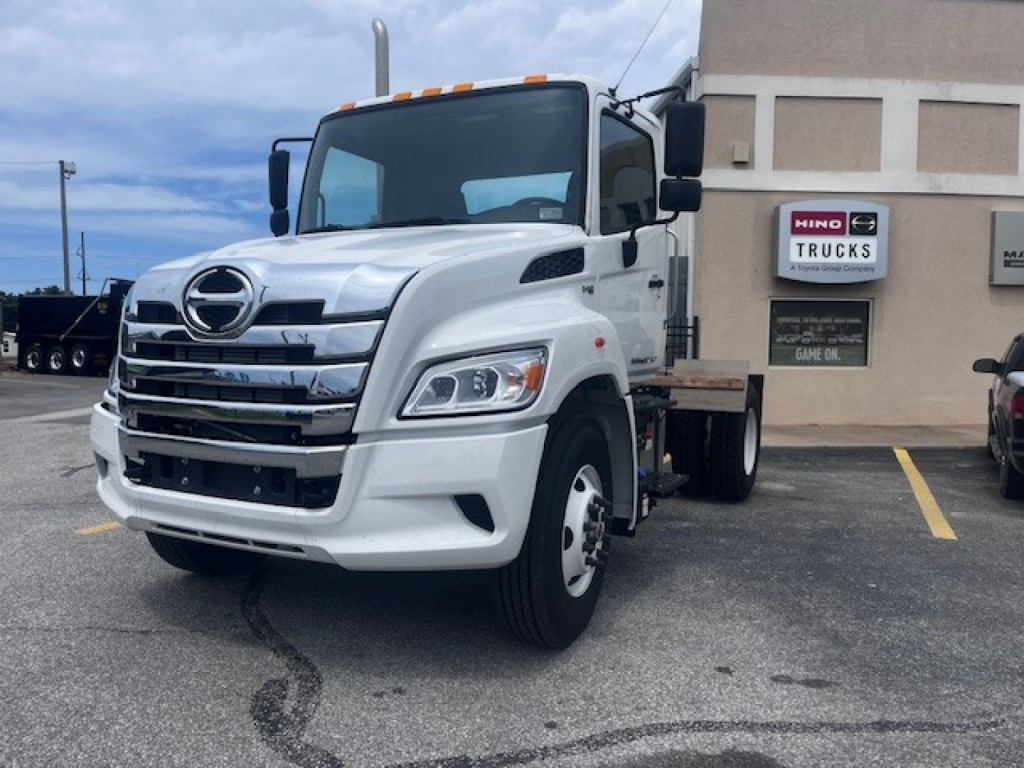
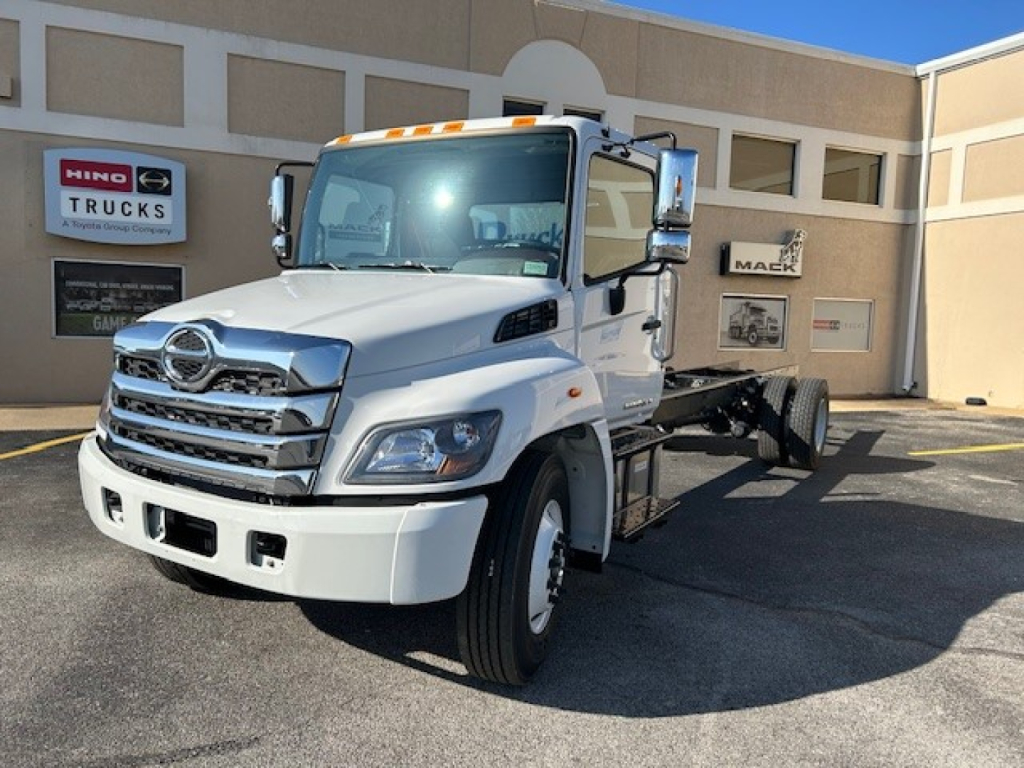
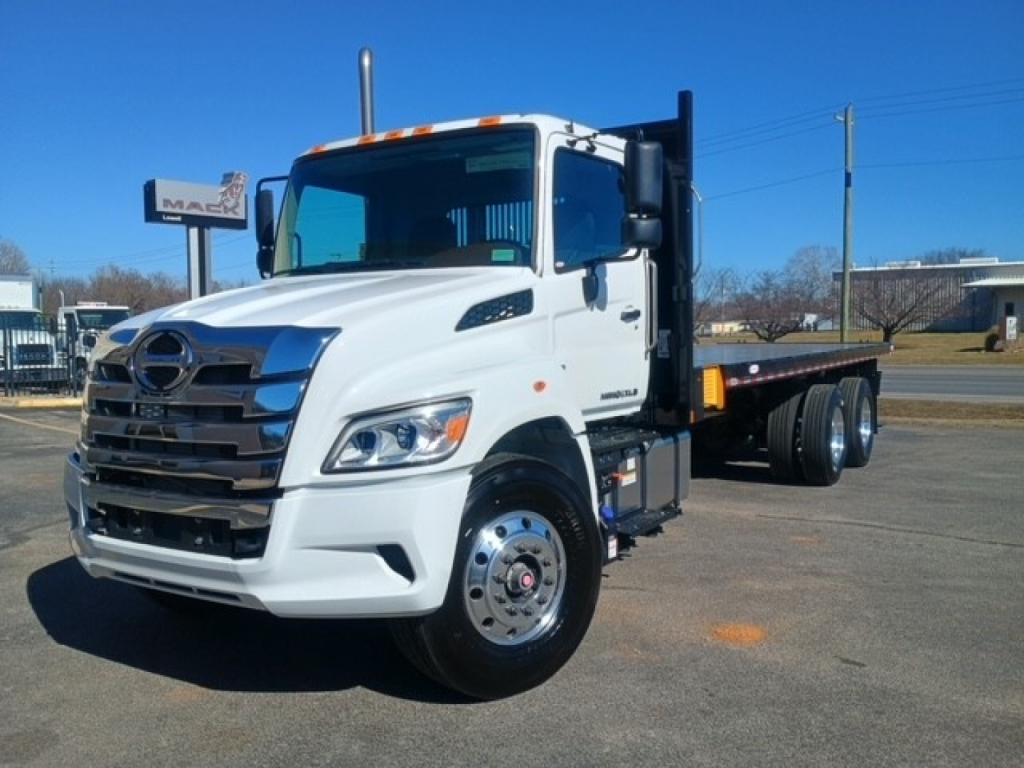
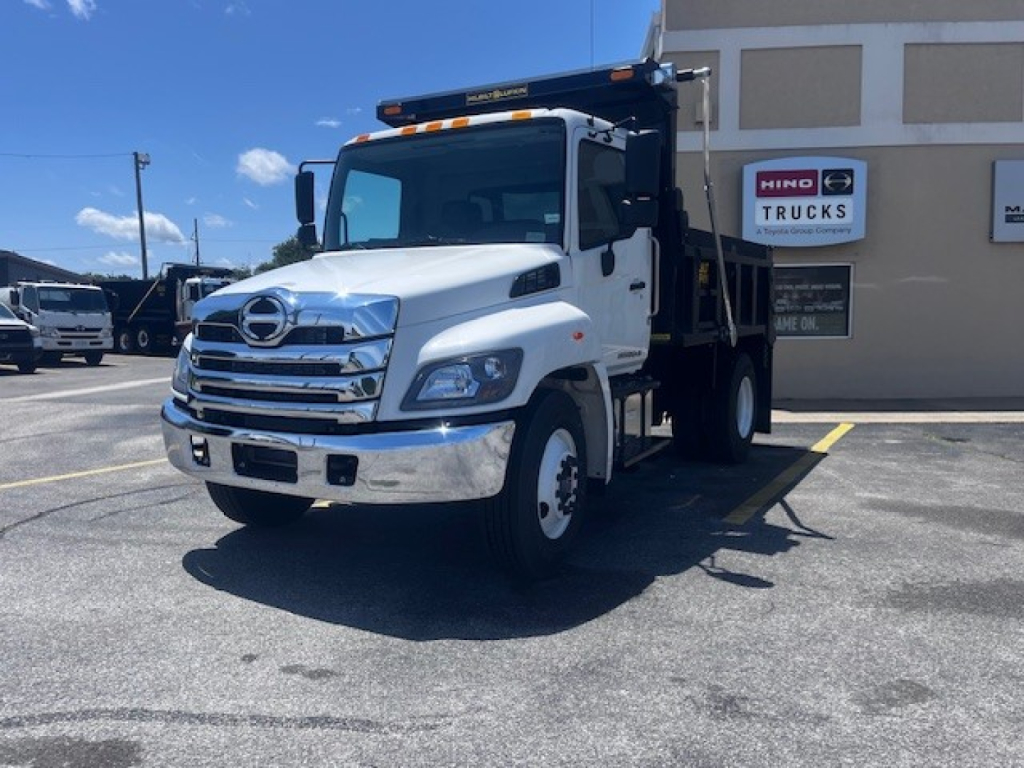
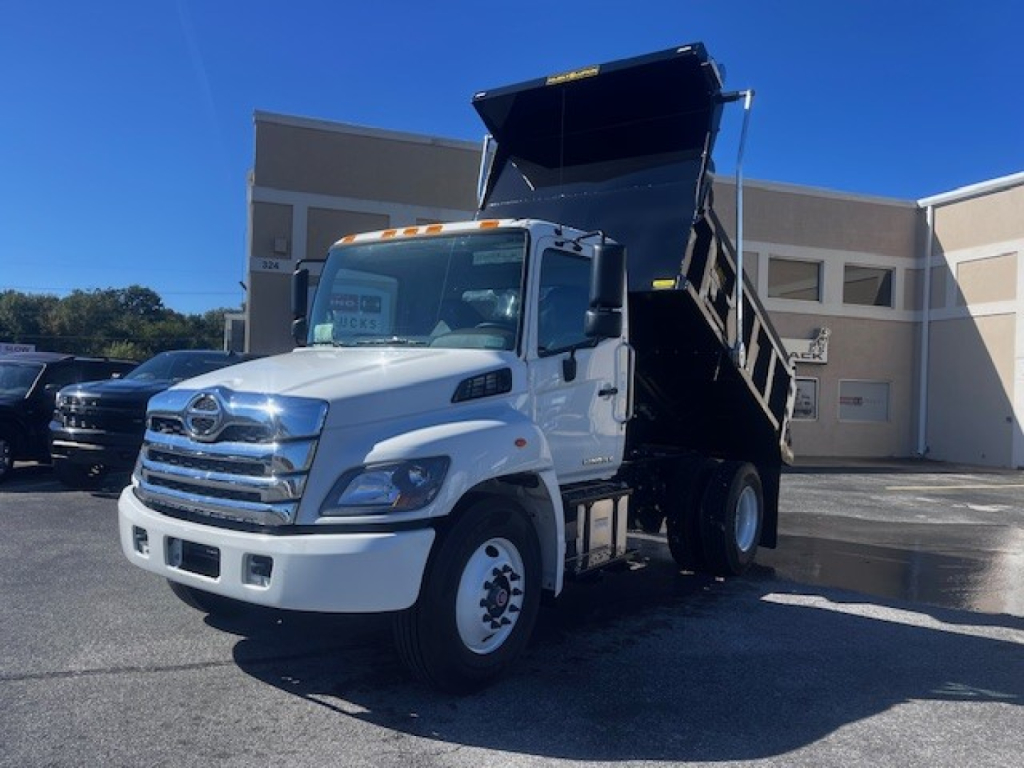
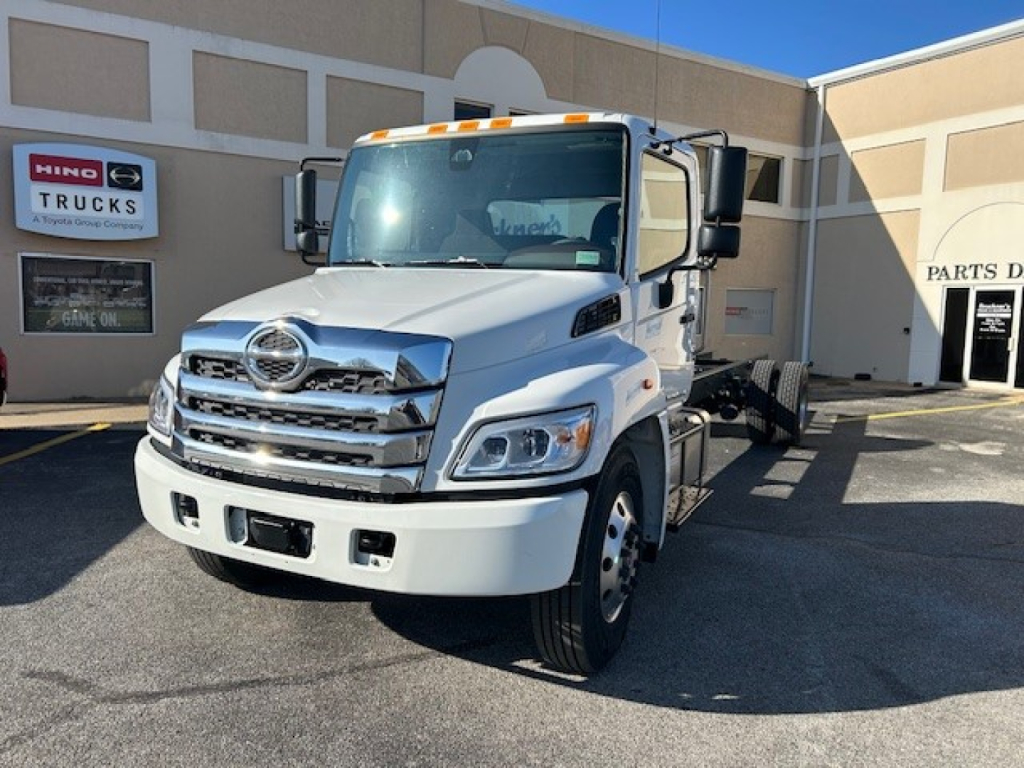
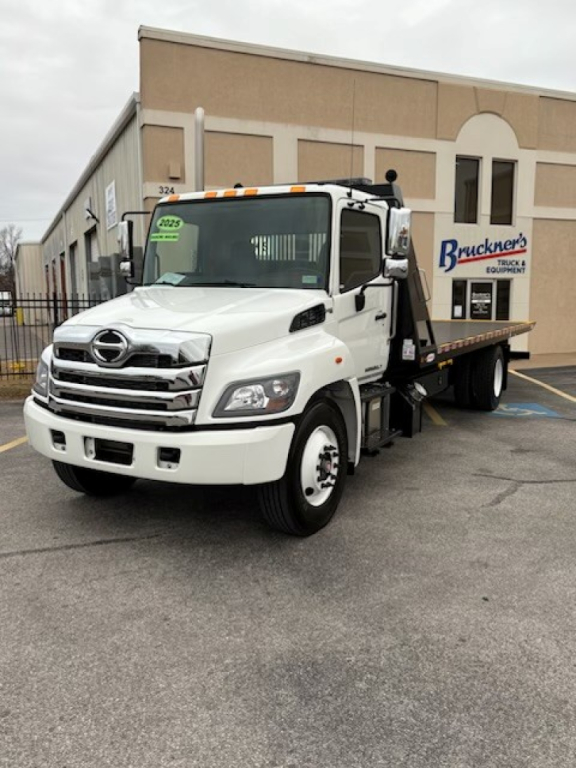
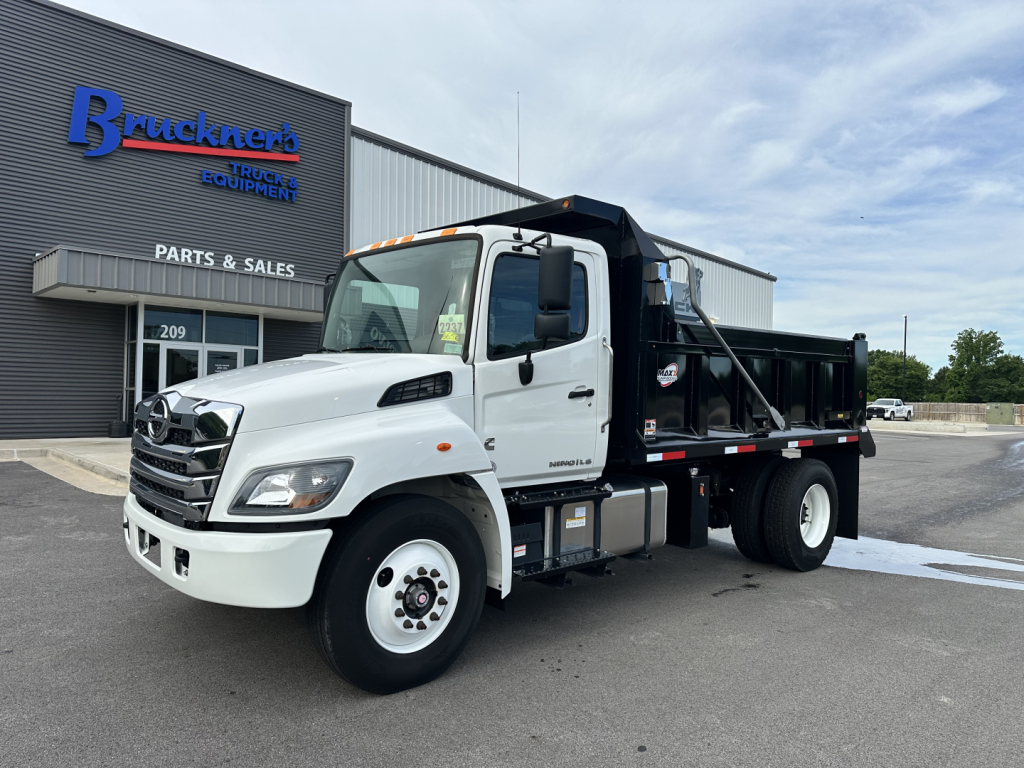
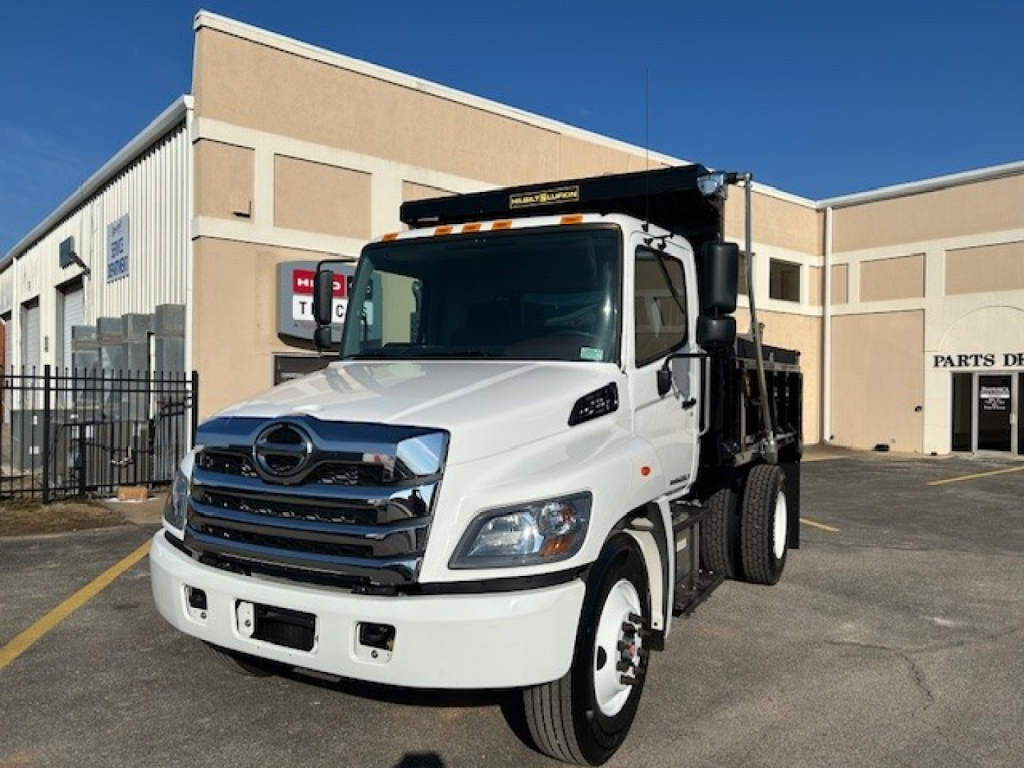
Selling a new hino truck? List your new hino truck for sale and reach thousands of commercial buyers.
New Hino Trucks in Arkansas
The biggest buying decision is usually application fit. A Hino S5 is often chosen for local delivery, landscape supply, municipal service, and stake bed work where maneuverability and visibility matter. Cab-forward packaging helps on tighter streets and at crowded job sites, and many units stay below CDL thresholds depending on body and final spec. The Hino L7 is the step up for higher GVWR, larger bodies, and more demanding vocational duty. It is commonly spec'd as a cab and chassis, dump truck, or platform truck with Cummins B6.7 power, Allison automatic transmissions, PTO provision, and rear axle ratios selected for either stop-and-go work or better road speed balance.
Body-builder compatibility is a key strength in this category. Buyers shopping new Hino trucks should look closely at wheelbase, cab-to-axle, frame strength, front axle capacity, rear suspension type, and PTO requirements before comparing price. Spring suspension is common on dump and severe-service builds, while air suspension may appear on tandem or ride-sensitive applications. On vocational units, details like hitch rating, tarp systems, toolbox placement, stake side design, and lighting package affect daily usability more than a headline horsepower number. For fleet buyers, consistency in transmission family, brake spec, and body controls can also simplify driver training and maintenance.
For Arkansas operations, it pays to match the truck to the route and terrain. Short-wheelbase L7 dumps are a practical fit for construction, aggregates, and municipal work, while longer-wheelbase chassis suit van bodies, rollback bodies, and specialty upfits. Rear ratios in the mid-5s to low-6s are common on work-truck specs that prioritize launch and PTO performance, while tandem setups with higher axle capacity serve heavier payload and equipment-hauling needs. When comparing new Hino trucks for sale, focus on legal payload after upfit, service access, transmission-PTO compatibility, and whether the chassis is already configured for the body you need. That is usually what separates a truck that works on paper from one that works profitably every day.
Frequently Asked Questions about New Hino Trucks in Arkansas
What are the main differences between a Hino S5 and a Hino L7?
The Hino S5 is a smaller medium-duty cab-forward truck typically used for delivery, stake bed, and urban service applications where maneuverability is important. It often comes in under-CDL GVWR ranges and uses a lighter-duty axle and suspension package. The Hino L7 is a larger conventional model built for heavier vocational work such as dumps, larger flatbeds, and body-ready chassis applications. It generally offers higher GVWR, stronger axle ratings, larger body capacity, and more flexibility for severe-duty upfits.
Is a new Hino truck a good choice for dump truck work?
A new Hino L7 can be a strong fit for dump applications when the chassis is properly matched to the body, hoist, and payload target. Buyers should pay attention to wheelbase, rear axle rating, frame section, suspension type, PTO setup, and rear ratio. For a 5 to 7 yard class dump body, a single-axle L7 with a Cummins B6.7 and Allison automatic is a common vocational spec. The key is confirming that body weight, material density, and local bridge and axle laws still leave enough legal payload.
Can new Hino trucks be spec'd for under-CDL operation?
Yes, some new Hino trucks can be configured to remain under the 26,001-pound CDL threshold, especially in the smaller S Series. That said, the final answer depends on the completed vehicle weight after the body, liftgate, tools, and any mounted equipment are installed. A chassis that starts under CDL can move above the threshold once the upfit is complete. Buyers should verify final GVWR, actual curb weight, and intended cargo before assuming a truck will remain non-CDL.
What transmission and engine combinations are common in new Hino trucks?
In the current medium-duty market, Hino trucks are commonly paired with diesel engines and fully automatic transmissions suited for vocational and delivery work. In larger L7 applications, Cummins B6.7 or ISB6.7 engines are often matched with Allison 2500, 3000, or 3500 series automatics, sometimes with PTO provision for hydraulic equipment. In lighter cab-forward models like the S5, lower-horsepower diesel engines and 6-speed automatic transmissions are common. This combination is popular because it supports easy driver onboarding, predictable service operation, and strong compatibility with dump bodies, stake beds, and other work-truck upfits.
What specs matter most when comparing new Hino trucks for sale?
GVWR, wheelbase, cab-to-axle length, front and rear axle ratings, suspension type, rear ratio, and PTO capability are the first specs to review. Those numbers determine what body can be installed, how much legal payload remains, and how well the truck will perform in stop-and-go or jobsite service. After that, look at application-specific details such as hitch rating, dump body material, stake side configuration, toolbox layout, and lighting. Buyers who focus only on horsepower often miss the specs that control productivity and long-term operating cost.