
New Hino Trucks For Sale in Florida
Shop new Hino trucks for sale in Florida, including medium-duty L6 and 268A models for towing, rollback, carrier, and commercial body applications.
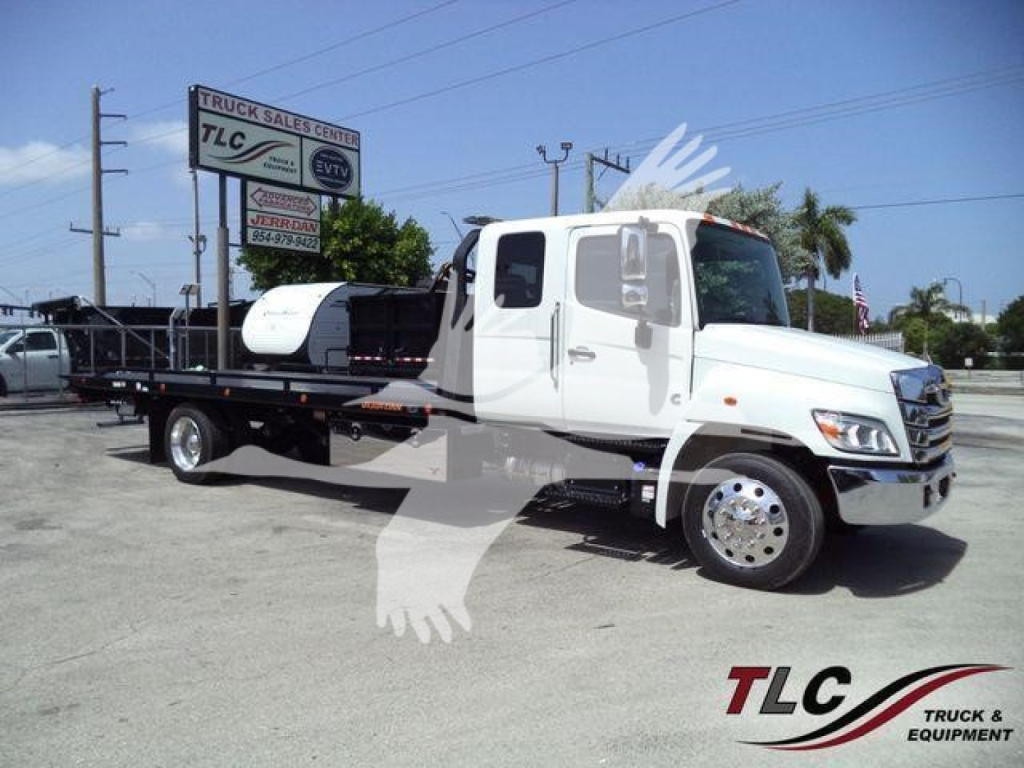
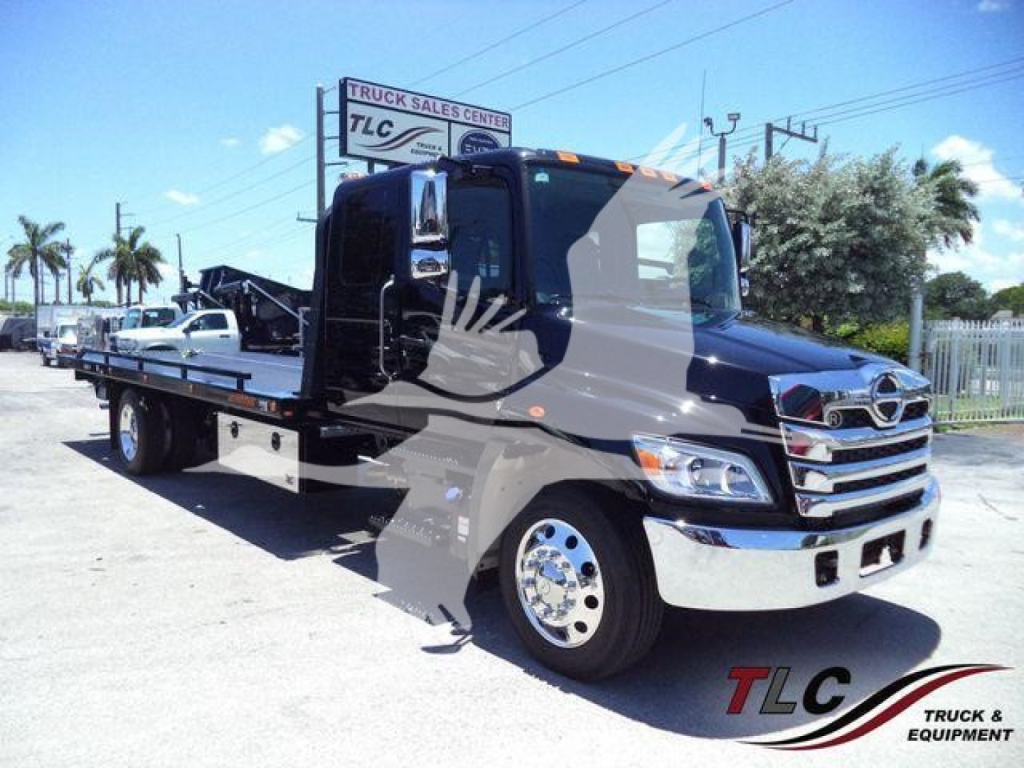
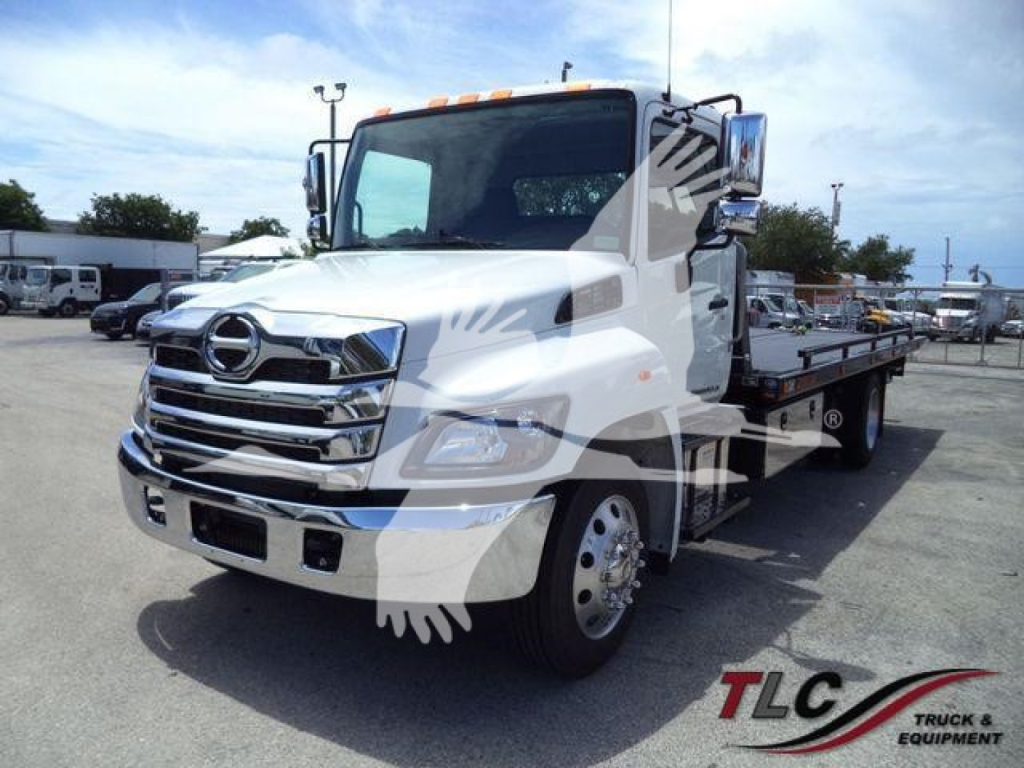
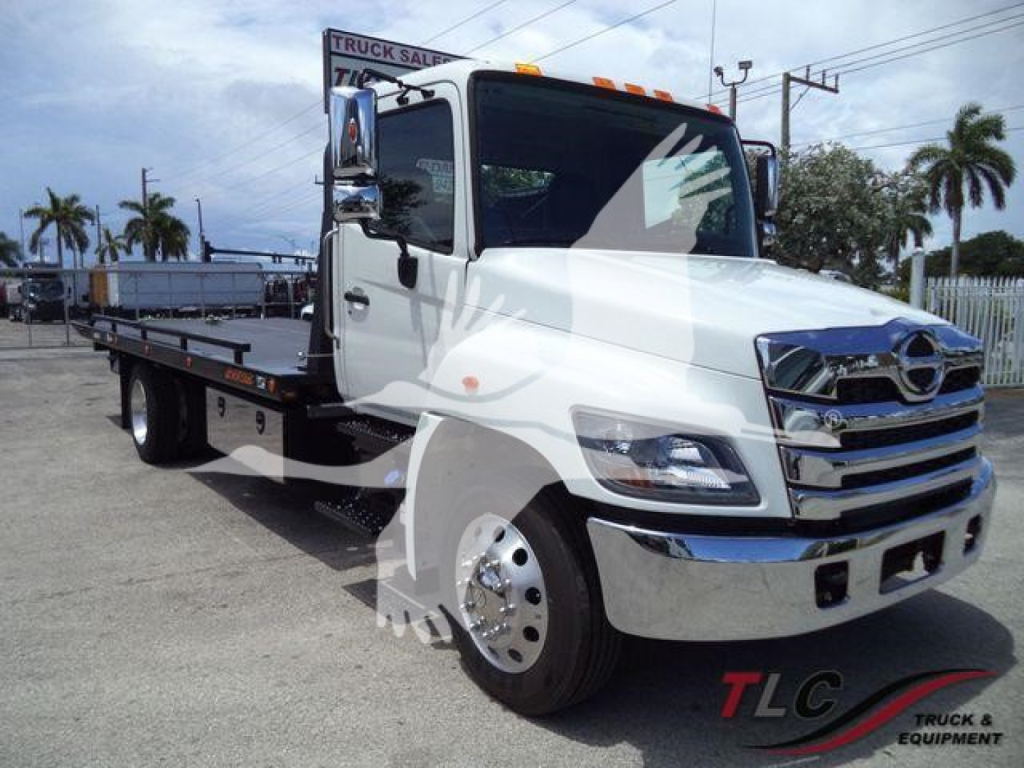
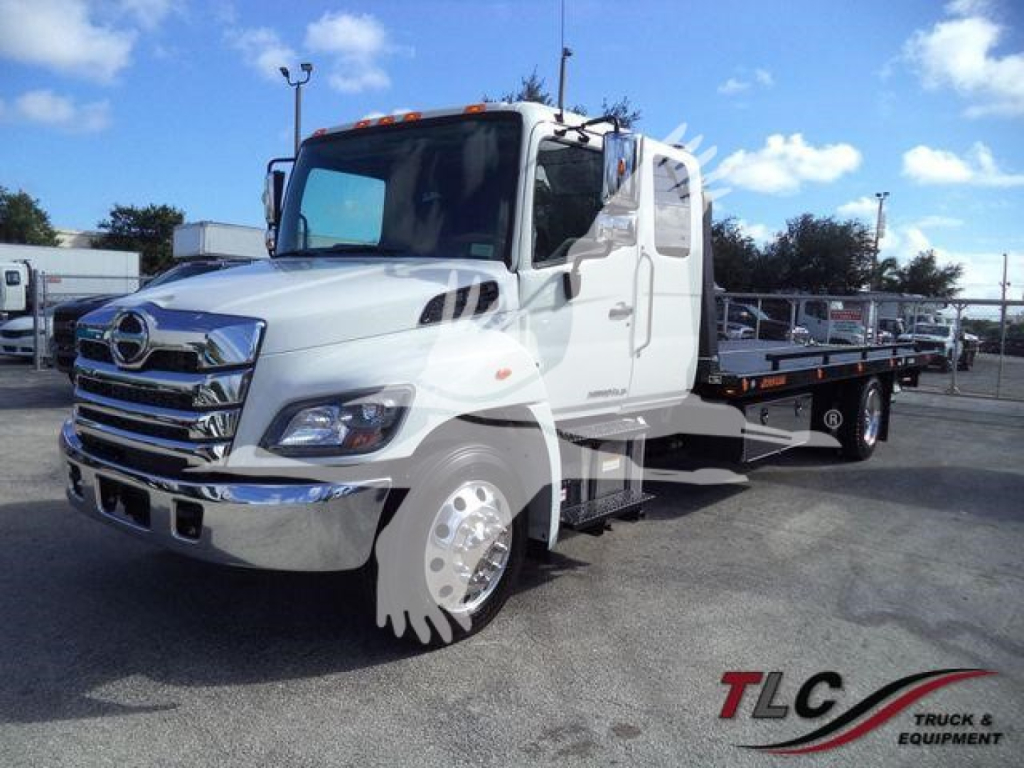
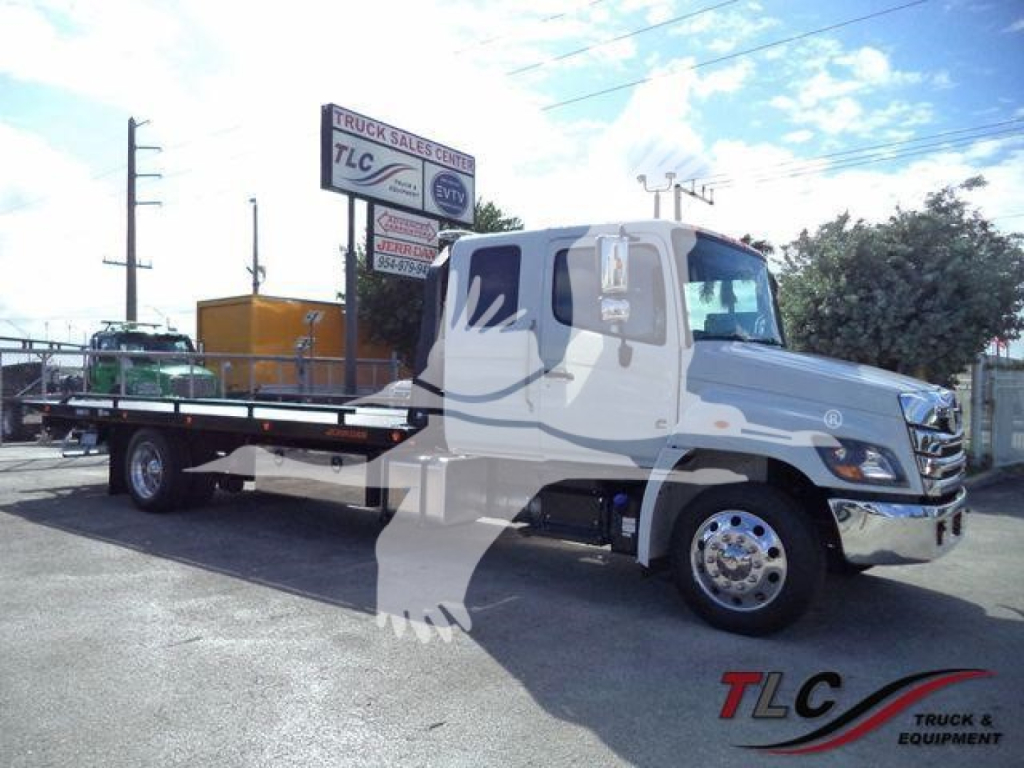
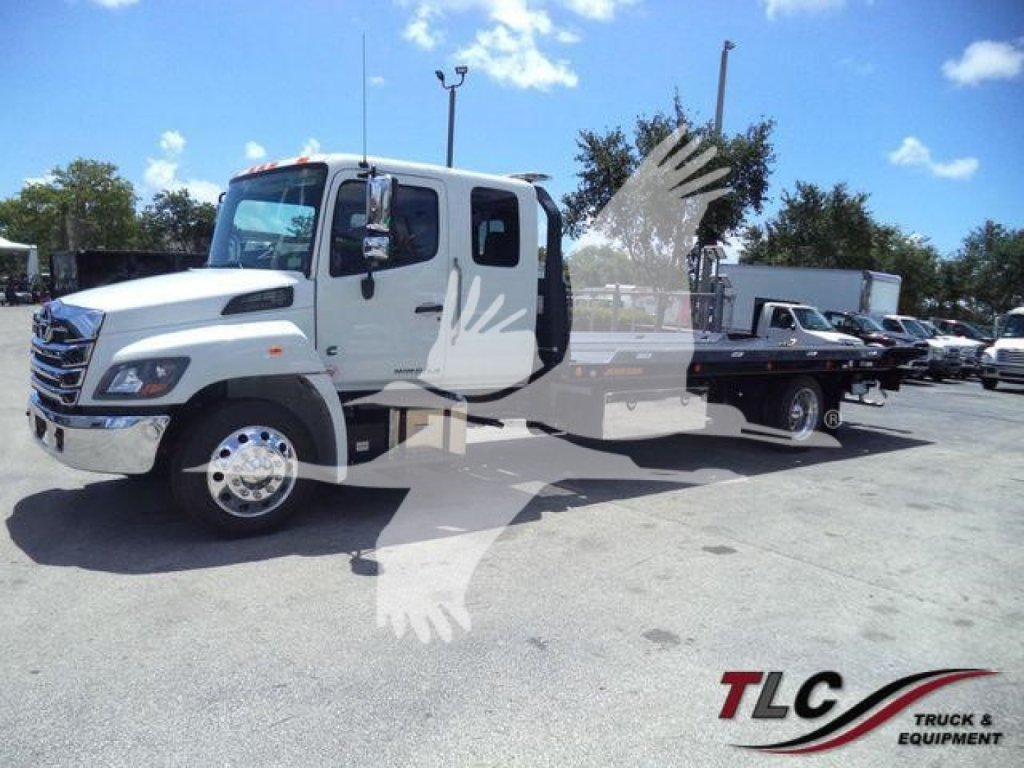
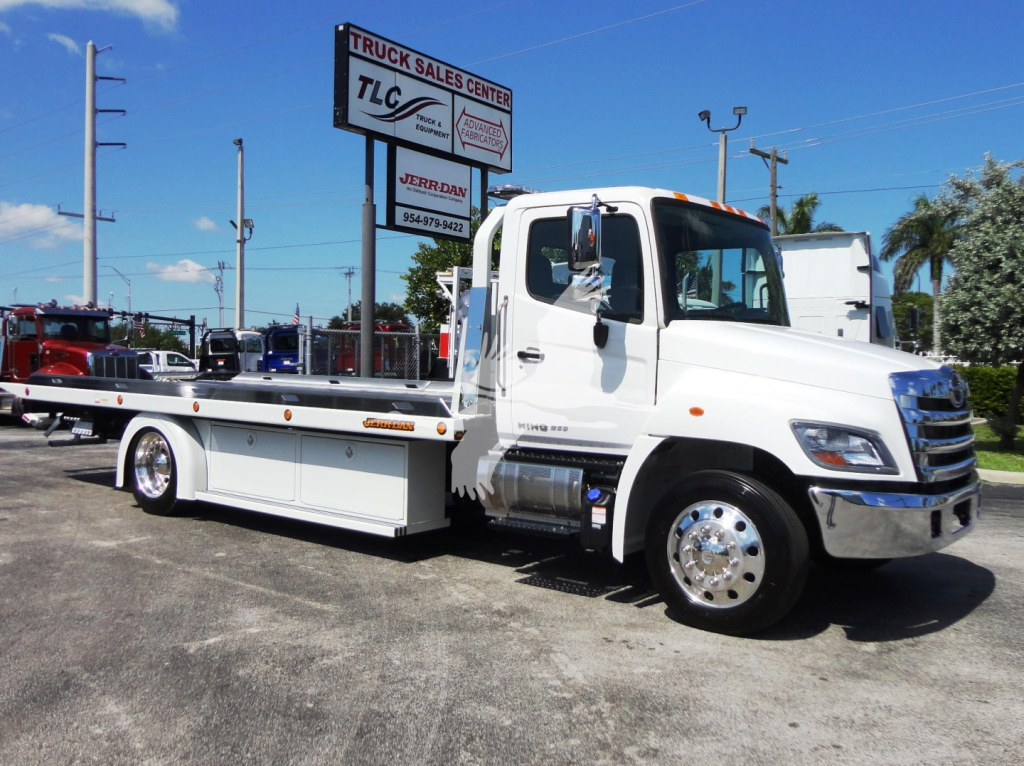
Selling a new hino truck? List your new hino truck for sale and reach thousands of commercial buyers.
New Hino Trucks in Florida
For buyers comparing specs, GVWR, cab style, brake type, suspension, and wheelbase matter more than the badge alone. Many Hino medium-duty trucks in this class are configured around a 25,950 to 26,000 lb GVWR, which keeps them especially relevant for non-CDL applications when properly spec'd. Common setups include 4x2 single-axle chassis, air brakes, air ride suspension, and Allison automatic transmissions paired with diesel engines in the 220 to 260 hp range. Standard cab and extended cab layouts are both common. Extended cabs add useful interior storage and crew space, while standard cabs can help preserve body length and turning efficiency. If the truck is being upfitted for towing or rollback service, buyers should pay close attention to frame compatibility, PTO requirements, rear axle rating, and how the body length matches the intended vehicle mix.
Tow operators often look at Hino trucks because they package well with 21 to 22 ft carrier bodies, low-clearance decks, wheel lifts, and recovery equipment from major body manufacturers such as Jerr-Dan. On rollback and car carrier builds, details like deck width, deck angle, wheel-lift rating, winch capacity, rail style, toolbox layout, and lighting package directly affect daily usability. A 22 ft x 102 in low-profile carrier with a 3,500 lb wheel lift and 8,000 lb winch is a common medium-duty towing configuration for moving passenger vehicles, light trucks, and equipment. In Florida, corrosion exposure, urban maneuverability, and high ambient temperatures also make practical spec choices important, including aluminum wheels, durable storage, easy-clean interiors, and strong HVAC performance.
A new Hino truck should be evaluated as a chassis-and-body package, not just a cab and engine combination. Review axle ratings, fuel capacity, suspension type, tire size, cab-to-axle measurement, and body-maker integration before comparing price. Warranty coverage on the chassis, engine, transmission, and installed body can also vary by model year and upfit. Buyers who want a medium-duty truck for towing, delivery, municipal work, or specialized vocational service often focus on Hino because the platform is familiar, easy to upfit, and available in configurations that support both owner-operators and multi-unit fleets.
Frequently Asked Questions about New Hino Trucks in Florida
What are the most common applications for new Hino trucks?
New Hino trucks are commonly used for rollback tow trucks, car carriers, box trucks, refrigerated delivery bodies, flatbeds, stake bodies, landscape trucks, and other medium-duty commercial applications. The chassis is popular with body builders because it can be configured for vocational work while still offering a driver-friendly cab and automatic transmission options that suit daily stop-and-go service.
Are Hino trucks in this class typically non-CDL?
Many Hino medium-duty trucks are spec'd around 25,950 to 26,000 lb GVWR, which can make them suitable for non-CDL operation when the final configuration stays within applicable limits. Buyers should still confirm the exact GVWR on the door tag, body weight, cargo needs, and all state and federal licensing requirements before purchase, especially if the truck will be used in towing or heavy vocational service.
What should I look for on a new Hino rollback or tow truck?
Focus on the complete build, not just the chassis. Key items include GVWR, rear axle rating, wheelbase, cab-to-axle measurement, air brakes versus hydraulic brakes, suspension type, engine and transmission pairing, and the compatibility of the carrier body with the intended workload. On the towing side, deck length, deck width, wheel-lift capacity, winch rating, rail design, toolbox capacity, and lighting setup all affect real-world performance.
What Hino models are common in the medium-duty market?
Buyers frequently encounter Hino L Series trucks such as the L6, along with 268A trucks that remain well known in the market. These models are often seen in Class 6 and Class 7 applications and are commonly configured as single-axle 4x2 trucks for local and regional commercial work. The best model depends on the body being installed, required payload, and how the truck will be operated day to day.
Why do buyers compare suspension, brakes, and cab style on Hino trucks?
Those choices affect comfort, compliance, and body fitment. Air ride suspension can improve ride quality and help protect cargo or towing equipment, while air brakes are often preferred in heavier vocational service. Standard cab trucks can offer a tighter overall package and better body-length efficiency, while extended cabs add storage and extra interior space that can be useful for crews, tools, and recovery gear.