
New 2025 Hino Trucks For Sale
Shop new 2025 Hino trucks including S5, L6, and L7 models. Compare GVWR, cab styles, powertrains, and body-ready chassis options.
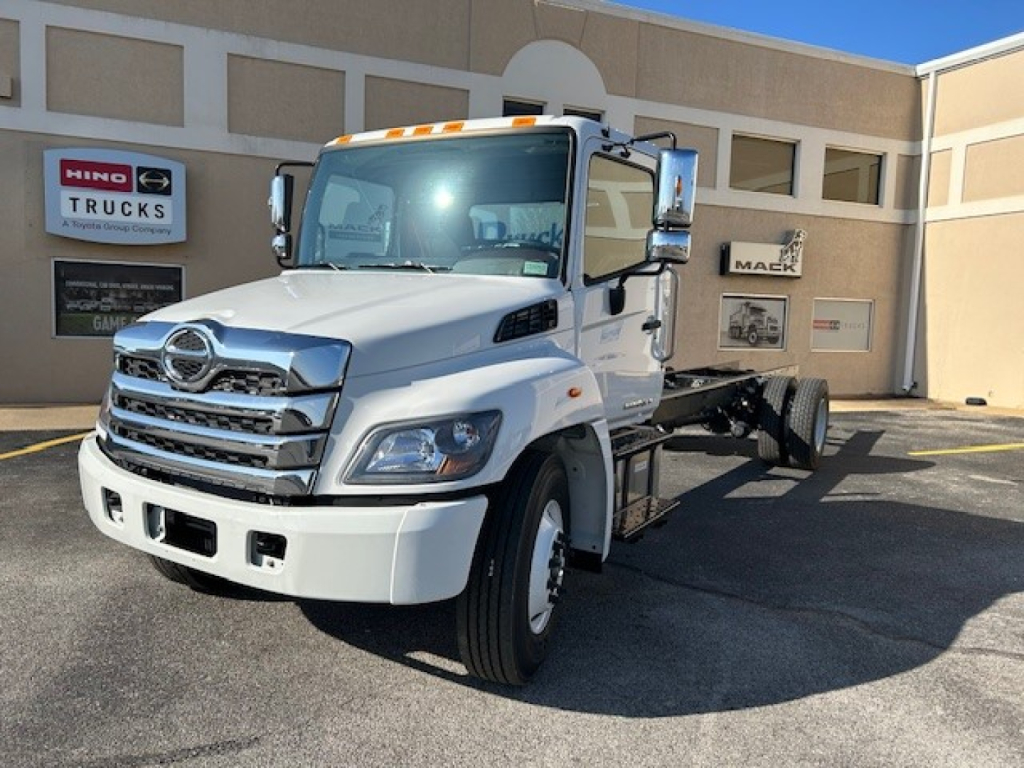
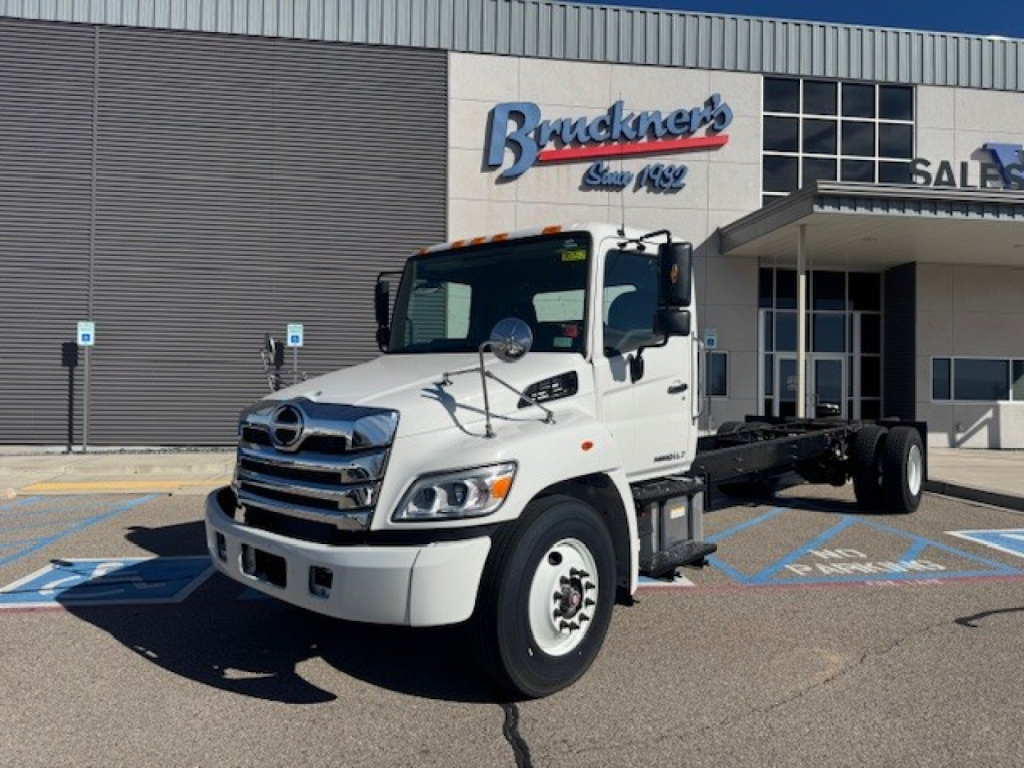
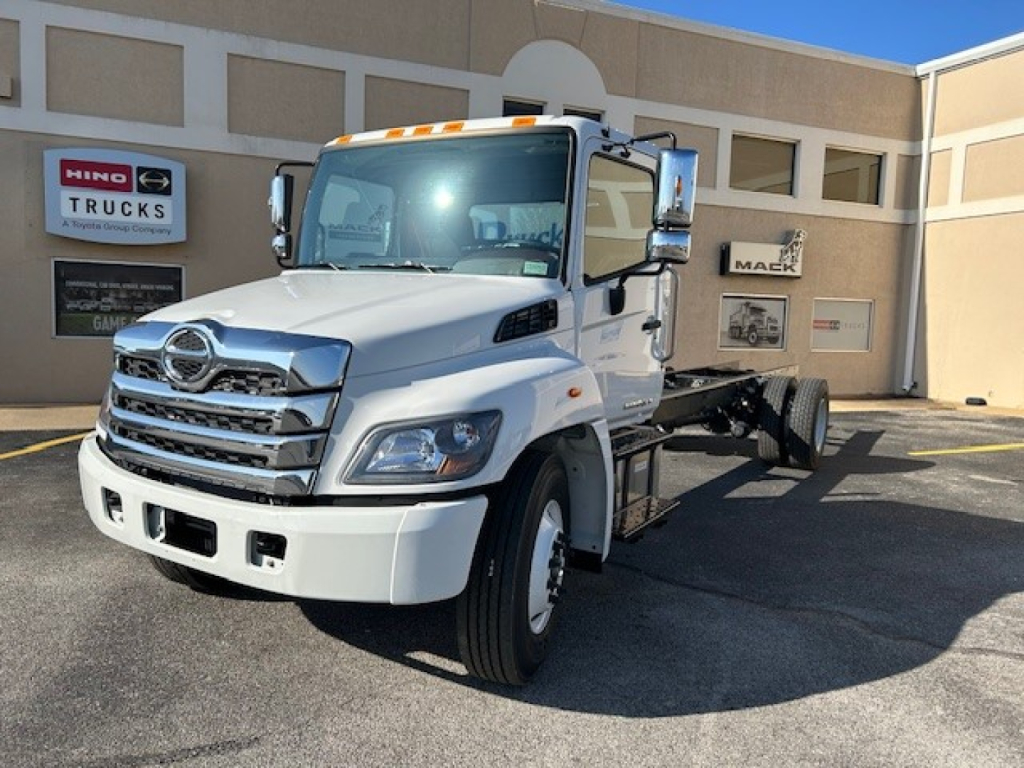
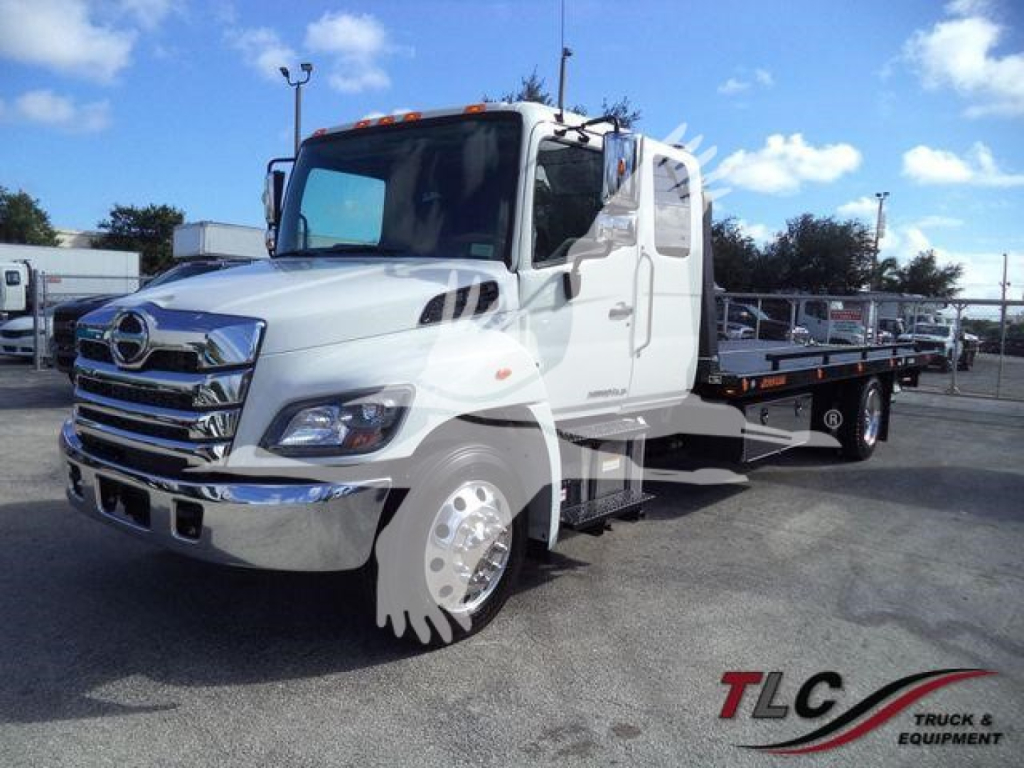
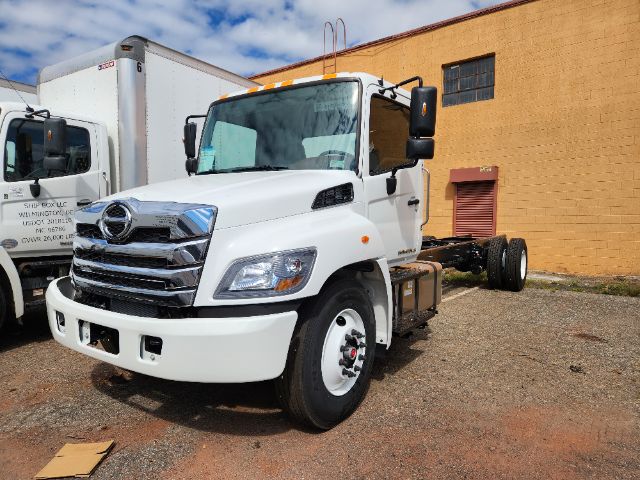
Selling a new 2025 hino truck? List your new 2025 hino truck for sale and reach thousands of commercial buyers.
New 2025 Hino Trucks
On 2025 Hino trucks, buyers will typically see diesel power paired with proven automatic transmissions, often Cummins and Allison combinations on L Series conventionals, and Hino or Aisin configurations on lighter cab-forward units depending on model. Typical horsepower ranges run from the low 200s on lighter delivery chassis into the 260 to 300 hp range on heavier applications. GVWR can vary widely, from around 19,500 to 25,500 pounds on many medium-duty delivery trucks up to Class 7 configurations suited for rollback, equipment hauling, dump, utility, or municipal work. Suspension choice is application-driven. Spring ride keeps cost and complexity down, while air ride can improve loaded ride quality and help protect sensitive cargo or towing equipment.
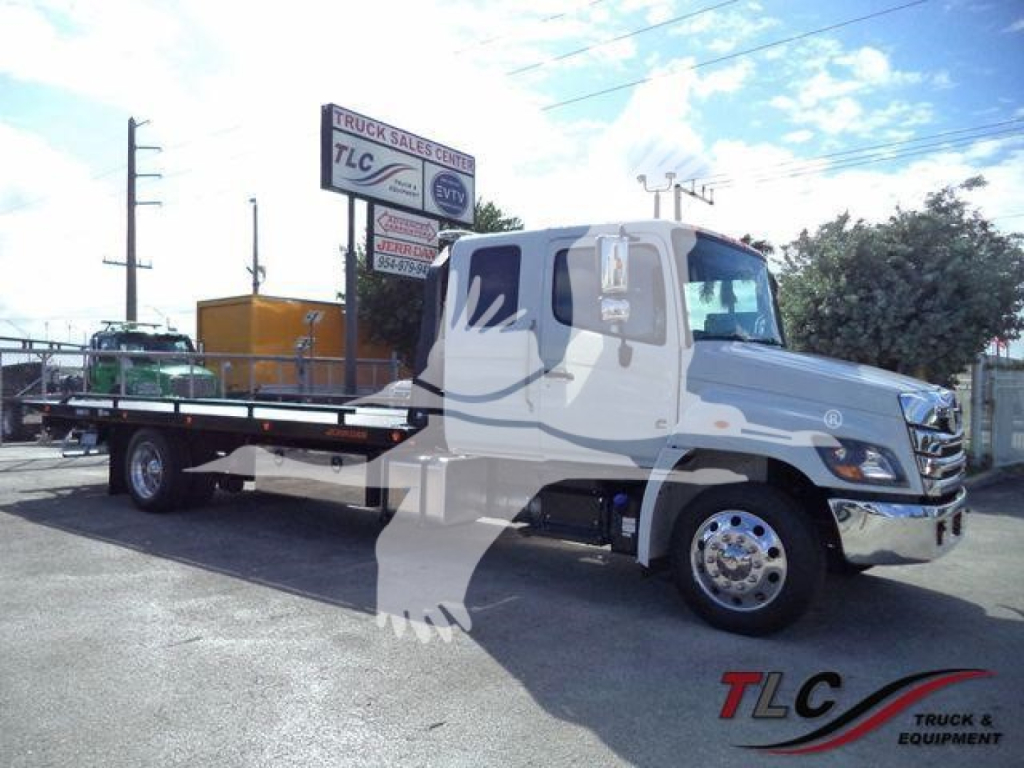
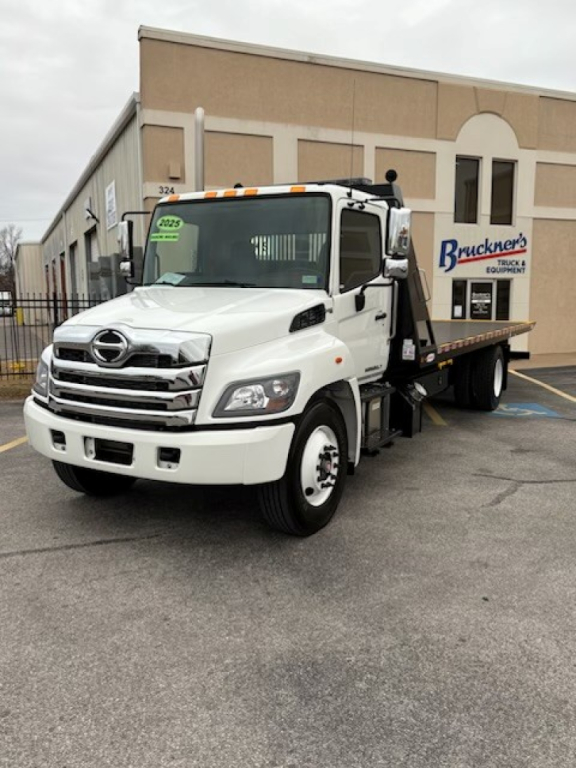
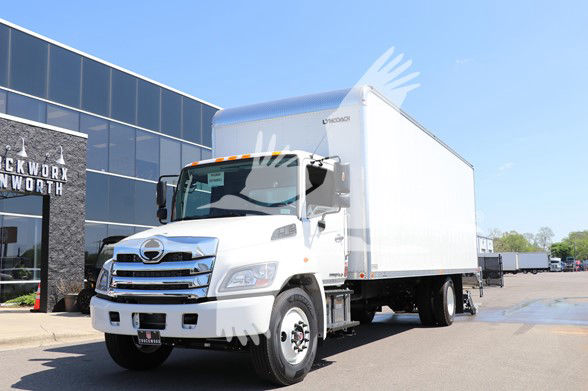
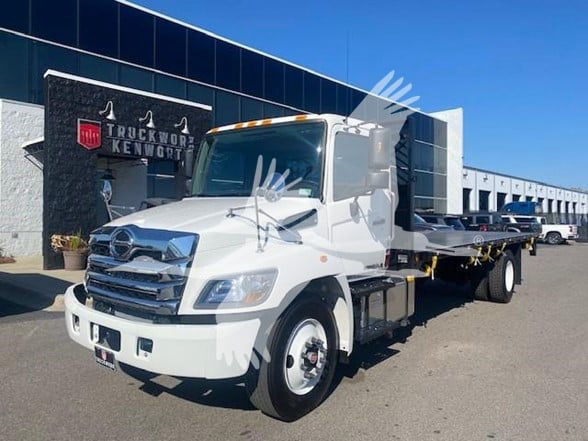
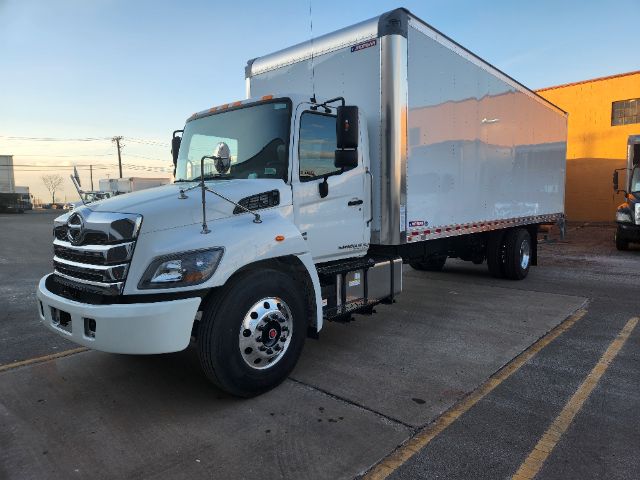
A buyer looking at a 2025 Hino should pay close attention to cab style, turning radius, and service access. Cab-forward trucks are popular for city routes because they maximize body length in a shorter overall footprint. Conventional Hino L Series models offer a familiar layout for drivers moving from domestic medium-duty platforms and are common in towing and carrier applications where a longer frame and heavier front-end equipment package are needed. In rollback and wrecker use, common specs include 22-foot steel or aluminum carriers, low-profile 22.5-inch rubber, 8,000-pound winches, wheel lifts, toolboxes, and air brake setups around a 26,000-pound GVWR. On van bodies, liftgate capacity, inside body height, rear door opening, and dock compatibility are usually the deciding details.
Hino has long been a practical choice for fleets that want straightforward medium-duty spec’ing, predictable drivability, and body-builder flexibility. When comparing listings, focus less on badge alone and more on how the chassis is configured for the job. A properly matched 2025 Hino truck should have the axle ratings, wheelbase, transmission programming, and suspension package to support the body and payload without compromising maneuverability or legal carrying capacity. That is what separates a truck that simply fits the application on paper from one that works every day in route service, towing, contractor work, or local delivery.
Frequently Asked Questions about New 2025 Hino Trucks
What are the main differences between Hino S Series and Hino L Series trucks?
The Hino S Series is generally aimed at lighter medium-duty work and often uses a cab-forward design that is useful in urban delivery, beverage, landscape, and local service applications where maneuverability matters. The Hino L Series is a conventional chassis built for heavier bodies, longer wheelbases, and more vocational upfits such as rollback carriers, larger van bodies, utility bodies, and other Class 6 through Class 7 applications. The right choice usually comes down to required GVWR, body length, turning needs, and how much front axle and frame capacity the upfit demands.
What should I look at first when buying a new 2025 Hino truck?
Start with the truck’s intended body and payload, then match that requirement to GVWR, wheelbase, axle ratings, and suspension. Buyers often make the mistake of focusing on horsepower before confirming body-fit dimensions and legal payload capacity. On a new Hino, important checkpoints include back-of-cab to axle measurement, frame rail strength, PTO provisions, transmission model, brake type, and whether the chassis is spec’d for spring or air ride. Those details determine how well the truck will accept the upfit and perform in daily service.
Are 2025 Hino trucks good for rollback and tow applications?
Yes, many 2025 Hino L Series trucks are well suited for rollback and light-duty wrecker work when properly equipped. Common tow-truck specs include a 22-foot carrier bed, around 260 horsepower, an Allison automatic transmission, air brakes, and a 26,000-pound GVWR chassis. Buyers should verify front axle capacity, wheel lift rating, winch capacity, suspension type, and any low-clearance or low-angle deck features if the truck will handle lowered vehicles, pickups, or commercial units. The chassis needs to be matched carefully to both the carrier body and the recovery equipment.
Is a cab-forward Hino better than a conventional Hino for local delivery?
A cab-forward Hino is often better for dense city delivery because it gives you more body length in a shorter overall truck and usually delivers a tighter turning radius. That can be a major advantage for dock work, alleys, and multi-stop urban routes. A conventional Hino can still be the better fit when driver preference, highway comfort, or a heavier vocational upfit is part of the equation. The best layout depends on route density, body size, loading environment, and the amount of stop-and-go maneuvering the truck will see.
What body types are commonly installed on new Hino trucks?
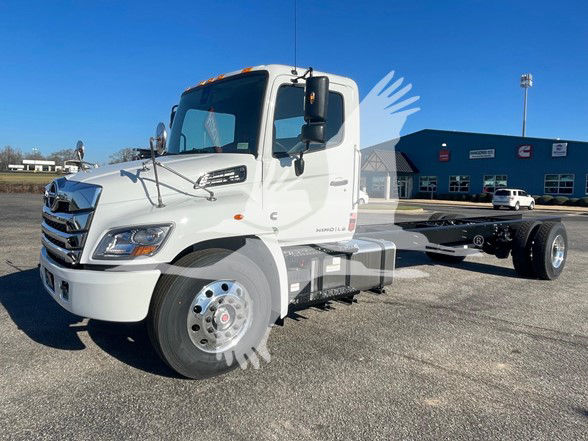
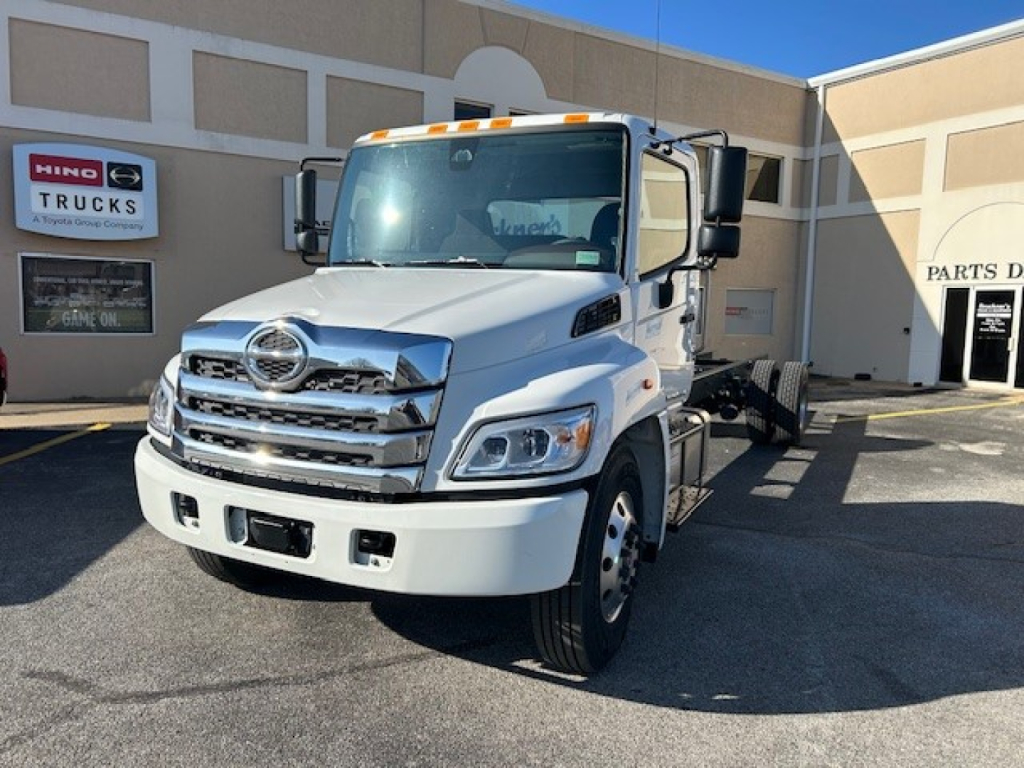
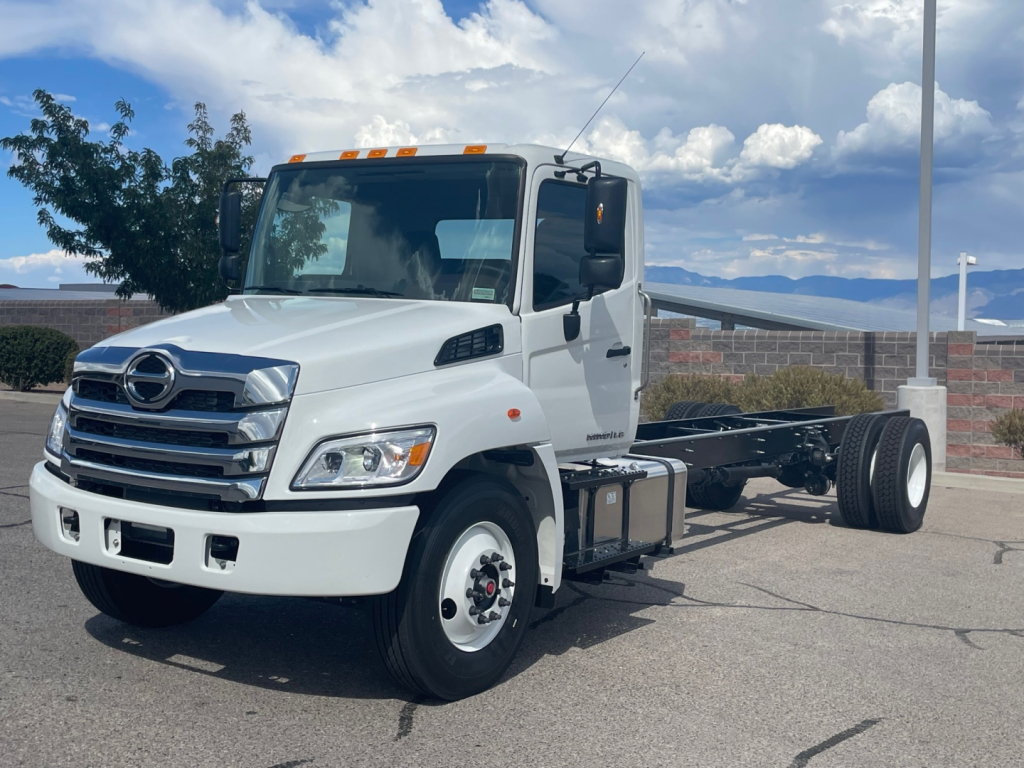
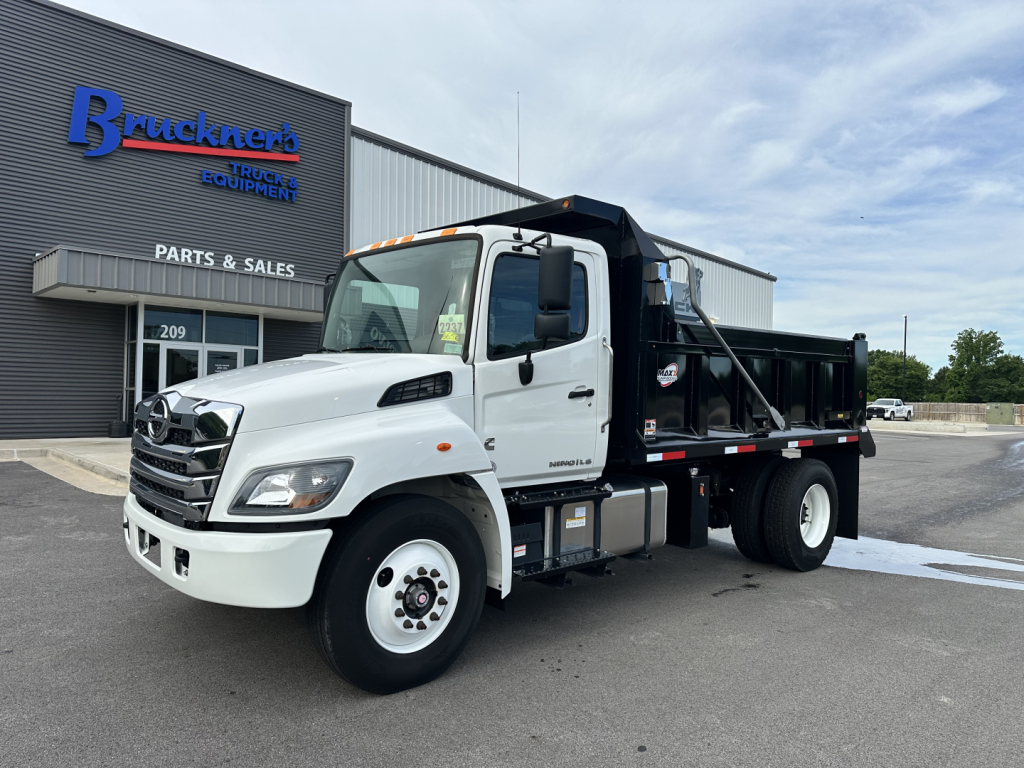
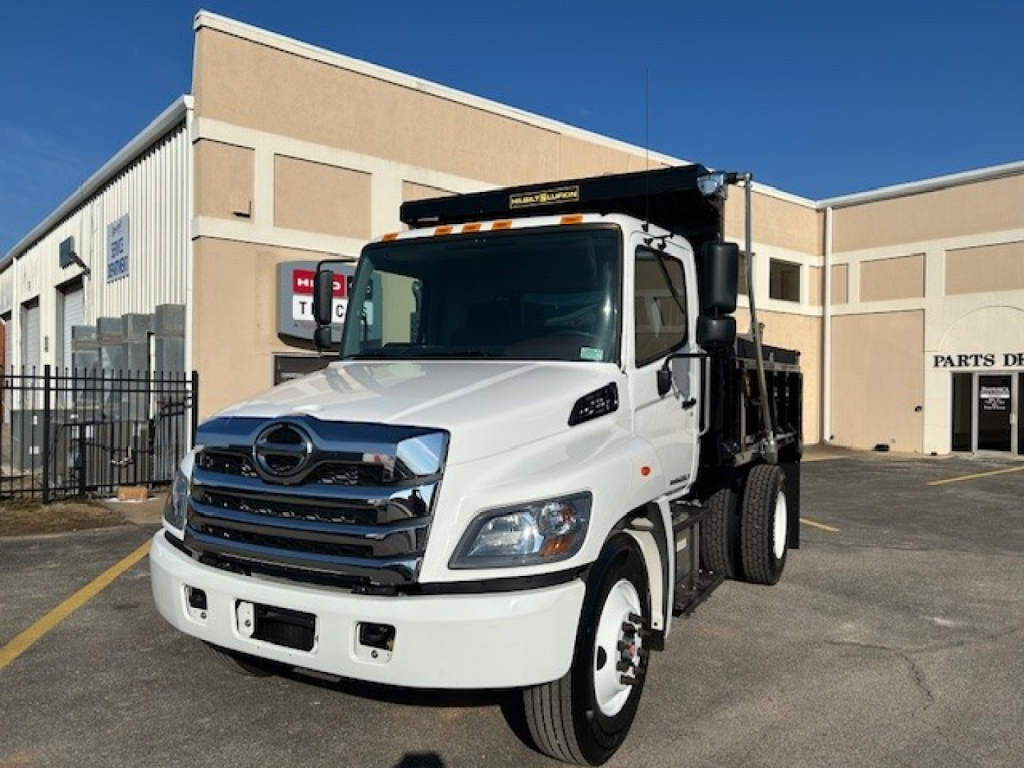
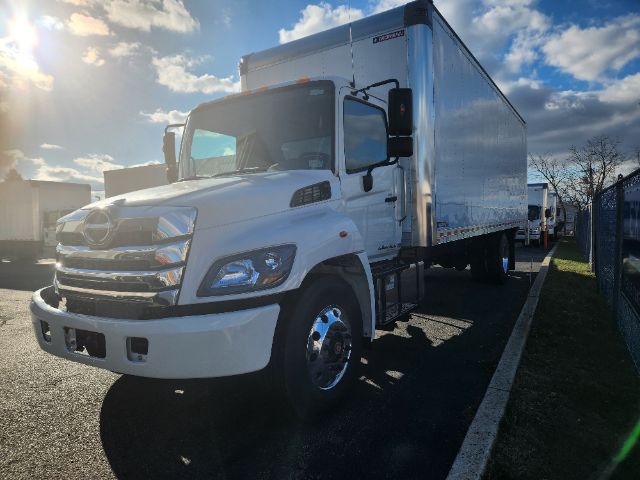
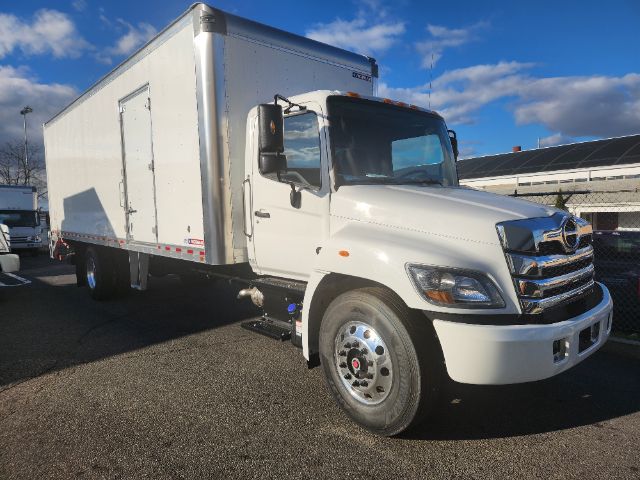
New Hino trucks are commonly upfitted as dry van box trucks, reefer bodies, flatbeds, landscape bodies, rollback carriers, utility bodies, dump bodies, and straight cab and chassis units ready for custom equipment. The body type should be matched to wheelbase, axle split, and intended payload. On van bodies, buyers usually compare inside dimensions, liftgate specifications, and door configuration. On vocational builds, they tend to focus on PTO compatibility, suspension, frame capacity, and how the truck is balanced once the body and equipment are installed.