
New 2026 Hino Trucks For Sale in Alabama
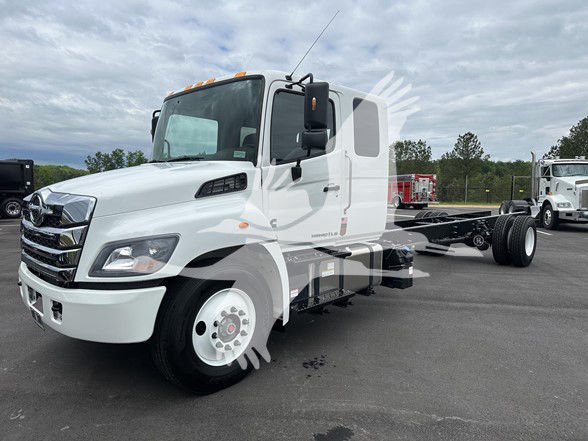
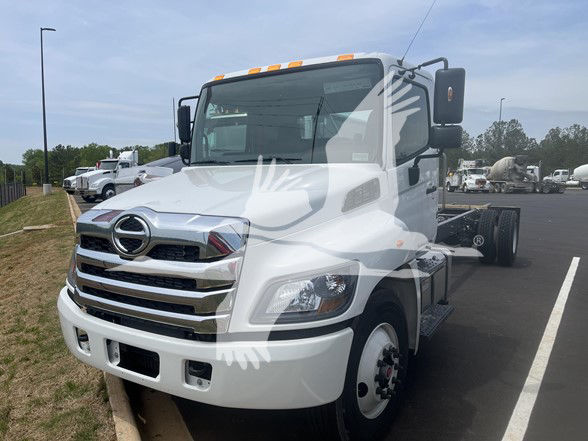
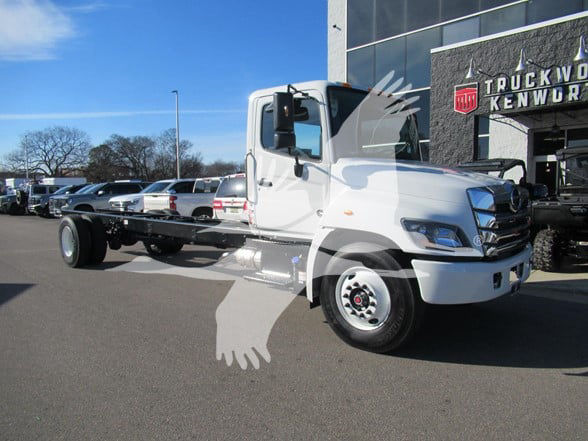
Shop new 2026 Hino trucks in Alabama, including L6 cab and chassis and flatbed models built for medium-duty delivery, upfit, and fleet work.
Selling a new 2026 hino truck? List your new 2026 hino truck for sale and reach thousands of commercial buyers.
New 2026 Hino Trucks in Alabama
The Hino L Series, including the L6 seen frequently in this class, is a conventional medium-duty truck with a reputation for straightforward maintenance access and practical vocational setup options. Buyers typically focus first on GVWR, wheelbase, axle ratings, and frame dimensions because those numbers determine what body can be installed and how the finished truck will balance under load. A cab and chassis gives the most flexibility if the body spec is still being finalized, while a factory-completed flatbed can make sense when fast deployment matters. Common decision points include cab-to-axle measurement, suspension spec, fuel tank placement, PTO compatibility, and whether the truck will spend more time in tight urban routes or on higher-speed regional lanes.
Powertrain choices on new Hino trucks are aimed at stop-and-go durability and predictable operating cost rather than long-haul performance. Buyers should pay close attention to horsepower and torque ratings, transmission calibration, rear axle ratio, and brake configuration because those directly affect launch feel, gradeability, and fuel consumption once the body and payload are added. For Alabama operations, cooling performance, air conditioning capacity, and corrosion resistance are practical considerations, especially for trucks working in hot weather, coastal humidity, or year-round outdoor storage. Safety and fleet-management features can also influence buying decisions, including collision mitigation systems, lane departure alerts, telematics integration, and service interval planning.
A new 2026 Hino truck usually appeals to buyers who want current emissions equipment, warranty coverage, and a fresh maintenance baseline. The smartest comparison is not just price against price. It is body-ready dimensions, legal payload after upfit, service support, and how well the truck matches the route. A properly spec'd Hino can be a strong fit for private fleets, contractors, rental operations, and municipalities that need a medium-duty truck designed to work hard every day without overbuying chassis capacity.
Frequently Asked Questions about New 2026 Hino Trucks in Alabama
What are new 2026 Hino trucks commonly used for?
New 2026 Hino trucks are commonly used for medium-duty delivery routes, flatbed hauling, contractor service work, municipal duties, and body-upfit applications such as box trucks, reefer trucks, dumps, and mechanics trucks. Much depends on the chassis spec and wheelbase. A cab and chassis version is typically chosen when the buyer needs a custom body, while a flatbed or other completed configuration fits operations that want a truck ready for immediate jobsite or route use.
Why is a Hino cab and chassis a popular choice?
A Hino cab and chassis is popular because it gives the buyer flexibility to match the truck to a specific job instead of adapting the job to a fixed body. The key benefits are upfit freedom, straightforward body-builder planning, and the ability to spec wheelbase, cab-to-axle length, frame, and axle ratings around the intended load. That matters for fleets adding van bodies, service bodies, landscape bodies, stake beds, or specialized vocational equipment.
What should I check before buying a new Hino L6?
The most important items to check are GVWR, front and rear axle ratings, wheelbase, cab-to-axle dimension, frame height, engine and transmission ratings, rear axle ratio, and the expected finished weight after the body is installed. Buyers should also confirm brake type, suspension setup, PTO needs, fuel tank location, and any body-builder restrictions. These details determine payload capacity, turning radius, body fitment, and how the truck will perform once fully equipped.
Are new Hino trucks a good fit for Alabama fleets?
New Hino trucks can be a strong fit for Alabama fleets because many operations in the state need medium-duty chassis for local delivery, construction support, utility work, and regional service routes. Heat tolerance, strong air conditioning, dependable cooling, and easy service access matter in this market. Buyers running near the Gulf or in high-humidity environments should also consider corrosion protection, underbody condition management, and body material choices when finalizing the spec.
How do I choose between a flatbed and a cab and chassis Hino truck?
Choose a flatbed if the work is straightforward and the truck needs to start hauling material, palletized freight, or equipment with minimal delay. Choose a cab and chassis if the final application requires a specialized body or if payload distribution, tool storage, liftgate setup, or refrigeration equipment must be tailored to the operation. The right choice depends on how quickly the truck needs to go to work and how specific the body requirements are.