
New 2026 International Trucks For Sale
Shop new 2026 International trucks, including versatile medium-duty chassis for tow, chipper, rollback, dump, and vocational body applications.
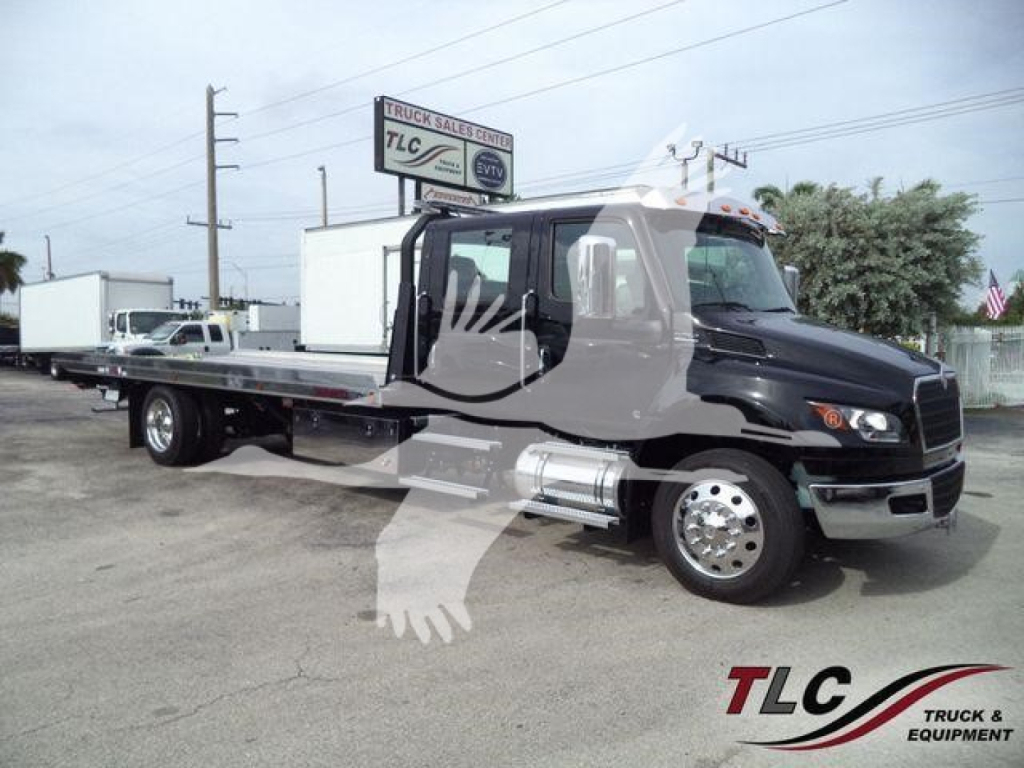
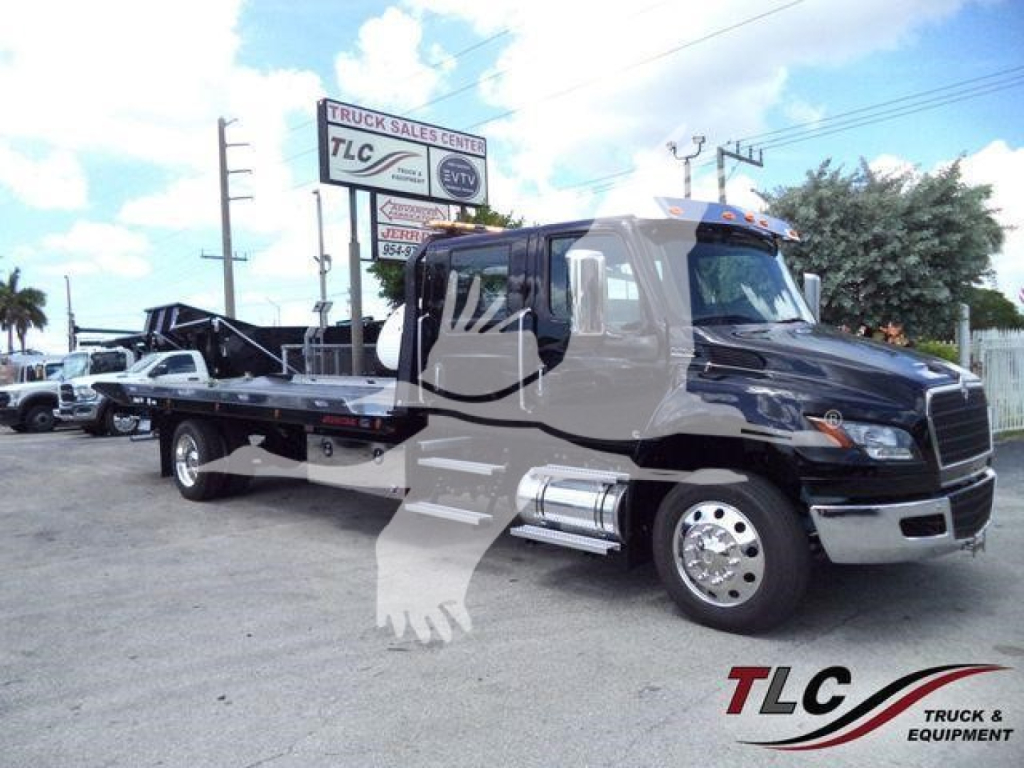
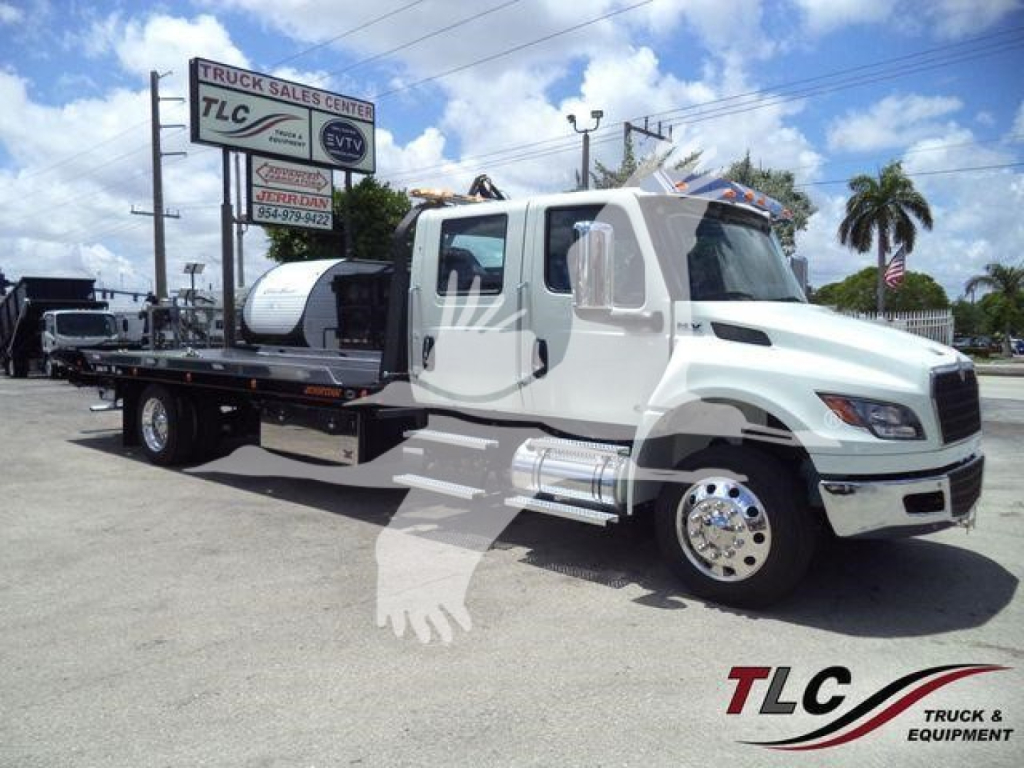
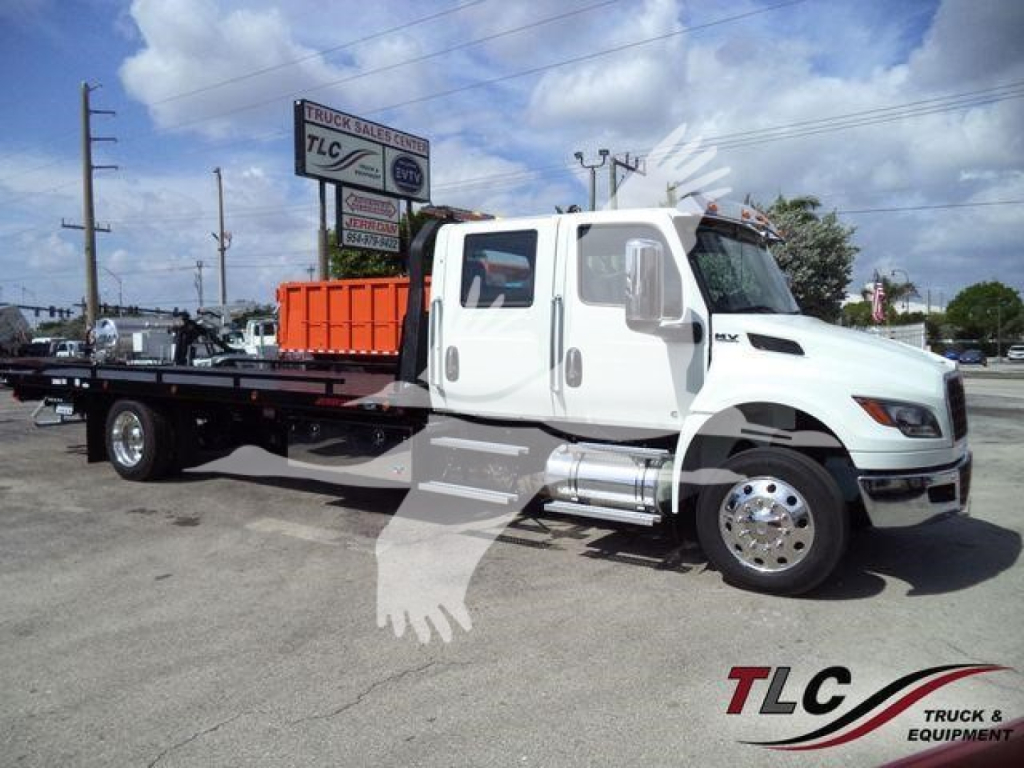
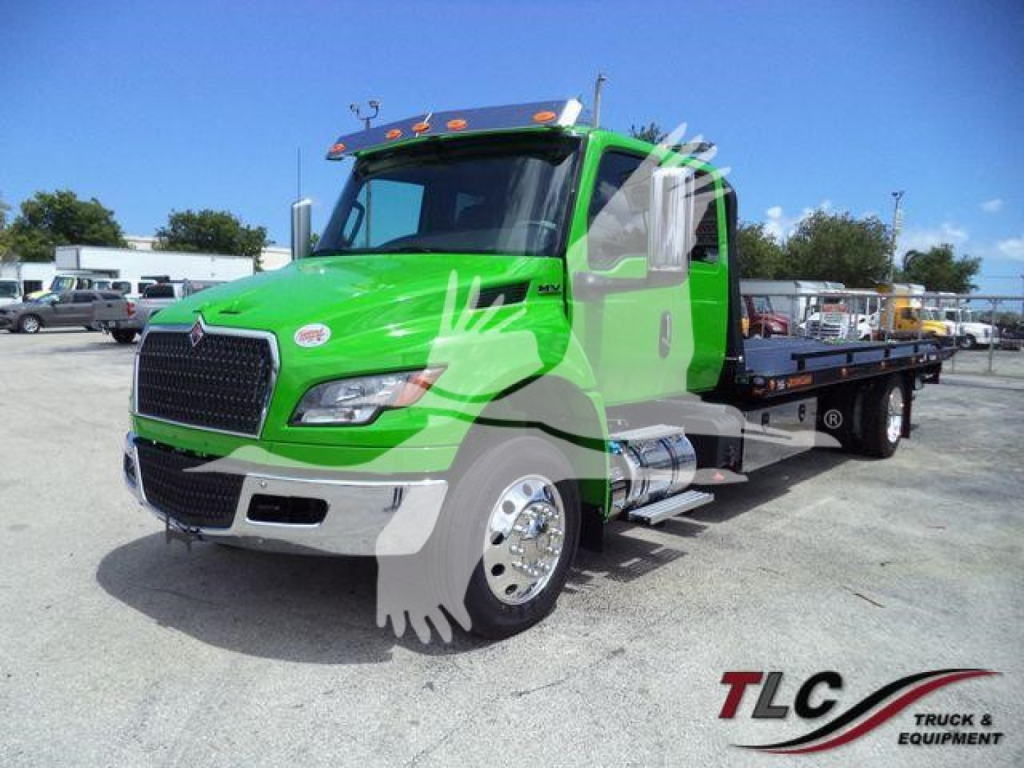
Selling a new 2026 international truck? List your new 2026 international truck for sale and reach thousands of commercial buyers.
New 2026 International Trucks
For many buyers, the first decision is the chassis spec, not the badge on the hood. Cab-to-axle length, wheelbase, suspension type, and front axle capacity all matter because they determine how well the truck carries the body and where the weight lands once the equipment is installed. On rollback and carrier applications, a longer CA such as a 156-inch setup can improve weight distribution and help the finished truck work better with a 22-foot low-carrier bed. On chipper and dump-style builds, body length, wall height, crossmember spacing, PTO setup, and hitch arrangement are the real make-or-break details. Buyers comparing new 2026 International trucks should look closely at how the chassis was ordered for the intended body, not just the listed horsepower.
Powertrain choices on this class of International truck are typically centered on diesel engines in the 260 to 300 horsepower range paired with Allison automatic transmissions. That combination remains popular in towing, municipal, tree service, and contractor work because it is easy to train drivers on and well-suited for stop-and-go routes. Air ride suspension, engine brake provisions, 22.5-inch low-profile tires, and aluminum wheels are common vocational upgrades. Extended cab layouts also show up regularly when crews need lockable interior space for straps, tools, and daily equipment. For buyers running rollback or wrecker bodies, practical details such as PTO compatibility, fuel tank placement, toolbox clearance, lighting packages, and wheel-lift integration should be reviewed before purchase.
International trucks are often chosen for jobs where uptime, body-builder support, and regional dealer access matter as much as raw spec. A new 2026 model can make sense for fleets standardizing on one service network, owner-operators replacing aging vocational units, or contractors wanting current emissions equipment and warranty coverage. The best truck in this category is the one with the right vocational build sheet: correct GVWR, correct axle spacing, correct suspension, and a chassis that matches the body from day one. Buyers shopping new 2026 International trucks should compare the truck as a complete work platform, including body brand, hydraulic setup, storage, and intended payload, rather than treating every MV or medium-duty International as interchangeable.
Frequently Asked Questions about New 2026 International Trucks
What are new 2026 International trucks commonly used for?
New 2026 International trucks are commonly used in medium-duty vocational work such as towing, rollback transport, chipper hauling, landscape service, municipal service, delivery, and utility applications. The International MV platform is especially common where operators need a body-ready chassis that can be fitted with a carrier bed, dump body, chip box, service body, or other vocational equipment. The application matters because the right chassis dimensions and weight ratings vary significantly by body type.
What should I check first when comparing a new 2026 International truck?
Start with GVWR, cab-to-axle length, wheelbase, axle ratings, suspension, and transmission. Those core chassis specs determine whether the truck is actually suitable for the body and the work. A rollback carrier, for example, needs proper weight distribution, bed clearance, and wheel-lift compatibility, while a chipper or dump setup depends more on PTO configuration, body length, hoist integration, and payload balance. Cosmetic upgrades are secondary to chassis-body match.
Are 2026 International MV trucks good for rollback and tow applications?
Yes, the International MV is a common choice for rollback and light-duty wrecker applications because it is available in medium-duty weight classes, accepts body-builder specs well, and is frequently paired with automatic transmissions and diesel power in the 300 horsepower range. Buyers should still confirm the exact bed length, wheel-lift rating, winch capacity, cab-to-axle measurement, and rear suspension setup, because those details have a direct effect on legal payload, recovery capability, and everyday drivability.
What engine and transmission setups are typical on new 2026 International trucks?
Typical setups in this class include a diesel engine paired with an Allison automatic transmission. In vocational medium-duty service, buyers often look for horsepower around the upper-200 to 300 HP range, along with air brakes and either spring or air ride suspension depending on the application. This spec is popular because it works well in stop-and-go service, reduces driver fatigue, and supports body-driven operations such as towing, dumping, or PTO-powered equipment.
Why does cab-to-axle length matter on a new International truck?
Cab-to-axle length is one of the most important body-builder measurements on a vocational truck because it affects body fit, axle loading, and overall balance. If the CA is wrong, the truck may not carry the body correctly or may place too much weight on one axle once loaded. On rollback trucks, a longer CA can improve weight distribution with a 22-foot carrier bed. On other body types, the correct CA helps ensure proper mounting, driveline geometry, and usable frame space for toolboxes, tanks, PTO equipment, and rear accessories.