
New 2026 Box Trucks For Sale
Shop new 2026 box trucks with dry van bodies, liftgates, and non-CDL GVWR options for delivery, moving, and route work.
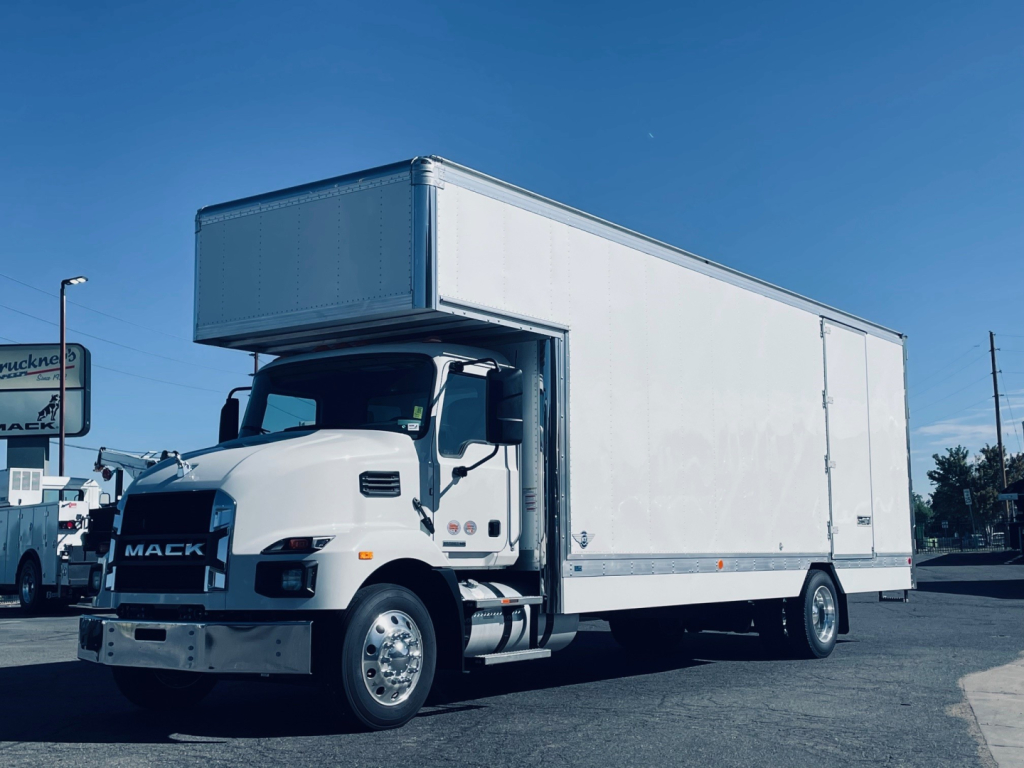
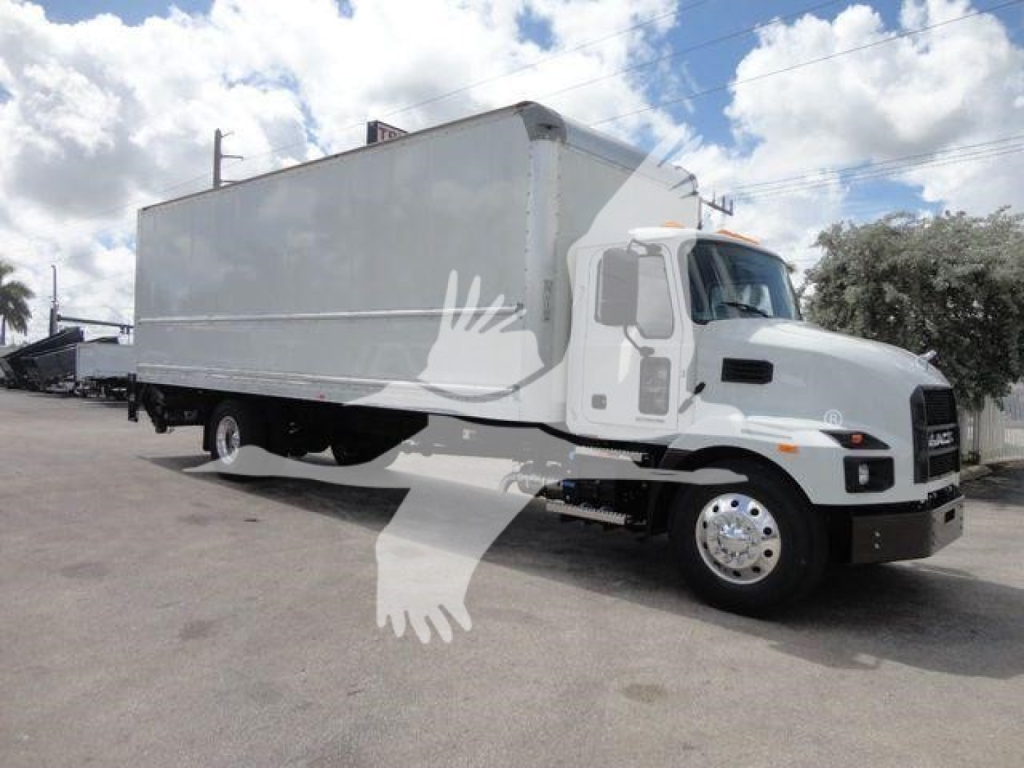
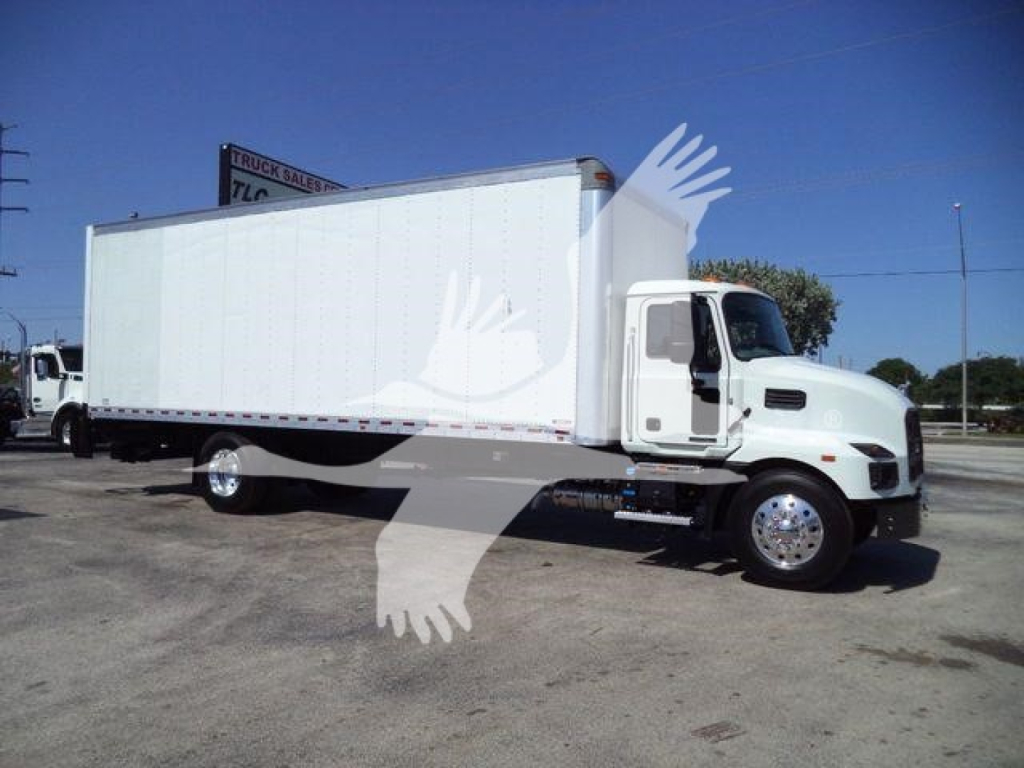
Selling a new 2026 box truck? List your new 2026 box truck for sale and reach thousands of commercial buyers.
New 2026 Box Trucks
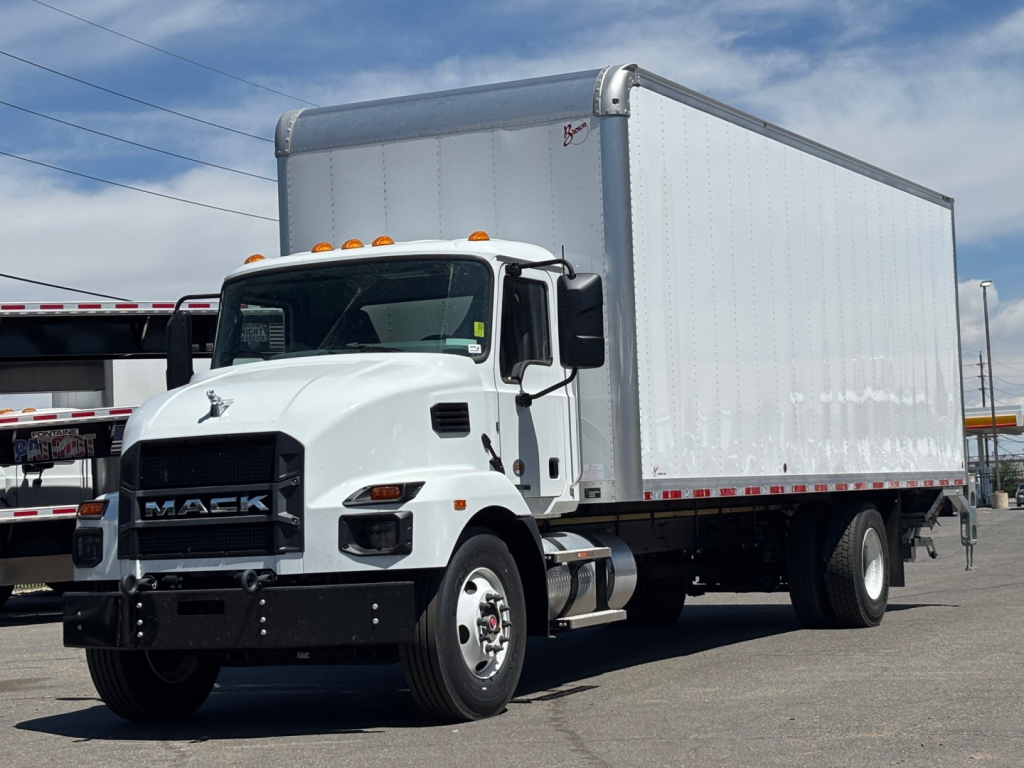
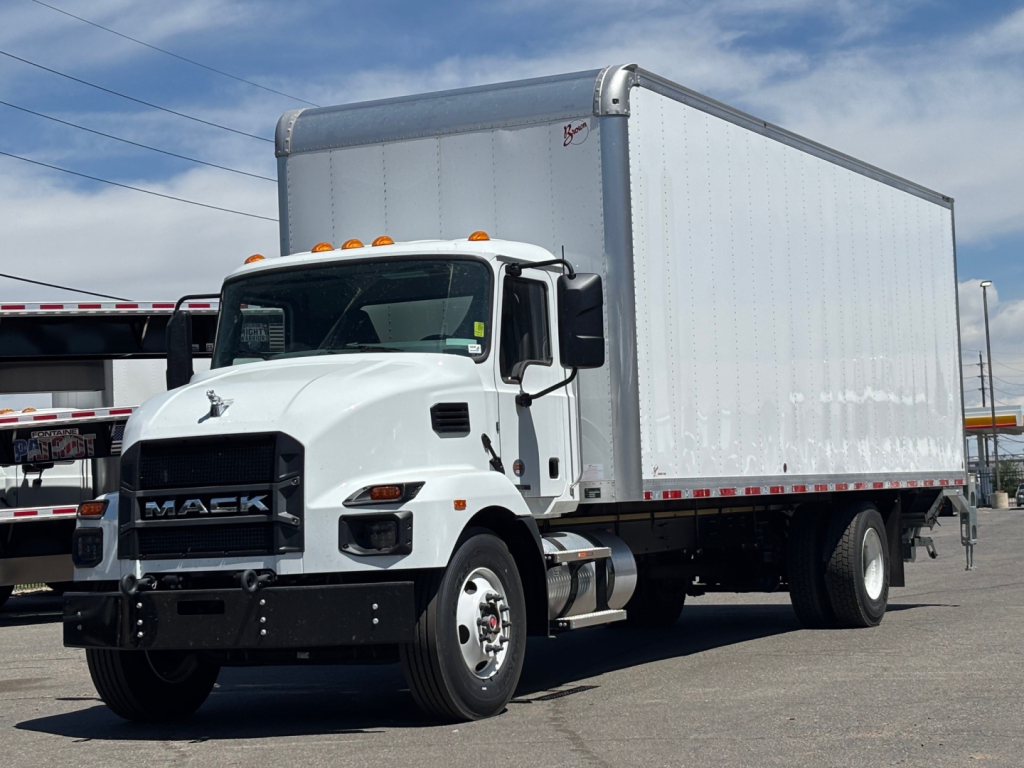
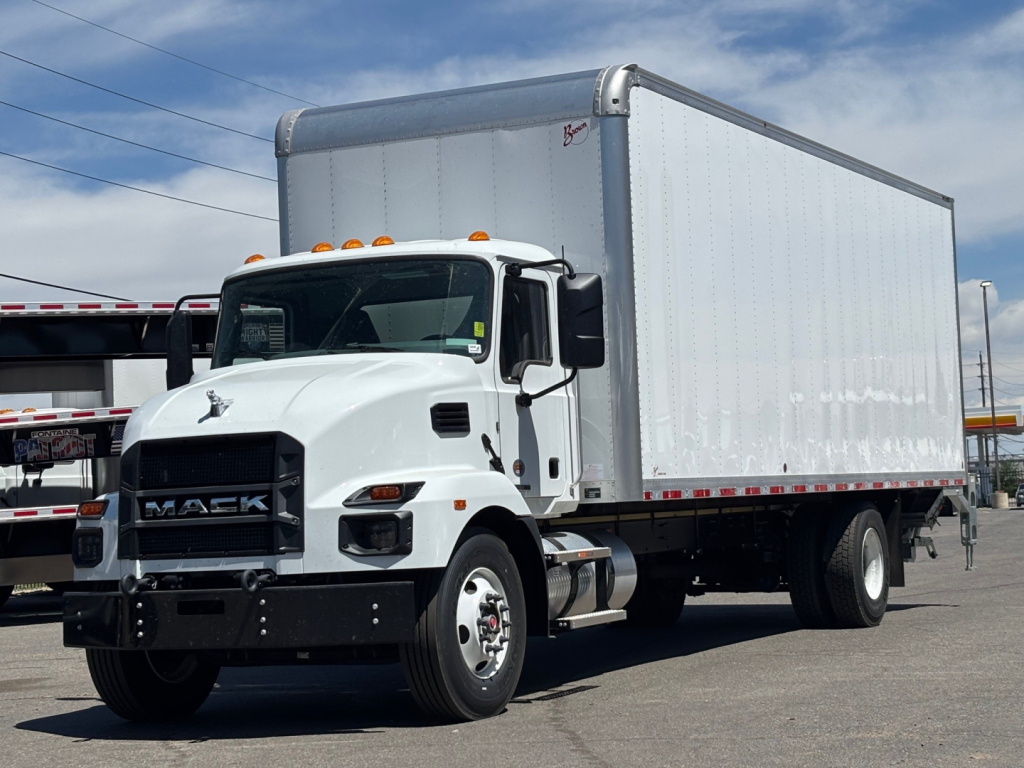
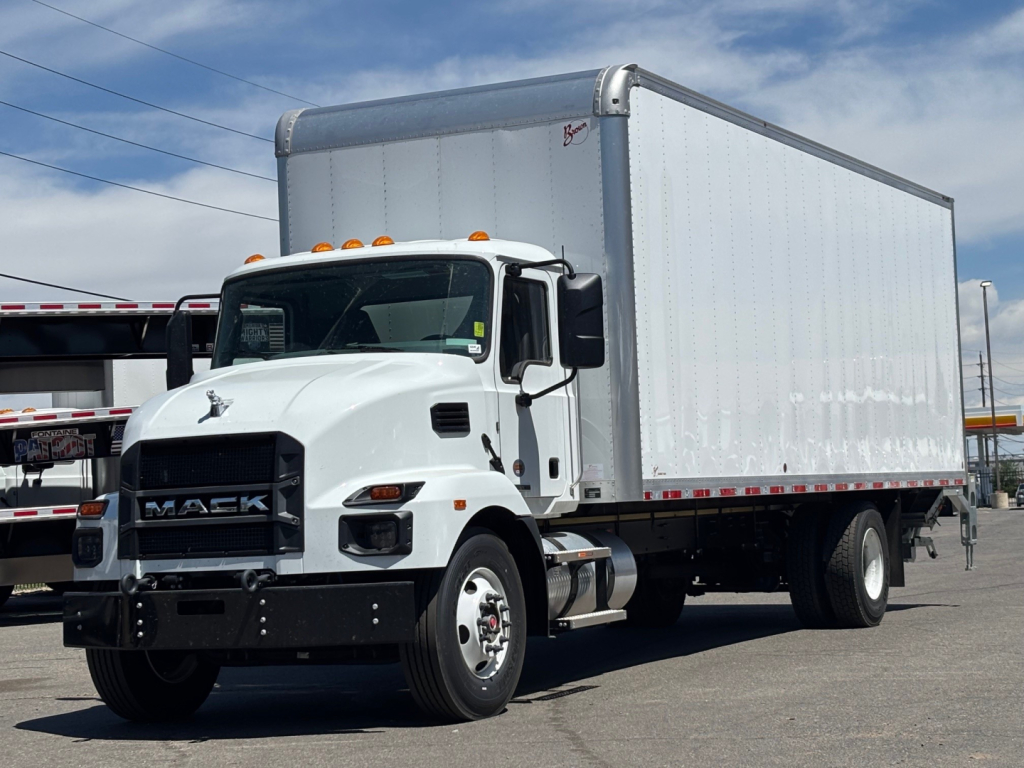
Body spec is what separates a general-purpose van truck from one that truly fits the job. A typical new box truck in this size range carries a 26 ft body around 102 inches wide and 102 to 103 inches high, usually with an aluminum construction to control tare weight and resist corrosion. Buyers should look closely at floor material, scuff liners, plywood or slat-lined walls, forklift reinforcement at the front and rear, translucent roofs, LED dome lighting, and rear door type. Roll-up doors are common for dock work, while tuck-under or rail liftgates are essential for palletized freight, beverage delivery, appliances, office products, and final-mile freight that does not always have dock access.
Wheelbase, front axle capacity, rear axle ratio, and suspension setup all affect how a box truck performs once the body is installed and loaded. Air ride rear suspension can improve ride quality for fragile cargo and reduce driver fatigue on urban routes. E-track rows, cargo control options, and liftgate capacity should match the freight profile, not just the body size. A 3,000 lb platform may be enough for general freight, while heavier applications can justify a 4,000 lb plus gate. If the truck will see dense city work, visibility features like heated power mirrors, backup cameras, and easy cab entry become practical advantages over the life of the truck.
For most buyers, the best 2026 box truck is the one that balances payload, cubic capacity, and operating simplicity. Also known as a dry van truck or cube truck, this equipment class is widely used in local delivery, moving, distribution, retail replenishment, and municipal support work. A well-matched spec means the truck is legal on weight, efficient at the dock, and easy to hand off between drivers. When comparing listings, focus on GVWR, body dimensions, interior lining, liftgate make and rating, door configuration, and chassis service support in your region. Those details usually determine long-term value more than badge alone.
Frequently Asked Questions about New 2026 Box Trucks
What GVWR is most common for a new box truck, and why does 26,000 lb matter?
A 25,950 to 26,000 lb GVWR box truck is one of the most common specs because it stays at or under the federal CDL threshold in many applications. That gives fleets more driver flexibility while still supporting a full-size 24 ft to 26 ft van body, a liftgate, and useful payload. Actual legal operation still depends on state rules, endorsements, cargo type, and how the truck is equipped, so buyers should confirm compliance before purchase.
What body length is typical for a new box truck?
A 26 ft body is very common in medium-duty box trucks used for delivery and route work, though shorter bodies are also available for tighter urban operations. Many dry van bodies in this class are about 102 inches wide and around 102 to 103 inches high. The right length depends on your freight density, loading environment, and turning-radius needs, not just maximum cubic capacity.
Do most new box trucks come with a liftgate?
Many new box trucks are spec'd with liftgates because delivery locations often lack a dock or forklift. Common liftgate capacities are around 3,000 lb, while heavier-duty applications may require 4,000 lb or more. Buyers should match the platform size, gate style, and weight rating to the cargo being handled, because an undersized gate can slow deliveries and create safety issues.
What features matter inside the box body?
Interior body features directly affect cargo protection and loading efficiency. Two rows of E-track, scuff liners or scuff boards, slat lining, forklift reinforcement, LED dome lights, and durable flooring are common specs worth checking. These details help secure freight, reduce wall and floor damage, and make the truck more usable across mixed delivery applications.
What is the difference between a box truck and a dry van truck?
In most commercial truck listings, the terms box truck, dry van truck, and cube truck are often used for the same general equipment class: a chassis with an enclosed cargo body mounted behind the cab. Some buyers use dry van truck to emphasize freight protection from weather, while cube truck is more common in moving and local delivery. The important distinction is usually in the body spec, GVWR, and loading equipment rather than the name itself.