
New 2026 Box Trucks For Sale in Colorado
Shop new 2026 box trucks for sale in Colorado. Compare under-CDL van bodies, liftgates, payload specs, and delivery-ready configurations.
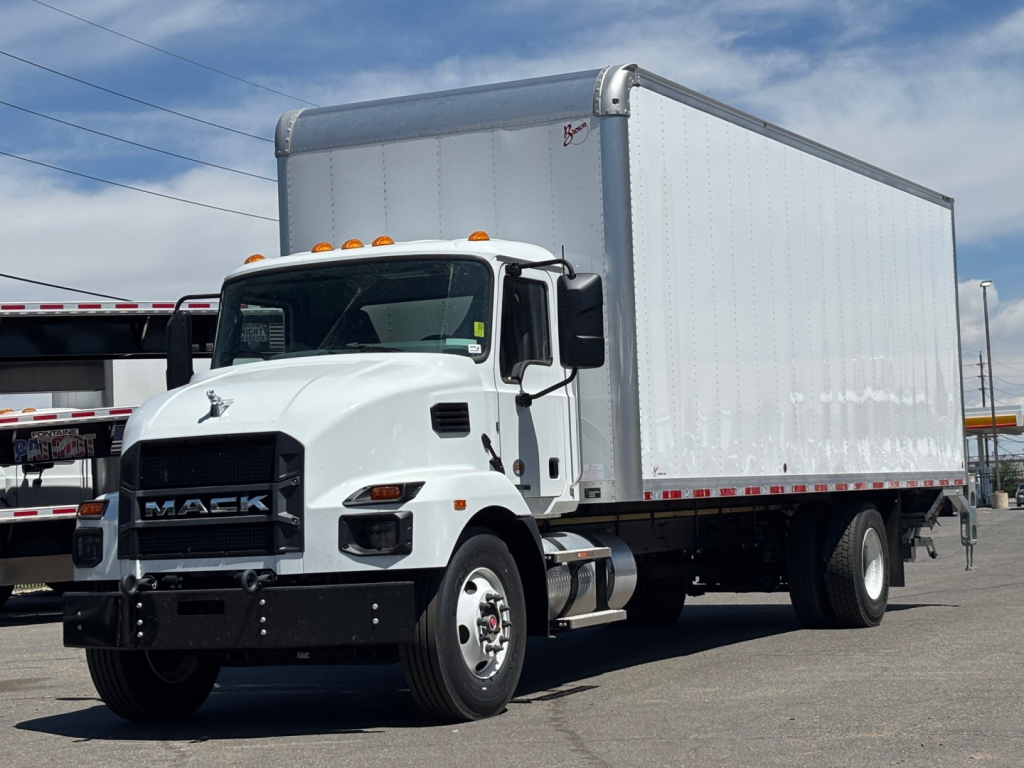
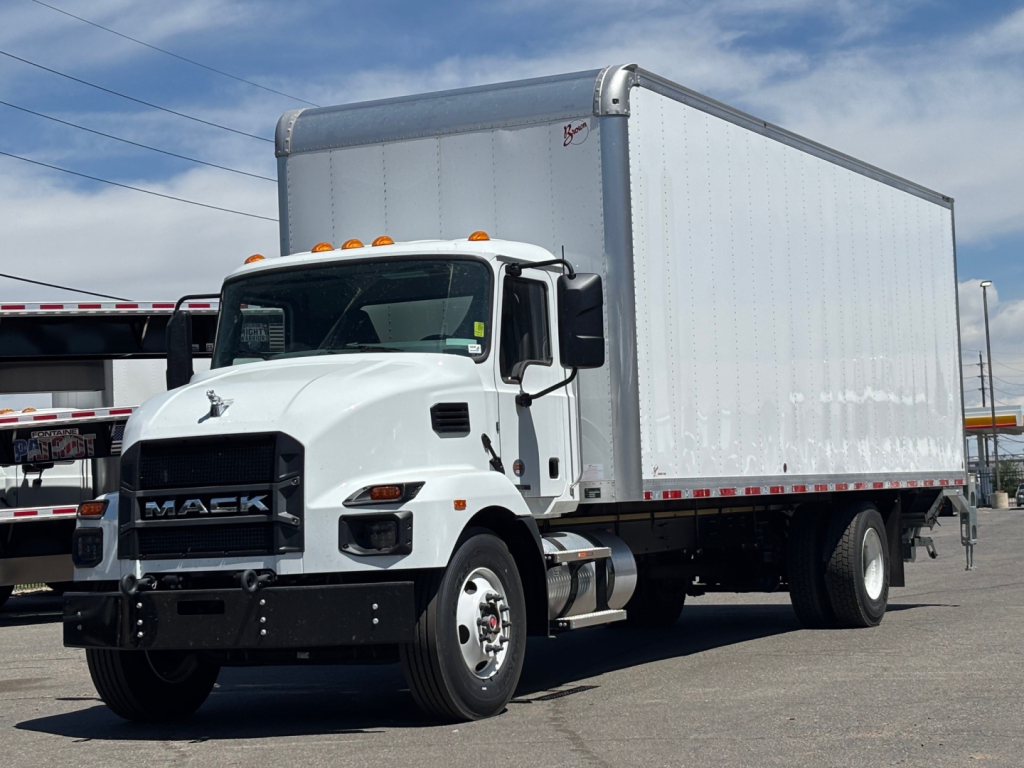
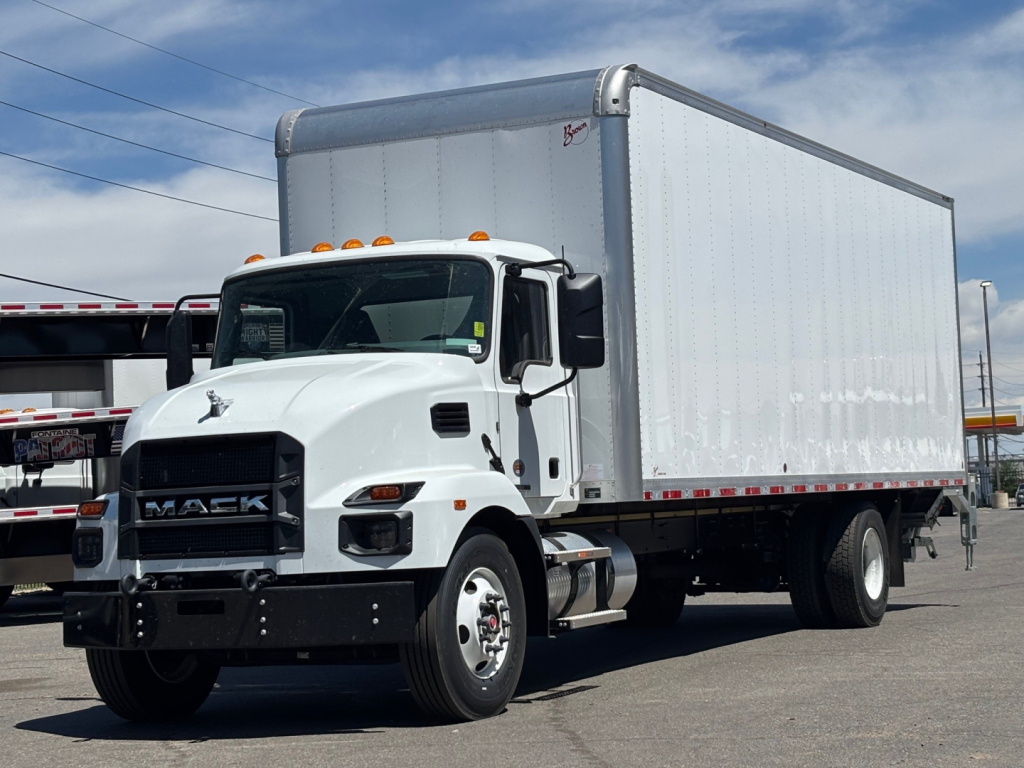
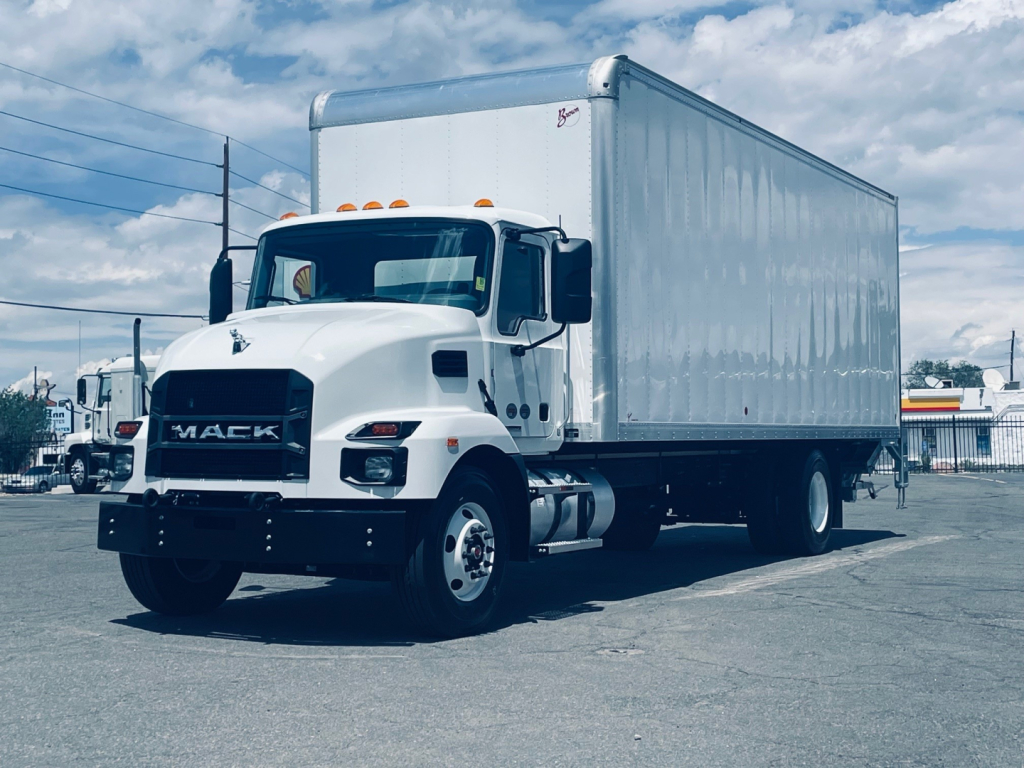
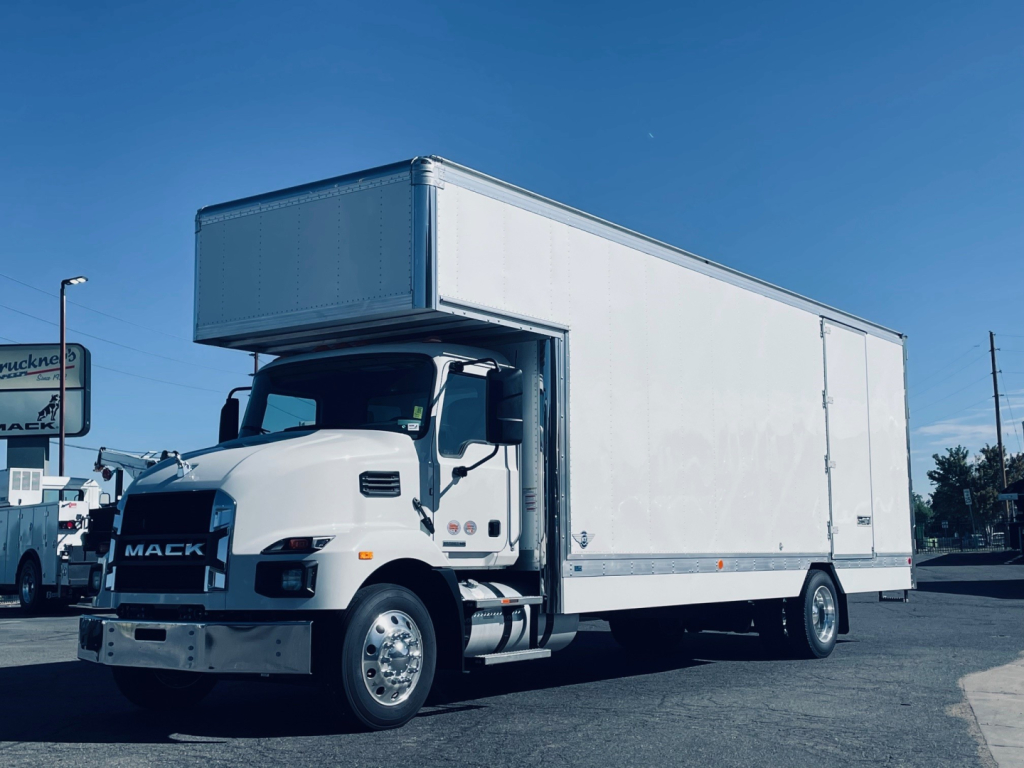
Selling a new 2026 box truck? List your new 2026 box truck for sale and reach thousands of commercial buyers.
New 2026 Box Trucks in Colorado
On new box trucks, body spec matters as much as chassis spec. Common configurations include 24 ft and 26 ft van bodies, hardwood or laminated floors, composite or aluminum sidewalls, roll-up rear doors, scuff liners, recessed E-track, interior dome lights, and front bulkhead reinforcement. Liftgates are a major buying point for route delivery and final-mile work, with 3,000 lb to 3,300 lb capacities being common on medium-duty builds. Buyers hauling carts, pallets, appliances, or packaged freight should look closely at platform size, rear frame construction, floor thickness, and cargo securement layout, since those details directly affect loading speed and body life.
Powertrain choices in this segment often center on proven medium-duty diesel engines paired with automatic transmissions such as an Allison 2500 RDS. A setup in the 260 hp to 280 hp range is common for Colorado operators that need a balance of stop-and-go drivability, grade-climbing ability, and manageable operating cost. In higher elevations and Front Range traffic, transmission calibration, rear axle ratio, wheelbase, and turning radius can be just as important as headline horsepower. Cab features like heated power mirrors, power windows, back-up alarms, and visibility upgrades also matter because box trucks spend a lot of time in alleys, loading zones, tight commercial lots, and neighborhood streets.
For a buyer comparing new 2026 box trucks, the key questions are body length, GVWR, payload after upfit, liftgate spec, and how the cargo area is configured for the job. Beverage and parcel work may need more securement points and durable wall protection. Moving and furniture delivery often benefit from a taller interior and a larger liftgate platform. General freight and route delivery usually depend on a clean under-CDL spec, easy service access, and a body that can hold up to repeated dock contact and frequent cycles. A well-matched box truck reduces loading damage, improves route efficiency, and keeps the truck productive across city and regional work.
Frequently Asked Questions about New 2026 Box Trucks in Colorado
What is the most important spec to check on a new box truck?
GVWR is usually the first number to verify because it determines licensing, payload potential, and how the truck fits your operation. Many box trucks are ordered at 25,995 lbs GVWR to stay under CDL requirements, but the real buying decision is payload after the body, liftgate, fuel, and driver are accounted for. A 26 ft body with a heavy liftgate can reduce available cargo capacity compared with a lighter 24 ft build, so the chassis and upfit need to be evaluated together.
Is a 24 ft or 26 ft box truck better for delivery work?
A 24 ft box truck is often easier to maneuver in dense urban areas, older industrial zones, and tighter customer sites. A 26 ft box truck gives more cubic capacity and can improve route efficiency when freight is bulky but not especially heavy. The better choice depends on dock access, lane width, average stop count, and whether your freight cubes out before it weighs out.
Do most new box trucks come with a liftgate?
Many delivery-oriented box trucks are equipped with a liftgate, but the correct gate depends on what you load and where you unload. Capacities around 3,000 lbs to 3,300 lbs are common in this class and work well for palletized freight, appliances, carts, and mixed route deliveries. Buyers should match lift capacity, platform dimensions, and cycle durability to the heaviest and most awkward loads they handle.
What body features help a box truck hold up longer in fleet service?
Durability usually comes from the body details that absorb daily abuse. Hardwood or laminated floors, scuff liners, reinforced bulkheads, stainless rear frames, aluminum roof construction, and quality roll-up doors all help extend body life. Recessed E-track and solid wall construction also reduce cargo movement and interior damage, which matters on multi-stop routes with frequent loading and unloading.
Are new box trucks a good fit for Colorado operations?
Yes, but Colorado buyers should pay close attention to engine output, transmission pairing, axle ratio, and cooling performance because elevation and grades affect drivability. A medium-duty diesel with an automatic transmission is a common fit for Front Range delivery and regional service. Visibility, mirror heat, traction setup, and body durability also matter because these trucks often work in variable weather, congested city traffic, and loading areas with frequent starts, stops, and backing maneuvers.