
New Box Trucks For Sale
Shop new box trucks for dry freight, delivery, and moving applications. Compare GVWR, body length, liftgates, powertrain, and cargo options.
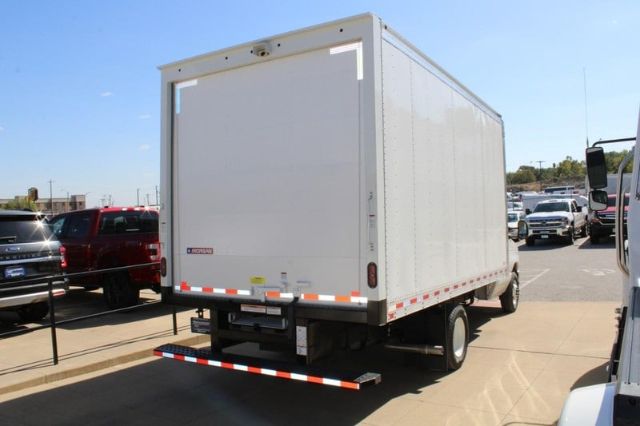
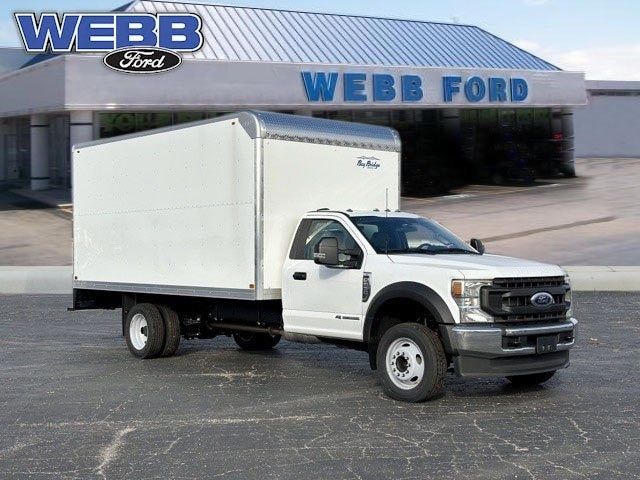
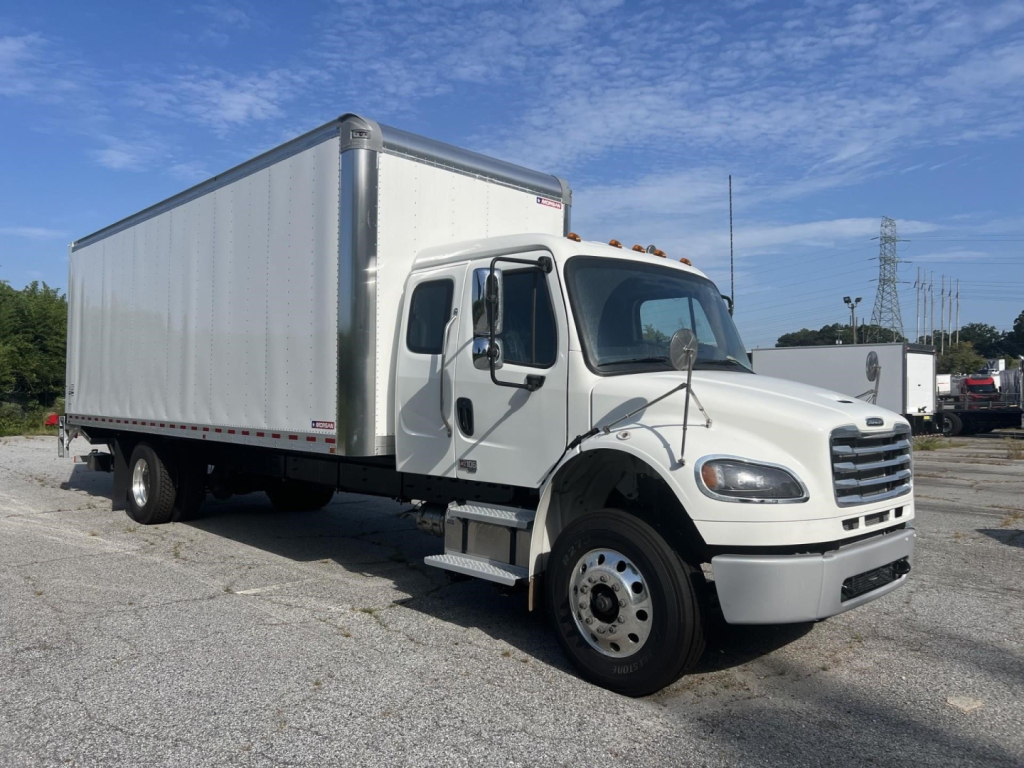
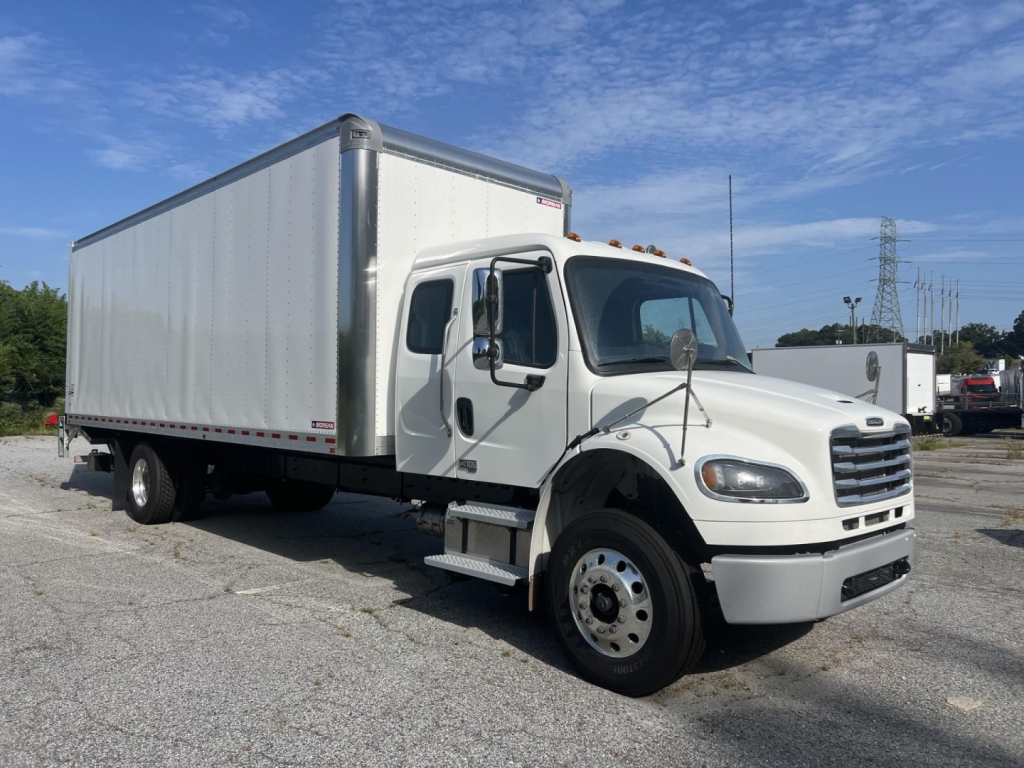
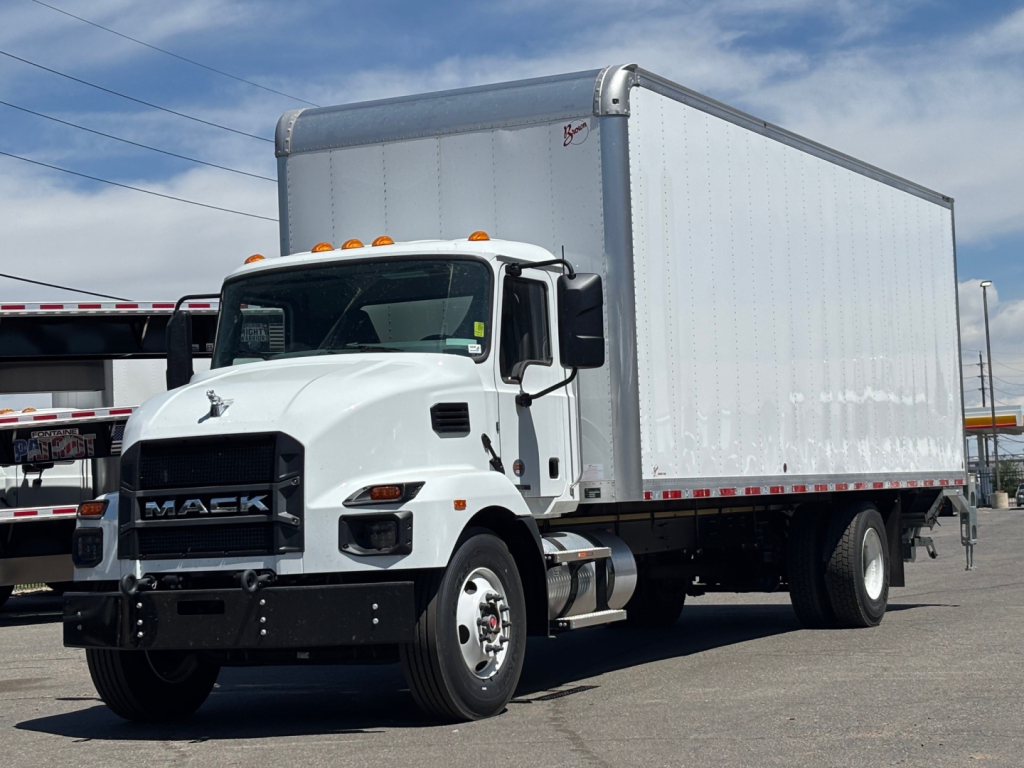
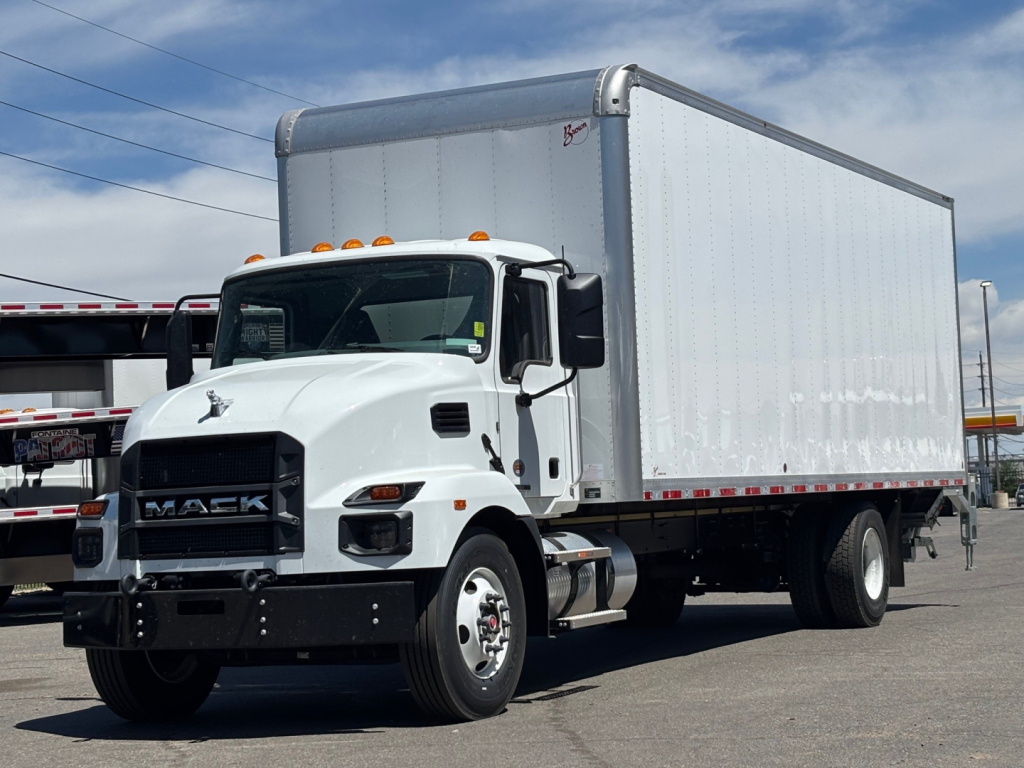
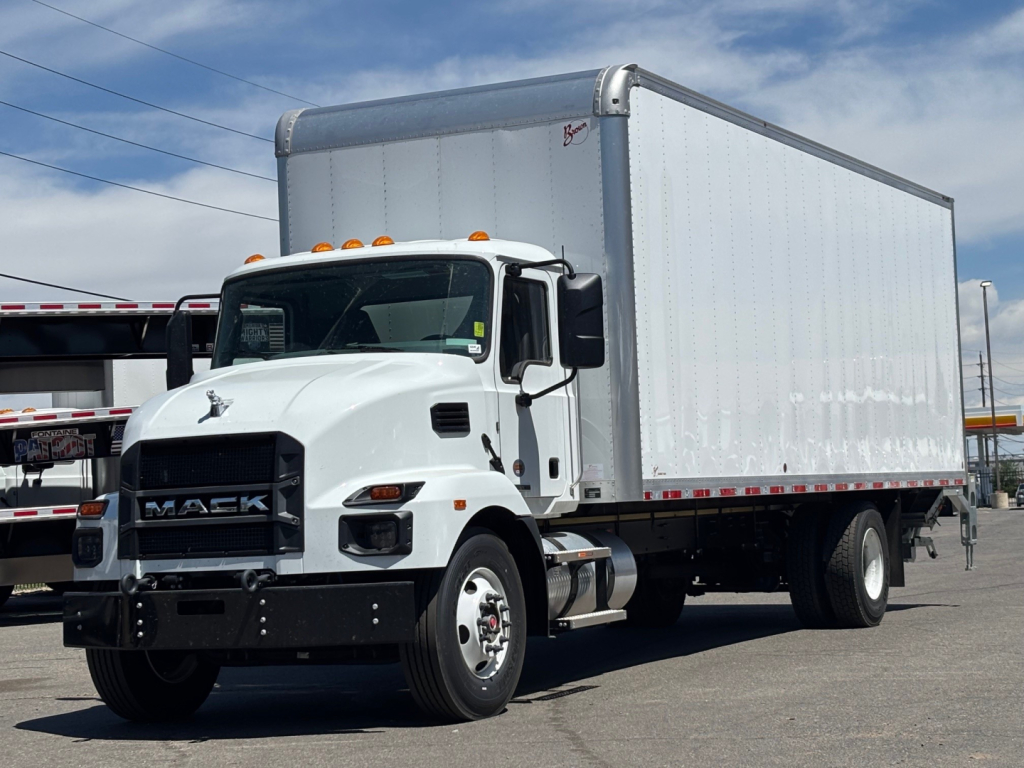
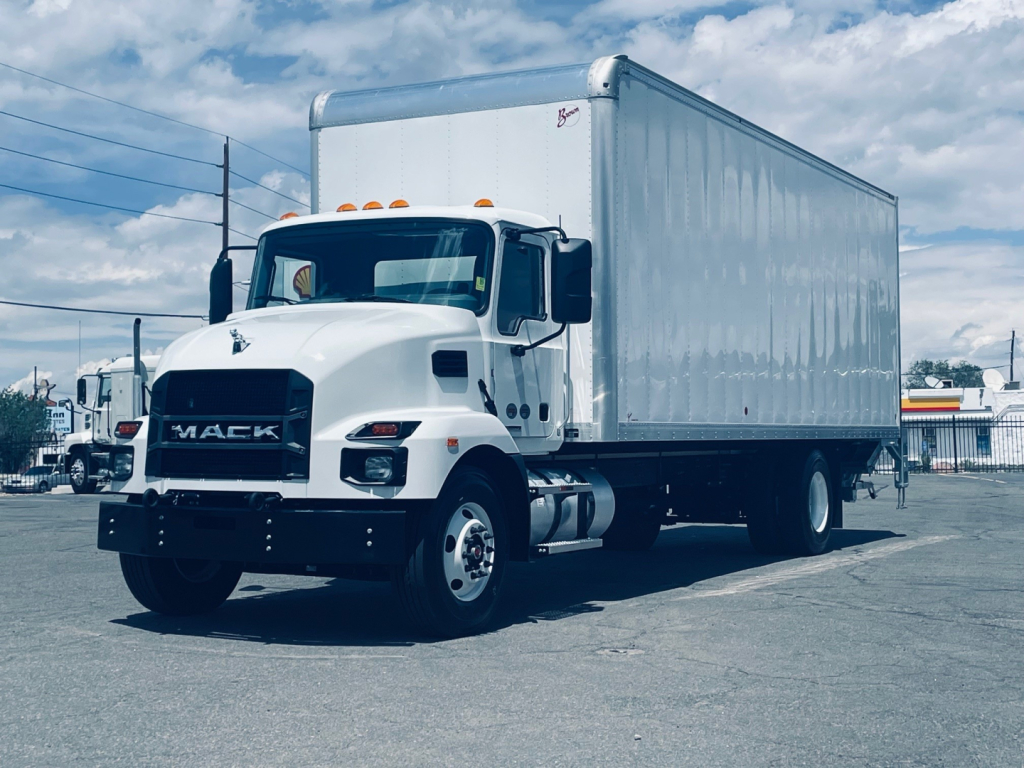
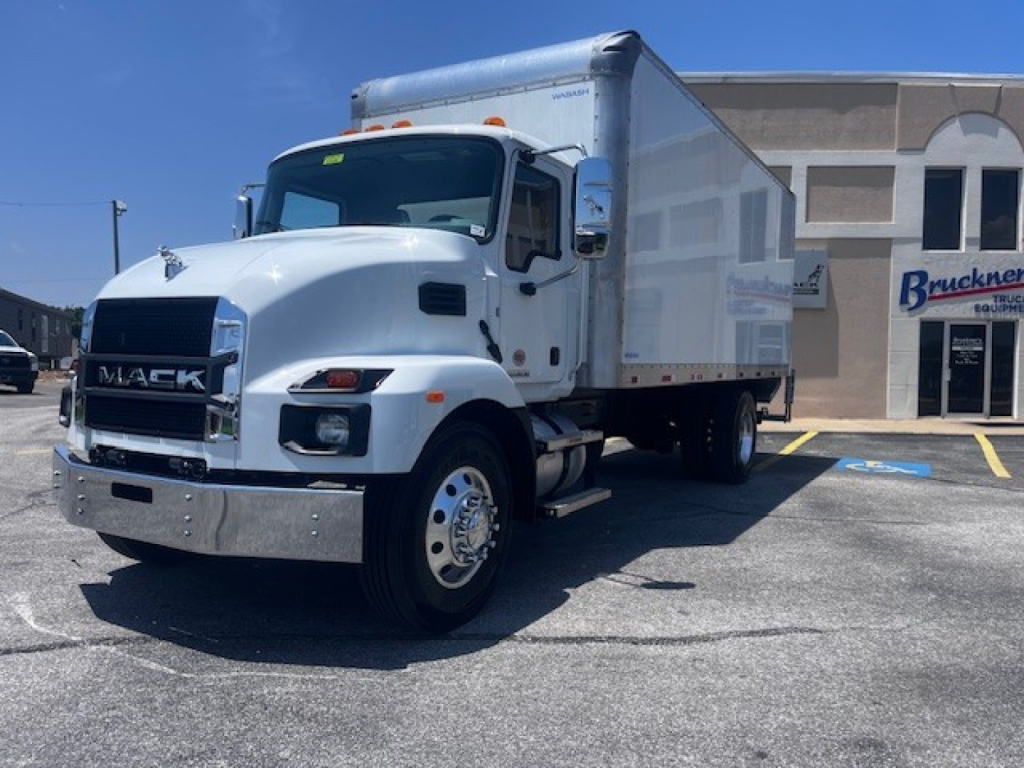
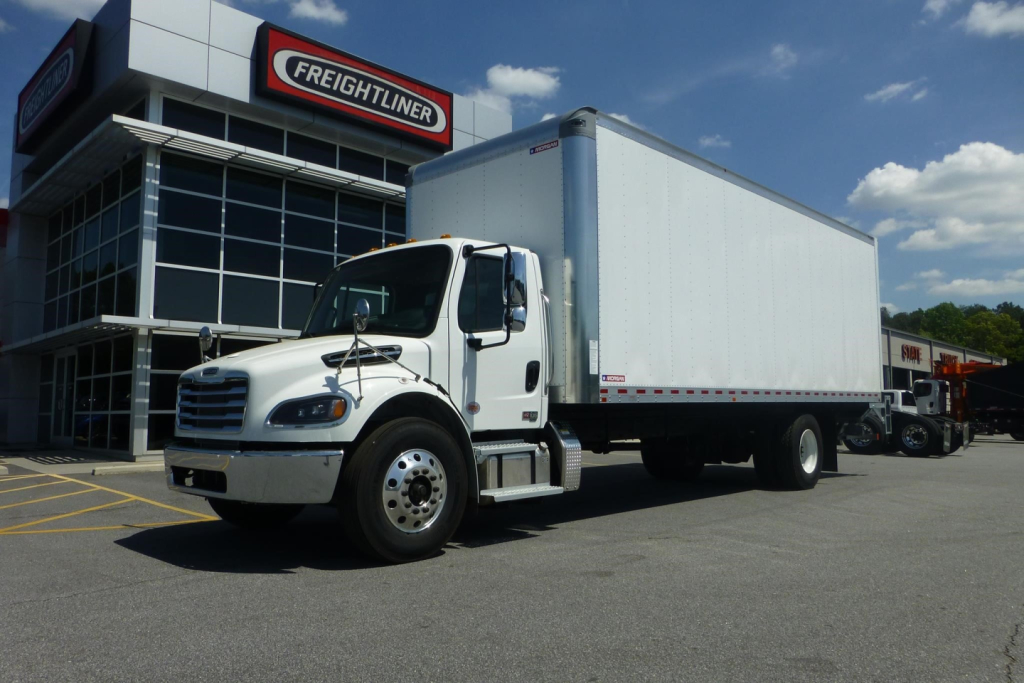
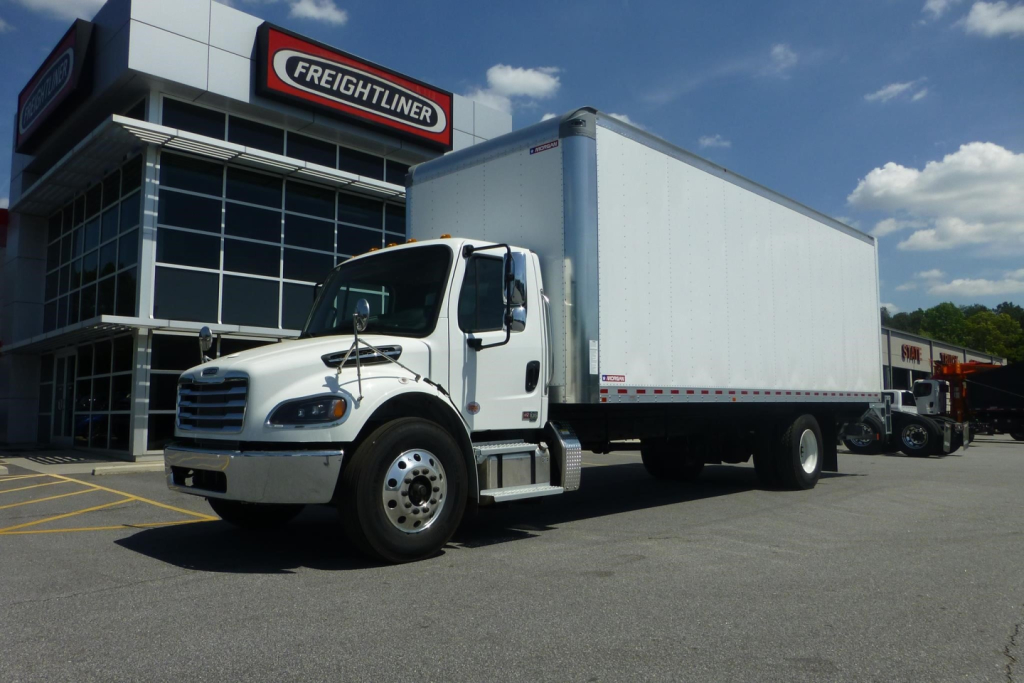
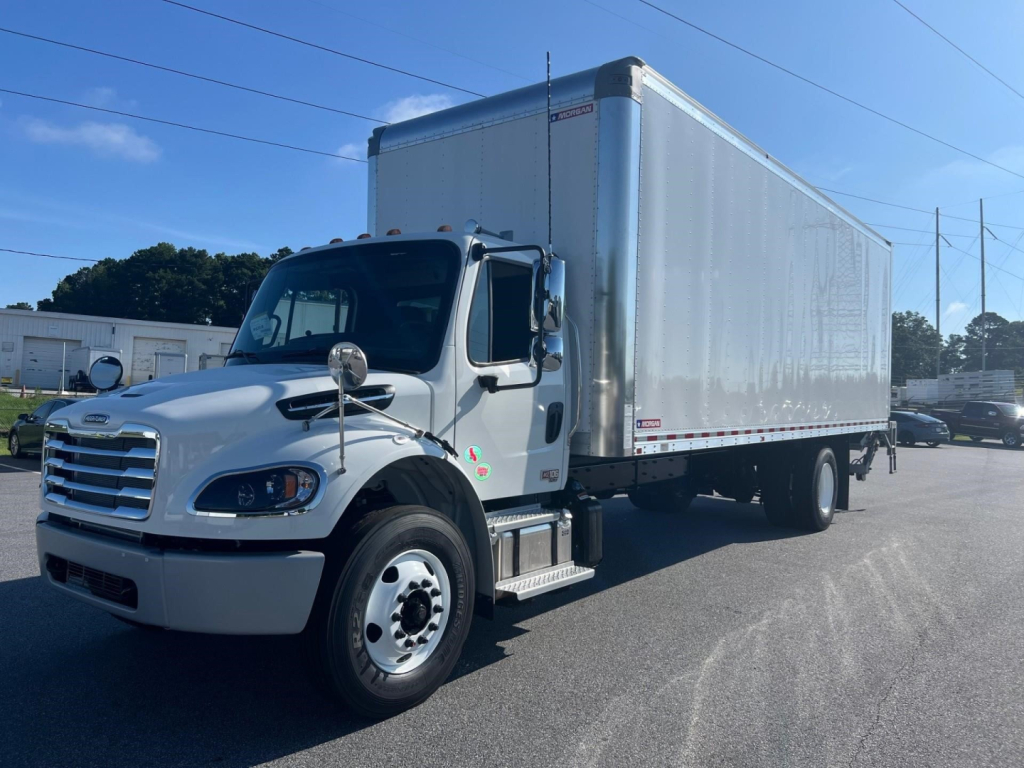
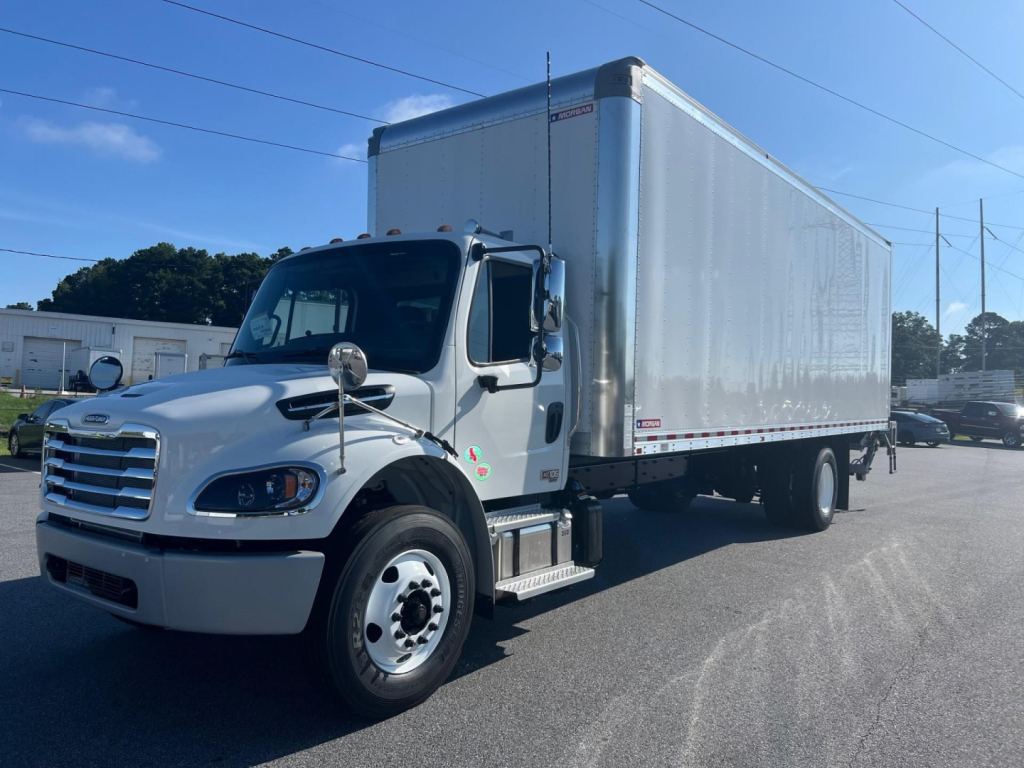
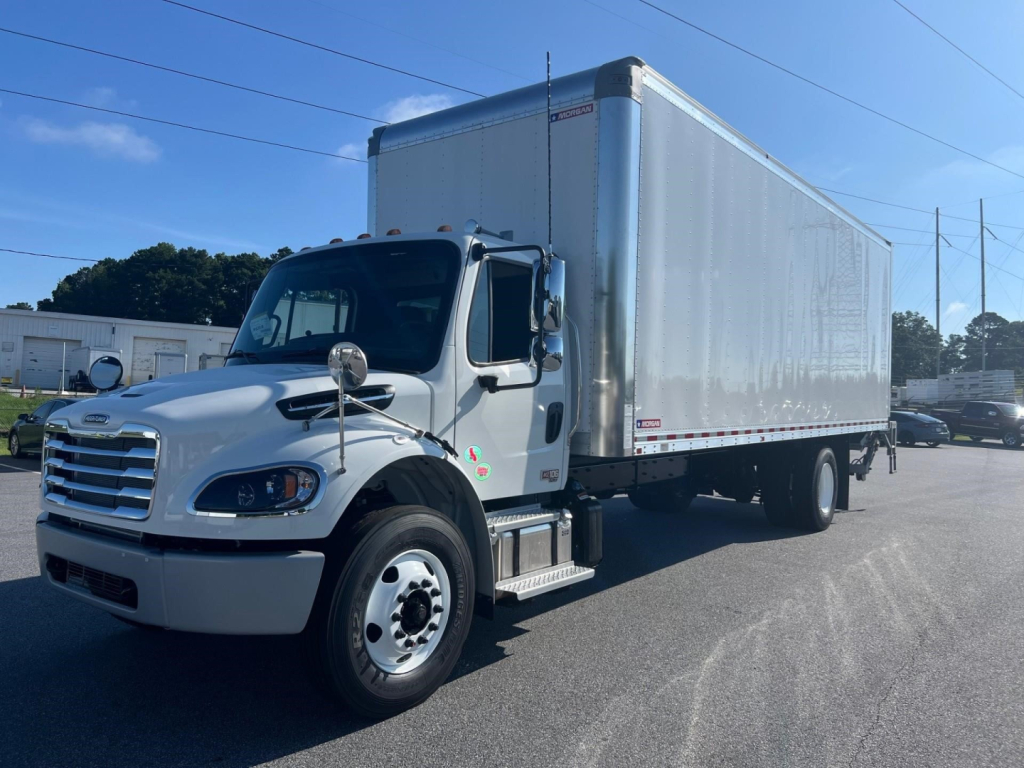
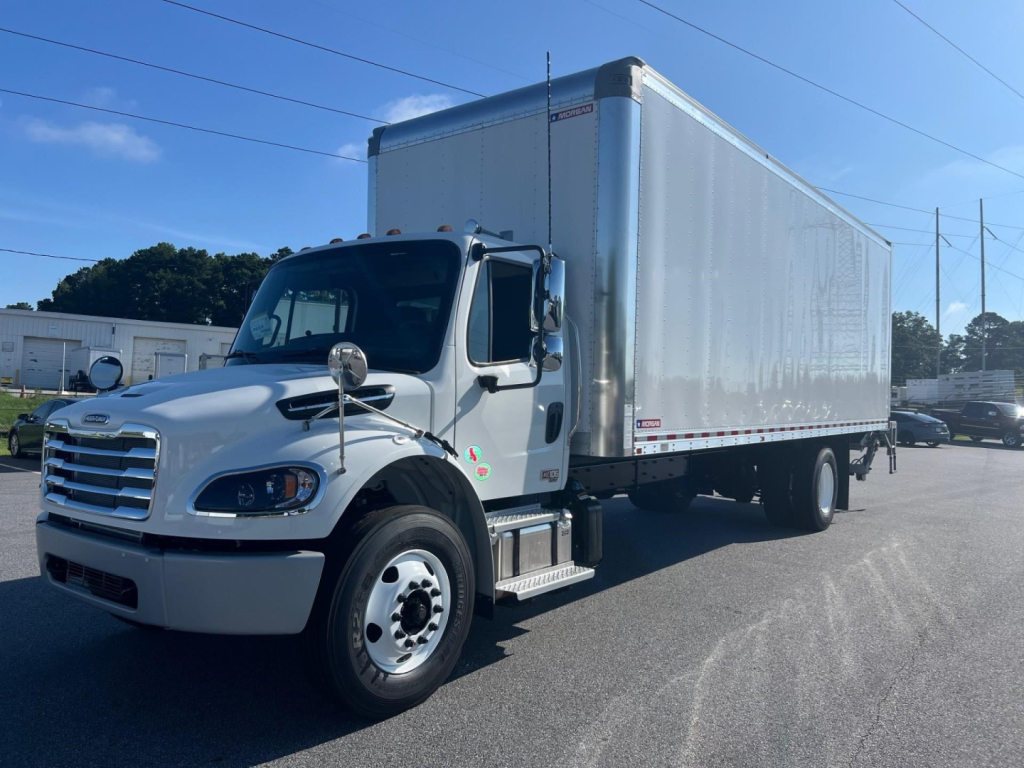
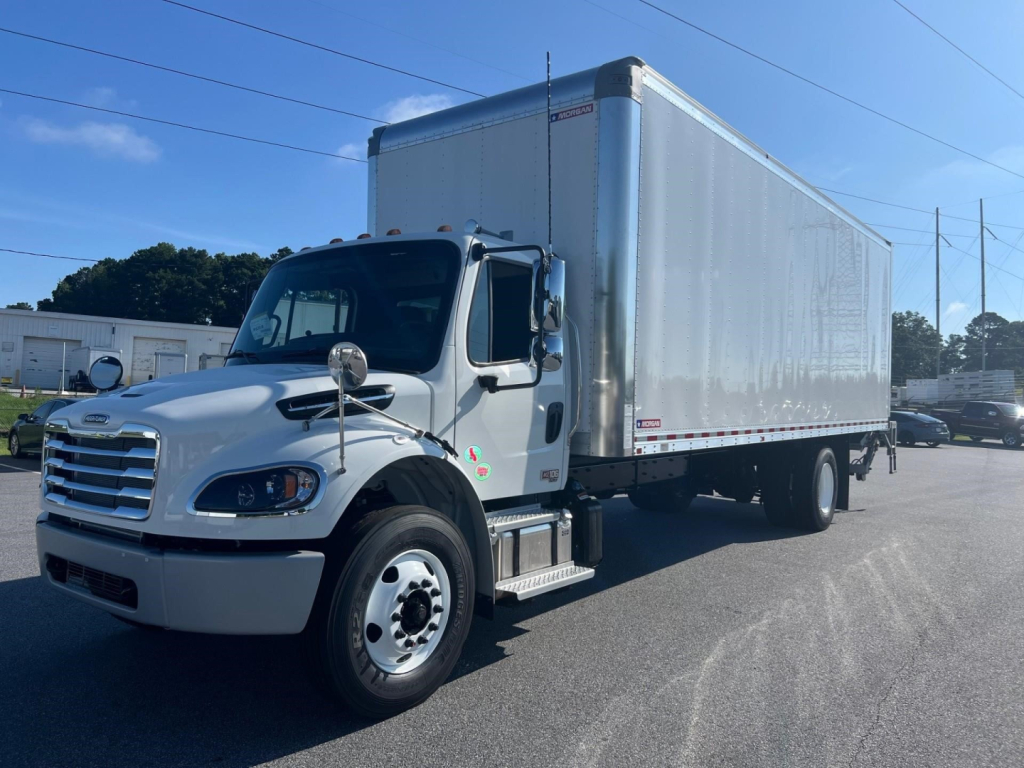
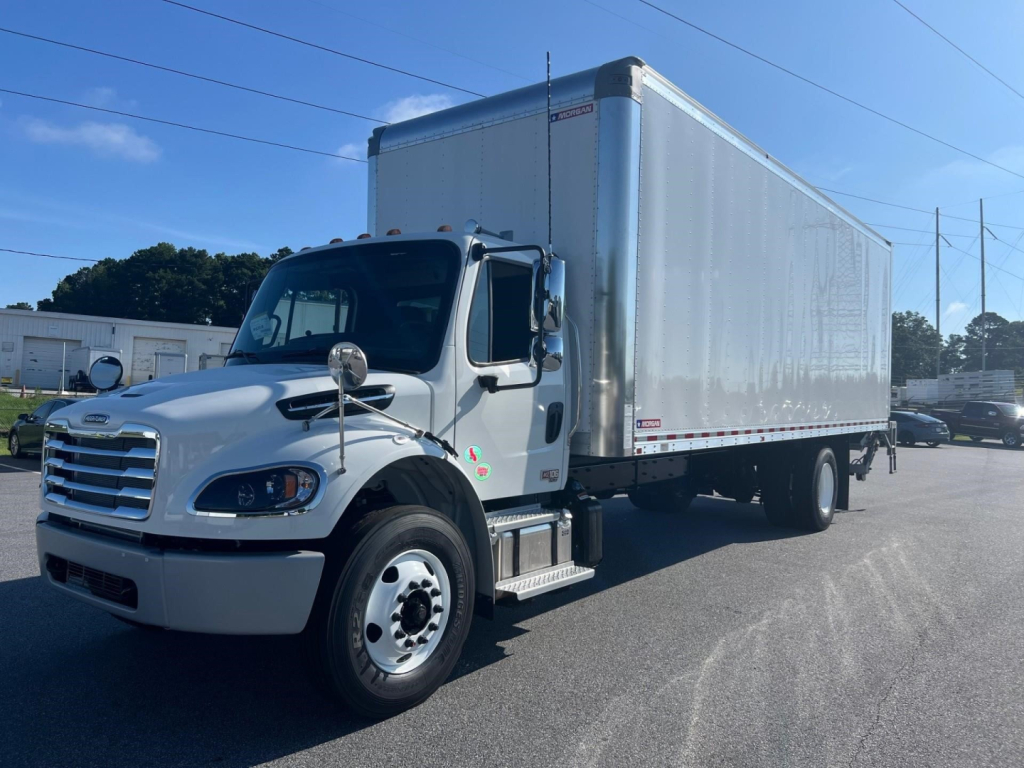
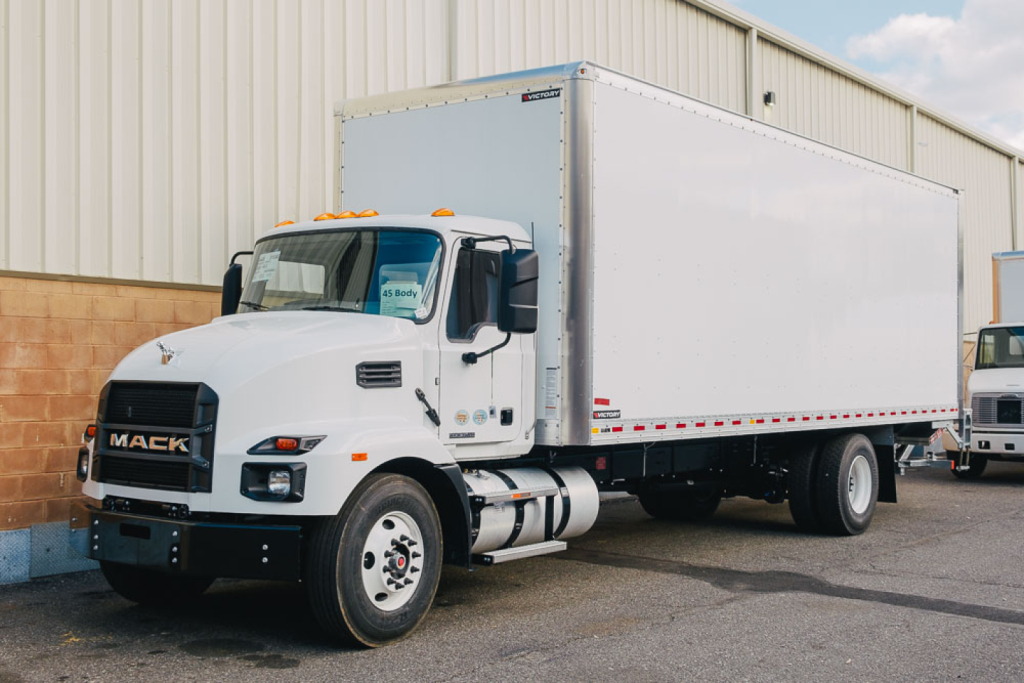
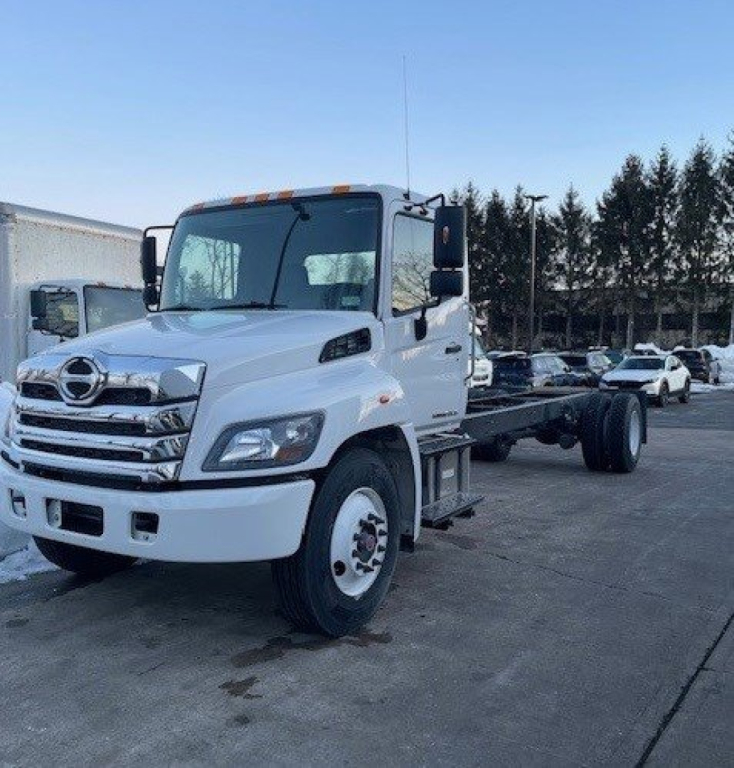
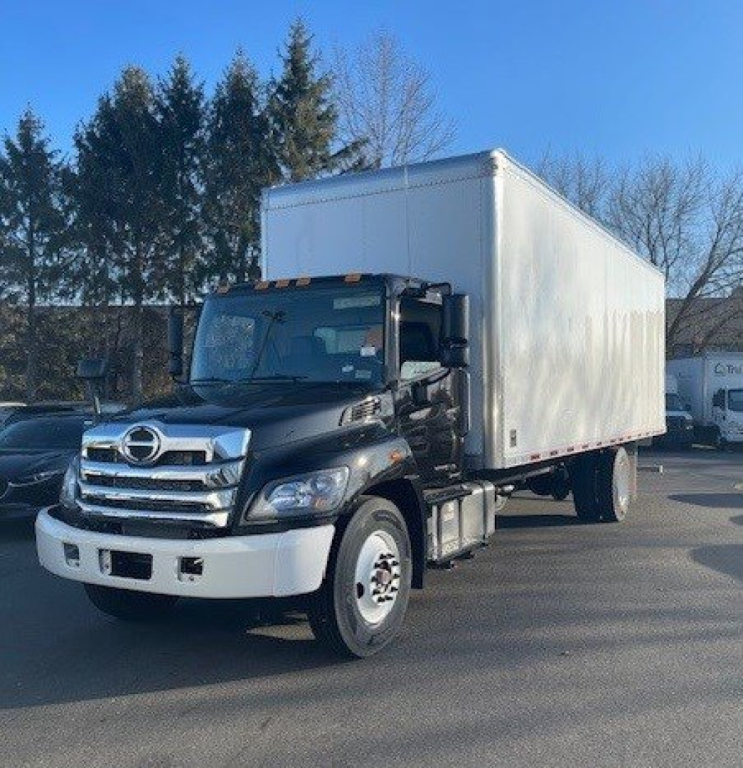
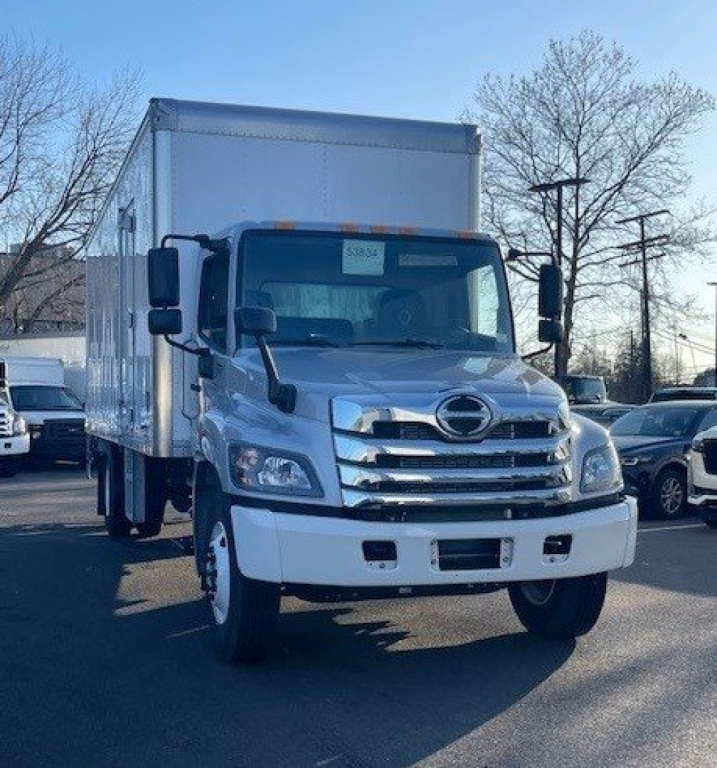
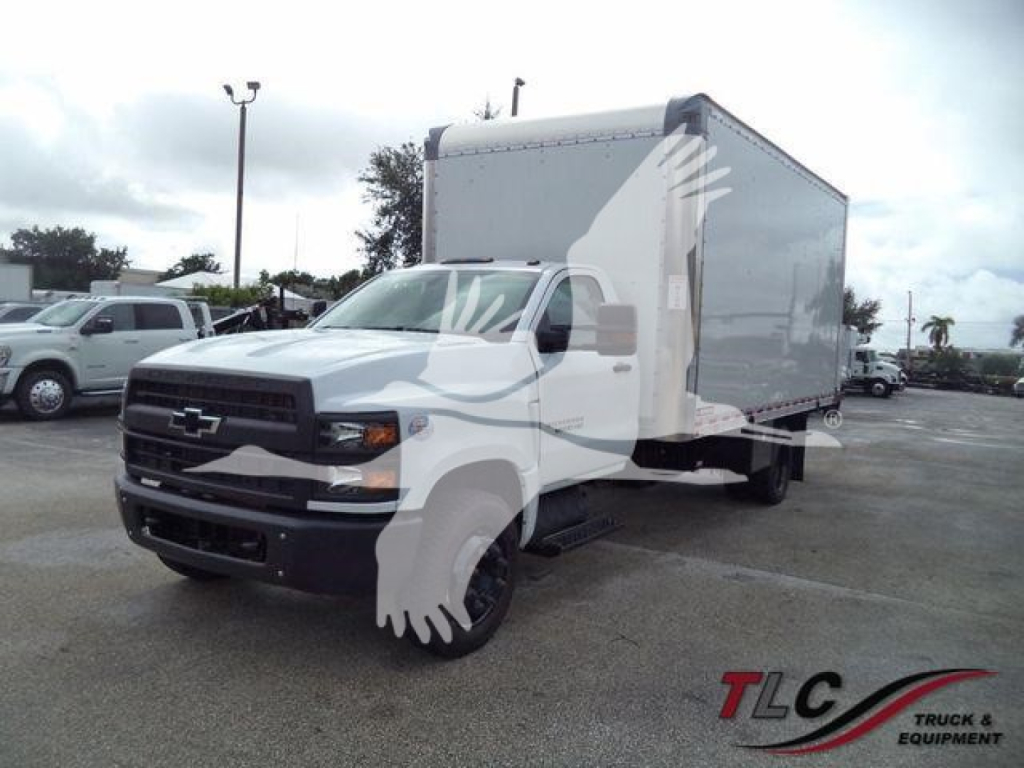
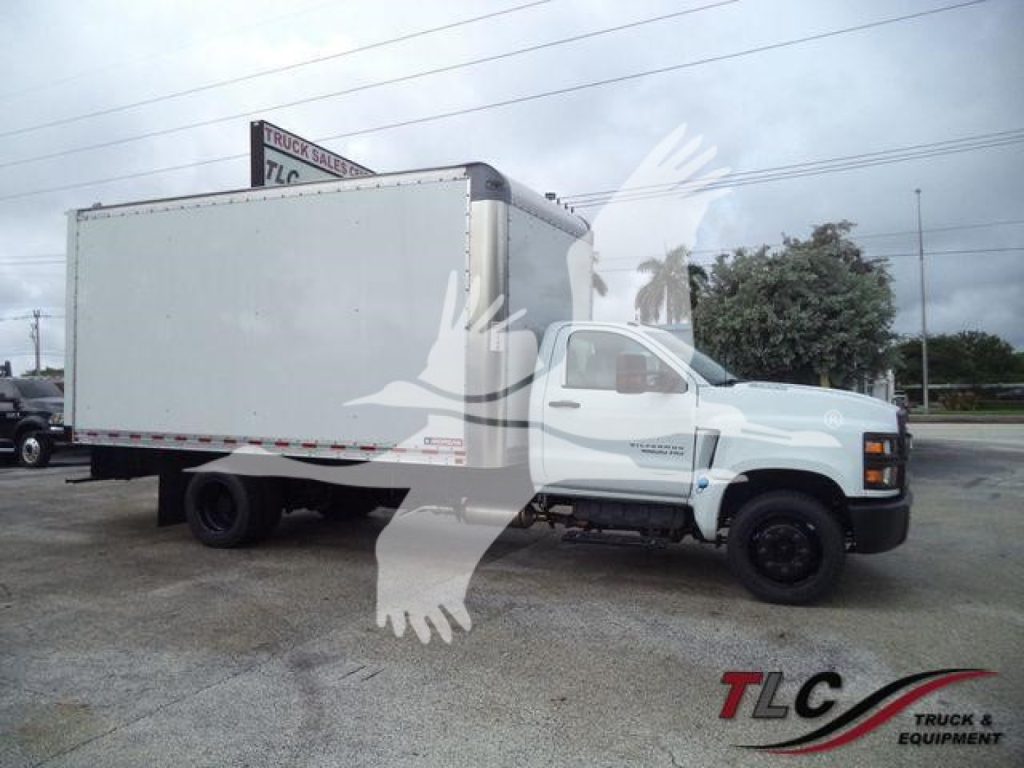
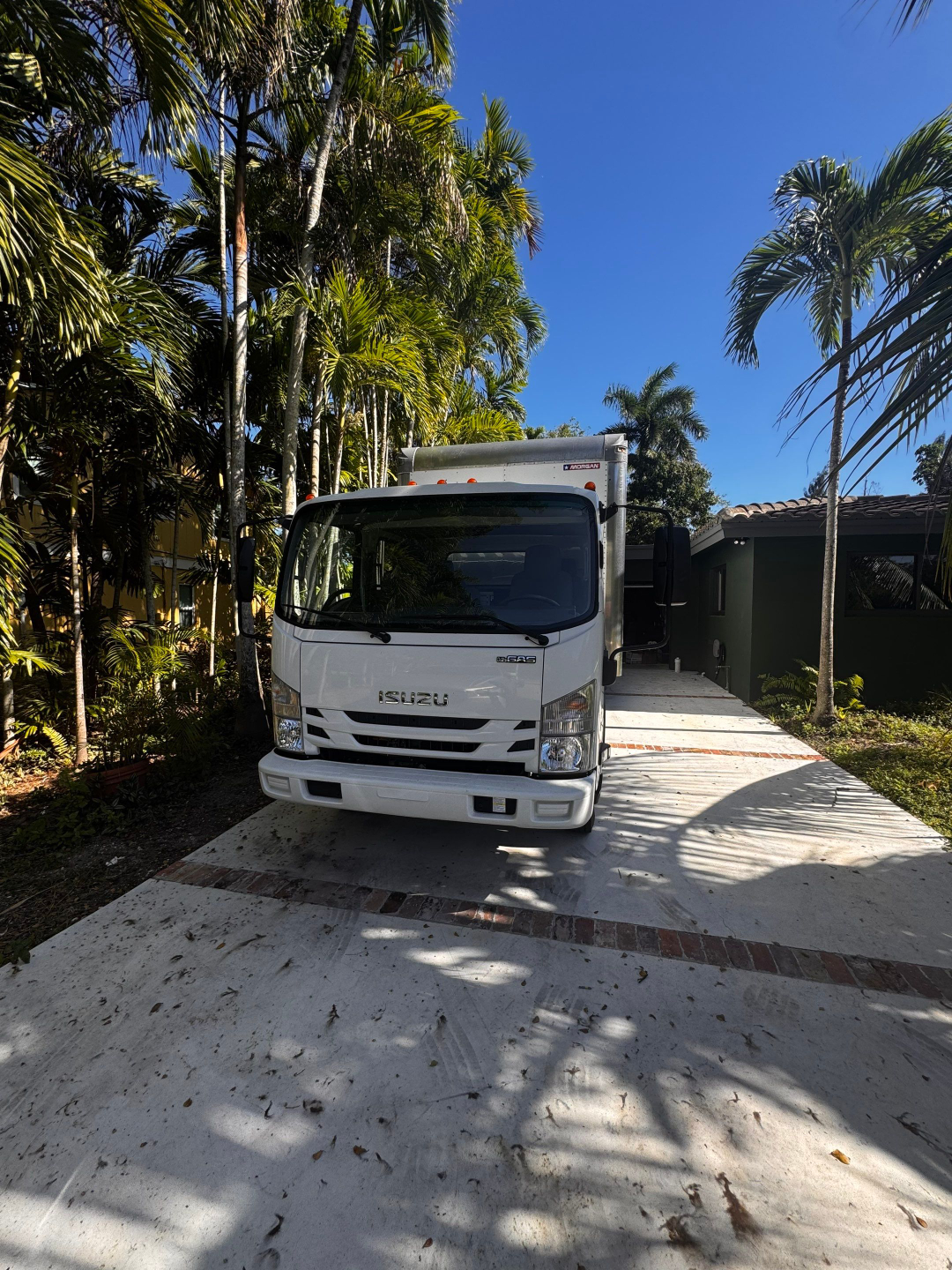
Showing 1 to 28 of 44 results
Selling a new box truck? List your new box truck for sale and reach thousands of commercial buyers.
New Box Trucks
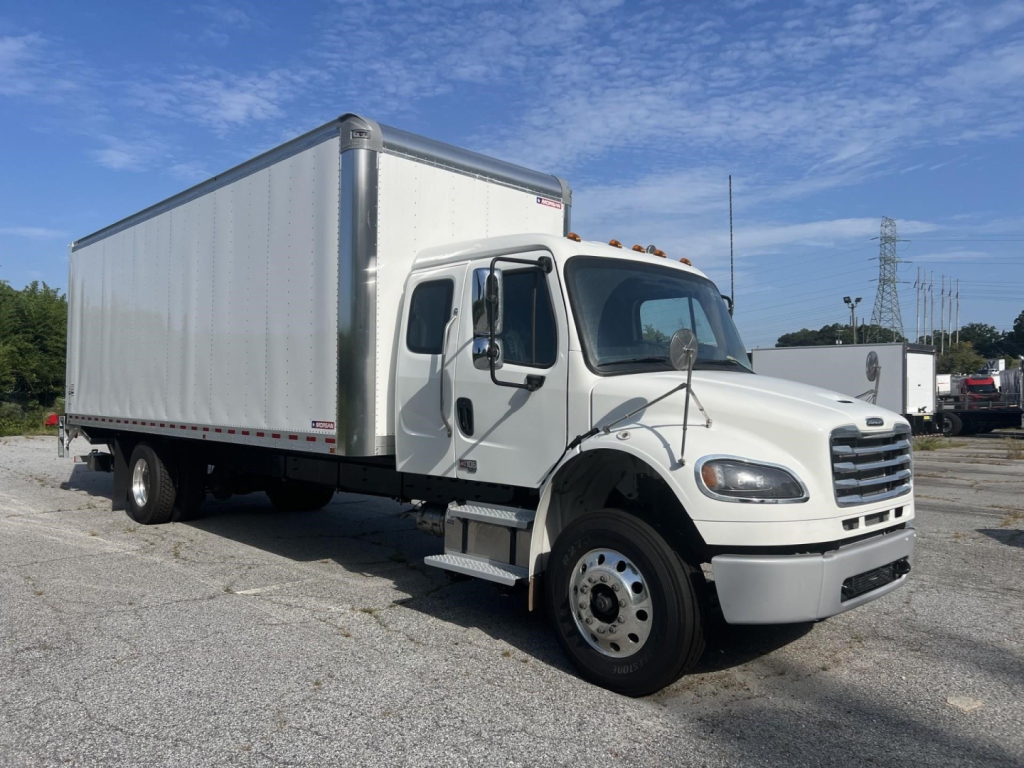
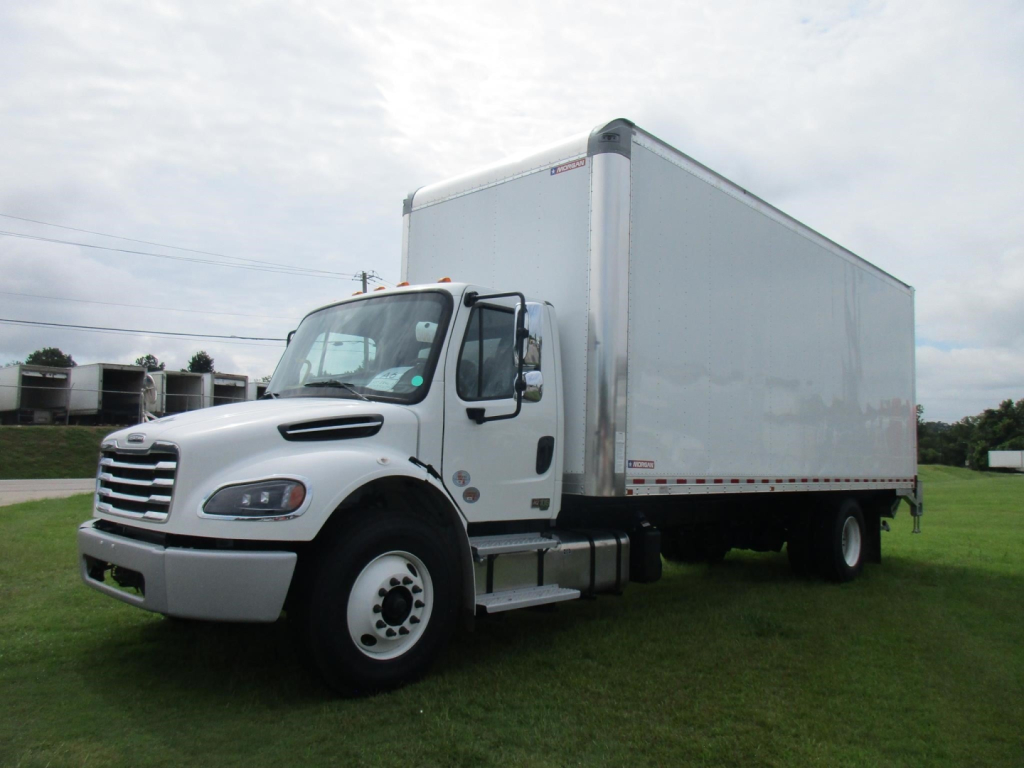
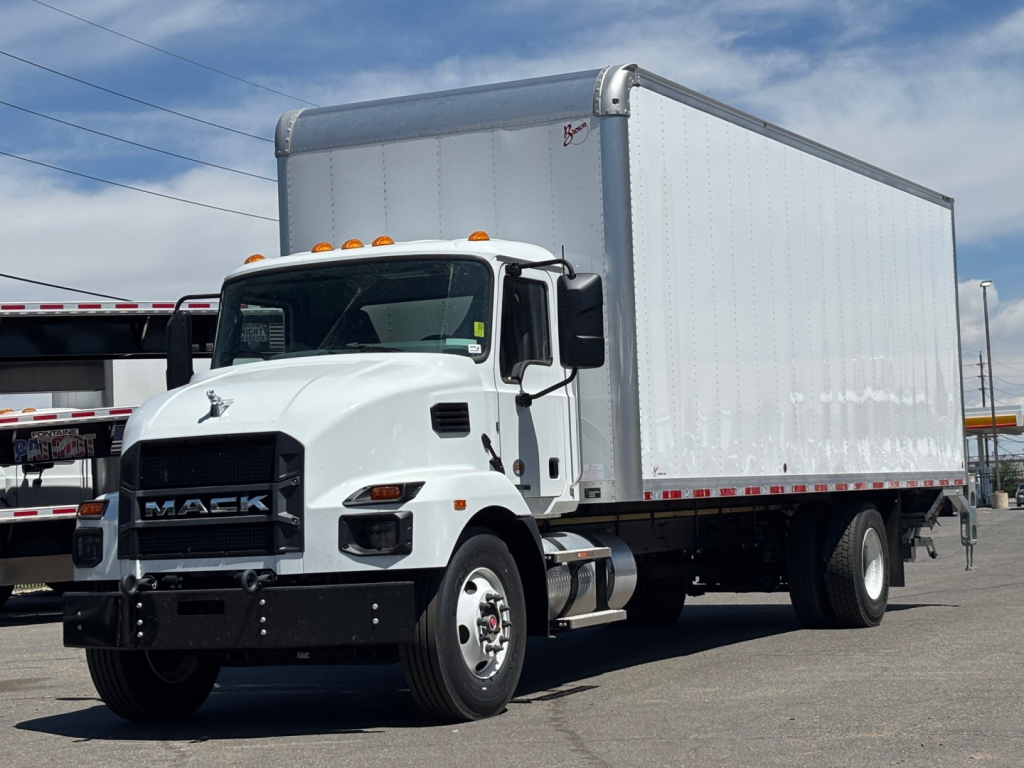
Body spec matters as much as chassis spec. A dry van body can be configured with hardwood or composite flooring, scuff liners, translucent or aluminum roofs, interior LED lighting, multiple rows of E-track, and roll-up rear doors. Liftgates are common on delivery-oriented builds, with 2,500- to 3,000-pound tuck-under or rail-style gates frequently used for palletized freight, appliances, beverages, and route work without dock access. If freight varies by stop, E-track placement, interior height, and door opening dimensions deserve close attention. A 26-foot body may maximize cube, but in urban work a shorter 16-foot to 22-foot box can be easier to park, back, and route through tighter streets.
Most new box trucks in this segment use diesel power, commonly a Cummins B6.7 or ISB6.7 paired with an Allison automatic such as a 2500 RDS. That combination is popular because it is straightforward to service and well suited to stop-and-go duty cycles. Buyers should compare horsepower, rear axle ratio, suspension type, brake spec, and wheelbase against the intended route. Air ride rear suspension can improve ride quality for fragile cargo, while spring suspension remains common for general freight. Wheelbase and body length affect turning radius, bridge formula considerations, and dock approach. On lighter models, tire size and axle ratings become especially important when the truck will regularly run near rated payload.
A new box truck is often chosen for local and regional delivery, moving and storage, furniture transport, final-mile distribution, contractor supply runs, and municipal fleet use. The best spec is the one that matches freight density, stop frequency, and loading method. Buyers running pallet freight should confirm liftgate capacity, floor rating, and usable interior width between walls. Buyers focused on route efficiency should look closely at cab ergonomics, visibility, power mirrors, HVAC, and entry-exit height since driver fatigue adds up quickly on multi-stop work. New units also bring the advantage of current emissions systems, warranty coverage, and a clean maintenance baseline, which can make budgeting easier for fleets that need predictable uptime from day one.
Frequently Asked Questions about New Box Trucks
What GVWR should I look for in a new box truck?
GVWR should match payload needs, body size, and driver requirements. Many delivery fleets target 25,999 or 26,000 GVWR to stay under CDL limits, especially on 24-foot to 26-foot dry vans. If cargo is dense or liftgate use is constant, a heavier Class 7 chassis may be the better fit because it offers more usable payload and axle capacity. The right approach is to estimate the heaviest normal load, include pallet jack or liftgate weight, and leave margin so the truck is not operating at its limit every day.
What is the difference between a box truck, a dry freight truck, and a cube van?
In most commercial trucking use, these terms refer to the same basic equipment type: a cab chassis fitted with an enclosed cargo body. "Box truck" is the broad everyday term, "dry freight truck" emphasizes weather-protected cargo, and "cube van" is often used for smaller straight trucks with square cargo bodies. The exact body size, chassis class, and cargo equipment can vary widely, but the core function is enclosed on-road freight and delivery work.
Is a liftgate worth having on a new box truck?
A liftgate is essential if deliveries are made without dock access or if the truck handles palletized freight, appliances, or other heavy pieces at customer locations. Common capacities in this segment are around 2,500 to 3,000 pounds. The main buying points are rated capacity, platform size, tuck-under versus rail design, and how much gate weight reduces payload. If every stop has a dock, skipping the liftgate can save weight and simplify maintenance, but for route delivery it is often one of the most valuable options on the truck.
What body features matter most inside a dry van box?
Floor construction, E-track layout, interior height, lighting, and wall protection are the features that affect daily use the most. Hardwood floors are common for forklift traffic, while scuff liners help protect sidewalls from pallet contact. E-track adds cargo securement flexibility for mixed loads and route work. Interior LED lighting improves visibility during early morning and evening stops. Buyers should also verify door opening dimensions and usable cubic space, not just nominal body length, because those details determine how efficiently freight fits and secures.
What powertrain is common in new medium-duty box trucks?
A very common setup is a diesel engine such as the Cummins B6.7 or ISB6.7 paired with an Allison automatic transmission. This combination is widely used in medium-duty delivery fleets because it handles stop-and-go service well and has broad service support. When comparing trucks, horsepower alone does not tell the full story. Rear axle ratio, transmission model, GVWR, and body weight all influence acceleration, gradeability, fuel economy, and how the truck performs on local versus regional routes.