
New Ford Box Trucks For Sale
Shop new Ford box trucks including Transit, E-Series, and F-550 models built for delivery, moving, service routes, and dry freight work.
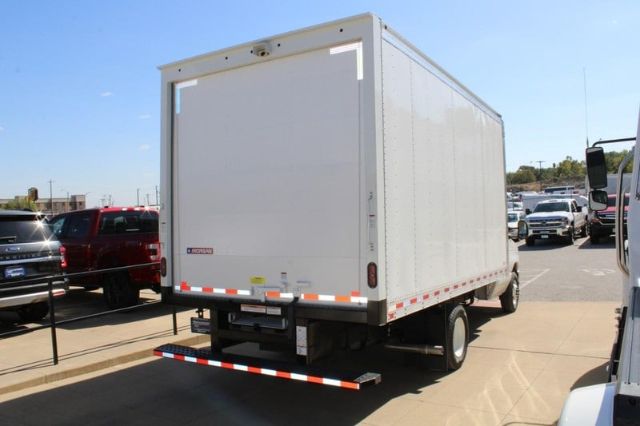
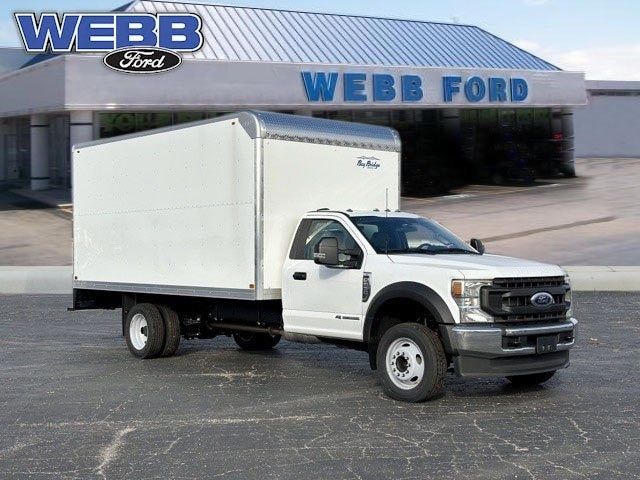
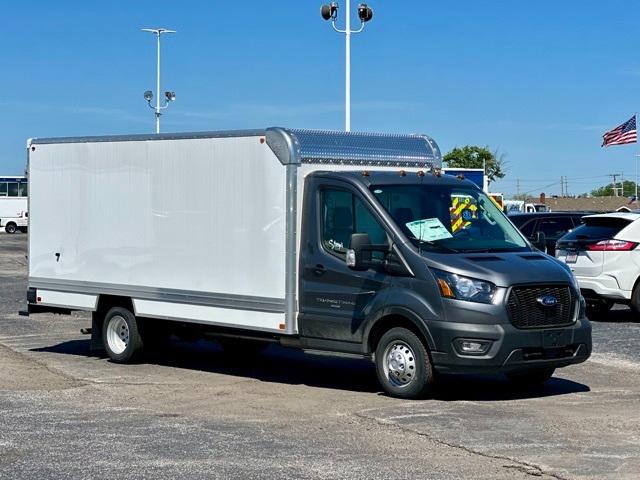
Selling a new ford box truck? List your new ford box truck for sale and reach thousands of commercial buyers.
New Ford Box Trucks
The first decision is usually payload versus maneuverability. A Ford Transit box truck is popular for urban delivery because it offers a tighter footprint, lower step-in height, and strong driver comfort features, often with the 3.5L EcoBoost gas engine and 10-speed automatic. E-Series box trucks, especially the E-450 cutaway, remain a go-to choice when buyers want a simple, proven platform with higher GVWR and broad upfitter support. F-550 box trucks move the category into medium-duty territory with higher payload potential, commercial-grade axles, larger brakes, and diesel or gas engine options depending on build year and spec. On new units, common GVWR ranges can run from under 10,000 pounds on some Transit configurations to 14,500 pounds on E-450 models and around 19,500 pounds on F-550 builds.
Body spec is just as important as chassis spec. Many Ford box trucks in this class carry 14-foot to 16-foot dry van bodies, though larger bodies are available depending on wheelbase and axle ratings. Buyers should pay attention to inside height, rear door opening dimensions, floor construction, logistics track, curbside access doors, and liftgate prep or installed liftgates. A Morgan, Bay Bridge, or similar van body may be paired with translucent roofs, scuff liners, plywood or hardwood floors, and step bumpers based on the intended route work. For fleet buyers, details like wheelbase, rear axle ratio, fuel tank size, and standard safety systems matter because they affect route range, turning radius, maintenance planning, and driver acceptance.
For most applications, the best new Ford box truck is the one that matches route density, cargo cube, and legal payload without overbuying chassis. Gas-powered Ford box trucks often make sense for stop-and-go local work with simpler emissions systems, while diesel F-Series builds may be preferred for heavier payloads and tougher duty cycles. Check the door opening, body manufacturer, suspension type, tire size, and warranty coverage before comparing price alone. A properly spec'd Ford box truck will usually return its value through uptime, easier loading, and a body-chassis combination that fits the freight instead of forcing workarounds.
Frequently Asked Questions about New Ford Box Trucks
What is the difference between a Ford Transit box truck, E-450 box truck, and F-550 box truck?
The main difference is capacity, size, and duty cycle. A Ford Transit box truck is typically the lightest and easiest to maneuver, making it well suited for urban delivery and lighter payloads. An E-450 box truck offers a higher GVWR and a long-standing cutaway platform that works well for 16-foot van bodies and general commercial delivery. An F-550 box truck is a heavier medium-duty choice with stronger running gear, larger commercial tires, and more payload capability for demanding freight, equipment, or contractor applications.
What body length is most common on a new Ford box truck?
A 16-foot box is one of the most common specs across Ford cutaway and chassis cab applications because it balances cargo cube with maneuverability. That said, actual body length should be matched to the wheelbase, rear axle rating, and the type of freight being hauled. Buyers should also review inside height, rear roll-up door opening, and whether the body includes options like a curbside door or liftgate, since usable cargo access matters as much as overall body length.
Is a gas or diesel Ford box truck better for local delivery?
For many local delivery operations, a gas Ford box truck is the more practical fit because it generally has lower upfront cost and can be simpler to maintain in stop-and-go service. Ford gas engines in Transit and E-Series applications are common for parcel, bakery, rental, and moving work. Diesel power becomes more attractive when the truck is carrying heavier loads consistently, operating over longer distances, or built on a heavier F-550 chassis where torque and payload demands are higher.
What GVWR should I look for in a new Ford box truck?
The right GVWR depends on cargo weight, body weight, and whether the truck needs to stay under certain licensing or regulatory thresholds. Lighter Transit-based box trucks may be spec'd under 10,000 pounds GVWR, while E-450 units are commonly around 14,500 pounds GVWR and F-550 box trucks can be around 19,500 pounds GVWR depending on configuration. Buyers should verify actual payload after the body and any liftgate are installed, because the completed truck weight can reduce usable carrying capacity more than expected.
What features matter most when comparing new Ford box trucks?
The most important features are the ones that affect daily productivity and cost per route. Buyers should compare engine and transmission combination, wheelbase, axle ratio, tire size, body brand, floor material, door configuration, and liftgate setup. Cab features such as air conditioning, power windows, mirrors, and driver-assist technology also matter on route trucks because they influence driver comfort, visibility, and retention. A lower-priced unit is not always the better value if it lacks the body access or payload spec needed for the work.