
New Box Trucks For Sale in Florida
Shop new box trucks for sale in Florida. Compare GVWR, box lengths, liftgates, cab layouts, and dry freight upfits for delivery work.
Selling a new box truck? List your new box truck for sale and reach thousands of commercial buyers.
New Box Trucks in Florida
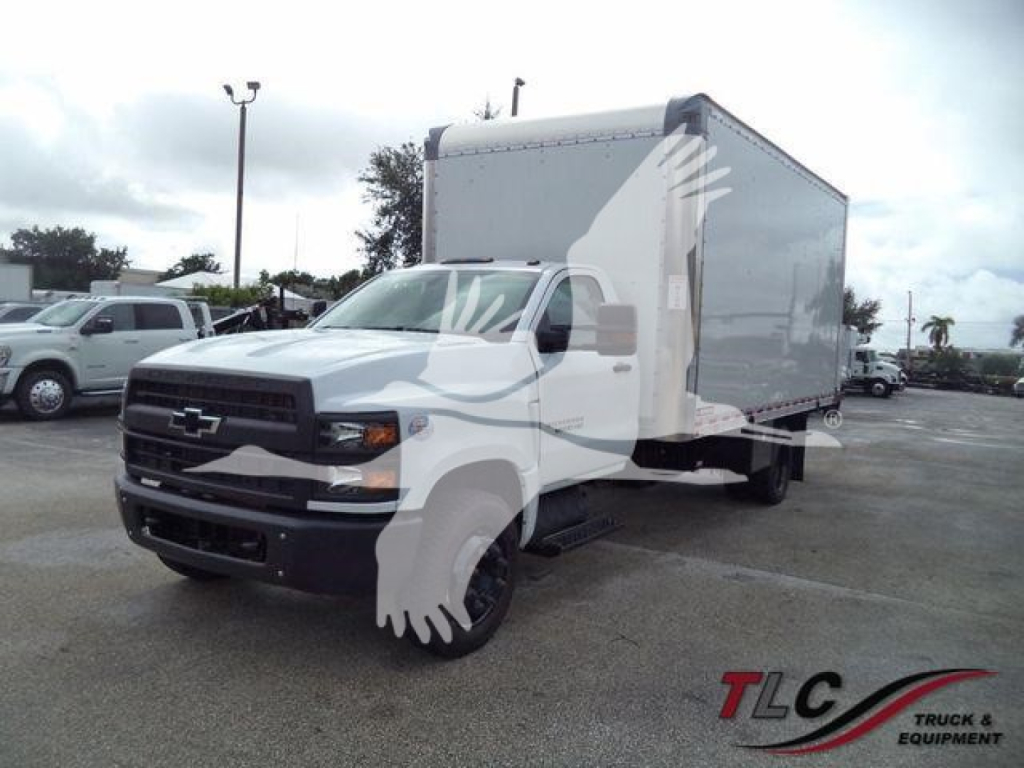
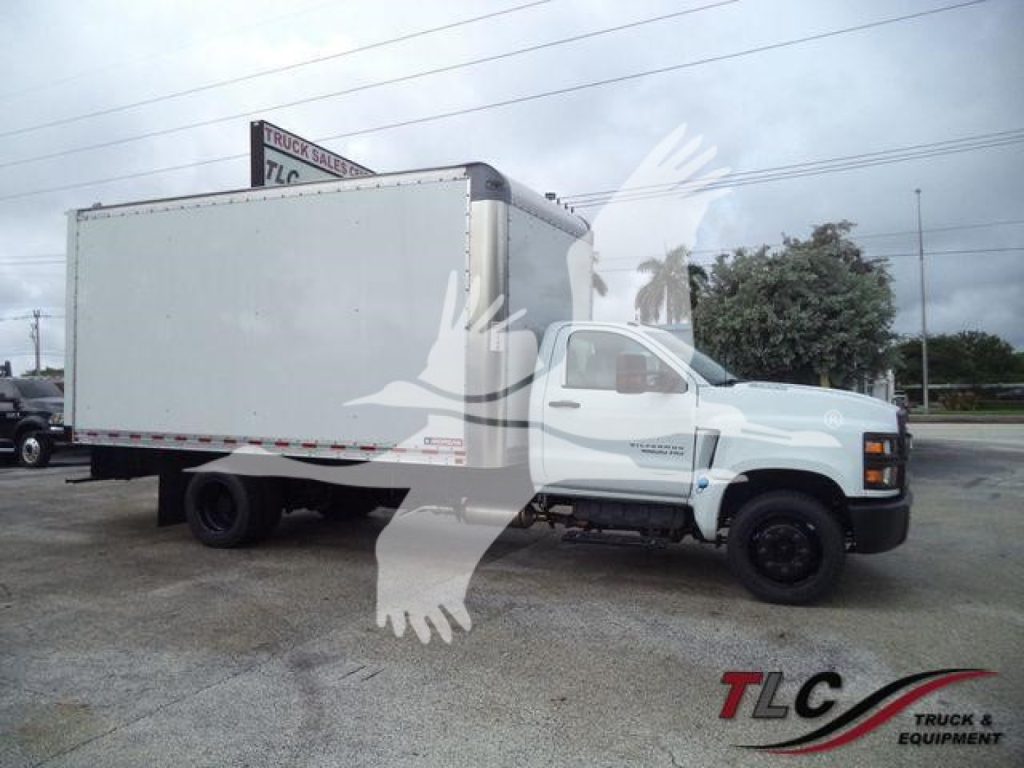
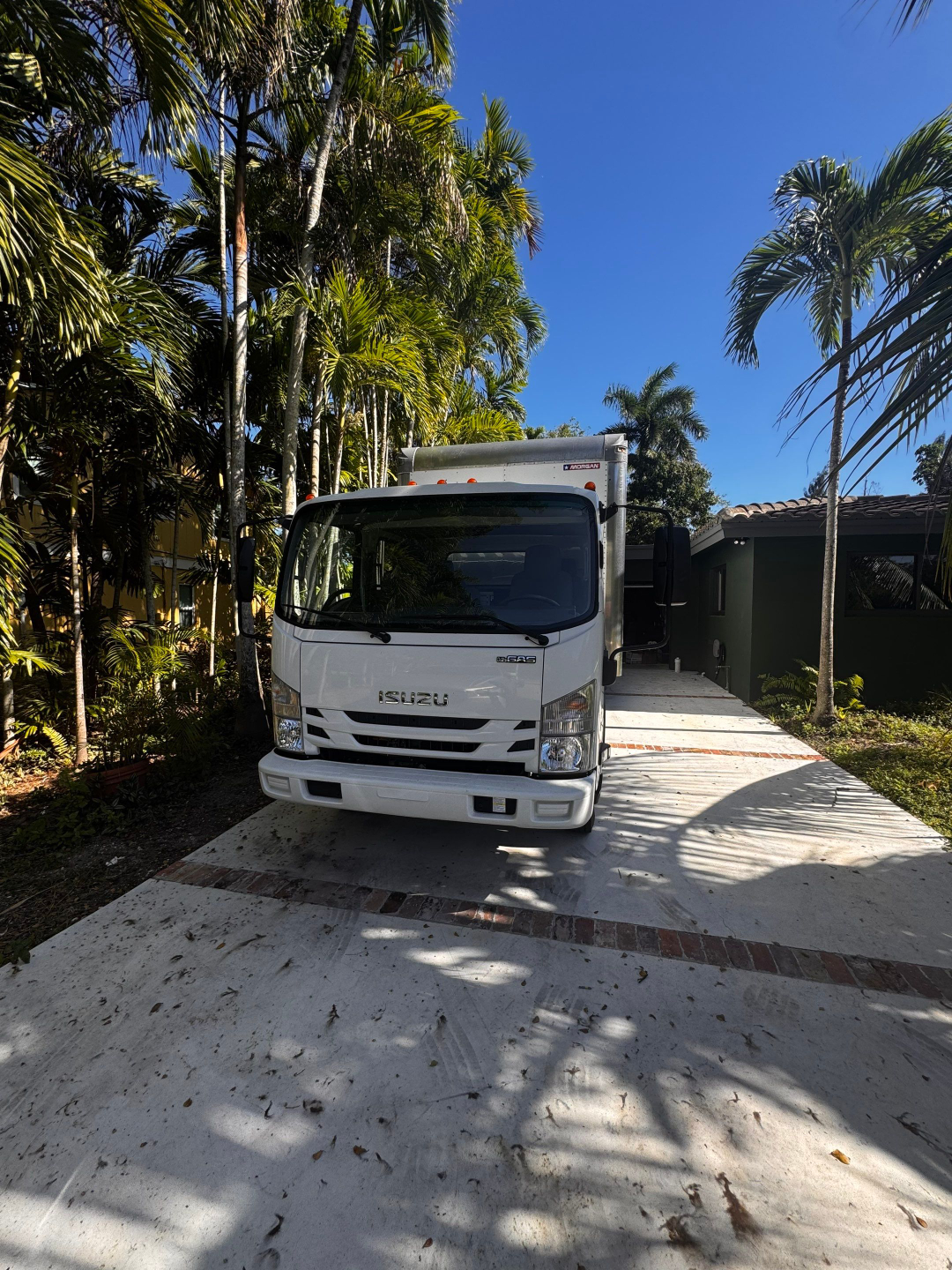
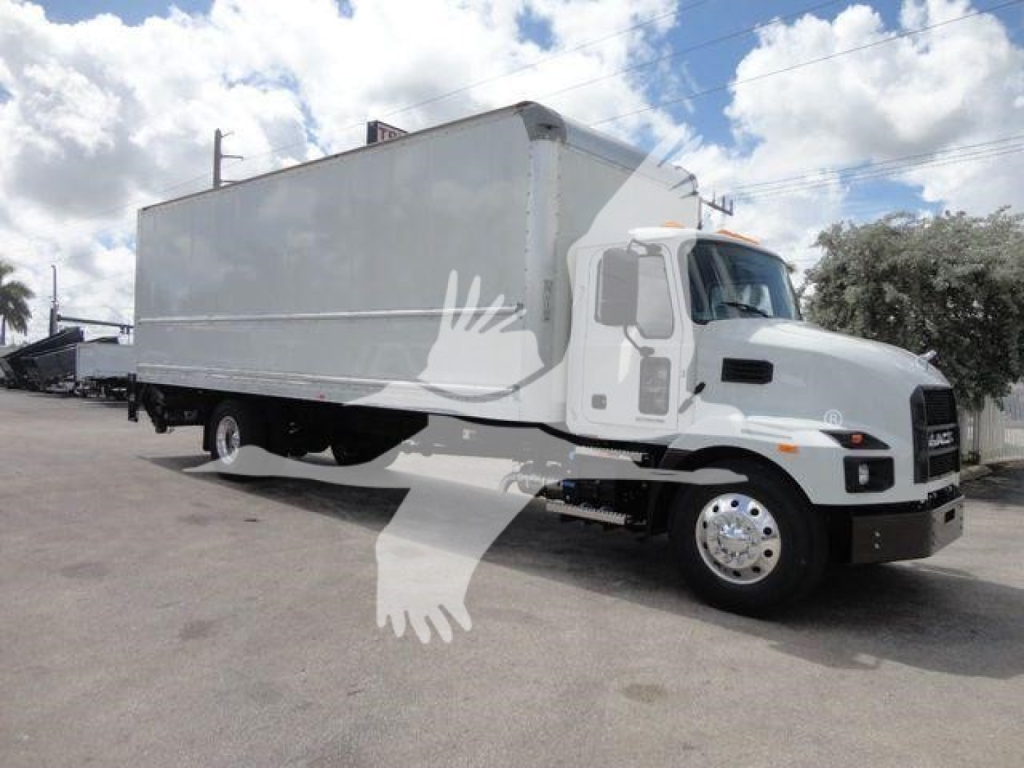
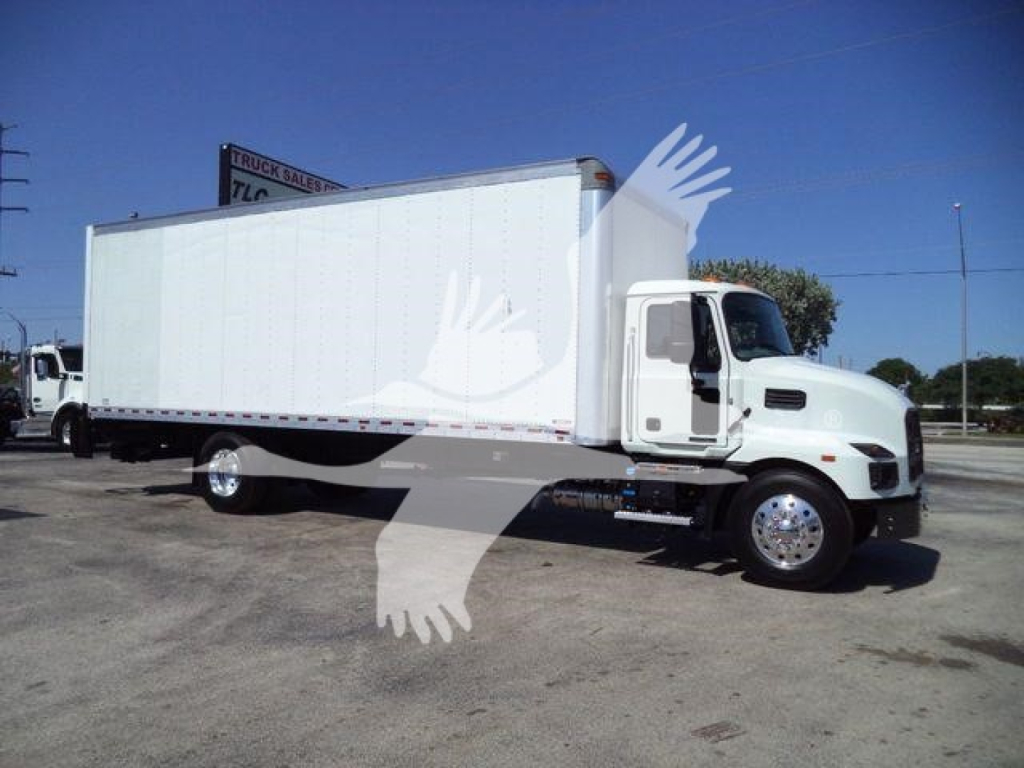
For urban and regional delivery, a box truck, also known as a dry freight truck or cube van, needs to match route density and stop frequency. A 16-foot body on a Chevrolet Silverado 6500HD-type chassis can make sense for service fleets, parts delivery, and package work where tighter turning radius and lower overall length matter. A 26-foot body on an Isuzu NQR or Mack MD6-type chassis is better suited to furniture, appliances, retail freight, and larger routed deliveries where cubic capacity drives revenue. Liftgates are a major spec decision in Florida, especially for final-mile operations without dock access. Tuck-under liftgates preserve rear access and are common on dry freight setups handling palletized goods, carts, and heavier commercial deliveries.
The chassis spec deserves as much attention as the body. Diesel engines paired with Allison automatic transmissions remain a common choice in this category because they hold up well in stop-and-go work and simplify driver training. On heavier new box trucks, buyers will often see air brakes, 22.5-inch rubber, and front and rear axle ratings sized for a full 26,000 GVWR package. Lighter Class 5 and 6 trucks may use hydraulic brakes and 19.5-inch tires, which can be a fit for municipal, contractor, or local delivery applications. Inside the box, practical upfit details matter: scuff liners, plywood or hardwood flooring, E-track, shelving, translucent roofs, roll-up rear doors, and underbody toolboxes all change how useful the truck is on day one.
Florida buyers should also think about heat, corrosion, and route environment. Aluminum fuel tanks, corrosion-resistant body components, and easy-clean interiors hold up better in coastal and high-humidity conditions. Cab air conditioning, backup cameras, power windows and locks, and air ride seats are not cosmetic extras on a route truck. They affect driver retention and daily productivity. If the truck will stay under CDL limits, a 26,000 GVWR box truck can be a strong sweet spot for businesses that want maximum legal capacity without moving into CDL staffing requirements. The right new box truck is the one that balances cube, payload, loading method, and chassis durability for the freight profile it will run every day.
Frequently Asked Questions about New Box Trucks in Florida
What GVWR is most common for a new box truck?
Two common ranges dominate the market. Class 5 and lighter Class 6 box trucks are often spec'd from about 19,500 to 23,500 GVWR for local delivery, service work, and lighter freight. Many buyers also target 26,000 GVWR because it maximizes capacity while staying below the federal CDL threshold in most applications, making it a popular choice for dry freight and final-mile fleets.
How do I choose between a 16-foot and a 26-foot box truck?
A 16-foot box truck is usually the better fit for dense city routes, contractor supply runs, and operations that need easier parking, lower curb weight, and faster maneuvering. A 26-foot box truck is built for higher cubic capacity and fewer trips, which makes it more effective for furniture, appliances, retail replenishment, and palletized freight. The key is balancing payload, cube, turning radius, and the loading environment on your actual routes.
Is a liftgate necessary on a dry freight box truck?
A liftgate is essential if deliveries are made to locations without dock access or if drivers routinely handle pallet jacks, carts, or heavy freight at ground level. Tuck-under liftgates are common because they keep the rear opening clear when stowed and work well for multi-stop delivery service. If the truck will load almost exclusively at docks with forklifts, a liftgate may add cost and weight without enough return.
What chassis and powertrain features matter most on a new box truck?
Reliability in stop-and-go service usually starts with a proven diesel engine, an Allison automatic transmission, and axle ratings that support the full intended payload. Brake type, tire size, suspension, and cab layout also affect operating cost and uptime. Heavier trucks often use air brakes and 22.5-inch tires, while lighter units may run hydraulic brakes and 19.5-inch tires. Buyers should also pay close attention to wheelbase, because it influences both body fitment and maneuverability.
What body features should I look for in a new box truck for Florida routes?
For Florida service, practical body specs include corrosion-resistant materials, a durable floor, scuff liners, a roll-up rear door, and interior cargo control such as E-track or shelving. High heat and humidity make cab air conditioning, sealed electrical components, and easy-maintenance interiors especially important. If routes include coastal exposure or frequent washdowns, aluminum and other corrosion-resistant components can help extend body life and reduce long-term upkeep.