
New Box Trucks For Sale in Georgia
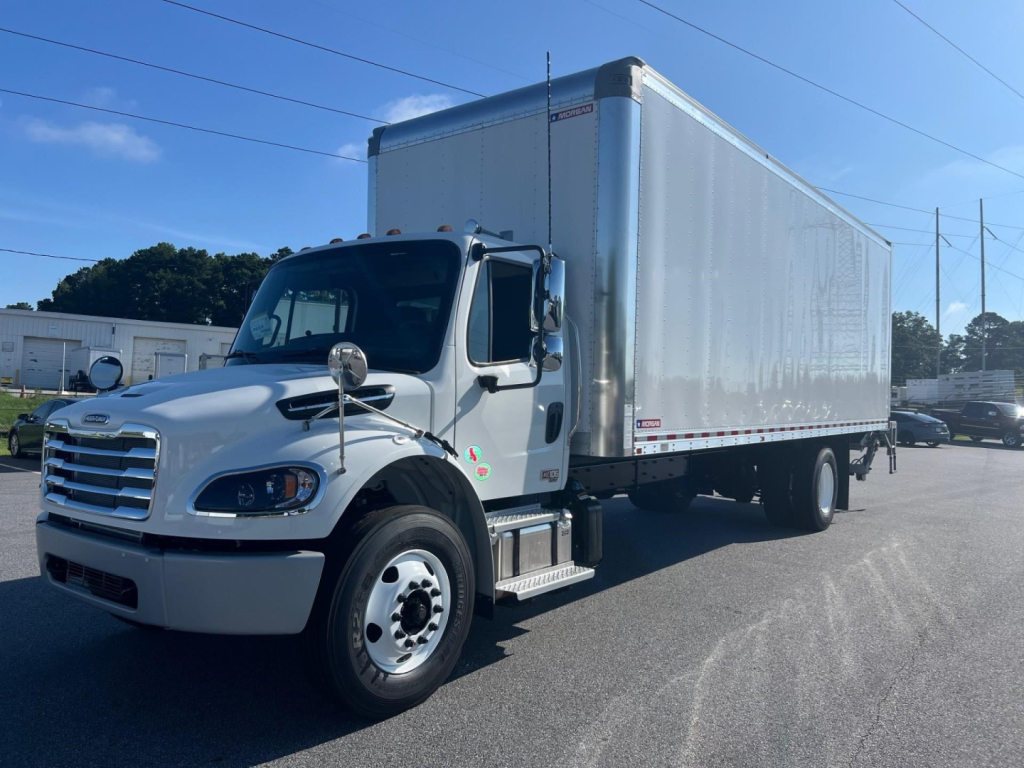
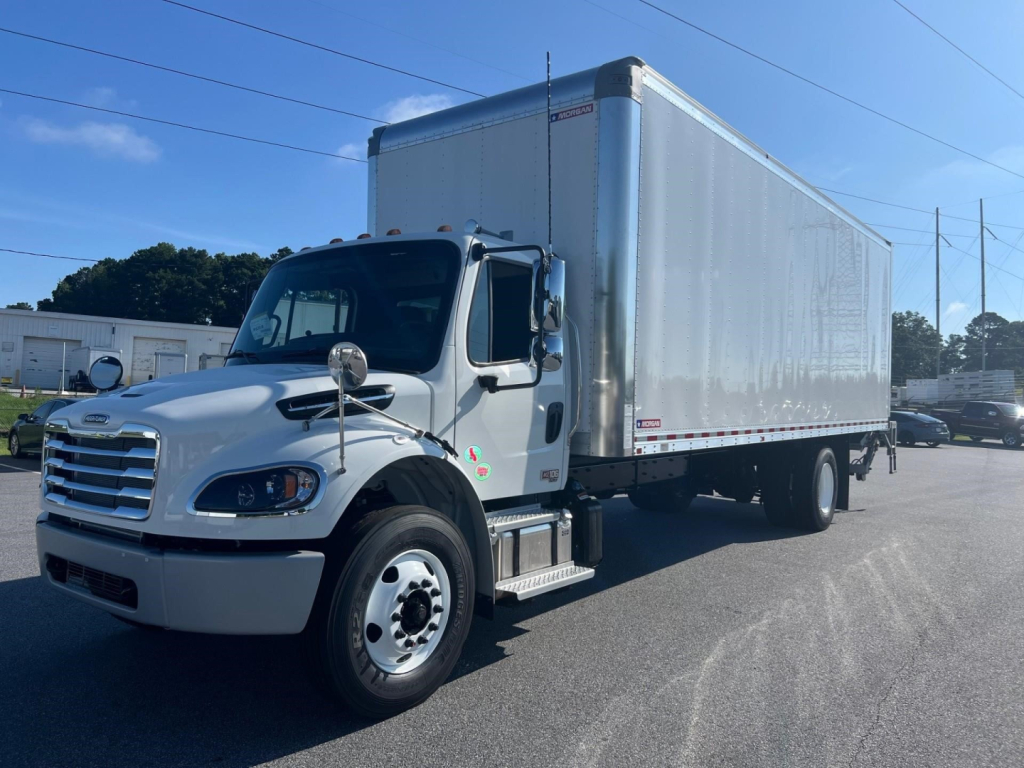
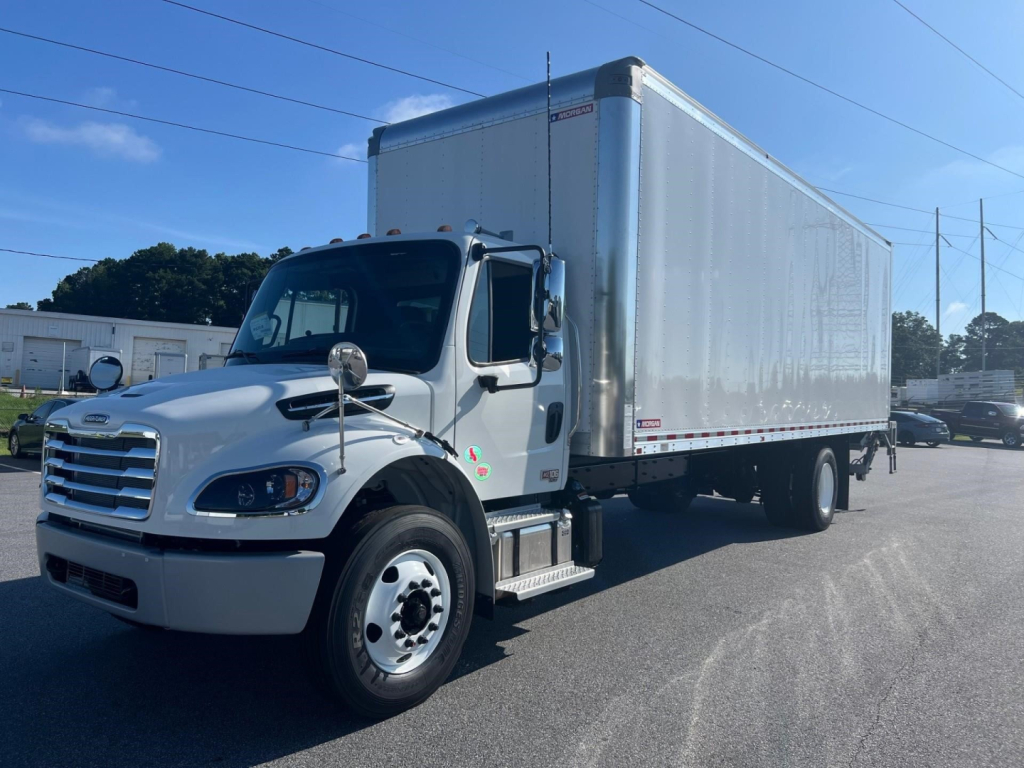
New box trucks for sale in Georgia, including 26 ft delivery bodies, liftgate-ready specs, and medium-duty chassis options for local fleets.
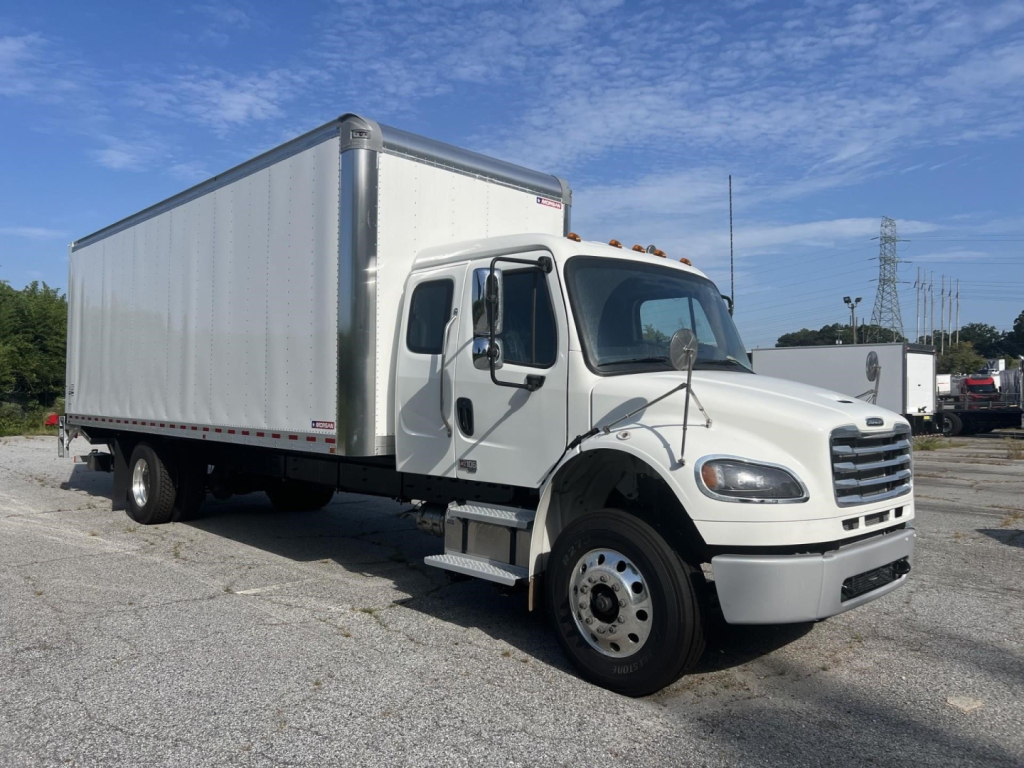
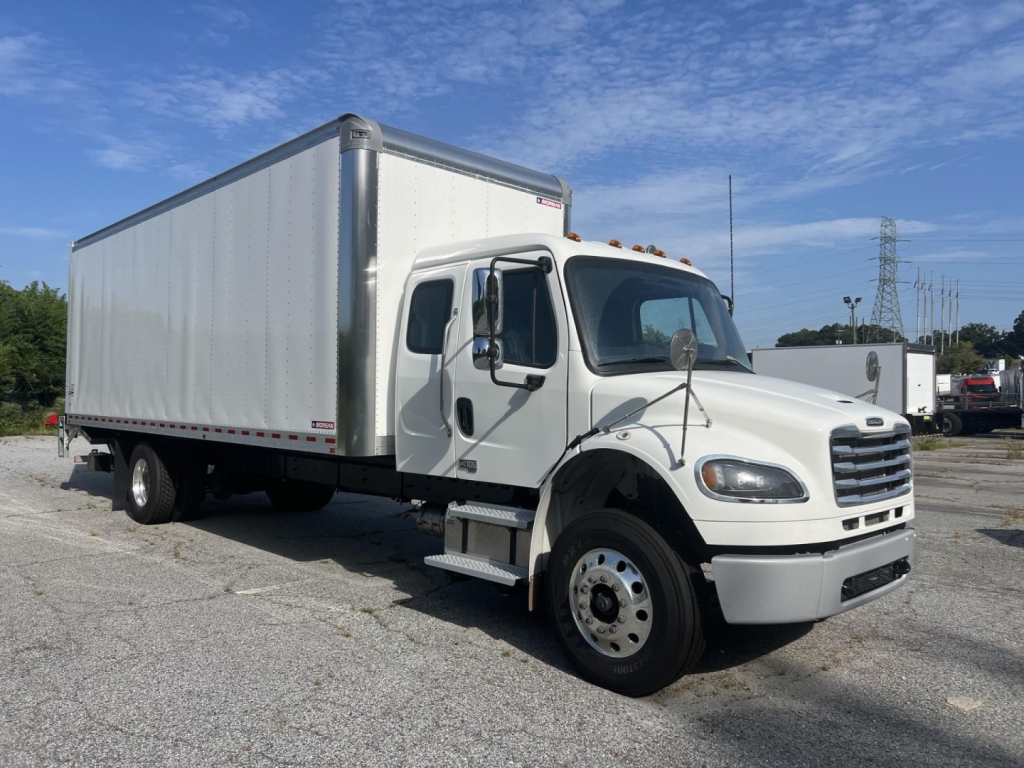
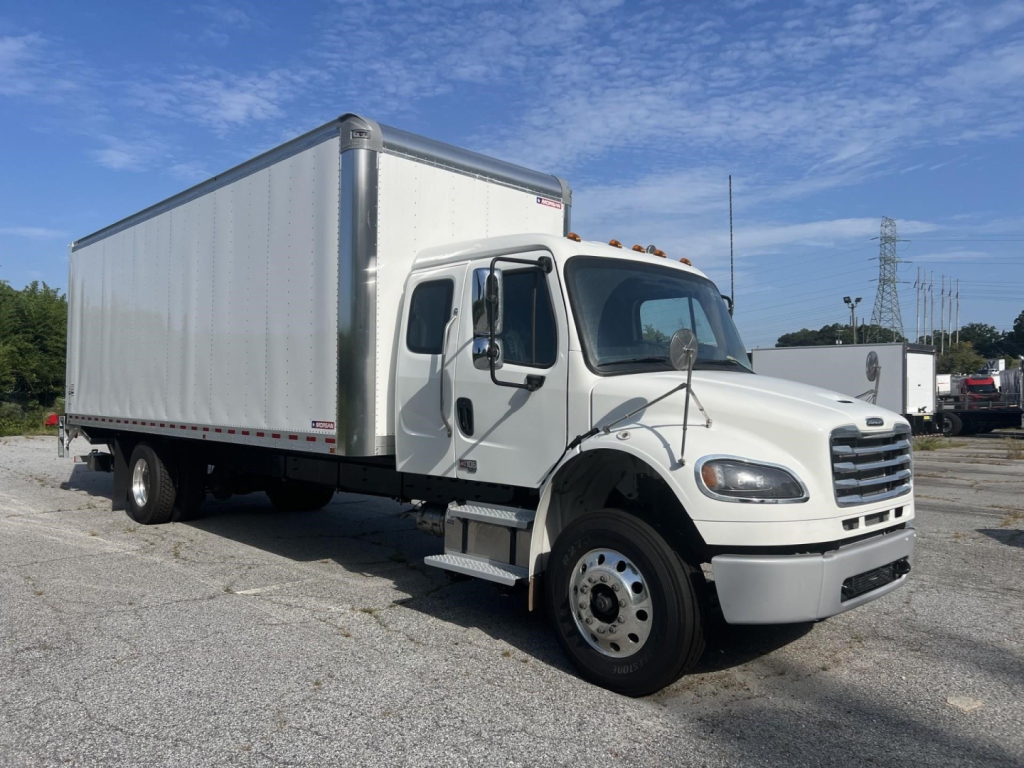
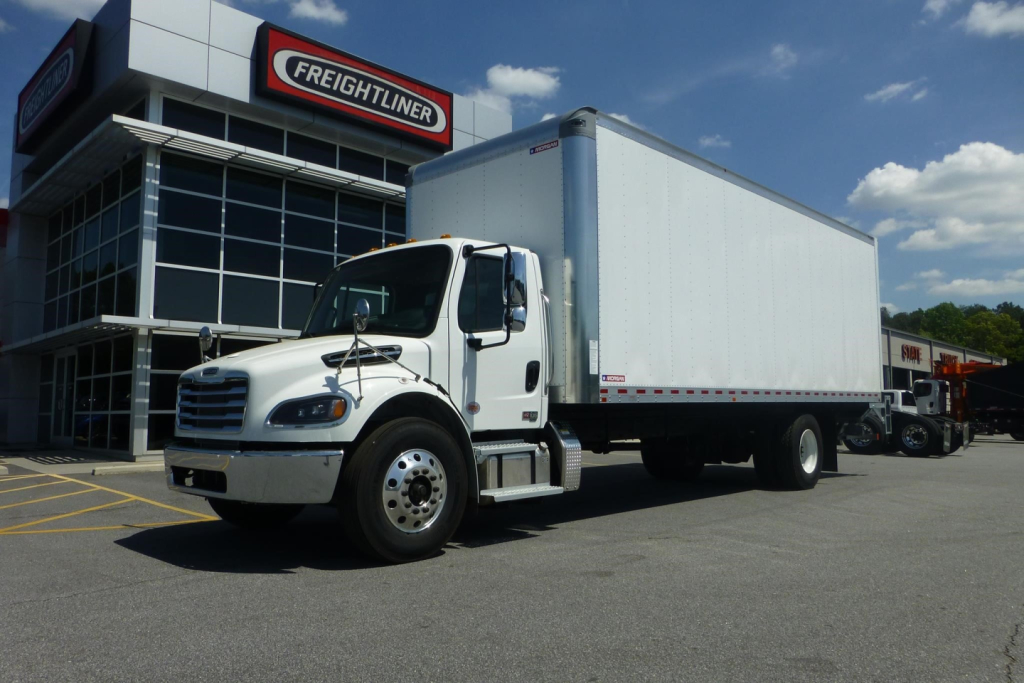
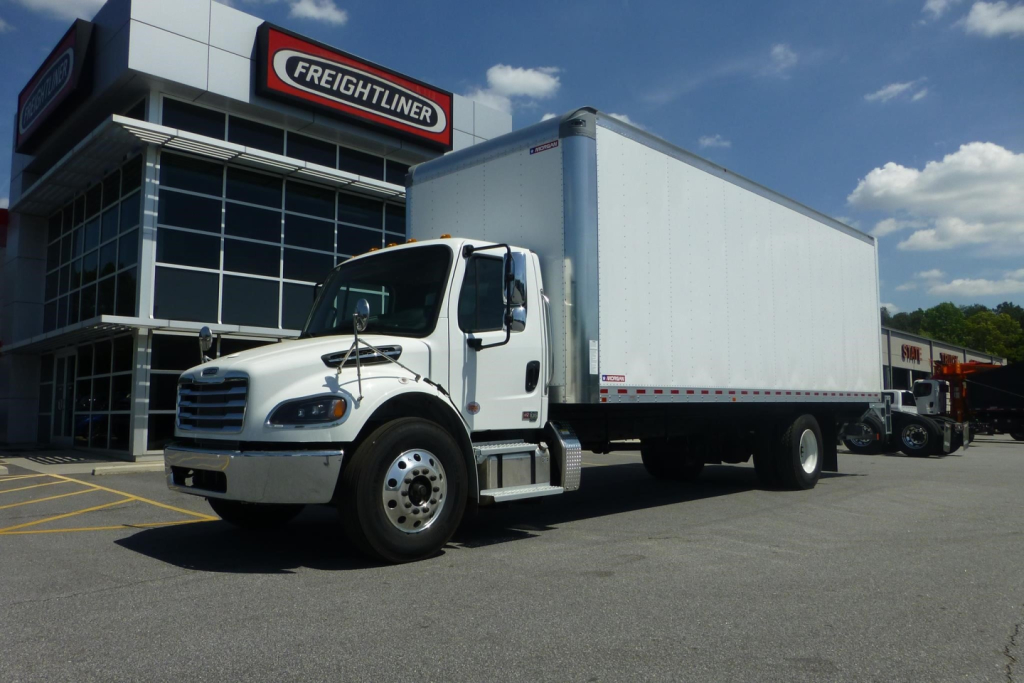
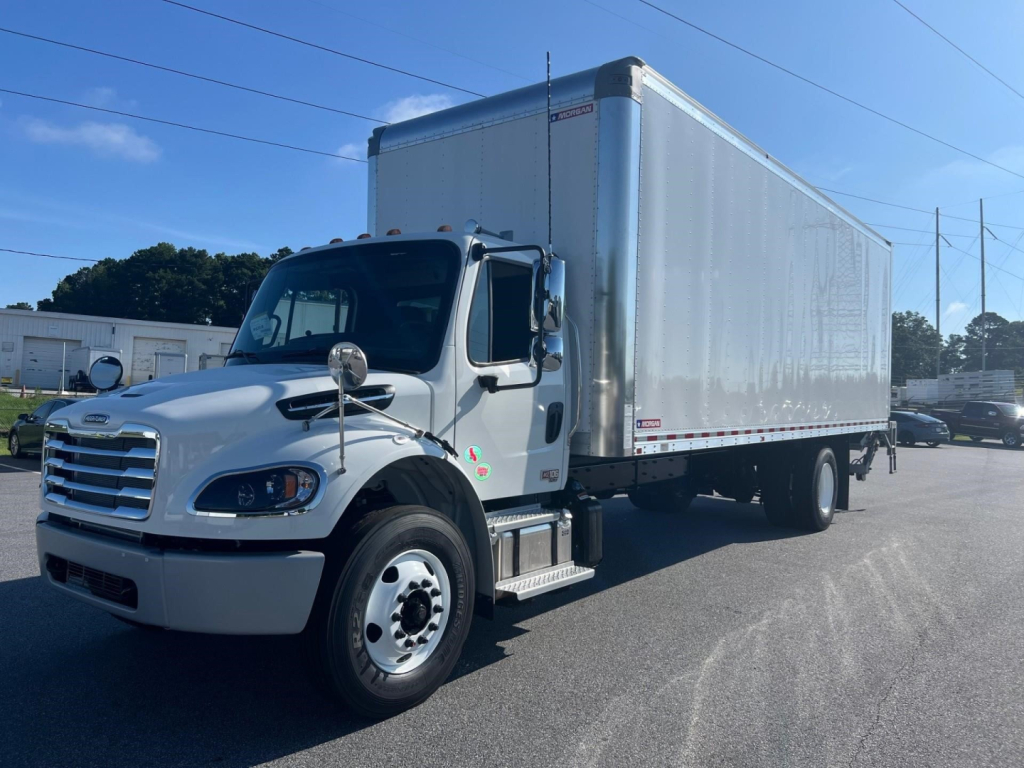
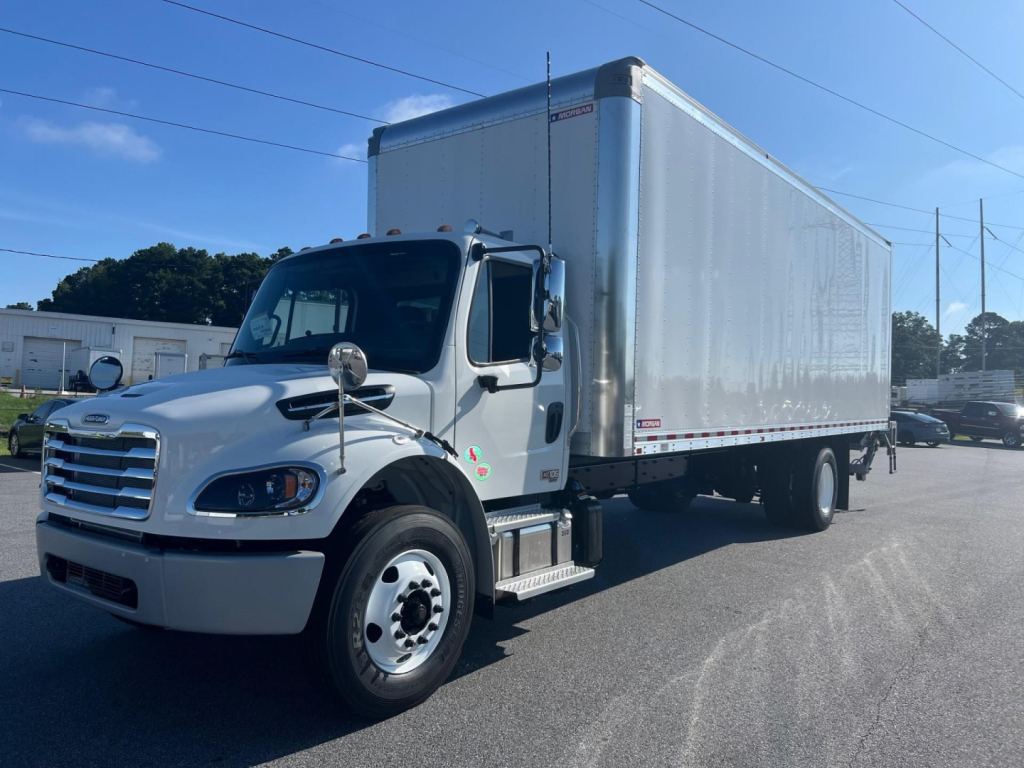
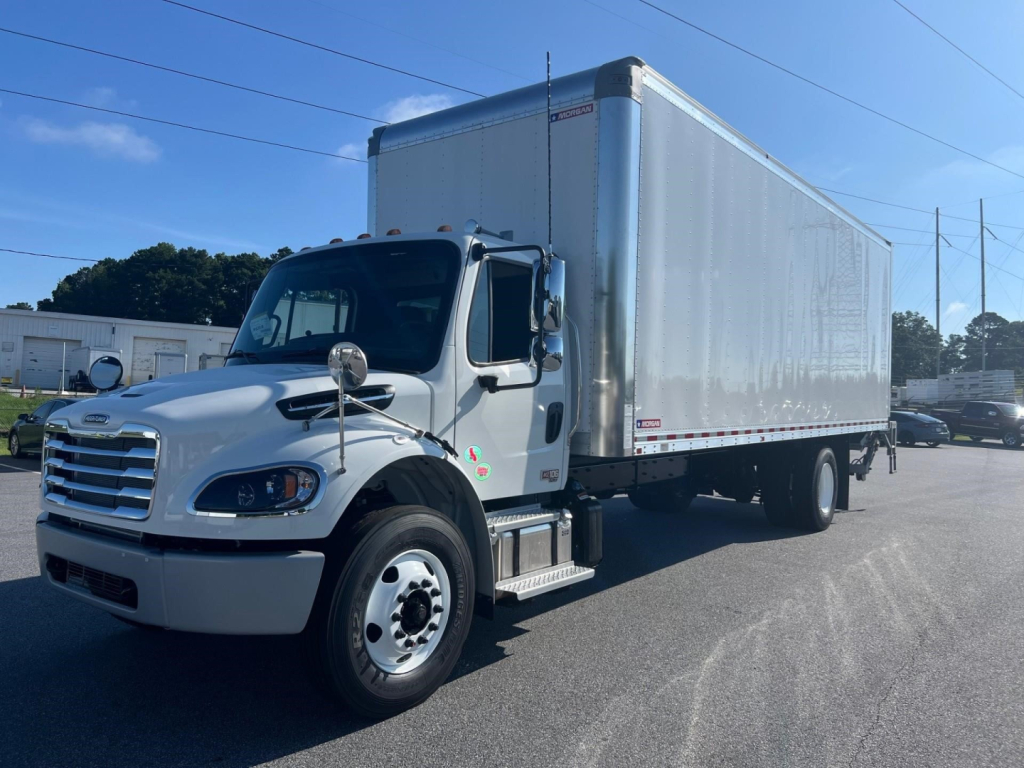
Selling a new box truck? List your new box truck for sale and reach thousands of commercial buyers.
New Box Trucks in Georgia
New box trucks, also known as dry van straight trucks or cube trucks, are built to protect cargo from weather, theft, and road debris while giving fleets a cleaner, more professional platform than an open body. Common body specs include aluminum or laminated panel construction, hardwood or composite flooring, translucent roof panels, E-track, walk ramps, and roll-up rear doors. Interior height is important for bulk freight and moving applications, while body width and wheel well placement affect pallet count and loading efficiency. Buyers in Georgia often pay close attention to refrigeration delete versus dry freight setup, side door configuration, and whether the body includes scuff liners for high-cycle delivery work.
Chassis and powertrain selection should match the route profile. Local and regional delivery work around Atlanta, Savannah, Macon, Augusta, and Columbus usually favors a medium-duty diesel with an automatic transmission, strong visibility, and tight turning radius. Newer chassis also bring advantages in driver comfort, telematics compatibility, emissions system updates, and serviceability. If the truck will spend time in dense urban stops, cab entry height, seat durability, mirror package, and backup camera integration can affect productivity as much as engine output. For heavier payloads or higher-mileage commercial use, buyers often compare rear axle ratings, suspension setup, brake package, and fuel tank size instead of focusing only on horsepower.
A well-matched new box truck should fit the freight, the route, and the loading method with as little compromise as possible. Buyers should verify inside body dimensions, liftgate platform size, door opening measurements, and actual payload after body and equipment are installed. It also helps to confirm dock height, tie-down layout, and any upfit details such as cargo shelving, logistics track, grab handles, and safety lighting. For Georgia operations that run year-round in heat, humidity, and frequent stop-and-go traffic, durability in the body, cooling performance, and easy service access can matter just as much as purchase price.
Frequently Asked Questions about New Box Trucks in Georgia
What size box truck is most common for commercial delivery work?
A 26-foot box truck is one of the most common configurations for commercial delivery because it offers strong cargo volume without moving into tractor-trailer territory. It is widely used for furniture, appliances, general freight, retail distribution, and moving applications. The right size still depends on freight density, pallet count, loading dock access, and city route maneuverability.
What should I check when buying a new box truck with a liftgate?
The most important liftgate considerations are weight capacity, platform dimensions, and how the gate fits the actual freight being handled. A 3,000-lb liftgate is common for palletized deliveries, but buyers should also verify load center, gate style, dock compatibility, and whether the chassis and rear frame setup support the intended use. It is also smart to confirm that the remaining payload after the body and liftgate are installed still matches the job.
Is a box truck the same as a dry van straight truck?
Yes. In most fleet and truck sales usage, a box truck is also called a dry van straight truck or cube truck. The basic design is a cab and chassis with an enclosed cargo body mounted directly behind the cab. This setup protects cargo from weather and is commonly used for non-temperature-controlled freight, parcel work, moving, and local delivery.
What specs matter most on a new box truck chassis?
GVWR, wheelbase, rear axle rating, suspension, transmission, and brake package are core chassis specs that affect how the truck performs under load. Buyers should also review cab ergonomics, visibility, turning radius, fuel capacity, and service access because these factors directly affect driver efficiency and uptime. For higher-cycle city use, the right cab layout and entry height can be as important as engine output.
Are box trucks a good fit for Georgia delivery routes?
Box trucks are a strong fit for Georgia because they work well in a mix of urban delivery, suburban service routes, and regional freight movement. Enclosed bodies protect cargo during heat, humidity, and sudden rain, while medium-duty chassis can handle repeated stops across metro areas and highway segments. Buyers should still match the spec to the route by considering cooling performance, payload needs, liftgate use, and maneuverability in dense traffic.