
New 2027 Box Trucks For Sale in Georgia
Shop new 2027 box trucks for sale in Georgia. Compare cab chassis specs, body lengths, liftgates, GVWR, and delivery-ready configurations.
Selling a new 2027 box truck? List your new 2027 box truck for sale and reach thousands of commercial buyers.
New 2027 Box Trucks in Georgia
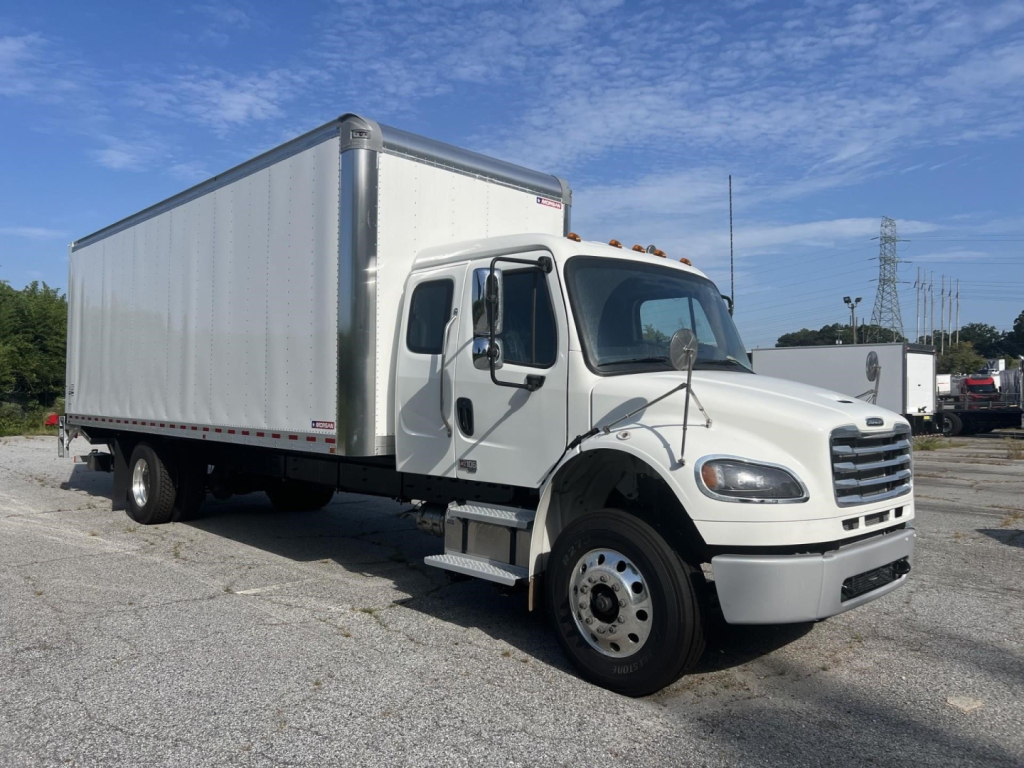
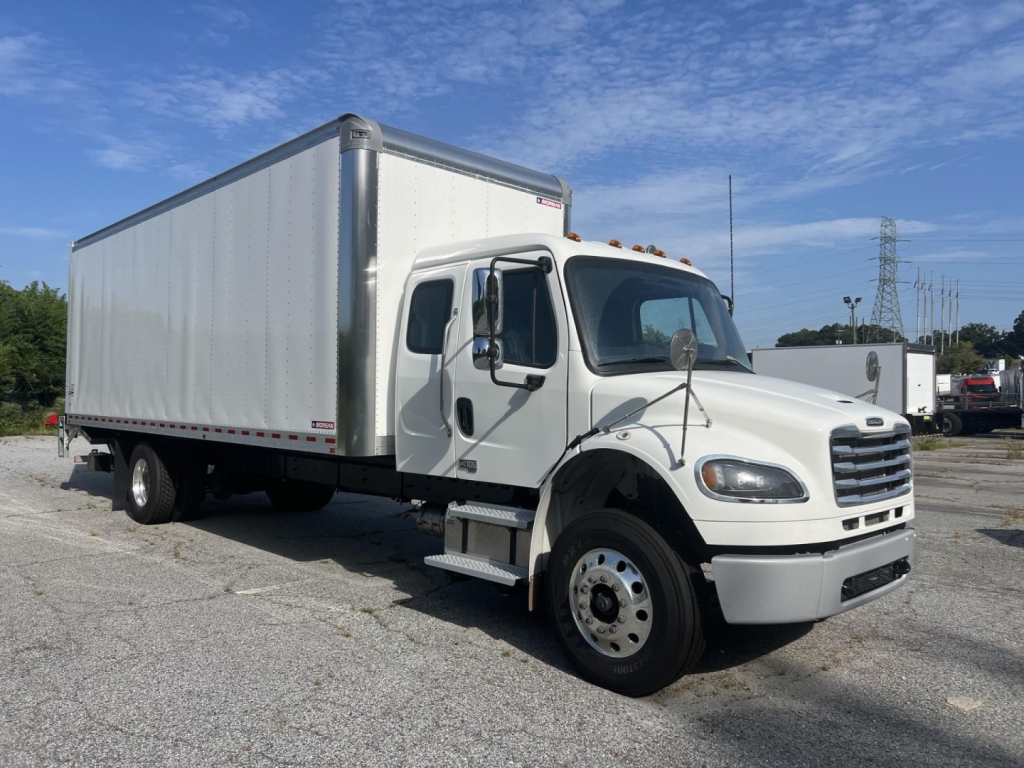
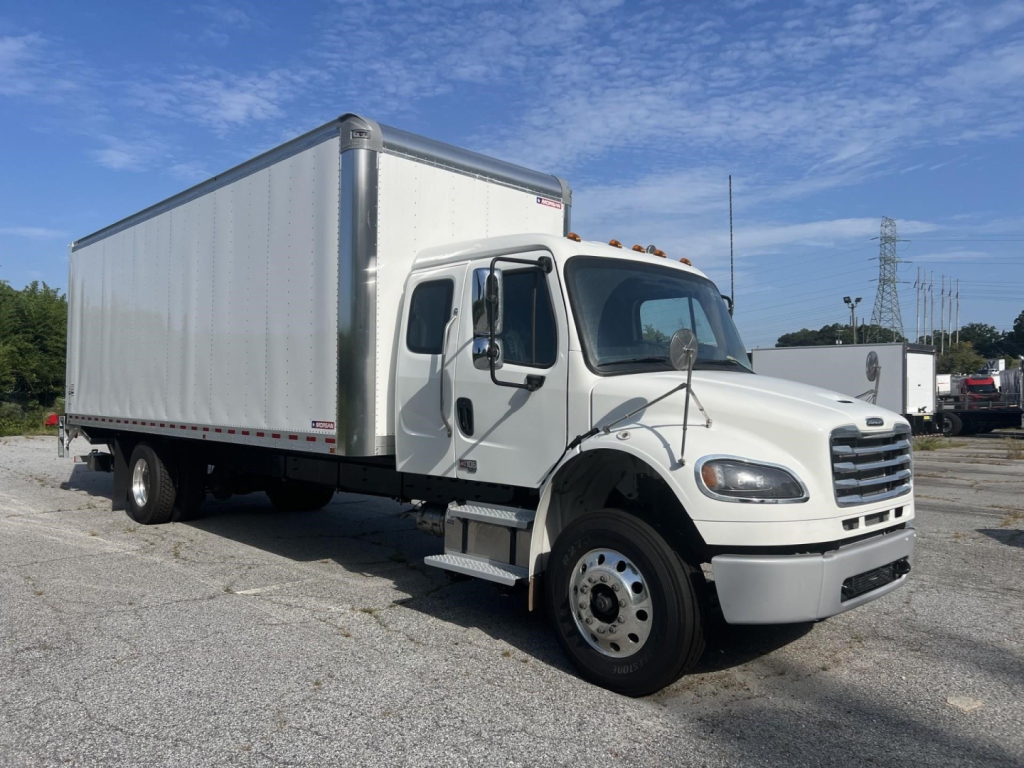
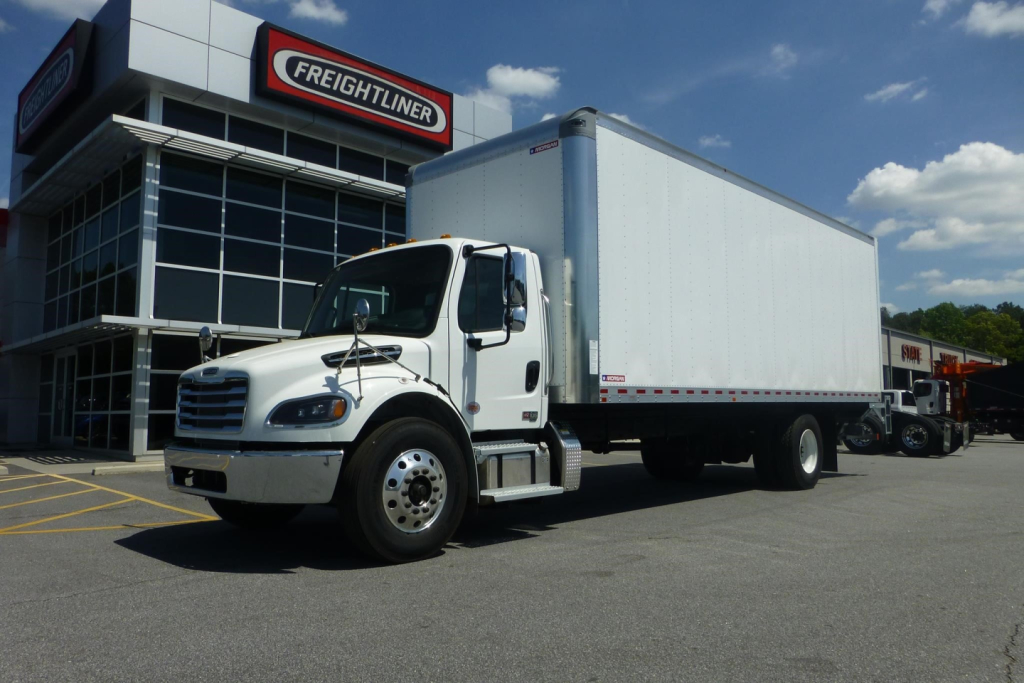
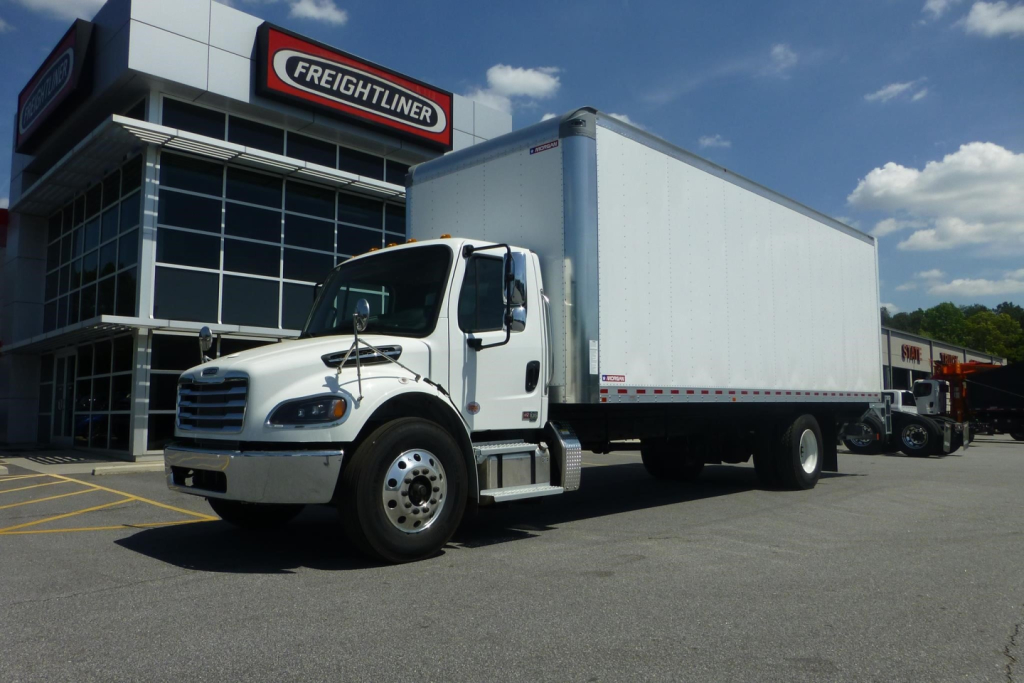
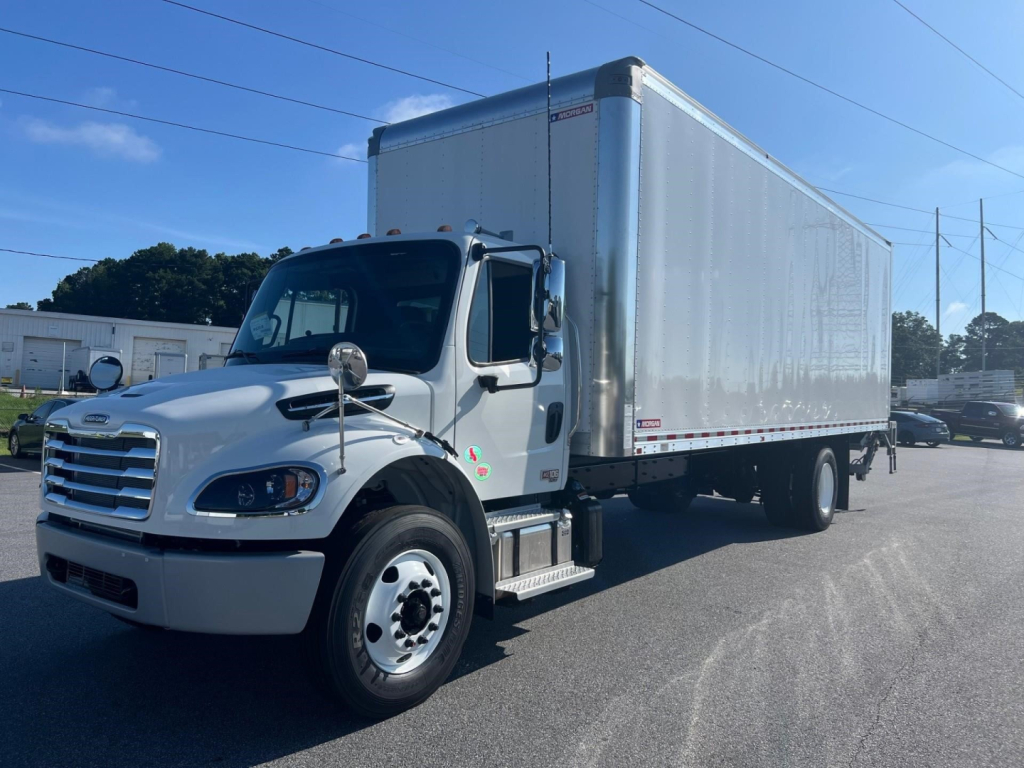
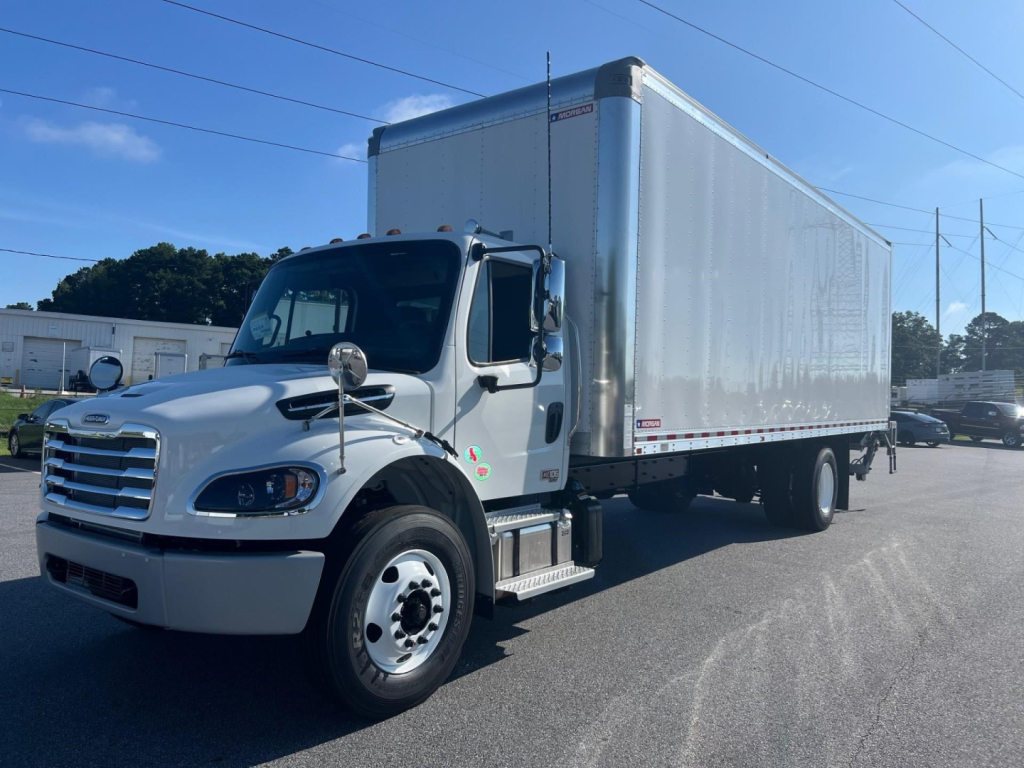
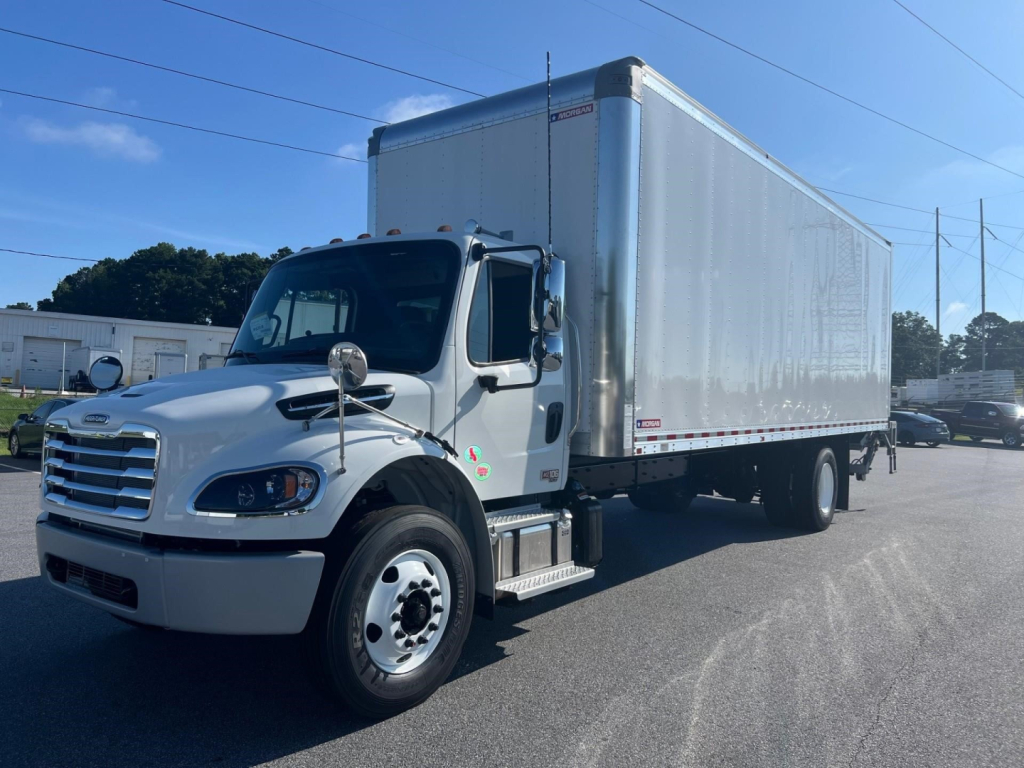
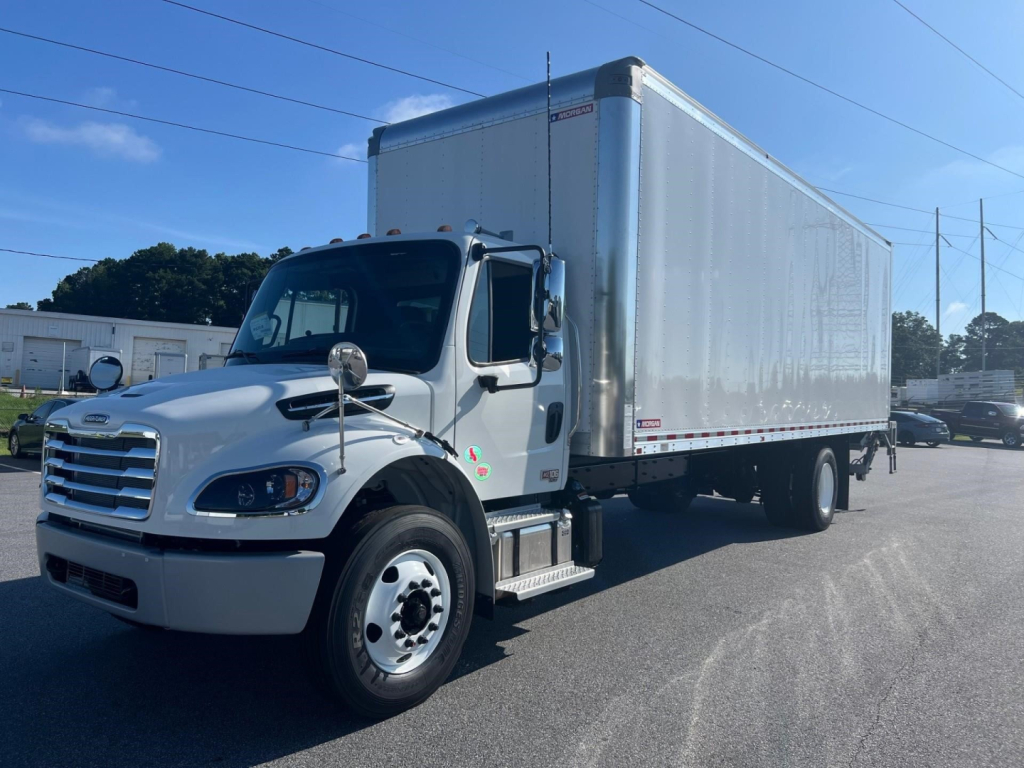
A lot of new box truck buyers start with the chassis. Freightliner M2 106 models are common in this class because they balance maneuverability, service access, and medium-duty capacity. Engine and transmission choices often center on diesel power paired with an Allison automatic, especially for stop-and-go urban or suburban routes. Wheelbase, cab-to-axle dimension, and body manufacturer matter because they affect turning radius, dock approach, and overall upfit quality. If the truck will work dense Atlanta traffic, older city cores, or mixed highway routes across Georgia, pay attention to visibility, door access, and the relationship between body length and wheelbase.
Body specification is where a box truck becomes either efficient or frustrating in daily use. Important details include interior height, roll-up versus swing doors, hardwood or laminated flooring, scuff liners, E-track, translucent roof panels, and liftgate rating. A 3,000-lb liftgate is a common choice for palletized freight and heavier residential deliveries, but some operations need more platform capacity or a side-door solution for route work. Roof construction, wall thickness, and cargo control systems directly affect durability and load protection. If the work involves frequent dock loading, check rear frame height and door opening dimensions. If the truck will handle hand unloads, the step-up height and cargo access become more important than maximum cube alone.
For Georgia buyers, heat, humidity, and mixed-use routes make durability and uptime a practical concern. New 2027 box trucks can offer emissions-compliant drivetrains, cleaner telematics integration, improved driver-assist systems, and factory-backed warranty coverage that matter for fleet planning. Look closely at brake type, fuel tank size, wheel cut, tire size, and front axle capacity, especially if the truck will carry dense freight instead of light cube. The right box truck is not just a cargo body on a chassis. It is a route tool built around payload, loading method, service interval goals, and the physical conditions of the territory it will cover.
Frequently Asked Questions about New 2027 Box Trucks in Georgia
What size box truck is most common for delivery and moving work?
A 26-foot box truck is one of the most common configurations for delivery, moving, and general dry freight service because it offers strong cargo volume without moving into a tractor-trailer setup. That said, the best size depends on freight density, stop frequency, and route access. Shorter 16-foot to 22-foot bodies are often easier to maneuver in tight urban areas and may better suit lighter local routes, while 24-foot to 26-foot bodies are common when cubic capacity is the priority.
Do I need a CDL to operate a box truck?
Not every box truck requires a CDL. The key factor is gross vehicle weight rating, or GVWR. Many box trucks are spec'd at 26,000 pounds GVWR or below to stay under the common CDL threshold, but some heavier configurations exceed that limit, especially when payload capacity is increased. Buyers should verify the truck's GVWR, local regulations, and the intended use before purchase because body length alone does not determine CDL status.
What should I look for in a liftgate on a new box truck?
Liftgate selection should be based on the actual weight and shape of the freight, not just a general preference for having one installed. A 3,000-lb liftgate is a common medium-duty setup for palletized freight, appliances, and heavier final-mile deliveries. Buyers should also consider platform size, tuck-under versus rail-style design, cycle frequency, dock compatibility, and how the liftgate affects rear access and maintenance. The wrong liftgate can slow route time and reduce usable cargo flexibility.
Are diesel box trucks still the standard for this category?
Diesel remains the standard in many medium-duty box truck applications because it delivers strong torque, good durability under load, and broad service support. It is especially common on trucks used for higher mileage, heavier payloads, and multi-stop commercial delivery. Gas engines may still fit lighter-duty operations, but in 24-foot to 26-foot box truck configurations, diesel and automatic transmission combinations are still a common choice for fleet buyers focused on uptime and work capacity.
Which body features matter most on a box truck?
The most important body features depend on how the truck will be loaded and unloaded each day. Interior height, floor construction, cargo tie-down systems, scuff liners, and rear door style all affect productivity and long-term durability. For palletized freight, rear opening dimensions and liftgate rating are critical. For hand-load routes, step-up height, side access, lighting, and interior layout matter more. Buyers should think about the freight first, then choose the body spec that supports that freight consistently.