
New 2027 Box Trucks For Sale
Shop new 2027 box trucks with popular body lengths, diesel power, liftgate options, and Class 6-7 GVWRs for delivery and moving work.
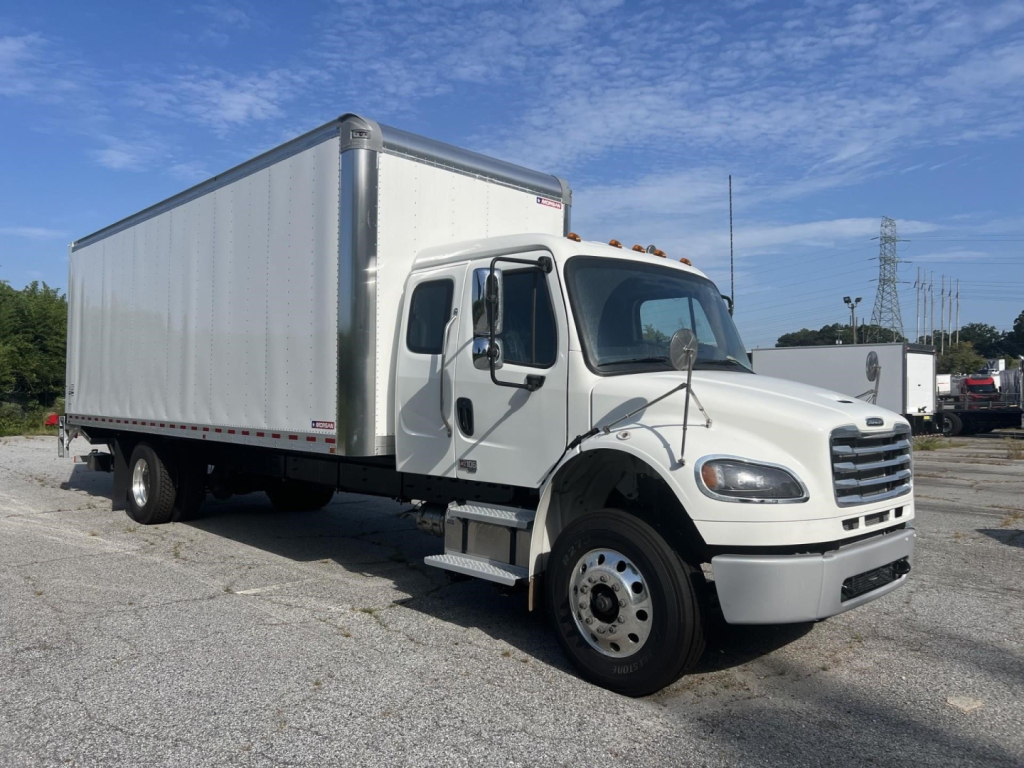
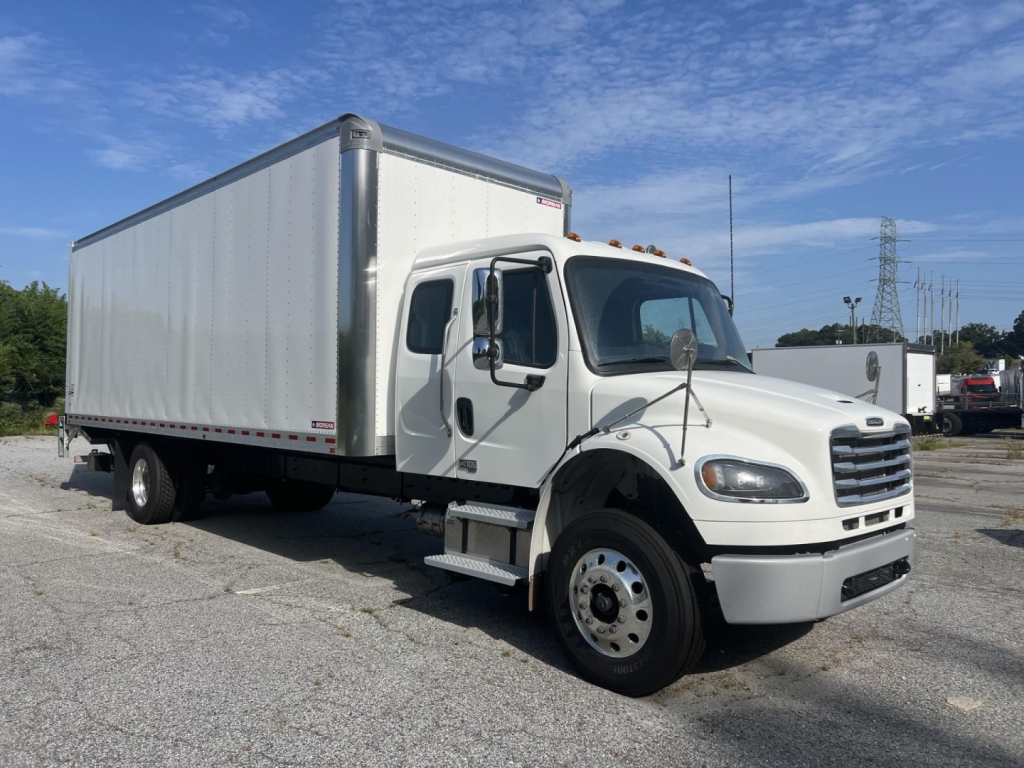
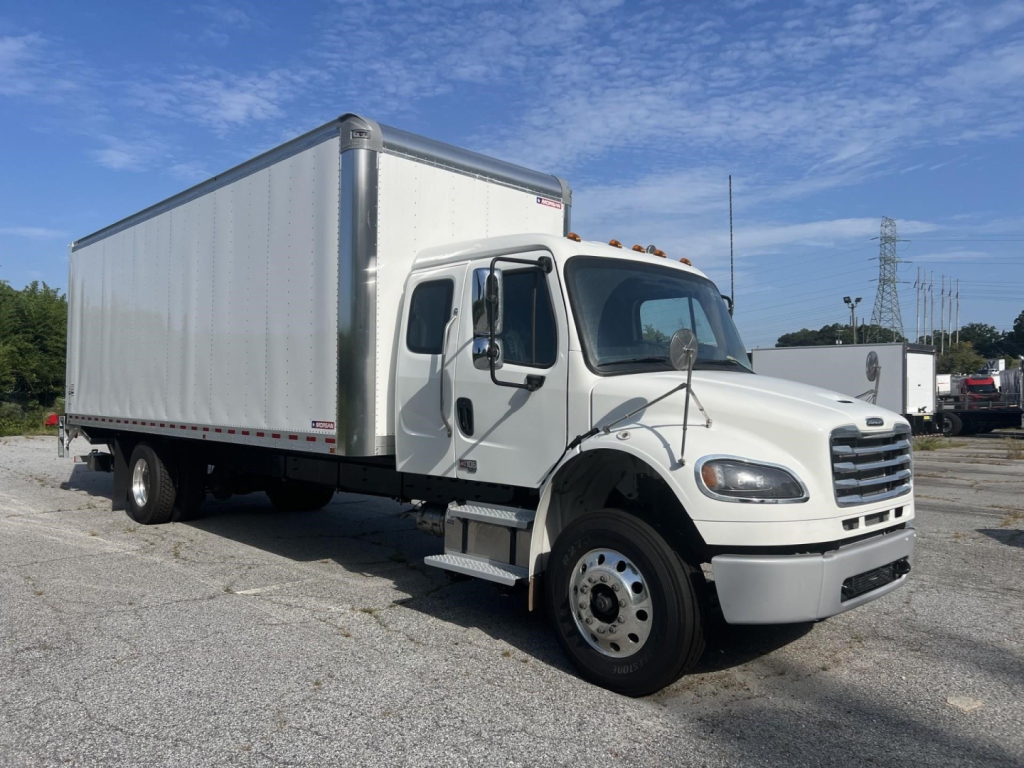
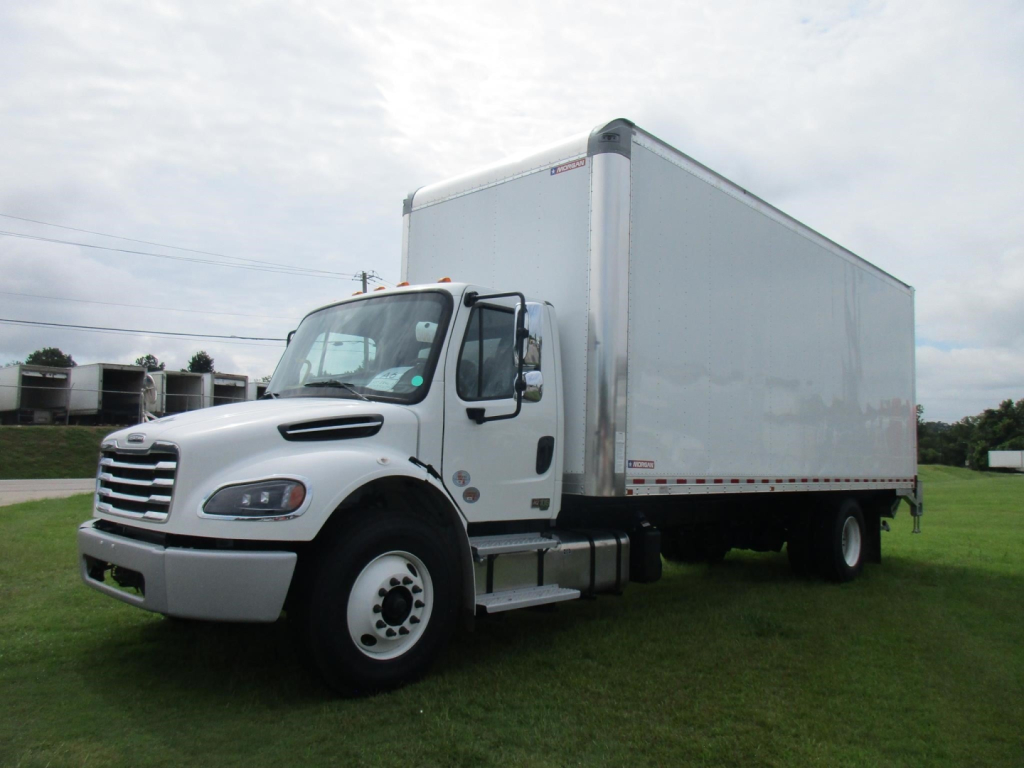
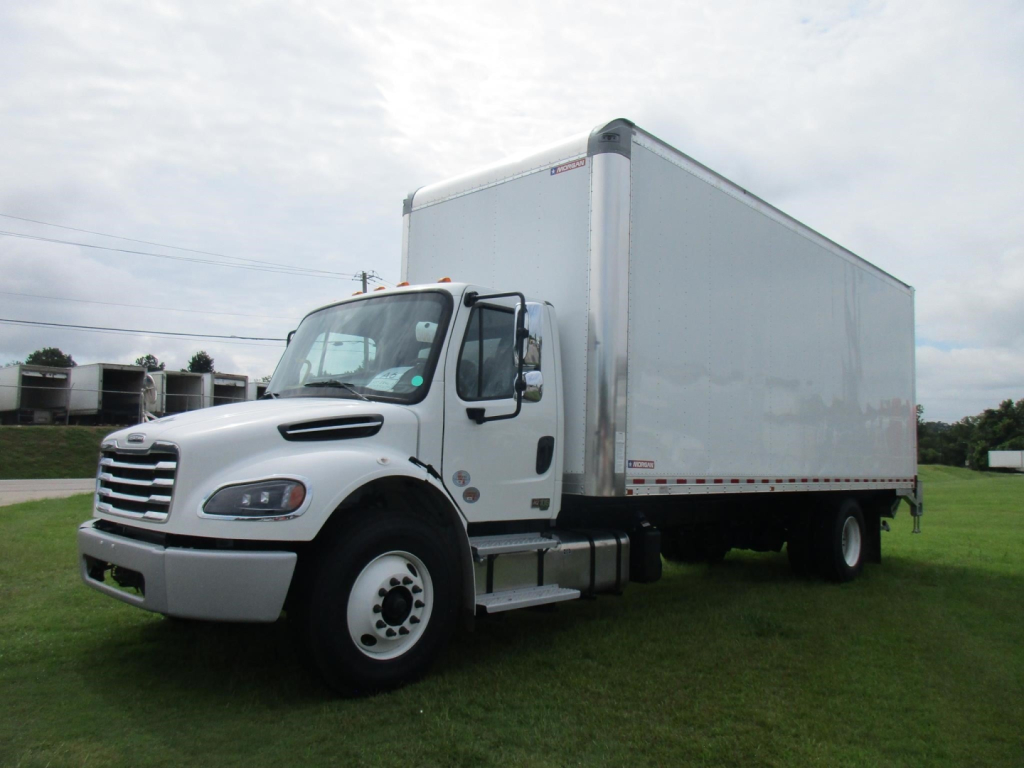
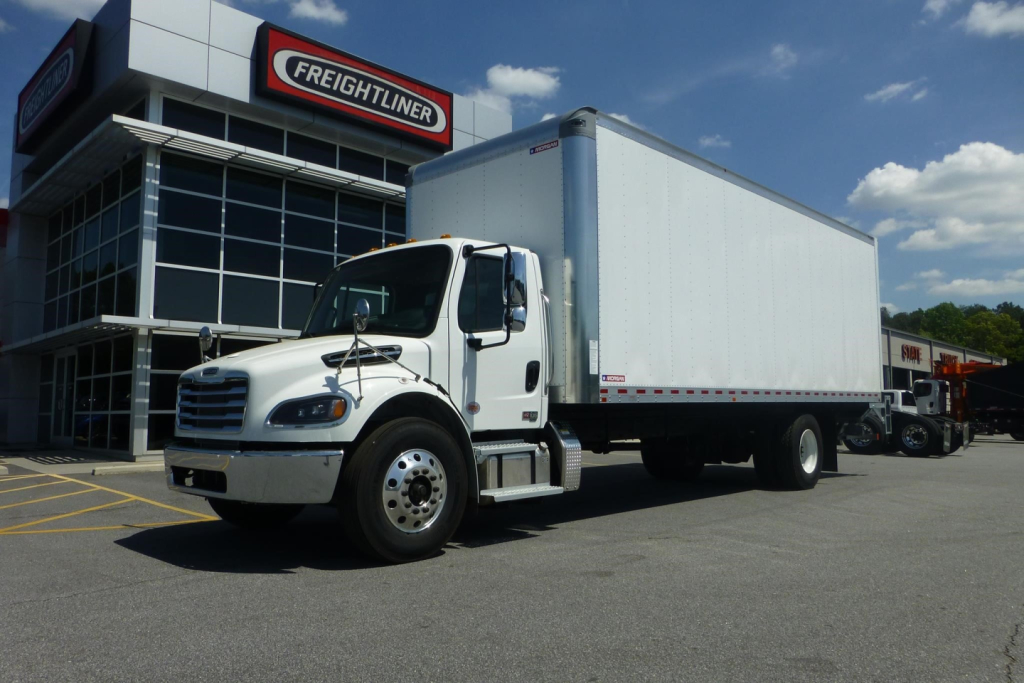
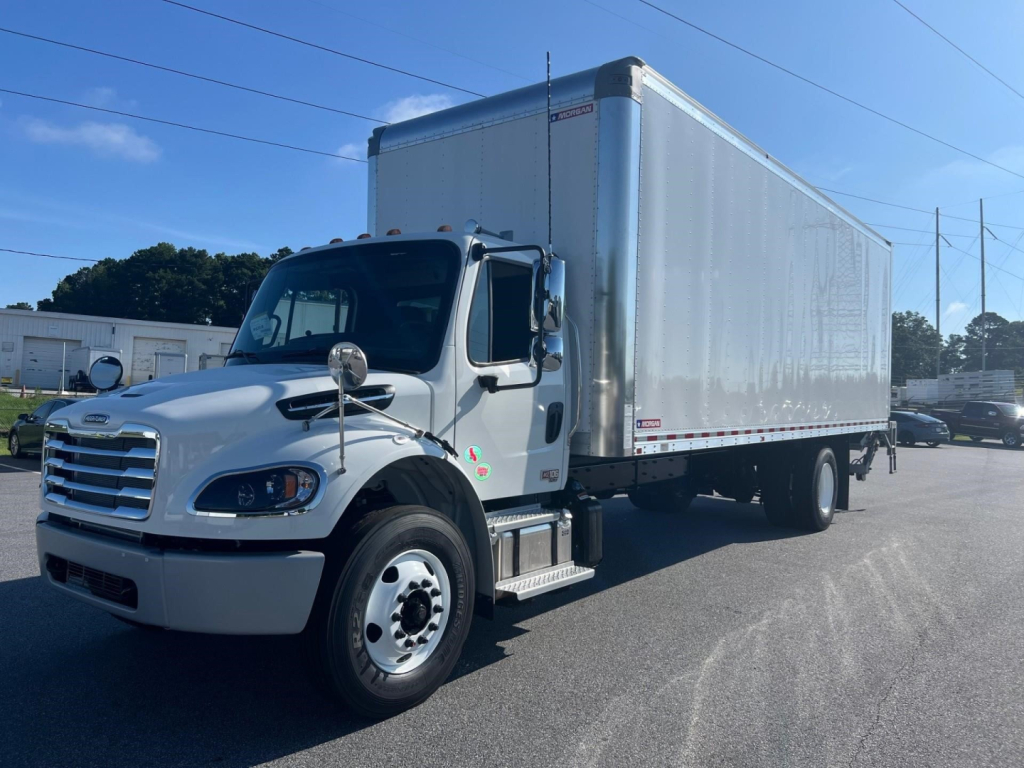
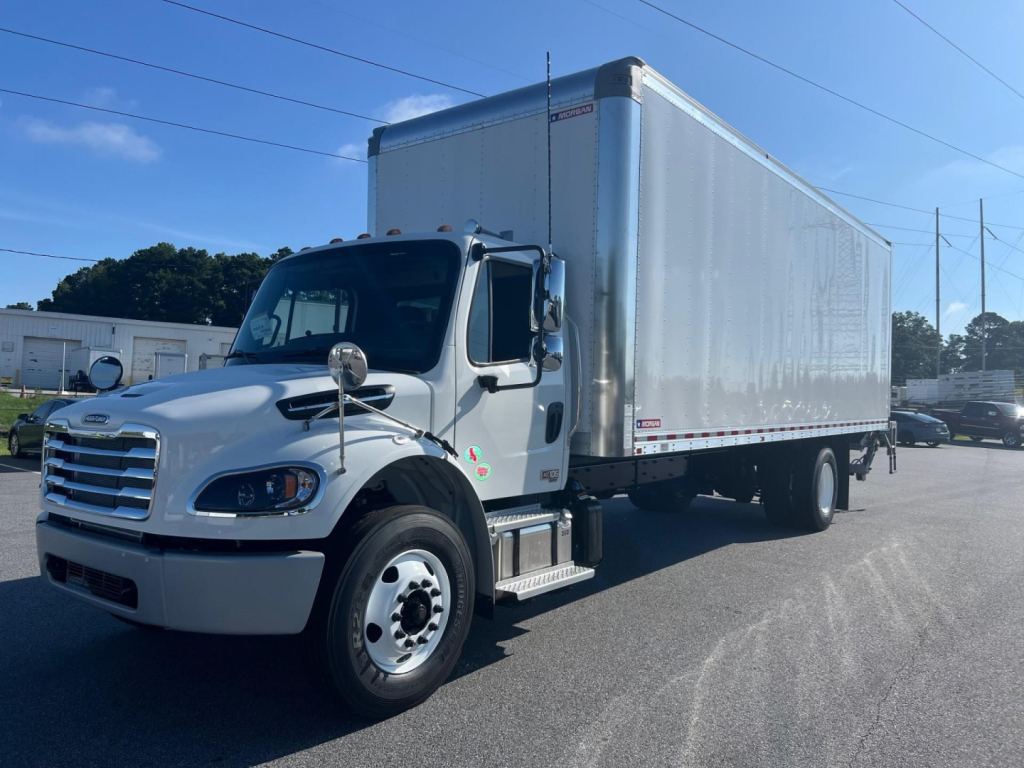
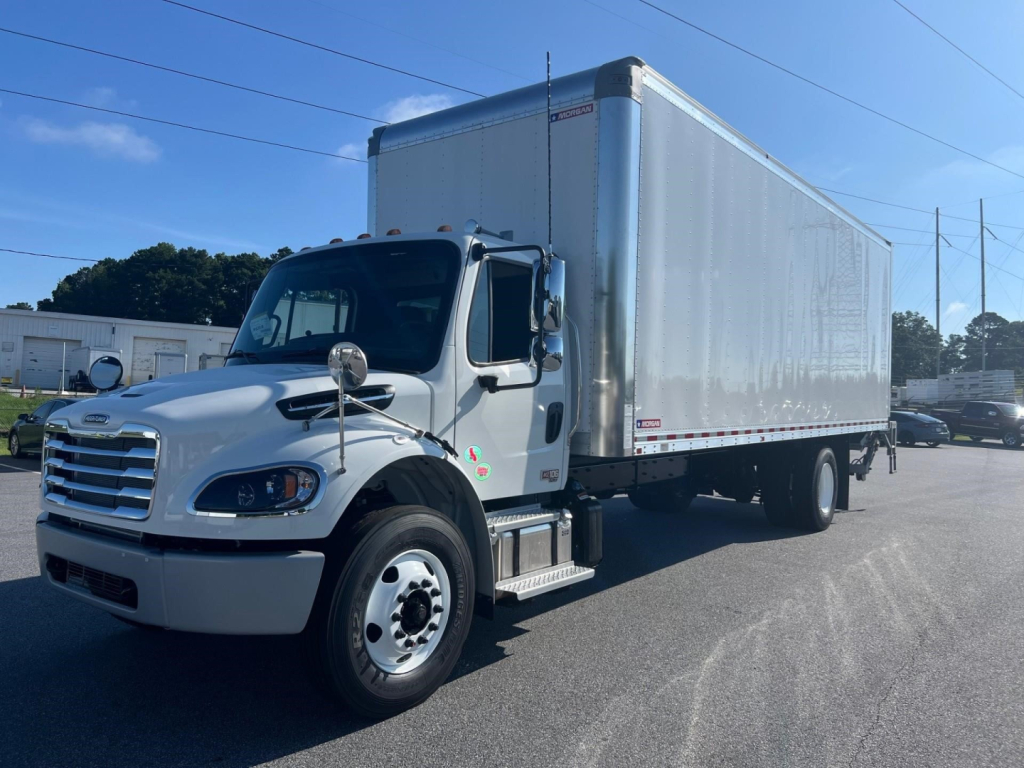
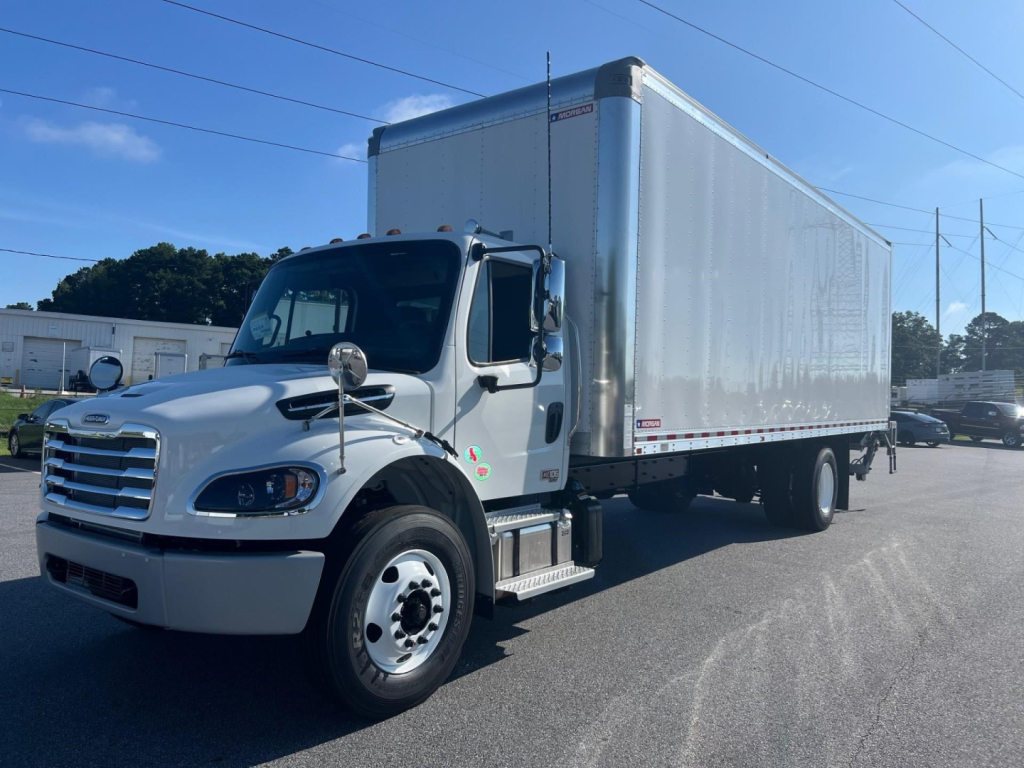
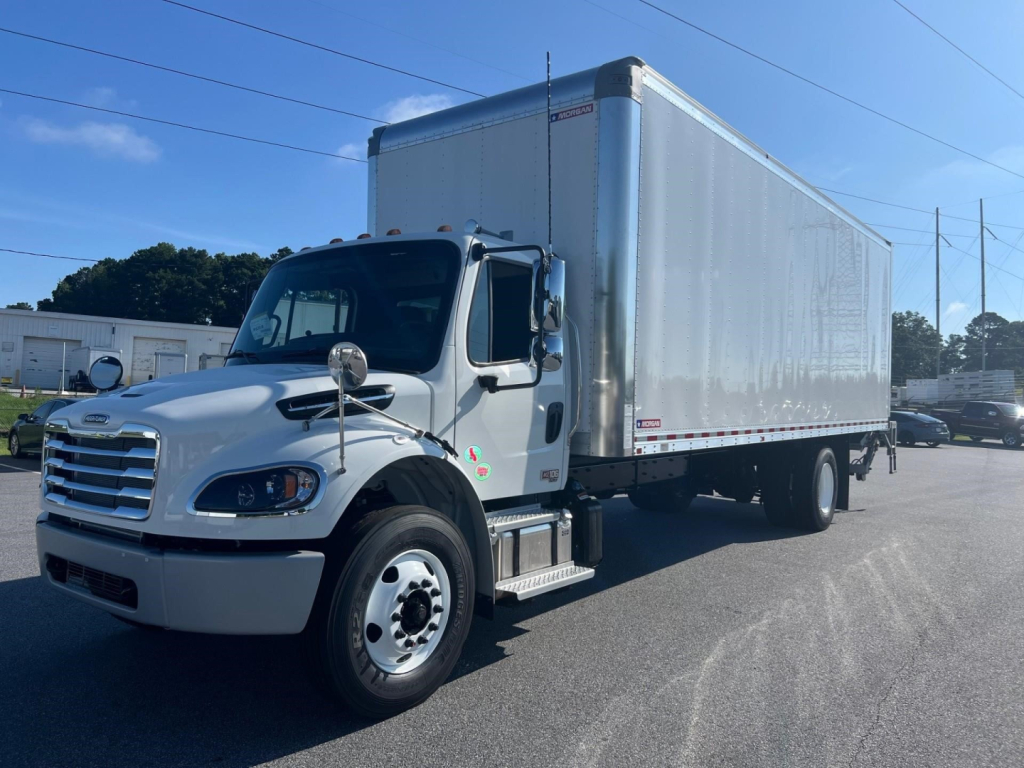
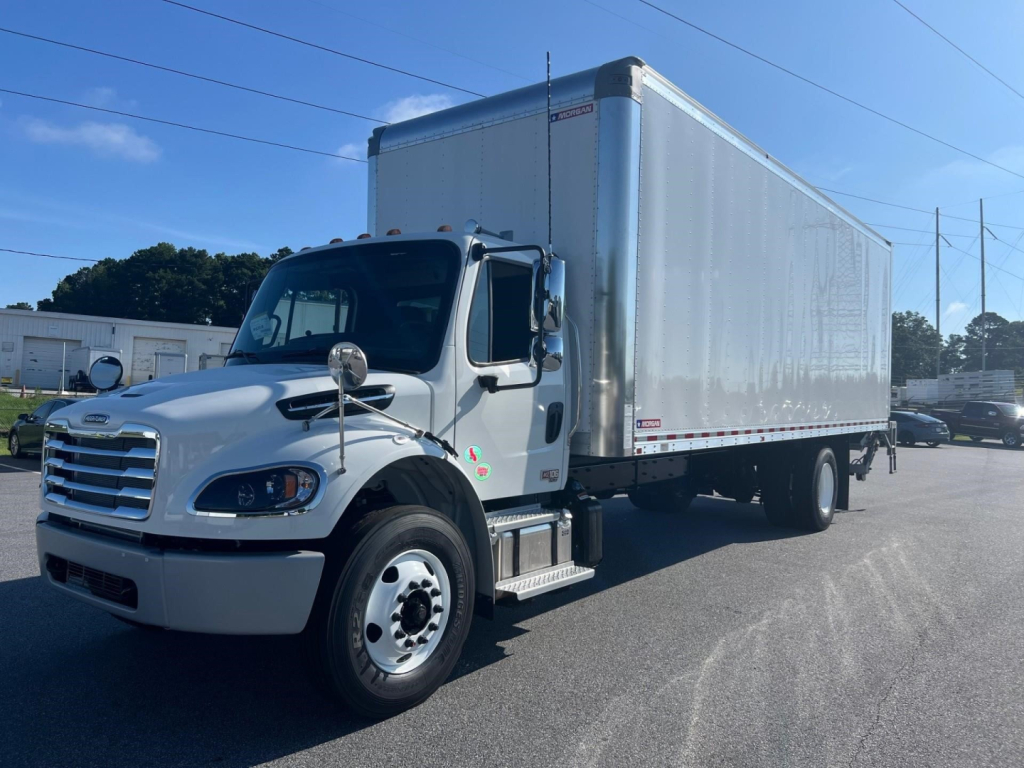

Selling a new 2027 box truck? List your new 2027 box truck for sale and reach thousands of commercial buyers.
New 2027 Box Trucks
On new units, the chassis and body spec matter as much as the badge on the hood. Common setups include diesel engines such as the Cummins B6.7 or Duramax paired with Allison automatic transmissions, often in 2500 or 3000 series ratings depending on GVWR and intended duty cycle. Buyers should pay close attention to wheelbase, rear axle ratio, suspension, brake type, and fuel capacity because those choices directly affect turning radius, ride quality, stop-and-go performance, and operating cost. On the body side, look for hardwood or composite flooring, aluminum roof construction, scuff liners, E-track placement, interior lighting, bulkhead reinforcement, and rear door type. A roll-up rear door is common for city delivery, while some moving-spec bodies use swing doors or specialized interiors.
Liftgate selection is another major factor in this category. A 3,000-lb rail gate or tuck-under liftgate can be the difference between a truck that handles appliance, beverage, or palletized freight efficiently and one that depends on dock access at every stop. If the truck will be hand-unloaded, rear step bumpers, grab handles, cargo tie-downs, and walk ramp options deserve attention. If it will be used in furniture or household moving service, buyers often prioritize taller inside height, logistics track, smooth interior sidewalls, and body construction that stands up to repeated contact. For local and regional delivery fleets, backup alarms, camera systems, power heated mirrors, and bright LED cargo lighting can make a measurable difference in safety and route productivity.
A new 2027 box truck makes the most sense when uptime, warranty coverage, and current emissions-compliant powertrains are a priority. Compare the truck as a complete package, not just by horsepower or body length. GVWR, payload after upfit, inside cube, loading height, and service access often matter more in daily operation than headline specs. The right box truck should match the freight, the route density, the dock conditions, and the driver pool. A properly spec'd unit will load faster, wear better, and stay profitable longer in pickup-and-delivery service.
Frequently Asked Questions about New 2027 Box Trucks
What is the most important spec to compare on a new 2027 box truck?
GVWR and usable payload are usually the most important numbers because they determine what the truck can legally and efficiently carry after the body, liftgate, and any interior upfit are installed. Buyers should also compare body length, inside height, wheelbase, and axle ratings together rather than in isolation. A truck with a longer box may offer more cube but less payload depending on the chassis and upfit weight.
Can a 26-foot box truck be operated without a CDL?
Some 26-foot box trucks are configured to remain under the 26,001-lb GVWR threshold, which can allow non-CDL operation in many applications, but body length alone does not determine CDL requirement. The actual registered GVWR, air brake spec, state rules, and the type of operation all matter. Buyers should verify the exact chassis rating and registration plan before assuming a truck is non-CDL.
Which rear door and liftgate setup is best for box truck work?
That depends on the freight and delivery environment. Roll-up doors are common for urban route work because they save space behind the truck and speed up repeated stops. Swing doors can provide a larger clear opening in some applications. For liftgates, a 3,000-lb class gate is common for palletized freight, appliances, and general delivery, while lighter-duty operations may not need one if most loading is dock-to-dock.
What features should buyers look for inside the cargo body?
Useful cargo body features include E-track or logistics track, scuff liners, reinforced bulkheads, hardwood or composite flooring, LED dome lights, and the right inside height for the freight profile. Moving and final-mile operators may also want shelving, bins, walk ramps, or smooth wall liners depending on how the truck will be loaded. These details affect cargo control, damage prevention, and driver efficiency every day.
Are diesel engines still the standard choice in new box trucks?
Diesel engines remain the standard choice in many Class 6 and Class 7 box truck applications because they provide strong torque, long service life, and compatibility with higher-GVWR delivery work. Engines such as the Cummins B6.7 and Duramax diesel are commonly paired with Allison automatic transmissions in this segment. For buyers running consistent urban routes, the right decision should also factor in idle time, maintenance access, fuel economy, and emissions system service requirements.