
New Box Trucks For Sale in Colorado
Shop new box trucks for sale in Colorado. Compare under-CDL and medium-duty van body trucks with liftgates, E-track, and delivery-ready specs.
Selling a new box truck? List your new box truck for sale and reach thousands of commercial buyers.
New Box Trucks in Colorado
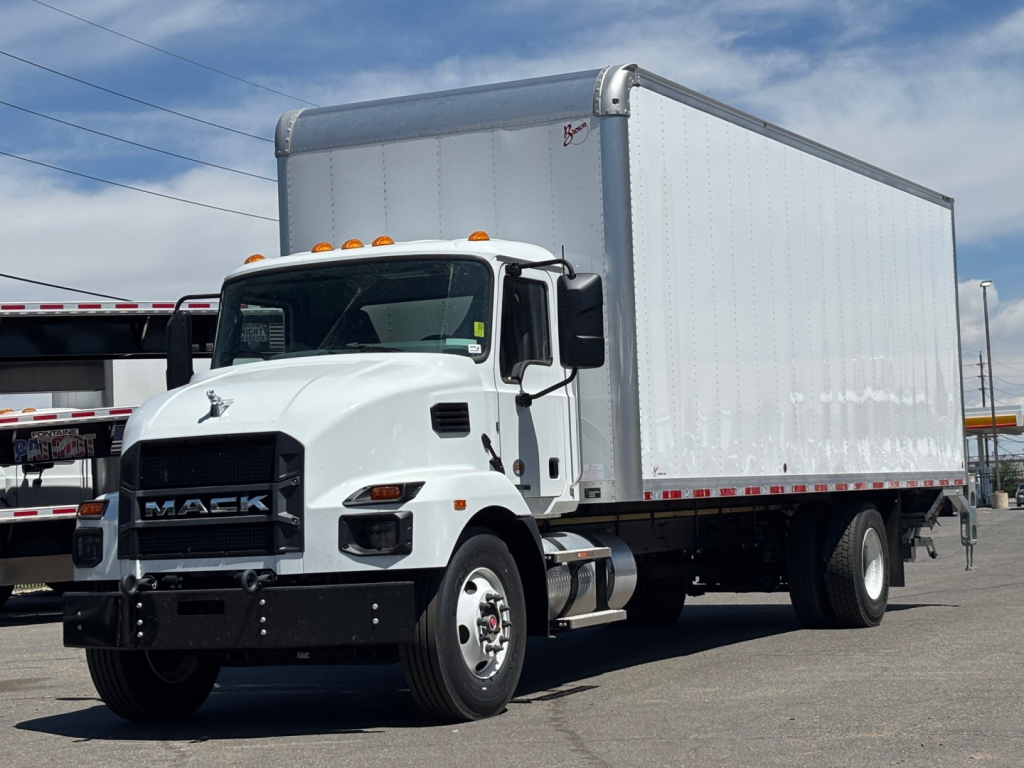
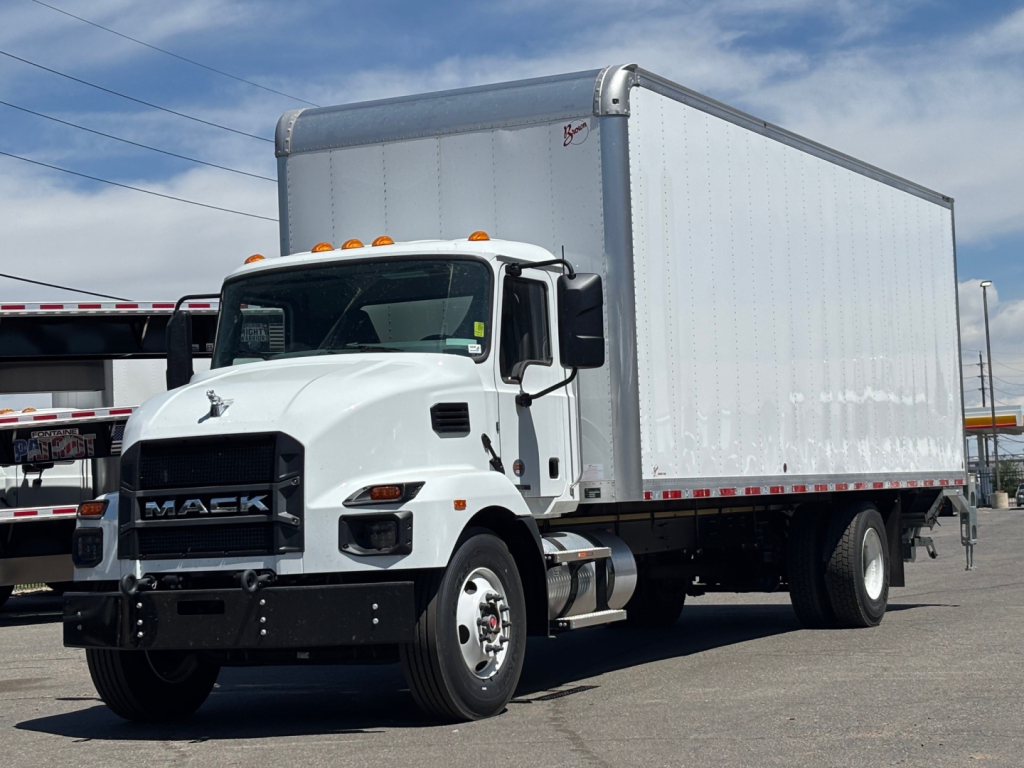
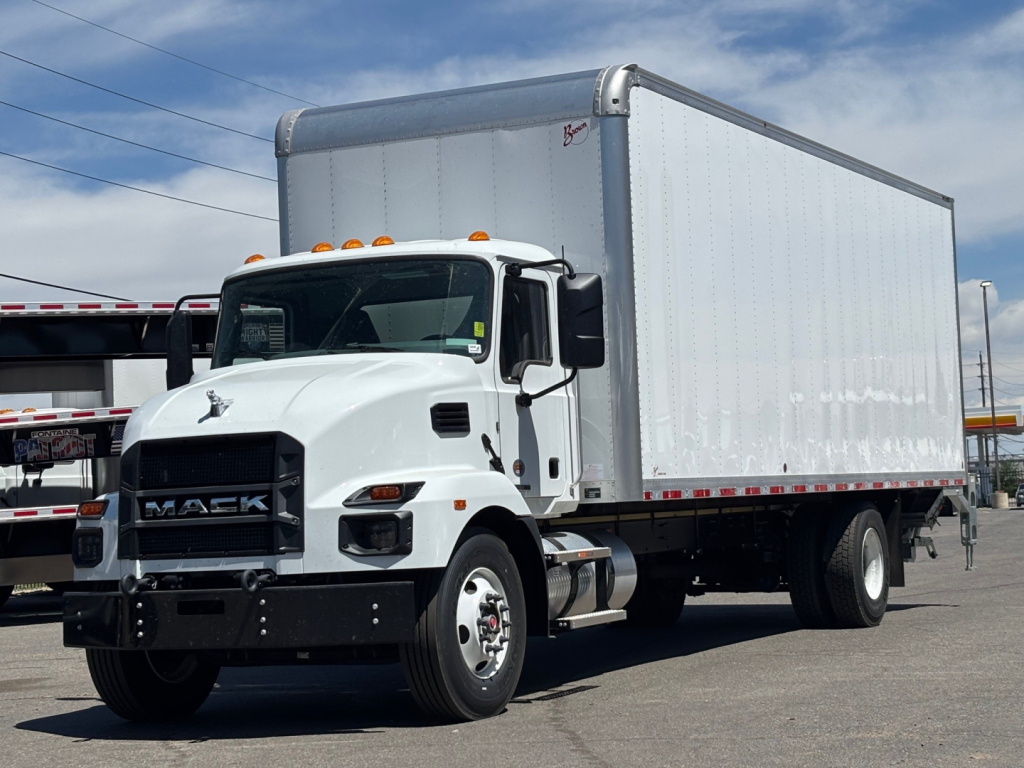
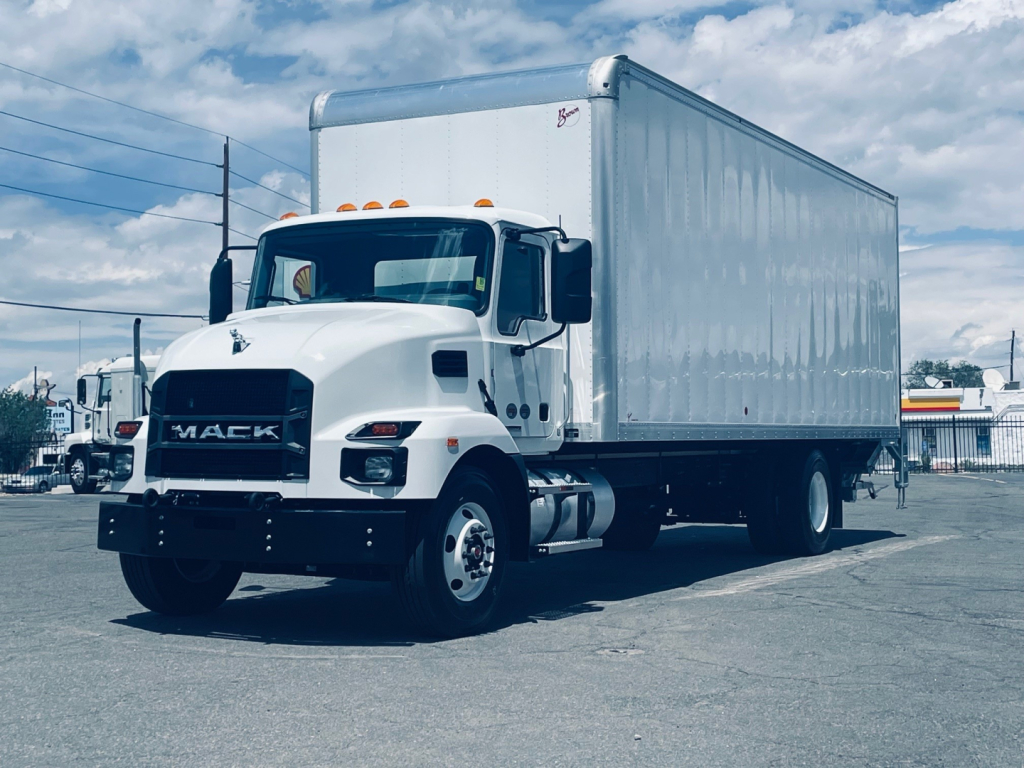
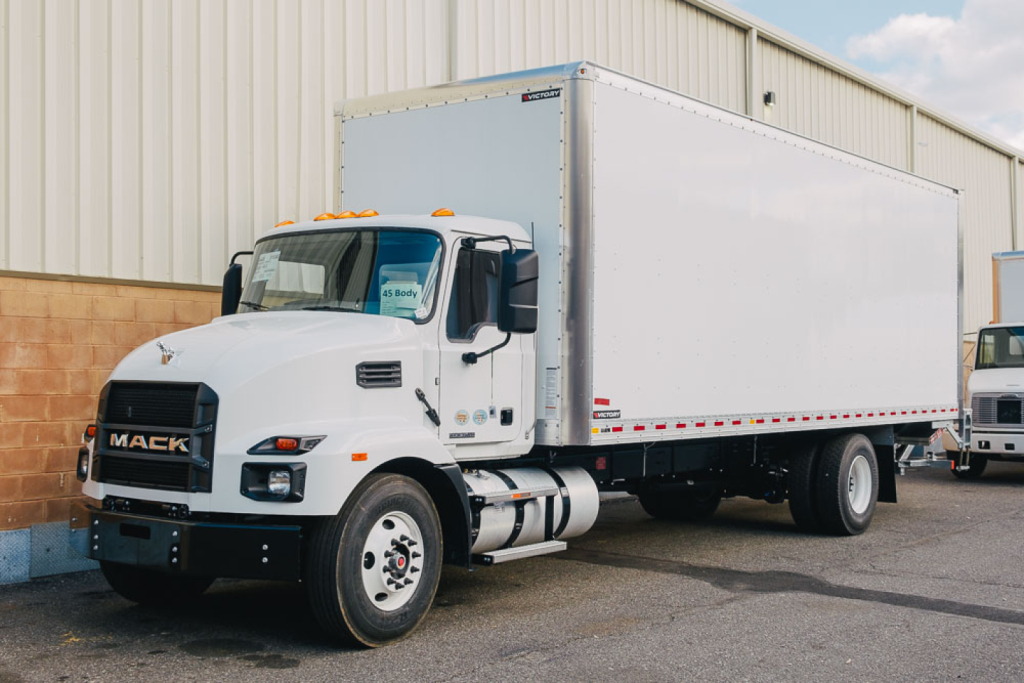
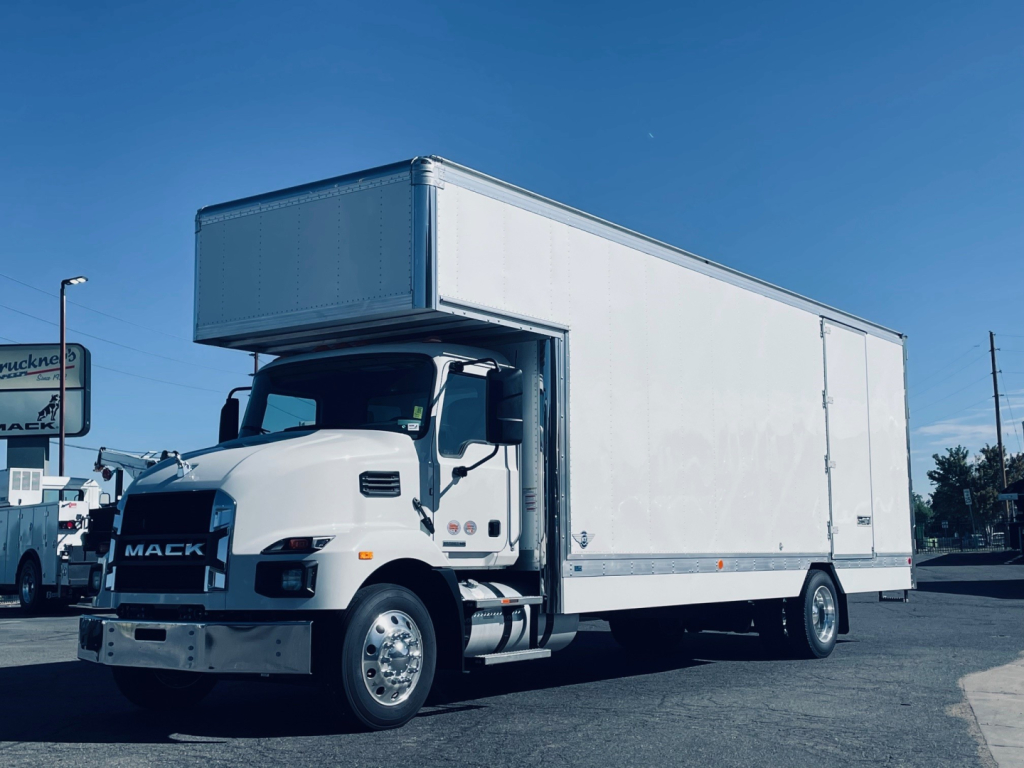
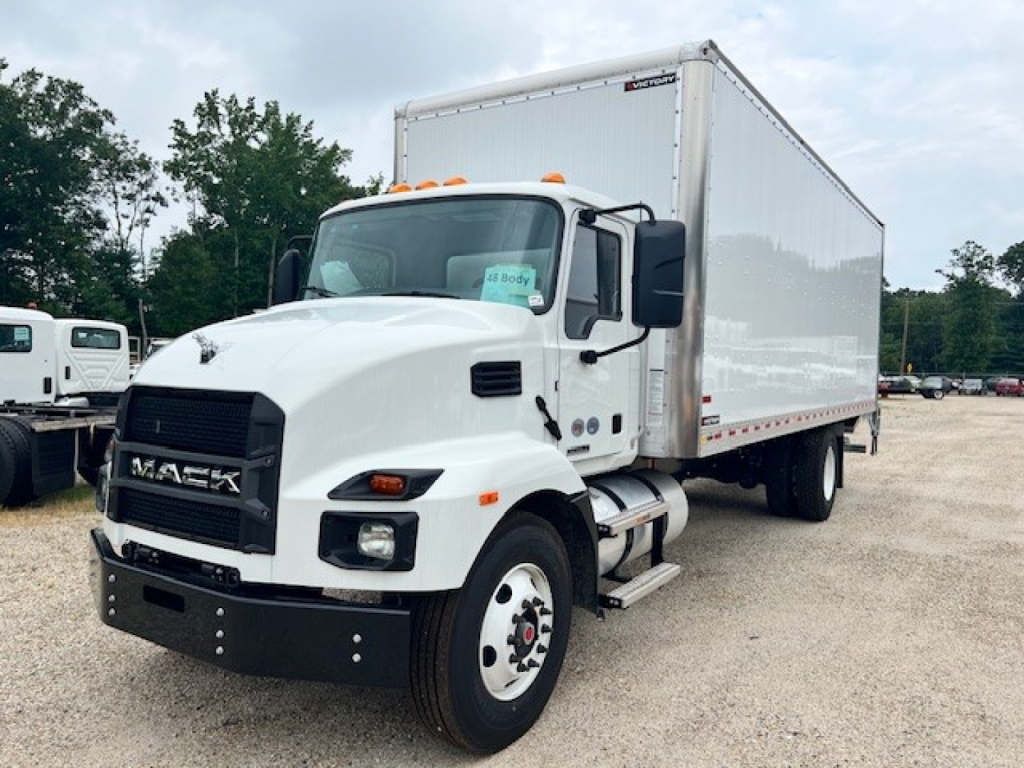
The body specification matters as much as the chassis. Common new box truck setups include 24-foot and 26-foot van bodies, hardwood or laminated floors, composite or aluminum wall construction, roll-up rear doors, recessed E-track, scuff liners or galvanized scuff, bulkhead reinforcement, LED cargo lighting, and liftgates in the 3,000-pound class. A moving-van configuration may prioritize interior height, smooth walls, and logistics track placement for furniture pads and tie-downs, while a delivery body may need heavier floor construction, wearband protection, and a rear platform that speeds repeated stops. Buyers in Colorado should also think about door seal quality, roof construction, and corrosion-resistant rear framing because temperature swings, snow, and road treatment can shorten body life if the spec is too light.
On the chassis side, new medium-duty box trucks commonly pair diesel power with an automatic transmission for easy route driving and lower training friction. Engines in the Cummins ISB 6.7-liter class and transmissions such as the Allison 2500 RDS are common because they balance fuel economy, service support, and durability in city and regional work. Wheelbase, rear axle ratio, suspension rating, and body length need to match the actual freight profile. A 26-foot box may maximize cubic capacity, but it can give up some maneuverability in dense loading zones or older urban streets. For mountain and Front Range use, buyers should pay close attention to horsepower, torque, brake performance, cooling capacity, and whether the truck will spend time at elevation with a full payload.
A new box truck also gives buyers the advantage of current safety and driver-comfort features, including power accessories, heated mirrors, backup alarms, and factory warranty coverage. The best spec is the one that matches loading method and daily stop count. If freight moves by pallet jack, liftgate platform size and floor height become critical. If the truck handles mixed freight, two rows of E-track and durable wall protection can save repair costs over time. For buyers comparing new box trucks in Colorado, the smart move is to look beyond price and focus on GVWR, body dimensions, cargo securement, liftgate rating, and the serviceability of the engine, transmission, and body components across the region.
Frequently Asked Questions about New Box Trucks in Colorado
What is the most important difference between an under-CDL box truck and a CDL box truck?
The key difference is gross vehicle weight rating. An under-CDL box truck is typically spec'd at 25,995 pounds GVWR so it stays below the 26,001-pound federal CDL threshold. That can widen the driver pool and simplify hiring, but it also limits total payload compared with a heavier CDL-required truck. Buyers should calculate body weight, liftgate weight, fuel, driver, and average cargo before deciding that under-CDL is the right fit.
What body length is most common on a new box truck?
Twenty-four-foot and twenty-six-foot bodies are among the most common configurations on new box trucks. A 24-foot body often offers a good balance of cargo space and maneuverability, while a 26-foot body is popular for moving, furniture delivery, and high-cube route work. The right choice depends on dock access, turning radius requirements, freight density, and whether payload or cubic capacity is the bigger constraint.
What features should I look for in a delivery or moving box truck body?
Important body features include a durable floor, cargo securement such as E-track, scuff protection, a quality roll-up rear door, adequate interior lighting, and a liftgate sized for the freight being handled. Moving applications often benefit from smooth interior walls, higher inside dimensions, and tie-down points, while delivery applications may need stronger wear surfaces, reinforced bulkheads, and faster liftgate cycling for frequent stops. Matching the body to the freight profile is one of the biggest factors in long-term operating cost.
Are diesel and automatic transmissions still the standard for new box trucks?
Yes, diesel engines and automatic transmissions remain a common standard in medium-duty new box trucks because they are well suited to stop-and-go commercial work. A diesel platform in the 6.7-liter range paired with a vocational automatic transmission is widely used for local and regional routes. This setup typically offers strong low-end torque, predictable drivability, and broad service support, all of which matter for uptime.
What should Colorado buyers consider when choosing a new box truck?
Colorado buyers should consider elevation, mountain grades, winter conditions, and route density. Trucks working along the Front Range or in higher elevations may need stronger horsepower and cooling performance than a similar truck used only on flat urban routes. Body durability also matters because snow, moisture, and road chemicals can affect rear frames, door hardware, and underbody components. A well-matched spec for Colorado usually balances power, braking, corrosion resistance, and maneuverability.