
New 2025 Box Trucks For Sale in Colorado
Shop new 2025 box trucks for sale in Colorado. Compare under-CDL van bodies, liftgates, payload, body lengths, and delivery-ready specs.
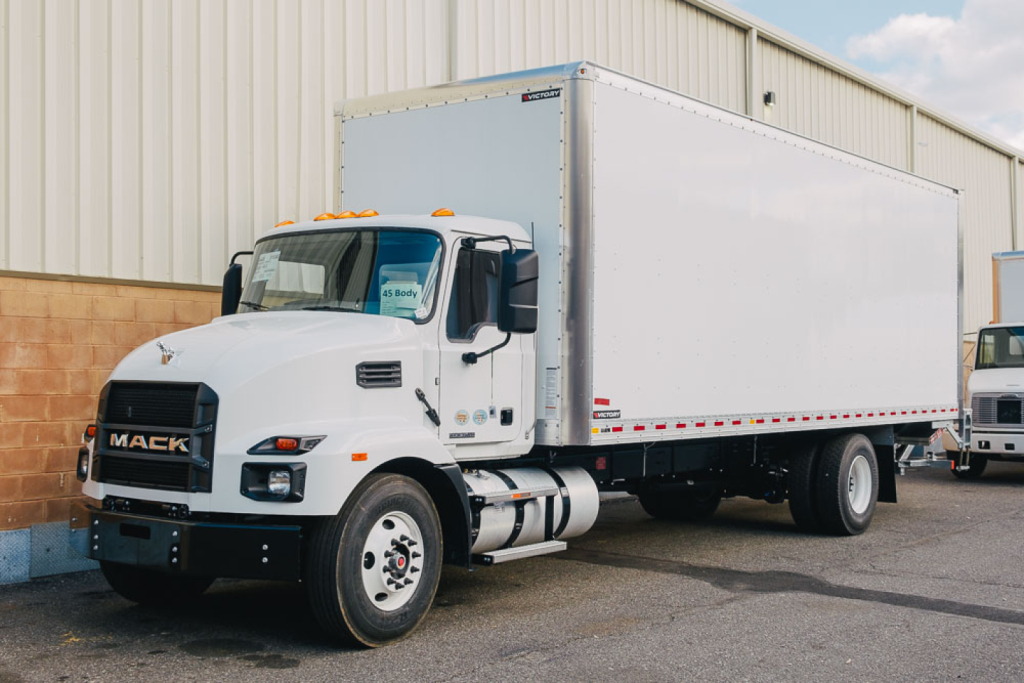
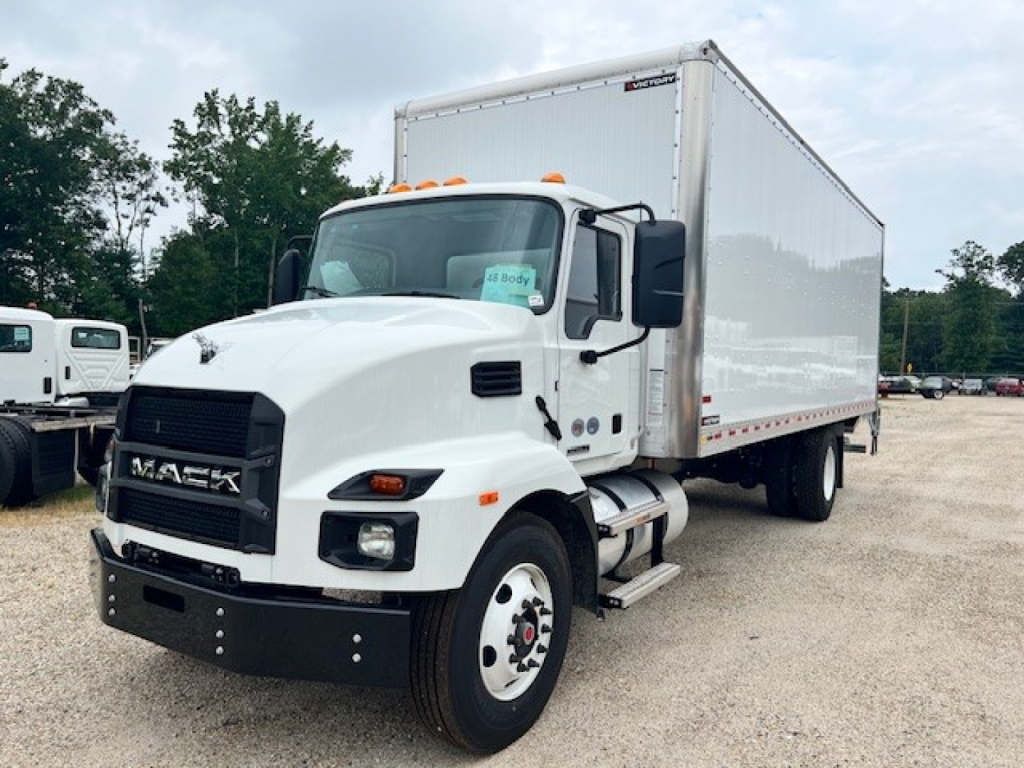
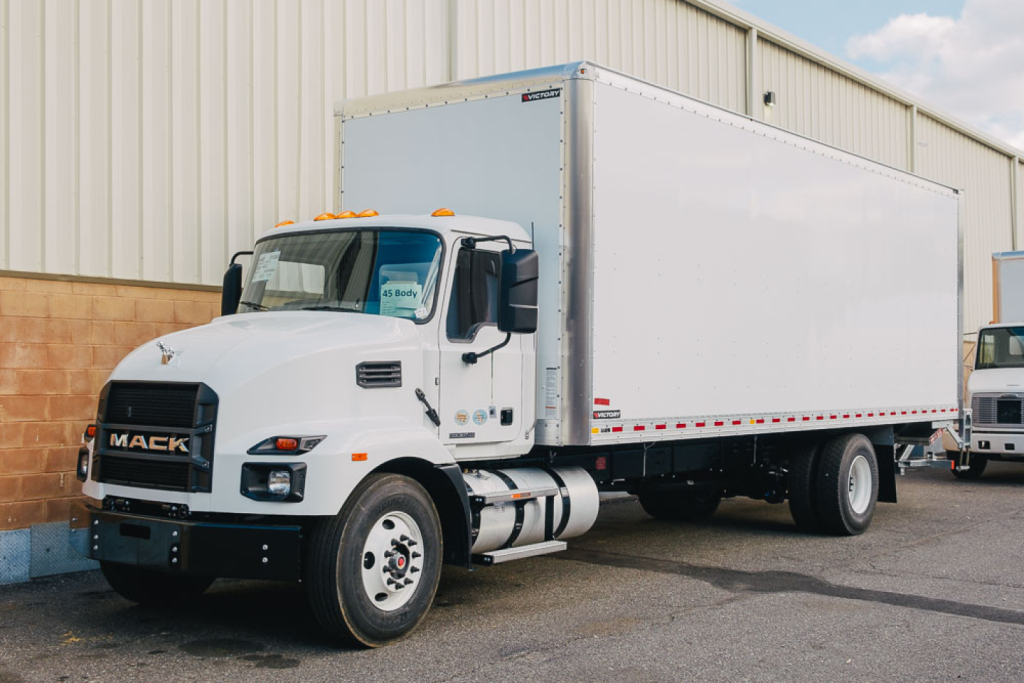
Selling a new 2025 box truck? List your new 2025 box truck for sale and reach thousands of commercial buyers.
New 2025 Box Trucks in Colorado
Body construction deserves as much attention as the chassis. Buyers should look closely at floor rating, wall material, scuff protection, and cargo securement. Hardwood or laminated hardwood floors remain common for durability under carts, pallets, and hand truck traffic. Composite sidewalls help reduce weight and resist corrosion, while galvanized or aluminum scuff liners protect the lower interior from repeated loading damage. Recessed E-track at multiple heights is a practical feature for mixed freight, and rear roll-up doors remain the standard for dock access. A liftgate is often the make-or-break spec on a box truck, with 3,000 to 3,300 lb capacity units being a common fit for beverage, appliance, and final-mile operations.
On the chassis side, many new 2025 box trucks in this segment use medium-duty diesel platforms with engines such as the Cummins ISB 6.7 paired to an Allison automatic transmission. That combination is popular because it is straightforward to service, well understood by fleet managers, and matched well to stop-and-go delivery cycles. Power ratings around 260 to 280 hp are common in under-CDL applications, giving enough performance for city routes, front range elevation changes, and interstate runs without overspec'ing the truck. In Colorado, buyers should think about how the truck will perform loaded on grades, how often it will idle, and whether the wheelbase and body length fit warehouse docks, mountain communities, and dense metro delivery zones.
The best new box truck spec is the one that matches freight type, loading method, and route density. A fleet handling palletized freight may prioritize liftgate platform size, door opening dimensions, and interior height. A moving or retail delivery operation may care more about clean interior walls, cargo restraint options, and low step-in access. New trucks also give buyers the advantage of current safety and driver-convenience features such as heated mirrors, backup alarms, power accessories, and updated cab ergonomics. When comparing 2025 box trucks for sale, focus on GVWR, payload after body installation, body cube, liftgate capacity, floor construction, and serviceability of the engine and transmission package. Those details determine how well the truck will hold up in real delivery work, not just how it looks on paper.
Frequently Asked Questions about New 2025 Box Trucks in Colorado
What is the typical GVWR for a new 2025 box truck in the under-CDL class?
A common target is 25,995 lb GVWR, which keeps the truck just under the federal CDL threshold in most applications. This is a popular specification for delivery fleets because it broadens the driver pool while still allowing a 24- to 26-foot body and useful payload. Buyers still need to verify actual payload after the body, liftgate, fuel, and any added equipment are installed, because under-CDL does not automatically mean high payload.
What body length is most common on new box trucks?
In this class, 24-foot and 26-foot box bodies are among the most common configurations. A 24-foot body can be easier to maneuver in tight city environments and smaller yards, while a 26-foot body offers more cargo cube for route delivery and moving applications. The right choice depends on dock access, route density, freight dimensions, and how often the truck needs to operate in restricted urban areas or mountain towns.
Why is a liftgate important on a box truck?
A liftgate expands where and how a box truck can unload by removing the need for a loading dock or forklift at every stop. Capacities around 3,000 to 3,300 lb are common on medium-duty dry van bodies and work well for pallets, appliances, and heavy carts. Buyers should compare not just lift capacity, but also platform size, platform material, and how the gate integrates with the rear door and loading style.
What chassis and powertrain are common in new box trucks?
Many new box trucks use medium-duty diesel chassis with engines in the 6.7-liter range and automatic transmissions such as the Allison 2500 series. This setup is widely used because it balances durability, service network support, and good performance in stop-and-go delivery work. Horsepower in the upper-200 range is common, especially on trucks expected to handle full loads, regular liftgate use, and elevation changes like those seen across Colorado.
What should buyers inspect on the body itself, not just the cab and engine?
Key body details include floor thickness and material, wall construction, roof design, rear frame durability, scuff protection, and cargo securement systems such as E-track. These components directly affect how the truck holds up to repeated loading, shifting freight, and dock contact. A strong body spec can reduce repairs, protect cargo better, and improve long-term value even when two trucks share a similar chassis and engine package.