
New 2025 Box Trucks For Sale
Shop new 2025 box trucks with popular body lengths, liftgate options, diesel or gas power, and specs built for delivery and moving work.
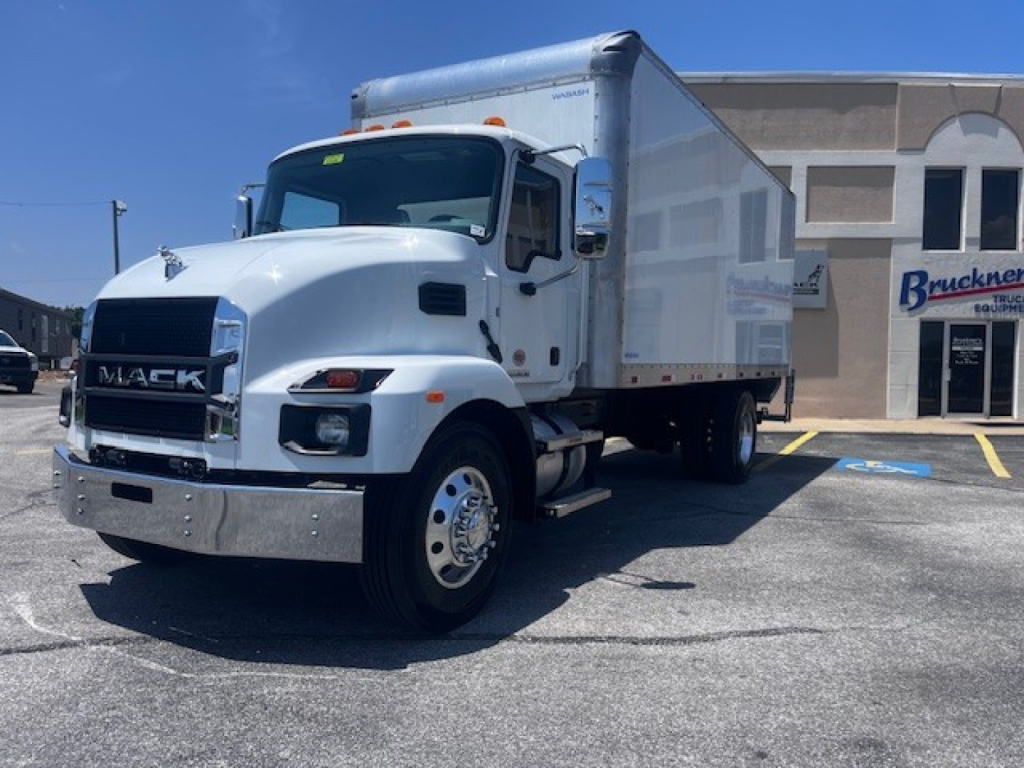
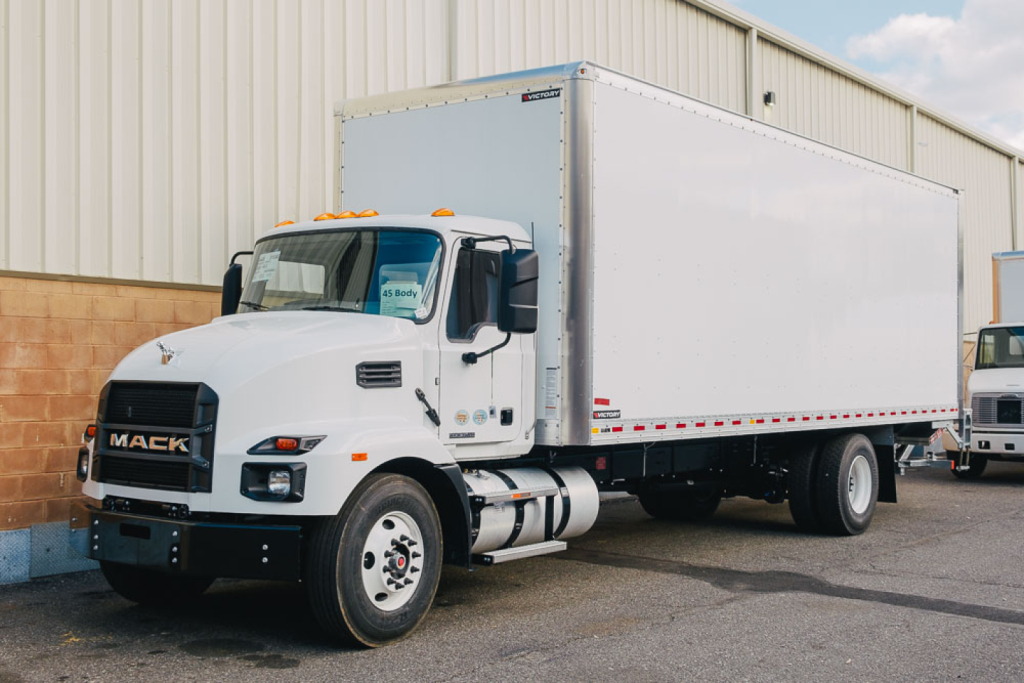
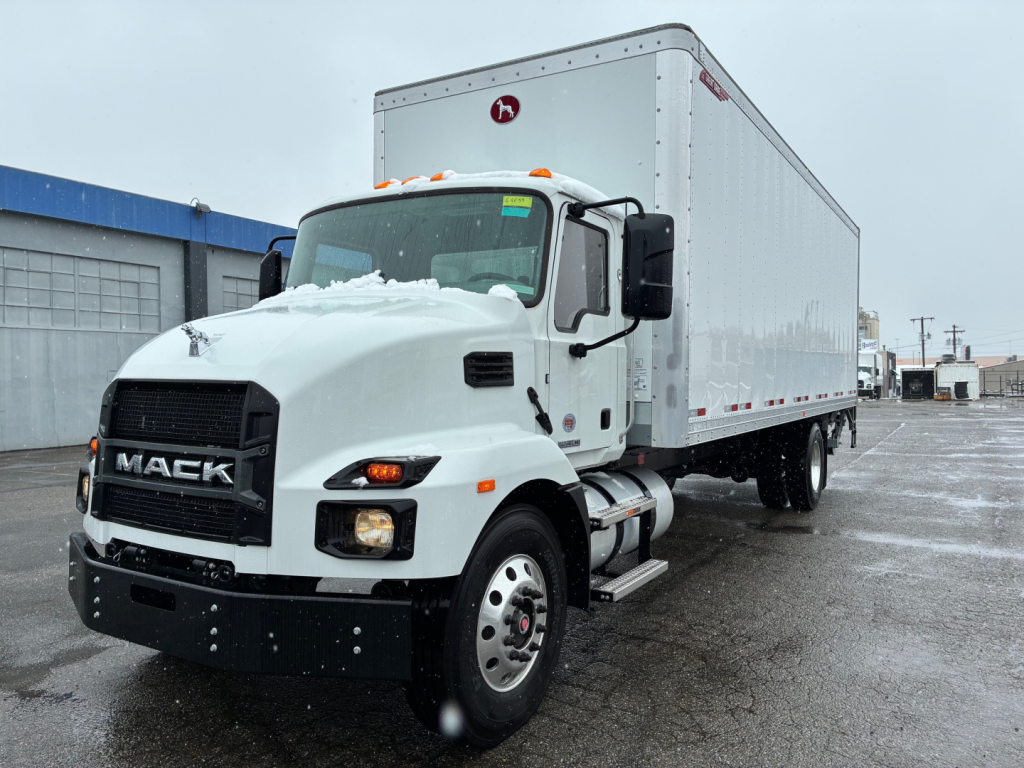
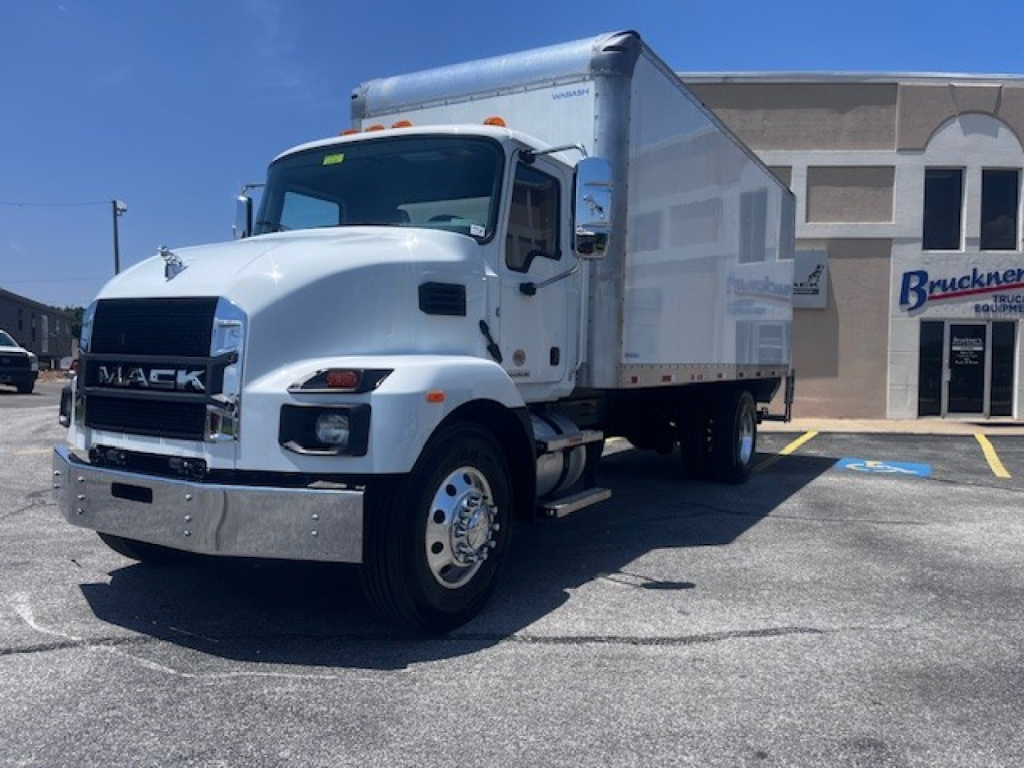
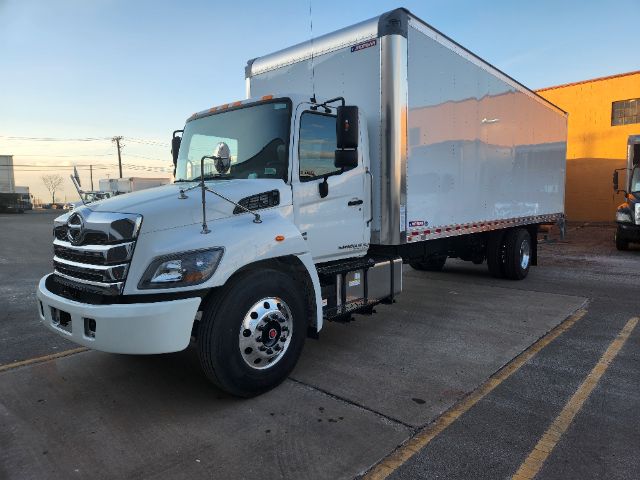
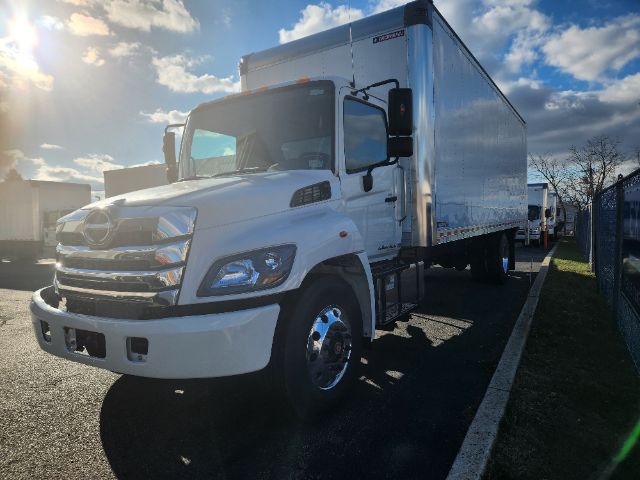
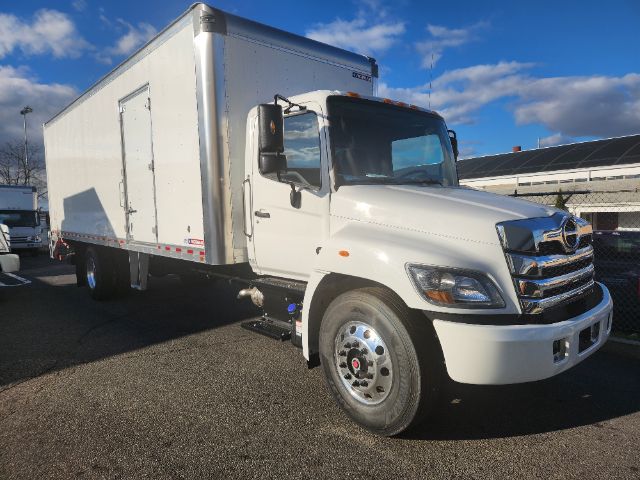
Selling a new 2025 box truck? List your new 2025 box truck for sale and reach thousands of commercial buyers.
New 2025 Box Trucks
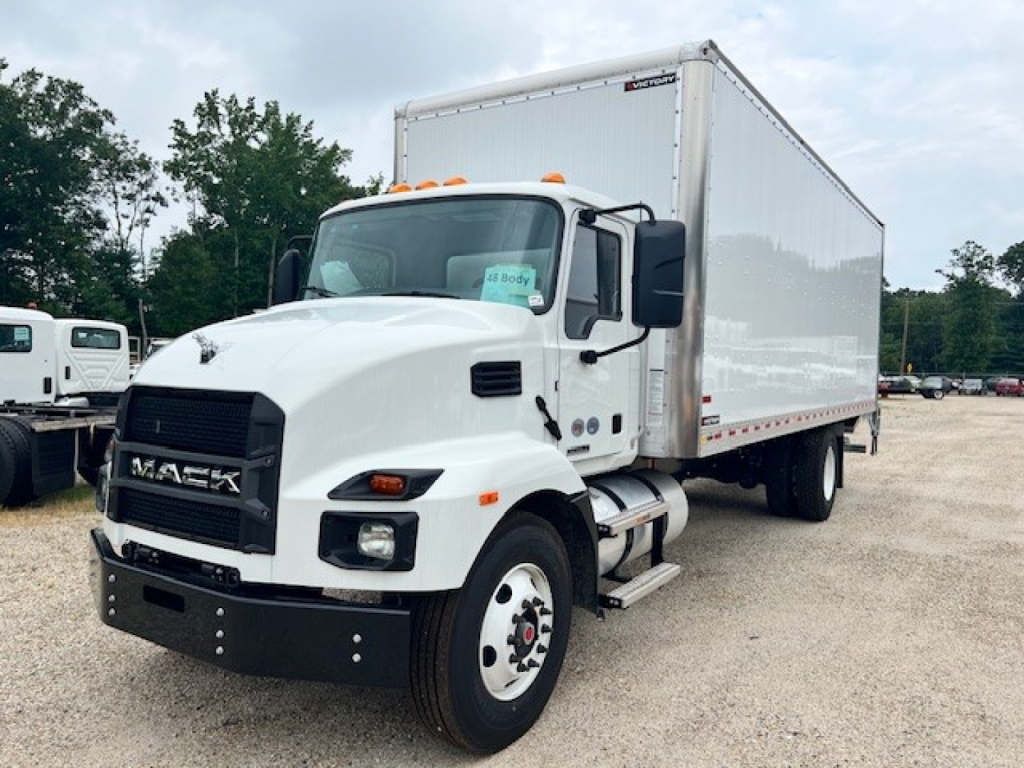
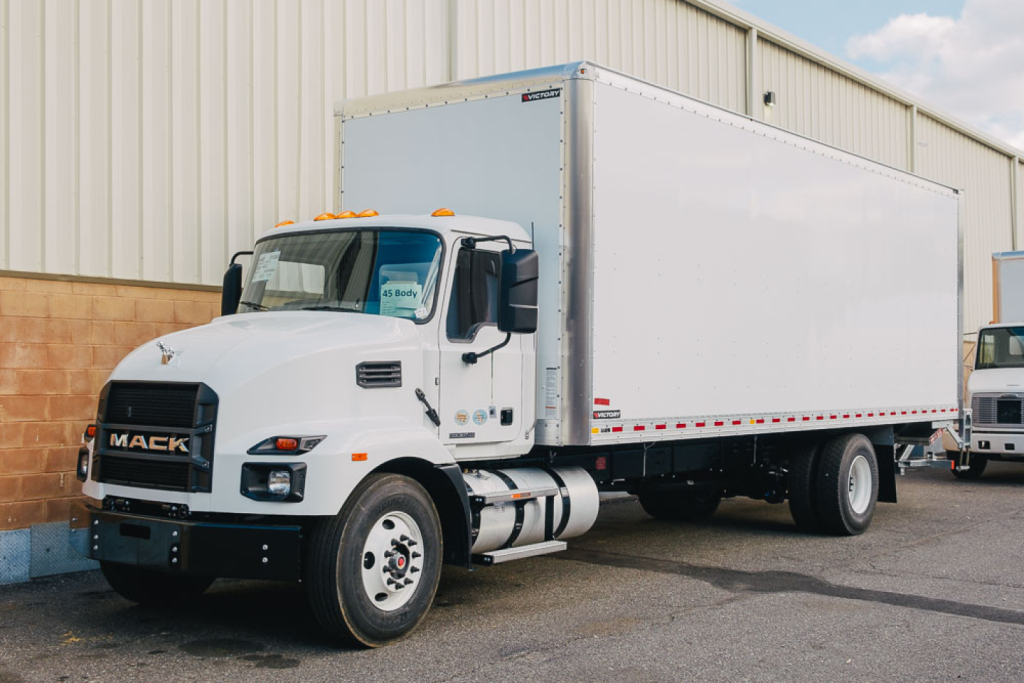
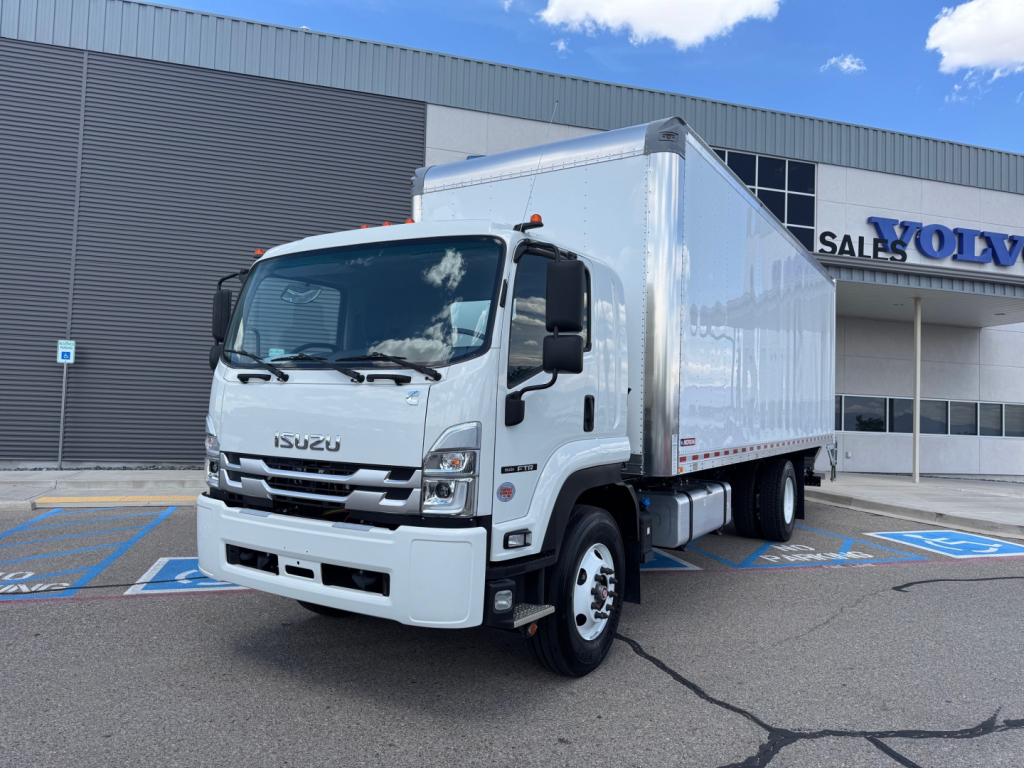
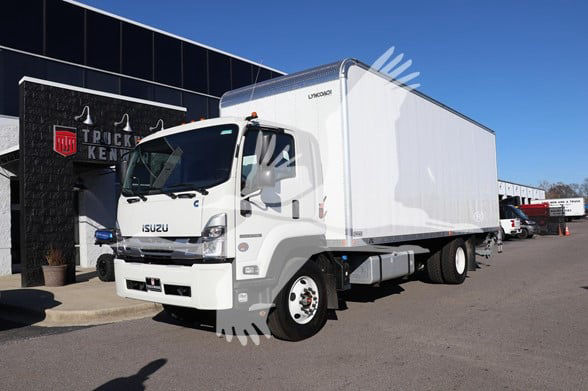
Common chassis in this segment include medium-duty models from Freightliner, Mack, Ford, Isuzu, Chevrolet, Hino, and International. Powertrains are typically chosen for stop-and-go durability and ease of service, with Cummins diesel engines and Allison automatic transmissions remaining a common combination in heavier box truck specs. Lighter units may use gas engines for lower upfront cost and simpler maintenance. Buyers should pay close attention to axle ratings, wheel size, suspension type, brake setup, and cab layout. Air brakes, spring suspension, 22.5-inch rubber, power windows and locks, and heated mirrors are all common on medium-duty box trucks intended for commercial route use.
Body spec matters as much as chassis spec. A serious delivery or moving truck may include hardwood flooring, recessed E-track, scuff liners or wearbands, interior dome lighting, bulkhead reinforcement, translucent or aluminum roof construction, and a roll-up rear door sized for pallet and appliance clearance. Liftgate choice is another major factor. A 3,000-pound tuck-under gate is common for beverage, palletized freight, and final-mile delivery, while some operations need rail gates or cart stops depending on the product mix. Interior width and height also affect usable cube, especially for operators handling furniture, stacked cartons, or hand-truck delivery. If dock loading is routine, rear frame height and door opening dimensions deserve close review.
For a new 2025 box truck, the best value usually comes from matching the truck to the route instead of buying on body length alone. Tight city work favors shorter wheelbases, better turning radius, and easier cab access. Higher-volume suburban and regional runs often justify a 24-foot or 26-foot body with a stronger liftgate and more cargo control equipment. Buyers comparing listings should look beyond horsepower and focus on payload after upfit, body manufacturer reputation, warranty coverage, and service access for both the chassis and the box. A well-spec'd box truck can reduce loading time, protect cargo better, and stay productive longer in high-cycle delivery service.
Frequently Asked Questions about New 2025 Box Trucks
What is the most common size for a box truck?
The most common medium-duty box truck size is 26 feet, especially for moving, furniture delivery, and general dry freight. That length offers strong cargo capacity while often remaining at 26,000 GVWR, which can keep the truck under CDL requirements in many situations. Smaller 16-foot to 20-foot box trucks are also common for urban delivery, service routes, and operations that need easier maneuverability.
Do I need a CDL to drive a 26-foot box truck?
A 26-foot box truck does not automatically require a CDL. What matters is the gross vehicle weight rating, not just the body length. Many 26-foot box trucks are spec'd at 26,000 GVWR specifically to stay under the federal CDL threshold. Buyers should still verify state rules, air brake requirements, cargo type, and any company-specific policies before assigning drivers.
What should I look for in a liftgate on a new box truck?
The right liftgate depends on freight weight, loading method, and stop frequency. A 3,000-pound tuck-under liftgate is a common choice for palletized freight, appliances, and final-mile delivery because it balances capacity and practicality. Buyers should also consider platform size, cart stops, cycle durability, maintenance access, and how the gate affects dock loading or rear door clearance.
Is diesel or gas better for a box truck?
Diesel is often preferred on heavier medium-duty box trucks because it delivers strong torque, long-service durability, and broad support in commercial fleets. Gas engines can make sense for lighter box trucks with lower annual miles, lower upfront acquisition cost, and simpler maintenance needs. The better choice usually depends on route length, payload, stop frequency, and how long the truck will stay in the fleet.
What body features matter most on a delivery box truck?
The most important body features are the ones that improve cargo security, loading speed, and long-term durability. Hardwood floors, E-track, scuff liners, reinforced bulkheads, bright interior lighting, and a properly sized rear door all add real value in daily use. For high-cycle delivery work, buyers should also check body construction quality, roof design, floor thickness, and how well the upfit matches the freight being hauled.