
New 2025 Box Trucks For Sale in New Jersey
Shop new 2025 box trucks for sale in New Jersey. Compare GVWR, body length, liftgate, cargo access, and delivery-ready specs.
Selling a new 2025 box truck? List your new 2025 box truck for sale and reach thousands of commercial buyers.
New 2025 Box Trucks in New Jersey
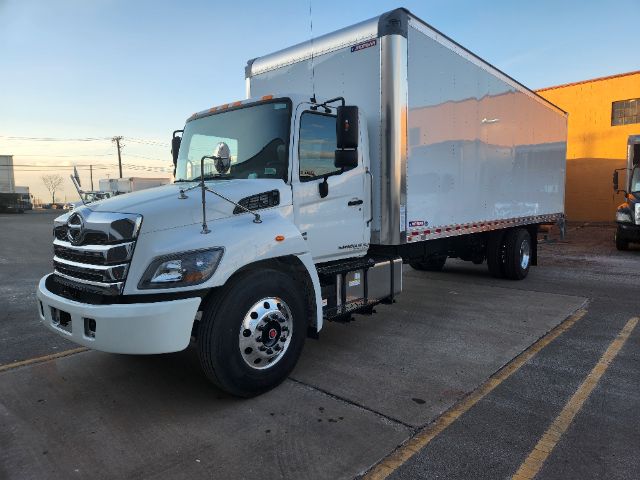
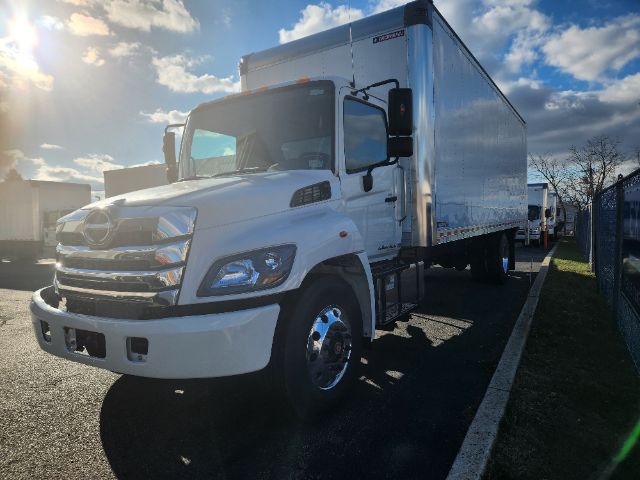
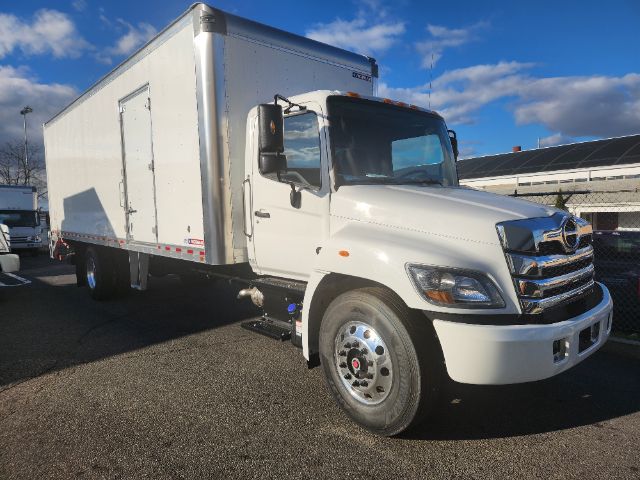
One of the first decisions is GVWR and body length. Many 2025 medium-duty box trucks are spec'd around the non-CDL 25,950-lb GVWR threshold, which is popular for businesses that want strong payload capacity without moving into CDL-required territory. Common body lengths run from about 16 to 26 feet, with 26-foot boxes being especially common for route delivery and household goods. Aluminum van bodies help control tare weight, while plywood lining, scuff protection, LED cargo lighting, and E-track improve cargo securement and reduce interior wear. Roll-up rear doors are standard on many specs, and a curbside door can make a real difference for multi-stop operations.
Powertrain choices in this category are usually geared toward durability and ease of use rather than high horsepower. Medium-duty diesel engines paired with Allison automatic transmissions are common because they perform well in stop-and-go service and are familiar to fleet maintenance departments. Buyers should pay attention to rear axle ratio, wheelbase, fuel tank size, brake type, and suspension setup, since these affect turning radius, ride quality, payload balance, and route range. Driver-focused options such as air-ride seats, heated mirrors, backup cameras, and upgraded cab controls are not minor details on a box truck. They matter when the truck is used all day in dense traffic, at loading docks, and in frequent reverse maneuvers.
The body spec often determines how productive the truck will be. A tuck-away liftgate is a strong fit for palletized freight, retail deliveries, and locations without docks, but capacity matters. A 3,300-lb gate and a 4,400-lb gate serve different freight profiles. Interior width and height also deserve close attention if the truck will handle carts, stacked product, or bulky home delivery items. For New Jersey operations, corrosion resistance, visibility, and urban serviceability tend to be high priorities, especially for trucks running year-round in coastal and winter road conditions. A well-matched 2025 box truck should balance payload, cube, access, and driver efficiency so the truck earns consistently on every route.
Frequently Asked Questions about New 2025 Box Trucks in New Jersey
What GVWR is most common for a new 2025 box truck?
One of the most common specs is 25,950 lbs GVWR because it offers substantial payload potential while staying just under the 26,001-lb threshold that typically triggers CDL requirements for many operators. That makes it a popular choice for delivery fleets, moving companies, and businesses that want flexibility in driver staffing. Actual legal requirements still depend on use, endorsements, and local rules, so the chassis rating should always be matched to the application and compliance needs.
What body length is best for a box truck?
The right body length depends on route density, product size, and loading environment. A 26-foot body is a common choice for dry freight, furniture, and appliance delivery because it provides strong cargo cube without stepping into tractor-trailer territory. Shorter bodies can be a better fit for dense urban routes, narrow streets, and operations with frequent backing or alley access. Buyers should compare cargo volume, wheelbase, turning radius, and dock compatibility before deciding.
Is a liftgate necessary on a box truck?
A liftgate is essential when freight is loaded or unloaded at locations without a dock or forklift. It improves delivery flexibility and reduces manual handling, which can help with both productivity and driver safety. The important detail is liftgate capacity. A lighter-capacity tuck-away gate may be fine for carts, hand trucks, and mixed parcel freight, while heavier palletized product may require a higher-capacity gate and a body-floor setup designed to support that use.
What features matter most inside the cargo box?
Cargo box details directly affect day-to-day usefulness. Plywood-lined walls help protect the body from shifting freight, E-track adds securement flexibility, and LED dome lights improve visibility during early morning or evening stops. A roll-up rear door is standard for many applications because it preserves rear clearance at docks, while a curbside door can speed up hand unloads and route work. Interior dimensions, floor construction, and wall protection should match the actual freight, not just the published body length.
Are diesel automatic box trucks still the standard for medium-duty delivery work?
Yes, diesel engines paired with Allison automatic transmissions remain a common standard in medium-duty box trucks because they are proven in stop-and-go service, easy for a broad driver pool to operate, and widely supported by service networks. That combination is especially common in Class 6 and similar delivery applications where uptime and drivability matter more than peak speed. Buyers should still review horsepower, torque, rear axle ratio, and maintenance support because the same basic powertrain can feel very different depending on how the truck is spec'd.