
New 2025 Hino Box Trucks For Sale in New Jersey
Shop 2025 Hino box trucks with medium-duty specs, 20- to 26-foot bodies, liftgate options, and diesel power for delivery fleets.
Selling a new 2025 hino box truck? List your new 2025 hino box truck for sale and reach thousands of commercial buyers.
New 2025 Hino Box Trucks in New Jersey
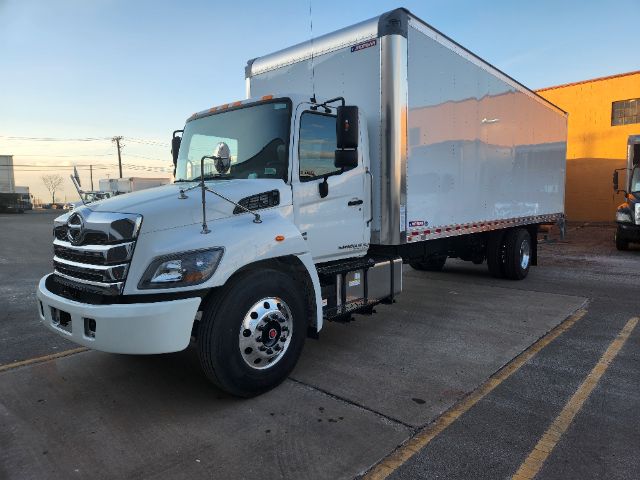
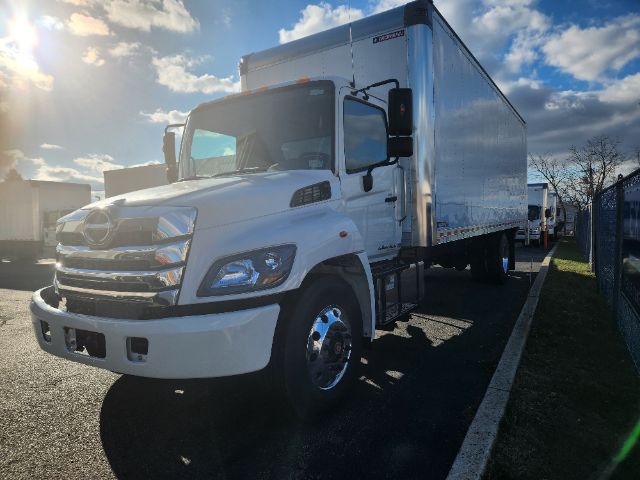
A common 2025 Hino box truck configuration is the L6 chassis with a 25,950-lb GVWR, which keeps the truck below the CDL threshold in many applications while still offering substantial payload and body upfit flexibility. Buyers should pay close attention to axle ratings, wheelbase, and body dimensions because a 26-foot body with a tuck-away liftgate can spec very differently from a shorter 20-foot build intended for denser city routes. Many Hino box trucks in this class are paired with diesel power and an Allison automatic transmission, a setup that appeals to fleets looking for simple driver training, predictable shift quality, and solid start-stop durability. Fuel tank size, brake type, and rear axle ratio also affect route range, acceleration, and service profile.
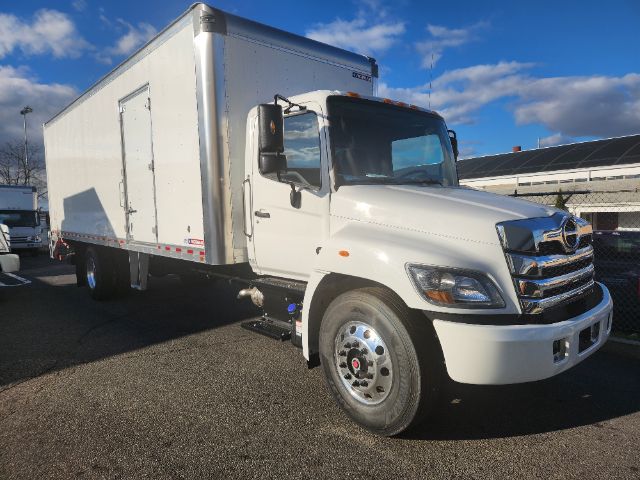
Body equipment often makes the real difference in day-to-day productivity. Aluminum van bodies are popular because they help manage tare weight and resist corrosion. Inside the box, plywood lining, scuff protection, LED dome lighting, and multiple rows of E-track support mixed cargo and reduce damage claims. Liftgate selection is another major decision point. A 3,300-lb or 4,400-lb tuck-away gate can change the kind of freight the truck can handle and how quickly drivers can work palletized stops without a dock. Rear roll-up doors are standard on many delivery specs, but some fleets also want a curbside door for hand unloads and route deliveries where rear access is limited.
Cab and driver features should not be treated as secondary on a 2025 Hino box truck. Power windows and locks, heated mirrors, backup cameras, air-ride driver seats, Bluetooth connectivity, and well-laid-out controls all matter when the truck is making repeated daily stops. Hino's medium-duty reputation attracts buyers focused on uptime, serviceability, and fleet-friendly operation. When comparing listings, look beyond the model badge and verify the complete package: exact GVWR, engine rating, transmission model, body manufacturer, interior cargo spec, liftgate brand and capacity, and any route-specific equipment that affects payload, loading speed, and driver efficiency.
Frequently Asked Questions about New 2025 Hino Box Trucks in New Jersey
What is the typical GVWR for a 2025 Hino box truck?
A common 2025 Hino box truck spec, especially on the L6 chassis, is 25,950 lb GVWR. That rating is important because it gives buyers strong medium-duty carrying capacity while staying just under the 26,001-lb threshold that can trigger CDL requirements in many standard applications. Actual legal operation still depends on body spec, cargo, registration, and the specific use case, so GVWR should always be reviewed with the full chassis and upfit details.
What body lengths are common on new Hino box trucks?
New Hino box trucks are commonly built with 20-foot to 26-foot van bodies, depending on the chassis, wheelbase, and intended route structure. A 20-foot body is often better for dense city deliveries and tighter turning environments, while a 26-foot body maximizes cube for furniture, appliances, parcel, and general freight. The best choice depends on stop frequency, dock access, payload needs, and how often the truck must maneuver in urban areas.
Why do many Hino box trucks use an Allison automatic transmission?
Allison automatic transmissions are widely used in medium-duty box trucks because they simplify driver operation and perform well in stop-and-go delivery work. They reduce training friction for mixed-driver fleets, provide consistent shifting under load, and are well suited to repeated acceleration, braking, and low-speed maneuvering. For many buyers, that translates into easier fleet adoption and efficient route performance.
What should I look for in a liftgate on a Hino box truck?
Liftgate selection should match the freight profile, not just the truck body size. Buyers should verify liftgate type, rated capacity, platform dimensions, and whether a tuck-away design fits the loading environment. A 3,300-lb gate may be adequate for lighter palletized freight, while a 4,400-lb gate gives more flexibility for heavier deliveries. The wrong liftgate can slow route times, limit freight options, and create avoidable wear on the truck and cargo handling process.
Are Hino box trucks a good fit for New Jersey delivery routes?
Hino box trucks are well suited to New Jersey delivery work because they cover a wide range of medium-duty applications from urban distribution to suburban retail and regional freight movement. Buyers in this market often need a balance of maneuverability, body volume, liftgate capability, and driver comfort. A properly spec'd Hino box truck can handle tight streets, frequent stops, and mixed loading conditions while still offering the payload and cargo control needed for commercial route operations.