
Hino Box Trucks For Sale
Shop Hino box trucks with 26-foot bodies, non-CDL GVWR options, diesel power, liftgates, and delivery-ready specs for local routes.
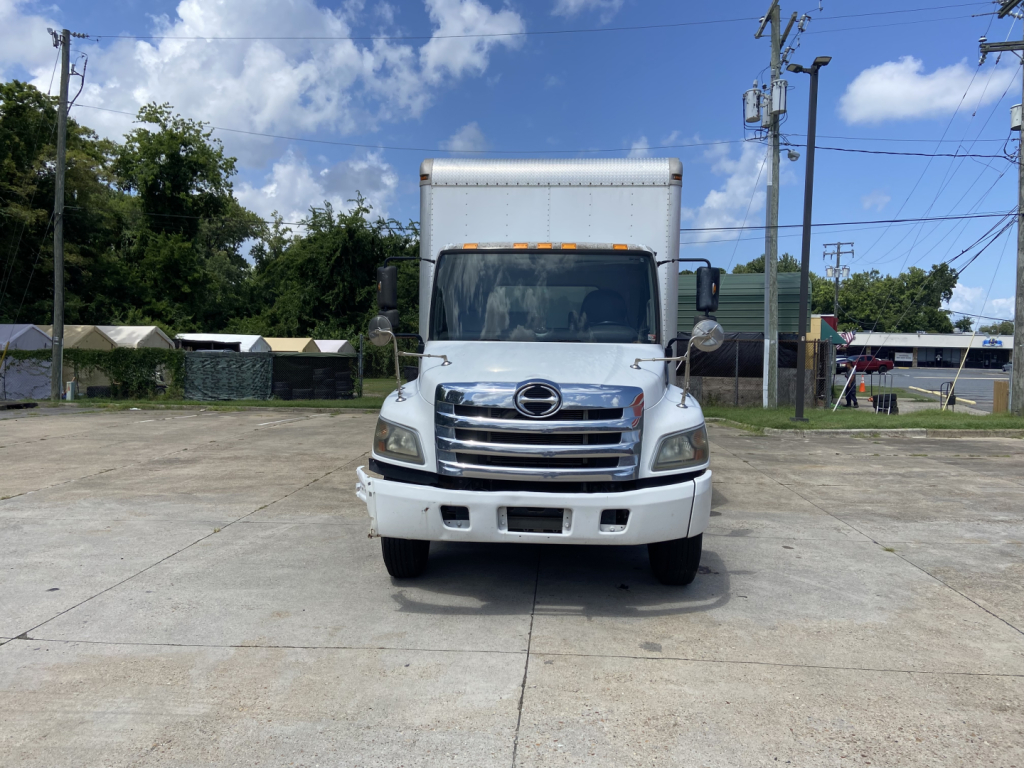
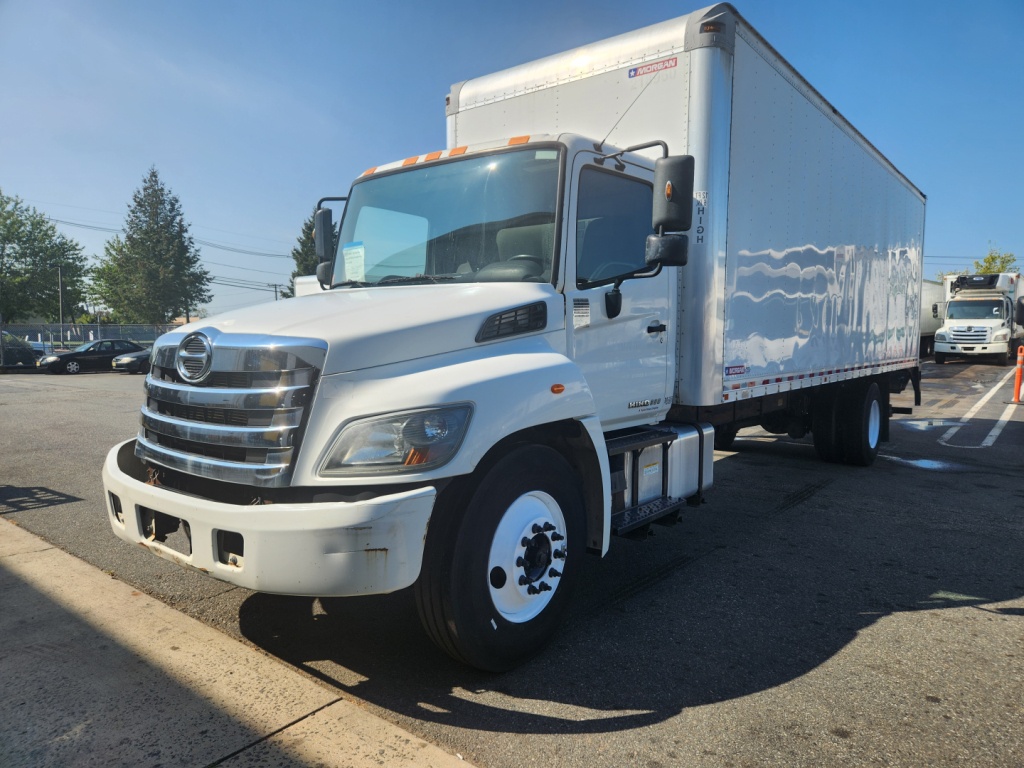
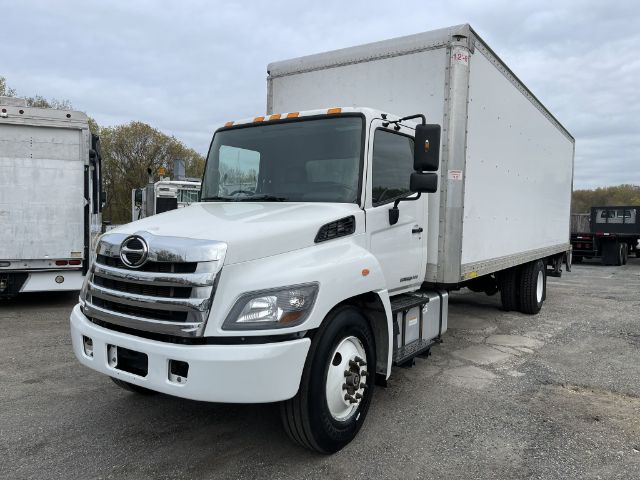
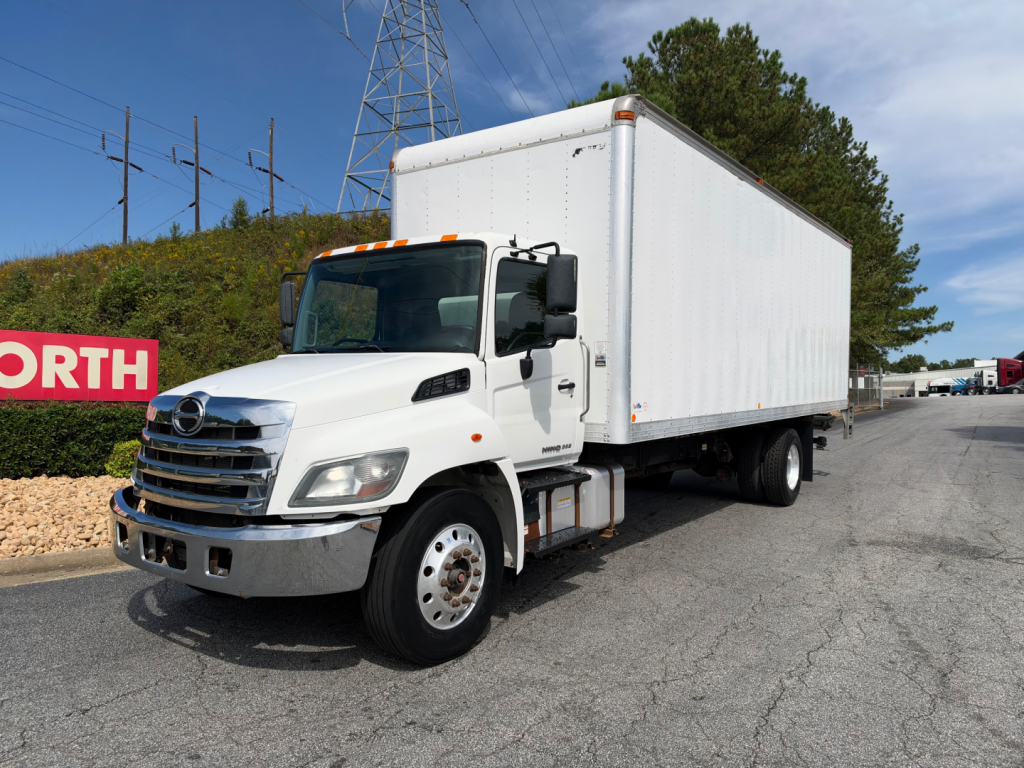
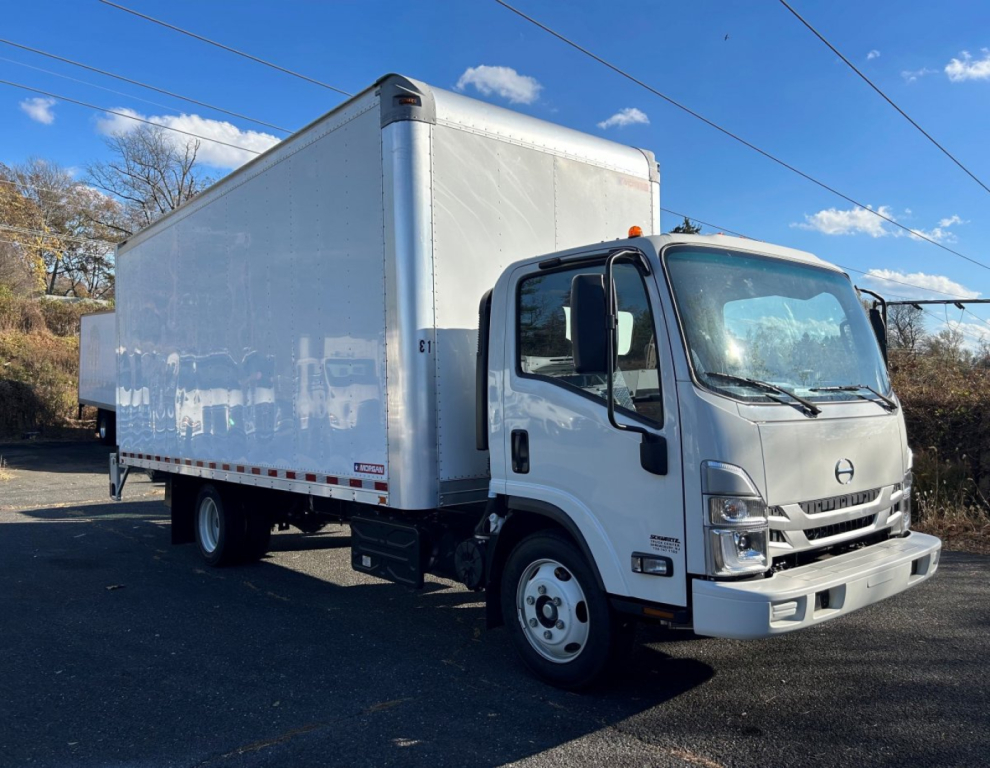
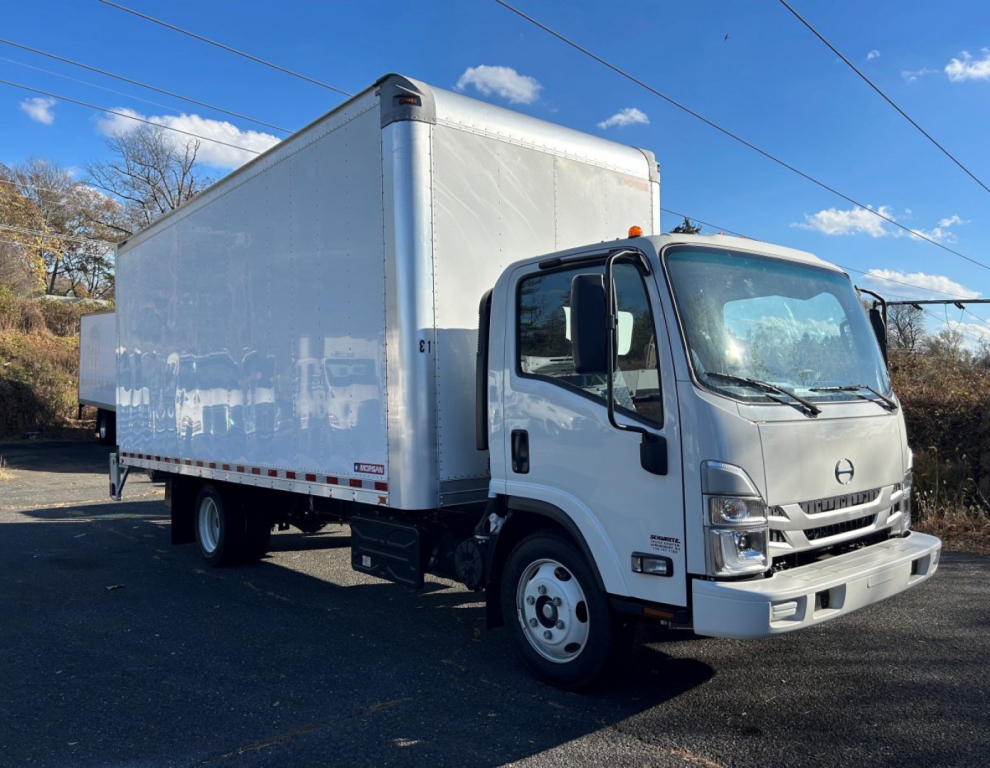
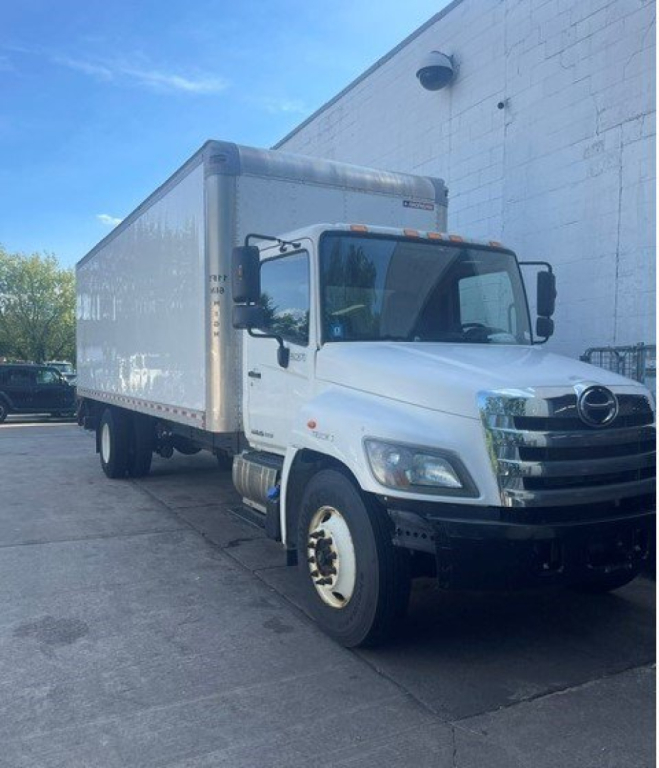
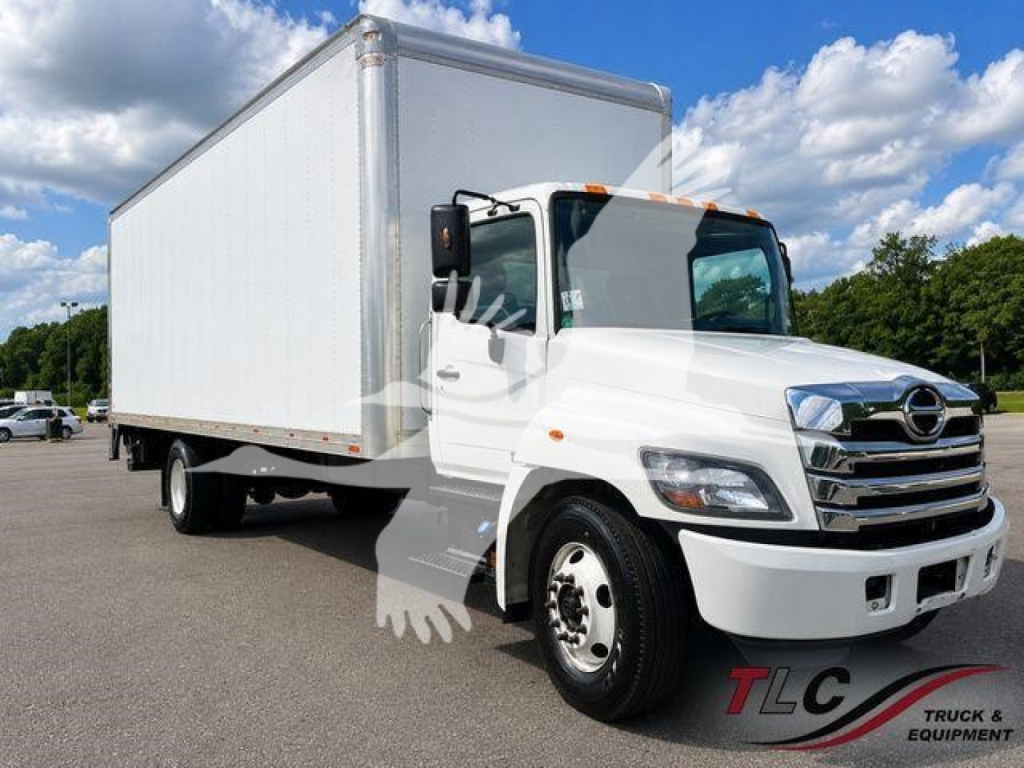
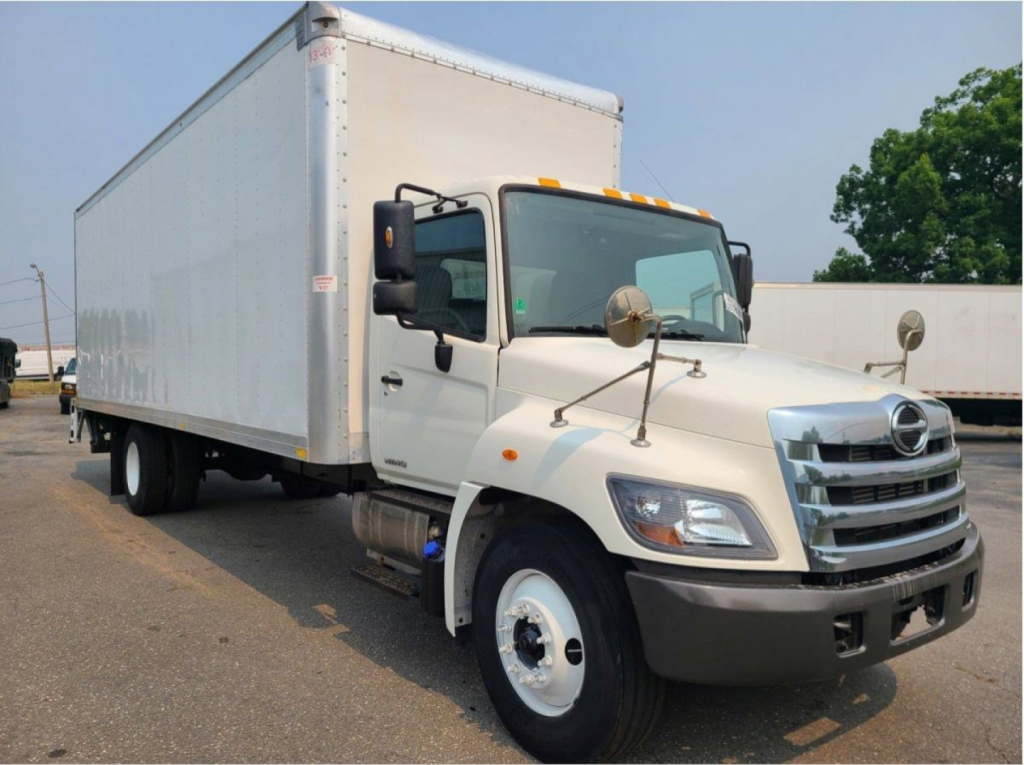
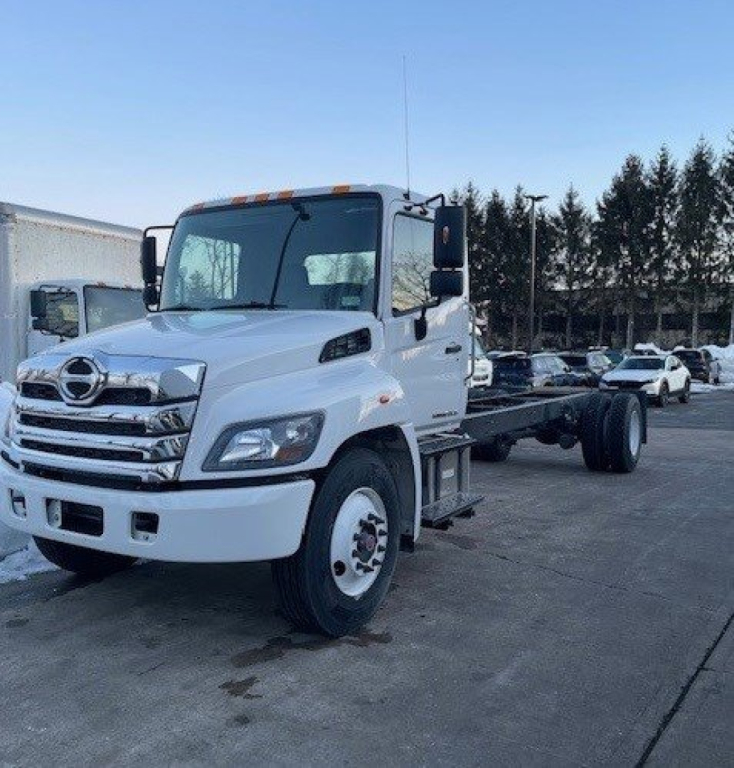
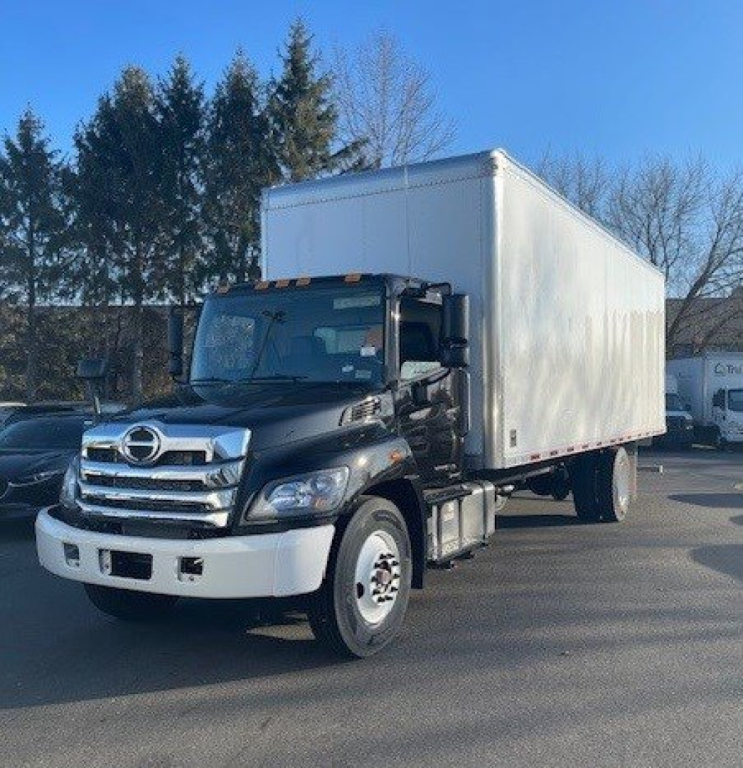
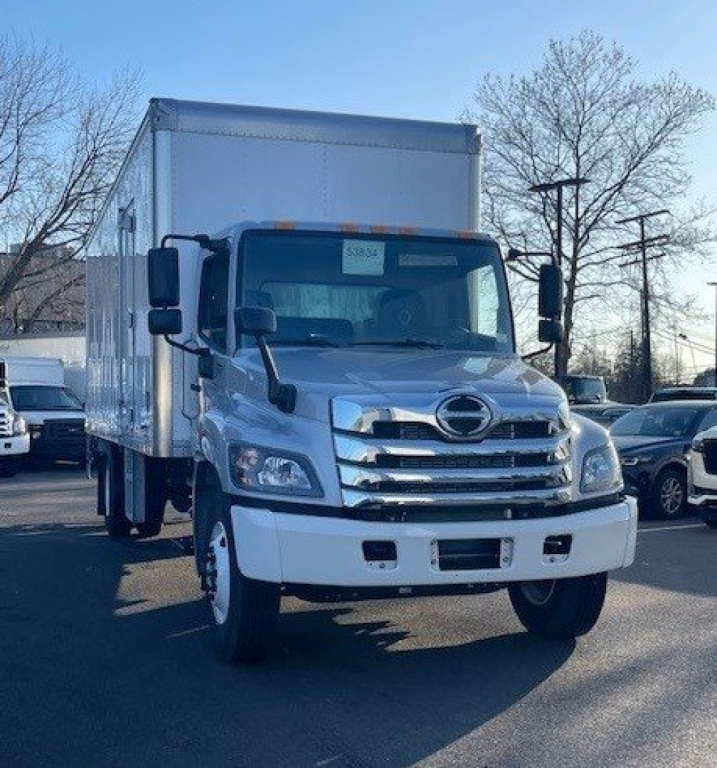
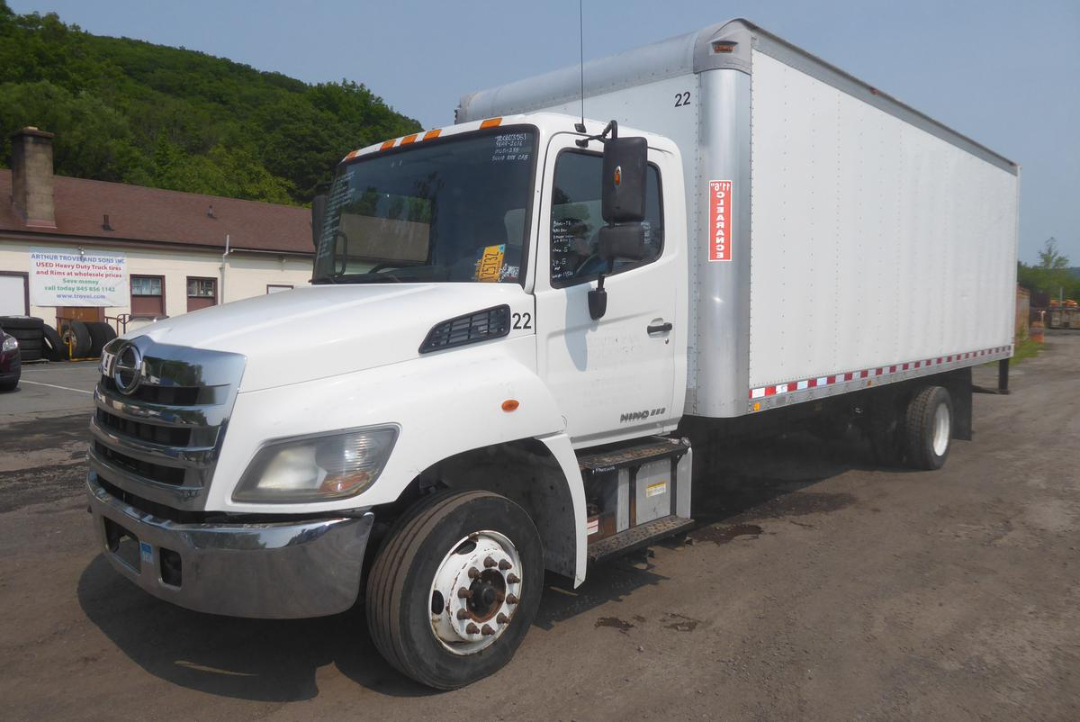
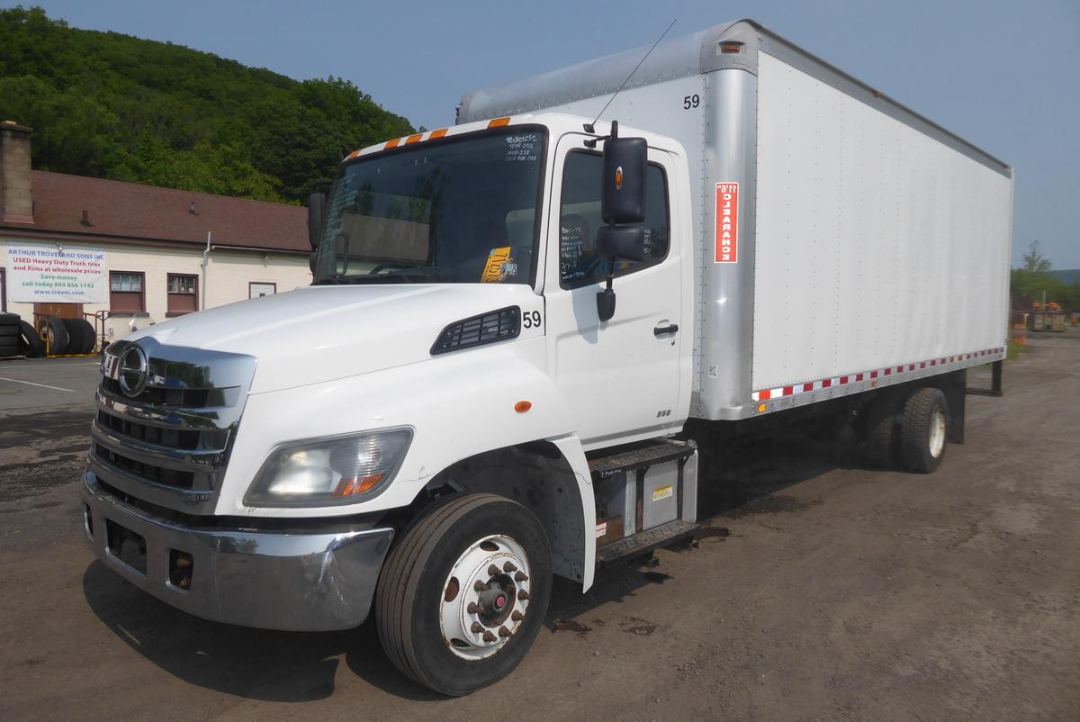
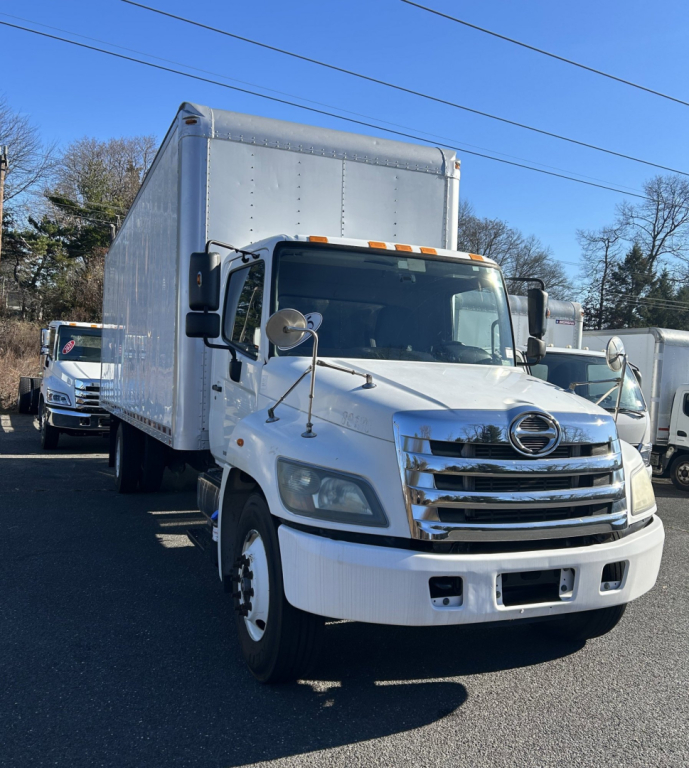
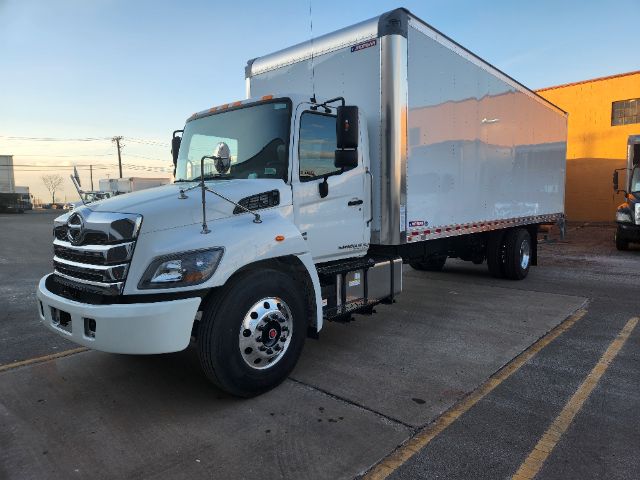
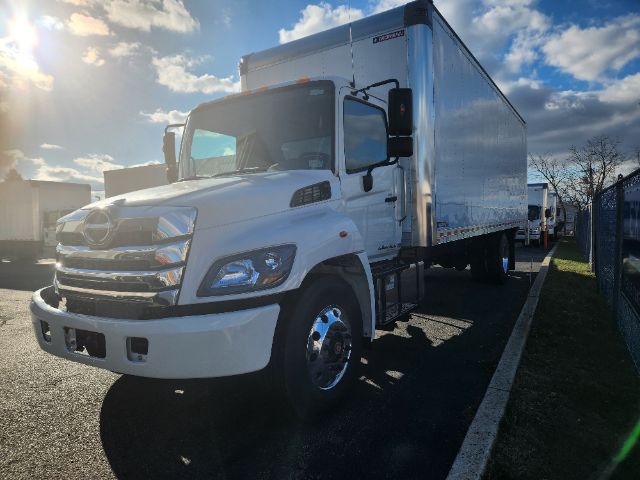
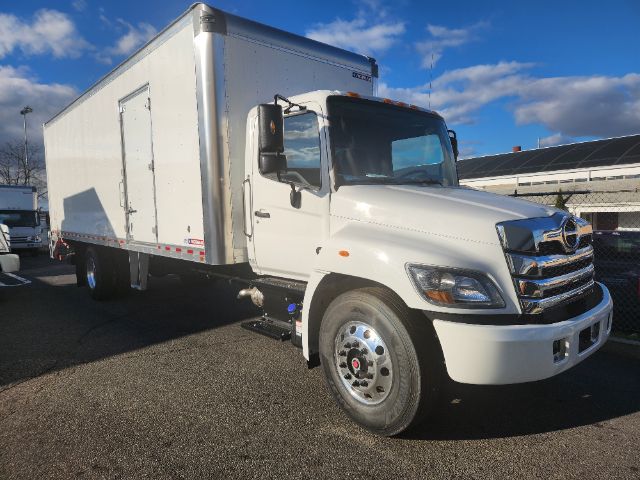
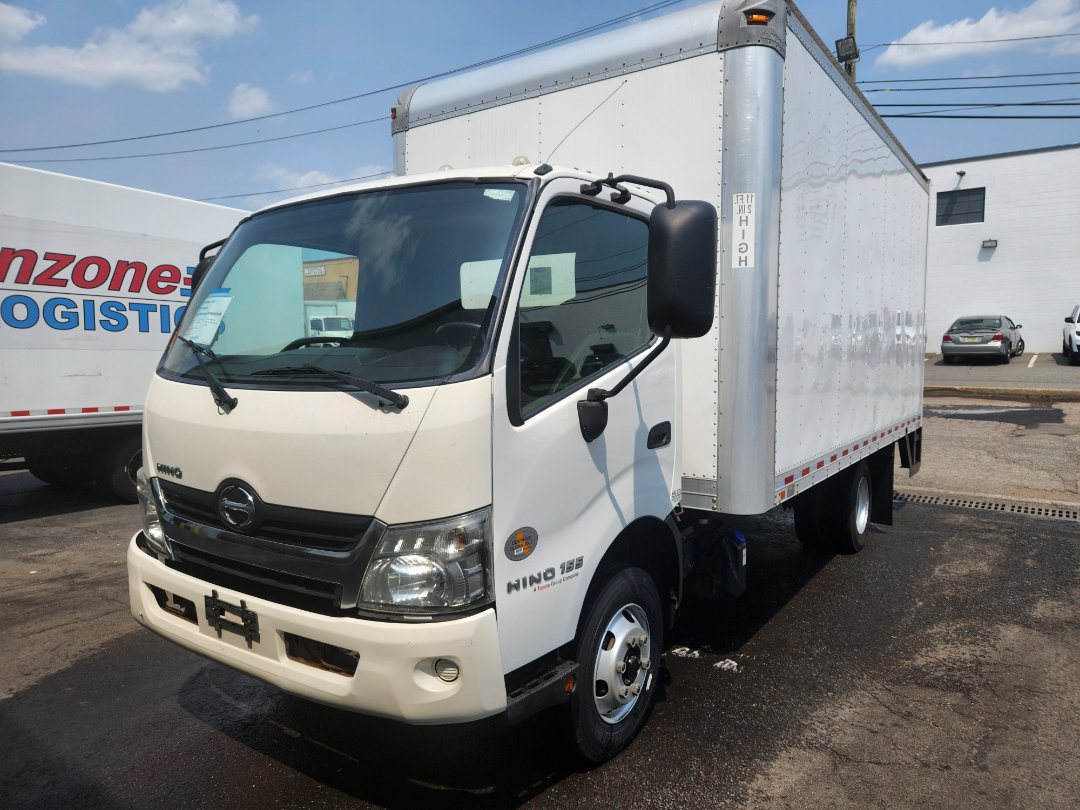
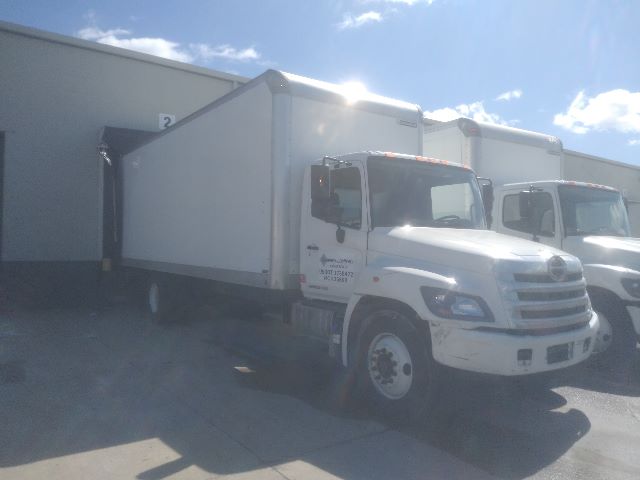

Showing 1 to 28 of 30 results
Selling a hino box truck? List your hino box truck for sale and reach thousands of commercial buyers.
Hino Box Trucks
The body spec matters as much as the chassis. Typical Hino box truck listings in this class include 26-foot van bodies with roll-up rear doors, curbside doors, plywood liner packages, E-track, and LED dome lighting. Liftgates are common and can vary significantly in rating, with tuck-away units around 3,300 lb to 4,400 lb often showing up on delivery-oriented trucks. Buyers hauling palletized freight should check the body inside height, floor construction, and tie-down layout, while beverage, parcel, and white-glove operators should pay close attention to door access, liftgate platform size, and the truck's empty weight after the body is installed. A heavier body and liftgate package can reduce legal payload faster than many first-time buyers expect.
On the powertrain side, older Hino box trucks often use the Hino J08E 7.6L diesel, while newer Hino L6 models commonly pair a Cummins B6.7 with an Allison automatic transmission. In practical use, both combinations are aimed at stop-and-go commercial work rather than long-haul speed. Horsepower in this segment is commonly around 240 to 260 hp, with gearing selected for launch, urban acceleration, and loaded drivability. Most are 4x2 trucks with spring suspension, 11R22.5 tires, and wheelbases in the range needed to carry a full 26-foot body. For many operations, automatic transmissions, engine brakes, heated mirrors, backup cameras, and air-ride driver seats are not luxury items. They directly affect driver comfort, turnover, and damage prevention on tight city routes.
A good Hino box truck should be evaluated as a complete package, not just by model year or engine badge. Check the actual GVWR on the door sticker, body manufacturer, liftgate make and capacity, rear axle rating, maintenance history, and any current DOT inspection status. On used units, pay attention to roll-up door condition, floor wear, roof leaks, liftgate cycle performance, and corrosion around crossmembers, thresholds, and body mounts. On newer trucks, review warranty coverage, emissions system support, and dealer service access in your operating region. For buyers comparing Hino box trucks for sale, the best fit usually comes down to route density, loading method, payload needs, and how the chassis and body were spec'd for the job.
Frequently Asked Questions about Hino Box Trucks
What GVWR is most common on Hino box trucks, and why does it matter?
Many Hino box trucks in this category are spec'd at 25,900 lb or 25,950 lb GVWR. That rating is popular because it keeps the truck under the 26,000-lb threshold commonly associated with non-CDL operation in many applications. It matters because GVWR affects driver requirements, legal payload, body options, and insurance considerations. Buyers should still confirm local and state regulations, but from a fleet spec standpoint, this is one of the most common reasons Hino box trucks are used in delivery work.
What engine and transmission setups are common in Hino box trucks?
Used Hino box trucks often have the Hino J08E 7.6L diesel, while newer Hino L6 trucks commonly use the Cummins B6.7 paired with an Allison automatic transmission. These setups are designed for medium-duty commercial use with frequent stops, urban traffic, and loaded starts. Buyers looking for easy driver training and route-friendly operation often prefer the Allison automatic, while maintenance-minded fleets should also review local service support for the specific engine platform.
Is a 26-foot Hino box truck a good fit for local delivery?
A 26-foot Hino box truck is a standard size for local and regional delivery because it offers strong cube capacity without moving into a tractor-trailer format. It fits many palletized freight applications, retail distribution routes, furniture delivery, appliance hauling, and final-mile services. The tradeoff is that a full 26-foot body can limit maneuverability in dense urban areas, so wheelbase, turning radius, door configuration, and liftgate design should be matched to the route profile.
What should I inspect on a used Hino box truck besides the engine?
The body and delivery equipment deserve as much attention as the chassis. Inspect the box floor for soft spots, delamination, and forklift damage. Check the roof and front wall for leaks, inspect the roll-up door tracks and springs, and look at body mounts and crossmembers for rust or cracking. Test the liftgate under load if possible, and review maintenance records for both the truck and the body equipment. A clean engine truck with a worn-out box or failing liftgate can still turn into an expensive repair cycle.
What body features are most useful on a Hino box truck?
The most useful body features depend on cargo type, but common high-value specs include a plywood-lined interior, two rows of E-track, a curbside door, LED cargo lighting, and a tuck-away liftgate. These features improve load securement, speed up deliveries, and reduce cargo damage. Buyers moving appliances, furniture, or mixed route freight should also pay attention to interior height, rear door opening dimensions, and liftgate capacity because those details affect daily usability more than the paint or trim level.